PBT Polymer
Wear Resistant
Mechanical Fit
Precision-engineered graphic panels, tactile membrane switch circuits, and mechanical key solutions designed to endure demanding thermal variations and continuous duty cycles.
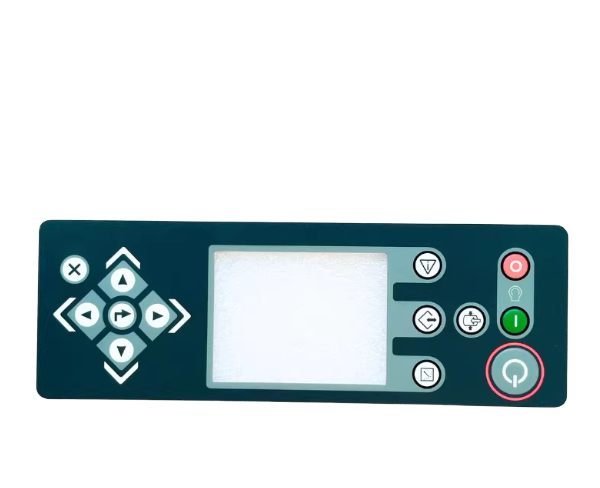
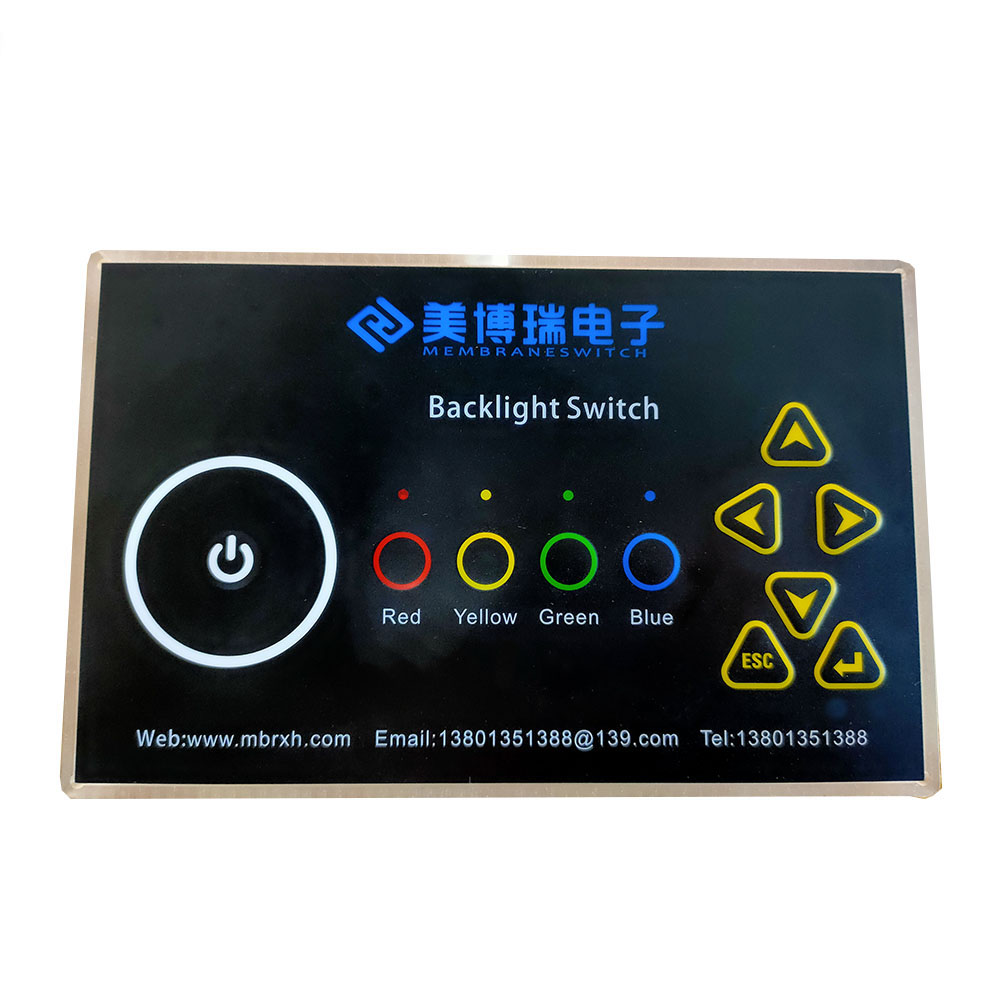
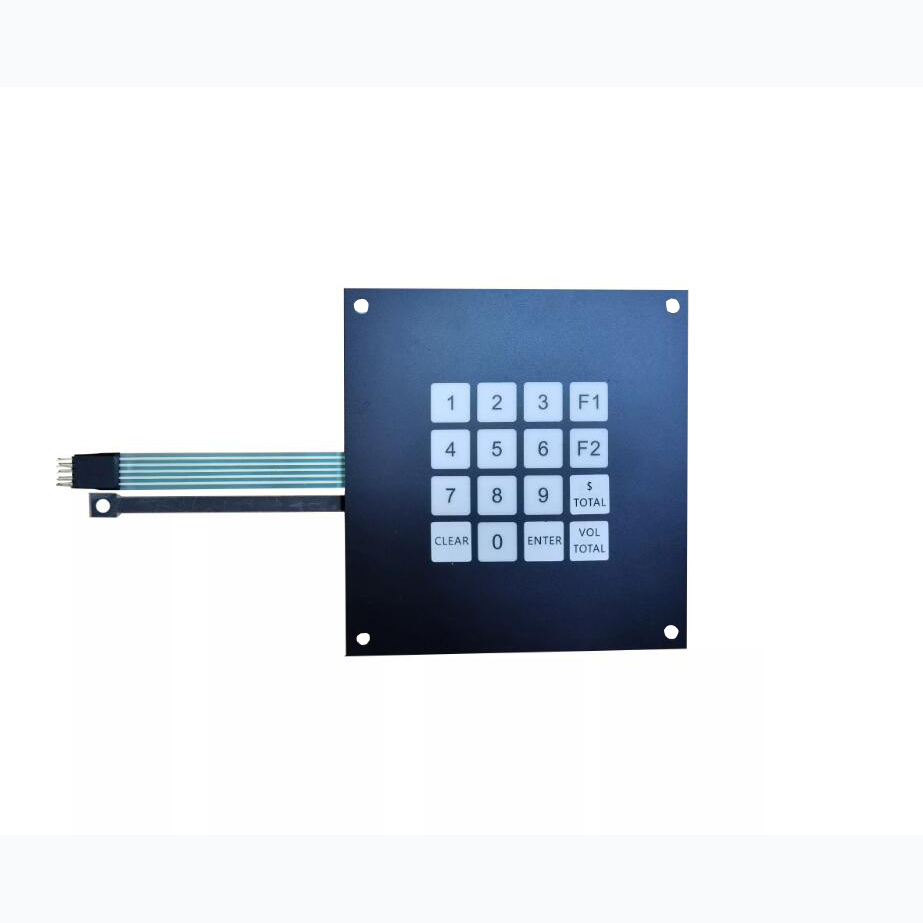
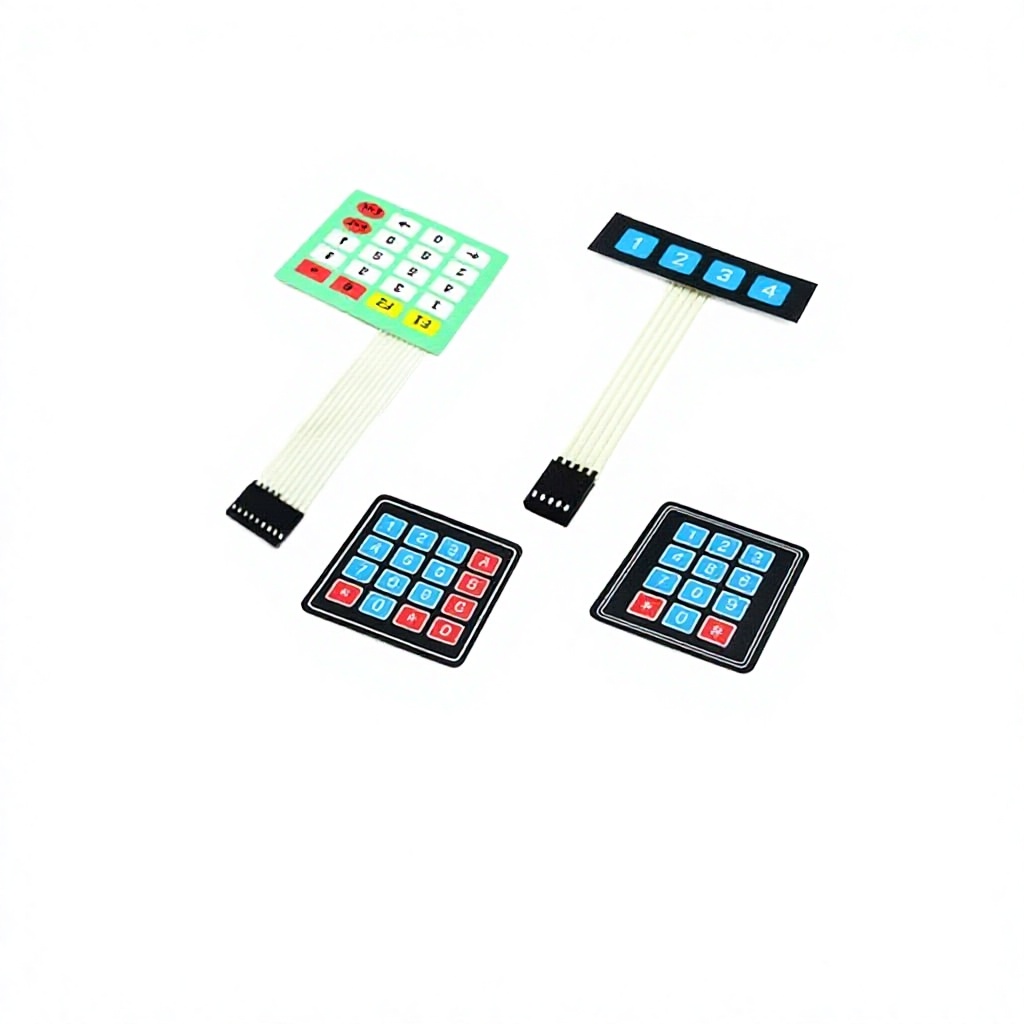
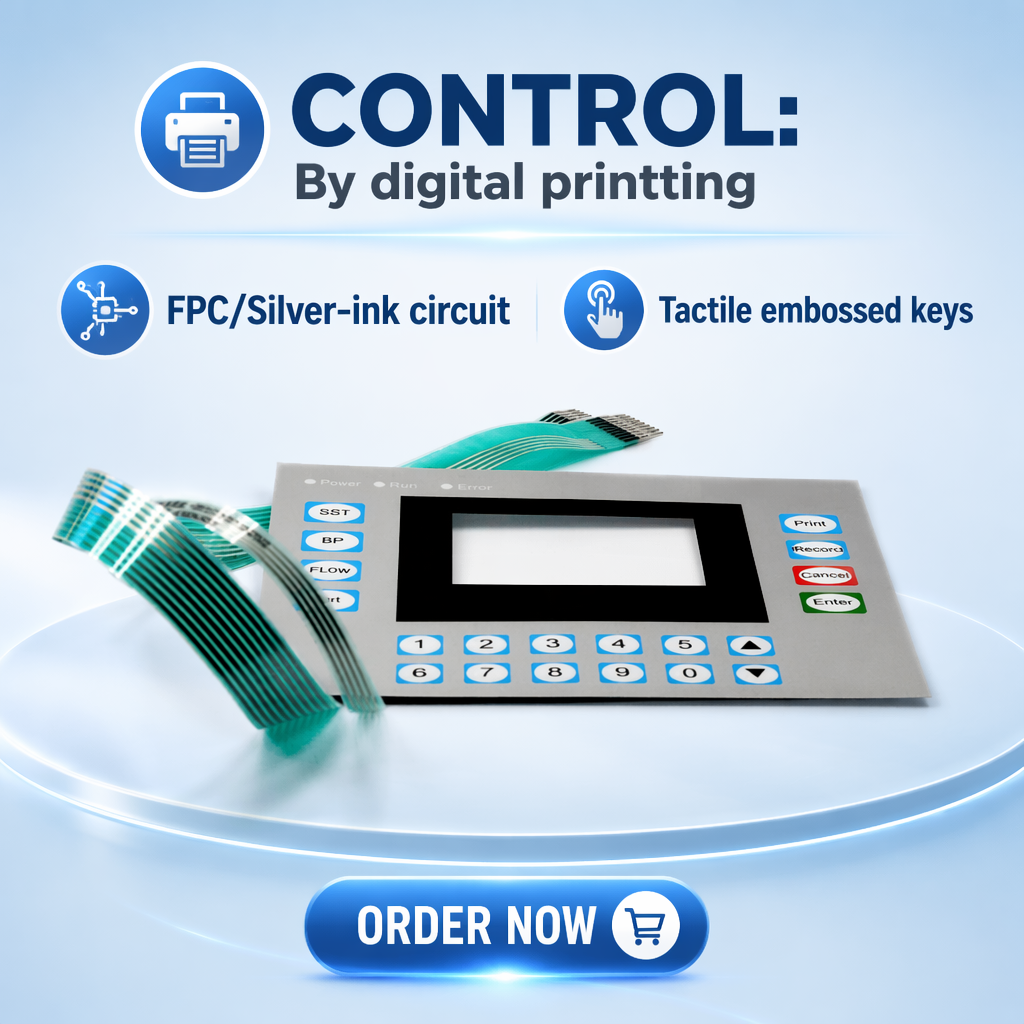
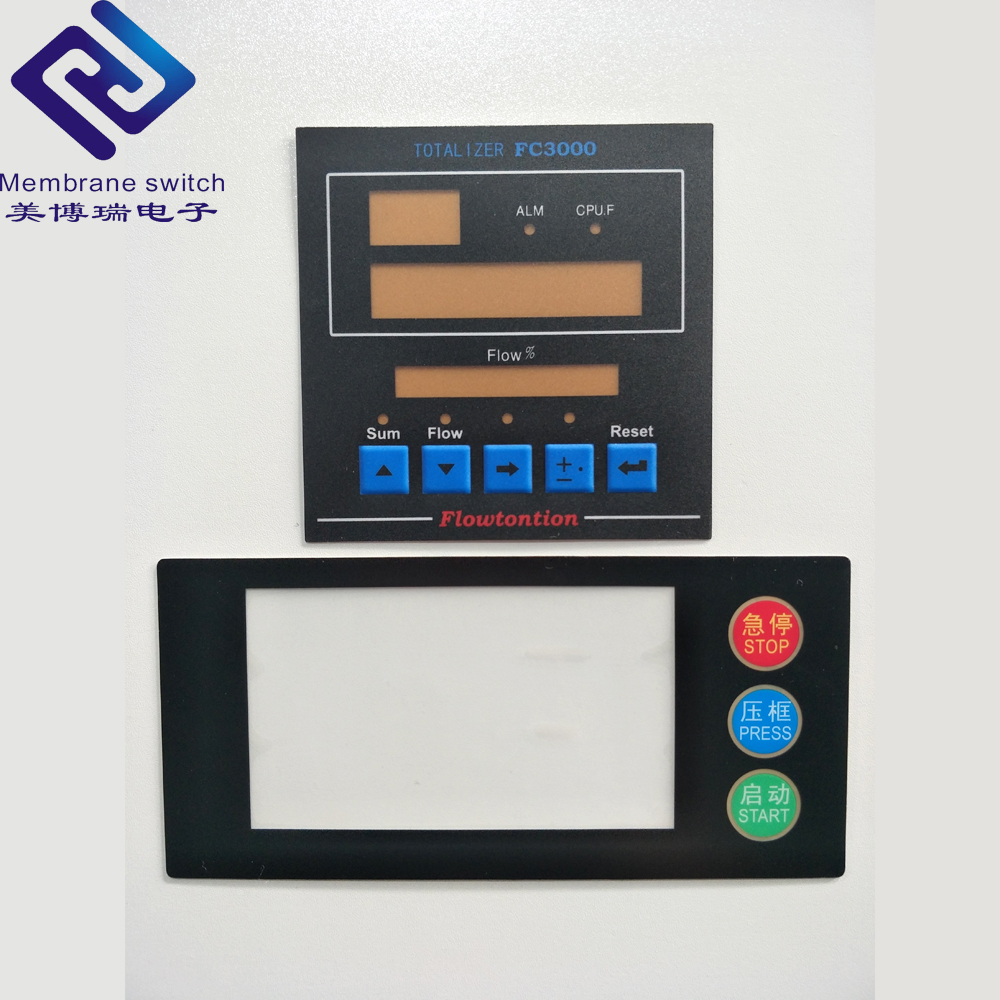
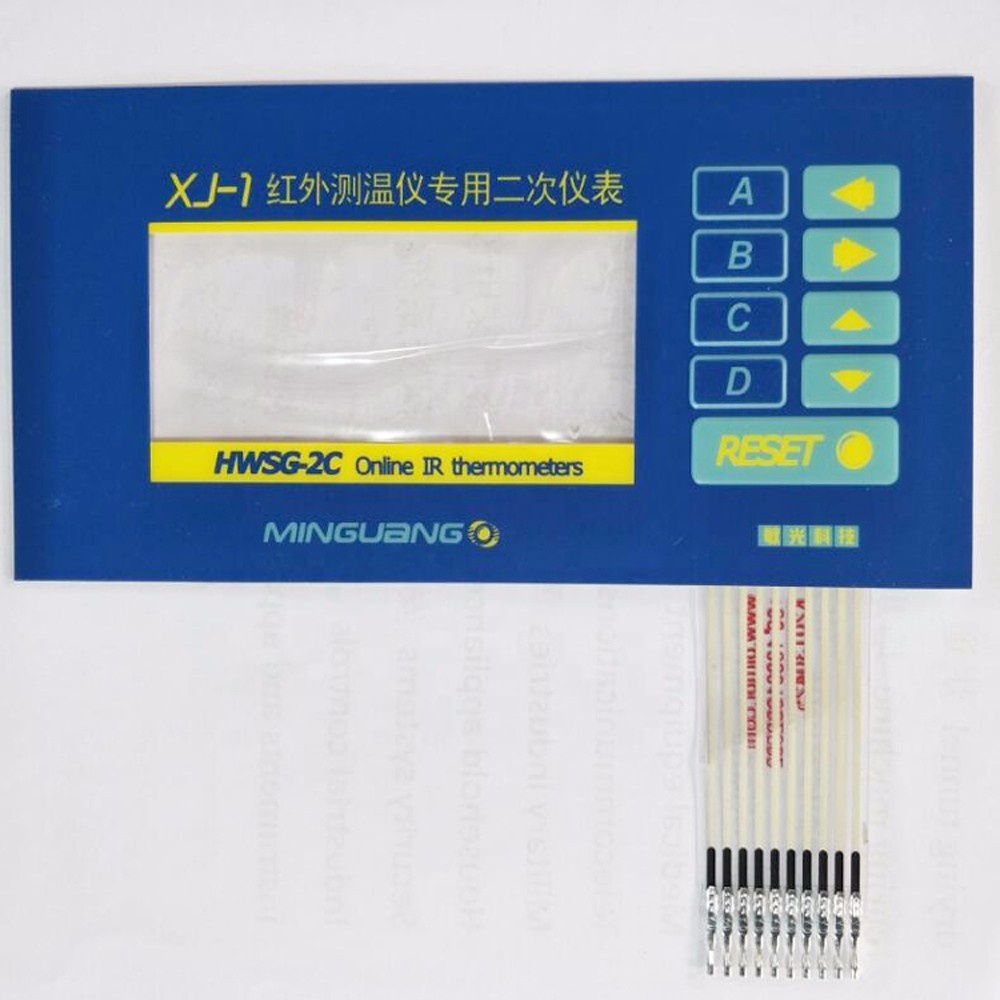
In modern electronic equipment design, the graphic overlay represents far more than an aesthetic skin; it serves as the frontline human-machine interface (HMI) that shields sensitive electronics from destructive atmospheric elements while facilitating intuitive operator interaction. For original equipment manufacturers (OEMs), engineering procurement teams, and industrial automation firms operating in Pristina and the wider Kosovo industrial corridor, securing resilient, dimensionally stable, and chemically inert control surfaces is critical. The regional climate, characterized by continental winters and high summer heat loads, demands front panels that resist thermal shock, airborne particulate abrasion, and aggressive sanitation fluids without delamination or graphic fading.
Historically, industrial panel decorating relied strictly on conventional solvent-based silkscreen printing. While silkscreen printing maintains high volumetric opacity for broad solid flood-coats, it encounters economic bottlenecks and resolution limits when handling rapid revisions, micro-gradients, variable data serialization, and multi-color photometric displays. The integration of high-resolution digital ultraviolet (UV) printing—leveraging industrial flatbed systems like our advanced Mimaki piezo-head configurations—has revolutionized the production of polycarbonate (PC) and biaxially oriented polyethylene terephthalate (PET) overlays. Through instantaneous photopolymerization driven by narrow-spectrum UV LED curing arrays, reactive liquid photo-initiators instantly form dense cross-linked polymeric chains directly upon treated substrate second surfaces.
By adopting sub-surface (reverse) digital UV printing, the deposited ink layers remain entirely protected behind the outer plastic barrier. Mechanical scraping, repeated operator fingernail clicks, lubricating oils, mild acids, and UV sunlight degradation cannot touch the encapsulated pigment matrix. This architecture guarantees a lifecycle exceeding millions of mechanical cycles when coupled with embossed tactile keys and stainless steel snap domes, providing Pristina’s burgeoning mechanical assembly and medical device sectors with enterprise-grade durability.
How customized digital UV overlays and membrane panels resolve harsh operational bottlenecks across local manufacturing, utilities, and commercial hardware infrastructure.
In proximity to the massive power generation complexes in Obiliq and mineral processing networks surrounding Pristina, electrical cabinets and distribution HMIs endure continuous particulate accumulation, coal dust, and severe electromagnetic noise. Our digital UV printed overlays feature sub-surface graphite or aluminum EMI/RFI shielding foils paired with textured, anti-glare Autotex PET. This completely seals switch circuitry against carbonaceous dust ingress while eliminating electrostatic discharge risks.
Pristina’s position as a cross-Balkan logistics intersection has driven the rapid upgrade of retail petrol hubs and commercial fleet distribution centers. Keypads mounted on fuel dispensers face persistent solar exposure, rain, winter de-icing salts, and direct hydrocarbon spillage (petrol, diesel, and ethanol additives). We implement selective 3M 468MP acrylic adhesives and specialized aliphatic polyurethane exterior hard-coats that inhibit aromatic swelling and maintain button snap feedback down to -30°C.
Private clinical testing clinics and public hospital facilities in Pristina demand sterile interface consoles capable of withstanding aggressive daily wiping with isopropyl alcohol, chlorine bleaches, and ammonium hospital-grade detergents. Digital UV reverse printing on Autotex Steel or antimicrobial textured films prevents chemical etching and eliminates gaps where microbial pathogens or fluids could pool, ensuring full compliance with clinical hygiene standards.
Key economic indicators, digital modernization initiatives, and nearshoring structural shifts impacting how Kosovo procurement teams source specialized technical components.
European Union and DACH region OEMs are increasingly relocating secondary sub-assembly lines to Pristina to capitalize on competitive regional labor, modernized highway corridors, and favorable customs terms. This shift mandates that local assembly plants source graphic overlays and tactile membrane keypads from ISO 9001 certified partners who provide technical data sheets (TDS), REACH/RoHS compliance statements, and consistent dimensional repeatability.
Industrial developers in Pristina can no longer absorb high minimum order quantities (MOQs) or wait 8 to 10 weeks for legacy screen print tooling. With digital UV inkjet imaging, full prototype batches and pilot production runs of 50 to 500 units can be produced without upfront screen charges. Digital files are converted directly into precision laser toolpaths, dramatically cutting prototype iteration lead-times down to days rather than months.
Local equipment enclosures are evolving from simple mechanical toggle switch arrays to modern smart displays. Pristina designers require graphic overlays with precision dead-front indicators—windows that appear totally opaque and black until rear-mounted LEDs illuminate specific icons or warning alerts. Our multi-pass digital UV density controls guarantee zero pinhole light leakage while delivering crisp, high-transmittance optical clarity over integrated TFT-LCDs and OLED gauges.
From initial CAD conversion to cleanroom assembly and robotic testing, discover why over three decades of HMI manufacturing discipline ensures complete quality control.
Unlike trading brokers, TAVO operates two comprehensive manufacturing hubs in Hebei (Xianghe Robot Port) and Guangdong (Huizhou). Laser cutting, digital UV curing, embossing, cleanroom lamination, and pin testing are performed within our own audited facility walls.
Our workshop floors house 4 Mimaki industrial UV digital printers, 37 precision screen printers, 18 precision laser cutting tables, 60 CNC mold-making suites, and automated optical window laminators, ensuring seamless transition from micro-run prototypes to high-volume output.
Through longstanding technical partnerships with German membrane switch engineers, we maintain strict adherence to DIN and ISO 9001 standards. Every finished panel is audited for actuating force, contact resistance (<100Ω), and electrical insulation (>100MΩ at 250VDC).
With an experienced 20-person international trade department, we coordinate door-to-door air freight into Pristina International Airport (PRN) and consolidated container shipments to regional Balkan hubs via FOB, CFR, CIF, or EXW Incoterms with full customs packaging.
Reliability cannot be assumed; it must be verified under controlled environmental stressors. When exporting graphic overlays and integrated membrane switches to Pristina, our quality control lab executes rigorous non-destructive and destructive batch testing to ensure the integrity of adhesive bonding, circuit conductance, and optical clarity:
| Testing Standard | Equipment & Stress Parameters | Acceptance Performance Threshold |
|---|---|---|
| Actuation Life Cycle | Automated button life-cycle pneumatics (0.8N – 5N) | > 1,000,000 cycles with zero tactile drop or switch fatigue |
| Thermal & Humidity Shock | Programmable climate test chamber (-40°C to +85°C, 95% RH) | Zero delamination, edge lifting, or conductive ink migration |
| UV Radiation Exposure | Programmable Xenon lamp aging chamber (ASTM G155) | Delta E < 2.0; no graphic yellowing or ink micro-cracking |
| Corrosion & Salt Fog | Automatic salt fog chamber (5% NaCl solution, 35°C, 48 hrs) | IP67 hermetic seal compliance; zero trace corrosion on silver/copper |
| Chemical Wipe Rub Test | Linear abrasion test with MEK, IPA, Bleach, and Gasoline | ASTM D5402 50+ double rubs without substrate marring or optical hazing |
Real-world engineering and commercial answers addressing material selection, file submissions, customs clearances, and turnaround timetables.
Send your drawings, artwork, or technical specifications. Our engineers will verify tolerances, recommend optimized substrate stack-ups, and provide detailed quotations within 24 hours.