Precision EL, LED & Tactile Membrane Keypads
Engineered to resist the corrosive maritime atmosphere and high humidity of the Federated States of Micronesia (Yap, Chuuk, Pohnpei, Kosrae), these proven control assemblies combine electroluminescent clarity, metal-dome tactile feedback, and hermetic perimeter bonding.
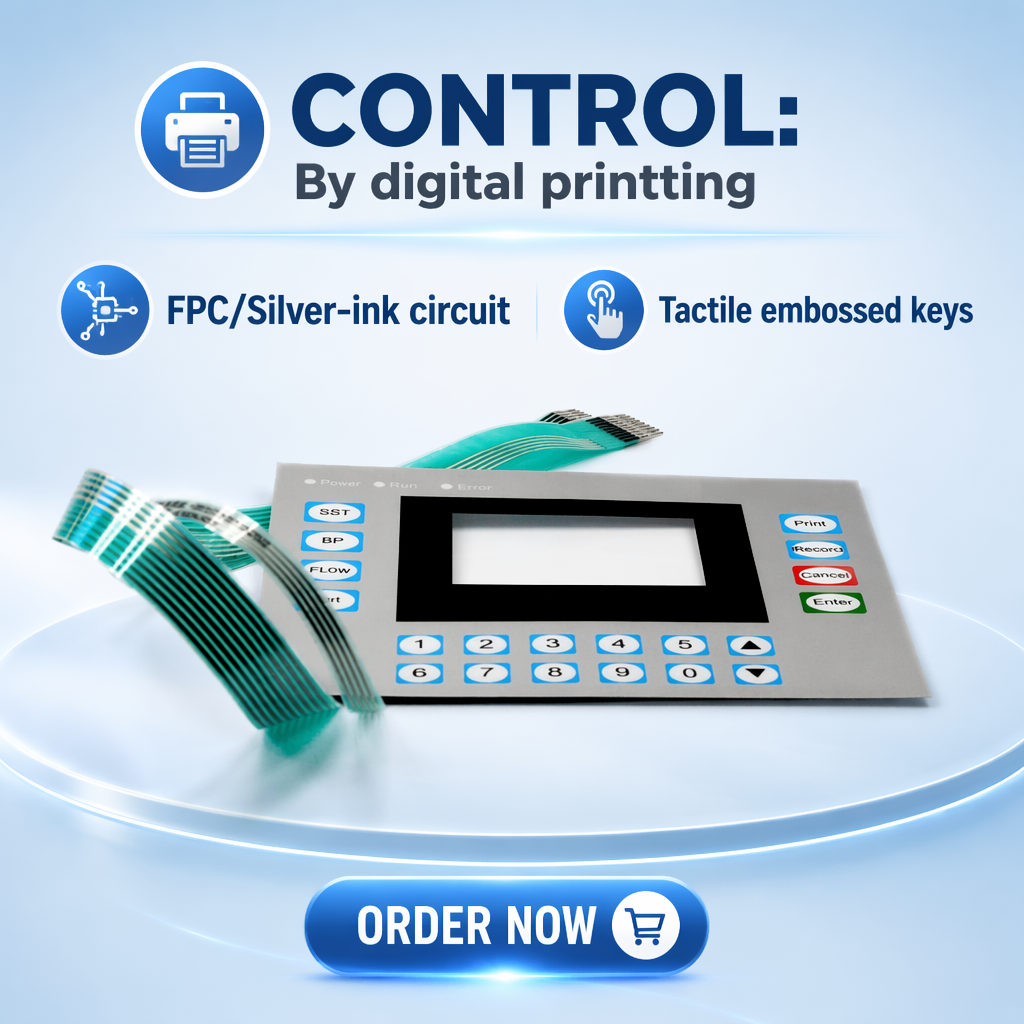
Custom FPC Membrane Switch With Embedded LED Backlight Flexible Circuit Keypad
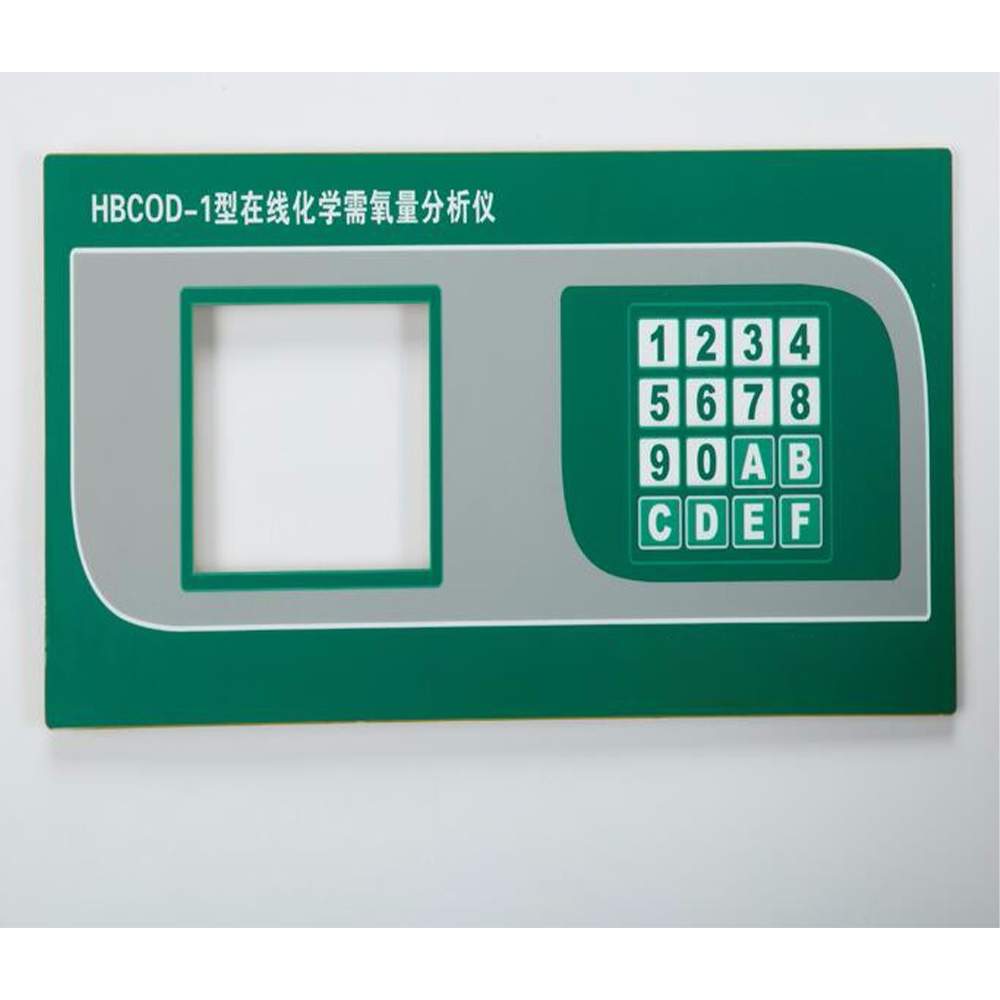
High Quality PET PC Membrane Keyboard Custom Logo Fast Delivery
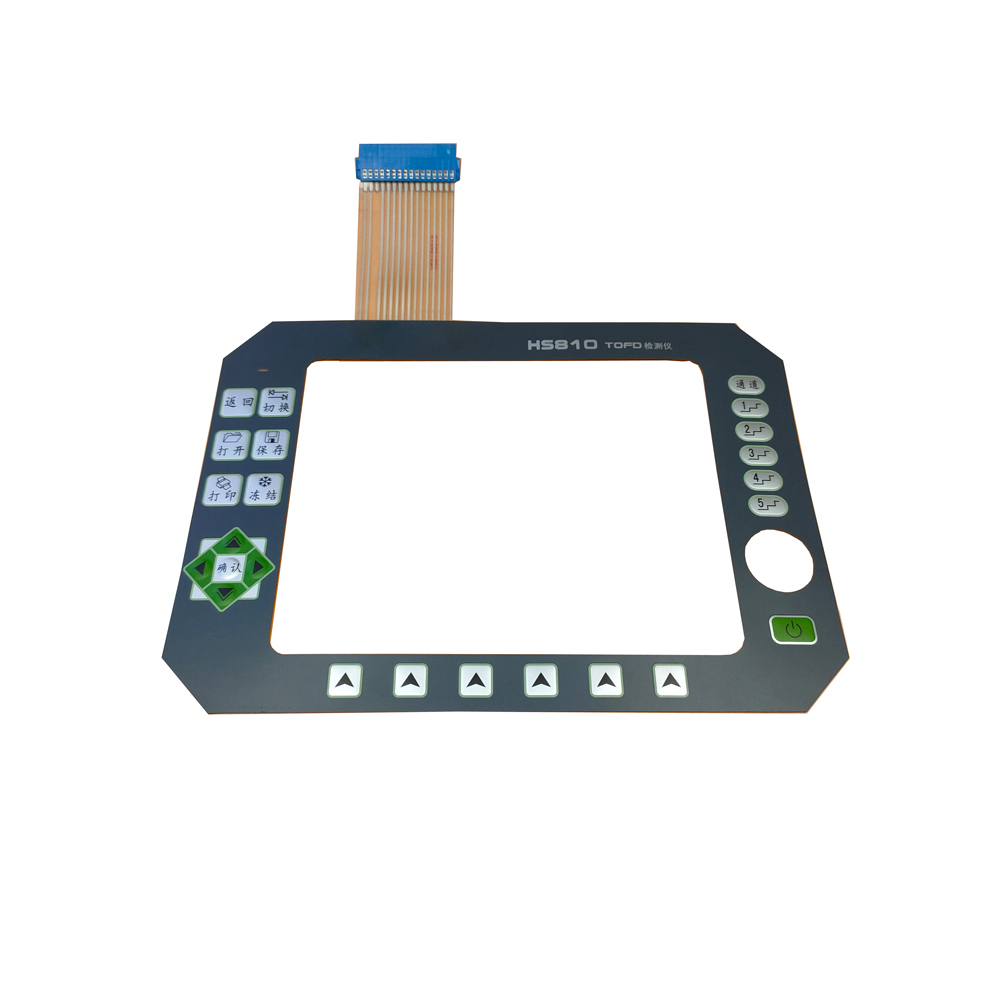
Meiborui Custom PBT Keyboard Cap Silkscreen Printed Waterproof Sticker
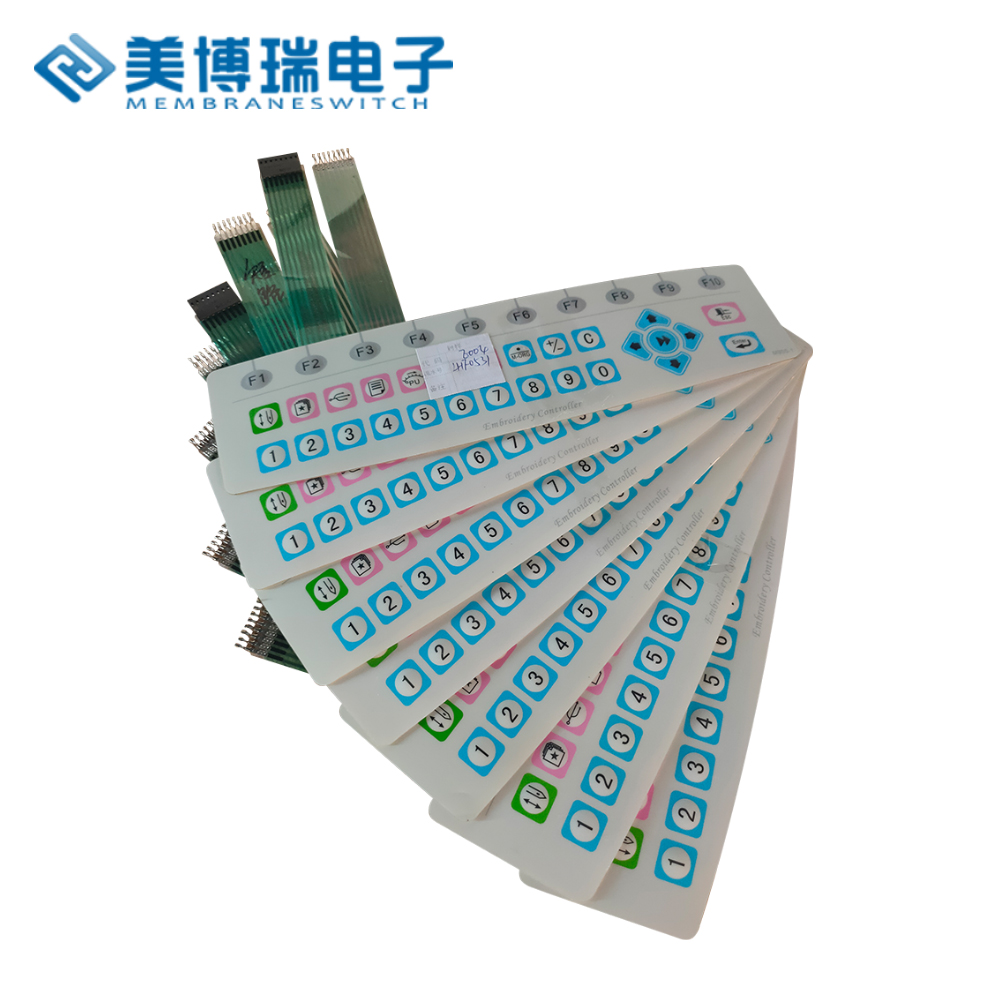
Custom MBR OEM Flexible Waterproof Membrane Keypad Moisture Proof
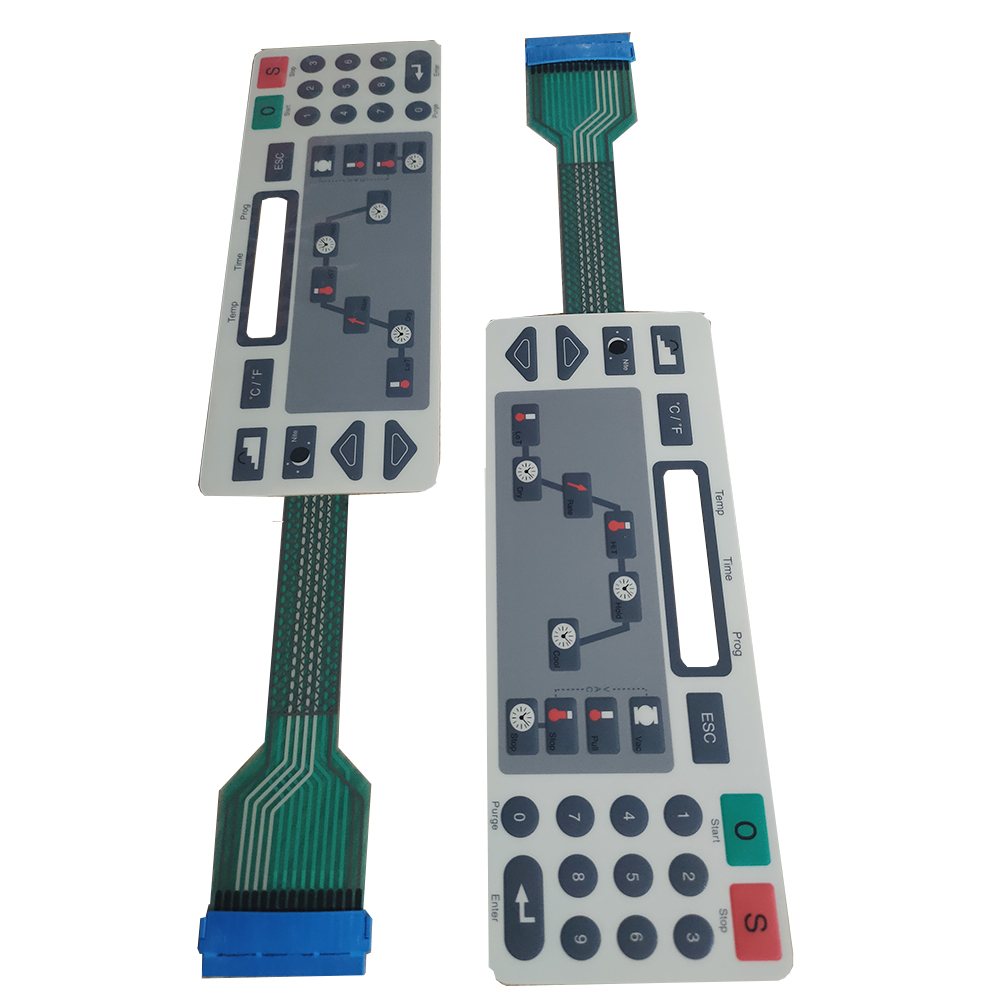
IP67 Waterproof 3M Adhesive Acrylic Metal Dome LCD Membrane Switch
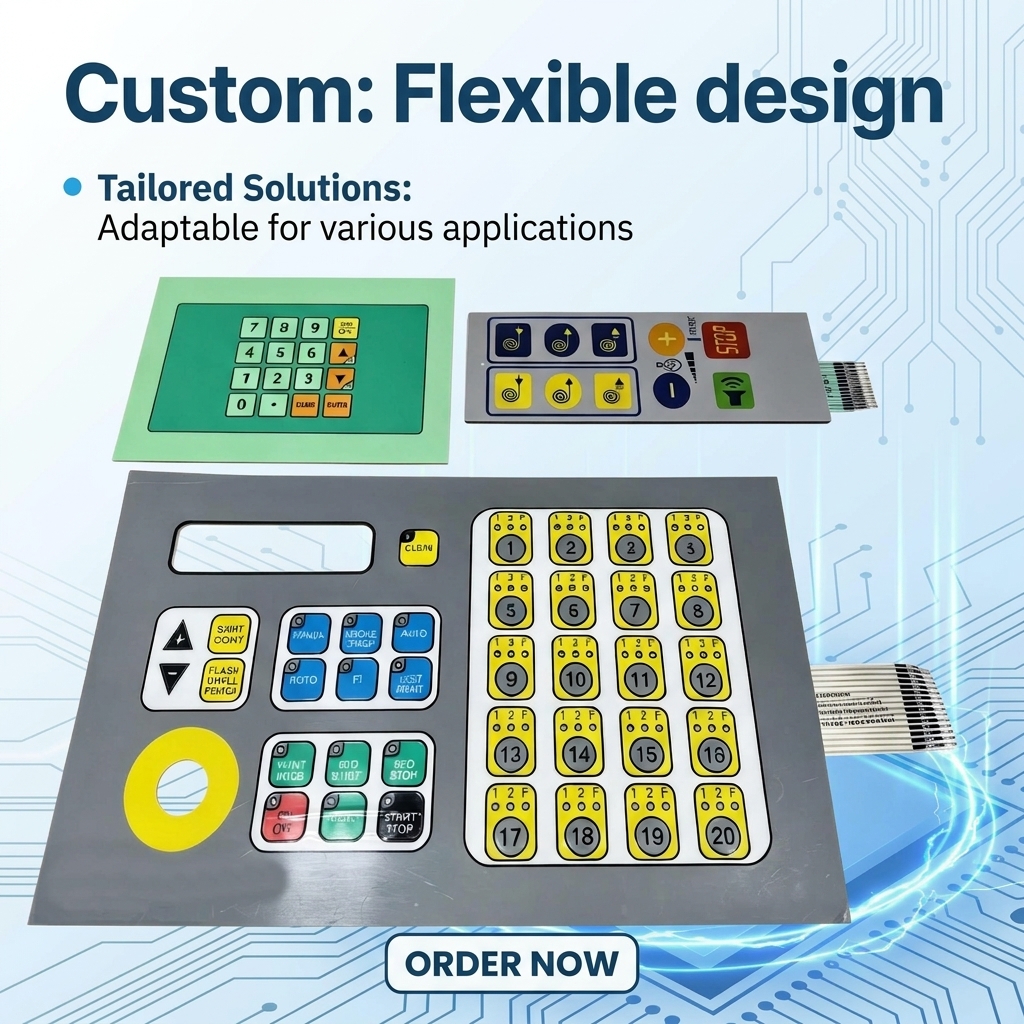
FPC Membrane Switch Keypad With LED Illumination for Severe Enclosures
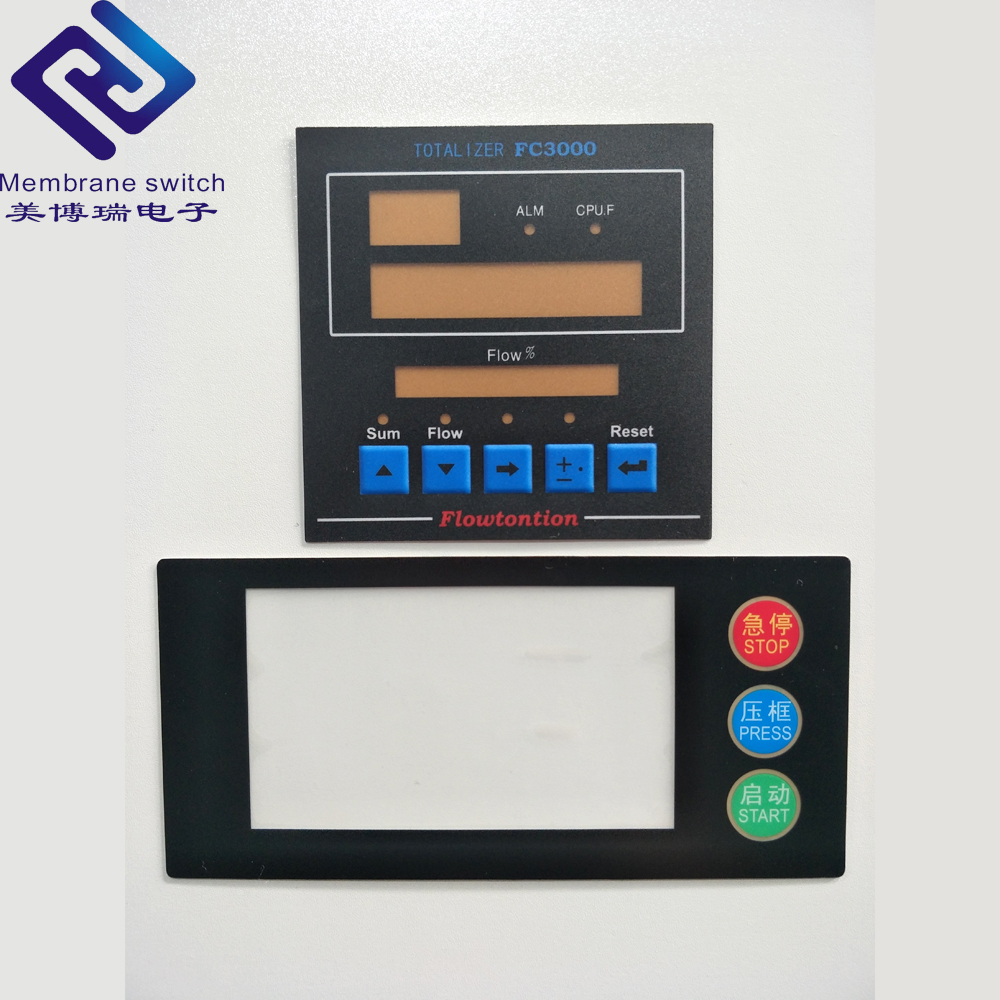
IP67 Waterproof Metal Dome LCD Membrane Keypad for Telecommunication
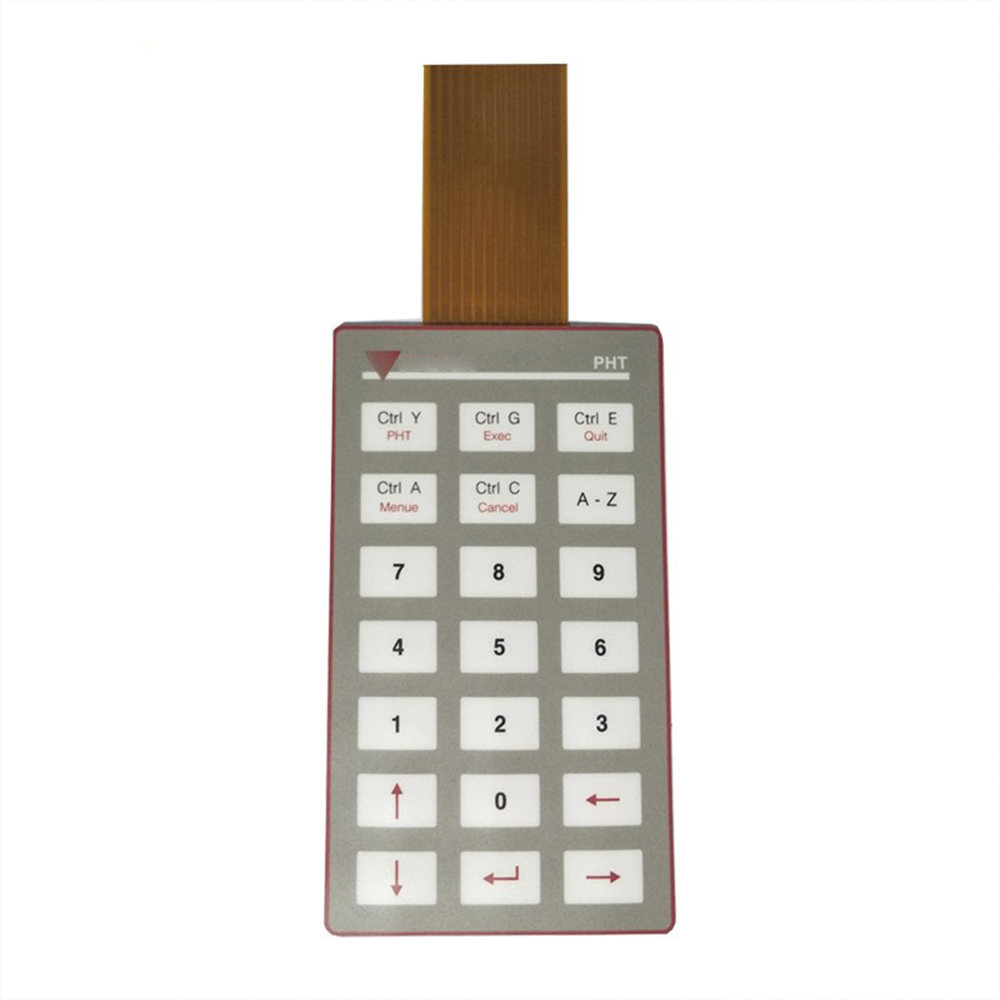
Computer Keyboard Membrane Panel Temperature Control Keypad Touch Switch
1. Electroluminescent Physics & Solid-State Laminar Illumination in Pacific Marine Operating Environments
Electroluminescent (EL) technology operates on the foundational physical principle of field-induced radiative recombination. Specifically, doped microencapsulated zinc sulfide (ZnS:Cu or ZnS:Mn) phosphor crystals are suspended within a specialized high-dielectric fluoropolymer resin matrix. When an alternating current (AC) electric field (typically 60V–115V AC at 400Hz to 1kHz) is applied across an Indium Tin Oxide (ITO) conductive front electrode and a high-purity rear silver/carbon conductor, the electric field excites electron transitions within the phosphor centers. As electrons collapse back to their ground states, they discharge photons in a non-thermal, cold-light laminar spectrum.
In equatorial marine regions like Micronesia, ambient operating parameters challenge standard electronics with sustained relative humidity exceeding 92% and ambient temperatures averaging 28°C to 34°C. Conventional point LEDs present significant drawbacks: their localized junction temperatures create micro-thermal cycling, expanding and contracting internal air gaps, which actively draws in salty ambient vapor. By contrast, an EL backlit panel manufactured by our facility operates cold (<0.5°C surface temperature rise during continuous operation), consumes as little as 3.5mW/cm², and measures less than 0.25mm in profile thickness. This paper-thin architecture integrates seamlessly between the graphic overlay and the tactile circuit layer without demanding deep chassis cutouts, making it an ideal candidate for retrofitting into hermetically sealed NEMA 4X and IP67 enclosures.
2. Anti-Corrosion Engineering: Mitigating Silver Migration Under Tropical Saline Stress
A persistent failure mechanism of standard membrane keypads in tropical archipelago settings is electro-chemical silver migration. Under continuous DC potential differences and condensing relative humidity, ionic silver (Ag+) dissociates from standard printed silver tracks and migrates across dielectric gaps, electro-depositing into crystalline dendritic dendrites that inevitably cause destructive short circuits.
To eliminate this catastrophic vulnerability for buyers across the Federated States of Micronesia, our engineering team deploys three structural safeguards:
- Carbon Overprint Barrier: Every printed conductive silver trace is encapsulated with a precision screen-printed, low-porosity colloidal carbon protective shield that prevents silver ions from contacting atmospheric humidity.
- Rolled Annealed Copper Polyimide (FPC): For mission-critical communications and military/governmental marine projects, silver screen-printing is entirely replaced with polyimide flexible printed circuits (FPC), utilizing pure etched copper traces electroplated with nickel and gold (ENIG). Copper flex circuits exhibit zero dendritic silver migration, maintaining uninterrupted circuit isolation even at 100% condensing humidity.
- Internal Laser-Vented Channeling: Unlike standard keypads that exhaust internal dome cavity air into the external atmosphere, our marine keypads utilize a closed-loop internal breather chamber network, preventing humid, salt-saturated air from breathing into the internal contact domes during tactile actuation.
Mission-Critical Applications Across Micronesia
From the deep sea fishing docks of Kolonia to off-grid solar storage in Chuuk lagoon, discover where our EL backlit and membrane switch panels deliver non-failing operation.
Inter-Island Maritime & Tuna Fleet Navigation
Commercial longliners and patrol crafts operating out of Pohnpei and Yap endure torrential tropical storms, heavy waves, and relentless salt fog. Our EL backlit helm panels provide night-vision friendly green-blue (505nm) illumination that eliminates glare in ship cockpits while metal-dome keypads respond crisp even through heavy industrial neoprene deck gloves.
- IP68 Submersible perimeter bonding with 3M 300LSE
- Uniform EL cold light with zero cockpit night-vision blinding
- Passed 1,000-hour ASTM B117 salt fog corrosion testing
Island Microgrids & Solar Inverter Controls
Micronesia's aggressive transition toward clean energy involves distributed solar-battery microgrid installations in isolated lagoon communities. Our membrane interfaces operate on solar inverters, battery management systems (BMS), and water desalination pump controllers exposed to high ambient heat, zero air-conditioned shelters, and tropical humidity.
- Operational thermal tolerance from -20°C to +85°C
- UV-stabilized polyester film prevents surface chalking & fading
- Clear optical windows for LCD/OLED solar yield readouts
FSM Telecommunications & Weather Radars
Mountaintop microwave repeaters and oceanographic warning stations managed across the Pacific require continuous human interface dependability. In remote locations where field maintenance requires days of boat transit, our sealed capacitive touch panels and FPC gold-plated switch arrays provide 1,000,000+ cycle tactile actuation life without degradation.
- Zero silver migration via rolled copper FPC circuits
- Integrated Aluminum/FR4 backing plates for rigid chassis assembly
- EMI/RFI shielding grids for lightning & RF noise suppression
Micronesia Industrial HMI Trends (2025–2030)
Key technological transformations driving procurement strategies across government infrastructure, maritime transport, and utility projects in the Pacific.
01 Phase-Out of Exposed Mechanical Switches
Traditional industrial pushbutton assemblies and toggle switches rely on open mechanical contacts and sliding springs. In the coastal atmosphere of Micronesia, ambient airborne salt crystals deposit inside these contact chambers, causing electrical arcing, mechanical seizure, and total switch failure within 6 to 18 months. Sourcing authorities in Pohnpei and Chuuk are systematically transitioning toward IP67-rated completely sealed membrane switch panels, wherein electrical circuits are hermetically isolated behind impervious polymer barriers.
02 Rapid Adoption of Low-Voltage Solid-State EL Backlighting
Off-grid solar storage stations and small boat cockpits in the Pacific are constrained by stringent DC power budgets. Traditional incandescent lamps and high-output LED clusters dissipate excessive energy as parasitic heat, degrading plastic bezels and consuming battery reserves. Planar EL panels draw microscopic current densities, provide 360-degree viewing angle uniform brightness, and run entirely cold, safeguarding battery runtimes during extended monsoon cloud cover.
03 Stringent UV-Stabilization Requirements (Pacific UV Index 11+)
Micronesia sits in close proximity to the equator, experiencing year-round UV indices exceeding 11 to 12. Standard polycarbonate (PC) graphic films experience photodegradation under intense UV radiation, causing yellowing, micro-cracking, and embrittlement within months. Procurement specifications now mandatorily call for hard-coated, bi-axially oriented polyester (PET) films (such as Autotex XE) combined with UV-curing inks that resist sun bleach and retain color accuracy across years of direct equatorial sunlight.
04 Near-Pacific Agile Manufacturing & Flexible Small-Batch Ordering
Because Pacific island logistics involve multi-leg transshipment (typically routing via air express through Guam or Honolulu), Micronesian maintenance departments cannot hold massive inventory of custom control components. Sourcing managers require agile Asian manufacturing partners capable of supporting prototype runs, sub-100-piece replacement batches, and rapid 7-day engineering turnarounds without enforcing exorbitant minimum order quantities (MOQs).
| Performance Parameter | Standard Commercial Membrane Switch | TAVO Marine/Tropical-Grade EL Backlit Panel | Operating Significance for Micronesia Buyers |
|---|---|---|---|
| Illumination Technology | Discrete Point LEDs (Spotty, hot) | Solid-State Electroluminescent (EL) / LGF Film | 100% uniform planar luminescence; zero night blindness on marine helms. |
| Operating Temperature | 0°C to +50°C (Limited) | -25°C to +85°C (Continuous) | Withstands solar heat buildup inside unconditioned island containerized shelters. |
| Salt Spray Resistance | < 96 hours (ASTM B117) | 1,000+ hours in automatic salt fog chamber | Immune to ocean spray, coastal mist, and saline ambient crystallization. |
| Conductor Substrate | Standard Screen-Printed Silver Paste | Silver + Carbon Overprint or Polyimide Copper FPC | Completely eliminates dendritic silver migration under 95% condensing humidity. |
| Graphic Overlay Material | Standard Gloss Polycarbonate (PC) | Biaxially Oriented Autotex XE PET / Hardcoated PC | Zero yellowing or embrittlement under Pacific equatorial UV radiation. |
| Key Actuation Life | 100,000 to 500,000 actuations | 1,000,000+ operations (Computer tester verified) | Decade-long lifecycle minimizing expensive freight replacements to remote islands. |
| Mounting Adhesive | Standard generic double-sided tape | Genuine 3M 300LSE / 467MP / 3M VHB Closed-Cell | Hermetic shear bond to powder-coated steel, marine fiberglass, & aluminum. |
Why Pacific Importers Choose TAVO Direct Manufacturing
Traceable membrane switch engineering since 1990. We combine German technical alignment, Intertek-assessed manufacturing plants, and closed-loop in-house fabrication under ISO 9001 quality management.
Complete In-House Process Control
From CAD mechanical layout, film output, and precision silkscreening to digital UV printing, dome embossing, laser cutting, and 100% electrical circuit continuity inspection—every production stage is executed within our own facilities. No outsourced middlemen, no uncontrolled quality variances.
German Technology Partnership
Our long-term technical cooperation with a German membrane switch leader encompasses shared equipment standards, process tolerances, and technician exchange programs. Our membrane interfaces meet stringent European and American testing protocols, matching Siemens and ABB industrial deployment benchmarks.
Full-Spectrum Reliability Testing Lab
Before dispatching to the Pacific, every batch is verified inside our in-house environmental test laboratory: computer circuit testing, 1,000,000+ button actuation cycle testers, programmable temperature & humidity chambers, automatic salt fog spray chambers, and xenon arc accelerated UV aging units.
Frequently Asked Questions for Micronesia Buyers
Comprehensive engineering and commercial answers addressing common logistical, technical, and testing inquiries from Pacific island sourcing managers.
How do your EL backlit panels withstand constant 90%–100% condensing humidity in places like Pohnpei and Chuuk?
What freight routing and shipping options are available for orders delivered to the Federated States of Micronesia?
What electrical power inverter is required to drive an EL backlit membrane panel from a 12V or 24V DC battery system?
Can we order small prototype quantities or replacement batches for legacy equipment?
What engineering files and specifications are required to initiate a custom EL or membrane switch quote?
- Vector Graphic Artwork: Adobe Illustrator (.AI), CorelDraw (.CDR), or Vector PDF indicating colors (Pantone codes) and key emboss boundaries.
- Mechanical Outline Drawing: DXF, DWG, or STEP file showing overall dimensions, cutouts, window locations, and tail exit position.
- Electrical Pin-Out Schematic: Circuit diagram specifying common bus, matrix rows/columns, tail connector pitch (1.0mm, 2.54mm ZIF or female socket), and LED/EL drive polarity.