Precision HMI & Backlit Switching Assemblies
Direct factory manufacturing for Polish mechanical engineering, automotive electronics, and HVAC controls. Configured for high endurance, IP65/IP67 ingress sealing, and precise optical luminosity.
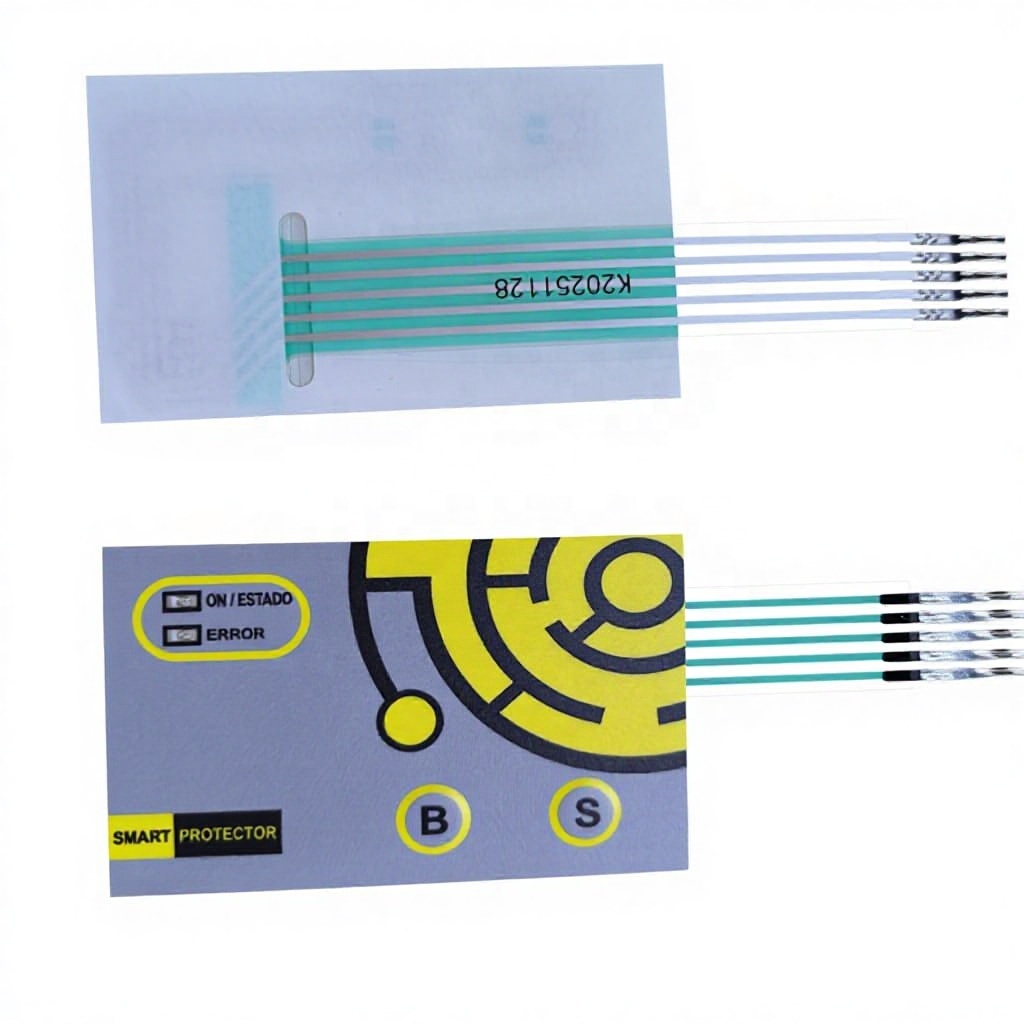
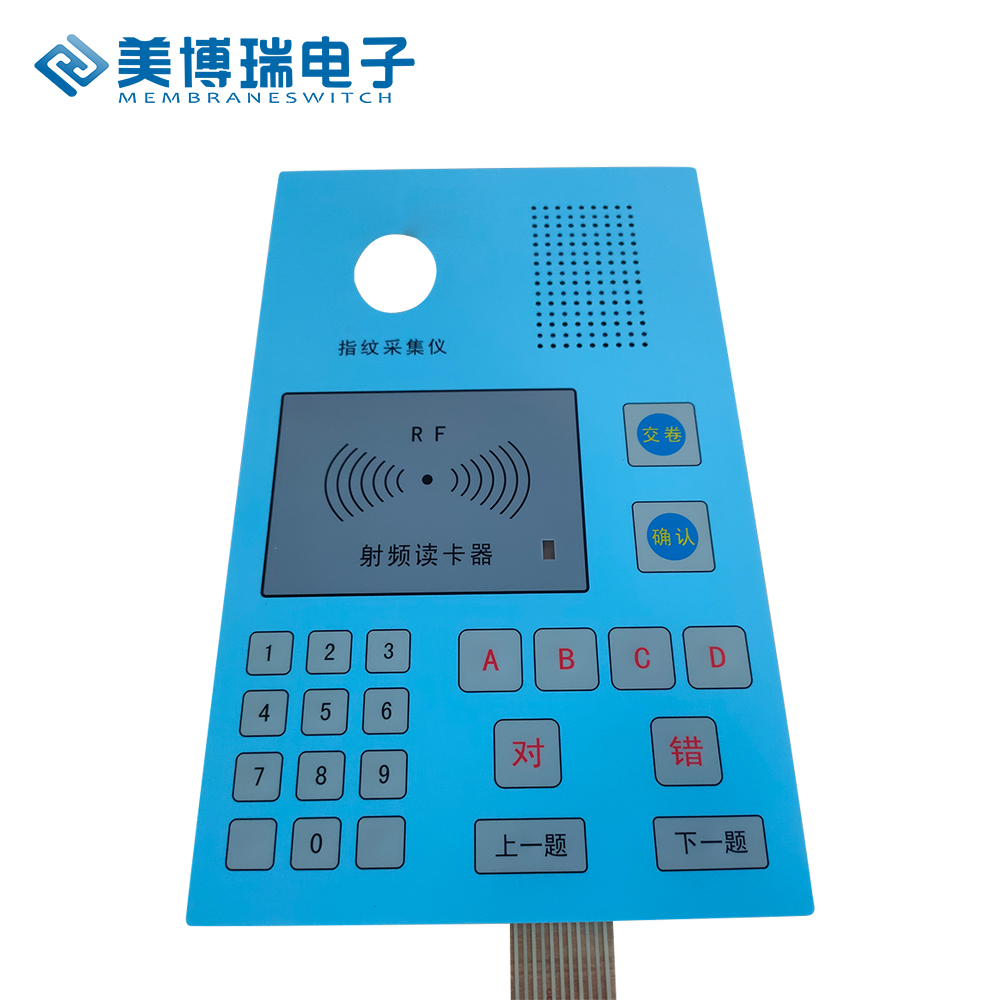
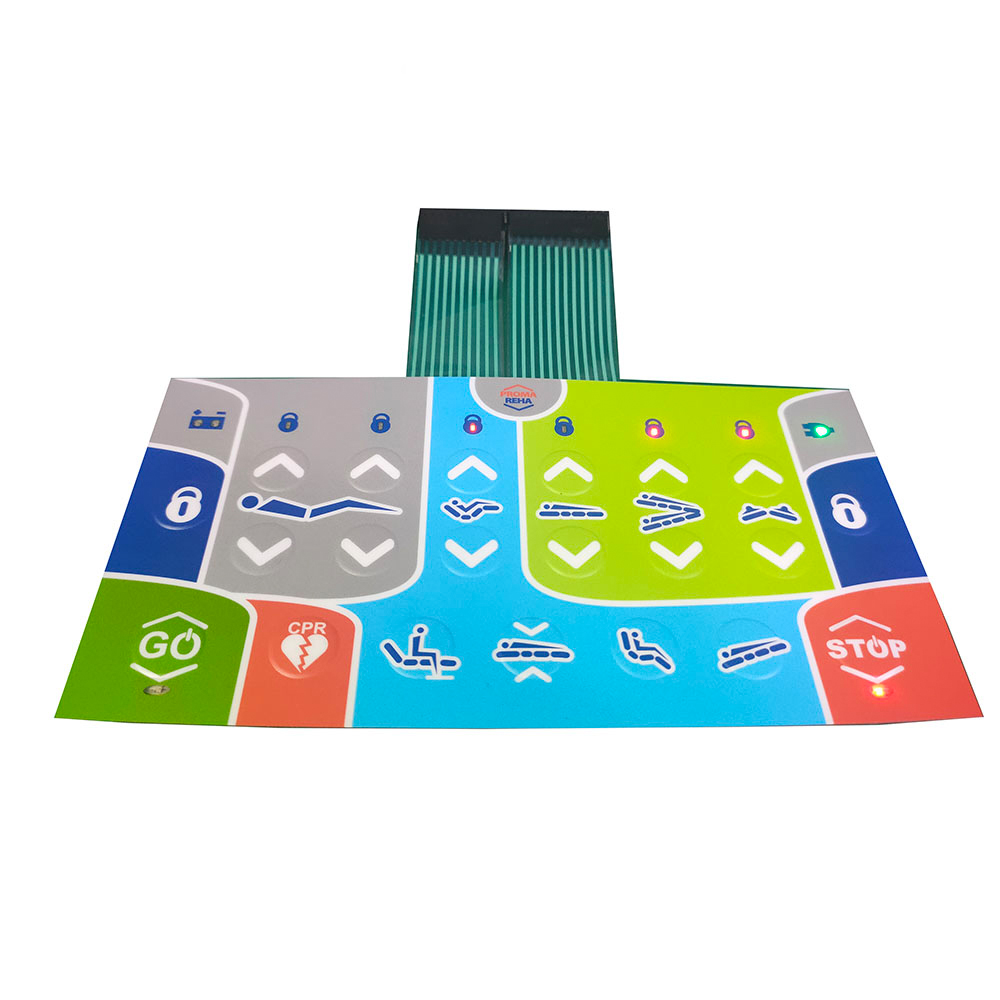
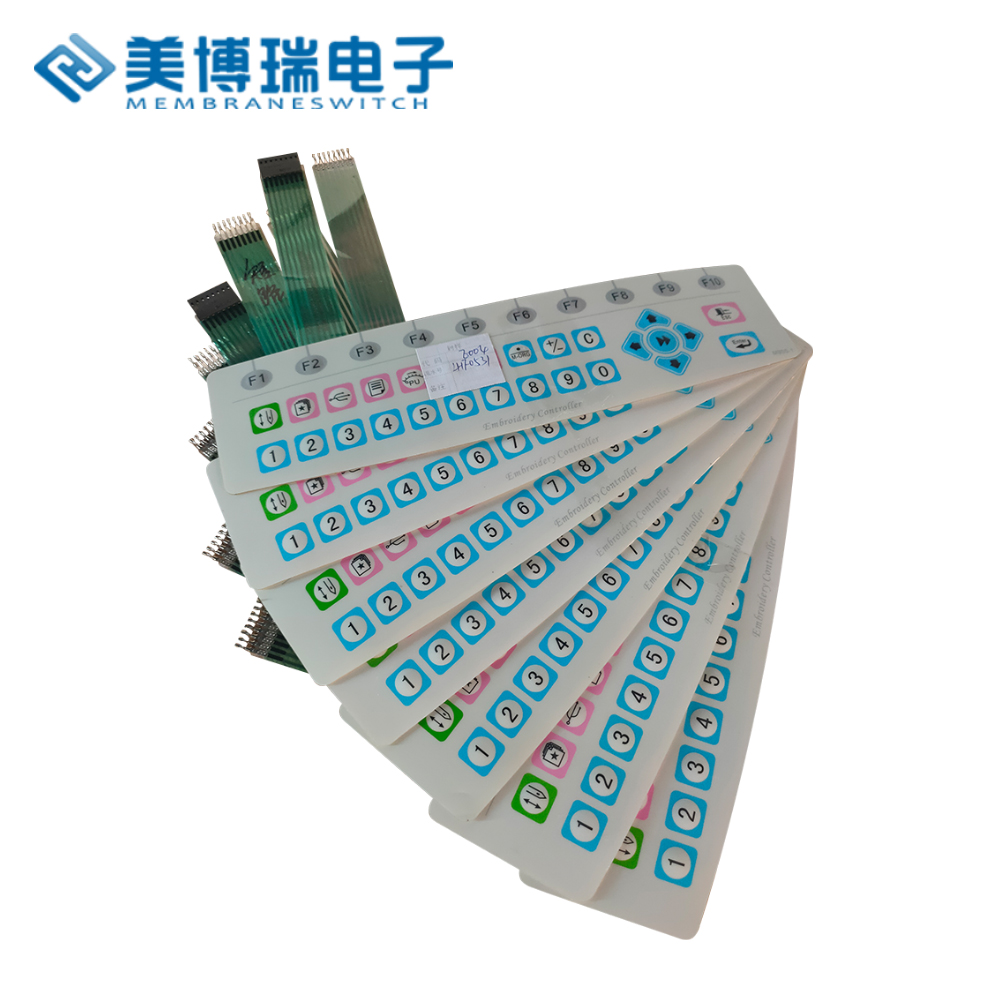
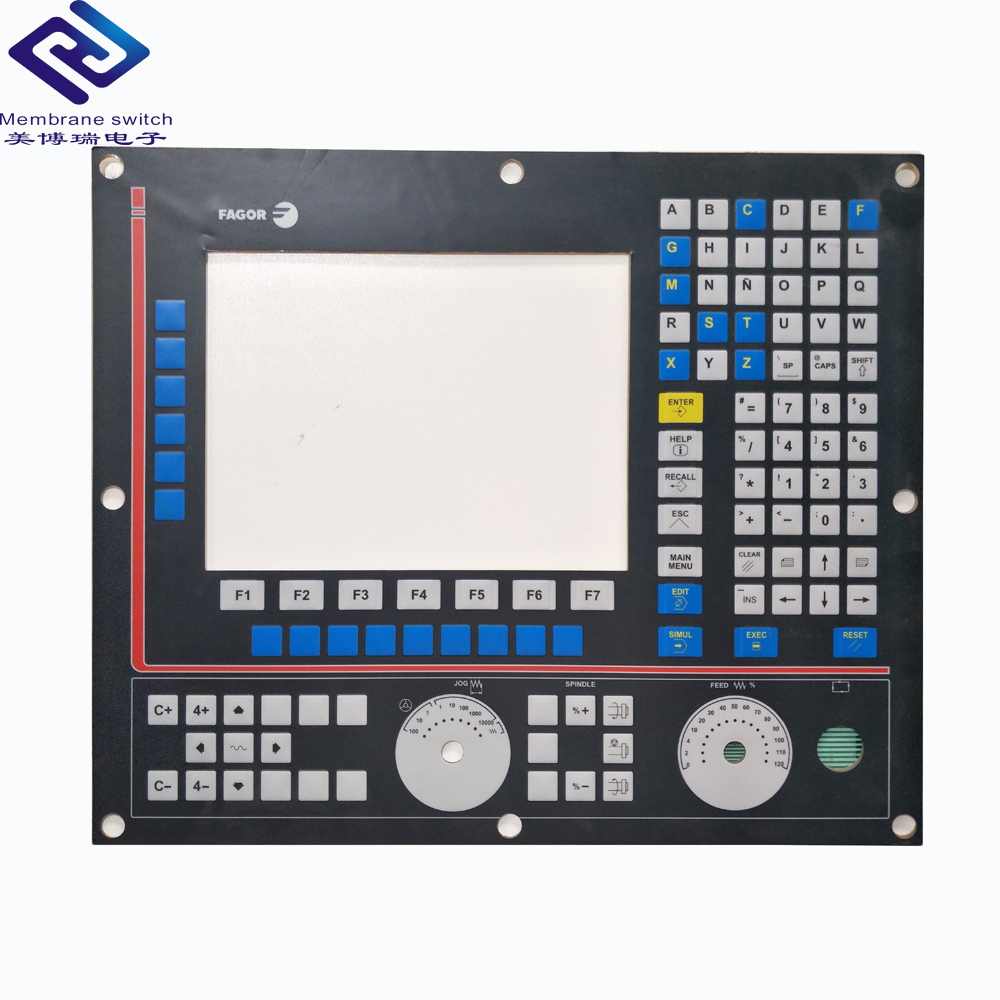
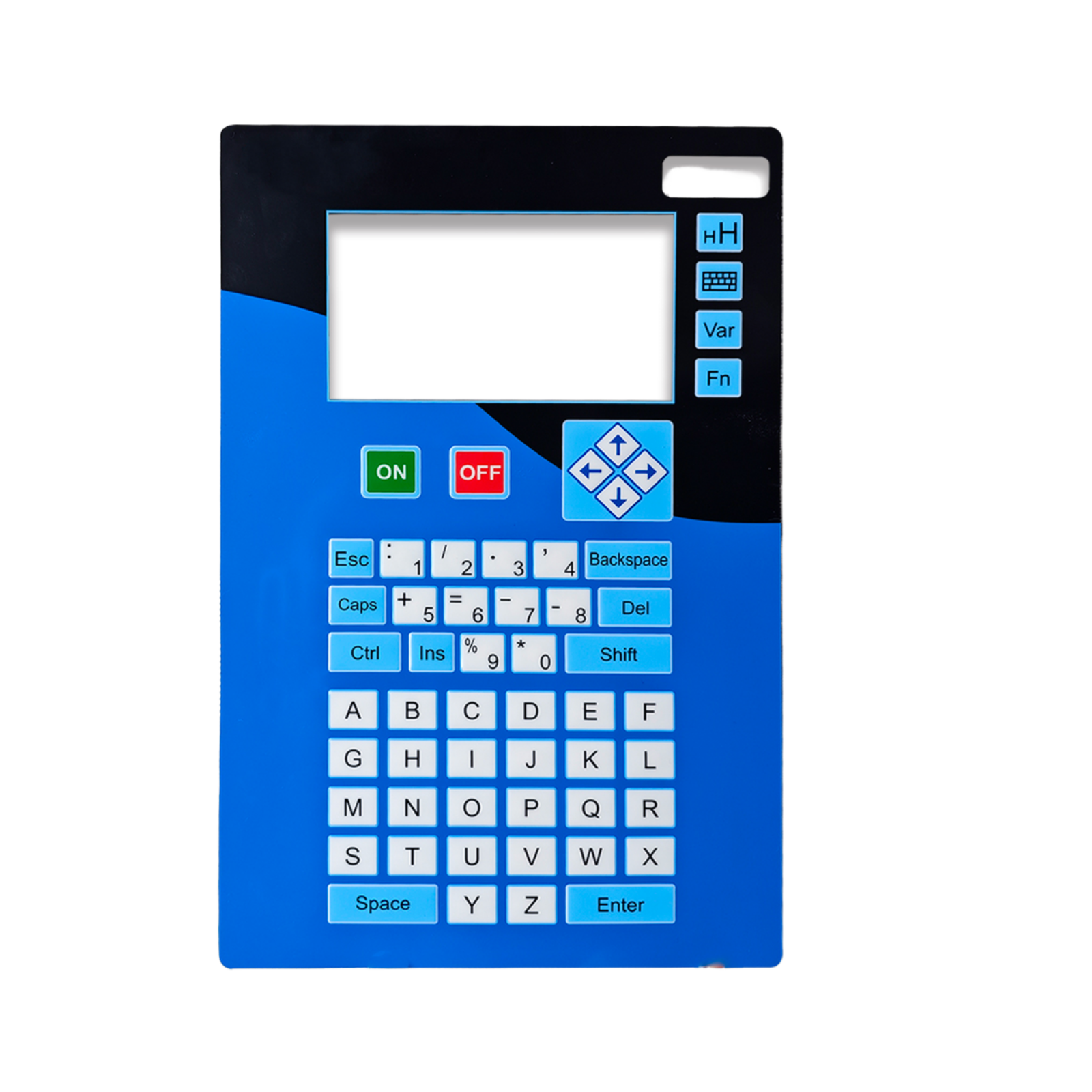
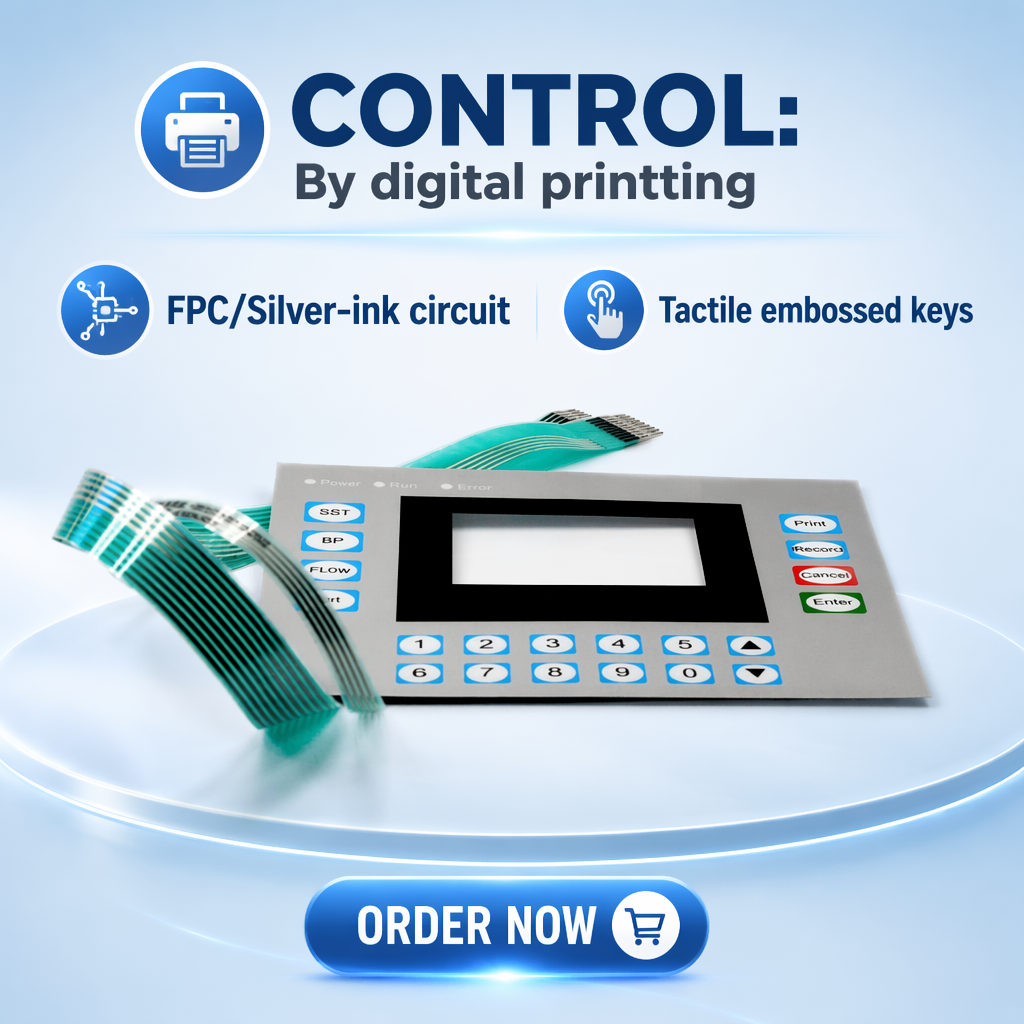
Electroluminescent (EL) vs. Light Guide Film (LGF) for Demanding Polish Conditions
A comprehensive technical analysis of thin-film luminescent technologies designed to overcome Central European environmental extremes, vibration, and EMI constraints.
The Physics of Planar Luminescence in Modern HMI Design
Electroluminescent (EL) panels represent a solid-state optical phenomenon where phosphor particles (typically copper-activated zinc sulfide, ZnS:Cu) are stimulated by an alternating electric field (AC), emitting cold, uniform light across entire geometric profiles with zero point-source hot spots. For engineering teams across Poland's manufacturing corridors—such as the automotive belt in Katowice, industrial automation hubs in Wrocław, and medical equipment developers around Warsaw—EL backlighting eliminates the volumetric penalties associated with conventional LED array light guides.
With an active structural profile under 0.25mm, an EL backlit panel embeds directly beneath graphic overlays (polycarbonate or biaxially-oriented PET) without forcing mechanical designers to deepen the chassis enclosure. In applications governed by strict IP65 or IP67 sealing requirements, such as food-grade processing in Poznań or rail transport controls in Bydgoszcz, EL eliminating hot spots translates into zero thermal dissipation stress across the adhesive layers, preserving the bond strength of premium 3M 467MP/468MP adhesives indefinitely.
| Physical / Electrical Parameter | EL Backlit Foil Panel | LGF (Light Guide Film) + SMT LED | Direct Fiber Optic Weave |
|---|---|---|---|
| Total Stack Profile | 0.18 mm – 0.28 mm | 0.45 mm – 0.80 mm | 0.60 mm – 1.10 mm |
| Luminance Uniformity | > 96% Planar Uniformity | 80% – 88% (Relies on dot matrix) | 75% – 85% |
| Operating Voltage / Frequency | 60–120 VAC / 400–1200 Hz (via Inverter) | 2.8–3.4 VDC (Low voltage direct) | Direct LED Driver |
| Thermal Generation | Zero (Cold light emission) | Localized at LED insertion nodes | Localized at emitter head |
| Sub-Zero Actuation Stability | Instant strike at -40°C (No latency) | Slight LED flux drop at extreme cold | Fiber stiffness below -20°C |
| Tactile Dome Compatibility | Perforated/cutout or continuous top layer | Integrated dome venting required | Rigid routing boundaries |
| EMI/RFI Behavior | Requires ITO or Carbon Shielding grid | Negligible (DC operation) | Zero (Immune) |
Localized Applications Across Poland’s Strategic Manufacturing Sectors
From the heavy automation found in Upper Silesia to the smart home appliance cluster in Łódź, our customized EL and membrane switch assemblies resolve mission-critical HMI challenges.
Industrial CNC & Factory Automation (Silesia & Lower Silesia)
The industrial heartland surrounding Katowice, Gliwice, and Wrocław demands human-machine interfaces capable of withstanding heavy coolants, cutting fluid mists, and severe metallic dust.
- Coolant Resistance: Autotex hard-coated PET overlays resistant to harsh solvents, alcohols, and mineral oils.
- Tactile Precision: Stainless-steel metal domes rated up to 5,000,000 actuations with tactile snap ratios exceeding 55%.
- Backlit Guidance: Non-glare nocturnal EL illumination that aids factory floor operators in low-light night shifts without causing screen glare.
Medical Diagnostic & Laboratory Devices (Warsaw & Kraków)
Poland's expanding medical instrumentation and analytical testing sector requires strictly hygienic, hermetically sealed control surfaces compliant with sterilizing protocols.
- Antimicrobial Frontfoils: Silver-ion embedded exterior films that permanently inhibit microbial and bacterial colonization.
- Washdown Integrity: IP67 sealed construction compatible with quaternary ammonium and alcohol-based sterilizers.
- Uniform Legend Illumination: EL illumination behind transparent numeric membranes ensuring error-free vital sign input.
Major Appliance & HVAC Manufacturing (Łódź, Wrocław, Rzeszów)
As Europe’s dominant production hub for white goods (refrigerators, induction cooking, washing machines, heat pumps), Poland requires sleek capacitive and backlit interfaces.
- Capacitive Touch Fusion: Screen-printed silver or PEDOT sensor matrices directly integrated behind glass or polycarbonate front fascias.
- Dead-Front Backlighting: Hidden-until-lit icons through precise screen-printed masking and selectively energized EL zones.
- Cost-Effective Scalability: Dual-facility production pipeline capable of delivering high-volume series on predictable call-off schedules.
Rail Rolling Stock & Public Transit (Bydgoszcz, Poznań)
Poland’s locomotive and rolling stock leaders (such as PESA and Newag) engineer passenger information systems, driver cabs, and door access modules requiring extreme durability.
- Vibration Endurance: Solid-state thin-film EL assemblies without fragile glass bulbs or solder joints that crack under track resonance.
- Extreme Thermal Range: Reliable cold-start performance at -35°C during Polish continental winters without warm-up lag.
- Fire Retardancy: UL94 V-0 flame-rated polyimide and polycarbonate substrates adhering to European rolling stock standards.
Smart Utility Metering & EV Charging Infrastructures (Gdańsk, Lublin)
With widespread infrastructure upgrades across Poland’s electrical grid, outdoor charging stations and gas/water telemetry demand robust outdoor-rated panels.
- UV Xenon Stabilization: Tested up to 1,200 hours in programmable xenon weathering chambers to prevent yellowing or brittleness.
- Water Tight Adhesion: 3M VHB and 200MP series modified acrylics providing continuous moisture exclusion against sleet and driving rain.
- Anti-Vandalism Features: Rigid aluminum or FR4 backer plates reinforcing the keypad assembly against physical tampering.
Emerging Trends & EU Standards Governing the Polish Market
A strategic overview of environmental mandates, supply chain restructuring, and Industry 4.0 evolution shaping procurement decisions in Poland.
Stringent Compliance: CE, RoHS 3 & EU REACH Mandates
Every membrane switch, EL lamp, and FPC circuit delivered into the Republic of Poland must meet strict European Union environmental Directives. In compliance with Directive 2011/65/EU (RoHS 3) and the EU REACH Regulation (EC No 1907/2006), our manufacturing processes completely eliminate restricted heavy metals (lead, mercury, cadmium, hexavalent chromium) and phthalates (such as DEHP, BBP, DBP, DIBP).
Phosphor pigments and dielectric binding pastes used in our EL backlit panels are formulated with high-purity, environmentally stable chemistries. This ensures seamless CE-marking integration for our Polish OEM partners, shielding procurement directors from regulatory cross-border delays or environmental penalties.
Additionally, our factory’s long-standing technical collaboration with a premier German membrane switch manufacturer aligns our chemical safety and manufacturing tolerance verification with the most exacting Western and Central European expectations.
The "Nearshoring" Shift & Agile Asian Factory Partnerships
Polish tier-1 and tier-2 assemblers are actively securing their component supply pipelines against global geopolitical shocks. Rather than relying on multi-tier trading brokers, purchasing departments in Katowice, Poznań, and Warsaw are establishing direct manufacturer relationships with audited Asian producers who can guarantee both rapid-turn prototyping and volume capacity.
By coupling in-house CAD tooling and Mimaki digital UV printing with our dual Hebei and Huizhou factories, we compress initial prototype delivery times to as few as 7–10 working days. Finished orders transit rapidly via direct air corridors to Warsaw Chopin Airport (WAW) or consolidated ocean freight into the Port of Gdańsk (Baltic Hub), providing Polish manufacturers with direct-to-factory cost advantages while maintaining rigorous European technical consistency.
Why Leading European OEMs Partner with Us
Combining 30+ years of domain focus with automated processing, closed-loop testing labs, and dual-facility production redundancy.
100% In-House Vertical Manufacturing
We eliminate quality leaks by retaining every single process step under our direct roof—from digital UV and precision screen printing to embossing, laser die-cutting, cleanroom assembly, and electrical continuity testing.
• 4 Mimaki heat-setting UV flatbed printers
• 18 High-speed laser cutting & plotting lines
• 60 Dedicated CNC mold-making workstations
Audited Quality & European Heritage
Certified under ISO 9001:2015 and comprehensively assessed on-site by Intertek. With heritage dating back to 1990 and long-term technical cooperation with a German membrane switch manufacturer, our quality standards mirror DIN standards.
• Verified R&D team with 30+ senior engineers
• 15+ years average engineering staff experience
• Over 1,000,000 units exported annually to the EU & USA
Internal Environmental & Life-Cycle Lab
Before batch release, all parts undergo rigorous electrical, mechanical, and climatic verification in our specialized testing facility to ensure zero-defect field performance.
• Pneumatic button life-cycle testers (5M+ cycles)
• Programmable temperature & humidity chambers (-40°C~+120°C)
• Xenon weatherometers & automated salt fog chambers
Frequently Asked Questions for Polish Buyers & Engineers
Direct answers addressing technical files, shipping logistics to Poland, import customs, sample runs, and production parameters.
To deliver an accurate quote and DFM (Design for Manufacturability) review, please provide: (1) Vector graphic artwork in Adobe Illustrator (.AI), CorelDRAW (.CDR), or vectorized PDF showing graphic layers and Pantone/RAL color codes; (2) Mechanical outline drawings in DXF or DWG format detailing outer cutouts, display windows, embossing profiles, and dome positions; (3) Electrical schematic showing pin-out assignments, tail pitch (e.g., 1.0mm, 2.54mm), connector part numbers, and any integrated SMT LEDs or EL inverter termination. If working from a physical sample without CAD data, our 10-person engineering department can reverse-engineer your assembly.
For functional prototypes and pilot batches, engineering turnaround typically requires 7 to 10 working days following sign-off of the production drawing. Volume production runs take between 2 to 3 weeks depending on complexity. We support versatile Incoterms 2020 including EXW, FOB (Shanghai/Shenzhen), CIF, and door-to-door delivery via DAP or DDP (Delivered Duty Paid) to any Polish destination (Warsaw, Katowice, Wrocław, Poznań, Gdańsk). Express shipments via DHL, FedEx, or UPS air typically arrive within 4 to 6 business days from dispatch.
Yes. Unlike many high-volume Asian factories that enforce rigid 5,000-piece entry barriers, we maintain flexible MOQ policies specifically configured to support European industrial OEMs, system integrators, and prototype validation stages. We regularly produce prototype runs of 10 to 50 pieces using digital UV printing and laser cutting to eliminate expensive hard-tooling steel dies during early development, before scaling to tens of thousands of units as your product enters mass market distribution.
Standard PET circuits and silver ink can suffer from trace brittleness or delamination under rapid freezing cycles if low-grade binders are used. We utilize premium Mitsubishi/Toray heat-stabilized polyester films alongside high-flexibility silver inks formulated for cryogenic endurance down to -40°C. For the adhesive backing, we exclusively apply authentic 3M 467MP, 468MP, or 300LSE adhesive transfer tapes engineered to maintain aggressive shear cohesion across thermal shifts ranging from -40°C up to +120°C. EL phosphor layers do not rely on gas expansion or liquid crystal alignment, allowing immediate strike and constant luminescence regardless of cold temperatures.
Yes. Electroluminescent panels require an AC driving signal, typically 80–110 VAC at 400–800 Hz. We supply matching, ultra-compact PCB-mount or wire-lead inverters designed to step up standard industrial DC bus rails (such as 5VDC, 12VDC, or 24VDC commonly found in Polish control cabinets) into the required excitation wave. We also engineer dimming-capable and EMC-compliant drivers that suppress potential electrical noise, ensuring zero interference with nearby sensitive PLCs or medical telemetry.
When shipping under FOB, CIF, or DAP terms, goods enter Poland under standard HS code classifications (such as HS 8537.10 for electrical boards and membrane switches, or HS 8531.80 for indicator panels). Your designated Polish customs broker (or air courier) will clear the goods through Urząd Celno-Skarbowy using your company's EORI and VAT (NIP) number. For clients who prefer an all-inclusive solution, our logistics partners can provide DDP terms where all import clearance, tariffs, and duty obligations are settled prior to physical unloading at your facility.
Ready to Engineer Your Custom Backlit HMI Assembly?
Send us your dimensional drawings, schematic files, or visual artwork. Our 30-member senior engineering team will evaluate your project's manufacturability, recommend optimum materials, and provide a competitive factory-direct quote within 24 hours.