Engineered Electroluminescent & Membrane Interface Assemblies
Direct factory manufacturing featuring IP67 sealed construction, high tactile poly/metal domes, high-grade 3M structural adhesives, and multi-color electroluminescent integration.
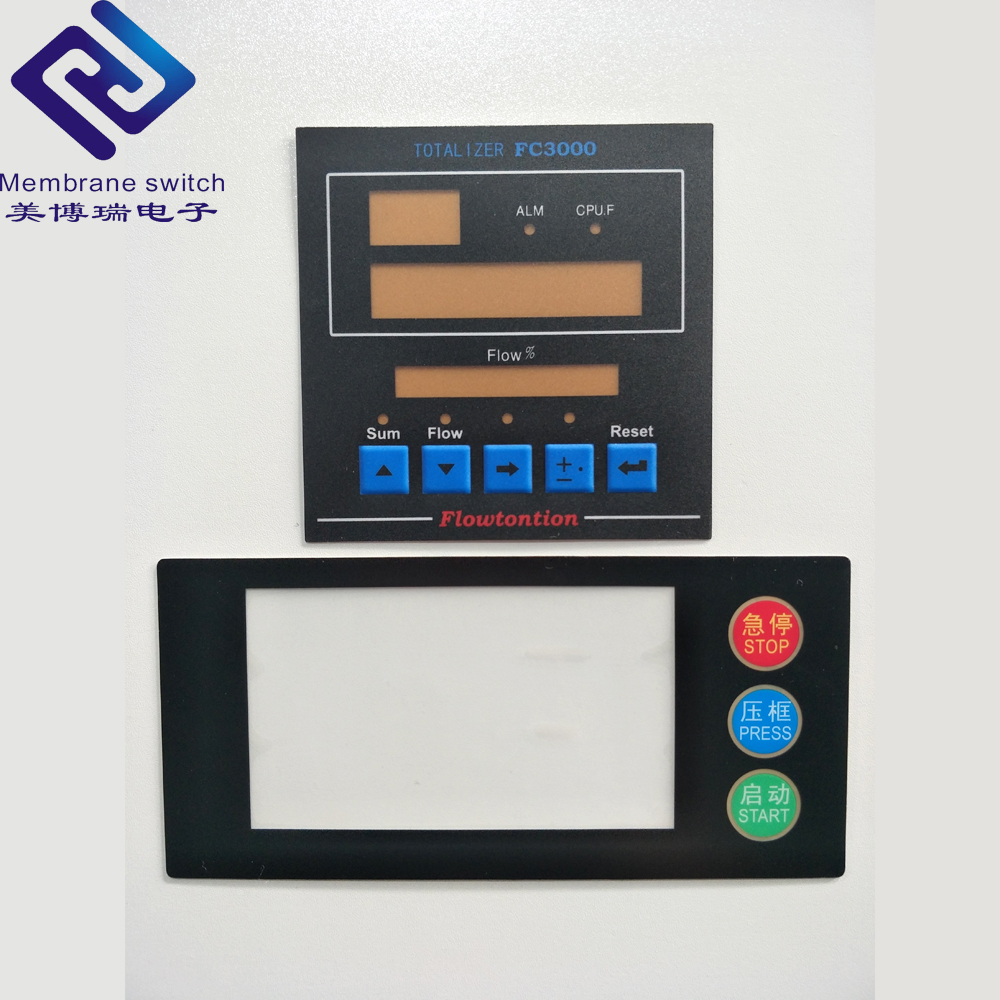
IP67 Waterproof LCD Membrane Switch Keypad with 3M Adhesive
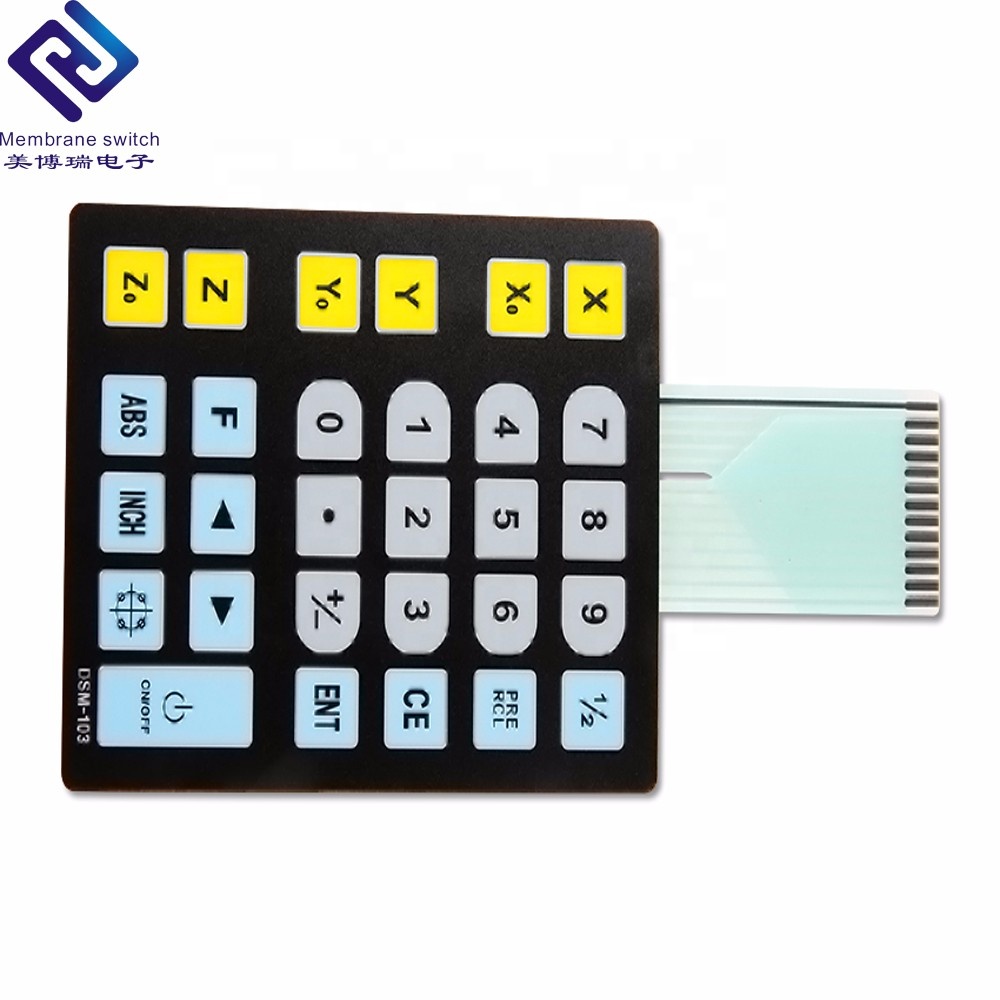
MBR Flexible Cable Sealed Telecommunication Keypad
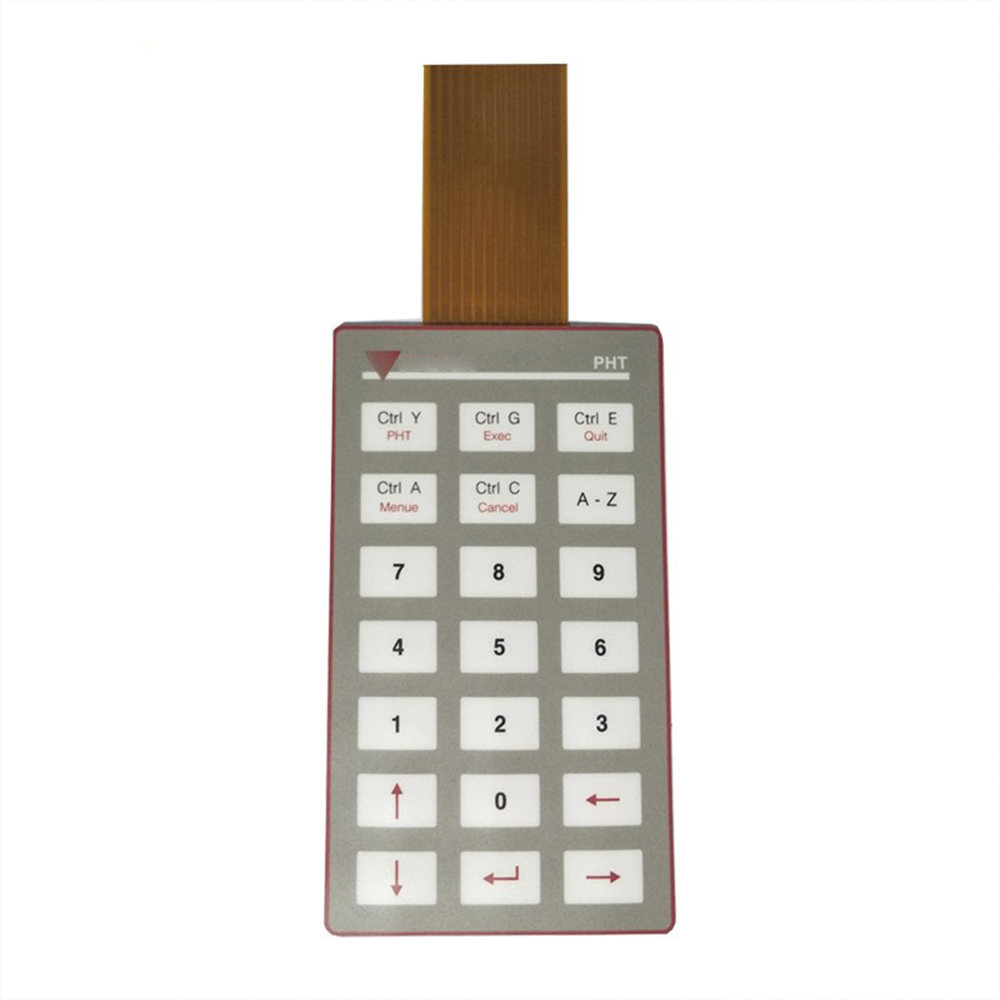
Thermal Controller Waterproof Capacitive Touch Panel
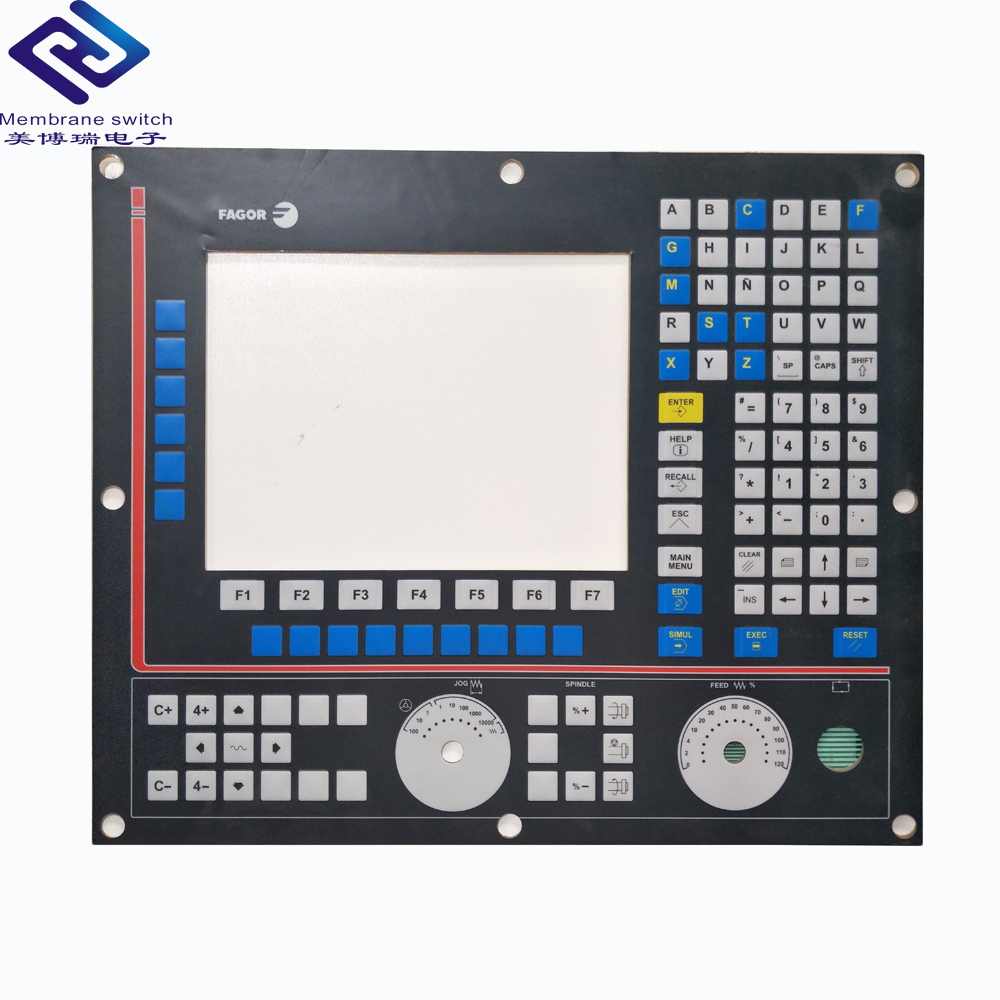
Industrial CNC Heavy Milling Machine Keypad Overlay
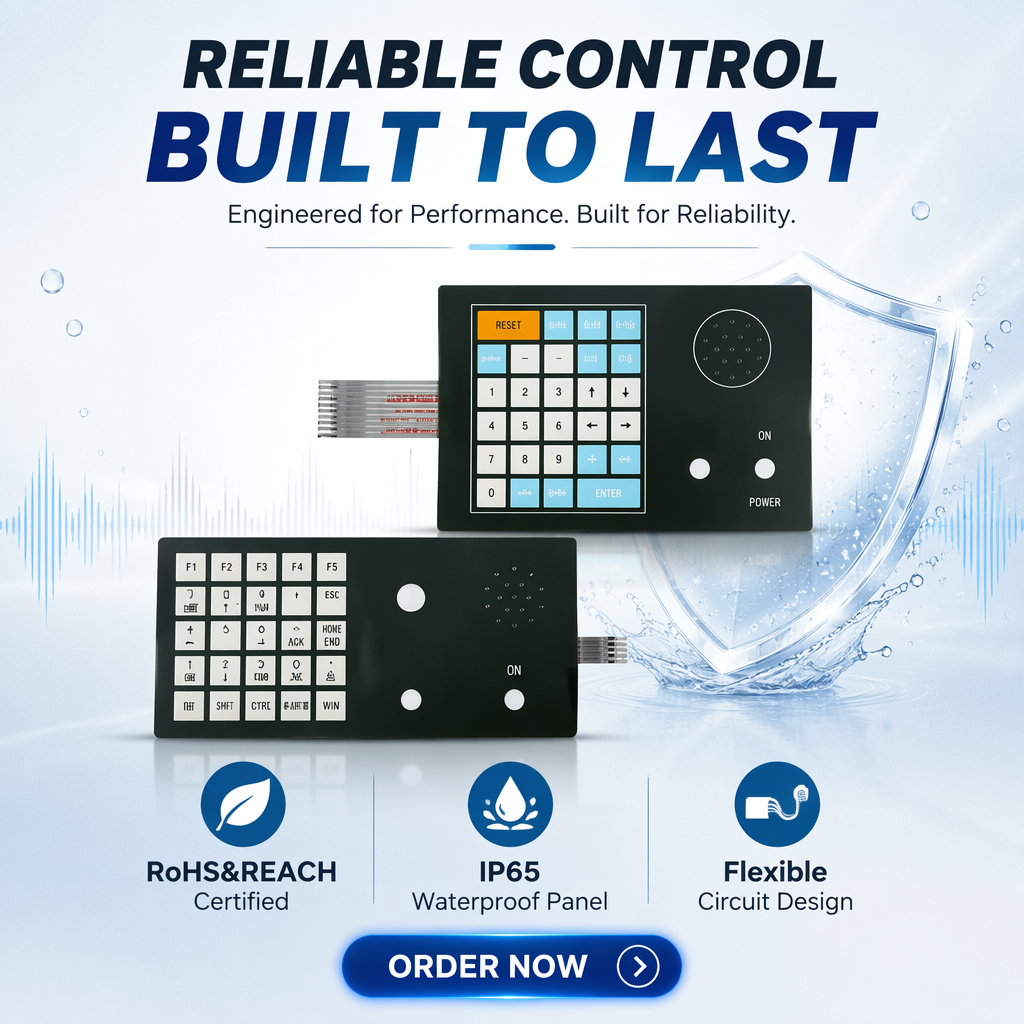
3x4 Matrix Array 12-Key Matrix Membrane Keypad
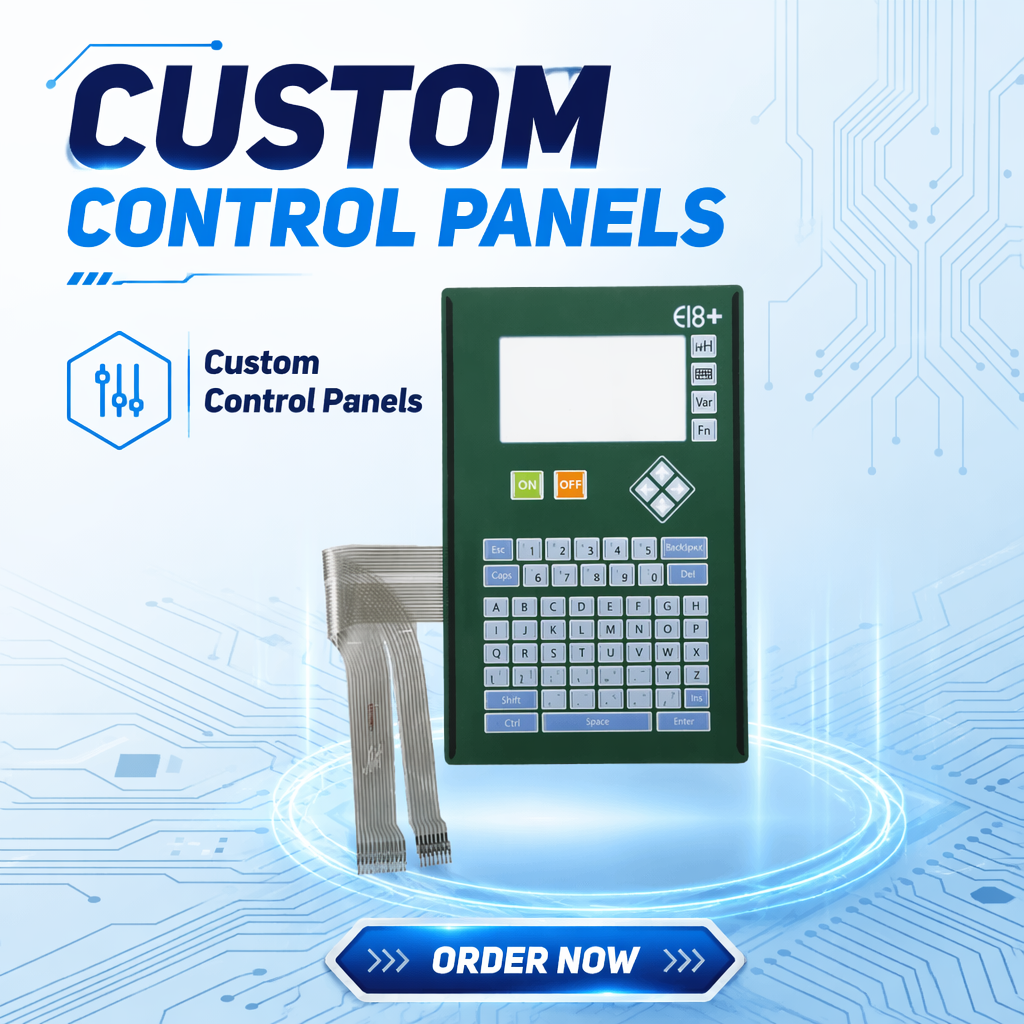
Custom Silkscreen PBT Mechanical Compatible Caps
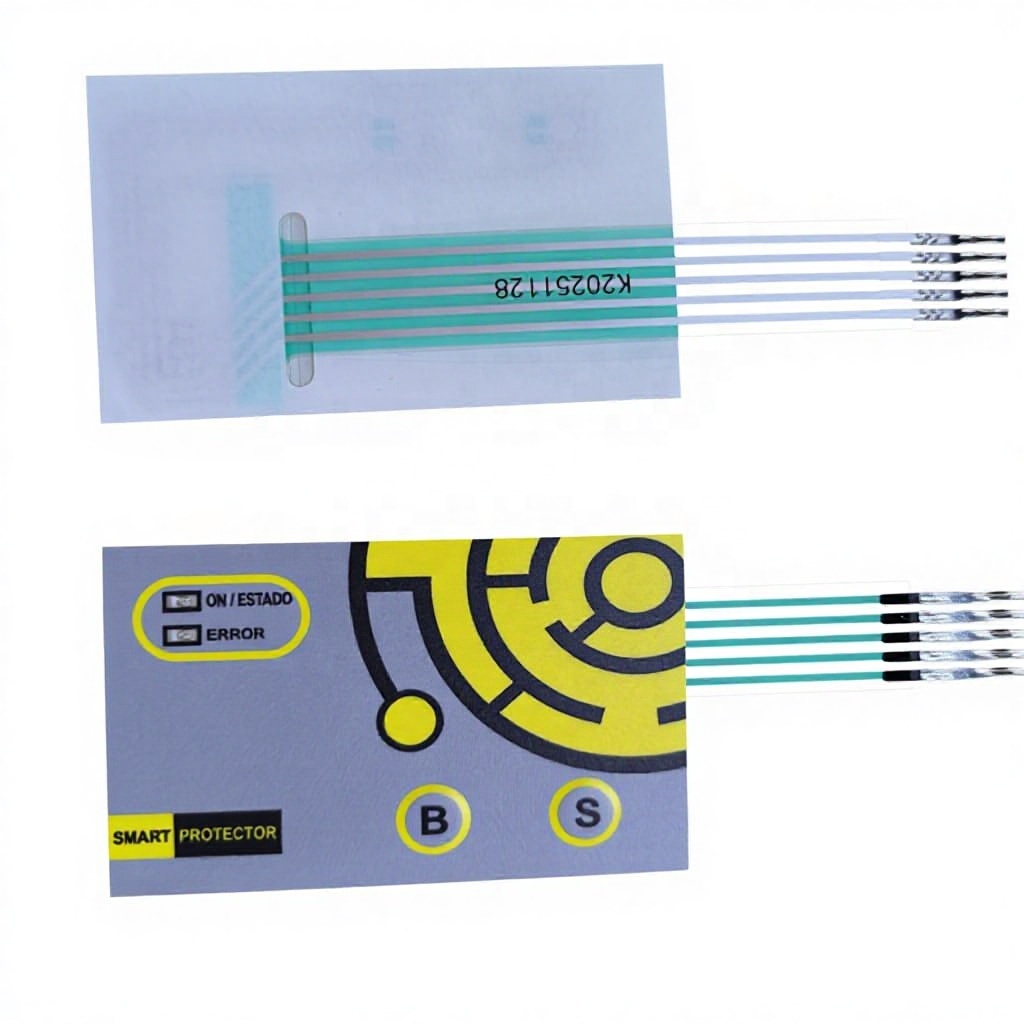
Hybrid Waterproof PBT Keycap Membrane Keyboard
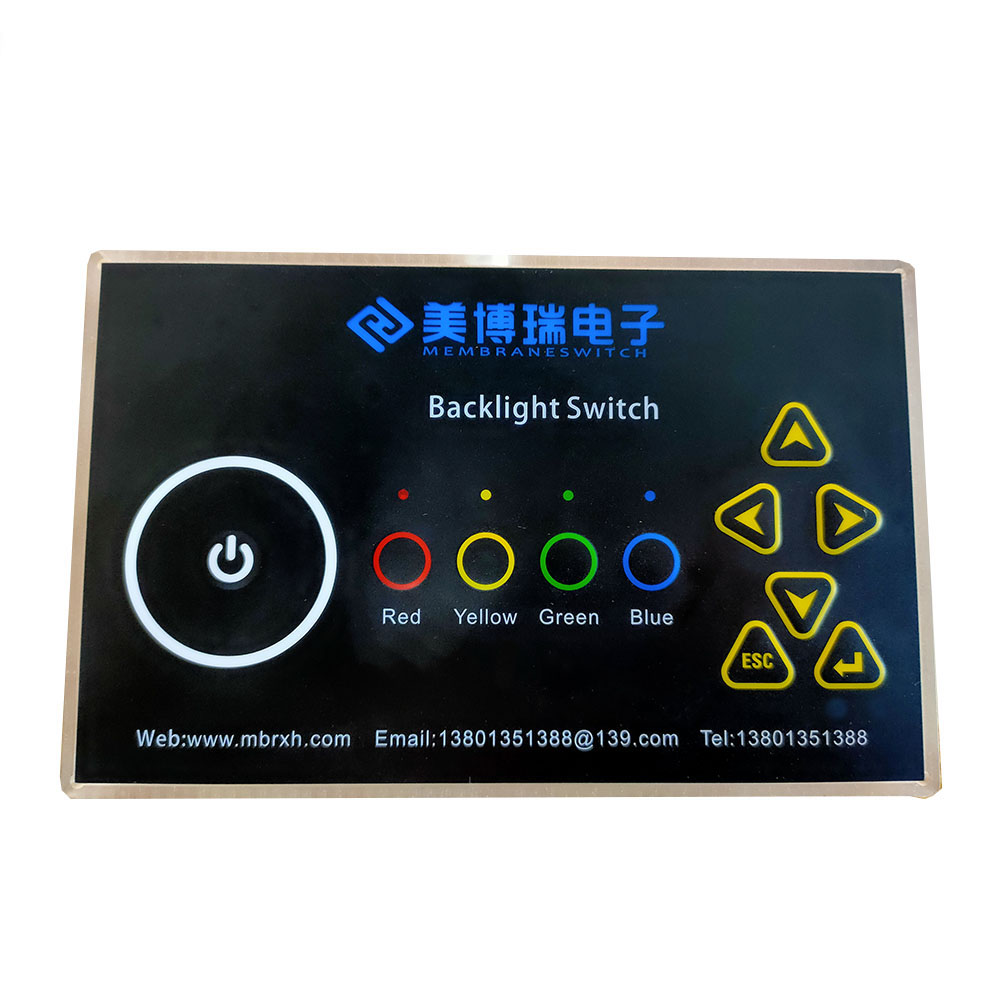
MEIBORUI Silkscreen Multi-Color PET Overlay Keycaps
Engineering EL Backlit & Thin-Film Panels for the San Francisco Bay Area
Hardware OEMs throughout the San Francisco Bay Area, Silicon Valley, and the broader Northern California industrial corridor face uncompromising design trade-offs: minimizing physical envelope depth while ensuring superior operator legibility under harsh ambient illumination and pitch-dark operating settings. Whether deploying robotic vision controllers in Fremont, laboratory diagnostics across South San Francisco, or defense telecommunication systems along the Peninsula, hardware architects increasingly replace legacy point-source LEDs with uniformly laminated Electroluminescent (EL) Backlit Panels and Light Guide Film (LGF) membrane switches.
As an established global manufacturer tracing our specialized membrane switch roots back to 1990, TAVO Electronic Information Technology Co., Ltd. bridges Asian precision manufacturing scale with Western engineering specifications. Holding verified ISO 9001 quality management certification and comprehensive onsite audit assessments by Intertek, TAVO manufactures custom EL backlighting panels that overcome typical failure modes: dielectric layer breakdown, thermal dissipation choke-points, pin-hole short-circuiting, and edge seal humidity ingress.
South SF Biotech & Clinical Diagnostics
Analytical centrifuges, automated DNA sequencing consoles, and cleanroom spectrometers demand non-porous front overlays capable of withstanding aggressive wipe-downs by isopropyl alcohol (IPA), bleach solutions, and quaternary disinfectants. Our autoclave-compatible PET graphic overlays with sub-surface silkscreen printing and hermetically sealed EL backlights prevent ingress and maintain optical clarity without phosphor degradation.
Silicon Valley Autonomous Robotics & AGVs
Warehousing automated guided vehicles (AGVs) and outdoor robotic platforms deployed in Bay Area microclimates require high tactile-feel actuation across wide operating thermal swings (-30°C to +75°C). Utilizing nickel/gold-plated stainless steel snap domes, embedded EL driver integration, and flexible copper FPC circuits, we eliminate actuation bounce and ensure continuous nighttime visibility.
Peninsula Industrial Control & Renewable SCADA
Marine environments across the Port of Oakland and renewable energy grid substations throughout the East Bay mandate strict electromagnetic compatibility (EMC). Our EL backlit panels can be constructed with continuous aluminum foil or printed carbon/silver grid layers, delivering robust EMI/RFI shielding exceeding 60 dB attenuation across industrial frequencies.
Precision Multi-Layered Electroluminescent Architecture
Unlike bulky edge-lit LED light pipes that suffer from optical hot-spots and mechanical thickness penalties, our EL backlit panels maintain a profile under 1.5mm, delivering uniform cold-light photon emission across the entire graphic surface.
| Layer Sequence | Material Composition | Functional Engineering Attributes |
|---|---|---|
| L1: Graphic Overlay | Autotype MacDermid Autotex PET (150μm – 200μm) / Lexan PC | Sub-surface digital UV and silkscreen printing; chemical, scratch, and UV-resistant textured hardcoat; clear/tinted LCD display windows. |
| L2: Upper Adhesive | 3M 467MP / 3M 468MP High-Performance Acrylic | High shear strength resistant to thermal creep, micro-gassing prevention, and hermetic perimeter environmental sealing. |
| L3: Tactile Dome Retainer | Polyester Spacer with Gold/Nickel-Plated Stainless Steel Domes | Crisp tactile feedback (trip force 250g–450g), rated for over 1,000,000 to 5,000,000 switch actuation cycles without mechanical fatigue. |
| L4: Electroluminescent Core | Microencapsulated Zinc Sulfide (ZnS:Cu) Phosphor & Dielectric Paste | Alternating electric field excitation generating homogenous cold-surface illumination (luminance 50–120 cd/m², operating at 80–110V AC, 400Hz). |
| L5: Conductive Bus Circuit | DuPont Highly Conductive Silver / Carbon Pastes or Copper PI FPC | Trace resistance < 0.1 Ω/sq, zero electromigration formulations, tailored ZIF pitch termination compatible with Amphenol/Molex connectors. |
| L6: Rear Mounting Base | 3M 300LSE / 9448A Adhesive or CNC Aluminum/FR4 Backer | Ultra-high initial tack bonding to powder-coated cast aluminum, low-surface-energy polypropylene enclosures, or rugged CNC chassis. |
Emerging Technology Shifts in San Francisco’s Hardware Ecosystem
Strategic engineering shifts driving procurement managers, product development firms in SoMa, and electronics manufacturing service (EMS) partners in San Jose.
1. Transition to Hybrid Capacitive Interfaces
Silicon Valley hardware startups are blending traditional tactile feedback with capacitive multi-zone touch surfaces. TAVO designs combined capacitive switch overlays integrated directly above EL sheets, enabling gestural wake-up alongside positive physical switch confirmation.
2. Strict UL94-V0 & RoHS Compliance
With environmental oversight in California governed by stringent Title 20 and Prop 65 directives, Bay Area procurement mandates that non-combustible polycarbonates, halogen-free flex circuits, and non-hazardous phosphor systems undergo verified laboratory testing.
3. High-Density SMT Flex Integration
Modern telecommunication enclosures across the Bay Area eliminate secondary motherboards. By utilizing our advanced Flexible Copper (FPC) circuits, miniature LEDs, resistors, diodes, and micro-controllers are pick-and-placed directly into the membrane tail.
4. Demand for Low-MOQ Agile Turnarounds
Rapid hardware iterations in Silicon Valley's venture-backed ecosystem cannot accommodate 16-week tooling locks. TAVO supports high-mix, low-volume prototyping using digital UV flatbed printing and laser die-cutting, cutting iterations down to days.
Why Tier-1 Global OEMs Trust TAVO Electronic Information Technology
Combining German-engineered production precision, dual factory locations, and closed-loop in-house capabilities to ensure your supply chain never halts.
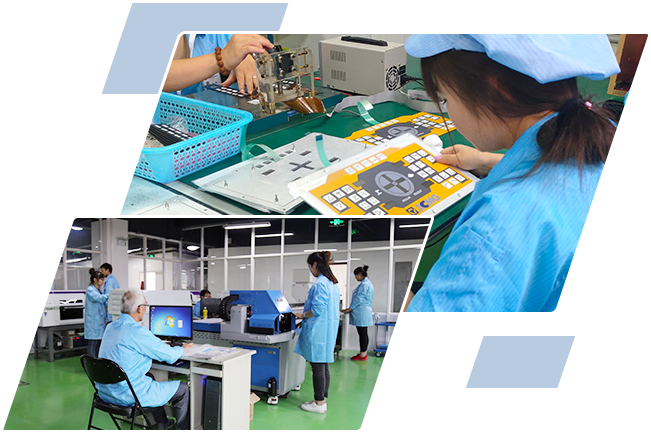
Closed-Loop In-House Machinery
From CAD engineering and film output to screen printing, digital UV printing, laser cutting, and OCA optical bonding, 100% of our production takes place under one roof. Our park includes 37 silkscreen printers, 4 Mimaki heat-setting UV printers, 18 laser cutters, and 60 precision CNC tooling stations.
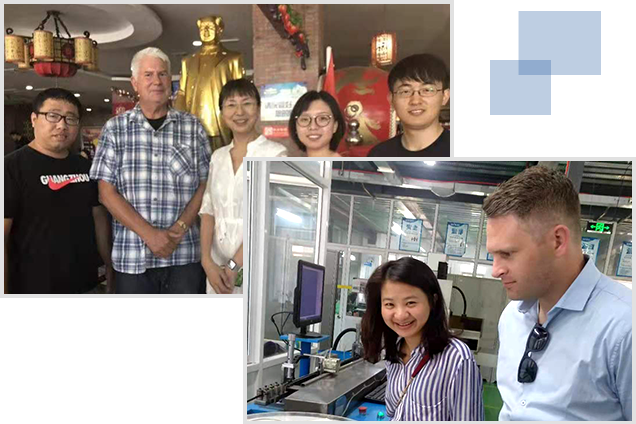
German Technical Partnership & Benchmarks
A longstanding cross-continental technical alliance with a premier German membrane switch manufacturer governs our production methodologies, tooling calibration, and engineering standards. Our components have passed stringent field qualification for Siemens, ABB, Haier, and heavy aerospace programs.
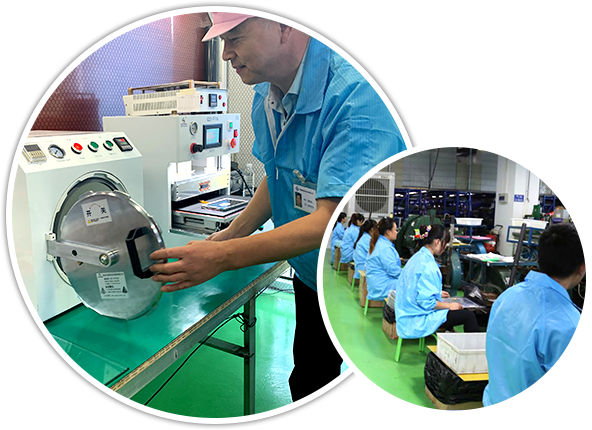
Dual-Factory Capacity & Rapid Logistics
With fully audited operations in Xianghe Economic Development Zone (Robot Industry Port) and Huizhou (Guangdong), we load-balance manufacturing to prevent bottleneck delays. Direct air freight routing directly from nearby international hubs ensures shipments reach San Francisco (SFO) in 3 to 5 business days.
Frequently Asked Questions by San Francisco Bay Area Hardware Engineers
Specific technical and supply chain clarifications for hardware buyers, sourcing managers, and system architects.
How does Electroluminescent (EL) compare to Light Guide Film (LGF) for thin-film panels?
EL Backlighting utilizes microencapsulated phosphors that emit light natively when excited by an AC voltage (typically 80–110V AC, 400Hz supplied via a miniature inverter). It offers unparalleled spatial uniformity, zero optical hot-spots, and an ultra-thin cross-section (under 0.3mm for the lighting layer). However, EL phosphors experience a half-life of 3,000 to 10,000 continuous hours. Conversely, LGF Backlighting utilizes high-brightness side-firing SMT LEDs mounted on the switch circuit, directing photons along an optically micro-etched polycarbonate film. LGF provides 50,000+ hour lifespans and runs off standard 3.3V/5V DC lines, though it requires slightly more mechanical clearance and PCB edge design. TAVO engineers both technologies in-house.
What engineering documentation is required to initiate tooling and sample fabrication?
To produce production drawings and tooling, we require: (1) Graphic vector artwork with specified Pantone or RAL color codes (vector PDF, Adobe Illustrator .AI, or DWG/DXF format); (2) Outline mechanical drawings detailing overall dimensions, cutout radii, embossed key borders, window placement, and connector tail egress location; (3) Circuit schematic or pin-out matrix indicating trace routing, LED polarity, and connector specification (pitch, housing type); (4) Target environmental specifications (operating thermal envelope, chemical exposure risks, outdoor UV exposure requirements). Our engineering department returns a fully tolerance-checked manufacturing proof within 24 to 48 hours.
Can TAVO ship directly to Contract Manufacturers (EMS) in the Bay Area, Mexico, or Southeast Asia?
Yes. TAVO regularly services California hardware brands whose headquarters are located in San Francisco, Sunnyvale, or San Jose, but whose final box-build integration is performed by global EMS facilities (such as Jabil, Flex, Sanmina, or regional assembly hubs in Fremont, Silicon Valley, and Guadalajara, Mexico). We supply full traceability documentation, Certificates of Conformance (CoC), material declaration sheets, and custom barcode labeling matching your ERP/MRP incoming dock requirements.
What in-house testing ensures that membrane keypads survive rigorous industrial duty?
Our internal quality testing lab subjects every production batch to rigorous testing: (1) Button Life-Cycle Testing: Automated pneumatic cycling to 1,000,000 – 5,000,000 actuations; (2) Programmable Humidity & Temperature Chambers: Thermal cycling from -40°C to +85°C at 95% relative humidity; (3) Computer Circuit Testers: 100% verification of open/short circuits, contact resistance, and loop impedance; (4) Salt Fog Chambers: Corrosive atmosphere testing to ensure zero degradation of contacts and adhesives; (5) Xenon Lamp Aging Tests: Ensuring UV light stability and zero color fading on graphic overlays destined for outdoor deployment.
How are import tariffs, incoterms, and logistics handled for Northern California buyers?
We support versatile International Commercial Terms including FOB, CIF, CFR, and EXW, as well as DDP (Delivered Duty Paid) through our integrated international logistics partners. Shipments to SFO, Oakland, or San Jose airports can clear customs smoothly under proper HTS classifications (typically heading 8537.10 or 8538.90). Typical express transit time from our facility to your receiving dock in the San Francisco market is 3 to 5 business days via DHL, FedEx, or air cargo consolidation.
Collaborate with Direct Factory HMI Engineers
Accelerate your NPI (New Product Introduction) cycles. Share your CAD files, schematic pin-outs, or physical overlay specifications with TAVO's technical team today for a comprehensive DFM (Design for Manufacturability) review and rapid quote.