Rapid Fab
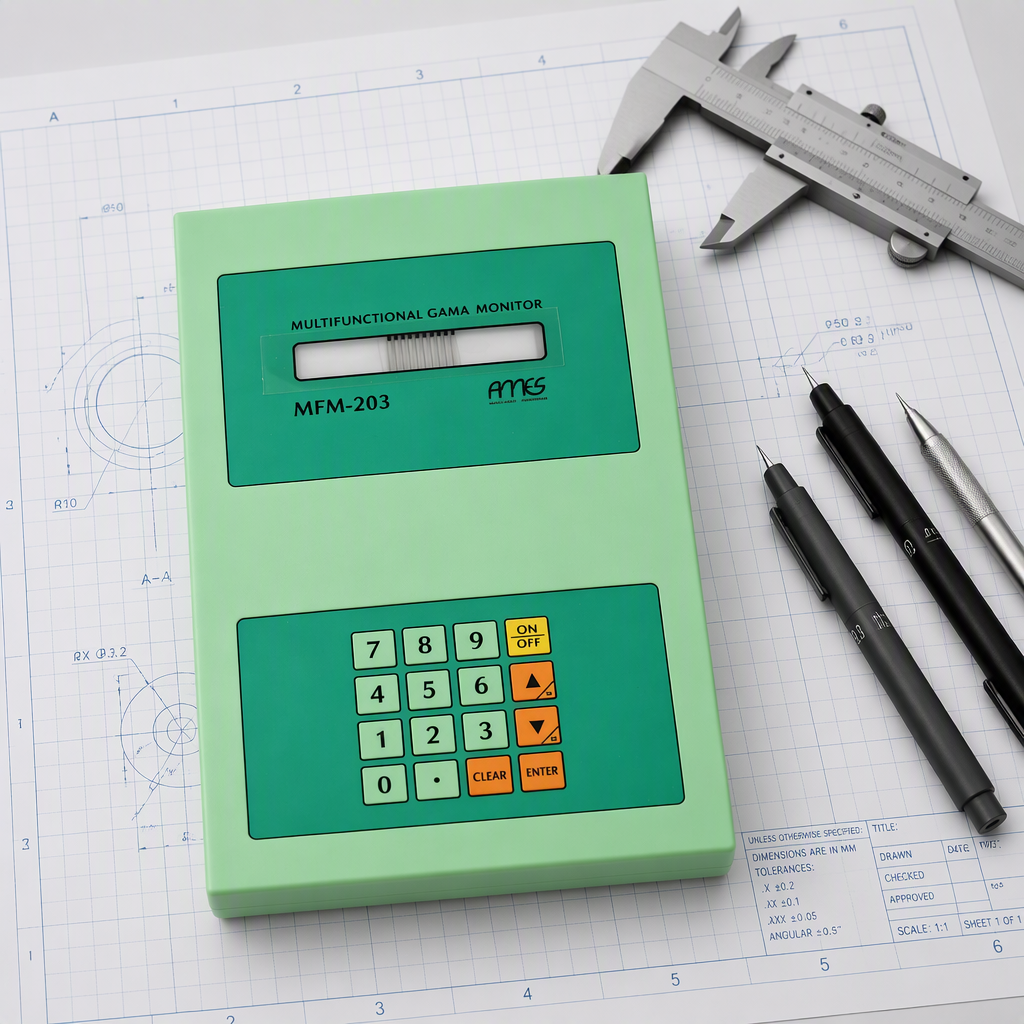
MEIBORUI Fast Turnaround Membrane Keyboard Prototyping Service PET/PVC Materials Custom Colors Sizes ISO Certified Sample Orders
Explore our ruggedized human-machine interface assemblies engineered to withstand rigorous industrial washdowns, chemical cleaning, and mechanical cycling across North American markets.
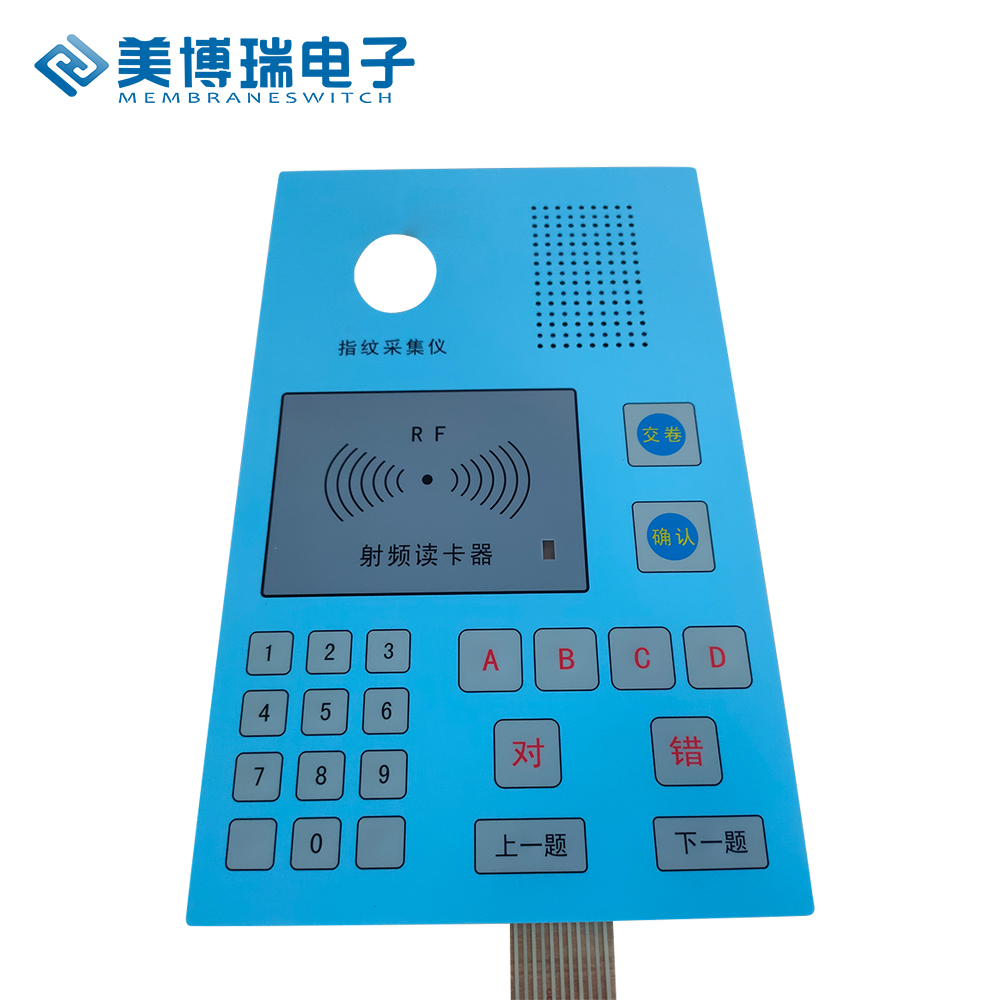
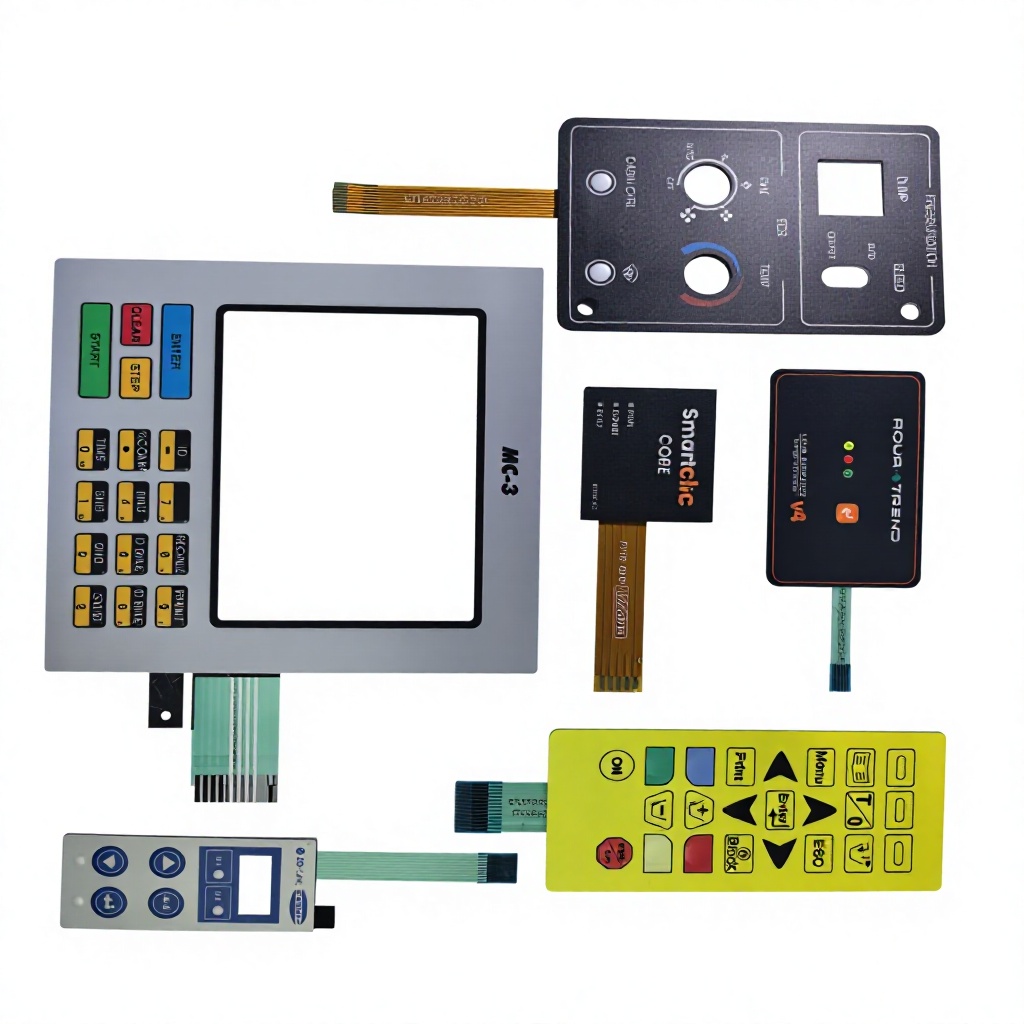
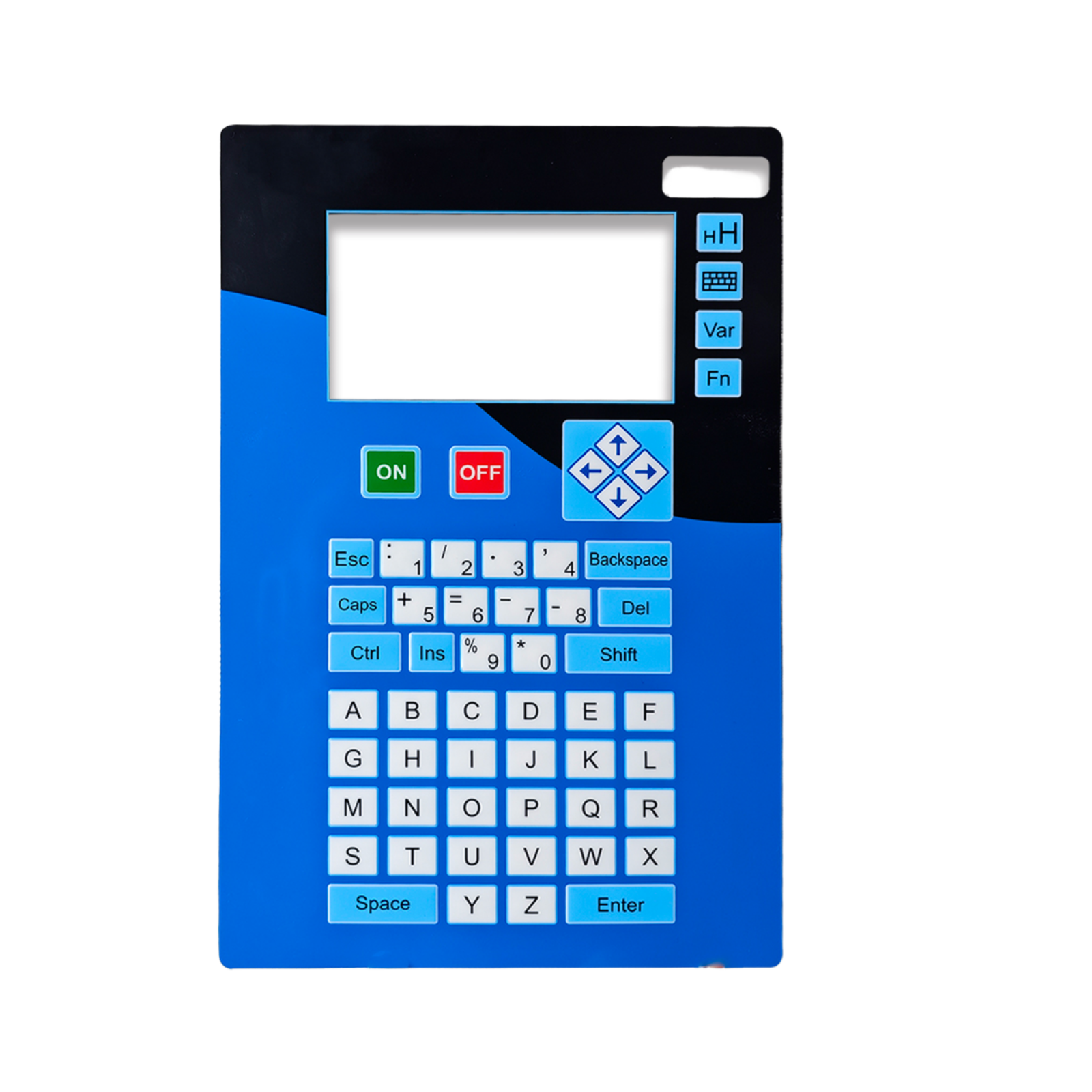
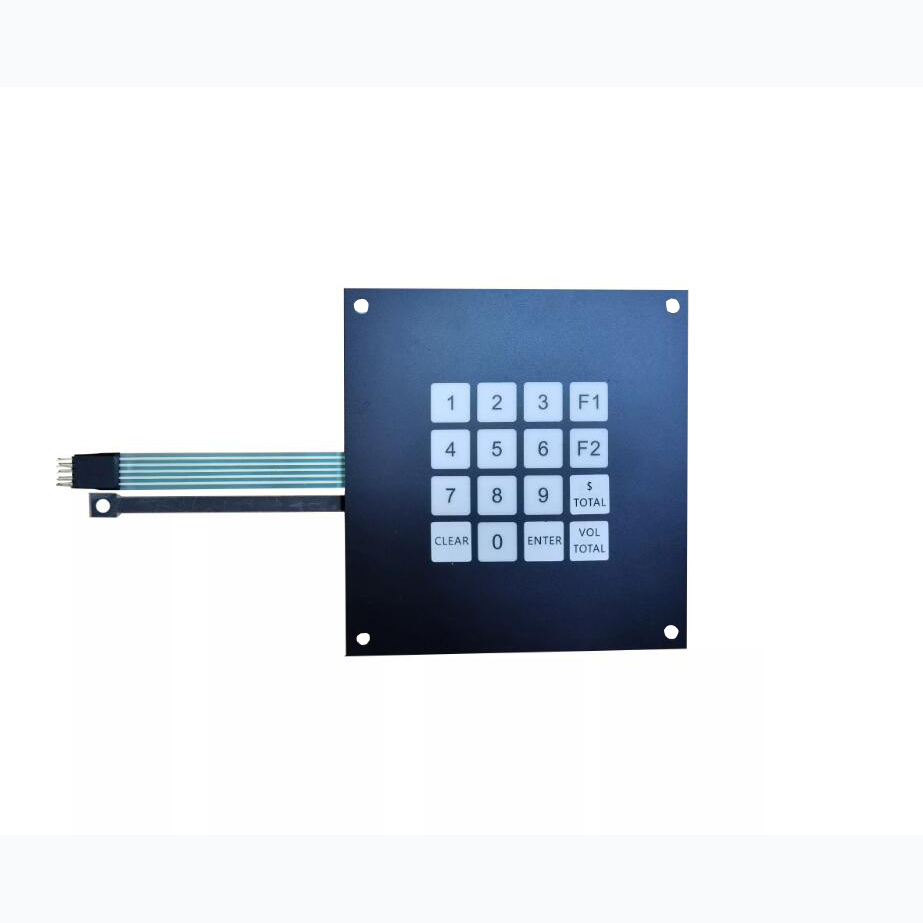
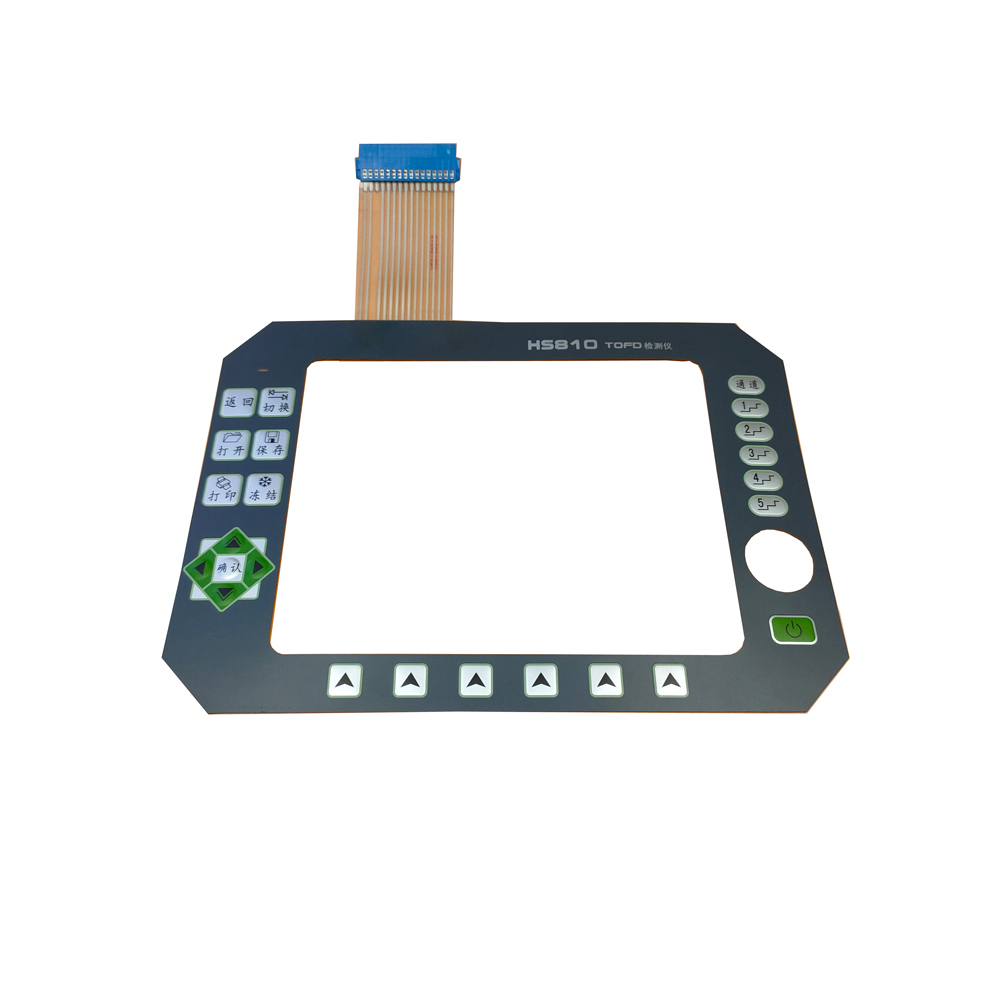
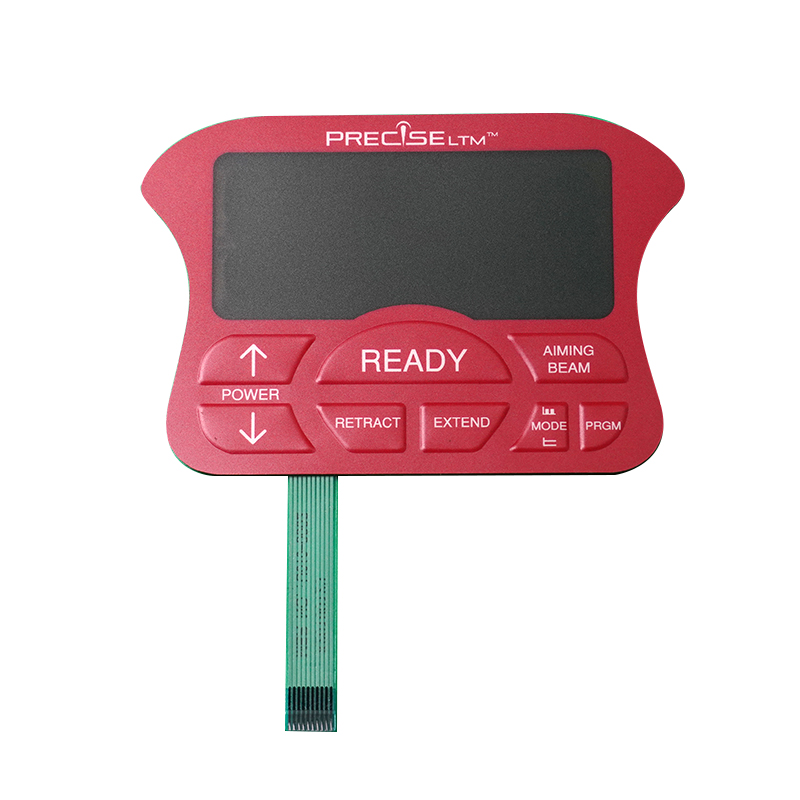
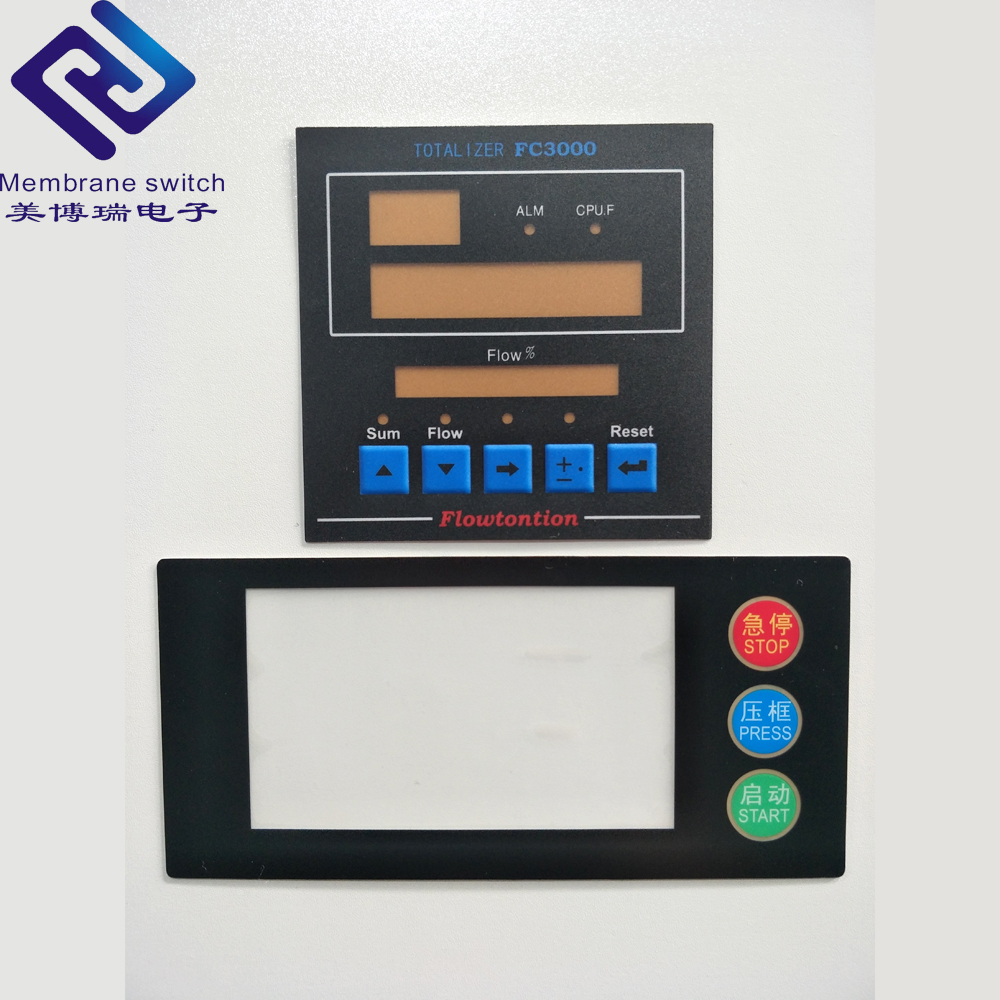
In contemporary electromechanical systems, the human-machine interface (HMI) serves as the primary barrier between complex electronic logic and abrasive, moisture-heavy physical environments. For procurement directors and senior mechanical engineers in Portland, Beaverton, Hillsboro, and the greater Silicon Forest, choosing an embossed keypad overlay factory requires looking beyond superficial aesthetics. A robust industrial overlay is a multi-layered composite system engineered for mechanical deflection, dielectric isolation, tactile feedback consistency, and hermetic perimeter sealing against liquids, gases, and particulate matter.
The substrate selection process dictates the baseline performance of the front graphic panel. While standard consumer interfaces frequently leverage unstabilized polycarbonate (PC) due to its high optical clarity and initial thermoformability, severe-service environments demand biaxially oriented, heat-stabilized polyethylene terephthalate (PET) such as Autotex® or polyester film formulations. PET substrates demonstrate superior flexural fatigue resistance—surpassing 5,000,000 continuous actuation cycles without micro-fissuring or hinge-stress failure—as well as comprehensive chemical resistance against industrial solvents, petroleum-derived fuels, alcohols, and aggressive cleaning reagents routinely utilized in medical devices and cleanroom automation.
Graphics, legends, and brand logos are applied to the second surface (underside) of transparent films using precision screen printing or UV flatbed printing. The overlay material itself shields inks from surface abrasion, aggressive chemicals, UV sunlight degredation, and mechanical contact.
Tooling dies form localized tactile geometries (rim, pillow, perimeter, or braille embossing) with micrometer-level vertical accuracy. This tactile registration guides user fingertips without visual attention, maximizing ergonomic safety in mission-critical operations.
Engineered using genuine 3M 200MP, 300LSE, or VHB acrylic transfer systems. Continuous peripheral adhesive barriers prevent capillary ingress of moisture, airborne saline, moisture condensation, and corrosive particulates, achieving IP65 to IP67 sealing ratings.
Tactile sensation in an embossed membrane keypad is governed by the snap ratio of the dome element beneath the graphic layer. Stainless steel metal domes (typically nickel-plated or gold-plated alloys) offer a crisp, pronounced tactile response with actuation forces ranging from 180 grams to 450 grams. The snap ratio—calculated as (Actuation Force - Contact Force) / Actuation Force—is meticulously balanced between 40% and 60% to prevent mechanical operator fatigue during intensive manual data entry while providing unmistakable audible and physical actuation feedback.
For applications demanding ultra-thin profiles or completely non-magnetic switch construction (such as MRI diagnostic suites or localized marine radar modules), integrated polyester domes (polydomes) formed directly into the circuit or spacer layer deliver silent, low-hysteresis mechanical movement. By tailoring the draw depth, dome diameter, and pre-cure thermal stabilizing cycles within our 60 CNC mold-machining centers, our engineering facility eliminates dome collapse and ensures consistent travel profiles from the initial pilot run to volume serial production.
| Engineering Parameter | Industrial Grade PET (Autotex®) | Optical Grade Polycarbonate (PC) | Extreme Chem-Resist PBT |
|---|---|---|---|
| Switch Life Cycling | > 5,000,000 cycles | ~ 100,000 to 500,000 cycles | > 2,000,000 cycles |
| Chemical Resistance | Excellent (Alcohols, Ketones, Fuels) | Moderate (Vulnerable to solvents) | Superior (Caustics, Bleach, Hydrocarbons) |
| Tensile Strength (Yield) | 150 - 170 N/mm² | 60 - 70 N/mm² | 110 - 140 N/mm² |
| Dielectric Strength | 15 kV/mil (0.025 mm) | 18 kV/mil (0.025 mm) | 16 kV/mil (0.025 mm) |
| Operating Temperature | -40°C to +85°C continuous | -30°C to +75°C continuous | -40°C to +120°C continuous |
The proximity of high-frequency power electronics, inverters, brushless servomotors, and wireless transceivers in industrial setups introduces significant electromagnetic interference (EMI). Without robust shielding, static discharge from an operator's body—often carrying up to 15kV during dry winter operations—can couple directly into the underlying logic traces, inducing bit flips, micro-controller lockups, or trace breakdown.
Our factory integrates printed silver grid shielding, continuous vacuum-sputtered aluminum layers, or etched copper flexible printed circuit (FPC) ground planes laminated directly below the graphic overlay layer. Connected directly to earth ground through perimeter connector tails, this protective barrier harmlessly shunts static discharge and attenuates high-frequency radiated emissions, ensuring full compliance with FCC Part 15 and CE industrial electromagnetic compatibility (EMC) standards.
From cleanroom semiconductor equipment to commercial marine vessels navigating the Columbia River, our custom embossed overlays solve local environmental hurdles.
In Hillsboro and Beaverton wafer fabrication facilities, graphic overlays require anti-static, non-outgassing polyester films capable of resisting daily isopropyl alcohol (IPA) sterilizations while providing sealed capacitive or tactile keypads that prevent particle dispersion.
Commercial fishing vessels, tugs, and dredging rigs operate in salt fog, damp microclimates, and extreme temperature fluctuations. Our IP67-rated 3M 300LSE assemblies resist delamination, humidity ingress, and marine corrosion across heavy-vibration control consoles.
Wood processing plants, sawmills, and agricultural equipment throughout Oregon endure severe physical impacts, abrasive airborne sawdust, and hydraulic oil splashing. Polyurethane dome encapsulations and thick-gauge embossed keys ensure long-lasting durability.
Pacific Northwest clean-energy inverters and smart microgrid interfaces demand UV-resistant XE-grade films that eliminate yellowing, hazing, and embrittlement after years of direct exposure to solar UV radiation and freezing Cascade Mountain precipitation.
Emerging biotech and diagnostic instrumentation manufacturers in the Portland metropolitan corridor depend on our continuous surface graphic overlays to achieve zero-crevice bioburden control, seamless antimicrobial coats, and fluid-proof enclosures.
Portland's renowned craft brewing and specialty food processing machinery requires washdown-safe human-machine interfaces capable of withstanding acidic sanitizers, caustic steam cleanings, and high-pressure water spray without interface short-circuits.
The manufacturing landscape in the Pacific Northwest has undergone an aggressive transition away from single-sourced, off-the-shelf plastic keypads toward tightly integrated, high-value hybrid HMI sub-assemblies. Design firms and system integrators based in Portland increasingly require manufacturing partners capable of consolidating multiple supply chain layers into single, fully certified electro-mechanical modules.
1. Optical Bonding & Dead-Front Display Integration: Standard mechanical cutouts for LCD/OLED modules are rapidly being superseded by continuous overlays featuring optically clear adhesive (OCA) bonding. Using specialized vacuum laminators, display windows are treated with anti-reflective, anti-glare, and scratch-resistant hardcoats, creating a dead-front aesthetic where functional status indicators, alarm icons, and segment readouts remain completely invisible until backlit by surface-mount LEDs or Light Guide Film (LGF) networks.
2. Hybrid FPC and Rigid Aluminum Backer Stacks: To reduce chassis assembly labor inside local OEM factories, export clients are shifting away from standalone flexible tails plugged into separate daughterboards. Instead, our facility integrates the printed graphic overlay directly onto CNC-machined aluminum mounting backers with PEM standoffs, or connects multi-layer flexible copper circuits (FPC) equipped with reflow-soldered micro-controllers, passives, and active ZIF connectors.
3. Rigorous Qualification for Nearshore Assembly: Pacific Northwest hardware teams rely on high-velocity prototyping coupled with frictionless volume transitions. By maintaining all 37 silkscreen printers, 4 Mimaki digital UV machines, 18 precision laser cutters, and complete environmental validation chambers under our direct ISO 9001 roof, we compress standard industry lead times from 8 weeks down to 10–14 calendar days, fully mitigating global shipping delays through expedited air routes to Portland International Airport (PDX).
Direct manufacturing transparency, certified European-standard technical alliances, and comprehensive quality assurance.
No outsourced production steps. Drawing, CAD layout, film preparation, precision screen and digital UV printing, hydraulic embossing, laser cutting, circuit assembly, and 100% electrical continuity testing are executed within our 2,219 m² production facilities.
Our long-term technical cooperation with a German membrane switch manufacturer governs our process controls, tooling tolerances, and engineering protocols. Onsite operations are certified to ISO 9001 and verified by Intertek testing authorities.
Our engineered switches and front panels operate across mission-critical platforms manufactured by Siemens, ABB, and Haier, and serve high-speed rail locomotive controls, the Three Gorges Project, aerospace assemblies, and OEM fleets worldwide.
We eliminate high minimum-order friction. Whether supporting a Portland startup's 10-piece prototype build or fulfilling scheduled 500,000-unit annual contract shipments to OEM distributors, our dual-base production setup (Hebei and Huizhou) guarantees delivery.
Every custom overlay design undergoes qualification via automated computer circuit testers, button actuation life-cycle testers, programmable temperature/humidity chambers, xenon arc UV aging chambers, and salt spray fog chambers.
Our dedicated 20-person international trade department is experienced in North American commercial customs, DDP/CIF/FOB freight handling, and strict Intellectual Property protection under legally binding Non-Disclosure Agreements.
Direct, transparent answers regarding tooling, materials, environmental ratings, and international trade logistics.
Consult directly with our senior application engineers. We evaluate your mechanical drawings, environmental exposure risks, and circuit schematics to deliver production-ready prototypes with complete cost breakdowns.
Send an Inquiry