High-Reliability Flat Membrane Keypads & Interface Solutions
Built precisely to OEM technical prints, schematic pin-outs, and harsh operational conditions. Our switches undergo comprehensive computerized continuity, xenon UV aging, and mechanical life testing prior to shipment to Canadian facilities.
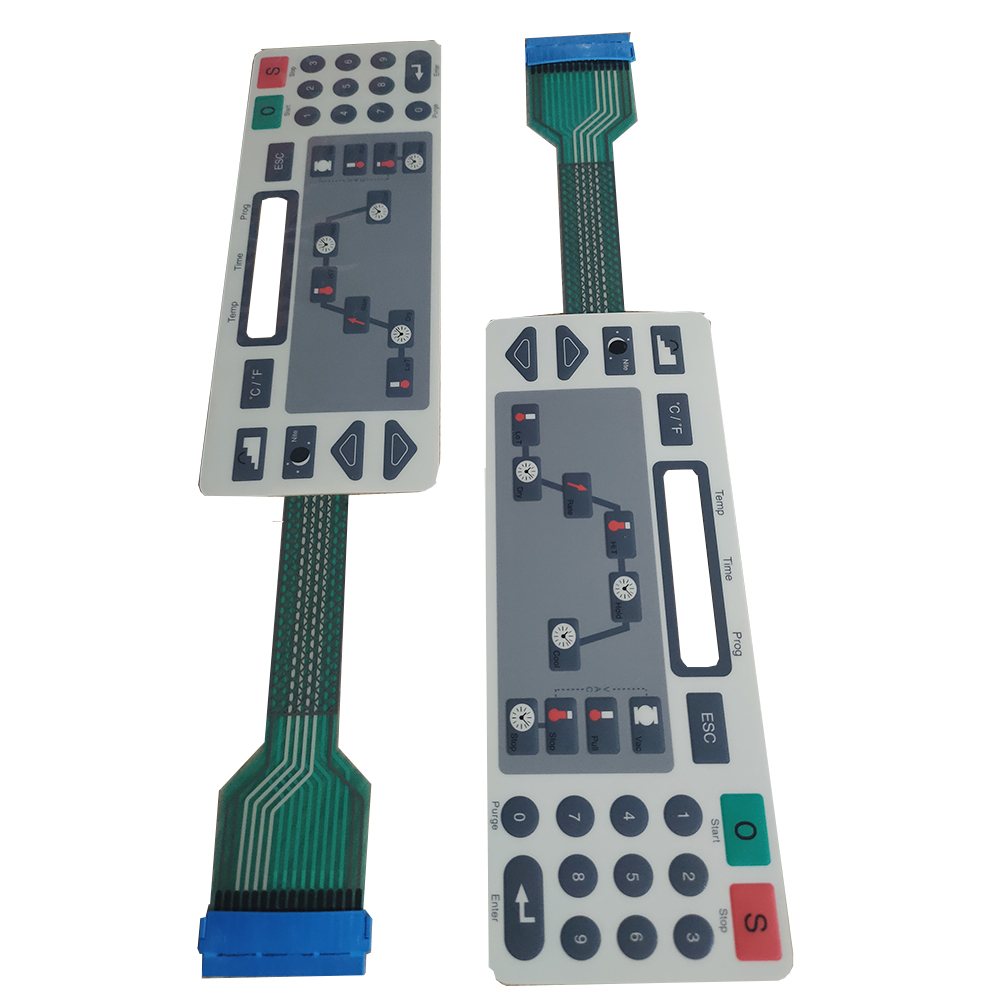
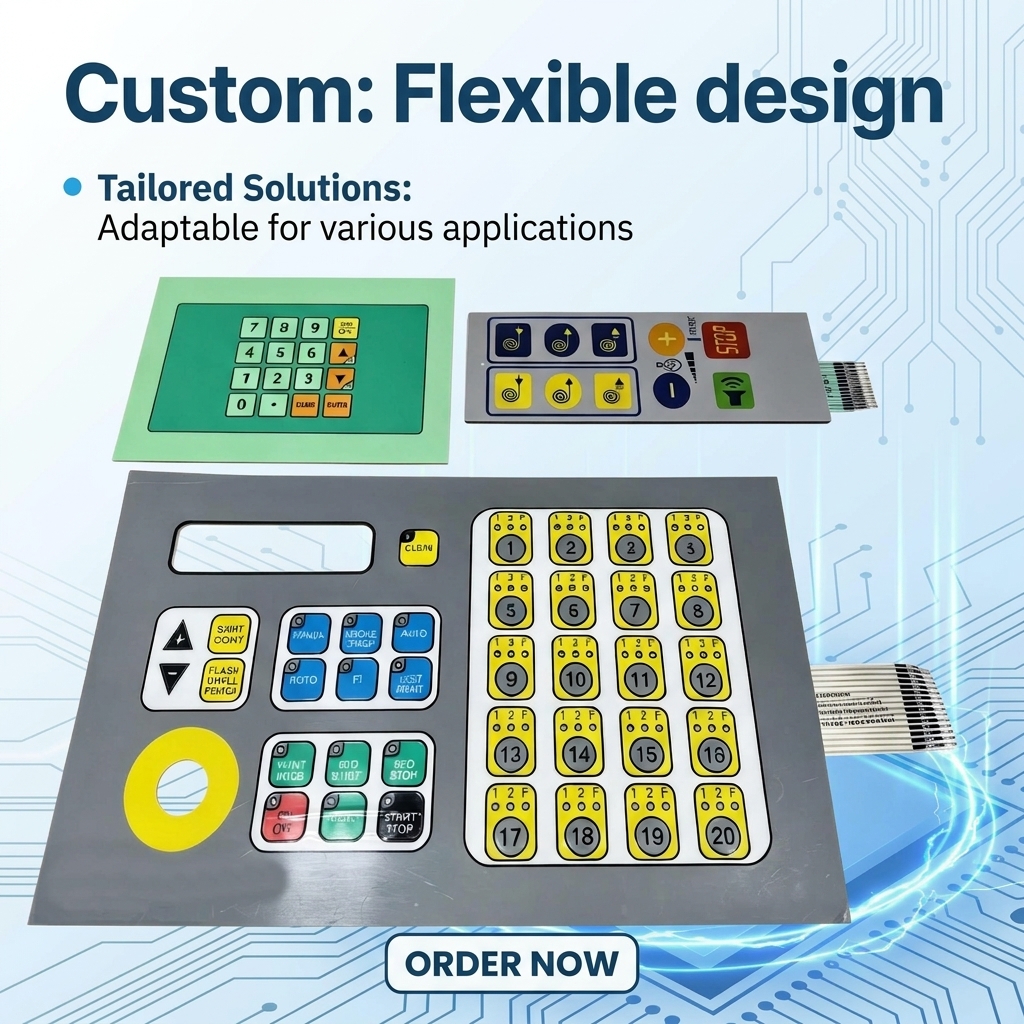
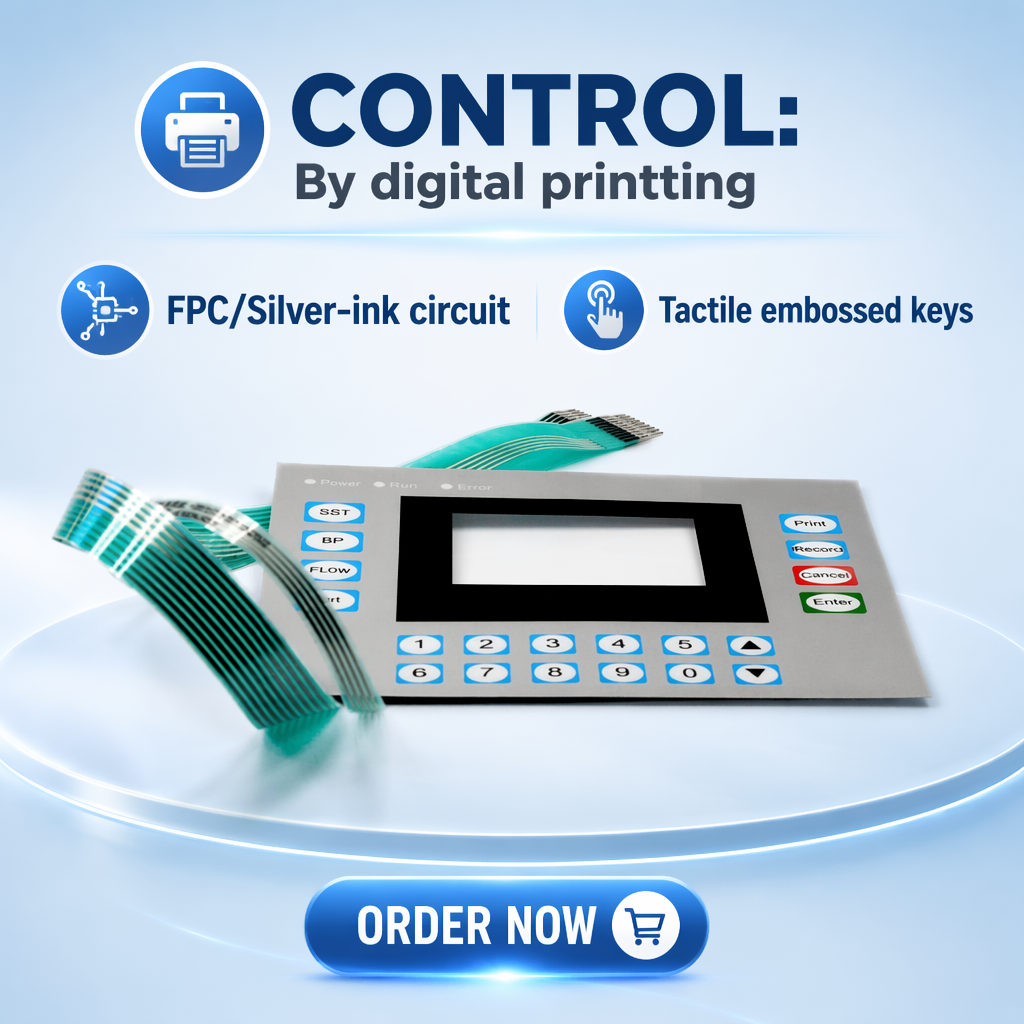
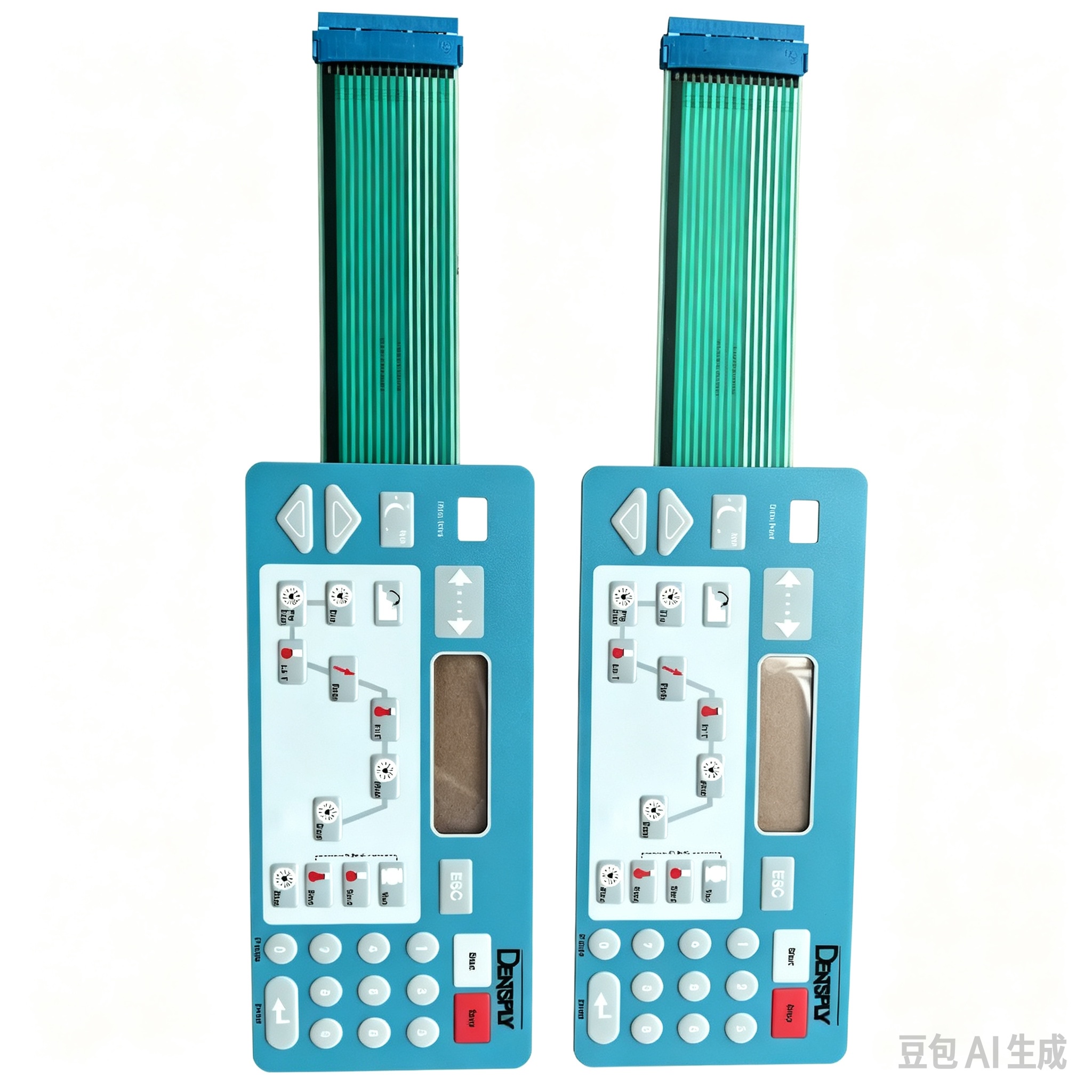
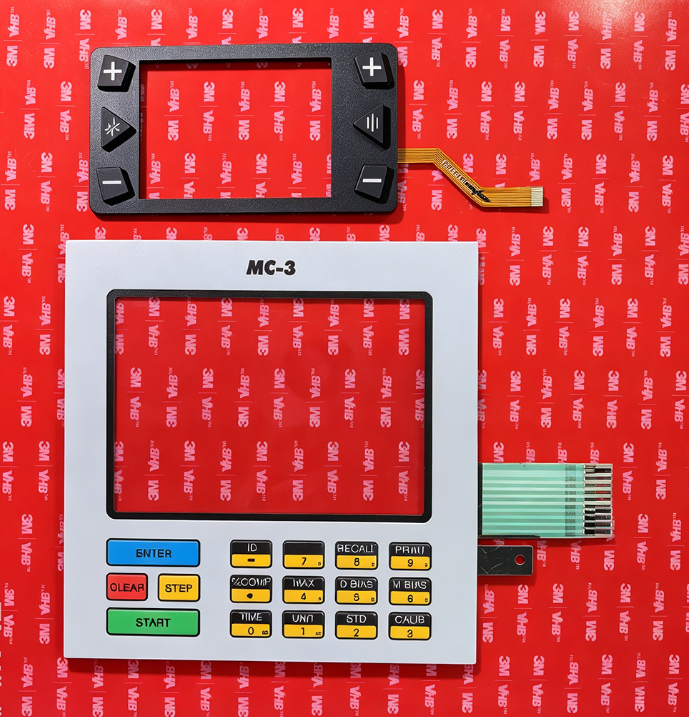
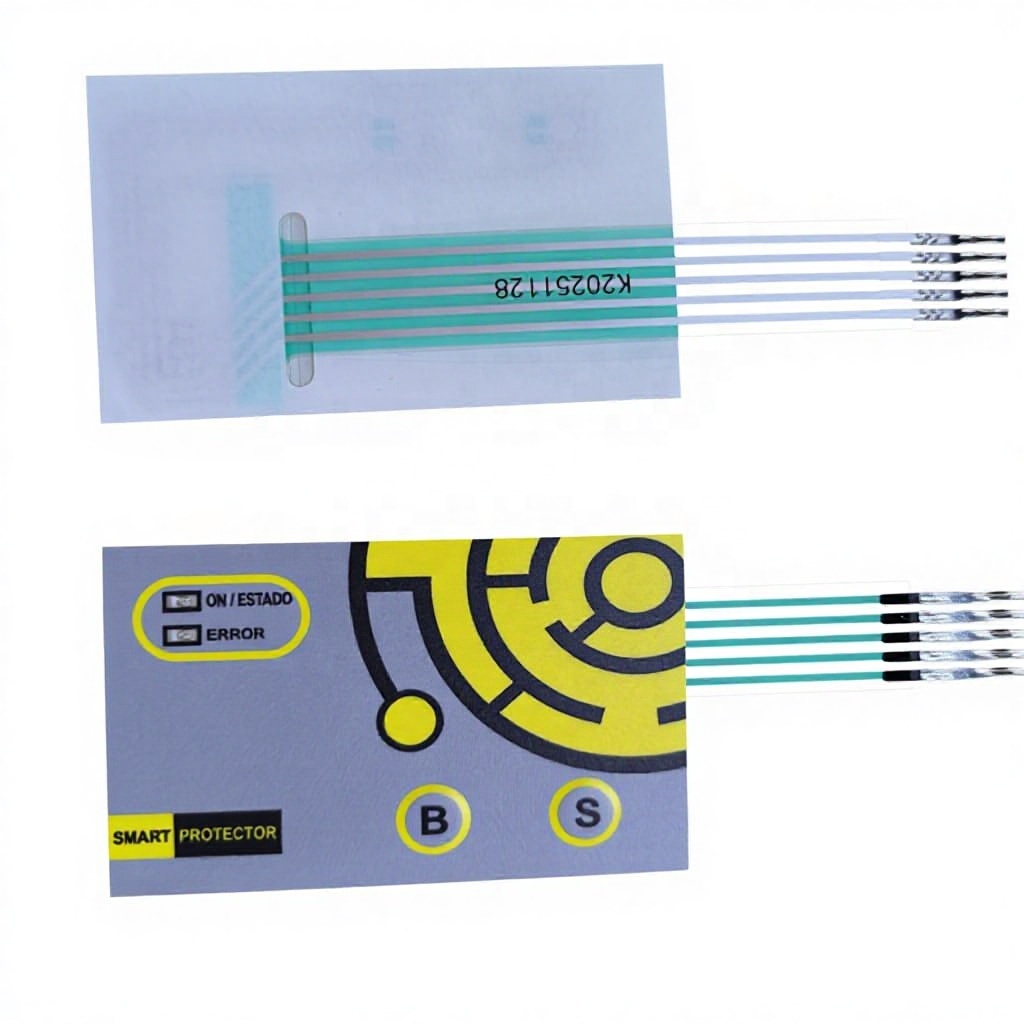
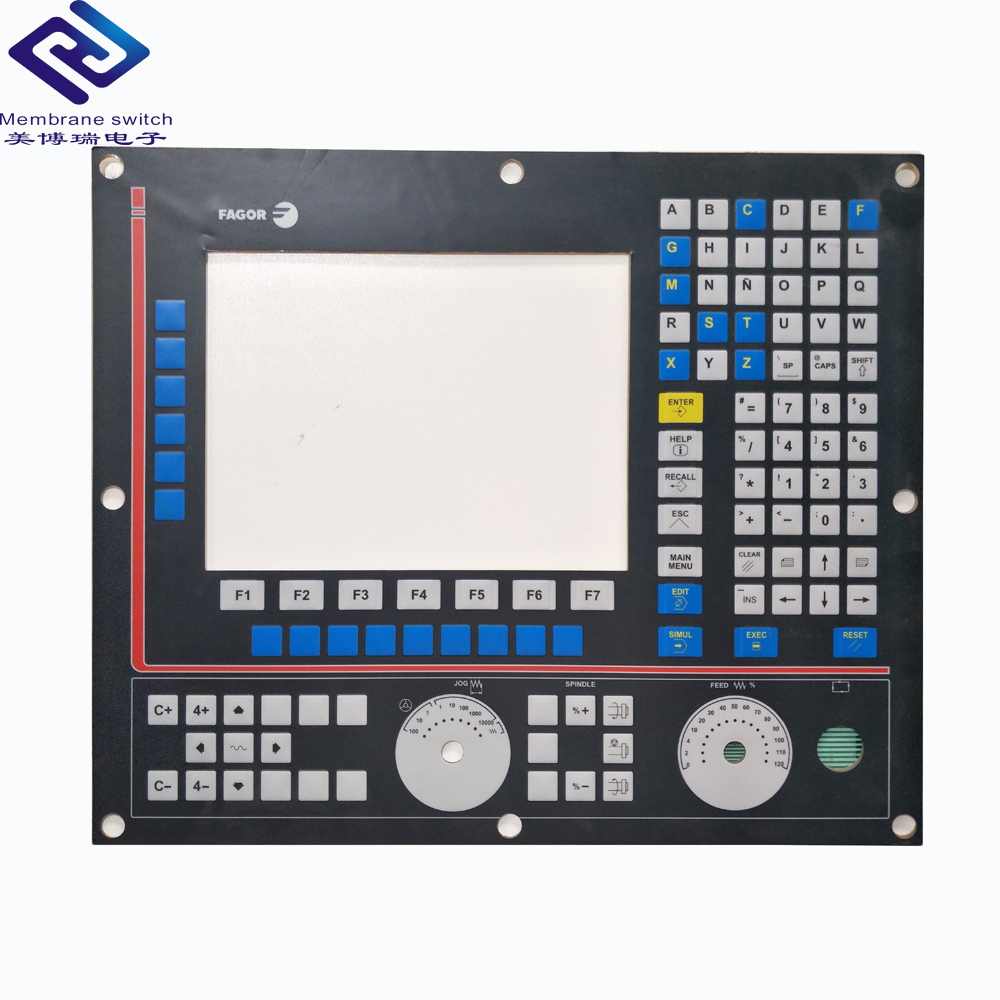
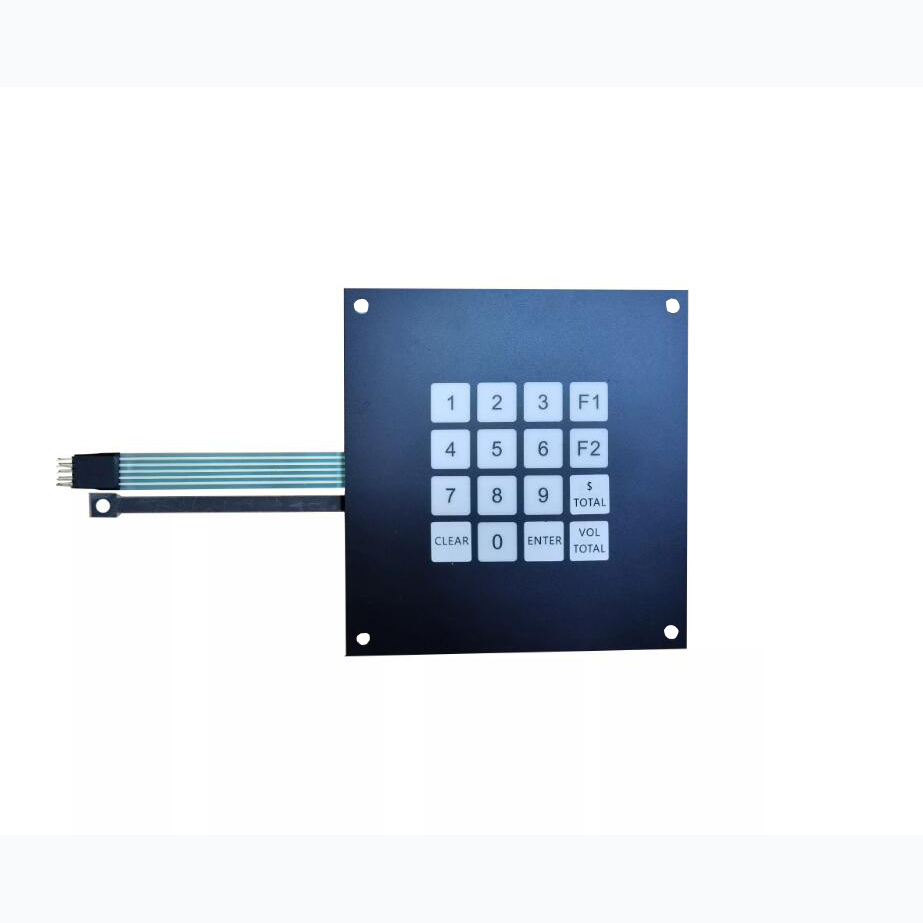
Mission-Critical Applications Across Greater Montreal & Quebec
From Saint-Laurent’s aerospace cluster to Saint-Hyacinthe’s agri-food corridor and Laval’s biopharma parks, modern Canadian equipment manufacturers demand flat membrane keypads capable of surviving heavy washdowns, rapid sub-zero cycling, and intense round-the-clock utilization.
Aerospace Ground & Cabin Controls
Integrated throughout ground support equipment, aircraft interior service units, and avionics test benches across Saint-Laurent and Longueuil aeronautics hubs. Built with flame-retardant polycarbonates complying with FAR/JAR flammability thresholds.
- Selective dead-front annunciator symbols
- Low outgassing 3M acrylic adhesive transfer tapes
- Integrated aluminum backers for EMI/RFI suppression
Food, Beverage & Clean-in-Place (CIP)
Engineered for dairy processing, maple automation machinery, and industrial bottling lines in Montérégie and Eastern Montreal. Our sealed Autotex polyester skins endure daily washdowns featuring sodium hypochlorite, caustic soda, and pressurized hot water.
- True hermetic IP67 / NEMA 4X border perimeter gasket
- Non-porous, antimicrobial textured surface films
- Smooth flat profile preventing bacterial harborage
Biomedical & Laboratory Diagnostic Units
Supplying precision diagnostic hardware, centrifuge control panels, and patient monitoring consoles in Laval’s Biotech City and Montreal medical parks. Designed for hospital-grade isopropyl alcohol, bleach, and quaternary ammonium wipe-down regimens.
- Anti-glare optical display filter windows
- Embedded tactile metal domes offering 250g-350g force
- Tactile feedback operable through double-gloved hands
Rolling Stock & Electric Mobility
Built to withstand the rigorous standards of Quebec's electric bus manufacturers and global railway locomotive integrators (Alstom, Bombardier transport corridors). We manufacture high-endurance copper FPC circuits that resist extreme continuous vibration.
- Polyimide flexible circuits with zero micro-fracturing
- Integrated SMT LEDs rated for 100,000 continuous hours
- Over-molded watertight pin-out headers
Hydro-Electric & Utility Distribution
Substation automation relays, transformer monitoring modules, and outdoor smart metering enclosures deployed under Hydro-Québec regional standards. Built to prevent electrostatic discharge (ESD) interference during grid switching surges.
- Complete carbon/silver ESD grid shielding layers
- Dielectric breakdown protection exceeding 5,000V DC
- High-temperature adhesive systems rated past 105°C
Heavy Mining, Forestry & Outdoor CNC
Ruggedized pendant controllers and heavy-equipment operator consoles built for harsh Abitibi mining operations and heavy forestry vehicles operating across Northern Quebec. Engineered to resist mineral slurries, chain oils, and road de-icing salts.
- UV-resistant outdoor hard-coated polyester overlays
- Cold-crack resistance verified down to -45°C ambient
- Mechanical actuation life exceeding 3 million strokes
Engineering Flat Membrane Keypads for the Quebec Climate & Regulatory Framework
Deploying human-machine interfaces across Eastern Canada requires specific attention to extreme thermodynamic cycling, chemical contact profiles, and provincial statutory signage requirements.
1. The Sub-Zero Operational Dilemma: Preventing Silver Silver Migration and Adhesive Delamination at -40°C
Greater Montreal experiences ambient winter swings plunging below -30°C, frequently compounded by rapid cycling when outdoor machinery enters heated warehouses or maintenance bays. Standard off-the-shelf membrane keypads fail in this environment due to thermal coefficient mismatch between the graphic overlay film, the pressure-sensitive acrylic adhesive layer, and the underlying silver-printed traces.
At low temperatures, inferior acrylic adhesives experience severe glass transition (Tg) phase shifts, becoming brittle and allowing micro-fissures along the switch perimeter. Moisture drawn in via capillary action subsequently causes catastrophic silver dendrite migration, creating inter-trace short circuits across the conductive matrix. To prevent this, TAVO specifies high-performance 3M 200MP and 300LSE adhesive transfer systems cross-laminated under cleanroom conditions, alongside polymer thick film (PTF) conductive inks formulated with flexible thermosetting binders that maintain molecular ductility from -40°C to +85°C.
For Montreal industrial automation OEMs, our engineering department mandates differential laser venting channels. Rather than venting key cavities to the external perimeter where atmospheric condensation accumulates, our closed-circuit inner venting channels route internal airflow through desiccated spacer channels, preventing condensation inside the dome cavity.
2. Material Science Matrix: Polycarbonate (PC) vs. Biaxially Oriented Polyester (PET)
The choice between Sabic Lexan polycarbonate and MacDermid Autotex biaxially oriented polyethylene terephthalate (PET) governs the service lifetime of the graphic overlay. While polycarbonate provides lower raw material tooling costs and superior clarity for complex displays, it suffers from environmental stress cracking when subjected to industrial solvents, petroleum spirits, and alkaline cleaners commonly employed in Montreal processing plants.
| Engineering Property | Standard Polycarbonate (Lexan) | Premium Textured Polyester (Autotex PET) | TAVO FPC Copper Flexible Circuit |
|---|---|---|---|
| Switch Flexural Fatigue Life | ~100,000 actuations (non-tactile) | >5,000,000 actuations (embossed) | >10,000,000 actuations (tactile dome) |
| Chemical Resistance | Poor against ketones, esters, MEK | Immune to IPA, Bleach, Caustic Soda | Impervious (Kapton/Polyimide base) |
| Low-Temp Brittleness (Tg) | Brittle below -15°C under impact | Stable down to -40°C continuous | Rated to -55°C without fracturing |
| Current Carrying Capacity | <100mA (PTF Silver ink) | <100mA (PTF Silver ink) | Up to 2.0A continuous (Copper trace) |
| Component Soldering Capability | Conductive epoxy bonding only | Conductive epoxy bonding only | Direct SMT Reflow / Soldered LEDs |
3. Bill 96 and OQLF Compliance: Dual-Language Interface Engineering
Following Quebec's modern legislative updates under Bill 96 (Charter of the French Language), human-machine interface panels intended for commercial, institutional, and manufacturing facilities in the province of Quebec must present French text at least equally prominent or more prominent than any secondary English markings. Equipment imported with solely English overlays risks regulatory stop-orders and workplace health and safety compliance rejection by the CNESST.
TAVO supports Montreal design engineers by offering high-density sub-surface digital UV printing (Mimaki 7-color platforms) combined with high-precision 300-mesh silkscreen printing. This allows seamless bilingual nomenclature (e.g., "START / MARCHE", "STOP / ARRÊT", "EMERGENCY / URGENCE") without sacrificing symbol legibility, contrast, or aesthetic balance, even across miniaturized tactile keypad geometries.
4. Transitioning from Traditional Silver Ink to Polyimide Copper FPC
For high-reliability sectors such as rail transit along the Montreal-Mirabel-Laval corridor and outdoor high-voltage switches, silver ink circuits introduce the risk of trace impedance drift when exposed to micro-vibrations over prolonged operational lifespans. TAVO specializes in Flexible Printed Circuits (FPC) using rolled annealed (RA) copper foil bonded to polyimide (Kapton) films.
By routing circuit interconnects via etched copper rather than screen-printed silver inks, trace resistance is decreased from 20-50 Ohms down to fractions of an Ohm, enabling direct soldering of miniaturized 0603 and 0805 surface-mount LEDs, active sensors, and ZIF edge connectors without risk of solder-joint fractures or resistive trace delamination.
Why International OEMs Depend on TAVO’s In-House Manufacturing
Unlike trading entities, TAVO operates two dedicated production hubs with complete in-house control over every mechanical, chemical, and electrical stage of membrane switch assembly.
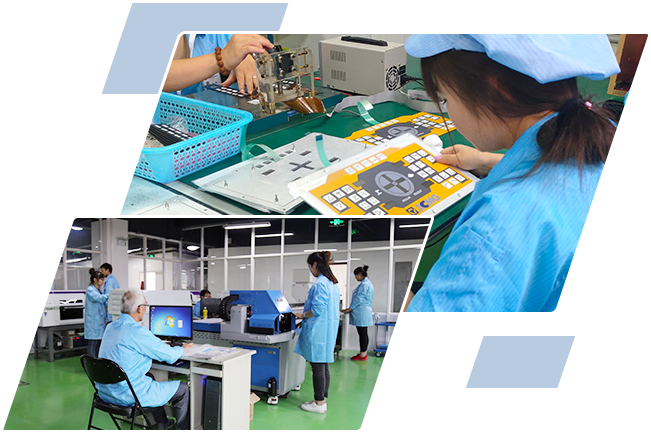
Full In-House Process: Eliminating Subcontracting Risks
Every phase of your membrane switch fabrication—from CAD/CAM engineering, film photo-plotting, cleanroom screen printing, and precision embossing to CNC laser die-cutting, automated component placement, and vacuum optical bonding—is executed inside our Xianghe and Huizhou manufacturing bases.
This closed-loop setup guarantees absolute dimensional repeatability, protects intellectual property, and shortens standard new product development cycles to as little as 7-10 working days for first-article functional prototypes.
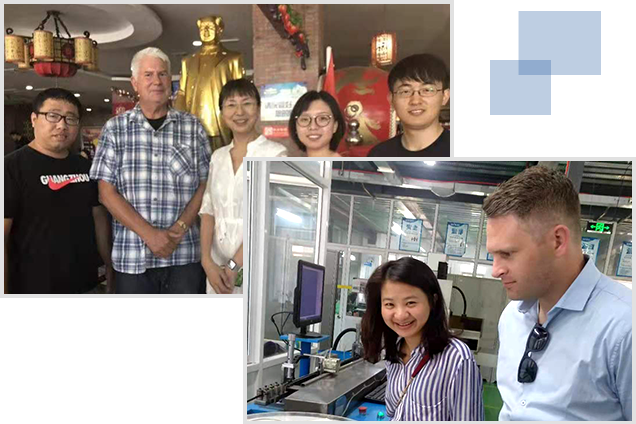
German Technical Collaboration & Global Pedigree
Founded on engineering traditions dating back to 1990, TAVO maintains active technological exchange with established German membrane keypad manufacturers. This ongoing technical collaboration covers advanced ink formulation, German high-speed screen printing machinery, and rigorous optical layer testing procedures.
Our engineered switches are trusted components in projects built for industry pioneers such as Siemens, ABB, Haier, high-speed rail locomotive assemblies, and advanced energy switchgear installations exported across North America and Europe.
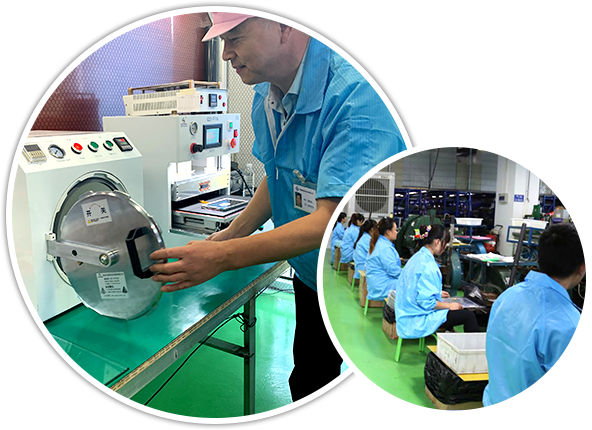
Exhaustive Environmental & Electrical Test Laboratory
Reliability is quantified through empirical validation. Before dispatch, production samples undergo accelerated life testing inside our dedicated testing laboratories. We subject switches to computerized continuity probing, switch contact bounce evaluation, actuation cycle verification, and extreme environmental chamber stresses.
Our testing chambers simulate decades of extreme operating exposure, including salt fog corrosion testing for maritime marine panels, xenon arc exposure for outdoor sunlight stability, and thermal shock between -40°C and +125°C.
Frequently Asked Questions for Montreal & Canadian OEM Buyers
Clear, direct answers regarding customs tariffs, freight timelines to Quebec, prototyping schedules, and engineering design requirements.