HOT
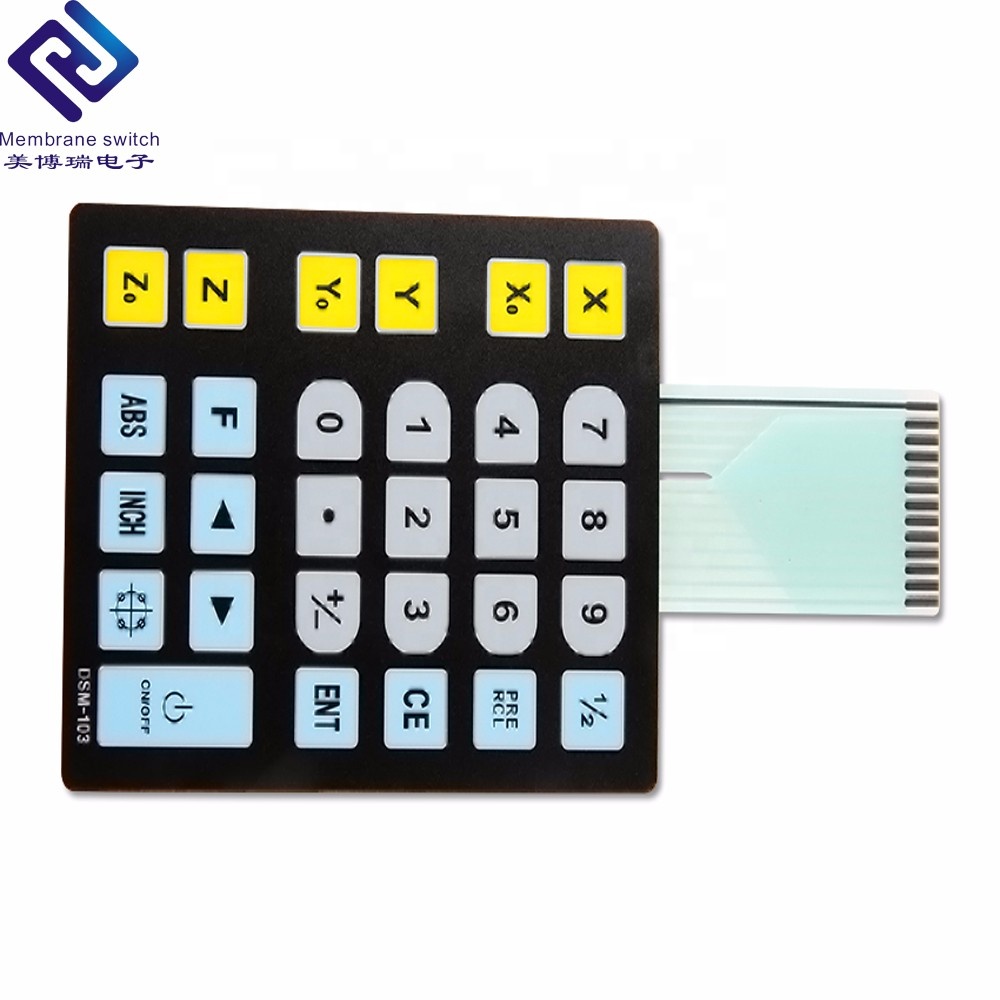
Factory Membrane Switch Keypad with Rubber Buttons 4*4/1*4/3*4/4*5 Layout MCU
MCU ExpansionSilicone TactileMatrix Bus
Explore Specifications →
Precision-manufactured polyimide flex solutions, metal dome arrays, and ruggedized front control panels tested for zero-defect field performance across global mission-critical infrastructure.
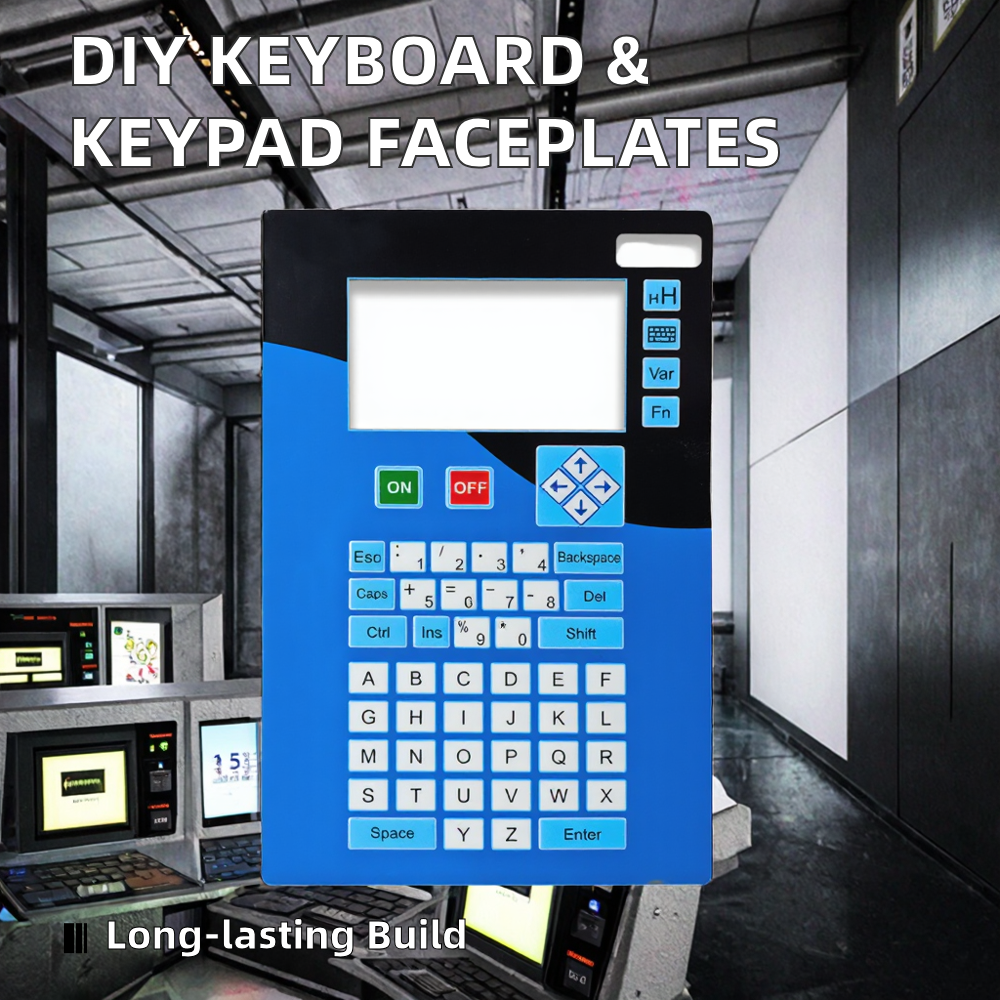
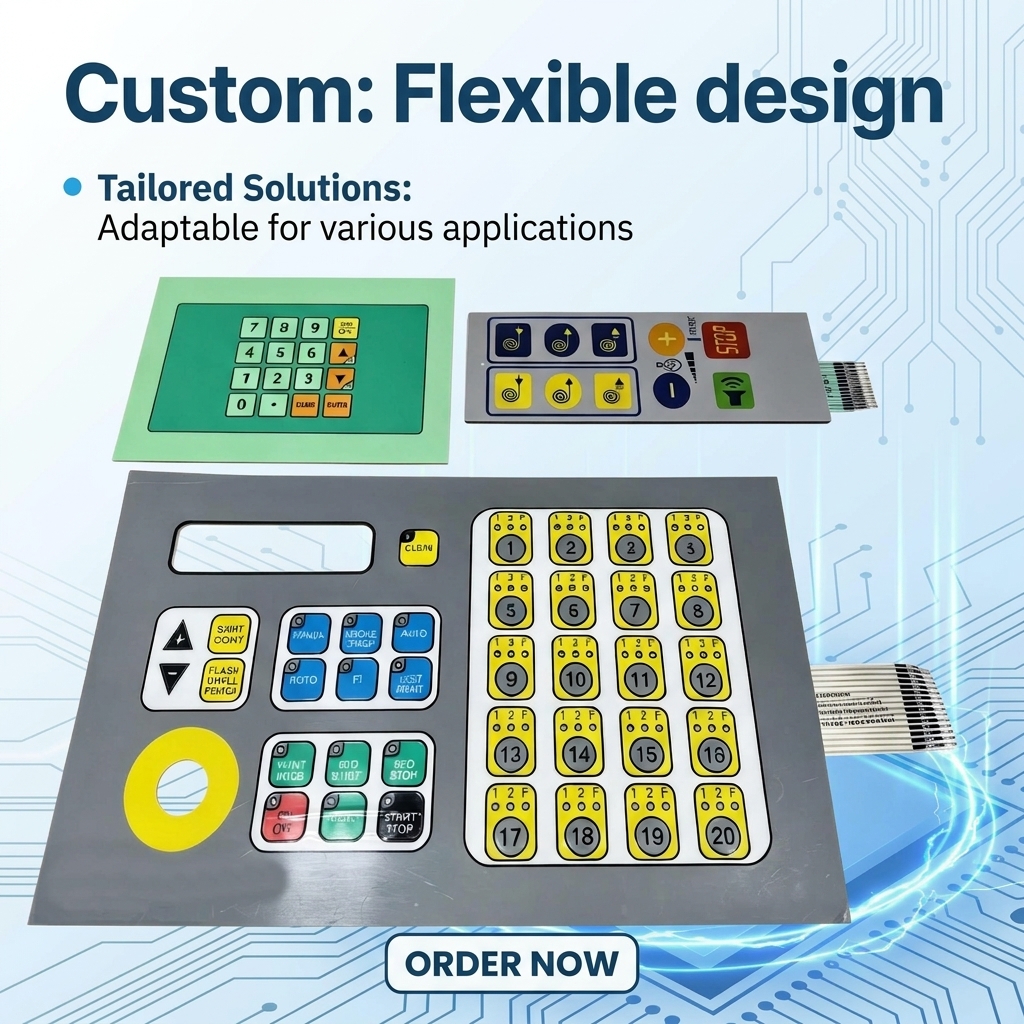
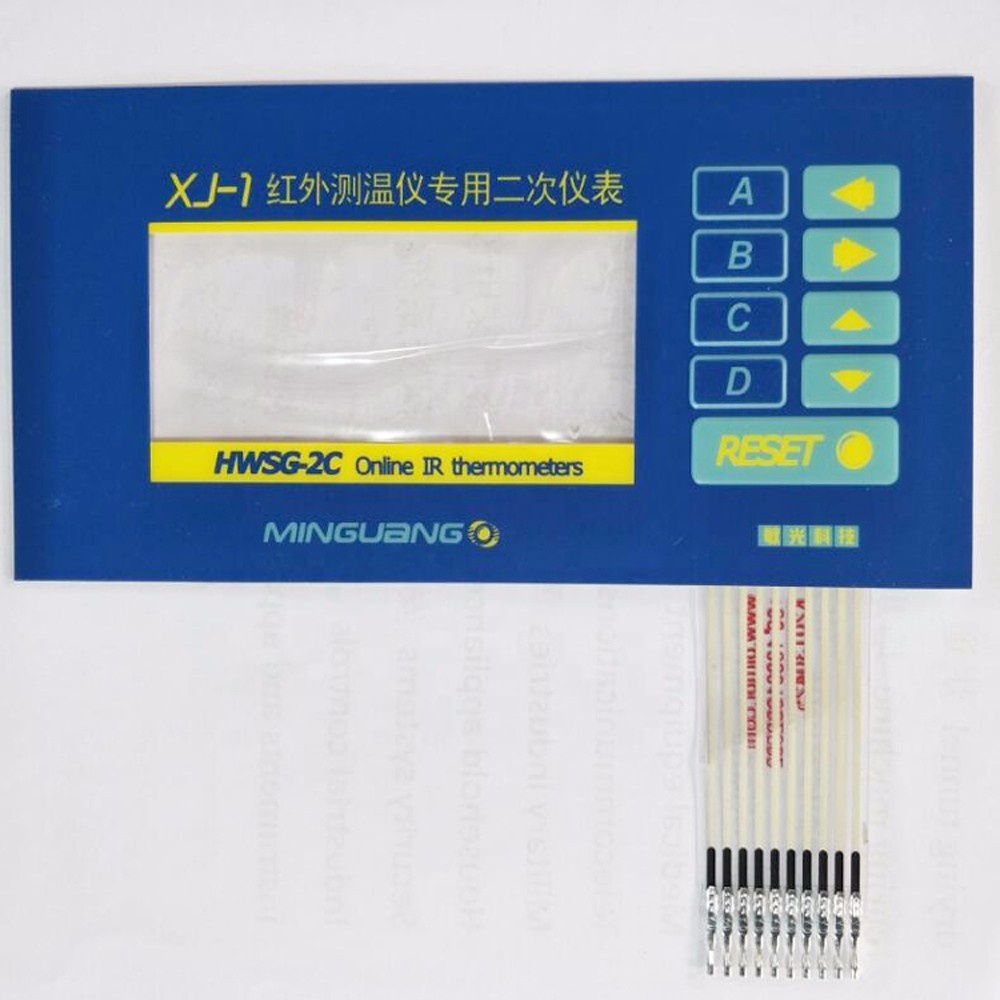

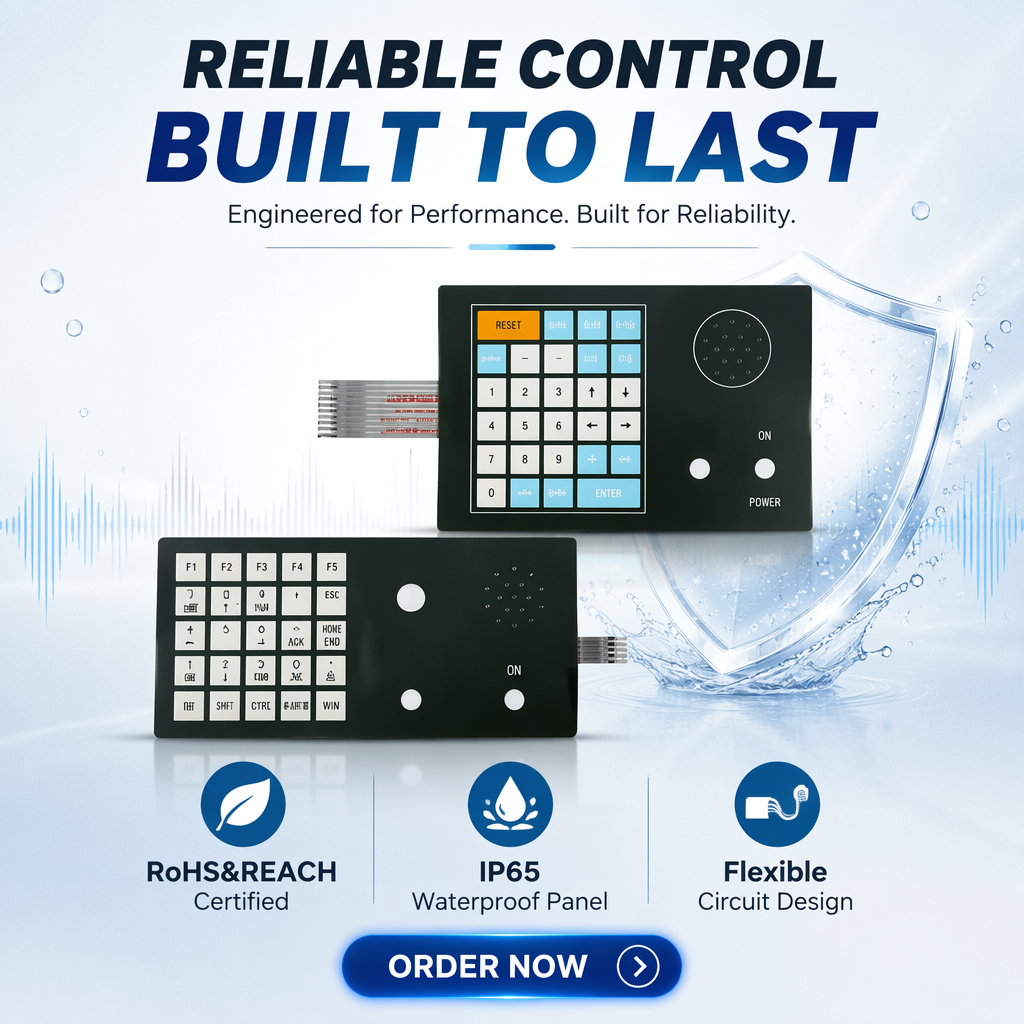
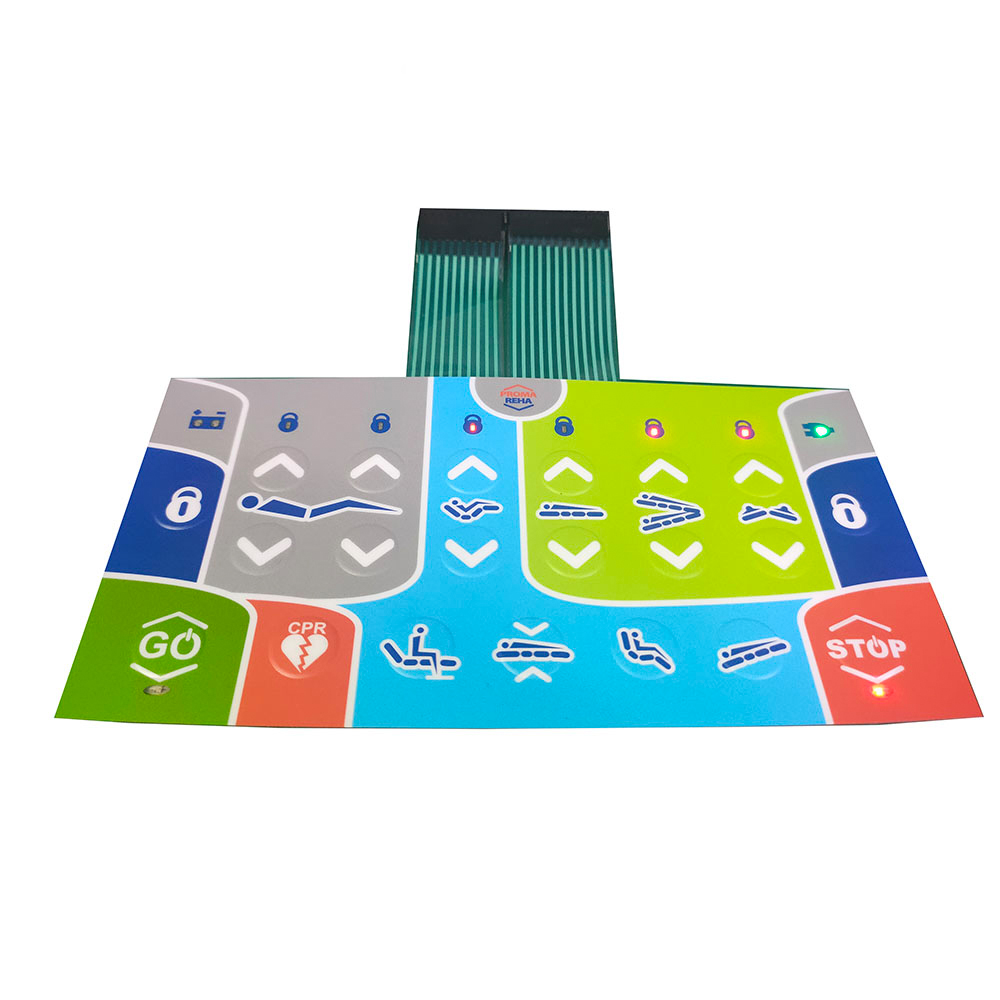
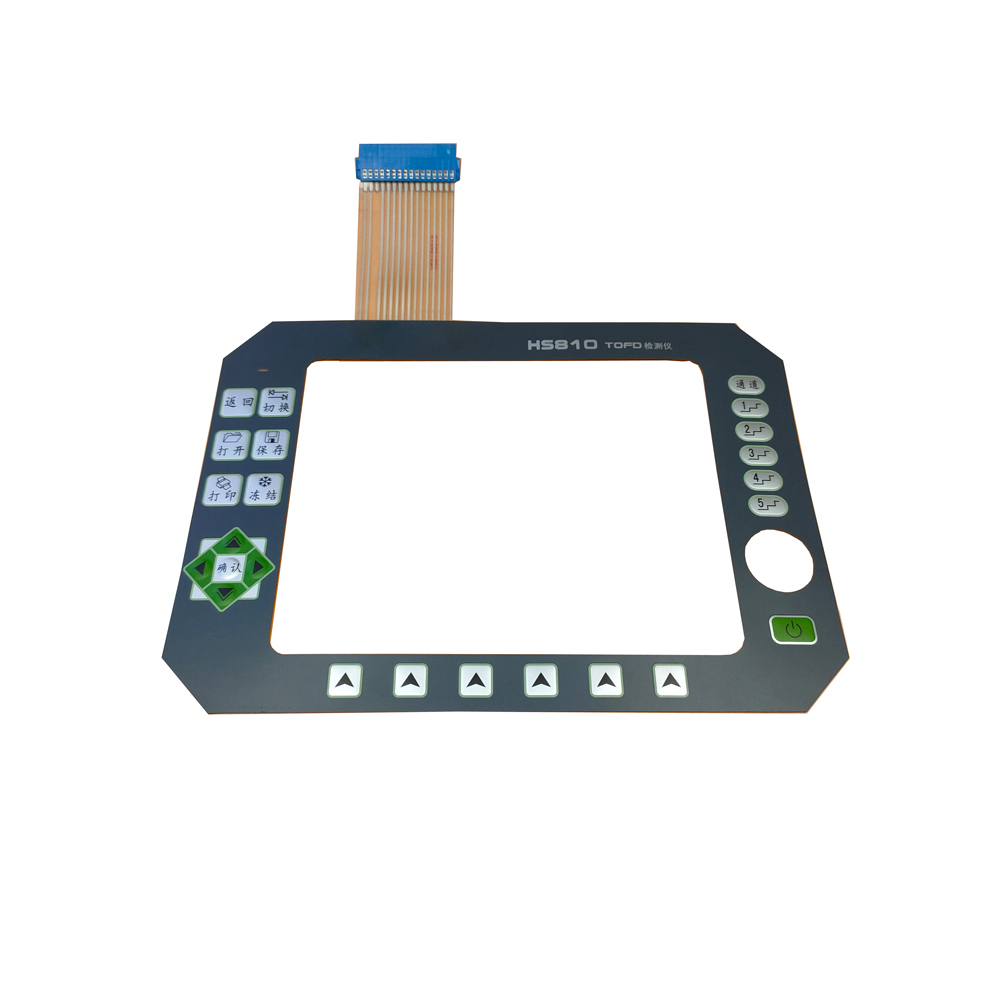
Comprehensive technical analysis of rolled annealed (RA) copper versus electro-deposited (ED) copper, polyimide coverlay thermal ratings, and dynamic bend-radius engineering for harsh micro-climates.
In modern electrical design, the shift from rigid, heavy wire harnesses and single-plane circuit boards toward multi-layered Flexible Printed Circuits (FPC) is accelerated by physical space optimization, weight minimization, and dynamic flexure endurance. Unlike traditional polymer thick film (PTF) silver paste screen-printed circuitry—which exhibits measurable electrical degradation and trace crack risks under repeated cycling—etched copper-clad polyimide laminates offer superior electrical conductivity, extremely low insertion loss, and the thermal endurance demanded by surface-mount component (SMT) assembly reflow profiles.
Procuring and manufacturing custom flexible copper circuits for applications in Kingstown and surrounding insular operations requires deliberate structural engineering. Maritime port logistics, regional communication infrastructures, and solar/microgrid tracking arrays operate under extreme conditions characterized by fluctuating ambient heat, sustained ultraviolet radiation, and marine aerosol saturation. A standard electronic layout quickly succumbs to galvanic corrosion and ionic migration when trace-to-trace spacing is improperly insulated or when standard FR-4 assemblies fail to resist cyclic thermodynamic expansion.
Engineered for high dynamic flex applications exceeding 100,000 bend cycles. The horizontal, elongated crystalline grain structure prevents shear cracking along sharp radii, delivering continuous current transport under persistent chassis vibration.
Thermo-resistant dielectric substrates with operating tolerances ranging from -40°C to +125°C continuous. Thermal-bonded coverlays seal circuits hermetically, eliminating humidity ingress, salt-fog corrosion, and insulation breakdown.
Hybrid architecture supporting miniature 0201 passives, high-density IC pitch (down to 0.3mm), and precision LEDs. Strategically integrated FR-4 or stainless steel stiffeners ensure mechanical rigidity under ZIF connector insertions.
| Engineering Parameter | Standard Industrial Grade | Mission-Critical / Harsh Marine Spec (TAVO Standard) |
|---|---|---|
| Base Substrate Material | Polyester (PET) / Standard Polyimide | Adhesiveless Polyimide (PI) UPILEX / Kapton film (12.5μm - 50μm) |
| Copper Foil Types & Weight | Electro-Deposited (ED) Copper (0.5 oz - 1.0 oz) | Rolled Annealed (RA) Copper Foil (1/3 oz to 2.0 oz) |
| Minimum Trace Pitch (Line/Space) | 0.10 mm / 0.10 mm (4 mil / 4 mil) | 0.05 mm / 0.05 mm (2 mil / 2 mil) via Laser Micro-Etching |
| Dielectric Breakdown Voltage | ≥ 1.5 kV / mil | ≥ 5.0 kV / mil (Immersion Gold / ENEPIG Plating) |
| Thermal Reliability (Solder Float) | 260°C for 5 seconds | 288°C for 10–30 seconds without delamination or blistering |
| Environmental Sealing & Shielding | Single-layer solder mask | Polyimide Coverlay with 3M 467/468MP Acrylic + Silver/Copper EMI Shield |
In municipal hubs like Kingstown, commercial maritime navigation, deep-water port logistics, and commercial agro-processing require human-machine interfaces (HMI) that resist salt air corrosion and physical wear. Flexible Copper FPC circuits replace bulky and corroding wire looms inside navigation bridge consoles, marine VHF transceivers, and port crane telemetry systems. By transitioning to fully encapsulated, flexible copper conductors, terminal engineers eliminate connection failures caused by intermittent moisture penetration and constant diesel vibration.
Furthermore, Caribbean clean-energy initiatives and remote grid monitoring systems demand localized durability. Solar inverters, off-grid telemetry cabinets, and hurricane-resilient weather-monitoring arrays installed along coastal perimeters depend on low-profile flex interconnects that deliver linear signal transmission without impedance degradation across wide thermal swings. Whether serving utility automation or pharmaceutical cold-storage monitoring, FPC circuits provide the mechanical compliance required to maintain circuit integrity inside IP67 and IP68 sealed enclosures.
Local public works and telecommunication providers are replacing aging electromechanical equipment with networked microcontrollers. The demand for compact FPC tails with multi-pin ZIF termination allows local technicians to assemble and service control consoles within tight physical spaces without specialized crimping machinery.
As microgrid distributed generators and solar arrays scale across regional estates, high-conductivity flexible copper bus-bars and sensor jumpers are critical. Standard copper-clad flexible layouts handle heavy battery-management system (BMS) current pulses while fitting securely within vibration-isolated battery chassis.
Direct from our 2,219-square-meter facility: 30+ senior engineers, 111 verified production specialists, and German technical manufacturing cooperation delivering verified zero-defect assemblies.
Originating in 1990, TAVO Electronic Information Technology Co., Ltd. has spent more than three decades engineering advanced human-machine interfaces, membrane switches, and copper flexible printed circuits. Our manufacturing hub, situated within the Robot Industry Port of Xianghe Economic and Technological Development Zone, works in tandem with our precision high-volume processing facility in Huizhou, Guangdong. This two-base dual-node structure ensures dynamic risk management, load leveling, and uncompromised on-time shipment schedules for international OEM procurement teams.
We are fully certified under the ISO 9001 Quality Management System, with our manufacturing floor and workforce regularly assessed on-site by Intertek. We maintain long-term technical cooperation with prominent German membrane and flex circuit manufacturing partners, sharing advanced photolithography chemistry, automated inspection routines, and thermal profiling techniques. Global enterprises, including Siemens, ABB, and Haier, rely on our integrated circuits for demanding applications such as high-speed railway locomotives, heavy industrial machinery, and critical energy distribution networks.
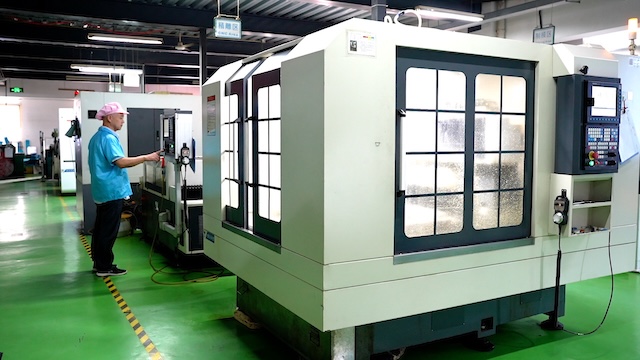
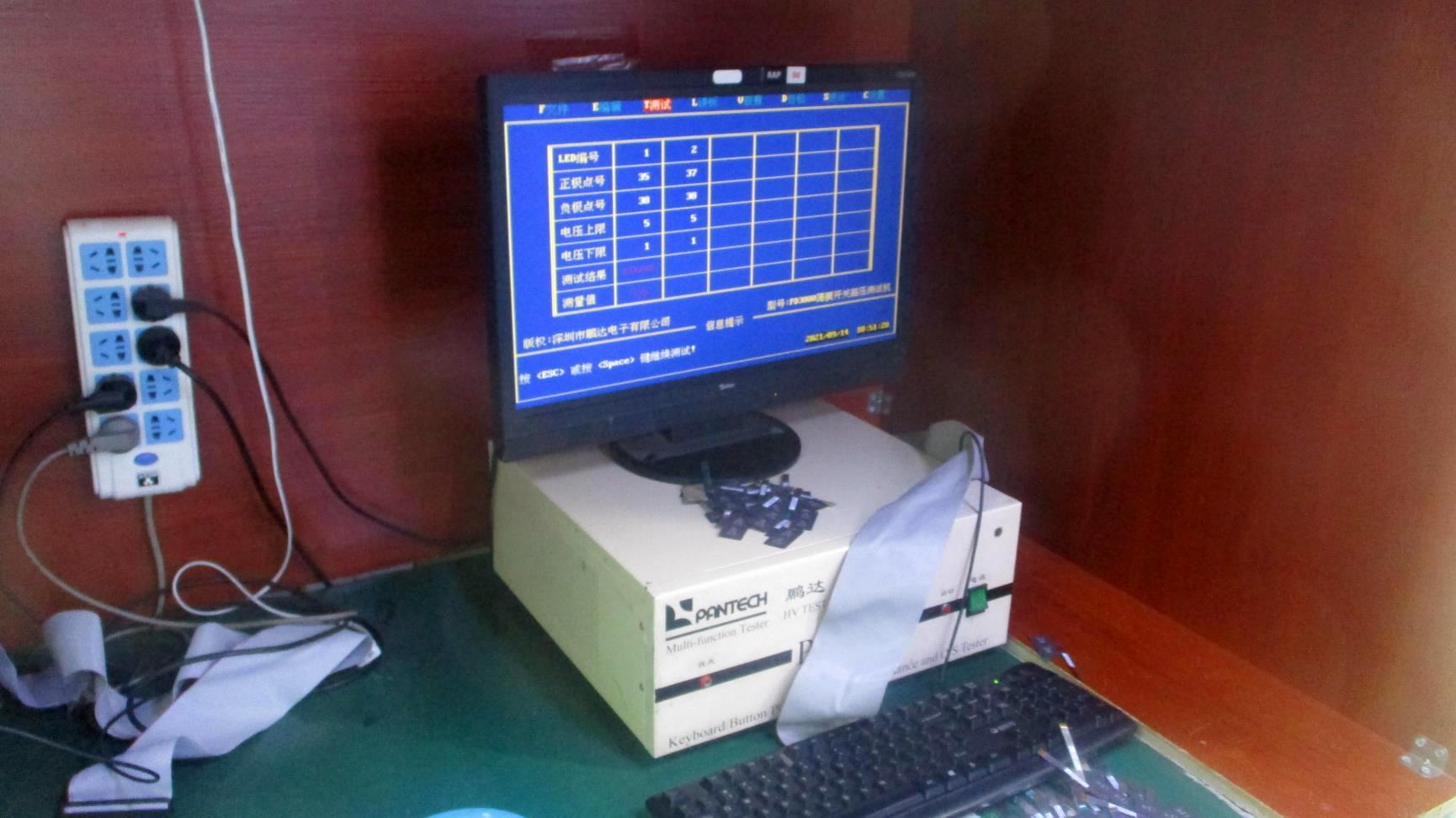
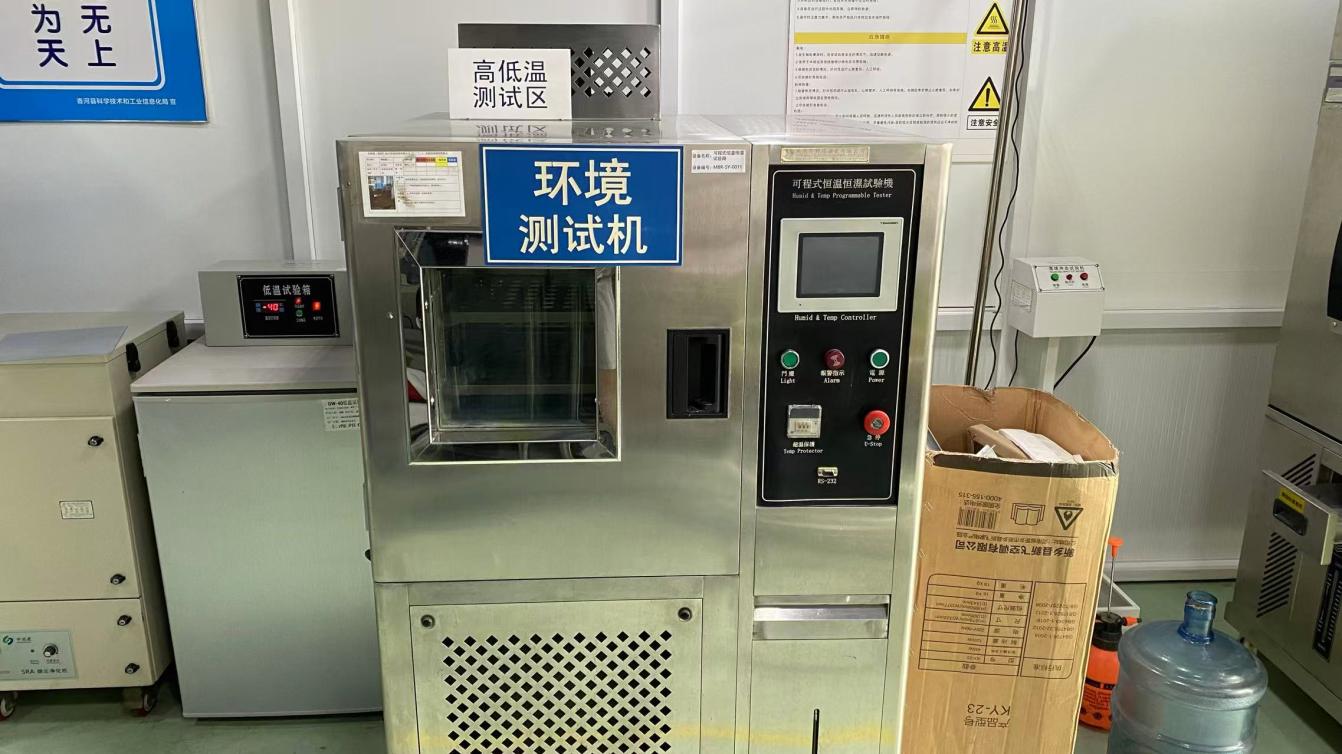
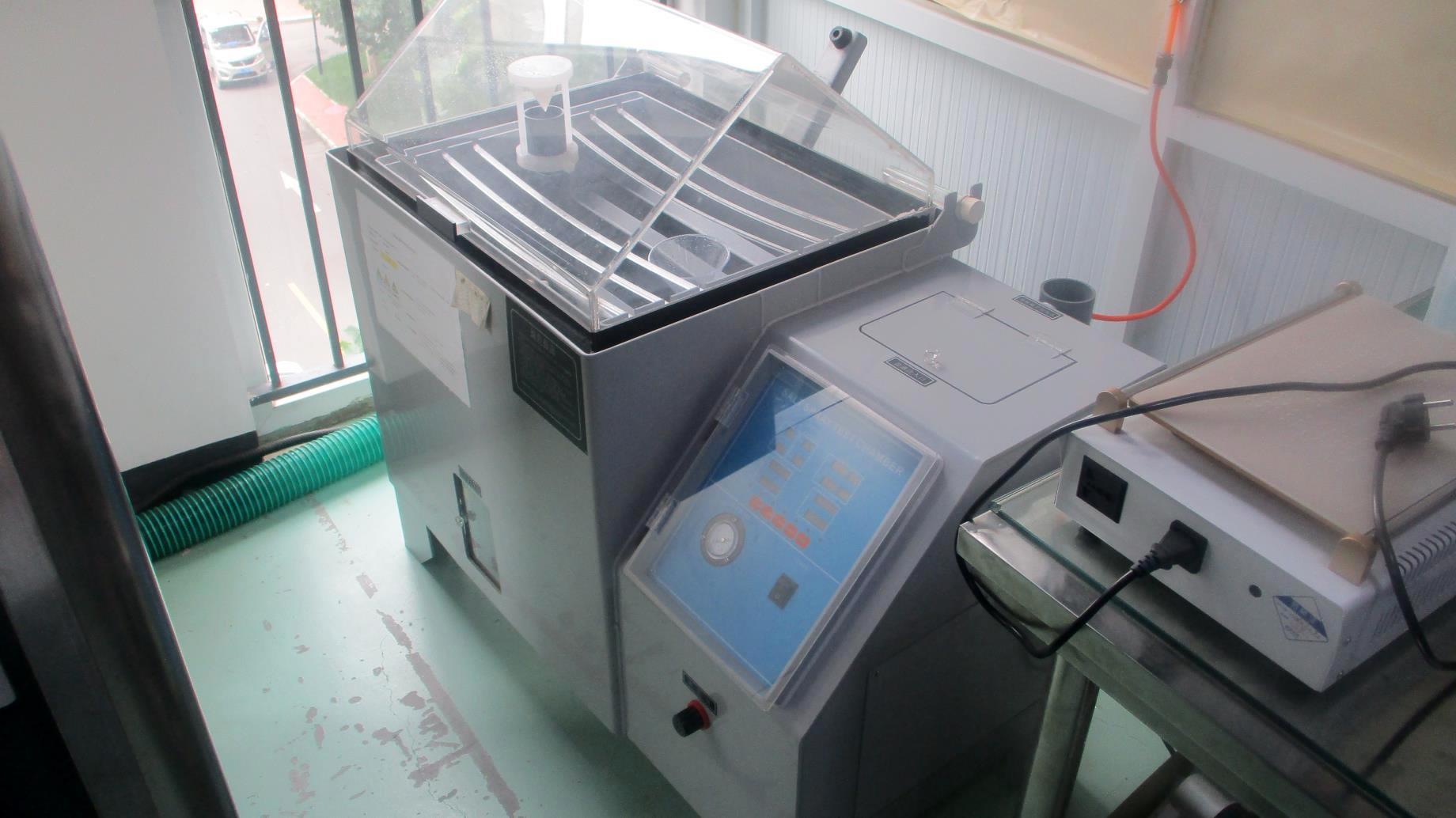
From CAD drawing and photographic tool preparation to copper etching, silkscreen printing, laser trimming, and final surface-mount soldering, every phase is completed inside our own cleanroom facility—eliminating subcontractor delays and quality leaks.
Every production batch undergoes comprehensive verification in our in-house lab, including programmable humidity-temperature cycling, button actuation cycle testing up to 5,000,000 hits, and xenon lamp UV aging.
We combine 60 CNC mold-making machines, 18 precision laser cutting heads, and 4 Mimaki heat-setting digital units to support quick prototyping, pilot production, and large-scale manufacturing runs with minimal tooling expenses.
Technical answers for sourcing directors and engineering managers specifying flexible copper circuits and membrane keypad assemblies for Kingstown and regional industrial installations.