High-Reliability FPC & Membrane Assemblies for Detroit Sourcing Engineers
Engineered for tight bend radii, high flexural fatigue cycles, thermal resilience, and electro-mechanical stability across Michigan's premier automotive and industrial sectors.
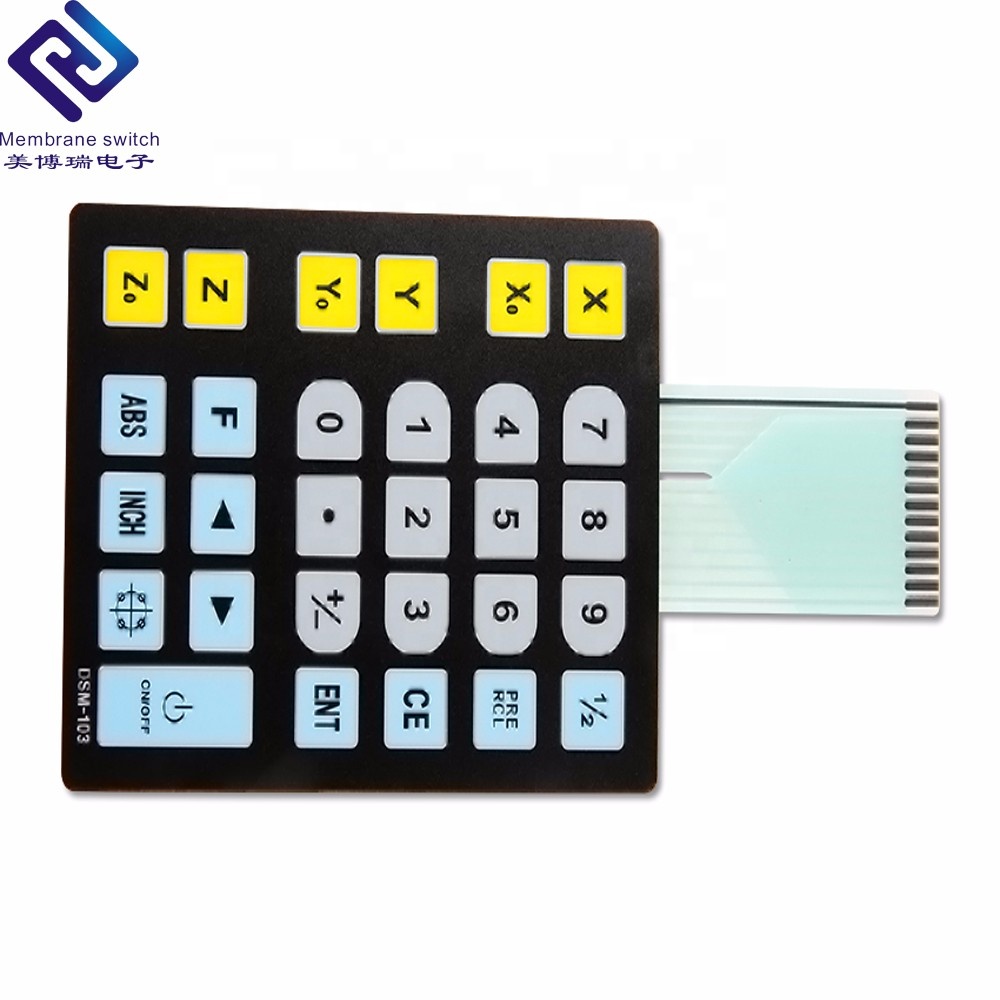
MBR IP67 Waterproof 3M Adhesive Flexible Cable Membrane Keypad
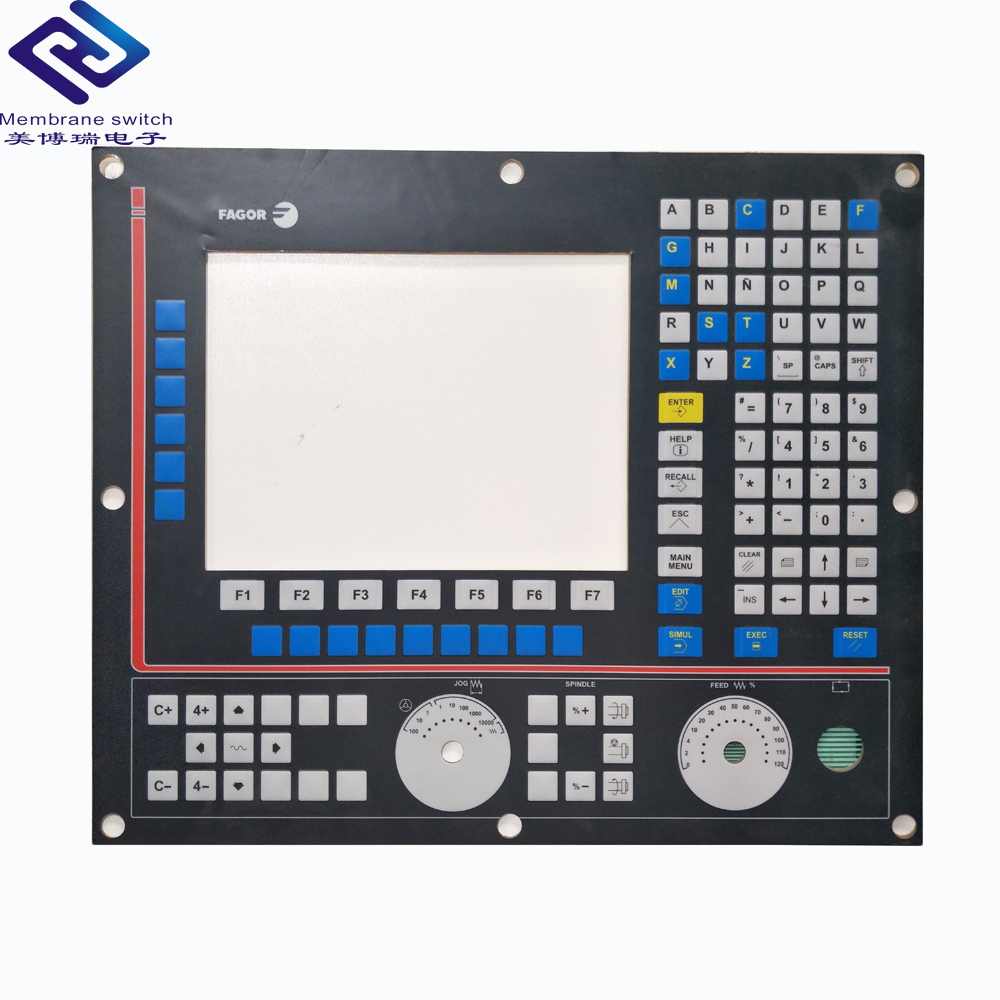
CNC Milling Machine Membrane Control Panel with Rigid Support
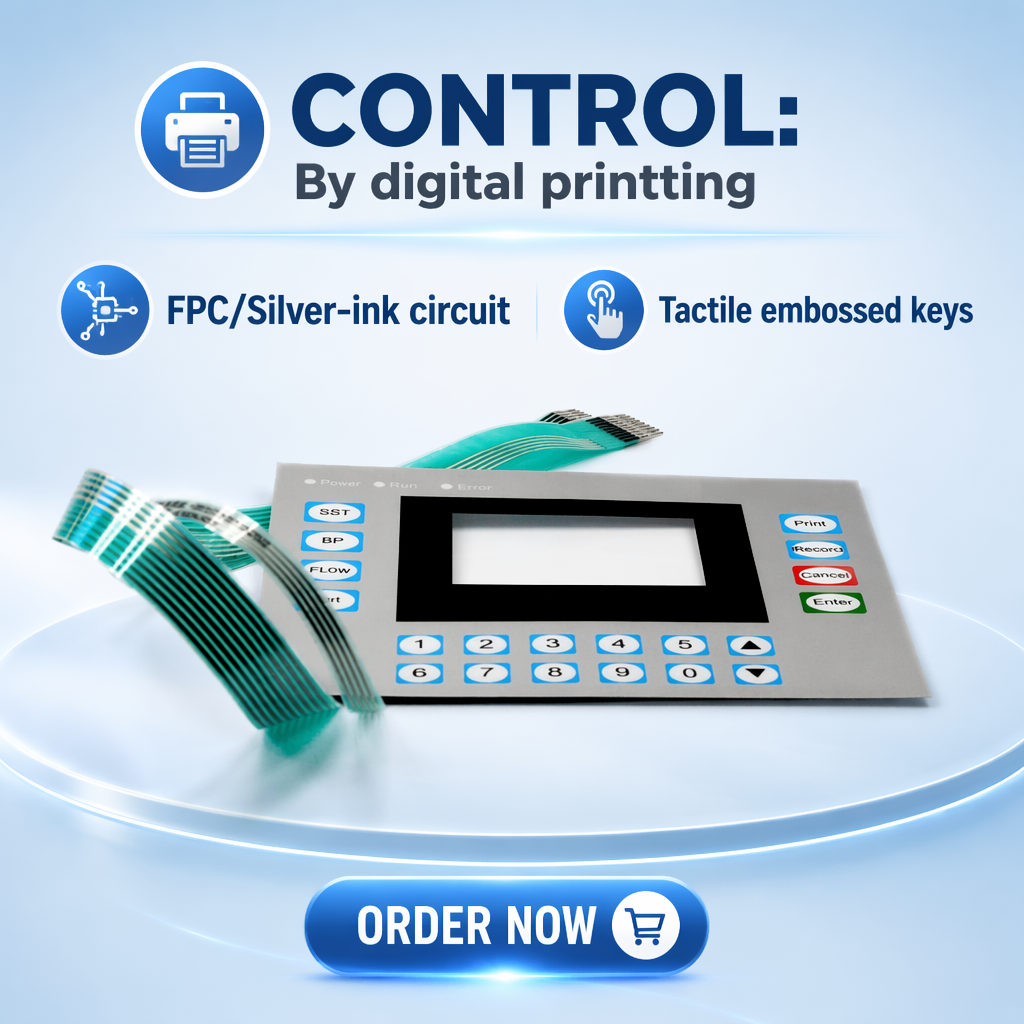
Custom Copper FPC Membrane Switch with Embedded LED Backlight
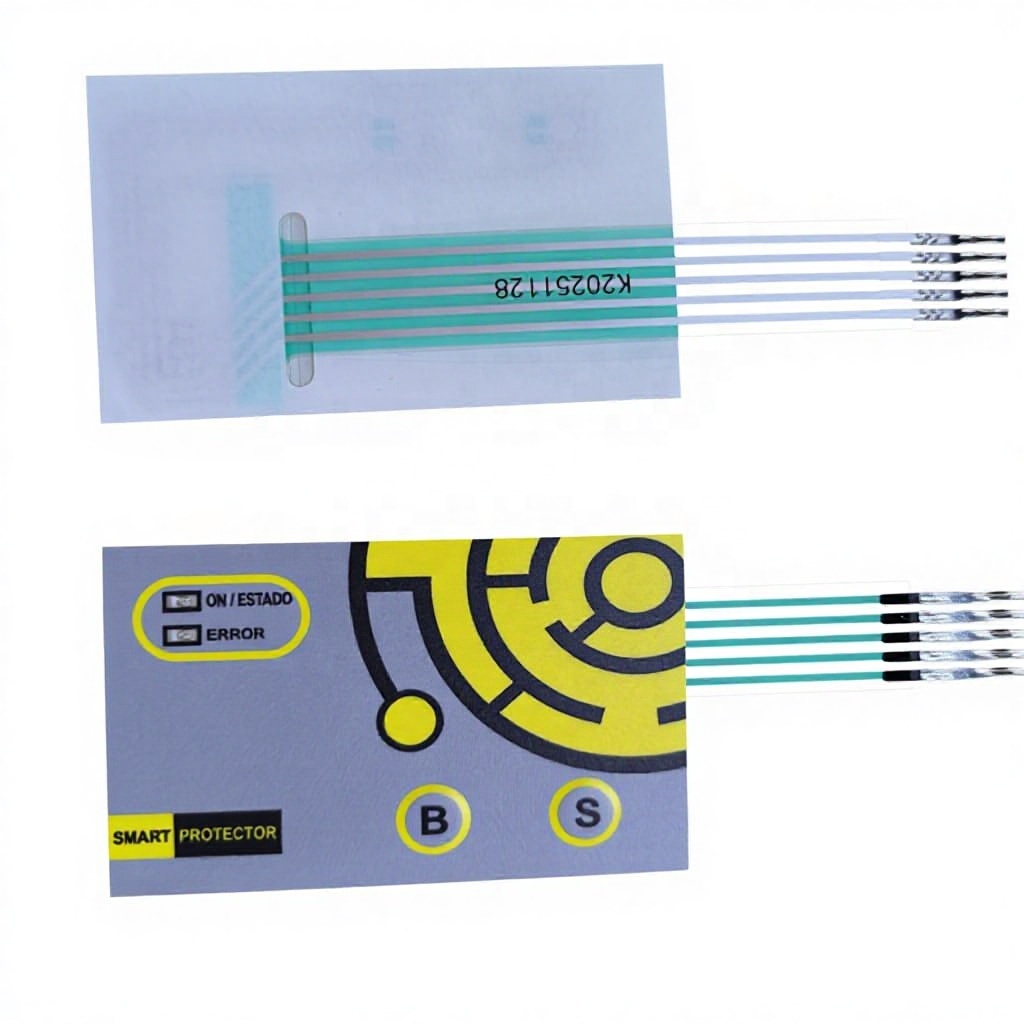
Waterproof Membrane Keyboard PBT Hybrid Switch Compatible
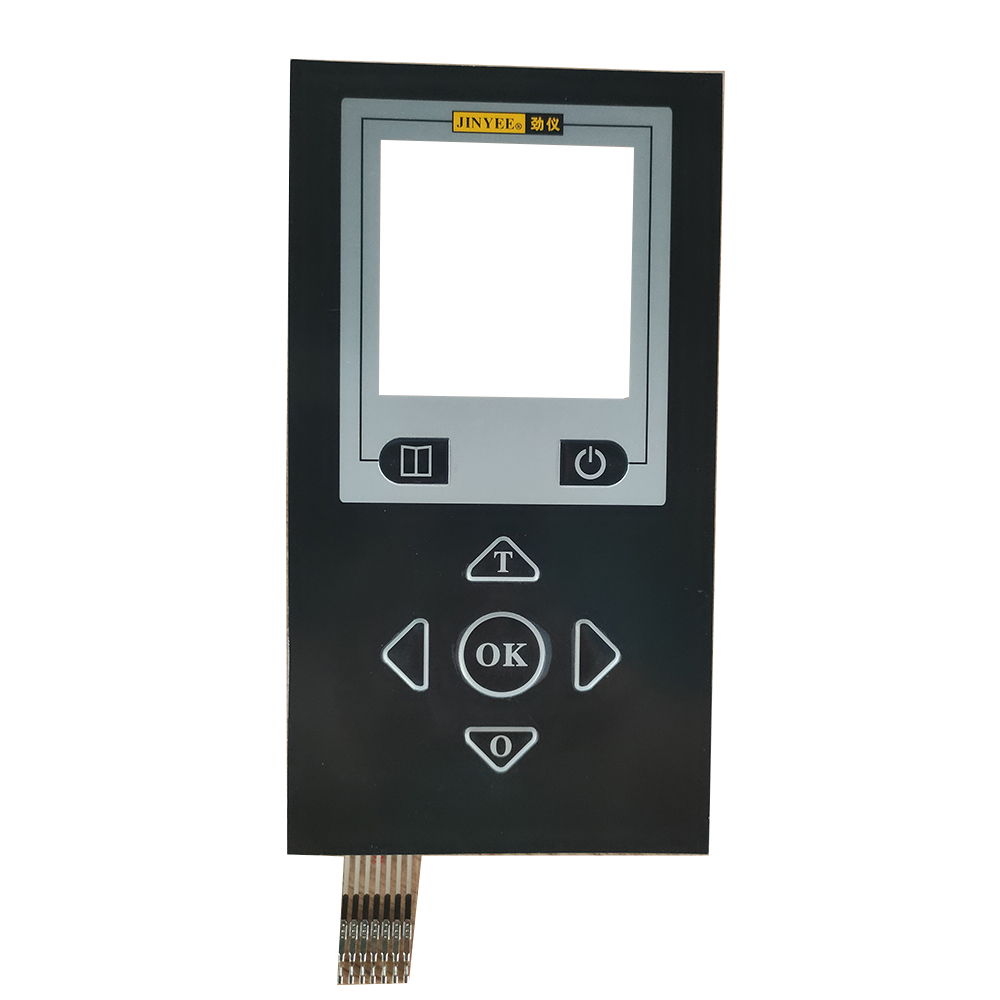
MBR Industrial Membrane Keypad with Autotex PET Overlay
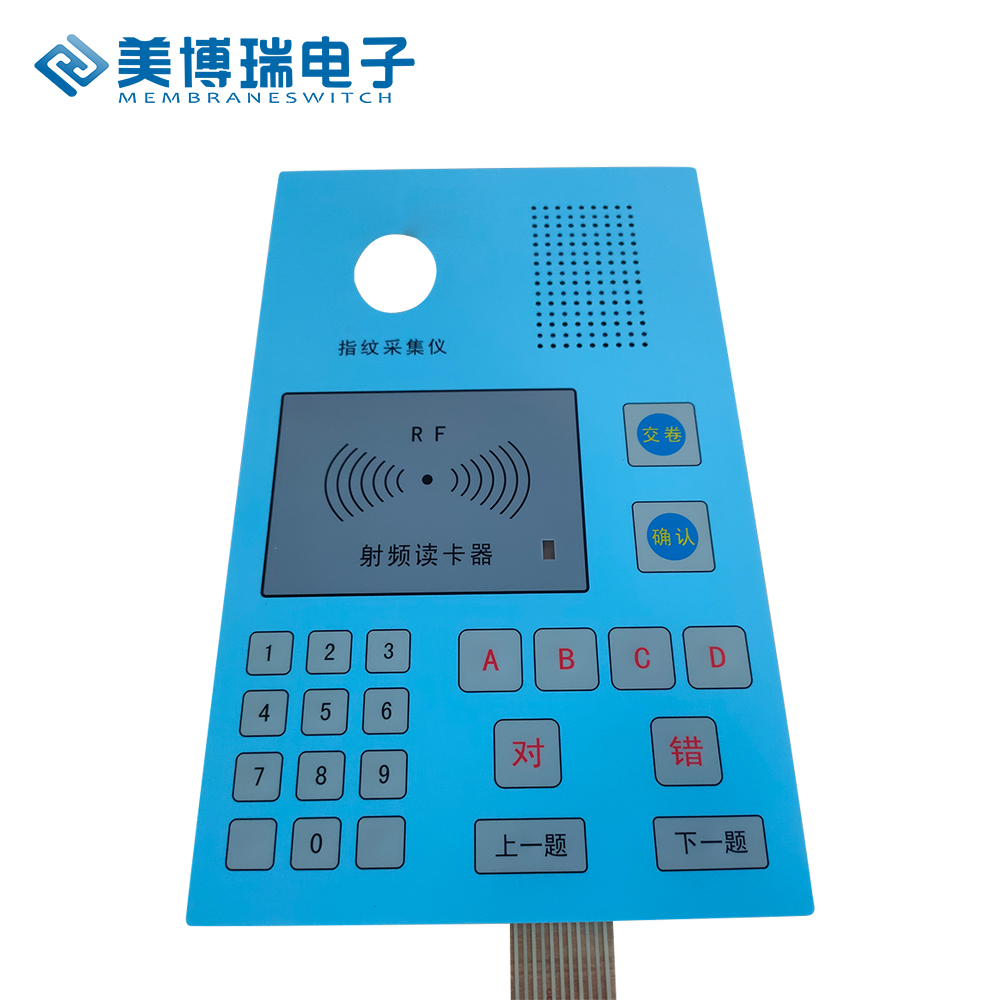
Sealed Industrial HMI Keypad with Precision Conductive Circuit
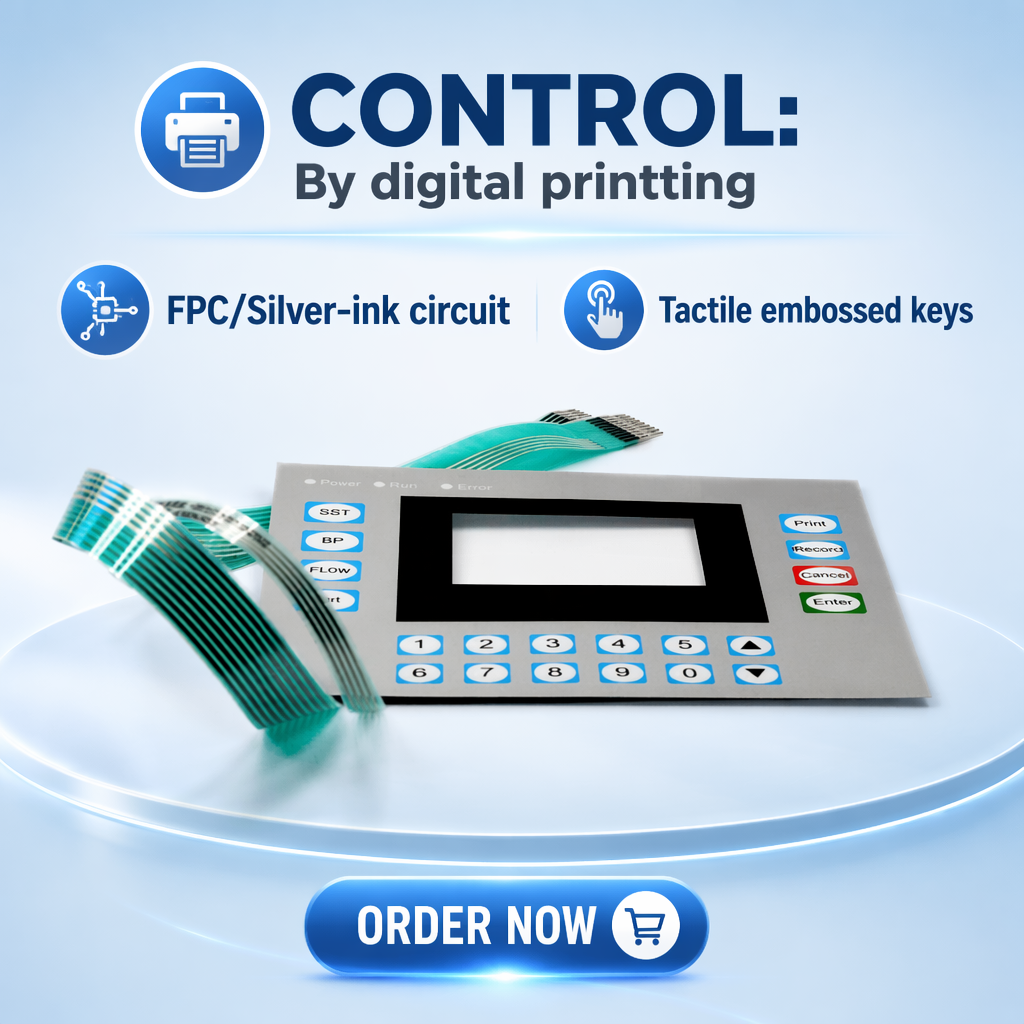
MEIBORUI Multi-Layer Rigid-Flex & FPC Fast Prototyping Service
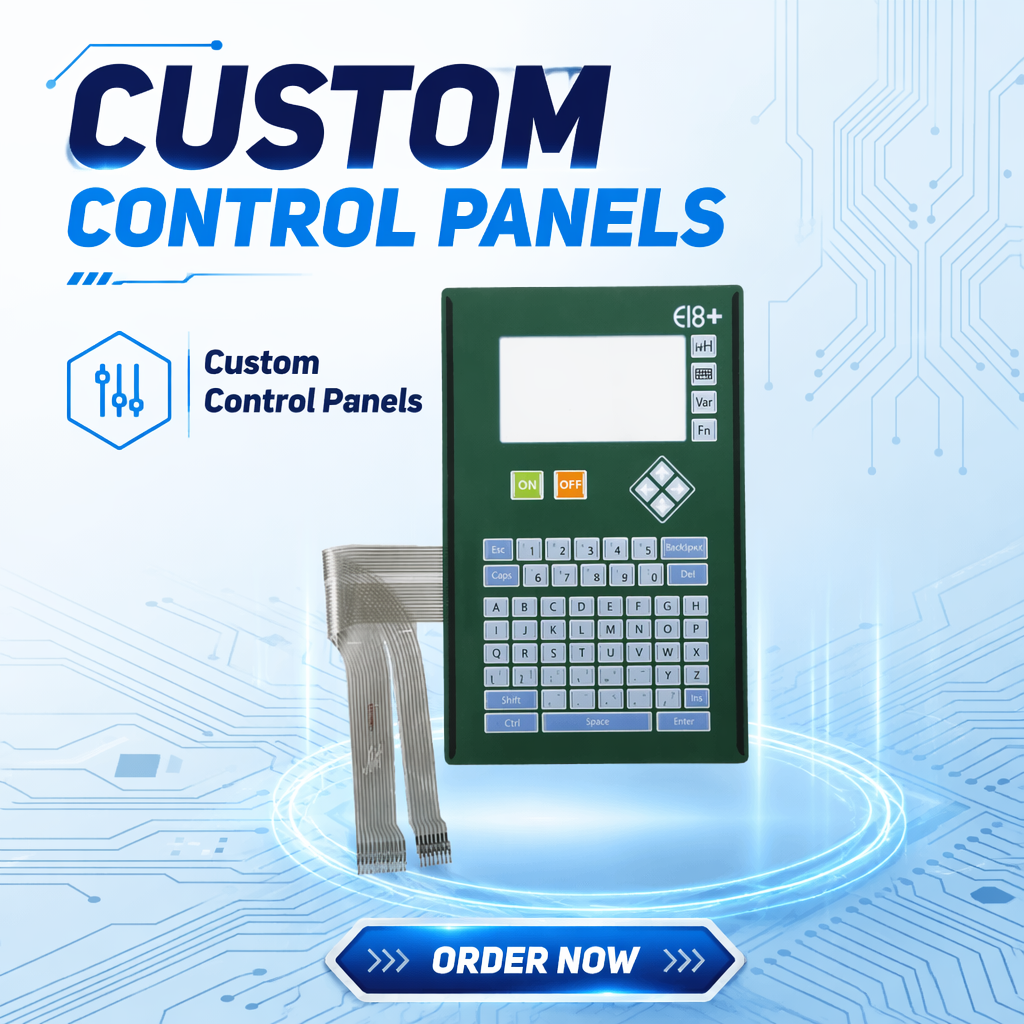
OEM Silkscreen & UV Printed PBT Mechanical Caps 2.54mm Pitch
Engineering Flexible Copper Circuits for Detroit’s Next-Gen Mobility & Industrial Matrix
A metallurgical and process-level analysis into Rolled Annealed (RA) copper, polyimide dielectric films, and surface mount assemblies engineered to withstand the demanding thermal and mechanical profiles of Michigan's manufacturing hub.
The Greater Detroit metropolitan area—anchored by Wayne, Oakland, and Macomb counties—continues to stand as North America's undisputed nerve center for automotive design, commercial powertrain innovation, heavy-duty agricultural equipment, and advanced robotic manufacturing. As automotive electronics evolve from discrete, wire-harness heavy architectures into zone-controlled compute clusters and dense electric vehicle (EV) battery packs, the conventional printed circuit board (PCB) and traditional round-wire harness no longer satisfy spatial constraints, mass-reduction mandates, and electrical fidelity thresholds. For Detroit automotive design centers in Dearborn, Warren, Auburn Hills, and Livonia, Flexible Printed Circuits (FPCs)—specifically fabricated with high-purity flexible copper foil on polyimide (PI) substrates—have emerged as the definitive interconnect medium.
Flexible copper FPC circuits transcend the operational boundaries of printed silver conductive ink switches. While screen-printed conductive polyester (PET) switches provide cost-efficient user actuation for static white goods, industrial and automotive applications within the Detroit corridor require sub-milliohm trace resistance, dynamic flex endurance exceeding hundreds of thousands of cycles, continuous exposure to under-hood temperatures reaching +105°C or +125°C, and structural compatibility with automated Surface Mount Technology (SMT) reflow soldering. By leveraging chemically etched electro-deposited (ED) or rolled-annealed (RA) copper, TAVO manufactures custom FPC architectures that combine ultra-thin profiles (down to 0.05mm overall thickness) with exceptional current-carrying capacity, providing a pivotal structural foundation for Tier 1 vehicular interfaces, battery management systems (BMS), steering-wheel assemblies, and heavy machine HMIs.
High-Value Industrial & Automotive Applications Across Michigan
Targeted solutions developed for specific operational stresses found in Detroit assembly plants, EV gigafactories, and industrial robotics cells.
Electric Vehicle Battery Cell-Contacting Systems (CCS)
Modular flexible copper buses configured with integrated NTC thermistors and voltage tap points. Replaces cumbersome wiring harnesses inside lithium-ion battery modules for Detroit EV battery programs.
- Differential impedance control for CAN/Ethernet backbones
- Direct nickel-tab ultrasonic or laser welding compatibility
- Polyimide dielectric rated to UL 94V-0 flame resistance
Cockpit Ergonomics & Steering Wheel Haptic Switches
Curvilinear multi-branch FPC arrays supporting capacitive touch sensors, force-sensing resistors (FSR), and localized haptic feedback actuators for automotive interior control modules.
- Dynamic bend radii under 1.5mm within steering column hubs
- Sub-millimeter connector tails terminating into ZIF sockets
- SMD micro-LED indicator integration for backlit symbols
Automotive Tooling & Heavy CNC Machine Pendant Consoles
Ruggedized front control panels deployed across Warren and Sterling Heights metal-stamping and machining plants. Designed to resist cutting fluids, lubricating oils, and continuous shop-floor impact.
- Autotex XE UV-resistant and anti-solvent chemical overlays
- Tactile stainless steel snap domes rated for 5,000,000 cycles
- Aluminum backer plate integration with pressed clinch studs
Industrial Robotics Articulated End-Effectors
High-flex RA copper interconnects operating continuously within multi-axis robotic wrists, pick-and-place grippers, and automated guided vehicles (AGVs) throughout logistics corridors.
- Engineered for >10,000,000 dynamic bending fatigue cycles
- Precision copper trace grain alignment along longitudinal axis
- FR4 and stainless steel stiffeners for structural anchoring
Michigan Medical Diagnostic & Patient Monitoring Hardware
Biocompatible, sterilizable flex circuit assemblies engineered for Michigan’s expanding medical technology corridor (Ann Arbor and Detroit Medical Center research clusters).
- Low-outgassing pressure-sensitive adhesives (PSA)
- Autoclave and ethylene oxide (EtO) sterilization resilience
- High-density interconnect (HDI) trace widths down to 3 mil
Commercial Fleet Telematics & Rugged Cabin Keypads
Engineered user controls and communication circuits for freight carriers, transit buses, and emergency vehicles traversing demanding winter weather throughout the Midwest.
- IP67 total perimeter environmental water/dust barriers
- Operating temperature threshold: -40°C to +85°C
- Electromagnetic interference (EMI) copper mesh shielding
Emerging Technology Trends in the Michigan Flexible Electronics Supply Chain
How technical specifications are shifting across Detroit Tier 1 systems integrators and how TAVO addresses these stringent standards.
Copper Foil Evolution: ED to RA Transition
Detroit powertrain teams are mandating Rolled Annealed (RA) copper over Electro-Deposited (ED) foils. RA copper features a smooth, horizontal crystalline structure that elongates without crack propagation, ensuring resilience during aggressive mechanical flexing inside automotive door hinges, trunk lids, and steering clusters.
Rigid-Flex Hybrid Integration
Consolidating FR4 rigid boards with dynamic polyimide flex sections eliminates wire-to-board connectors—a historically notorious failure point under SAE J1455 automotive shock environments. TAVO delivers hybrid rigid-flex multilayer circuits that directly host heavy microprocessor components while maintaining flexible umbilical arms.
Zero-Halogen & Sustainable Chemistry
Driven by global OEM sustainability charters, Detroit sourcing requires strict RoHS, REACH, and halogen-free certifications. TAVO utilizes adhesiveless polyimide base laminates, eliminating acrylic and epoxy adhesive layers to reduce dielectric loss, minimize thickness, and ensure non-toxic lifecycle compliance.
End-to-End Manufacturing Integrity Without Third-Party Dependency
Since establishing our roots in 1990, TAVO has operated under a single guiding principle: total process sovereignty. Every step of your flexible copper circuit and human-machine interface assembly—from initial CAD Gerber conversion, CNC mold fabrication, precision silkscreen and digital UV printing, to SMT reflow, laser profile cutting, and automated optical inspection (AOI)—is performed in-house.
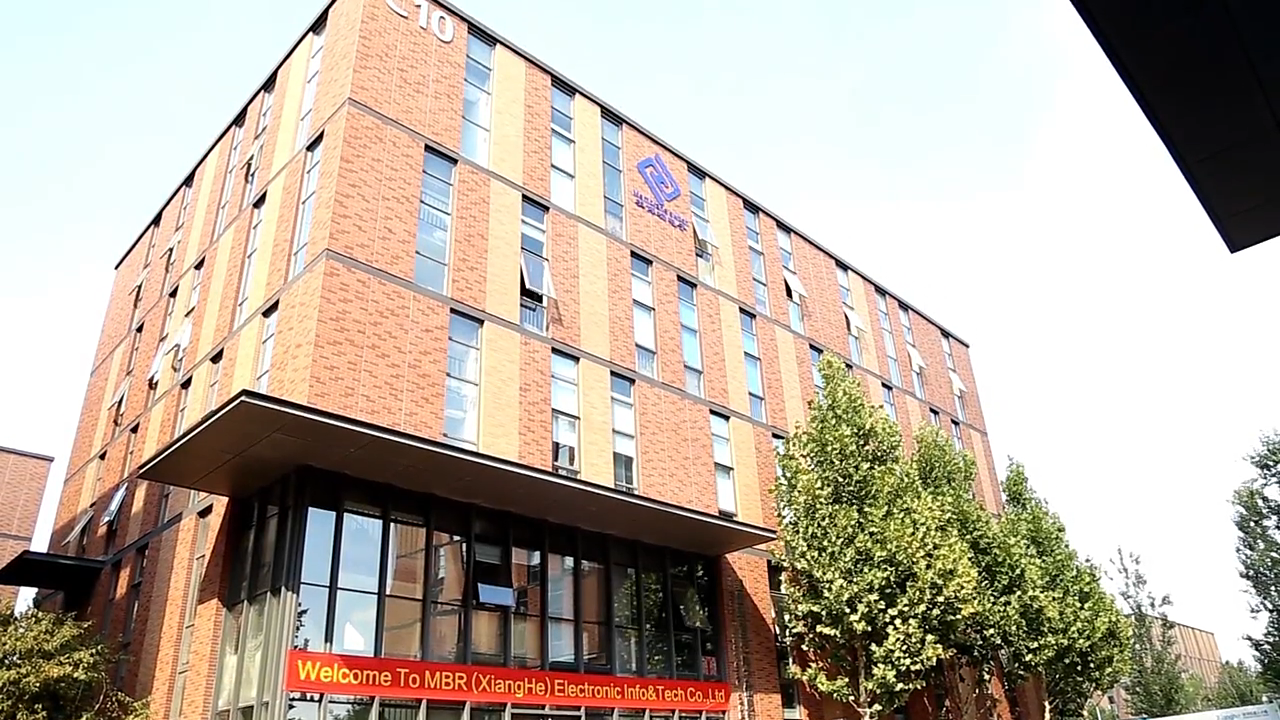
By maintaining our primary manufacturing complex in the Robot Industry Port of Xianghe and a specialized processing base in Huizhou, Guangdong, we allocate high-volume production flexibly across twin facilities. This dual-facility redundancy protects Detroit supply chains against regional disruptions while maintaining unbroken continuity.
Frequently Answered Engineering & Supply Chain Questions
Critical considerations for purchasing managers, electrical engineers, and quality assurance personnel in Michigan evaluating offshore FPC manufacturing.
How does copper FPC compare against silver conductive ink for automotive environments?
While printed silver ink is well-suited for cost-sensitive, stationary consumer keypads, flexible copper FPC is mandatory for mission-critical automotive and industrial applications. Pure etched copper provides trace resistance below 0.1 Ω/sq (compared to silver's 10–50 Ω), tolerates high current loads for sensor heating or power delivery, allows surface-mount soldering of LEDs and microcontrollers without conductive adhesives, and prevents silver electromigration under midwestern humidity and road-salt exposures.
What documentation and file packages are required for DFM review?
For custom FPC and membrane switch builds, Detroit engineering teams can supply standard Gerber RS-274X or ODB++ files for circuit layers, along with mechanical outlines in DXF/DWG or STEP formats. For graphic overlays, Adobe Illustrator (.AI), vector PDF, or CorelDraw files with designated Pantone PMS or RAL color codes ensure exact visual reproduction. Our 10-person CAD engineering department performs full Design for Manufacturability (DFM) verification within 24 hours.
What surface finishes are available for flex tails and connector interfaces?
Depending on whether your assembly utilizes Zero Insertion Force (ZIF) connectors, crimped contacts, or direct board-to-board soldering, we offer Electroless Nickel Immersion Gold (ENIG) for superior coplanarity and long shelf life, Electrolytic Hard Gold over nickel (up to 30 micro-inches) for high-cycle insertion connectors, Immersion Tin for lead-free SMT assembly, and Organic Solderability Preservatives (OSP).
How are quality verification and climatic reliability verified prior to Detroit shipment?
Every batch undergo rigorous testing in our in-house environmental reliability laboratory. Equipment includes automated computer continuity testers, programmable temperature and humidity cycling chambers (-40°C to +150°C), automated salt fog spray chambers to test corrosion resistance, button actuation life cyclers (tested beyond 5 million actuations), and xenon arc UV accelerated weatherometers to verify graphic overlay fade resistance.
Can you support low-volume pilot builds and rapid prototyping for Detroit R&D labs?
Yes. We understand the rapid prototyping iterations demanded by Tier 1 automotive and automation development cycles. TAVO maintains low minimum order quantities (MOQ) for functional prototypes, fast-turnaround laser-cut tooling without expensive hard dies, and pilot production runs that allow Detroit innovators to validate designs prior to capital tooling expenditure.
What logistics workflows and international trade terms do you accommodate for US buyers?
We routinely support North American supply chains utilizing DDP, DAP, FOB, and CIF terms. With specialized anti-static (ESD) and moisture-barrier vacuum packaging (MSL classified), shipments are dispatched via expedited air freight directly to Detroit Metropolitan Wayne County Airport (DTW) within 3 to 5 transit days, or via consolidated ocean container to Chicago/Midwest rail depots for steady production replenishment.
Accelerate Your Detroit Flexible Circuit Program
Connect directly with our senior applications engineering team. We provide complimentary DFM analysis, stack-up modeling, impedance calculations, and production quotes tailored to automotive, industrial machinery, and automation standards.
Request Rapid DFM Review
Send your Gerber, DXF outline, or pin-out schematics to receive an exhaustive technical and cost assessment.
Production Facilities: Xianghe Robot Industry Port & Huizhou Base
Serving: Greater Detroit, Grand Rapids, Ann Arbor & Midwest OEMs