Featured Flexible Circuits & Membrane Interface Assemblies
Precision-fabricated flexible printed circuits, IP67/IP68 sealed control overlays, and copper-clad polyimide arrays engineered for rigorous operational environments across Irish manufacturing facilities.
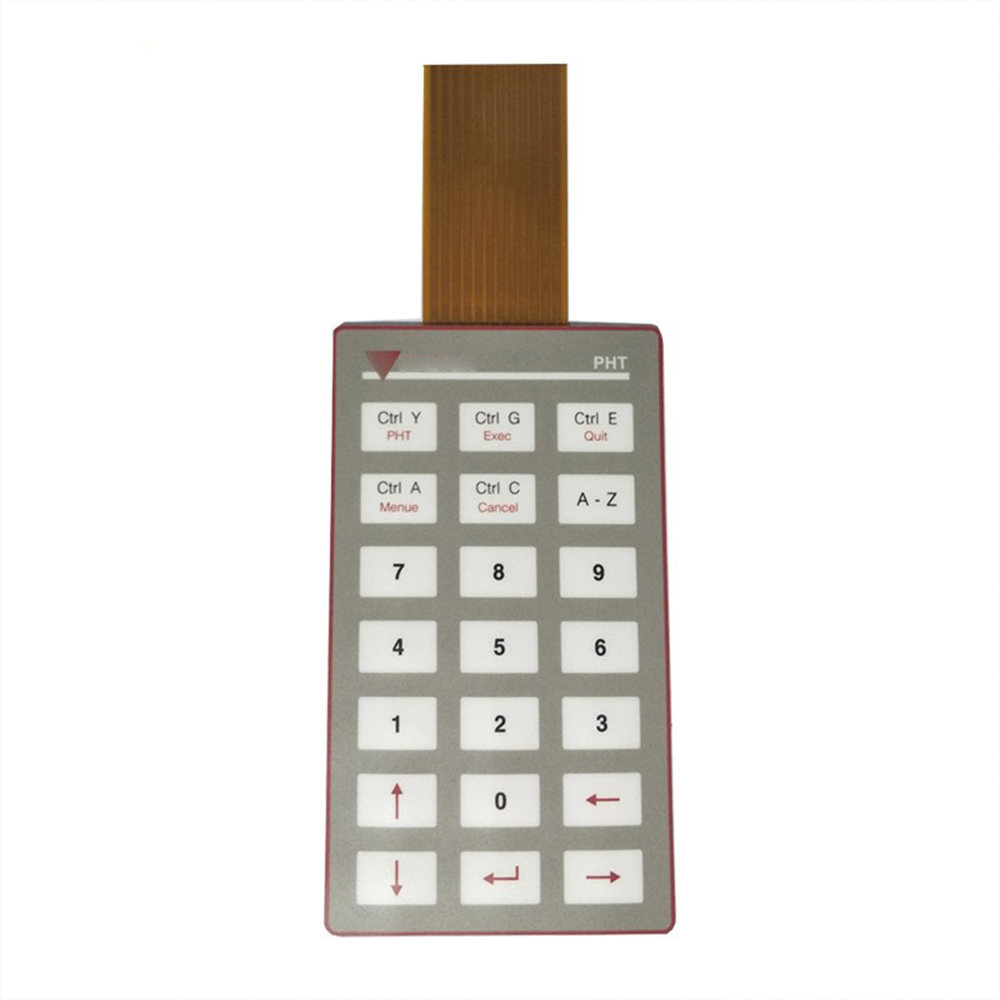
Computer Keyboard Membrane Panel Temperature Control Keypad Touch Switch

MEIBORUI Fast Turnaround Membrane Keyboard Prototyping Service
3x4 12-Key PET Matrix Array Membrane Button Switch
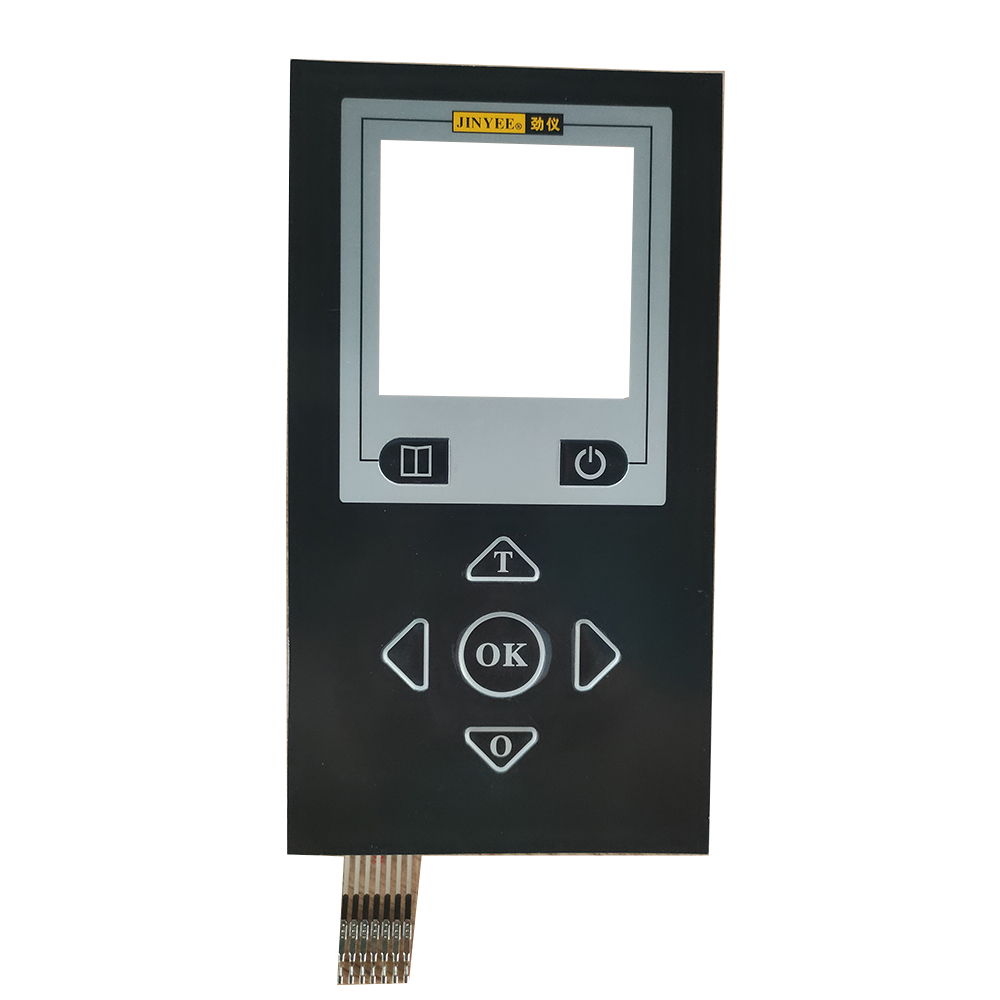
MBR IP67 Waterproof Industrial Membrane Keyboard
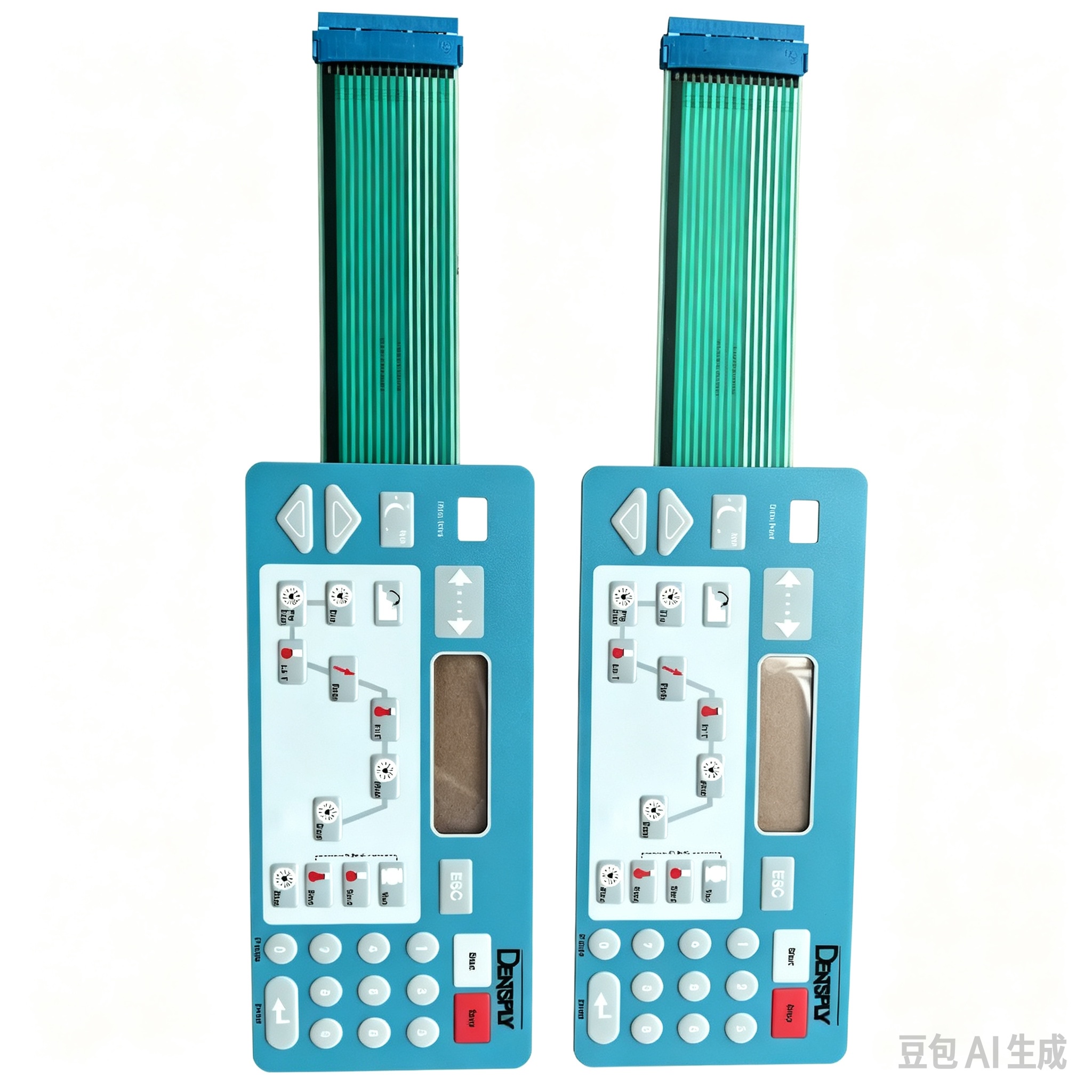
Factory Custom Waterproof Polyester Membrane Switch Panel
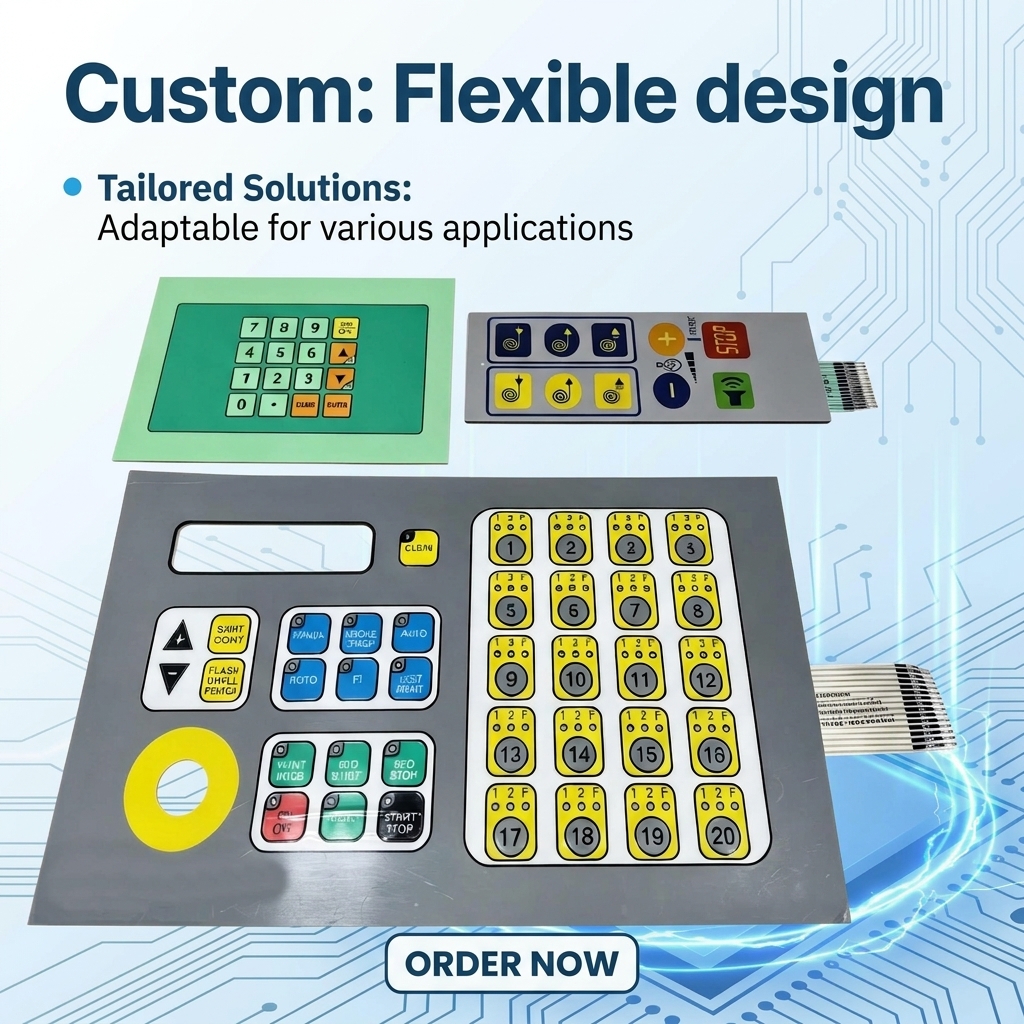
Locomotive Grade LED Illumination FPC Keypad
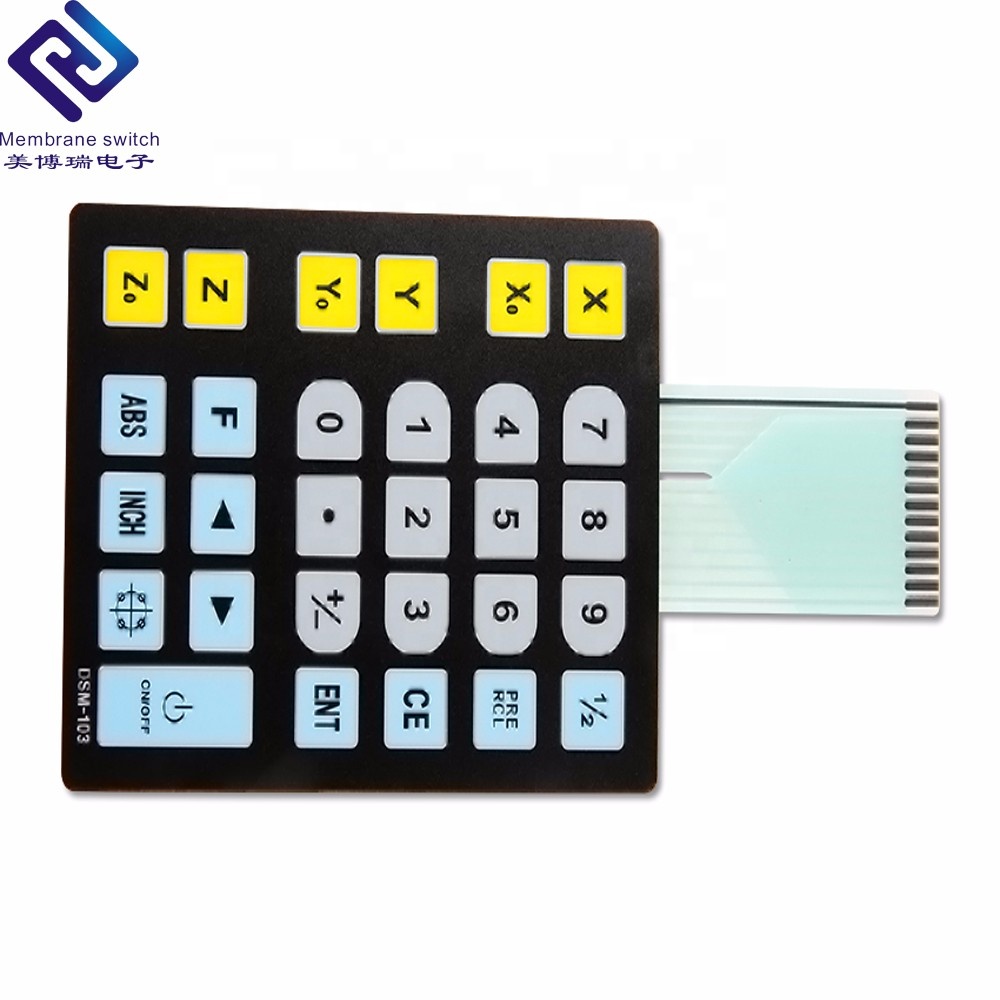
IP67 3M Adhesive Flexible Cable Membrane Keypad
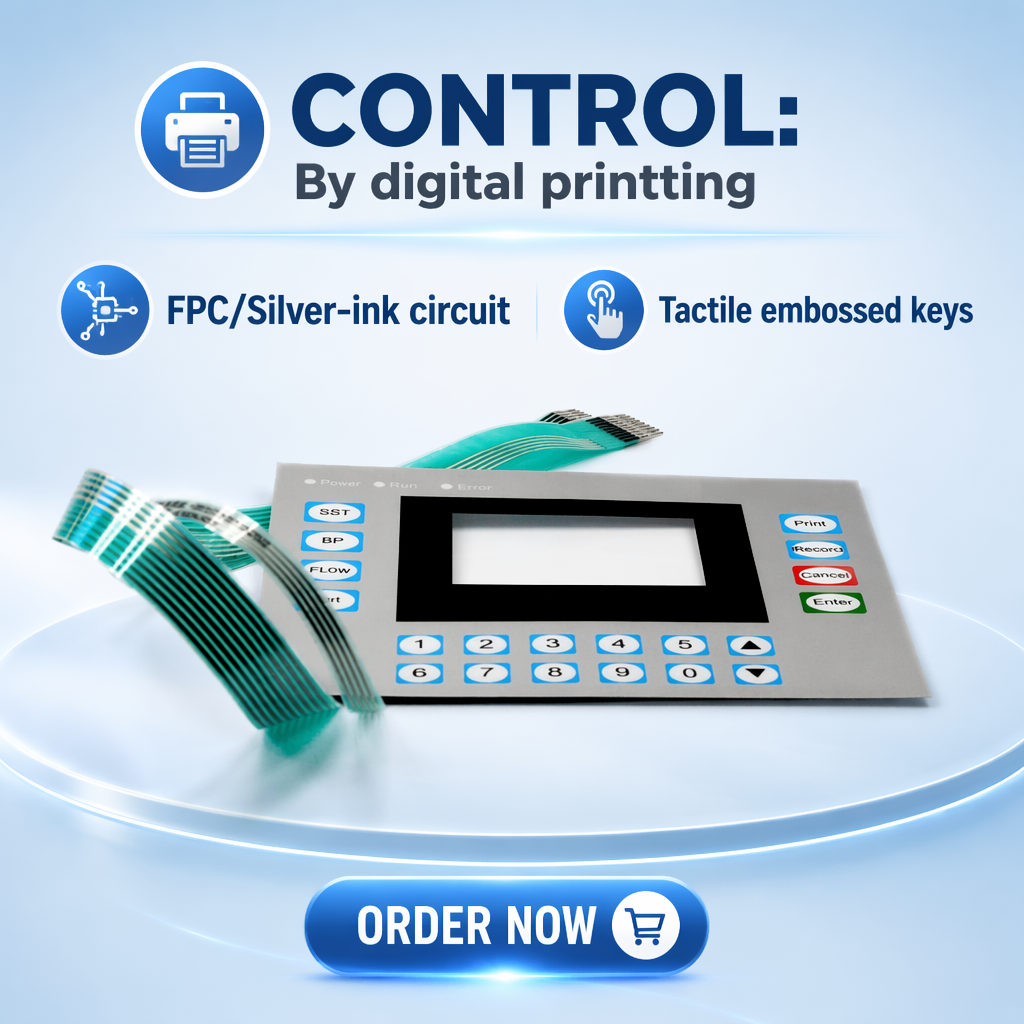
Custom FPC Membrane Switch With Embedded LED Backlight
High-Reliability Flexible Printed Circuit Architecture for Demanding OEM Applications
Flexible Printed Circuits (FPCs) have transcended their historical classification as simple conductive interconnects, evolving into critical high-density electronic substrates engineered to satisfy complex mechanical flexural endurance, thermal dissipation, and high-frequency signal integrity requirements. As industrial automation architectures and medical instrumentation shrink in total footprint while expanding in sensing capabilities, modern circuit designs demand robust polyimide-based substrates capable of maintaining structural stability through millions of dynamic flexing cycles.
Unlike standard printed electronics relying solely on silver-loaded screen-printing inks on polyester (PET) carriers, advanced flexible printed circuits employ rolled annealed (RA) or electro-deposited (ED) copper foil laminated to aromatic polyimide (PI) dielectric films. This architectural distinction guarantees exceptionally low electrical resistance (<0.05 Ω/sq), high current carrying capacity, and native compatibility with direct Surface Mount Technology (SMT) reflow processes. For electronic original equipment manufacturers (OEMs) and contract electronics manufacturers (CEMs) operating within Ireland’s sophisticated tech corridors, our dual-facility manufacturing ecosystem bridges precision etching tolerances, rigorous IPC-6013 Class 3 quality inspection, and custom stack-up engineering.
Substrate & Dielectric Base
Utilizing premium DuPont Kapton and Kaneka Apical polyimide cores ranging from 12.5µm to 50µm thickness. High glass transition temperature (Tg > 280°C) prevents layer distortion during lead-free SAC305 reflow soldering.
Conductor & Trace Geometry
Subtractive photolithographic chemical etching supporting ultra-fine lines and spacing down to 50µm/50µm (2 mil/2 mil). Controlled impedance lines engineered for single-ended (50Ω) and differential pairs (90Ω/100Ω).
Coverlay & Surface Metallurgy
Polyimide coverlays laminated with modified acrylic or epoxy adhesives, supplemented by Electroless Nickel Immersion Gold (ENIG), Immersion Tin, or hard electrolytic gold for friction-heavy ZIF contacts.
FPC Substrate & Metallurgical Engineering Comparison
| Performance Characteristic | Silver Conductive Screened PET | Single/Double-Sided RA Copper FPC | Rigid-Flex Multilayer Hybrid |
|---|---|---|---|
| Base Dielectric Material | Optical/Biaxially Oriented PET (100–175µm) | Polyimide (PI Kapton, 12.5–50µm) | Polyimide Core + FR-4 Prepreg Glass Cloth |
| Conductor Resistivity | 15–35 mΩ/sq/mil (Silver Resin Matrix) | 1.72 µΩ·cm (Pure Annealed Copper) | 1.72 µΩ·cm (Internal & Outer Layers) |
| SMT Component Assembly | Conductive Epoxy / Low-Temp Soldering | Standard SAC305 Lead-Free Reflow (260°C) | High-Density Multi-Zone SMT & BGA Placement |
| Dynamic Flex Life (Bend Cycle) | < 50,000 cycles (Micro-crack sensitive) | > 10,000,000 cycles (R=10t bend radius) | > 5,000,000 cycles in flexible hinge zone |
| Environmental Resistance | Moderate; vulnerable to silver migration | High; chemical, fuel, autoclave inert | Military/Medical Extreme Ingress Rating |
| Typical Irish OEM Use Case | Disposable Diagnostics, Low-Cost Keypads | Endoscopic Wand, IoT Telematics, Sensor Pods | Critical Infusion Pumps, Avionics, Smart Grid |
Targeted Localization: FPC Application Scenarios Across Ireland's Tech Hubs
The Republic of Ireland has firmly established itself as one of the world’s most dynamic epicenters for high-technology hardware design and manufacturing. From the MedTech corridor flanking Galway and Limerick to the industrial automation hubs of Shannon, Dublin, and Cork, electronics design engineers require flexible circuit solutions that seamlessly align with European regulatory directives and rigorous sector-specific performance mandates.
Galway & Western MedTech Corridor
Supporting biomedical OEMs engineering minimally invasive catheter systems, cardiovascular diagnostic devices, and clinical patient monitors. Flexible printed circuits provide the biocompatible, micro-miniature packaging necessary for surgical instruments requiring ethylene oxide (EtO) sterilization, autoclave resistance, and complete EU MDR (2017/745) material documentation.
Cork & Dublin Industrial IoT & Automation
Delivering high-reliability interconnects for cleanroom robotic arms, programmable logic controllers (PLCs), and edge telematics. Our multi-zone stiffeners (FR-4 and stainless steel) provide mechanical anchorage for rugged industrial M8/M12 connectors while retaining flexible routing tails inside compact IP67 sealed aluminium enclosures.
Midwest & Southeast Irish Agritech Systems
Supplying the hardware backbone for precision milking automation, livestock telemetry, and climate-controlled greenhouse sensors. Engineered to withstand constant exposure to ammonia, corrosive animal waste fluids, dynamic thermal cycling from -20°C to +75°C, and severe mechanical vibration profiles on agricultural field machinery.
Shannon Aerospace & Avionics Maintenance
Providing lightweight, flame-retardant polyimide circuits conforming to UL94-V0 compliance. FPCs replace bulky copper wire harnesses in cockpit instrumentation, cabin environmental control modules, and radar telemetry subsystems, achieving weight reductions of up to 70% and maximizing fuel efficiency profiles.
Renewable Energy & Smart Grid Infrastructure
Powering battery management systems (BMS) for commercial wind energy storage installations off the Irish Atlantic seaboard and electric vehicle charging networks. Multi-layer copper circuits incorporate heavy 2oz/3oz copper tracking capable of handling steady-state bus current while facilitating integrated thermistor monitoring.
Pharmaceutical & Bioprocess Monitoring
Empowering sanitary process valves, continuous level transmitters, and single-use bioreactor monitoring systems across Ringaskiddy and Dublin biopharma parks. Fully encapsulated coverlays resist aggressive CIP (clean-in-place) caustic washdowns and concentrated alcohol cleaning agents.
Emerging Procurement & Manufacturing Trends in the Irish Electronics Ecosystem
Strategic sourcing directors and supply chain managers across Ireland face an intricate set of modern procurement challenges: supply chain volatility, European Green Deal decarbonization mandates, and the imperative to transition from rapid NPI (New Product Introduction) prototypes to high-volume production without changing fabrication partners. In response, procurement paradigms within Ireland’s manufacturing sector are experiencing distinct shifts:
Supply Chain De-Risking & Dual Sourcing
Rather than relying on domestic broker intermediaries with high markup friction, Irish purchasing managers are directly auditing and vetting certified Asian manufacturers with verified in-house capabilities, dual manufacturing redundancy, and traceable raw material origin paths.
Full-Assembly "Box-Build" Integration
Standalone flexible circuits are increasingly superseded by sub-assembly modules. Irish OEMs are contracting suppliers capable of integrating FPCs with graphic overlay panels, capacitive touch ICs, backlighting light guide films (LGF), and CNC-machined metal backer plates under one single part number.
EU Environmental Compliance Transparency
Strict enforcement of EU RoHS 3 (Directive 2015/863) and REACH (EC 1907/2006) requires comprehensive full material declaration (FMD) sheets. Components must be completely free of SVHCs (Substances of Very High Concern) and halogenated flame retardants, backed by third-party testing documentation.
Manufacturing Excellence: Heritage, Closed-Loop Production & Testing Rigor
TAVO Electronic Information Technology Co., Ltd. provides over 30 years of continuous specialized manufacturing heritage dating back to 1990. Unlike commercial trading agencies that outsource production stages across unverified subcontract workshops, every operational phase—including circuit layout preparation, photolithography, chemical etching, silkscreen printing, digital UV graphics, hot-press lamination, laser cutting, SMT soldering, and comprehensive electrical testing—is executed strictly within our own facilities.
Our primary facility resides within the high-technology corridor of the Robot Industry Port in Xianghe Economic and Technological Development Zone, Hebei, complemented by an expansive specialized fabrication facility in Huizhou, Guangdong. This dual-factory synergy guarantees dynamic capacity balancing, ensuring that large-volume production runs never compromise rapid prototyping lead times.
Standardized In-House Reliability Testing Laboratory
All flexible circuit assemblies destined for European delivery undergo mandatory screening in our in-house test center. Our qualification infrastructure comprises computer circuit continuity testers, automated button actuation life-cycle endurance fixtures (>5 million cycles), programmable humidity and temperature chambers (-40°C to +150°C), xenon arc accelerated UV weathering chambers, and automated salt-fog corrosion chambers (ASTM B117 standards). We maintain long-term technical cooperation with German engineering specialists, embedding European geometric tolerance and process control standards directly into our production lines.
Frequently Asked Questions: Sourcing FPC & Membrane Interfaces from Ireland
What engineering design files are required to initiate an FPC or membrane switch tooling quote?
How does your company handle VAT, customs import documentation, and shipping to Irish destinations?
Do you accommodate low-volume prototype orders and pilot-run validation before volume manufacturing?
What certifications and quality control procedures verify compliance with European standards?
Can you manufacture flexible printed circuits with integrated components (FPCA)?
What are the primary differences between silver ink flexible circuits and etched copper FPCs?
Accelerate Your Irish Hardware Project with Direct Factory Engineering
Whether you require quick-turn prototype flexible circuits for a clinical trial in Galway or full-scale volume membrane keypad assemblies for an industrial control line in Cork, our senior engineering team provides complete DFM analysis, stack-up guidance, and customized quotations within 24 hours.