Featured Flexible Circuits & Membrane Interface Assemblies
High-density, space-constrained interconnection systems designed for continuous mechanical bending, medical-grade cleanability, and harsh industrial environments throughout Berlin's engineering landscape.
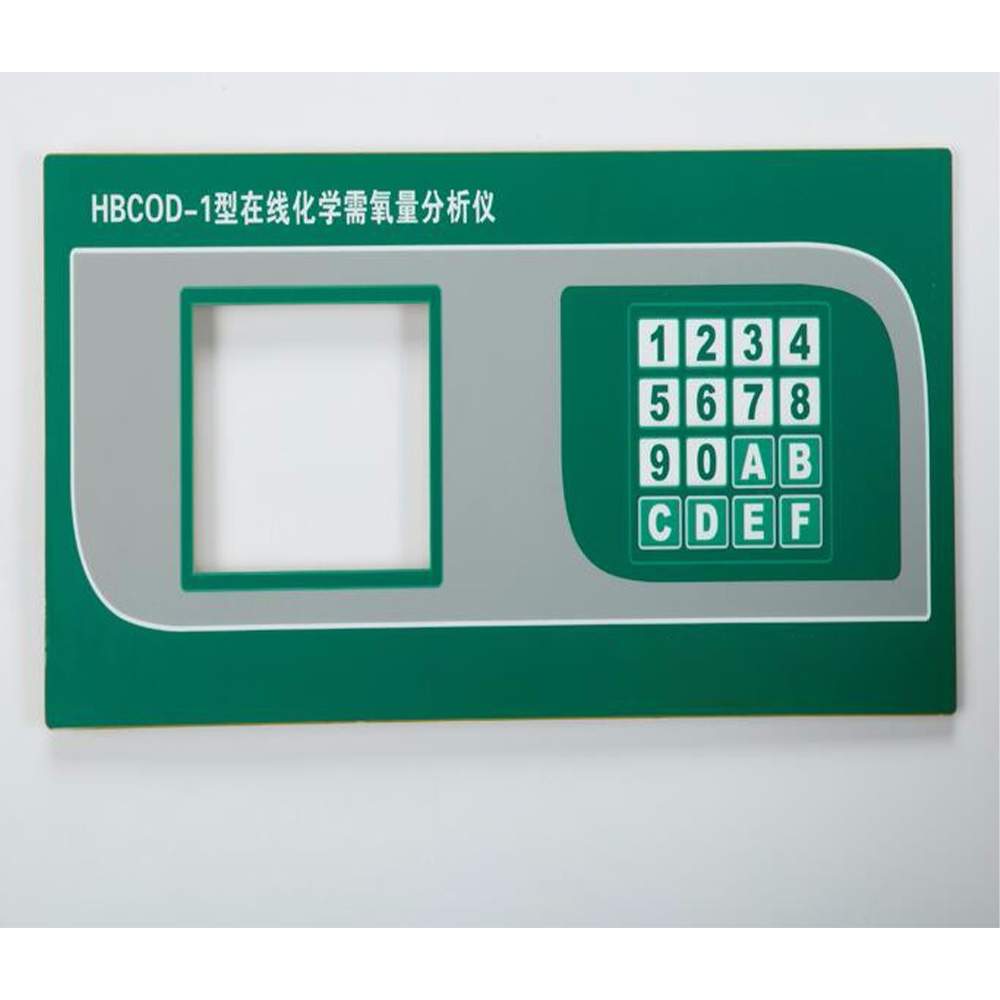
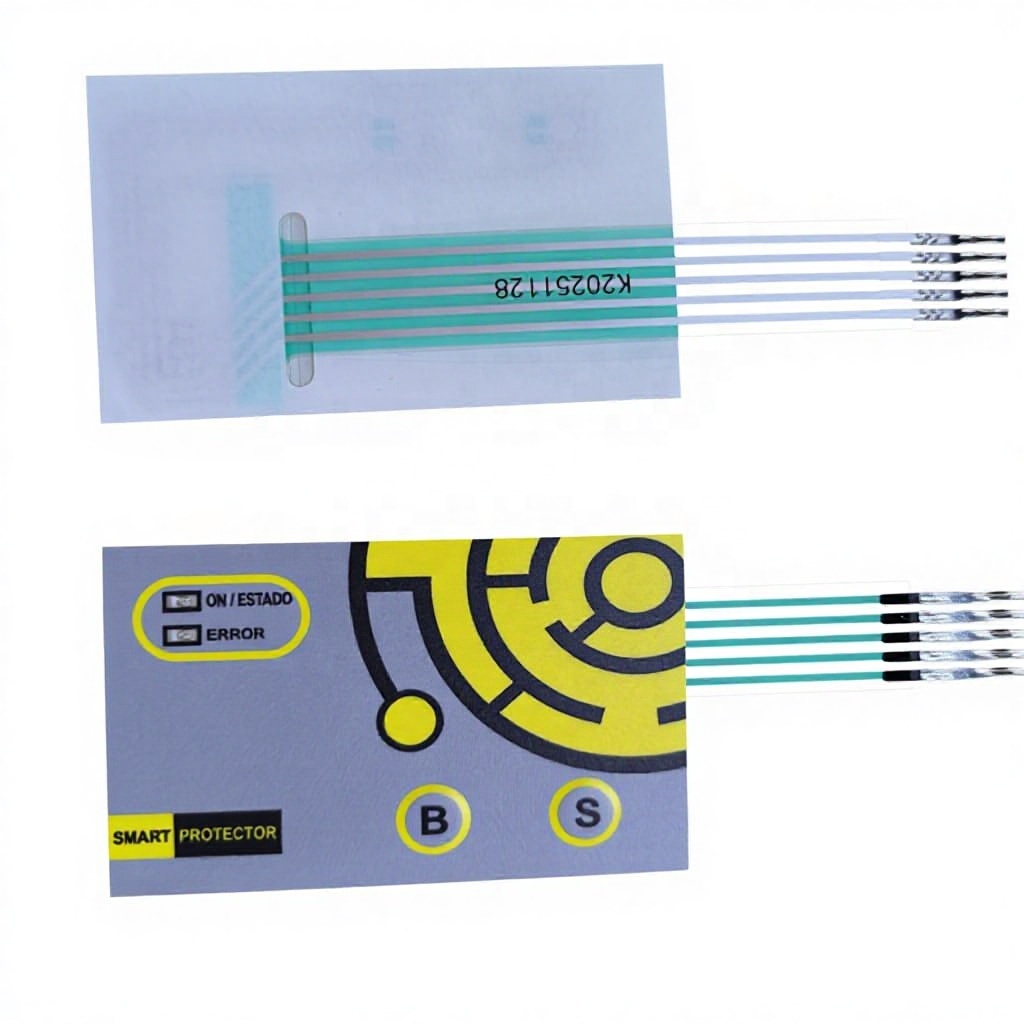
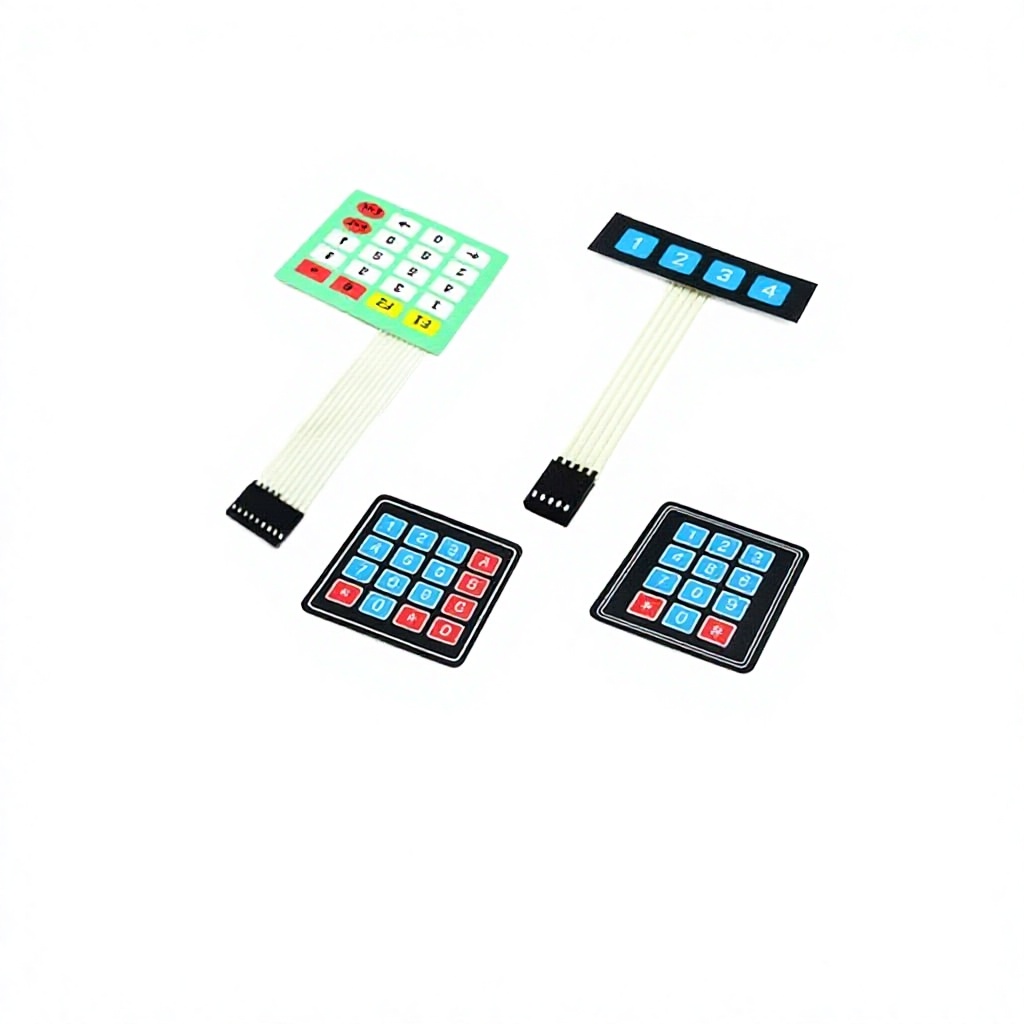
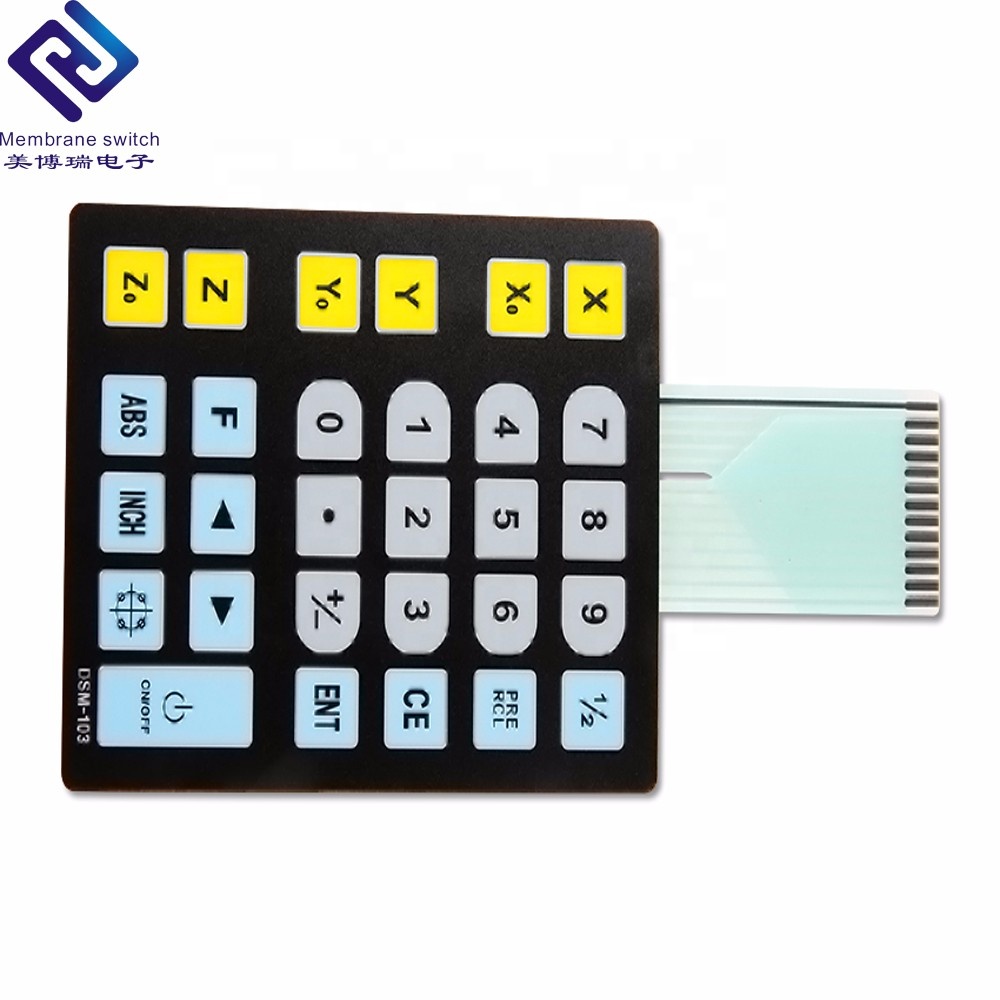
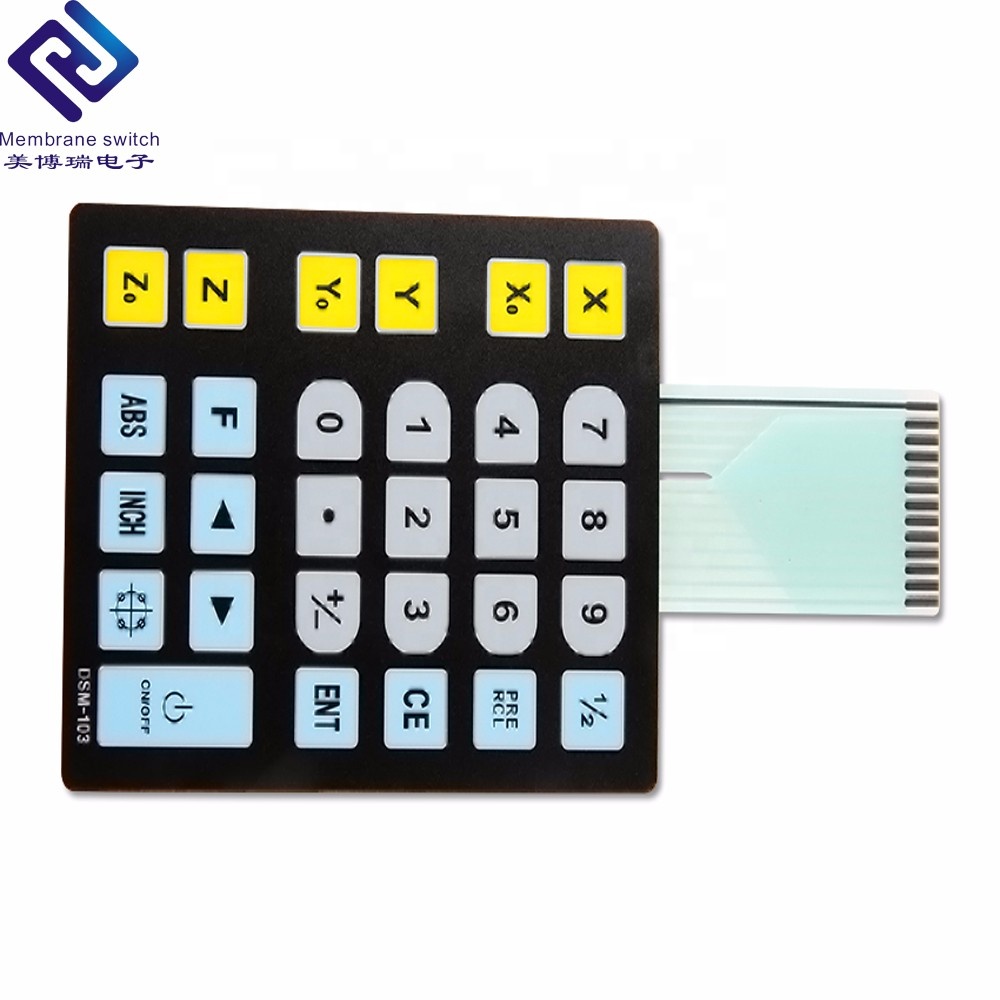
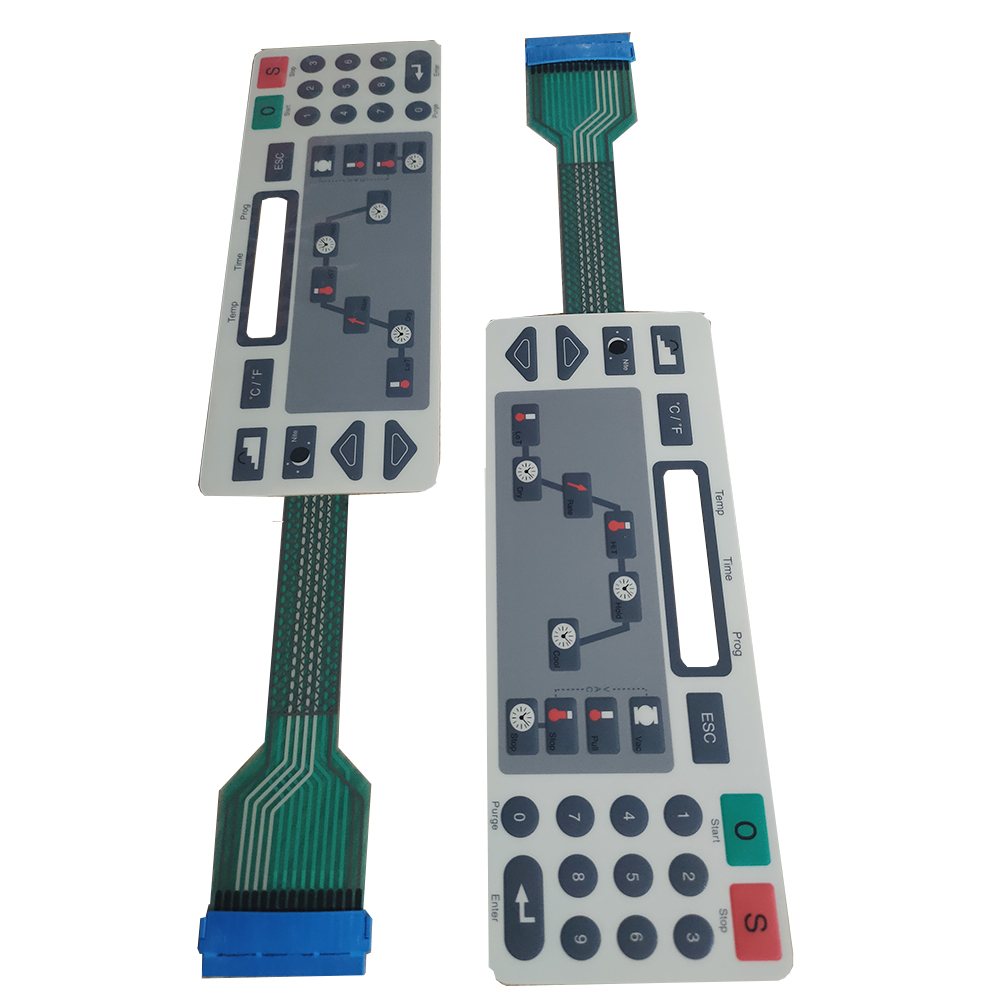
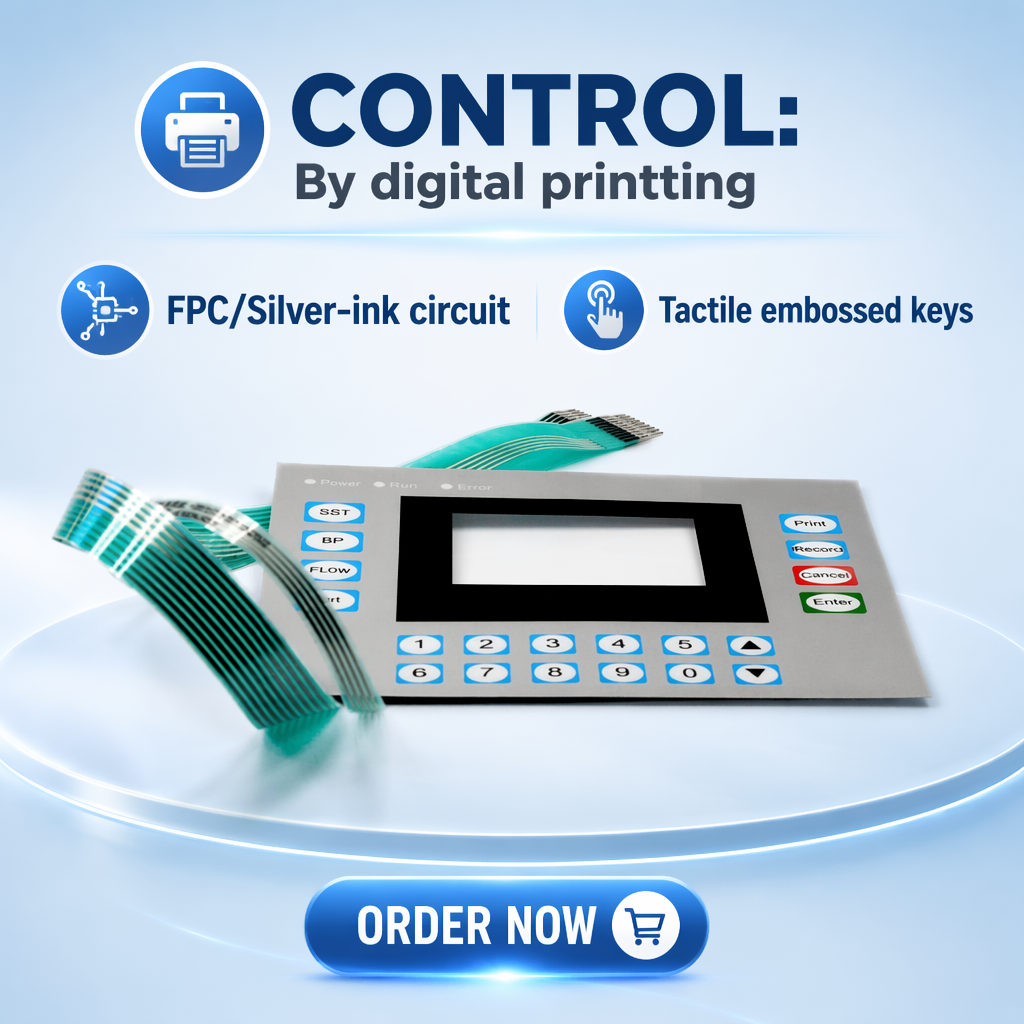
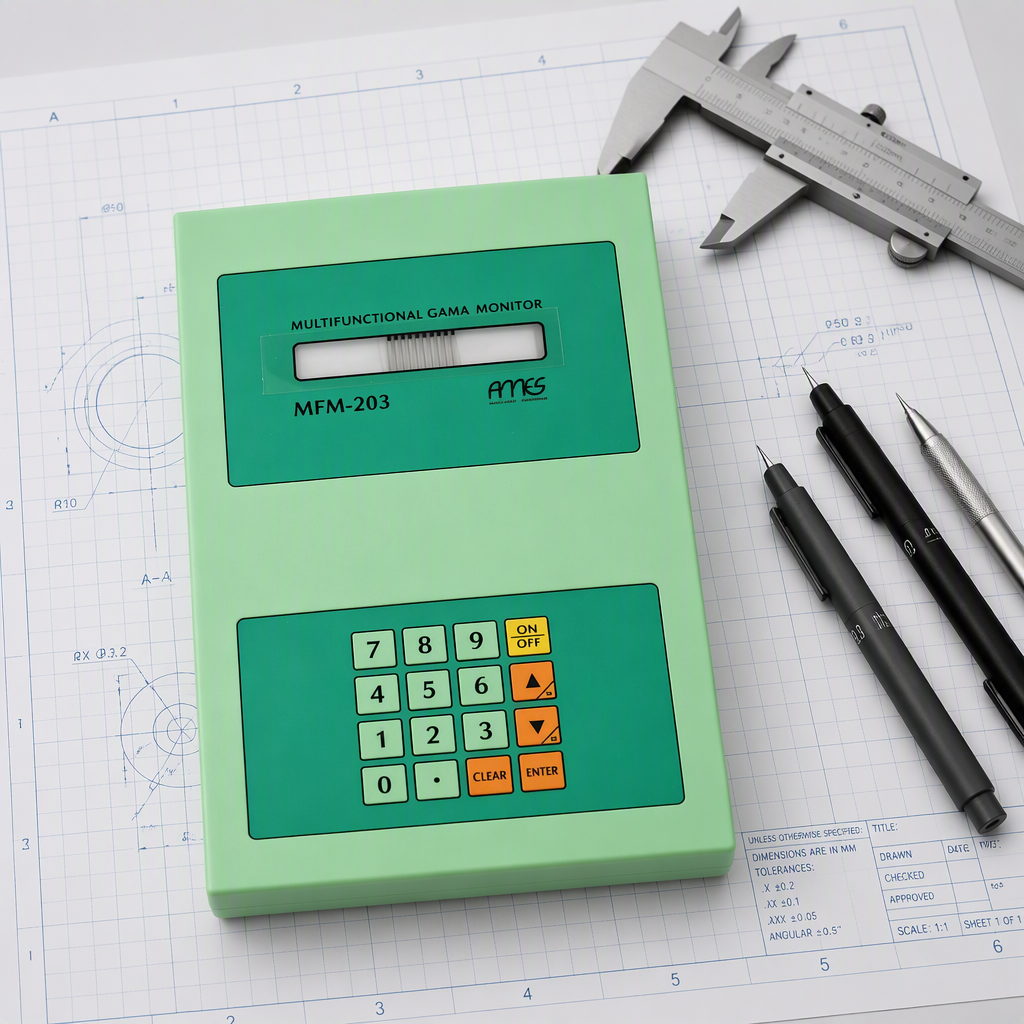
Flexible Circuit Applications Across Berlin's High-Tech Sectors
From the Adlershof technology park to manufacturing corridors in Spandau and Reinickendorf, Berlin demand for advanced FPC and membrane interfaces continues to expand.
MedTech & In-Vitro Diagnostics
Berlin-Brandenburg is one of Europe's dense biotechnology and medical device clusters. Handheld diagnostic units, dialysis control systems, and surgical monitors require our polyimide copper FPCs and chemically inert Autotex PET overlays, providing tolerance against hydrogen peroxide, alcohol sterilization, and IP67 washdown protocols.
Industrial Automation & Smart Factory Systems
Aligning with Berlin's Industry 4.0 automation hubs, our multi-layer flexible circuits connect DIN-rail terminal controls, robotic teach pendants, and motor drives. With selective stiffeners (FR4/aluminum) and silver-carbon crossover shielding, our circuits mitigate electromagnetic interference in heavy electrical environments.
Railway, Mobility & Energy Infrastructure
Berlin serves as a primary European transportation hub. We engineer vibration-proof flexible printed circuits and tactile interface panels built to survive thermal shocks from -40°C to +85°C, providing long-term reliability for train cab monitoring systems, high-speed locomotives, and municipal EV charging infrastructure.
Engineering Insights: Sourcing FPC & Membrane Switches for Germany
Technical evaluation metrics for mechanical engineers and supply chain professionals managing custom flexible electronics.
Sourcing Flexible Printed Circuits (FPC) and Human-Machine Interface (HMI) modules for German industrial equipment demands a clear understanding of substrate materials, signal integrity, and mechanical bending behavior. Traditional screen-printed silver paste circuits on polyester (PET) remain an economical choice for static membrane switches with generous trace pitches. However, complex diagnostic equipment and high-density industrial control modules developed in Berlin increasingly adopt rolled annealed (RA) or electro-deposited (ED) copper clad polyimide (PI) films.
Copper-based FPCs allow fine conductor spacing down to 0.1mm, low dynamic contact resistance, and direct surface-mount soldering (SMT) of microcontrollers, bi-color LEDs, and Zero Insertion Force (ZIF) connectors. Furthermore, polyimide film provides dimensional stability across temperature swings, preventing trace micro-fractures during repetitive thermal cycling.
| Parameter | Standard Silver Conductive PET | Advanced Copper Polyimide (FPC) | Hybrid Rigid-Flex Backer Panel |
|---|---|---|---|
| Base Substrate | Polyester (PET) 75μm - 125μm | Polyimide (PI) 25μm - 50μm | PI Base + Aluminum / FR4 Stiffener |
| Conductor Material | Screen-Printed Conductive Silver Ink | Rolled Annealed (RA) Copper Foil | 1/2 oz to 2 oz Etched Copper Foil |
| Minimum Trace Pitch | 0.50 mm (500 μm) | 0.10 mm (100 μm) | 0.12 mm (120 μm) |
| Loop Resistance | < 100 Ω (Length Dependent) | < 1.0 Ω (Milliohm Range) | < 0.5 Ω Ultra-Low Loss |
| SMT Integration | Conductive Epoxy Bonding | Reflow / Wave SMT Soldering | Full SMT Pick-and-Place Compatible |
| Dynamic Flex Life | > 50,000 cycles (Wide Radius) | > 1,000,000 dynamic cycles | Static structural integration |
When selecting adhesive systems for front graphic overlays, compliance with European environmental directives (RoHS 3, REACH, and WEEE) is mandatory. We employ genuine 3M 467MP, 468MP, or 3M 300LSE acrylic adhesives, ensuring high shear adhesion to low surface energy (LSE) powder-coated aluminum cabinets and injection-molded ABS plastics common in German machinery design.
Why International OEMs Partner With Our Production Facilities
Combining 30+ years of domain expertise, German technical alignment, and transparent end-to-end quality assurance.
Fully Integrated In-House Processing
No external contractor bottlenecks. Our Xianghe and Huizhou facilities manage drawing layout, film reproduction, digital UV & silkscreen printing, embossing, laser profile cutting, and automated assembly in-house.
German Technical Collaboration
We maintain an ongoing technical partnership with German membrane switch specialists, standardizing our toolmaking, printing tolerances, and testing protocols according to European expectations.
Dual-Facility Capacity Allocation
With verified operations across Hebei and Guangdong, production runs are scheduled across matching machine centers—ensuring prototypes move fast and repeat volume batches maintain continuity.
Certified Laboratory Verification
Every batch is validated through computerized circuit testing, life-cycle actuation test units, programmable temp/humidity cycling (-40°C to +120°C), salt spray chambers, and xenon UV aging systems.
Procurement FAQ: Sourcing FPC & Keypads For Berlin Projects
Practical answers addressing common queries from German procurement engineers and project buyers.
Q1What CAD formats are preferred for manufacturing review?
Our engineering division supports Gerber RS-274X, ODB++, DXF, DWG, STEP, AI, and CDR vector formats. For flexible printed circuits, supplying a clear pin-out schematic, stiffener positioning layer, and finish plating specifications accelerates tooling turnaround.
Q2How do you handle RoHS, REACH, and CE compliance for the EU?
All materials—including polyimide base films, copper foils, conductive inks, polyester overlays, and 3M pressure-sensitive adhesives—are certified compliant with EU RoHS 3 (Directive 2015/863/EU) and REACH (EC 1907/2006). Declarations of Conformity and material safety data are provided upon dispatch.
Q3What are typical lead times for prototypes delivered to Germany?
Engineering review and DFM feedback are delivered within 24 hours. Prototype tool builds and initial sample runs generally ship within 7 to 10 working days via express air courier (DHL, FedEx, UPS) directly to Berlin-Brandenburg addresses.
Q4Can you support low minimum order quantities (MOQ)?
Yes. Unlike rigid volume-only PCB fabs, we support pilot runs, low-volume development projects, and early-stage startup builds down to 50–100 pieces without penalizing tooling quality or verification steps.
Q5What options are available for tactile feedback and dome arrays?
We configure nickel-plated, gold-plated, or stainless steel metal snap domes in circle, four-leg, and triangle profiles with actuation forces ranging from 180g to 450g. Polydome embossing and tactile silicone keys are also fully engineered in-house.
Q6What international trade terms and payment methods apply?
We work flexibly under EXW, FOB, CFR, CIF, and DAP terms. Payment options include T/T telegraphic transfers, Letters of Credit (L/C), and D/P D/A in EUR, USD, or CNY, supported by transparent commercial invoices and German customs clearance support.
Plan Your Next Custom Flexible Circuit Project
Submit your CAD models, schematic files, or graphic overlay designs for a complimentary Design-for-Manufacturability (DFM) review and competitive quotation from our engineering team.
Inquire Now