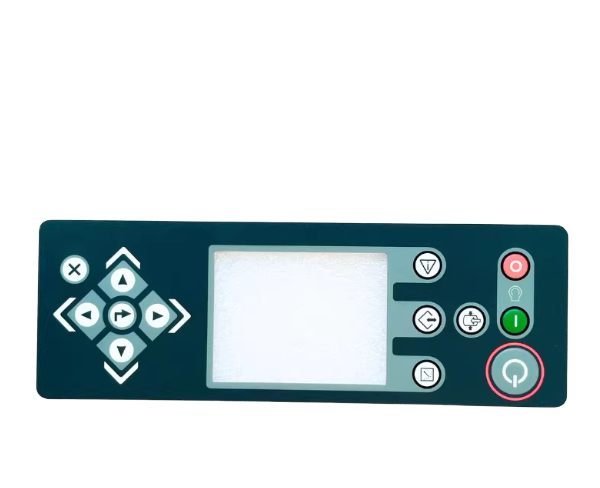
Factory Catalog
Core Engineering & Flexible Interface Solutions
Seamlessly bridging dynamic flexible printed circuits (FPC) with environmental Human-Machine Interfaces (HMI) for demanding ruggedized field applications.
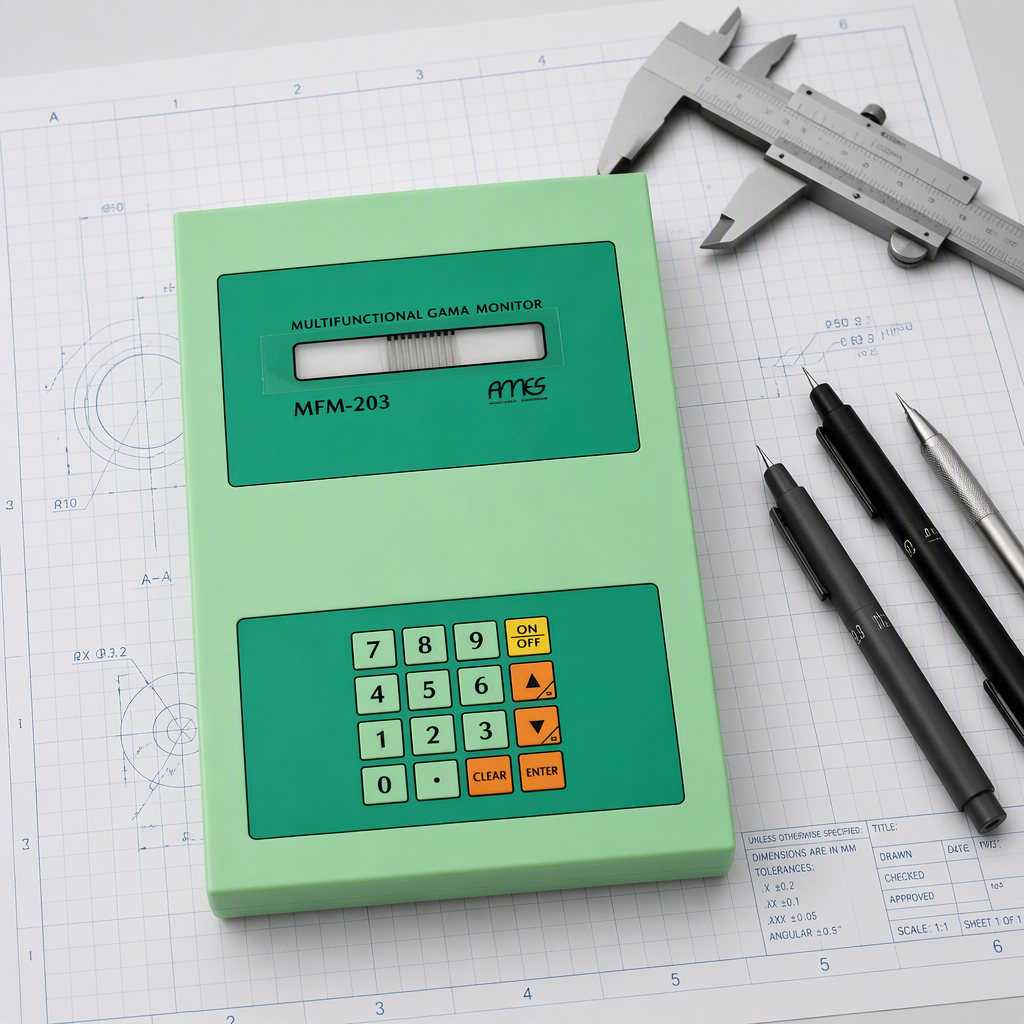
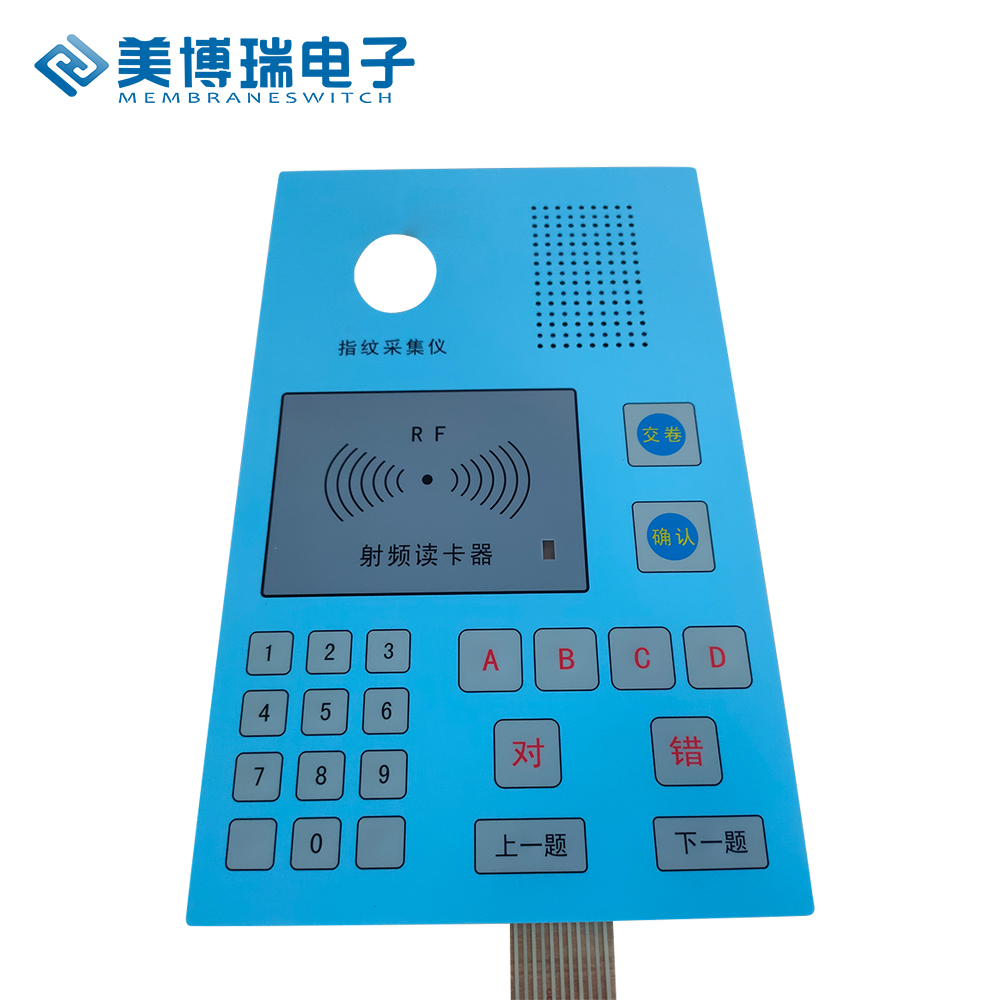
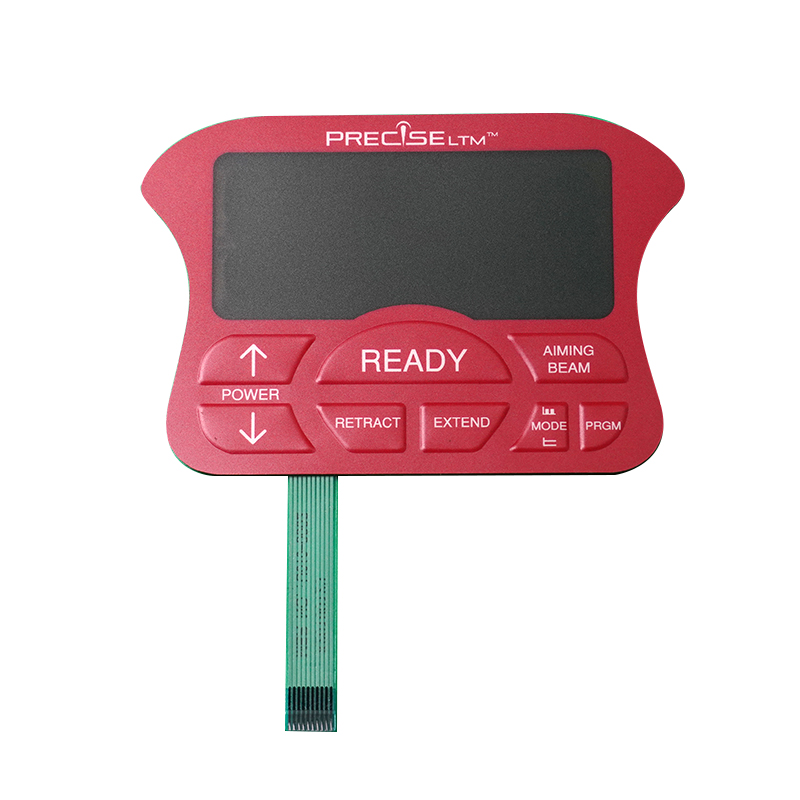
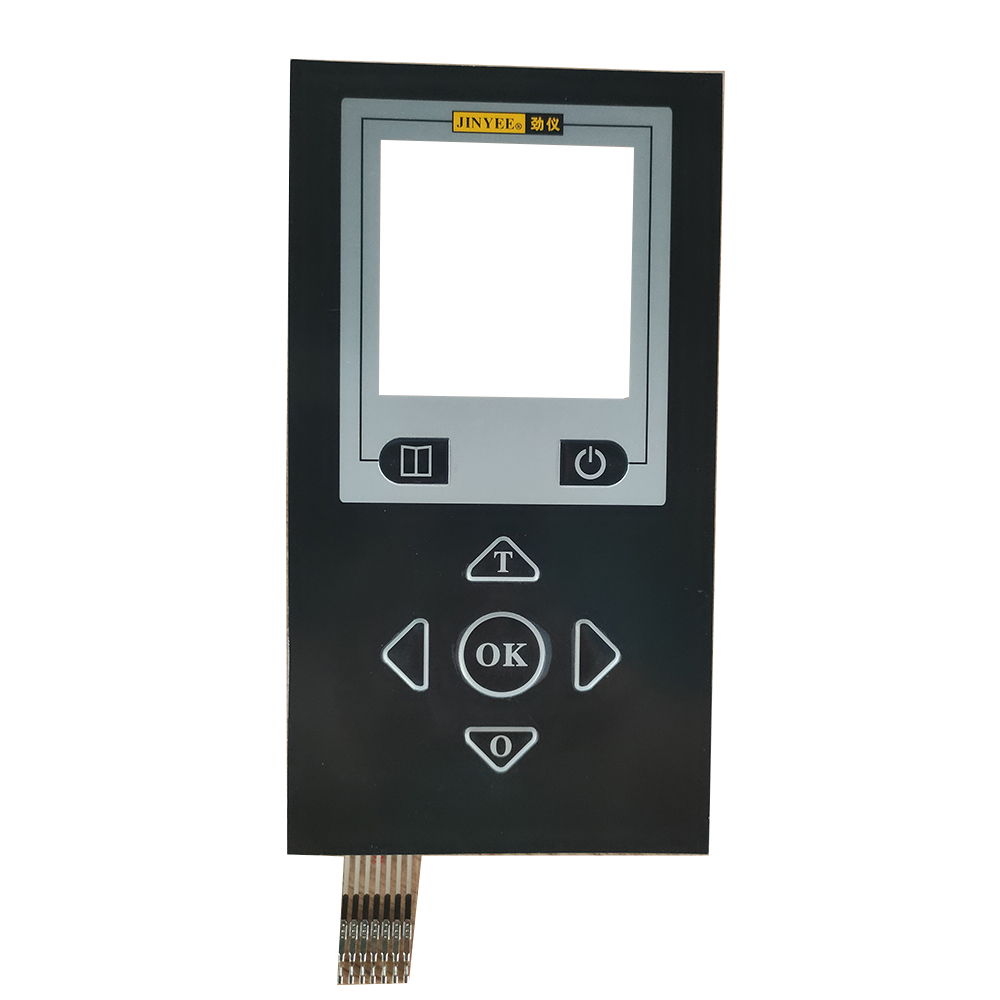
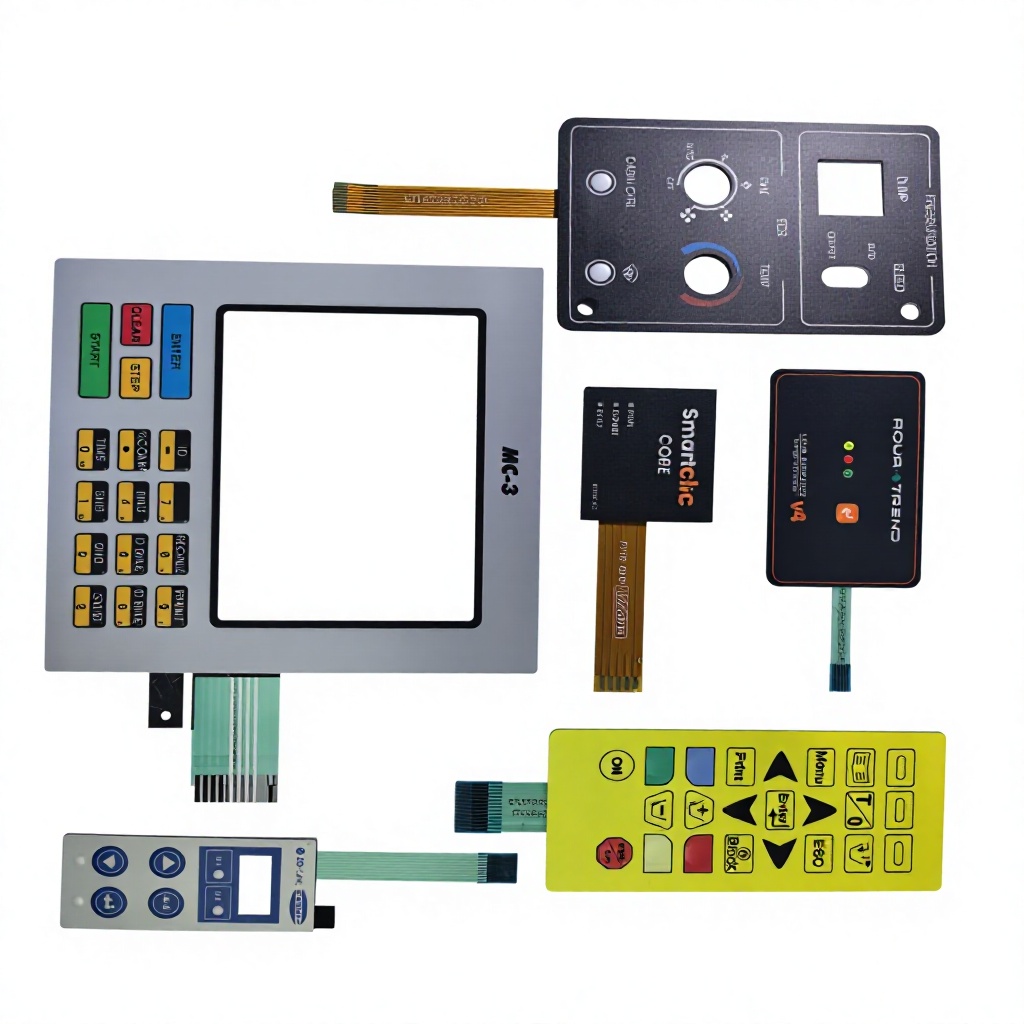
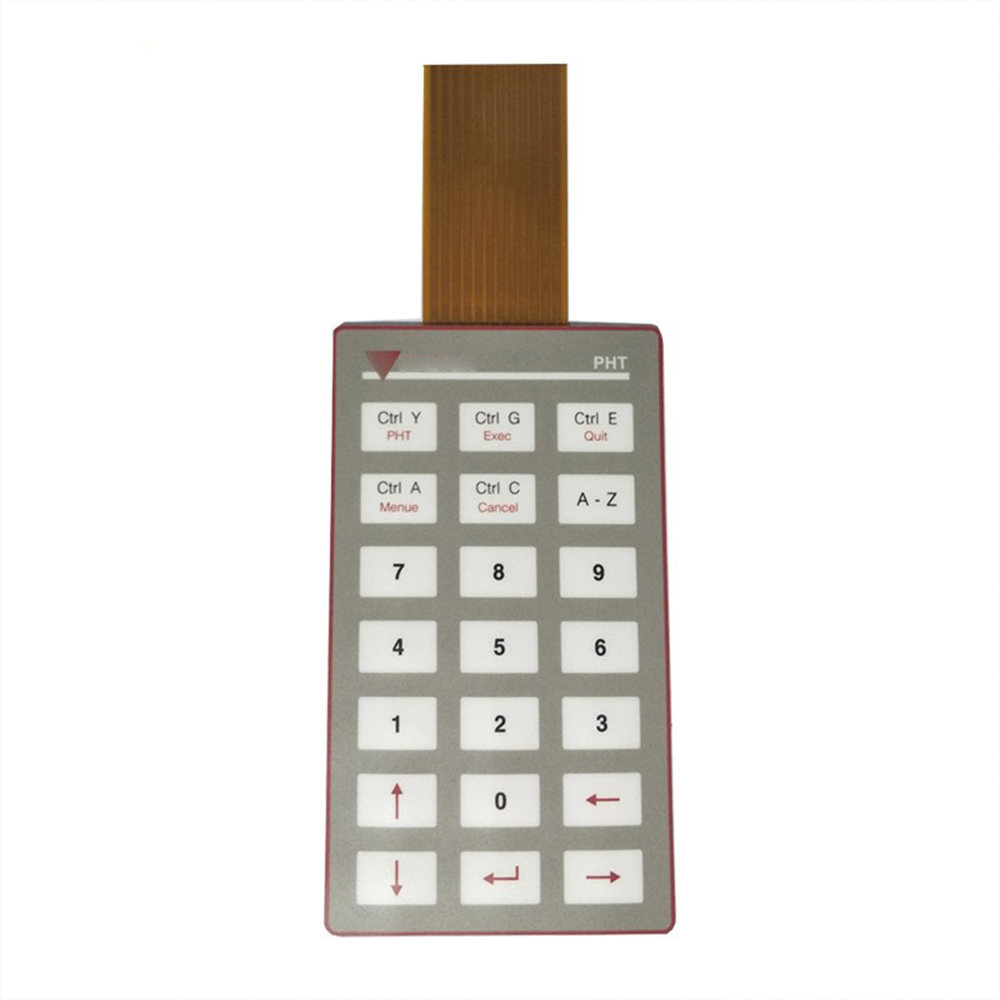
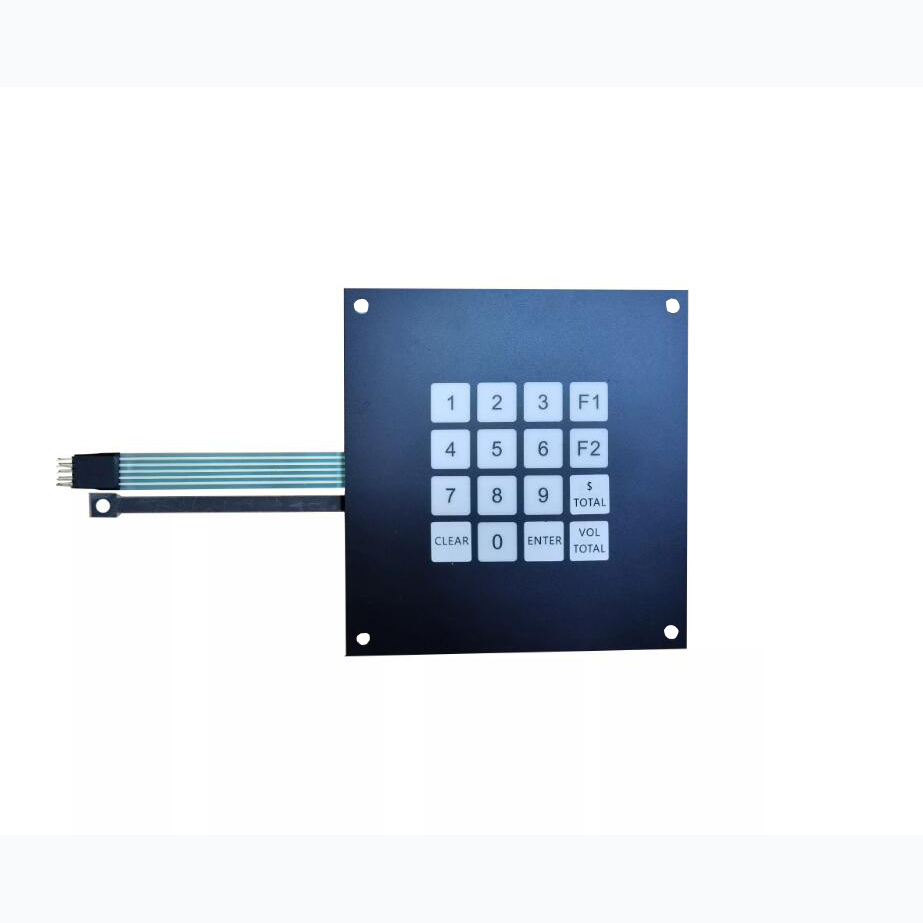
Technical Deep-Dive: Flexible Printed Circuit (FPC) Engineering & Sourcing in Andorra
The Principality of Andorra, strategically positioned across the eastern Pyrenees between France and Spain, is evolving beyond its traditional commercial, financial, and tourism paradigms. Driven by European Union regulatory harmonization, competitive corporate tax architectures, and modern infrastructure investments, Andorra la Vella, Escaldes-Engordany, and Sant Julià de Lòria are transitioning into specialized technical hubs. Here, precision research initiatives, niche industrial IoT design, smart mountain infrastructure monitoring, and luxury consumer electronics incubators thrive.
For hardware procurement managers, systems architects, and industrial design engineers based in Andorra, sourcing high-grade Flexible Printed Circuits (FPC) is critical. Flexible printed circuit boards, built predominantly on high-performance Polyimide (PI) films with roll-annealed (RA) or electro-deposited (ED) copper laminates, provide three-dimensional interconnect freedom unavailable in classic rigid FR4 electronics. However, the microclimate and unique installation environments found across Andorra's high-altitude terrains create extreme operating conditions. These demand specialized engineering parameters, stringent substrate qualification, and resilient surface finishes.
Why Specialized FPC Substrates Matter for High-Altitude & Alpine Environments
Electronics deployed in the Pyrenees face sub-zero thermal cycling, sharp fluctuations in ambient humidity, elevated levels of solar ultraviolet exposure, and persistent mechanical vibrations. Standard commercial printed circuits using substandard polyester (PET) base layers or non-treated adhesives frequently suffer from dielectric breakdown, delamination, copper micro-fracturing, and impedance drift. When partnering with a world-class FPC circuit board factory, Andorra-based procurement teams must verify that base materials, adhesive matrices, and coverlay configurations meet IPC-6013 Class 2 or Class 3 aerospace-grade specifications.
Adhesiveless Polyimide (PI)
By eliminating acrylic or epoxy bonding layers directly between the copper foil and the dielectric, our adhesiveless laminates reduce circuit thickness, significantly improve thermal dissipation up to 260°C, and maximize mechanical bend endurance.
Dynamic Flex Optimization
For applications experiencing continuous movement, such as robotic joints, ticketing barriers, or wearable biometric monitors, we deploy 1/3 oz or 1/2 oz Roll-Annealed (RA) copper, supporting over 500,000 bending cycles at a bend radius under 2.0 mm.
Surface Finishes (ENIG & ENEPIG)
Electroless Nickel Immersion Gold (ENIG) and ENEPIG finishes prevent oxidation during maritime and high-altitude transport, providing coplanar wire-bonding and surface-mount technology (SMT) pads capable of handling 0.3 mm pitch BGA components.
Localization Trends & Application Scenarios Across Andorra
Andorra's geographic landscape and progressive digitalization initiatives drive specific engineering demands across four primary vertical markets:
1. Ski Resort Infrastructure & Smart Lift Terminals: Modern ski complexes across Grandvalira, Ordino Arcalís, and Pal-Arinsal employ smart automated ticketing turnstiles, telemetry sensor units, and extreme-weather touchpanels. These systems require FPC jumper assemblies and sealed membrane interfaces rated to IP67. They must maintain tactile sensitivity at -30°C while resisting heavy snow melt, de-icing chemical salts, and prolonged solar UV radiation.
2. Microclimate Environmental & Avalanching Monitoring Arrays: Environmental safety agencies across the Andorran valleys rely on autonomous telemetry nodes positioned on mountain ledges. These nodes monitor slope stability, snowpack density, and ambient humidity. The internal circuit architecture demands high-density interconnect (HDI) multilayer FPCs. These must offer strictly controlled differential impedance (typically 90Ω USB or 100Ω LVDS) to transmit real-time telemetry data over satellite or LoRaWAN networks without signal distortion.
3. Retail Automation, Luxury Dispensers & Smart POS Terminals: As a premier commercial shopping hub for southern Europe, Andorra handles millions of transactions monthly. Commercial banking and fiscal monitoring hardware in local boutiques utilize ultra-thin flex cables integrated with anti-tamper security mesh layers. If an unauthorized attempt is made to breach the keypad enclosure, the sub-millimeter traces within the FPC are severed, immediately triggering cryptographic memory erasure to preserve PCI compliance.
4. Specialized Medical Diagnostics & Tele-Health: Modern private clinical facilities and sports medicine recovery centers across Escaldes-Engordany incorporate compact diagnostic instruments, portable ECG systems, and ultrasonic imaging probes. The ergonomic necessity of light, handheld probes makes rigid printed circuit boards obsolete. Here, lightweight multi-branch flex circuits provide an optimal solution, drastically reducing overall weight and eliminating complex wire-harness assembly errors.
FPC Manufacturing Capabilities & Design Rule Parameters
To assist Andorran design teams with comprehensive Design for Manufacturability (DFM) reviews, the following matrix outlines our standard and advanced FPC engineering tolerances:
| Technical Parameter | Standard Capability | Advanced / Custom Capability |
|---|---|---|
| Layer Count | 1 to 4 Layers | 6 to 12 Layers (Rigid-Flex Combinations) |
| Base Film Material | Polyimide (PI) 12.5µm / 25µm | Adhesiveless Polyimide (PI) / Modified PI |
| Minimum Trace Width / Spacing | 0.075 mm / 0.075 mm (3 mil / 3 mil) | 0.035 mm / 0.035 mm (1.4 mil / 1.4 mil) |
| Minimum Laser Micro-Via Diameter | 0.10 mm (4 mil) | 0.05 mm (2 mil) Laser Direct Drilling |
| Copper Thickness | 1/3 oz (12µm) to 1 oz (35µm) RA/ED | 2 oz (70µm) High-Power Flexible Traces |
| Stiffener Options | FR4, Polyimide (PI), Stainless Steel | Precision-Milled Aluminum, Copper Heat Sinks |
| Impedance Control Tolerance | ±10% | ±5% for High-Speed High-Frequency Lines |
Enterprise Production Strengths & Closed-Loop Quality Assurance
As an international manufacturing leader with heritage tracing back to 1990, TAVO Electronic Information Technology Co., Ltd. integrates full-cycle design, tooling fabrication, chemical etching, SMT assembly, and mechanical validation under one roof. Unlike trading brokers or component intermediaries, we maintain end-to-end sovereignty across every manufacturing milestone. Our main manufacturing complex is situated in the Robot Industry Port of Xianghe Economic and Technological Development Zone, complemented by our Southern China production facility in Huizhou. Together, they deploy over 2,219 square meters of specialized production floorspace staffed by 111 verified professionals.
Quality control is strictly governed by an audited ISO 9001 quality management framework, complemented by formal onsite supplier evaluations verified by Intertek. Reflecting over three decades of engineering refinement, our processes have benefited from multi-year technical collaborations with German technical leaders. This alignment ensures our tooling tolerances, chemical purity, and IPC Class 3 adherence mirror the highest industrial expectations across the European Union.
In-House Heavy Tooling
Our facility hosts 60 CNC mold-making workstations, 18 precision laser cutting lines, 37 precision screen-printing systems, and 4 Mimaki digital UV printers, eliminating outside subcontractor bottlenecks.
Reliability Laboratory
All batches undergo automated continuity verification, button cycle fatigue testers (tested to 5M+ actuations), programmable temperature-humidity chambers (-40°C to +150°C), and automated salt-fog chambers.
Global Logistics & Trade
We routinely dispatch high-mix quick-turn prototypes and high-volume runs to tier-one global brands including Siemens, ABB, and Haier, with streamlined DDP and DAP delivery directly into Andorra via regional air gateways.
Frequently Asked Questions: Sourcing FPC Circuits in Andorra
Clear, direct answers to common engineering, compliance, and supply chain questions encountered by procurement professionals in Andorra.
How do customs clearance and VAT (IGI) procedures apply when shipping FPCs to Andorra?
While Andorra is not a formal member of the European Union, it participates in a special customs agreement with the EU. When importing flexible printed circuits from our certified factories, shipments are processed under standard HS Code 8534.00 (Printed Circuits). Local clearance requires payment of Andorra's General Indirect Tax (Impost General Indirecte - IGI), which is a competitive 4.5%—significantly lower than standard French or Spanish VAT rates. We manage all export documentation, commercial invoices, and EUR.1 movement forms, offering seamless air courier integration (via Toulouse-Blagnac or Barcelona-El Prat gateways) directly to your facility in Andorra.
What design files and manufacturing criteria are needed for a formal DFM review?
To conduct an engineering DFM and generate an itemized quote, please provide RS-274X Gerber files or ODB++ data packages. These should include drill tables, copper layers, solder mask/coverlay openings, and outline routing dimensions. Additionally, provide a layer stack-up drawing specifying base dielectric thickness, copper foil weight (RA or ED), stiffener materials (FR4, PI, or metal backer), and surface finish requirements (such as ENIG or immersion tin). Our senior engineering department completes reviews within 24 hours.
How do your flexible circuits perform under continuous sub-zero thermal stress?
Our polyimide-based FPC solutions use high-Tg (>250°C) thermal-grade adhesiveless laminates. They remain mechanically pliable without micro-cracking at temperatures down to -50°C, making them well-suited for high-altitude meteorological monitoring, ski-station equipment, and outdoor industrial machinery deployed in the Pyrenees.
Can you handle complete turnkey assemblies combining FPC with SMT components and silicone keypads?
Yes. We provide complete HMI integration. In addition to bare-board FPC manufacturing, we operate high-speed SMT pick-and-place lines to mount micro-connectors, LEDs, passives, and active ICs. Furthermore, we can bond your flex circuit with metal domes, silicone rubber keyboards, acrylic display lenses, and aluminum backer plates to supply a fully tested, ready-to-mount assembly.
What are your minimum order quantities (MOQ) and lead times for prototyping?
To support R&D labs and engineering firms across Andorra, we maintain an agile, low-MOQ structure. Prototype batches and small pilot runs (5 to 50 pieces) typically ship within 5 to 7 business days following drawing sign-off. High-volume production orders are completed within 12 to 18 business days, with staggered release schedules available to align with your production runs.
Bring Your Flexible Electronics Project to Life
Connect directly with our senior application engineering team to evaluate your circuit stack-up, request material samples, or receive a detailed production quote tailored for your Andorran operations.
Contact Us