1990+
Manufacturing Heritage
2,219m²
Verified Facility Floor
111+
Senior Engineering Team
1M+ Pcs
Annual European Exports
Direct Export Portfolio
Engineered Control Interface Products for Moldovan Enterprises
Verified OEM/ODM interface solutions featuring hard-coated surface protection, ingress prevention up to IP67, precision silk-screen & digital UV graphics, and integrated circuit layers designed for industrial durability.
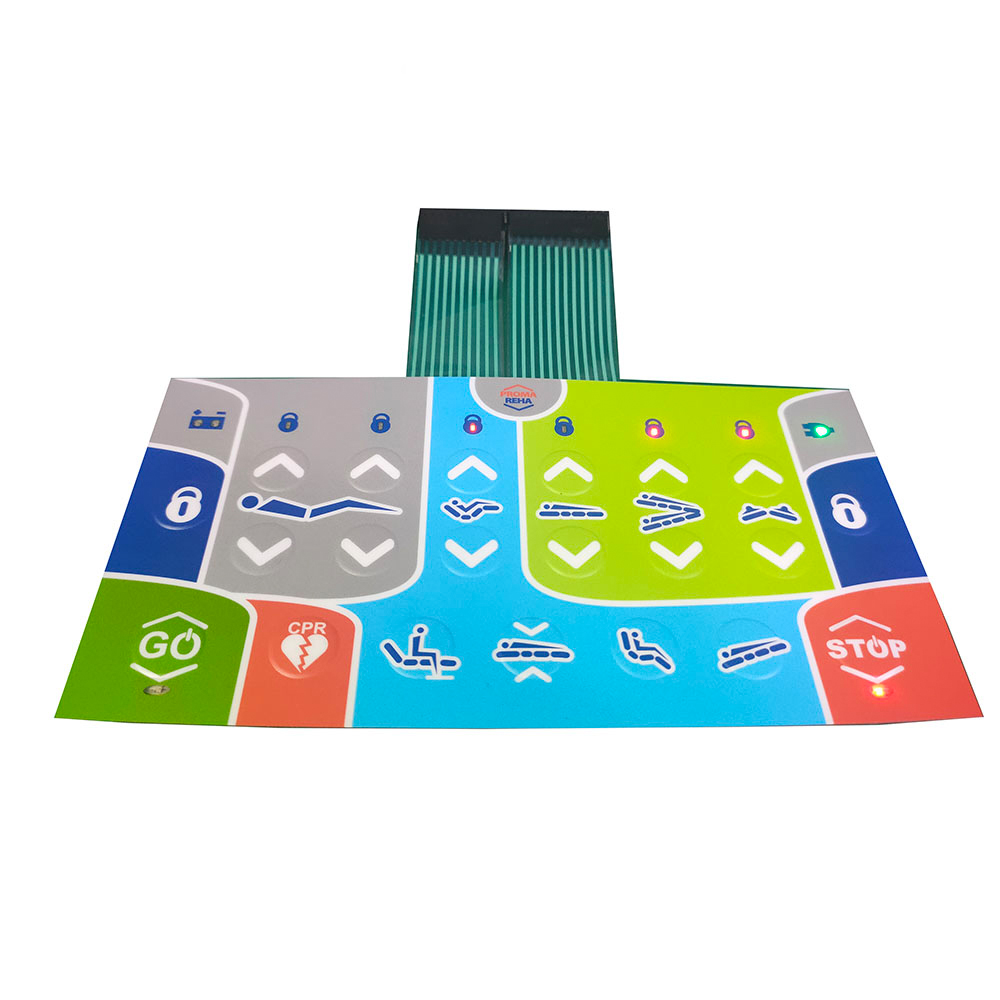
Flexible Waterproof Membrane Keypad Panel
View Specifications →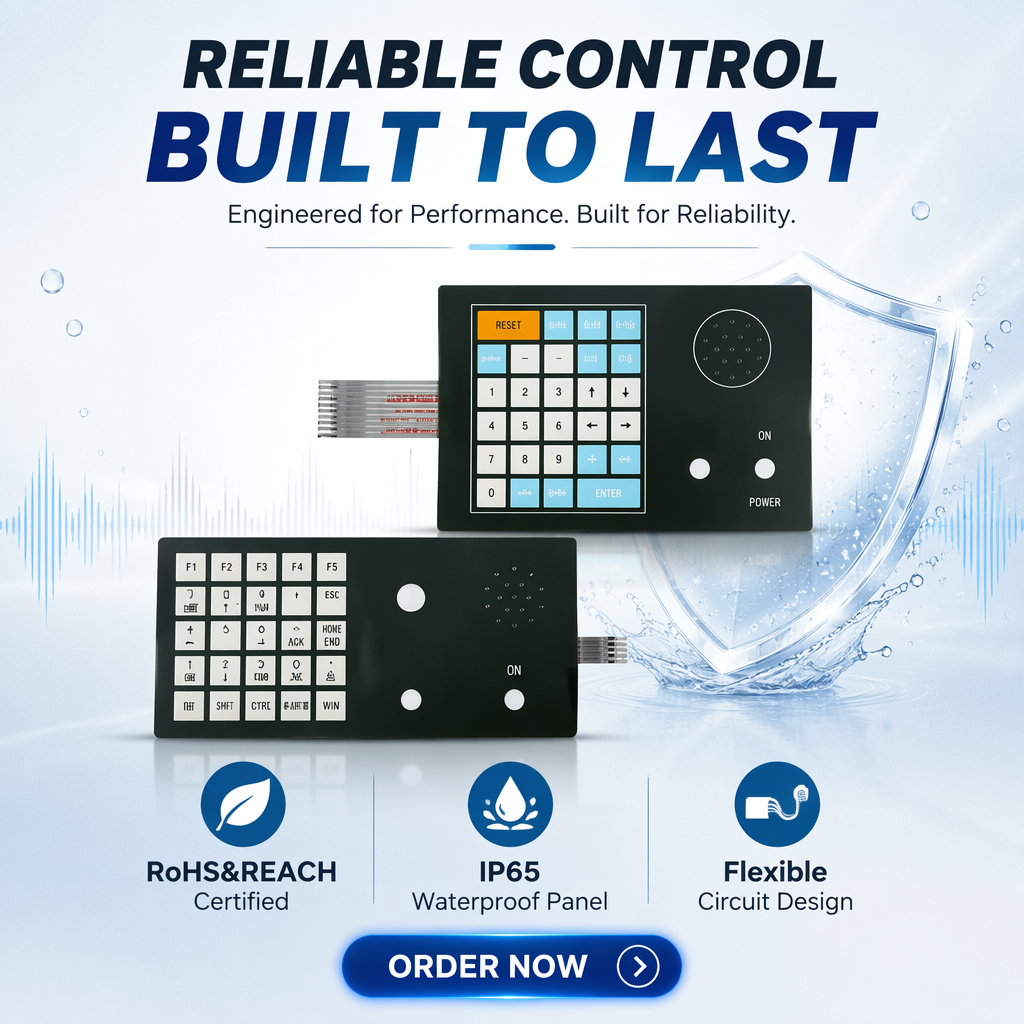
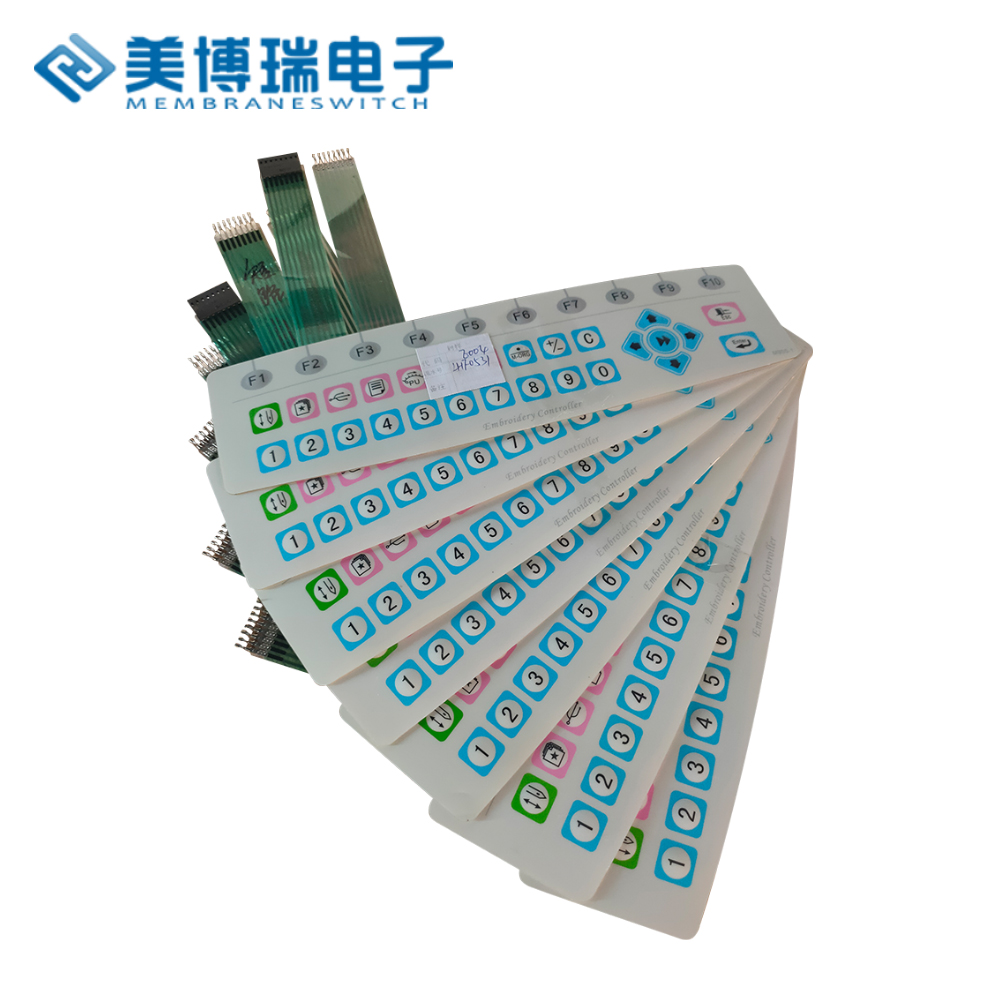
3x4 12-Key PET Matrix Array Membrane Switch
View Specifications →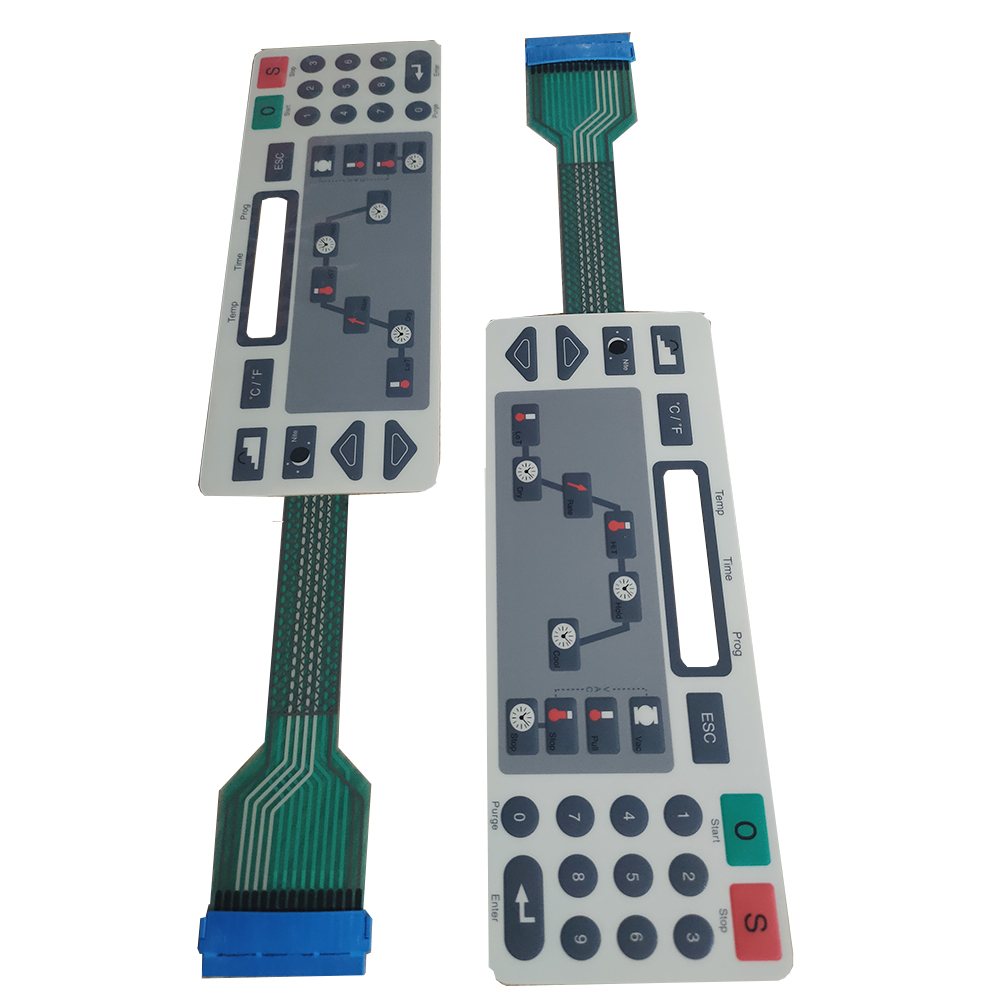
IP67 Waterproof LCD Window Membrane Switch
View Specifications →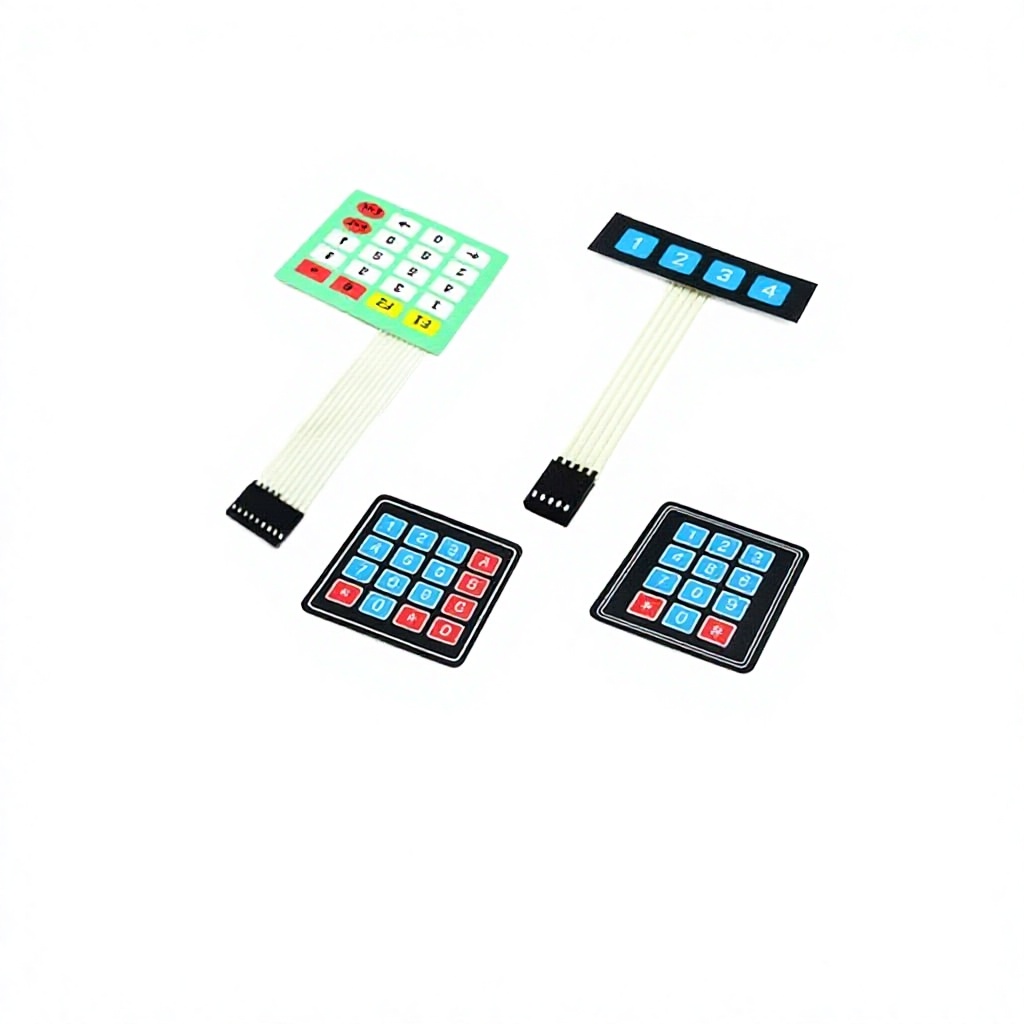
High-Reliability Custom Copper FPC Switch
View Specifications →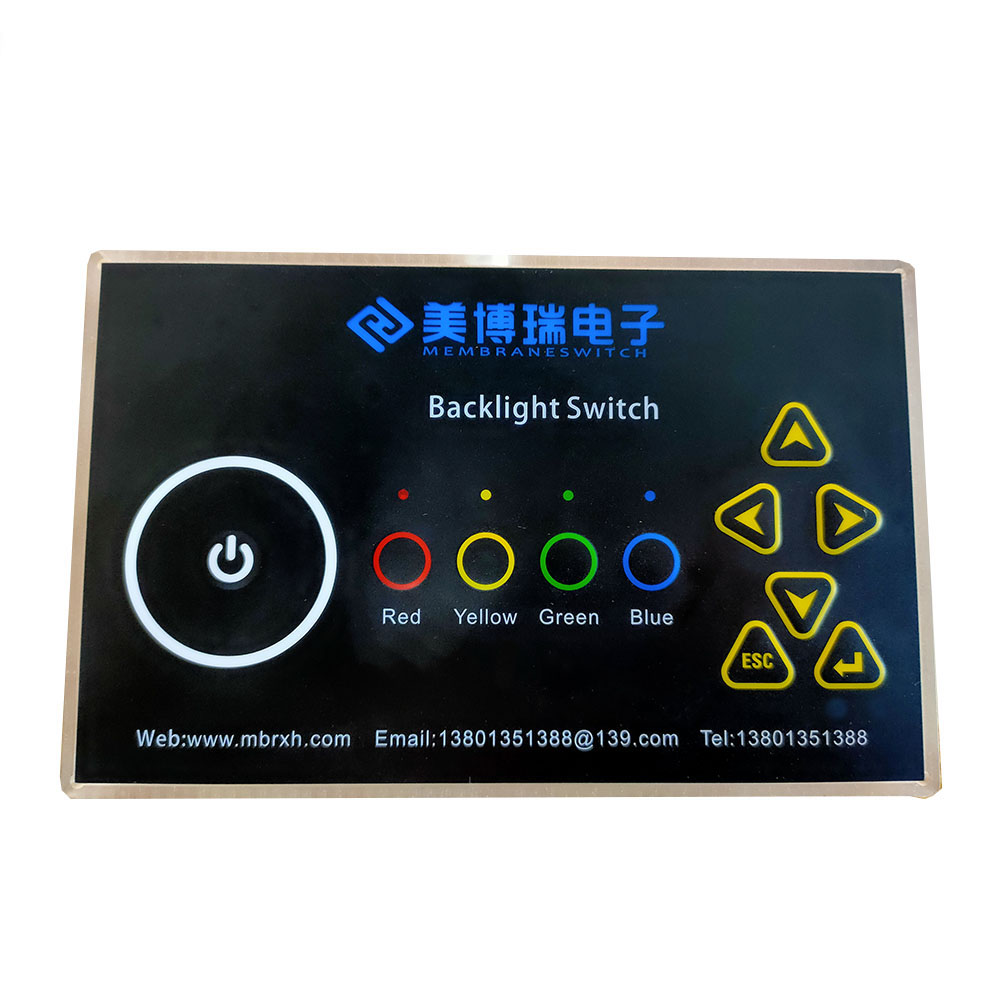
Silkscreen PET Membrane Keypad & Keycaps
View Specifications →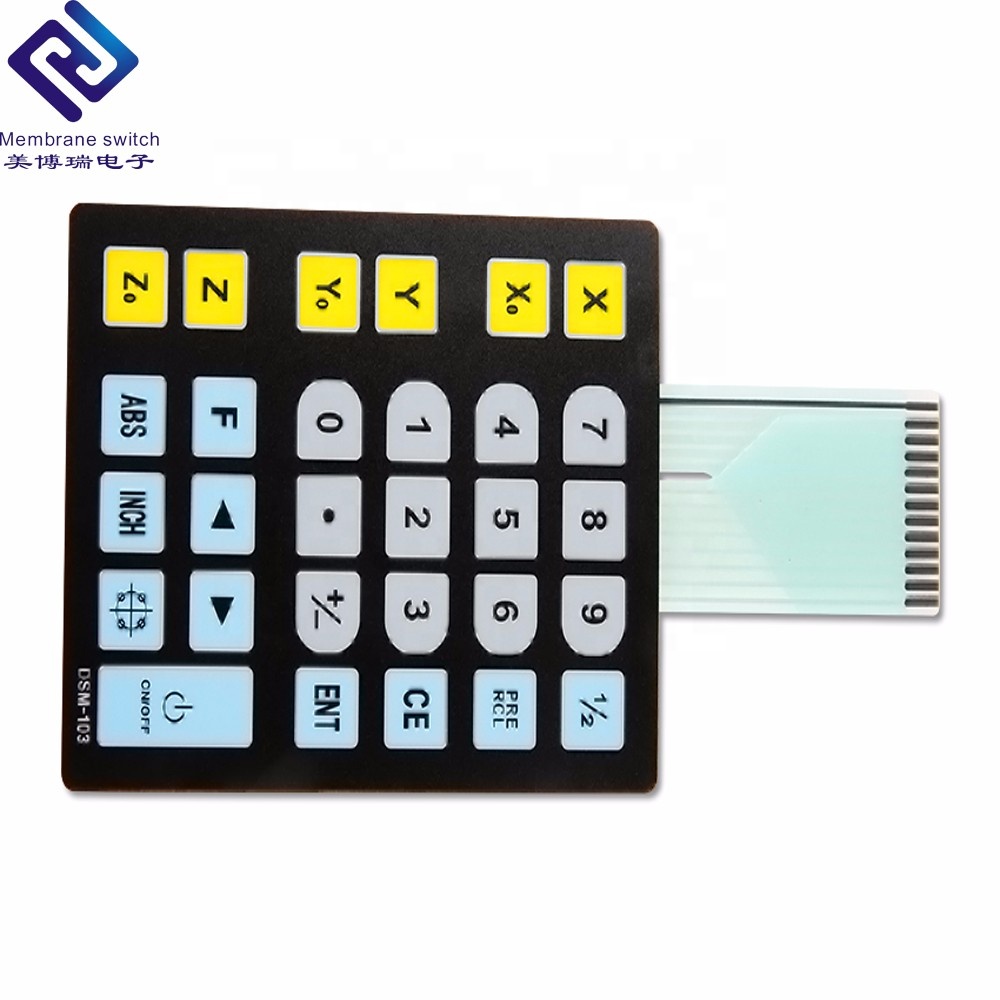
Telecommunication IP67 Dome Keypad
View Specifications →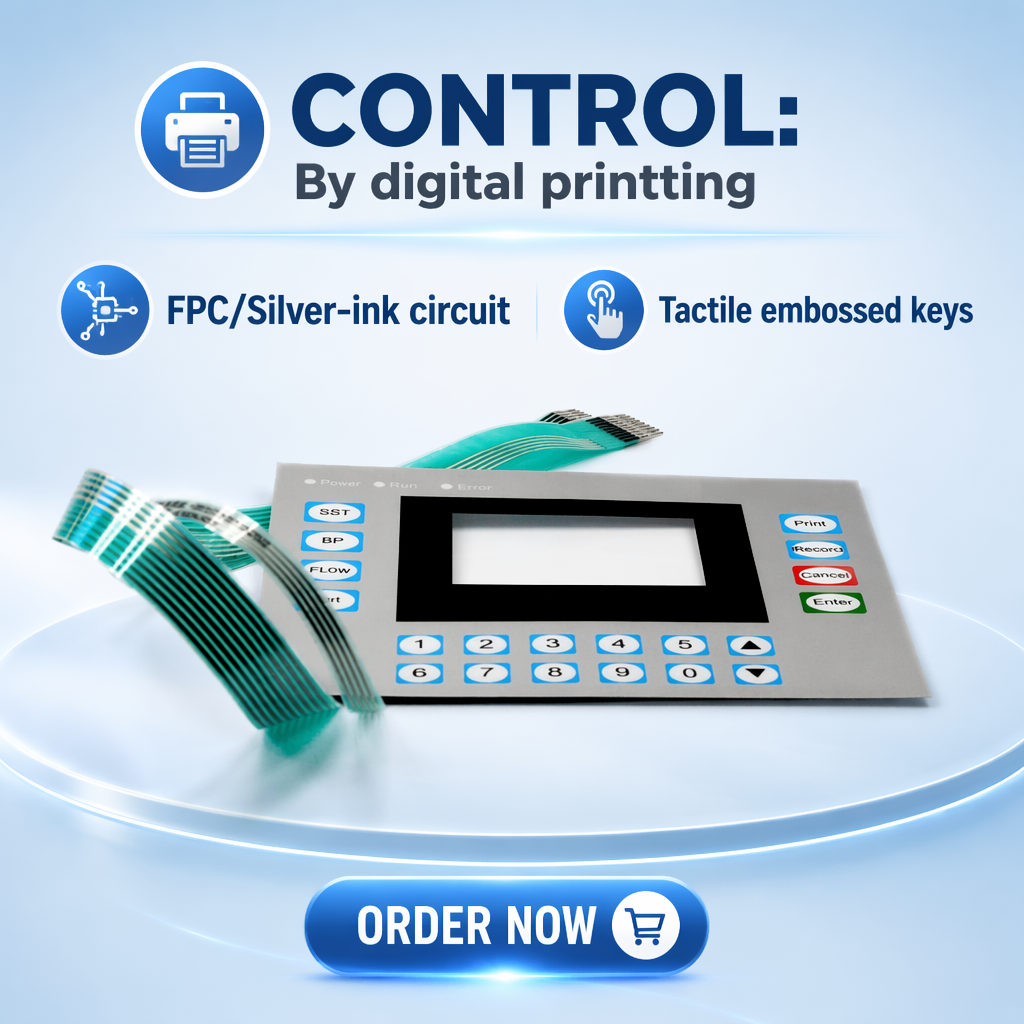
Embedded LED Backlight FPC Membrane Switch
View Specifications →
Industry Insight & Engineering Fit
Industrial Application Scenarios in Moldova's Evolving Economy
Moldova’s manufacturing and automation sectors require industrial control interfaces that handle specific environmental stressors, supply chain shifts, and regional modernization mandates.
Agro-Industrial & Wine Processing Automation
Moldova's flagship wine production, fruit processing, and bottling plants require IP65 to IP67 sealed membrane panels. Our solutions withstand daily washdowns with caustic cleaning agents, organic acids, sulfur vapors, and pressurized steam, ensuring internal silver or copper circuits remain completely shielded against ingress-induced failure.
Automotive Components & Free Economic Zones (FEZ)
Located in hubs like Bălți, Ungheni, and Chișinău, international sub-tier automotive suppliers require strict thermal stability. We supply instrument control overlays formulated with heat-stabilized Autotype PET films capable of enduring cabin and under-hood thermal cycles ranging from -40°C in continental winters to +85°C summer operational limits.
Energy Distribution & Utility Substation HMIs
With ongoing grid modernization synchronizing Moldova with the ENTSO-E European electrical network, local energy distribution boxes, switchgears, and power monitoring units rely on our metal-backed EMI/RFI-shielded membrane switches to block disruptive high-voltage electromagnetic interference.
Architectural Reliability for Eastern European Climates
Instrument panels deployed throughout Moldova face severe climatic shifts—freezing sub-zero winters followed by high ambient heat and humidity during harvest seasons. Ordinary self-adhesive overlays and baseline polyester films suffer from adhesive shear, edge curling, and trace oxidation under these cyclical stresses.
Our export-grade assemblies leverage medical and automotive grade adhesives sourced from 3M (such as 3M 467MP, 468MP, and VHB acrylic foams) engineered to retain structural peel strength against stainless steel, powder-coated aluminum, and ABS housings under persistent temperature oscillations.
- IP67 hermetic perimeter gasket sealing
- High-flex polyimide (FPC) copper conductors
- UV-resistant, non-yellowing top overlays
- Tactile snap domes rated for 1M+ actuations
Strategic Trajectory
Technological & Sourcing Trends in the Moldovan Industrial Sector
Understanding the transition path of Moldovan procurement teams as local industry converges with European Union standards and digital transformation targets.
Migration from Mechanical Switches to Sealed Capacitive Touch
Traditional rotary and push-button consoles in Moldovan agricultural machinery and control enclosures are rapidly being phased out. Machine builders are choosing flat, non-porous capacitive touch panels and integrated tactile membrane interfaces to eliminate particle buildup, optimize cleanability, and modernize machinery aesthetics.
Adoption of RoHS, REACH, and CE Alignment
As Moldovan enterprises expand trade under the EU Deep and Comprehensive Free Trade Area (DCFTA), end-equipment must conform to stringent European material safety regulations. Sourcing components with verified RoHS compliance, halogen-free substrates, and low VOC degassing has transformed from an option into an export prerequisite.
Lean Inventories & Prototyping Agility
Small-to-medium enterprises (SMEs) across Chișinău and regional development corridors require agile supply partners that support prototype verification without imposing rigid, massive minimum order quantities (MOQs). High setup flexibility reduces upfront capitalization risks during pilot-stage industrial instrumentation builds.
Enterprise Authority
Engineering Dominance & Factory Capabilities
Combining over 30 years of manufacturing lineage with cleanroom fabrication facilities, advanced CNC tooling, and German technical cooperation standards.
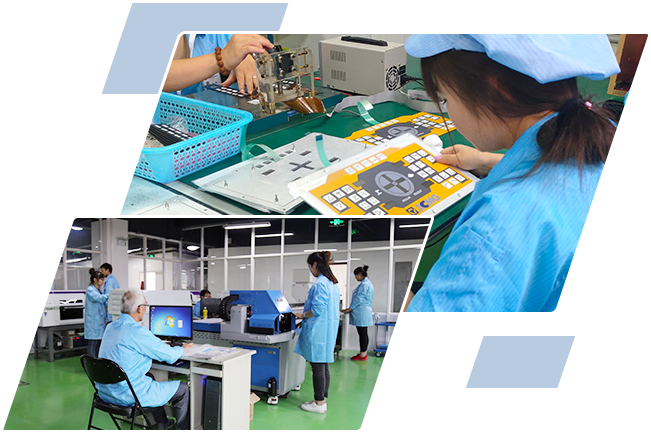
Dual Production Bases: Xianghe & Huizhou
Operating out of our flagship facility in the Robot Industry Port of Xianghe Economic and Technological Development Zone (Hebei) alongside our southern processing center in Huizhou (Guangdong), we deliver substantial capacity allocation and complete risk mitigation against regional supply chain disruptions.
Unlike trading intermediaries, our vertically integrated manufacturing facility executes every stage internally: precision laser plotting, screen-stencil tensioning, class 10,000 cleanroom printing, automated metal dome placement, SMT component placement, embossing, die-cutting, optical clear adhesive (OCA) lamination, and 100% computerized circuit verification.
Precision Equipment Matrix
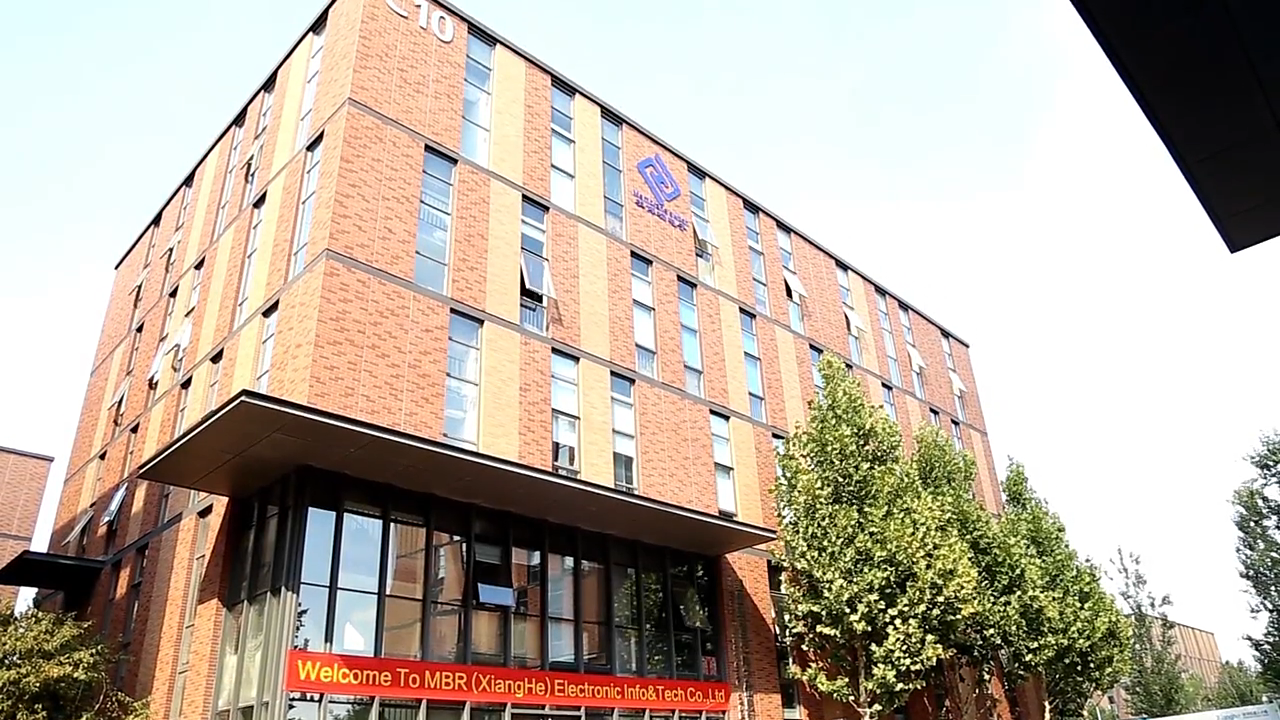
Equipped with 60 CNC precision mold-making centers, 37 precision screen-printing units, 18 high-speed laser cutting machines, 4 Mimaki heat-setting industrial digital printers, and 7 high-accuracy digital engraving platforms to produce complex key geometries.
International Laboratory Rigor
Every batch undergo rigorous qualification: programmable constant temperature and humidity chambers, computerized switch lifetime testers, xenon lamp accelerated weatherometers, salt spray corrosion test units, and automated lead-pitch optical comparators.
German Technical Collaboration
Benefiting from long-term cooperative technical exchanges with a prominent German membrane switch facility, our engineering teams strictly implement European-standard process tolerances, ESD shielding protocols, and consistent tactile force curves (180g to 450g feedback).
Procurement Guide
Frequently Asked Questions for Moldovan Importers
Clear, direct answers to common questions regarding logistics, technical drawings, environmental ratings, and international trade terms.
How do you ship custom instrument control panels to Moldova, and what are transit durations?
We regularly ship to buyers in Moldova via expedited air freight (DHL, FedEx, UPS) directly to Chișinău International Airport (KIV) or regional hubs within 4 to 7 business days for prototypes and emergency batches. For high-volume production, multimodal sea-rail/truck freight via European ports (such as Constanța, Romania) is coordinated under EXW, FOB, CFR, or CIF Incoterms with complete commercial documentation, packing lists, and Certificates of Origin (CO).
Can you manufacture control panel overlays with bilingual Romanian and Russian typography?
Yes. Our internal graphics and pre-press design department works directly with vector files (AI, EPS, CDR, PDF, and DXF). We regularly reproduce intricate typography including Romanian special characters (ș, ț, ă, î, â) as well as Cyrillic script. Our automated digital UV and high-precision screen-printing processes maintain sharp font resolution, tight line registration (±0.05mm), and exact corporate Pantone/RAL color matching.
What is the advantage of choosing Flexible Copper Circuits (FPC) over conventional silver printed inks?
While screen-printed conductive silver ink is an economical and effective choice for many static interfaces, FPC (Polyimide etched copper) is recommended for equipment exposed to heavy vibration, tight tail bending radii, and environments prone to silver migration (caused by high humidity combined with direct current). FPC also allows direct surface-mount soldering (SMT) of compact LEDs, resistors, diodes, and ZIF locking connector terminations without conductive epoxy degradation.
How are graphic overlays protected against chemical contact in industrial environments?
We employ sub-surface printing on premium hard-coated biaxially oriented polyester (PET) films such as Autotype Autoflex or fine-matte Polycarbonate (PC). Because the ink is deposited on the second surface (underside) of the transparent film, surface cleaning solutions, industrial alcohols, disinfectants, oils, and abrasive washdowns never make direct contact with the graphic inks or silver conductors.
What engineering documentation is needed to receive a formal quotation and DFM evaluation?
To provide a detailed Design for Manufacturability (DFM) review and quotation, our engineers require: (1) Outline drawings with dimensional tolerances and cutout locations (PDF/DXF/STEP), (2) Artwork layout showing graphic legends and Pantone/RAL callouts, (3) Circuit schematic or pinout diagram identifying common lines and LED polarities, (4) Tail interface requirements (e.g., 2.54mm female Berg, CJT, or bare pitch ZIF tail), and (5) Intended environmental operational parameters.
How does your factory protect intellectual property and custom client engineering designs?
We adhere to strict confidentiality protocols. We sign bilateral Non-Disclosure Agreements (NDAs) prior to receiving proprietary artwork or CAD files. All custom tooling, laser die programs, screen masters, and test fixtures remain the exclusive property of the commissioning customer and are strictly isolated within our secure database.
Plan Your Next Control Panel Project With Verified Engineers
Whether you need rapid prototypes for initial field trials in Chișinău or scalable volume runs for pan-European distribution, our engineering team is ready to analyze your stack-up, optimize costs, and deliver high-durability HMI panels built to your exact specifications.