Engineered Instrument Control Panels & Keypads
Direct factory-manufactured Human-Machine Interfaces (HMI) built with marine-grade 3M adhesives, anti-corrosive circuit layers, and UV-stabilized graphic overlays designed to endure Tonga’s tropical environment.
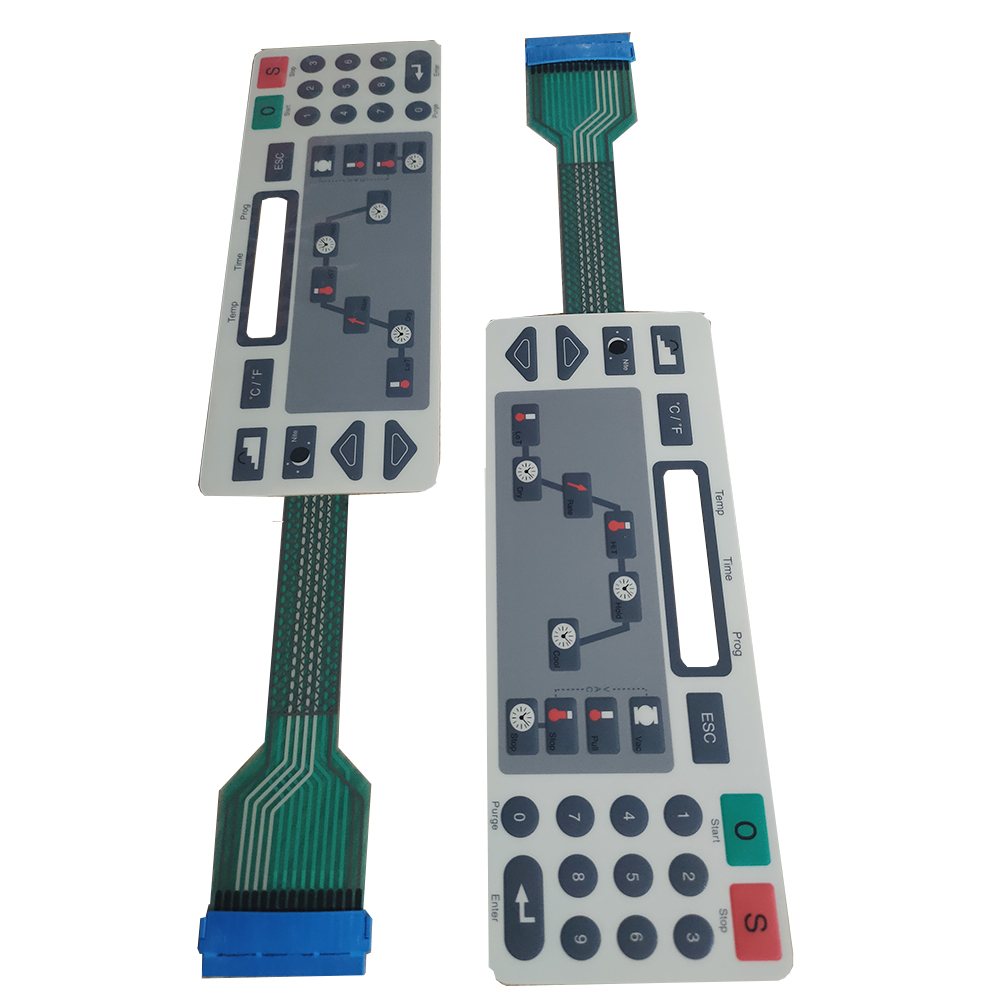
High Quality IP67 Waterproof 3M Adhesive Acrylic Metal/Poly Dome LCD Membrane Switch
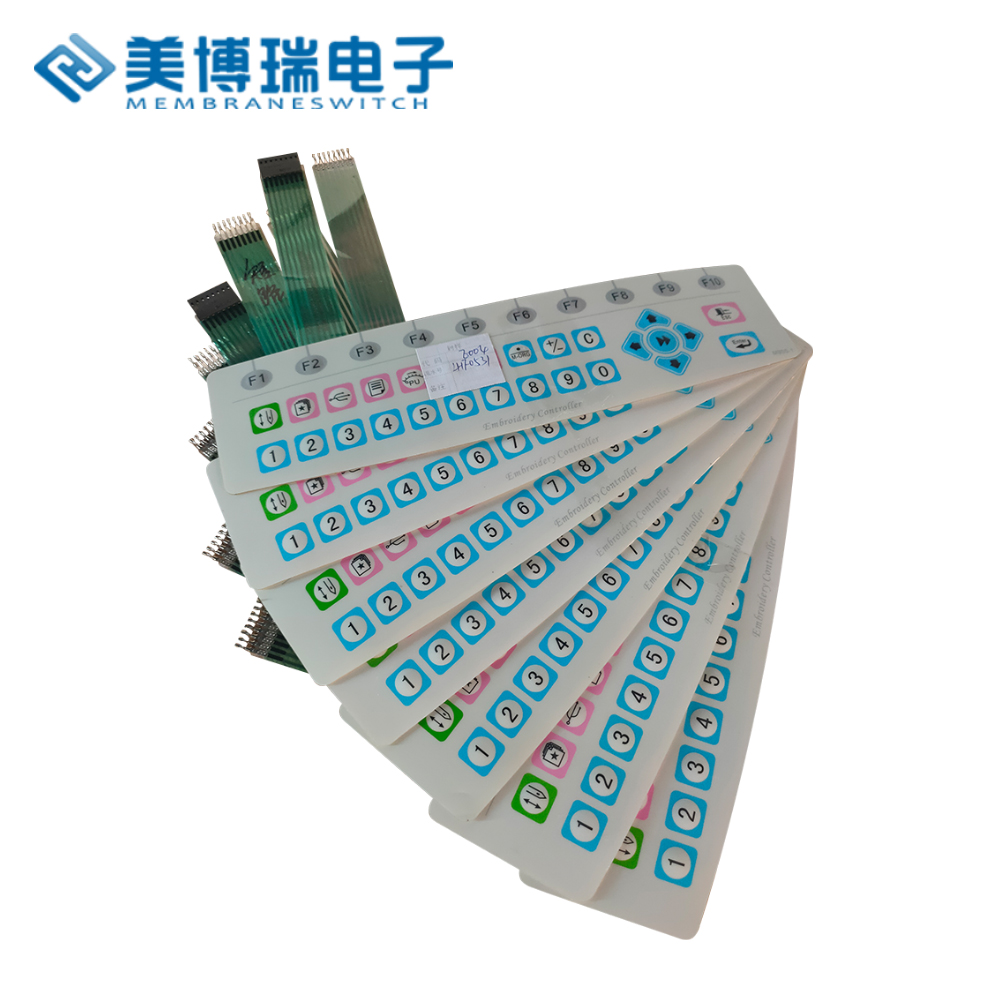
Custom MBR OEM Flexible Waterproof Membrane Keypad Anti-Dust Moisture Proof Control Panel
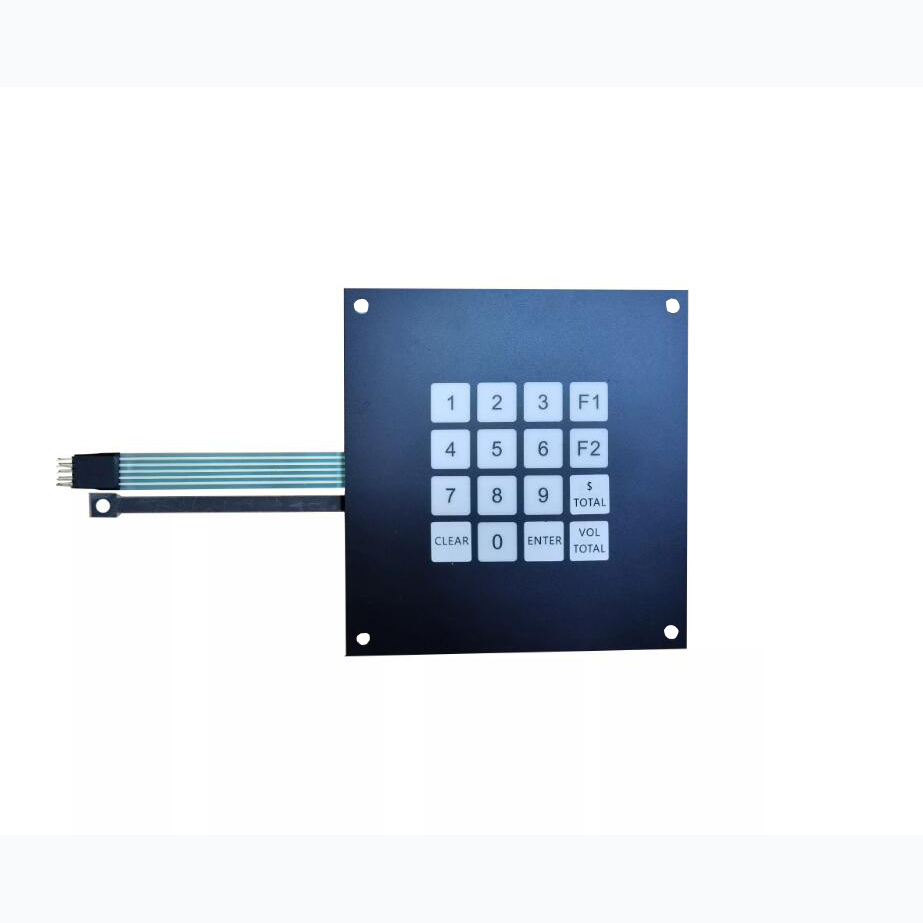
Custom Fuel Dispenser Oiling Machine with Membrane Keypad and Remote Controller
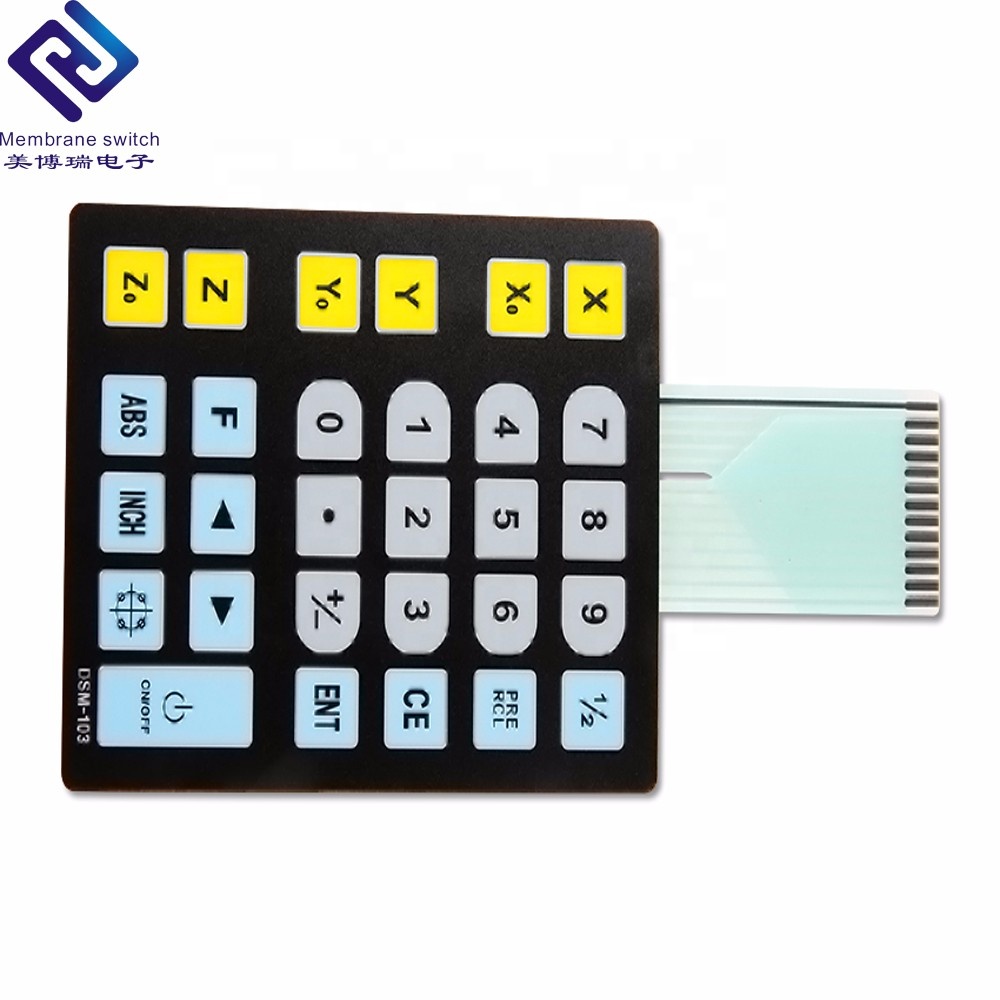
MBR High Quality IP67 Waterproof 3M Adhesive Flexible Cable Membrane Keypad
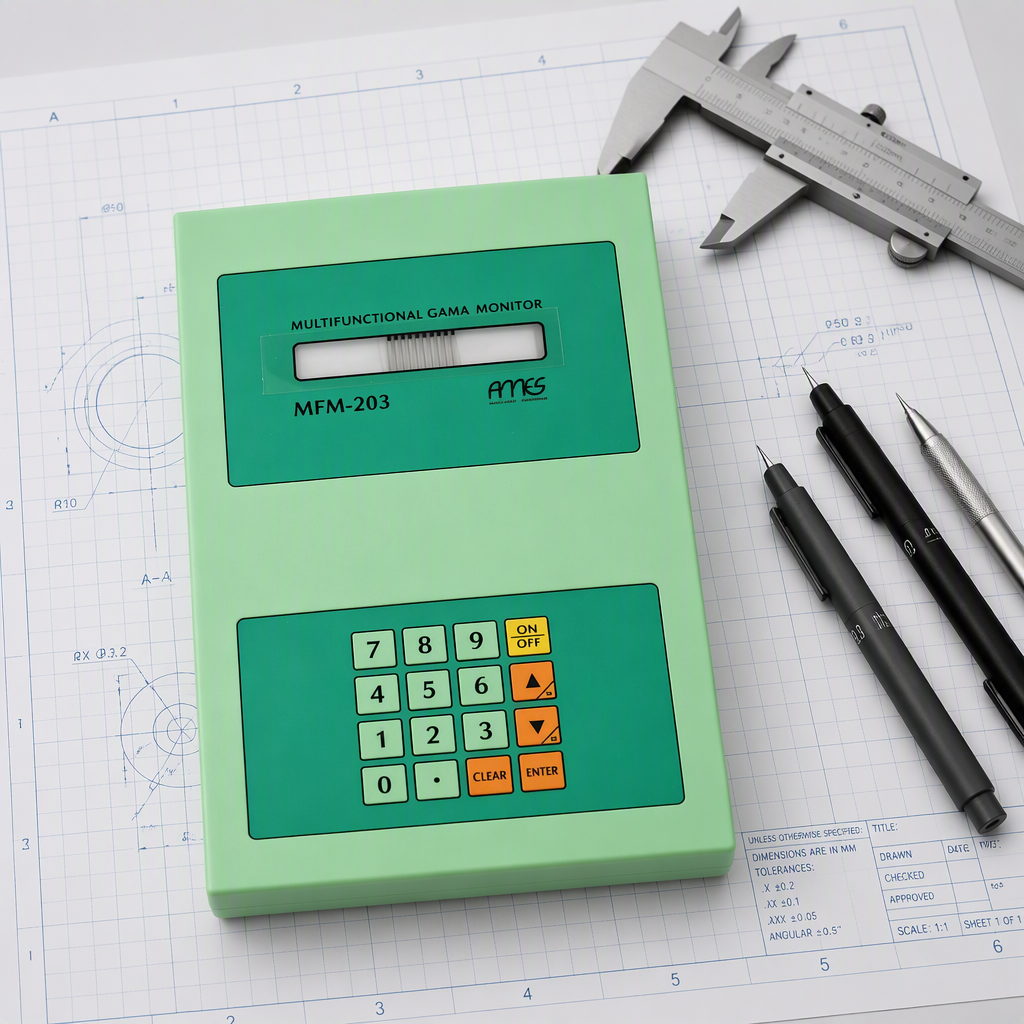
MBR IP67 Waterproof Industrial Membrane Keyboard PET Overlay for Equipment
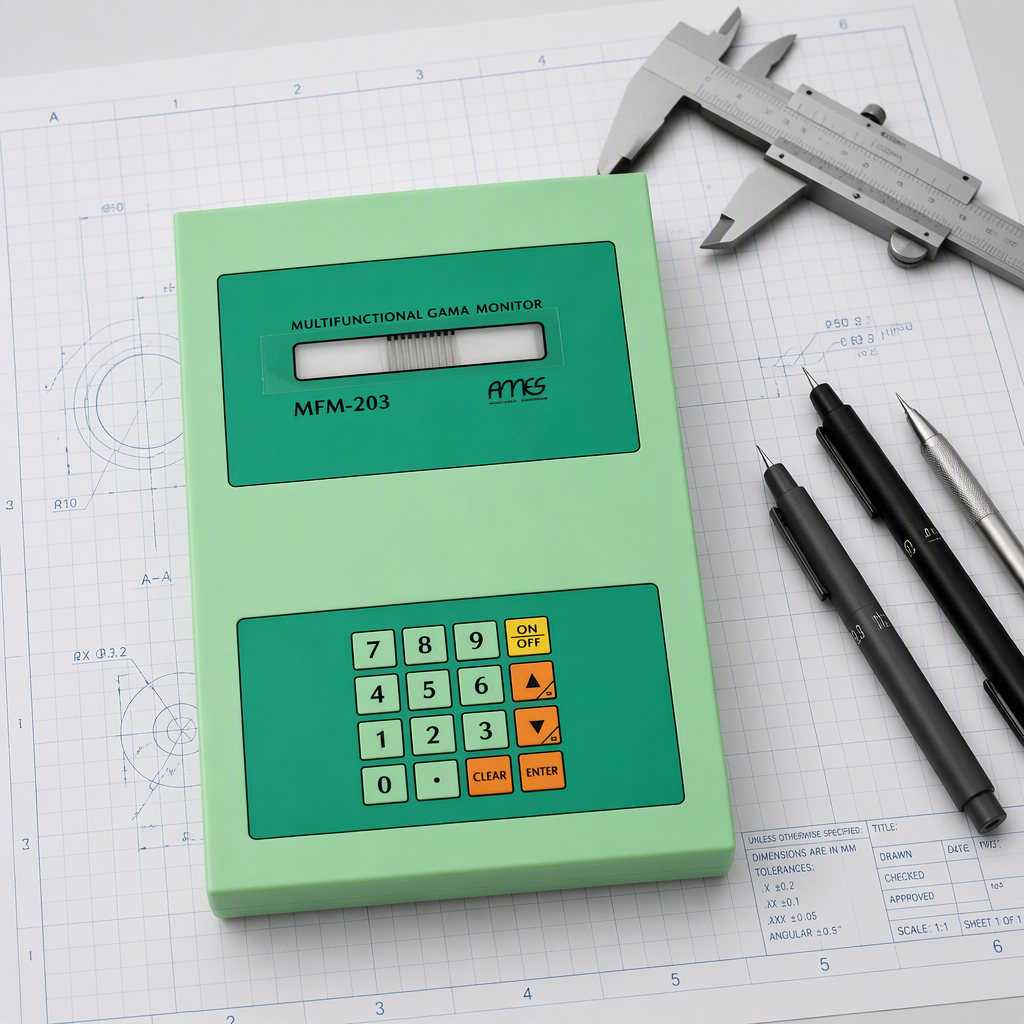
Waterproof Polyester Membrane Keypad Panel PET PC Plastic Keyboard Panel Mount
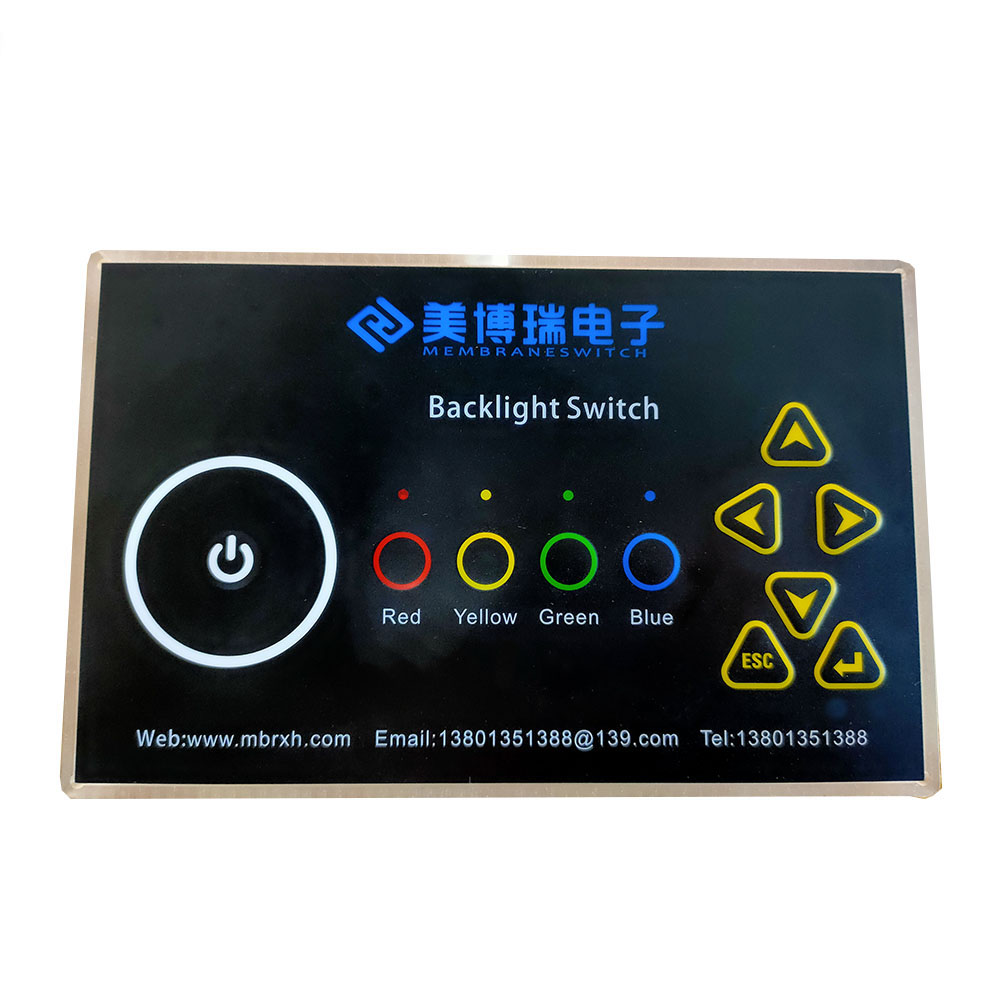
MEIBORUI MBR PBT Keyboard Cap PET Membrane Keypad Custom Color Silkscreen
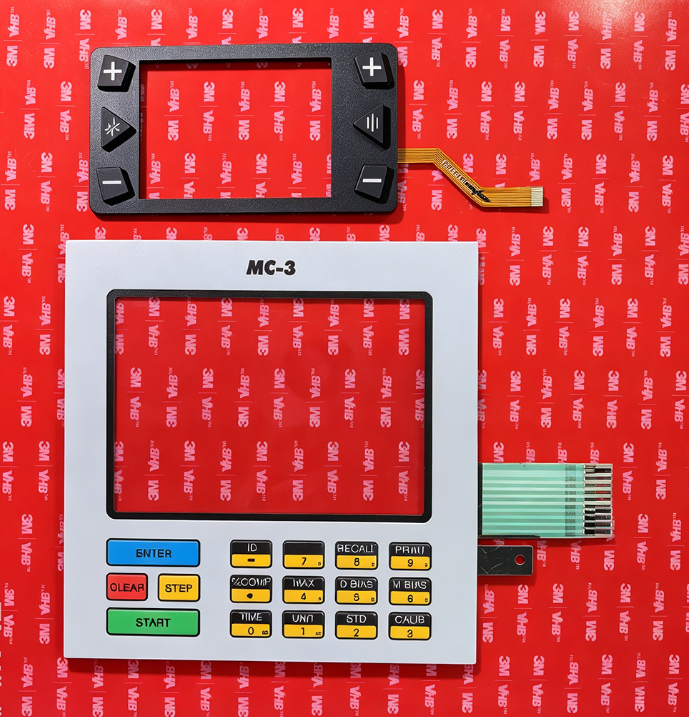
MBR High Quality IP67 Waterproof 3M Adhesive Flexible Cable Membrane Keypad
Industrial Control Panel Manufacturing for the Kingdom of Tonga
Deploying mission-critical instrumentation in the Kingdom of Tonga presents an extraordinary set of environmental and mechanical challenges. Positioned in the tropical South Pacific, operating equipment across Tongatapu, Vava'u, Ha'apai, 'Eua, and the outer Niuas must contend with relentless atmospheric salinity, year-round relative humidity fluctuating between 75% and 95%, intense ultraviolet index ratings, and periodic volcanic aerosol exposure. Standard commercial-grade membrane keyboards and plastic interface bezels rapidly delaminate, undergo electrolytic silver migration, or suffer optical clouding under these demanding Polynesian conditions.
As an authoritative global manufacturer of human-machine interfaces (HMIs) with more than three decades of specialized precision fabrication, we engineer robust instrument control panels tailored specifically for the harsh environmental and operational realities of Pacific island territories. By combining marine-grade biaxially oriented polyethylene terephthalate (PET) overlays, hermetically sealed perimeter adhesive barriers, gold-flashed tactile metal domes, and flexible copper printed circuits (FPC), our control panel assemblies provide uninterrupted operating lifespans across Tonga's primary productive sectors.
Environmental Vulnerability Mitigation: The Pacific Saline Matrix
Marine aerosols carry highly conductive sodium chloride and magnesium ions directly into electrical enclosure vents. When non-sealed interface switches breathe during diurnal heating and cooling cycles, moisture condensates across the circuit substrate. Our Tonga-destined control panels utilize continuous-perimeter gasket seals, gas-permeable Gore-Tex hydrophobic membrane vents, and moisture-impermeable 3M 300LSE adhesive matrices that withstand ASTM B117 salt fog corrosion testing exceeding 500 continuous hours without trace electrical leakage.
Critical Local Application Scenarios Across the Tongan Archipelago
Modernization initiatives driven by public utilities, maritime operators, agricultural processing plants, and telecommunications networks require dedicated control panel designs engineered for specific island use cases:
Tonga Renewable Energy & Microgrids
Under the Tonga Energy Road Map (TERM), hybrid solar PV-battery systems and distributed diesel microgrids across outer islands like Ha'apai demand resilient inverter controllers and battery energy storage system (BESS) monitor panels with sunlight-readable, UV-resistant display windows.
Maritime Vessels & Port Infrastructure
Commercial tuna longliners, inter-island ferries serving Queen Salote Wharf in Nuku'alofa, and dockside crane automation require IP67/IP68 washdown-rated navigation telemetry consoles, bilge pump control pads, and deck winch safety controllers impervious to sea spray.
Agricultural Processing & Cold Storage
From vanilla drying sheds in Vava'u to squash pumpkin sorting lines and root crop processing facilities in Tongatapu, our panels offer chemical washdown resistance against sanitizers, agricultural dusts, and continuous thermal cycles in blast freezers.
Remote Telecommunication Repeaters
Tonga's island-spanning microwave and cellular communications stations located on exposed ridgelines depend on hermetically sealed telemetry keypads that operate maintenance-free for decades under unrelenting equatorial UV exposure.
Desalination & Water Purification
Reverse osmosis (RO) plants in low-lying atolls facing saline groundwater intrusion require NEMA 4X / IP66 rated front panels that resist high-pressure salt brine, chlorine dosing agents, and chemical cleaning solutions.
Fuel Dispensing & Hydrocarbon Handling
Bulk petroleum depots and harbor fueling stations across Nuku'alofa require intrinsically safe, fuel-resistant membrane interfaces engineered to survive diesel mist, unleaded petrol splashing, and electrostatic discharge.
Engineering Whitepaper: Technological Evolution & Material Selection (2025–2030)
Procuring instrument control panels for remote South Pacific deployment requires moving beyond obsolete silver-screened ink pathways on cheap PVC films. In tropical environments where humidity consistently exceeds 85%, standard silver trace migration represents the single leading cause of switch circuit shorting. When electrical potential is applied across adjacent silver conductors in the presence of adsorbed moisture, silver ions dissolve and redeposit along micro-fissures, forming dendrites that irreversibly bridge contacts.
Our manufacturing facility eliminates this risk through high-reliability engineering configurations specifically specified for high-humidity oceanic microclimates:
| Engineering Attribute | Standard Commercial Grade | Our Marine-Grade Island Specification | Performance Gain in Tonga |
|---|---|---|---|
| Overlay Material | Standard Polycarbonate (PC) | Autotex XE Hardcoated Polyester (PET) | Zero UV Yellowing Resists 10+ yrs Pacific sunlight |
| Circuit Architecture | Screen-Printed Silver Ink | Polyimide Flexible Copper Circuit (FPC) | Zero Migration Eliminates dendrites in 95% humidity |
| Tactile Dome Metallurgy | Bare Stainless Steel Domes | Gold or Nickel-Plated Stainless Steel | >1M Actuations Contact resistance stays <1Ω without oxide |
| Mounting Adhesive | Standard Rubber-based Adhesive | 3M 300LSE / 467MP High Performance Acrylic | Chemical Seal Resists plasticizer migration & salt spray |
| Ingress Rating | IP54 Dust Resistant | True IP67 / IP68 Submersion Hermetic Seal | Hermetic Cavity Repels driving monsoons & washdown |
| Window Optical Clarity | Air-Gap Unbonded Window | Optically Clear Adhesive (OCA) Bonding | Anti-Condensation Eliminates internal lens fogging |
Advanced Backlighting & Night Operation in Oceanic Environments
Maritime navigational safety and remote substation monitoring during nocturnal power outages require uniform, non-glare illumination. Traditional discrete LED arrays create localized hotspots and excess thermal buildup, accelerating localized adhesive degradation. Our factory specializes in Light Guide Film (LGF) integration and micro-thin LED edge-coupling. By engineering micro-etched light extraction patterns directly into optical-grade polyurethane films, our instrument panels achieve perfectly uniform illumination across symbols, legends, and dead-front borders while consuming less than 20% of the electrical power needed by conventional incandescent or EL backlighting systems—an essential metric for remote battery-powered installations in Ha'apai and Vava'u.
Our In-House Industrial Production Ecosystem
Unlike trading brokers, every stage of our instrument panel production—from initial CAD schematics to laser tooling, precision screen printing, surface mounting, and automated testing—is executed strictly within our own facilities.
Dual-Base Manufacturing
Equipped with primary facilities in Xianghe Economic Zone, Hebei, and secondary processing operations in Huizhou, Guangdong, our 2,219㎡ manufacturing footprint allocates high-precision tooling and automated production lines without subcontractor delays.
Machinery & Tooling Strength
Our workshop houses 60 CNC mold-making machines, 37 precision screen printers, 18 laser profiling cutters, 4 Mimaki digital UV printers, and 7 digital engravers, enabling rapid prototype turnaround in under 5 business days.
German Engineering Heritage
Maintaining active technical cooperation with German membrane switch specialists, our production aligns with rigorous European mechanical tolerances, DIN standards, and advanced OCA vacuum lamination methodologies.
Rigorous Test Laboratory
Every batch destined for Oceania undergoes comprehensive verification: computer circuit continuity analyzers, 1-million-cycle button life testers, programmable -40°C to +120°C climatic chambers, and automated ASTM B117 salt fog chambers.
Frequently Asked Questions for Sourcing to Tonga
Practical technical, logistical, and commercial answers for electrical engineers, plant managers, and procurement directors coordinating equipment builds in Tonga.
Equip Your Tongan Project with Engineered Control Panels
Collaborate directly with our senior application engineering team. We review your mechanical enclosures, calculate switch actuation force curves, recommend optimal environmental barriers, and provide comprehensive DFM (Design for Manufacturability) analysis free of charge.
Connect With Engineering
Get instant technical feedback on your CAD drawings and circuit schematics.
Send an Inquiry