Specialized Instrument Overlays & HMI Assemblies
Precision-screened, UV-cured graphic overlays, elastomeric tactile assemblies, and sealed membrane switch panels custom-manufactured in our ISO 9001 certified plant for Freeport's critical infrastructure.
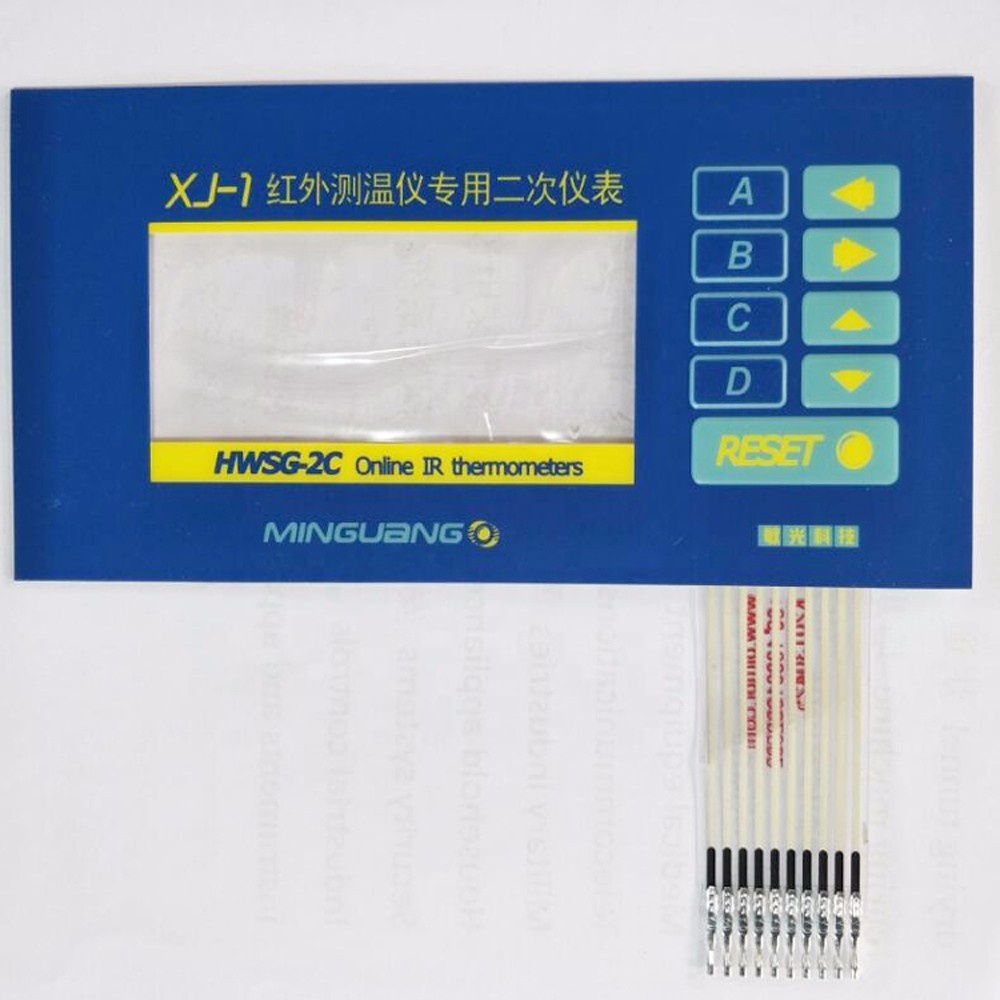
Fast Delivery OEM PBT Keyboard Cap Mechanical Switch Compatible Silkscreen Printed 2.54mm Pitch ISO Certified Factory Direct
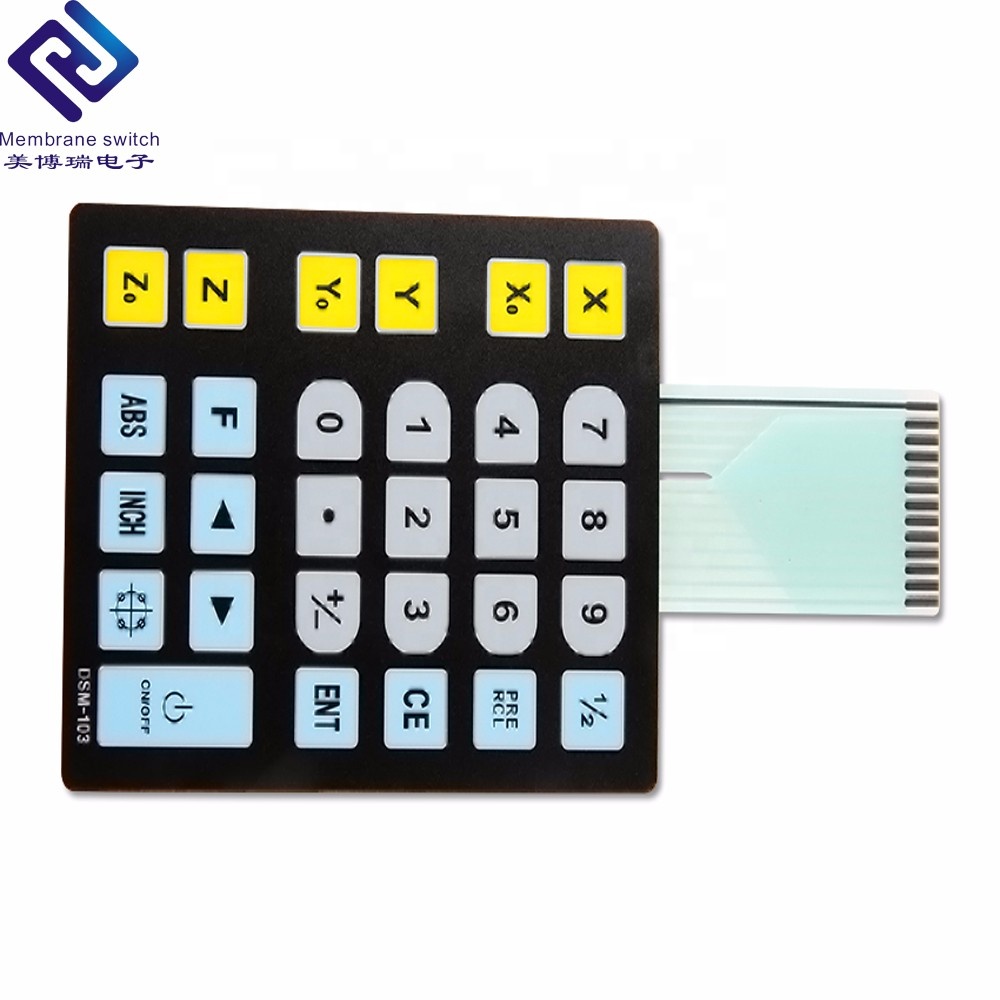
Factory Membrane Switch Keypad with Rubber Buttons 4*4/1*4/3*4/4*5 Layout MCU Expansion Electronic Keyboard
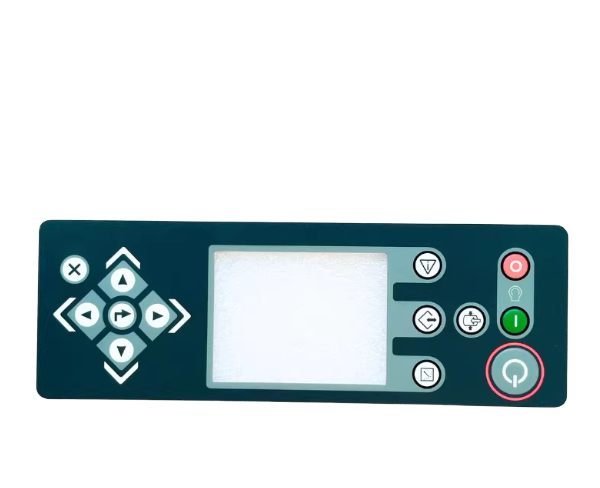
Custom Flexible Temperature Touch Control Keypad Membrane Panel Clear Transparent Window Waterproof Eco-friendly PET HMI
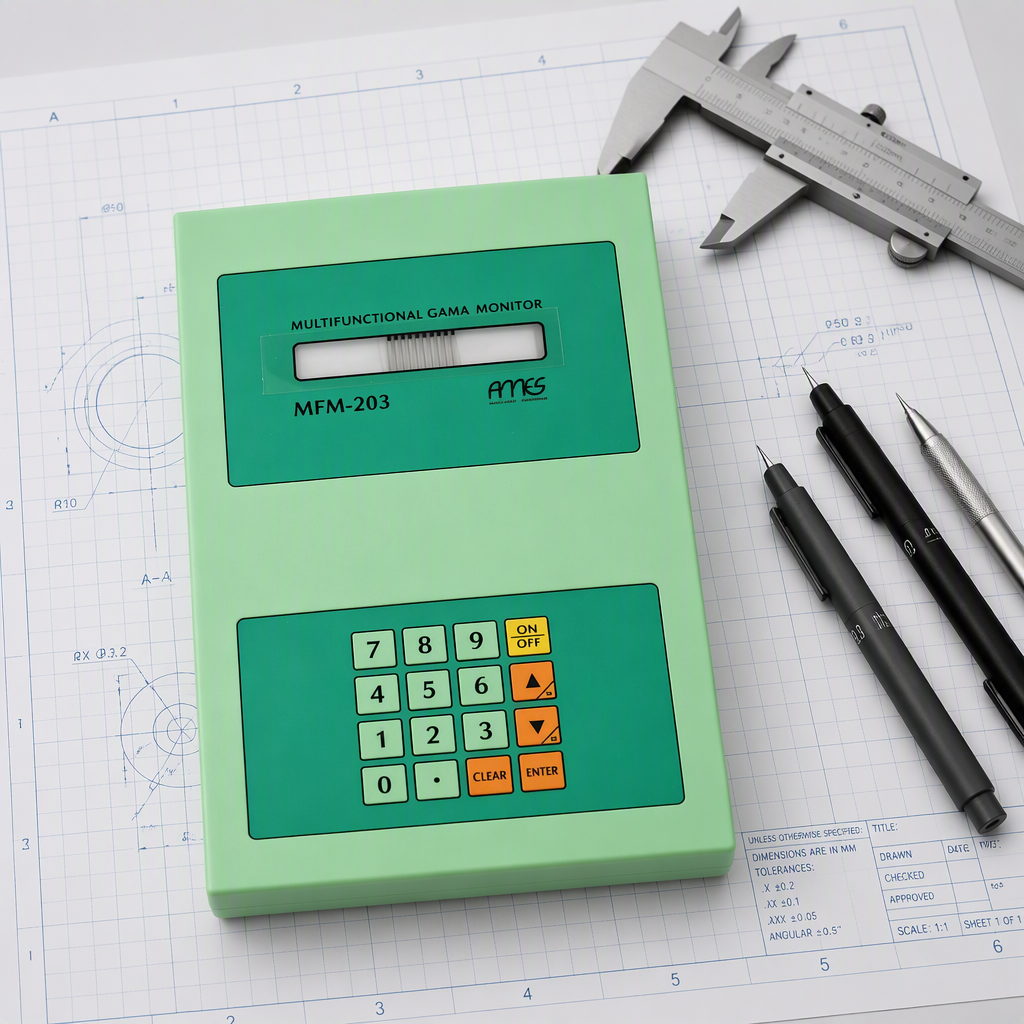
MBR IP67 Waterproof Industrial Membrane Keyboard PET Overlay for Telecommunication Equipment (OEM/ODM Model)
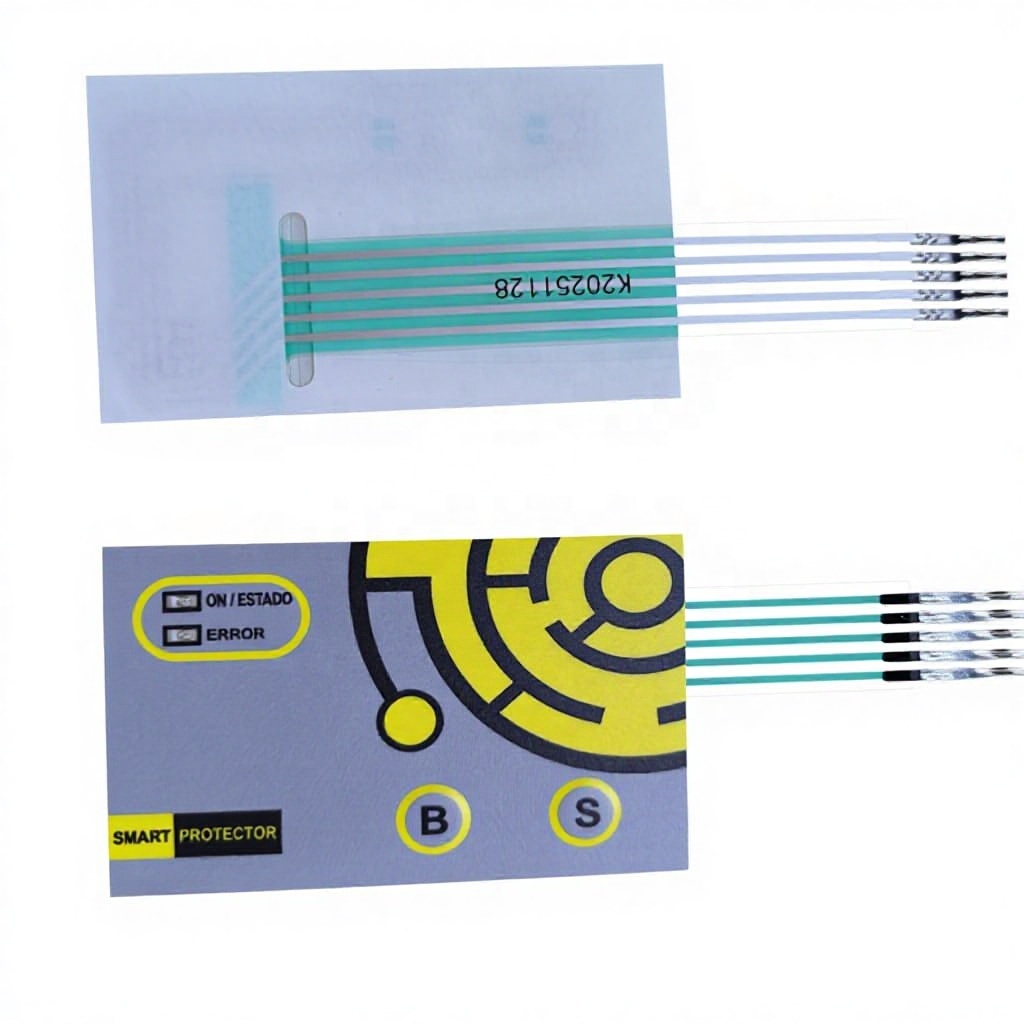
Fast Delivery OEM Waterproof Membrane Keyboard PBT Keyboard Cap Mechanical Switch Compatible Factory Direct Supply Free Sample
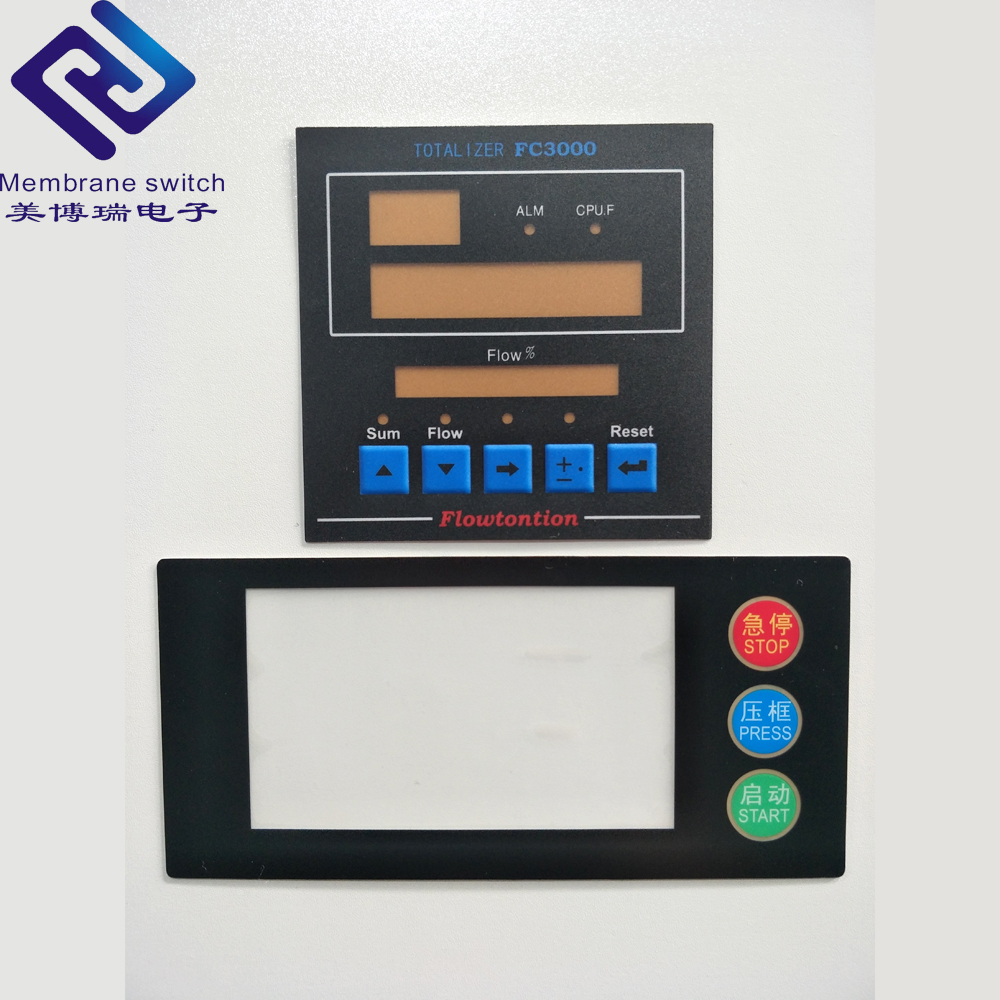
High Quality IP67 Waterproof 3M Adhesive Metal/Poly Dome LCD Membrane Switch Custom Keypad Flexible Cable Telecommunication
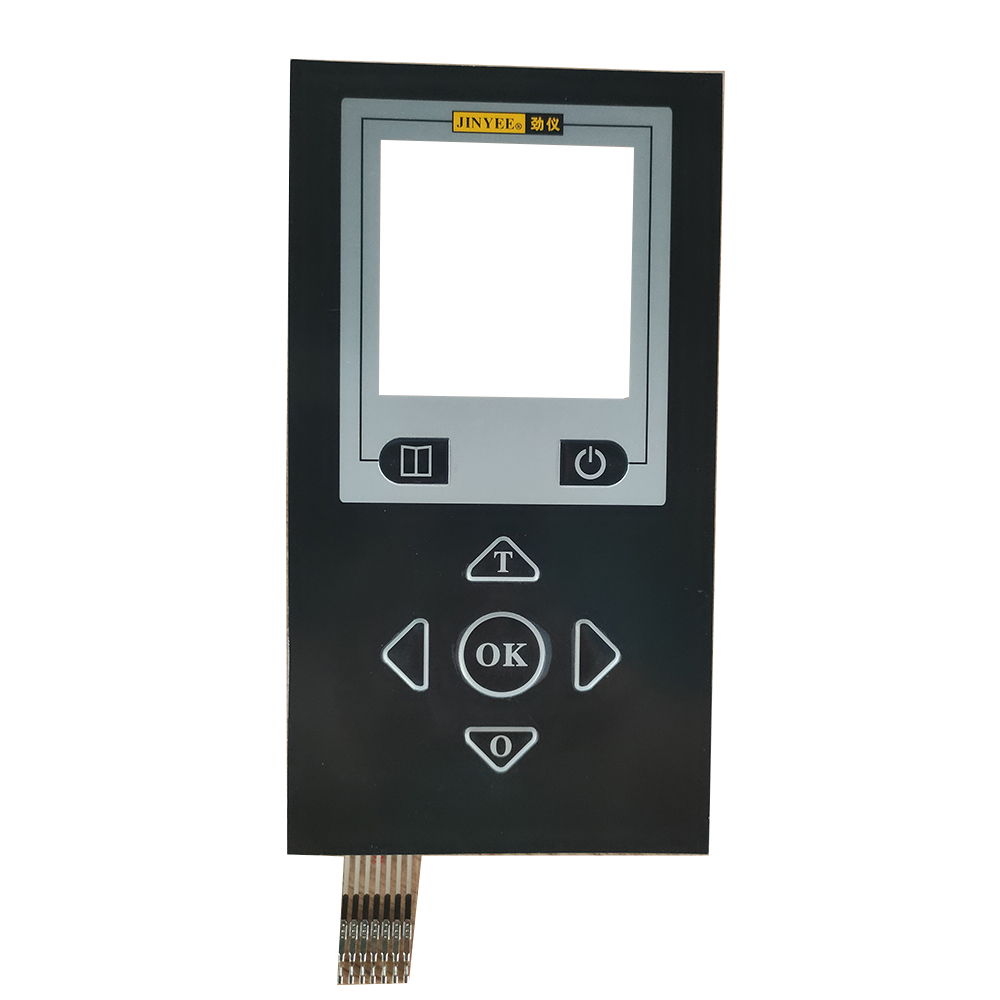
MBR IP67 Waterproof Industrial Membrane Keyboard with PET Overlay for Telecommunication Equipment (CN OEM/ODM Model)
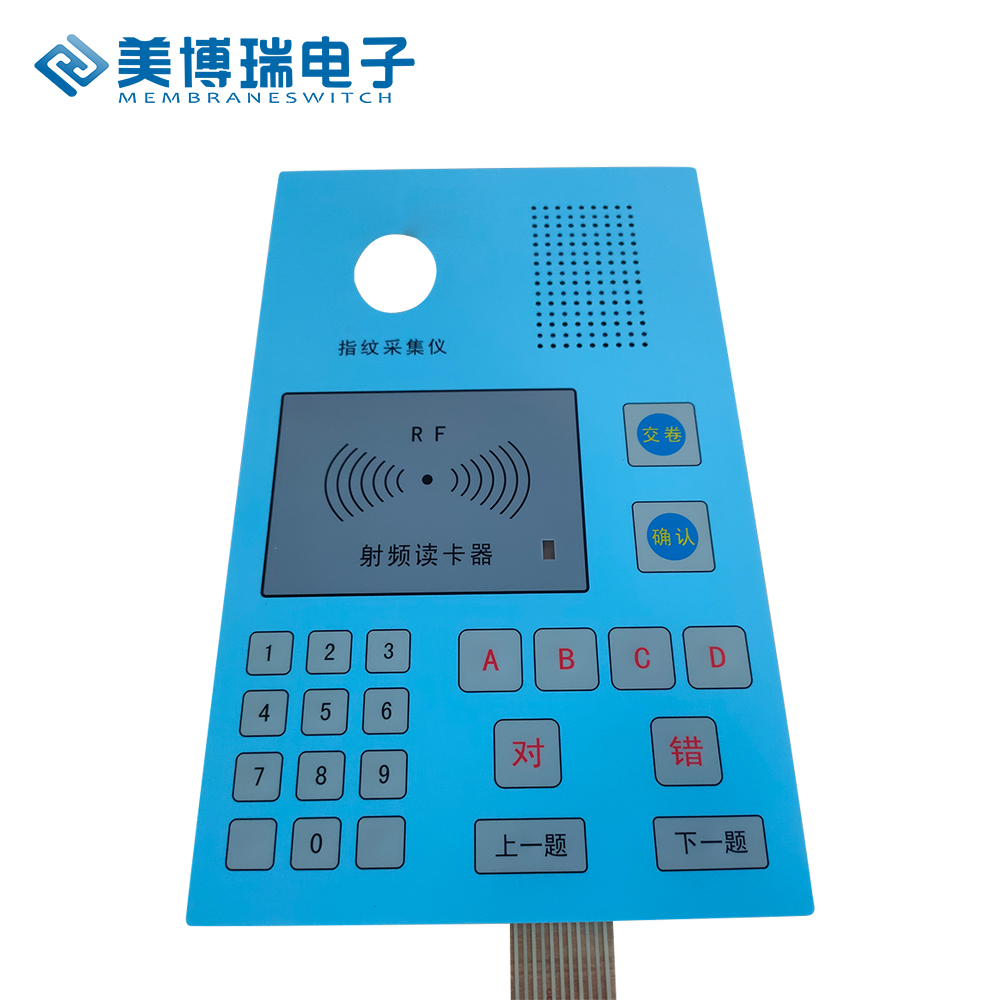
MBR ISO9001 Certified Environmentally Sealed Membrane Switches Keypad IP65 Waterproof 3M Adhesive Silver Ink Keyboard PET/PC/PVC
Designing Graphic Overlays for Gulf Coast Atmospheric Rigor
Why standard commercial-grade front panels fail in coastal Texas, and how advanced sub-surface fluoropolymer, PET, and high-performance adhesives deliver a ten-year MTBF in offshore and chemical installations.
Industrial operations in Freeport, Texas, inhabit one of the most mechanically and chemically aggressive microclimates in North America. Frontline human-machine interfaces (HMI) and instrument graphic overlay panels installed within the Freeport petrochemical nexus, the deepwater marine port, and the surrounding liquefied natural gas (LNG) infrastructure endure a punishing combination of marine salt aerosol (sodium chloride fog), prolonged solar ultraviolet radiation (UV-A and UV-B), high ambient humidity cycling (up to 98% RH), and atmospheric airborne hydrocarbons such as ethylene, toluene, benzene, and caustic hydrogen sulfide (H2S).
When engineering graphic overlays for Freeport instrumentation, standard surface-printed plastics and commodity grade polycarbonates undergo rapid micro-crazing, yellowing, ink delamination, and tactile dome failure within 6 to 18 months. As an established custom manufacturer with over 30 years of specialized domain expertise, our facility engineers instrument graphic overlay panels that incorporate sub-surface second-surface printing on biaxially oriented polyester (PET) films—specifically hardcoated Autotex® XE and chemically stabilized Lexan™ resins—laminated with engineered 3M acrylic structural adhesives. The resulting assemblies provide a hermetically sealed, impervious barrier that isolates internal electronic circuits, display modules, and tactile switches from caustic external ingress.
| Substrate Parameter | Autotex® XE Outdoor PET (Recommended) | Hardcoated Polycarbonate (PC) | Standard Untreated Polyester | Standard Cast Acrylic (PMMA) |
|---|---|---|---|---|
| Salt Spray Corrosion (ASTM B117) | Exceeds 2,000 Hours (Zero blistering) | 1,000 Hours (Prone to edge lift) | 500 Hours (Vapor permeation) | 1,200 Hours (Brittle cracking) |
| Aromatic Hydrocarbon Resistance | Immune to Diesel, Benzene, MEK, Xylene | Poor; crazes on ketone contact | Moderate; potential delamination | Very Poor; catastrophic dissolve |
| UV Accelerated Aging (ASTM G154) | >5,000 hrs Xenon Arc without yellowing | Requires UV inhibitor; yellows <2 yrs | Embrittles rapidly under UV | High optical clarity; poor impact flex |
| Actuation Flex Fatigue (Switch Domes) | >5,000,000 Switch Cycles | <100,000 Cycles (Stress fractures) | >1,000,000 Switch Cycles | Non-tactile; zero flexing capability |
| Continuous Service Temperature | -40°C to +85°C (-40°F to 185°F) | -30°C to +105°C (-22°F to 221°F) | -20°C to +60°C (-4°F to 140°F) | -20°C to +70°C (-4°F to 158°F) |
Target Application Scenarios Across Freeport Industrial Ecosystem
From the Brazos River navigational channel to multi-billion-dollar olefin synthesis facilities, discover how our custom graphic overlays secure mission-critical HMI field operations.
LNG Cryogenic Liquefaction & Loading Terminals
Cryogenic terminal operations—including LNG vapor recovery skids, nitrogen purging stations, and ship-to-shore marine transfer monitoring racks—demand panels operable under extreme thermal swings and high gas ignition potential. We engineer static-dissipative conductive grid backings, explosion-proof tactile assemblies, and zero-spark hermetically enclosed metal dome switches compliant with Class I, Division 2 hazard mandates.
Petrochemical Cracking & Polyethylene Plants
In Freeport’s massive integrated chemical complexes, graphic overlays face continuous washdown regimens with aggressive industrial solvents, sodium hydroxide sterilizers, and aromatic hydrocarbons. Our textured polyester overlays utilize selective UV-curable hardcoats over anti-glare display windows, allowing operators wearing thick safety gloves to trigger tactile feedback while preventing washdown moisture from bridging internal circuit traces.
Offshore Supply Vessels & Marine Cargo Systems
Brazos Harbor and Port Freeport marine equipment—including ballast control monitoring consoles, winch telemetry indicators, and hydraulic power units (HPUs)—require IP67-rated water-impervious sealing. By utilizing 3M 300LSE adhesive gaskets and peripheral liquid barrier dams, our panels prevent capillary saltwater intrusion, eliminating trace oxidation and silver migration across the internal conductors.
HMI & Instrument Control Trends in the Freeport Industrial Hub
How automation upgrades, carbon capture initiatives, and digital modernization projects across Brazoria County are reshaping control panel specifications.
Optical Clarity & OCA Display Bonding
Modern analytical transmitters and gas chromatographs require sunlight-readable TFT/OLED displays. We incorporate optically clear adhesives (OCA) and anti-reflective, non-glare textured PET windows that eliminate internal ambient air gaps, boosting direct readability under direct Freeport midday sunlight.
LGF Backlighting for 24/7 Night Operations
Refineries and dock facilities operate around the clock. By embedding ultra-thin Light Guide Film (LGF) powered by side-firing surface-mount LEDs, our graphic overlays deliver uniform key legend illumination with minimal parasitic current draw, eliminating hot spots without causing cockpit glare.
Flexible Copper (FPC) Circuit Migration
As telemetry density increases within compact field transmitters, industrial clients are shifting from printed silver conductive ink to double-sided polyimide Flexible Printed Circuits (FPC). Etched copper traces offer zero silver-migration risk and reliably support direct SMT resistor and sensor integration.
Rigid Metal Backer & Stud Integration
To withstand intense mechanical vibration around high-pressure natural gas compressors, graphic overlays are increasingly manufactured with pre-bonded anodized aluminum or 316 stainless steel backing plates complete with pem studs, delivering direct drop-in cabinet structural mounting.
Why Global Leaders Entrust Their Interfaces to TAVO
Founded in 1990, TAVO Electronic Information Technology Co., Ltd. has developed into a dedicated HMI manufacturing powerhouse. We operate a dual-factory network spanning 2,219 square meters in the Robot Industry Port of Xianghe (Hebei) and our high-volume processing base in Huizhou (Guangdong). This allows us to load-balance production with extreme flexibility.
Our long-term technical cooperation with a renowned German membrane switch facility has embedded rigorous European engineering practices into every phase of our operations. From CAD design, precision laser plotting, and multi-color silk screening to 60 CNC mold tooling systems, 18 precision laser cutting centers, and class-10,000 cleanroom laminating, we retain complete vertical control under one roof.
Certified Reliability Protocol
- Automated 1,000+ Hr Salt Fog Exposure Lab
- Xenon Lamp UV Accelerated Aging Chamber
- Programmable Humidity & Thermal Cycling
- 100% Computerized Circuit Open/Short Continuity
- Dynamic Actuation Fatigue Testers (>5M actuations)
Frequently Asked Questions for Freeport Sourcing Managers
Direct technical answers addressing environmental tolerances, turnaround schedules, UL certifications, and custom graphic overlay procurement.
How do your overlays withstand Freeport's coastal salt fog?
Our overlays for maritime and Gulf Coast deployment use chemically inert Autotex® XE polyester combined with high-performance 3M 300LSE or 468MP acrylic adhesive systems. All graphics are printed on the reverse (second surface), sealing inks completely away from environmental exposure. Finished builds undergo in-house ASTM B117 salt spray testing for over 1,000 hours with zero edge curling, adhesive lifting, or optical degradation.
Can you support rapid MRO plant shutdown turnarounds?
Yes. Scheduled plant turnarounds across Freeport's petrochemical corridor require rapid delivery cycles. With in-house laser cutting, digital Mimaki UV printing, and 60 CNC precision mold-making machines, we can deliver functional prototypes and short-run production batches within 5 to 7 business days, bypassing the multi-week delay typical of conventional tooling.
What adhesive systems do you specify for powder-coated housings?
Industrial enclosures throughout Brazoria County are typically powder-coated or cast aluminum with low surface energy (LSE). We specify high-strength modified acrylic adhesives such as 3M 300LSE, 3M 9472LE, or structural transfer tapes, ensuring exceptional peel adhesion greater than 50 oz/inch without requiring surface primers.
Do your materials comply with UL 94 flammability ratings?
Yes. We offer flame-retardant polycarbonate and polyester substrates that meet UL 94 V-0, VTM-0, and V-2 flammability ratings. This compliance is essential for electrical distribution switchgear, transformer monitors, and control consoles governed by NFPA 70 / NEC standards in petrochemical facilities.
Can deadfront indicators and secret-until-lit graphics be produced?
Absolutely. By fine-tuning ink opacity through multi-pass screen printing and custom halftone diffusion coatings, we create deadfront warning lights and status indicators. These graphics remain completely invisible when unlit, illuminating brightly in red, green, amber, or blue only during active alarm or process alerts.
What engineering files are needed to begin custom production?
We accept vector graphic drawings in Adobe Illustrator (.AI), AutoCAD (.DXF / .DWG), CorelDraw (.CDR), and vectorized PDF. Our 10-person engineering department translates your key dimensions, transparent window cutouts, embossing profiles, and circuit pin-outs into full production tooling prints for your sign-off before manufacturing starts.
Request an Engineering Consultation & Material Test Kit
Collaborate directly with our senior HMI design engineers. Submit your panel drawings, environment specs, and dimensional constraints to receive DFM feedback, material recommendations, and factory-direct pricing within 24 hours.