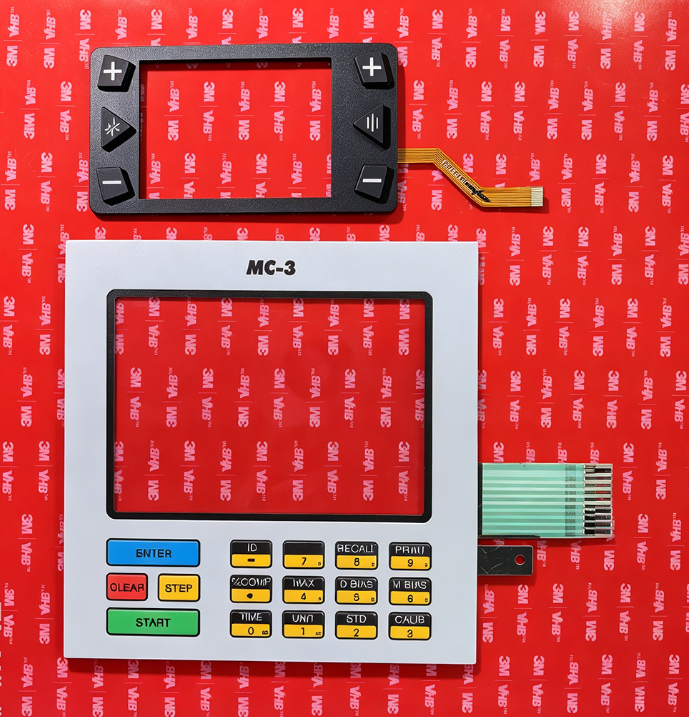
IP67 Rated
3M 300LSE/467MP
Tactile Dome
Precision-Engineered Human-Machine Interfaces (HMI), Tactile Membrane Switches, and Backlit Control Assemblies Engineered for Central European Automotive, Robotic Automation, and Precision Medical Hubs.
Manufactured to rigid ISO 9001 and Intertek-verified benchmarks. Our precision silicone rubber, copper FPC, and engineered PET/PC matrices offer superior chemical resistance, crisp tactile response, and hermetic sealing for the Danube industrial corridor.
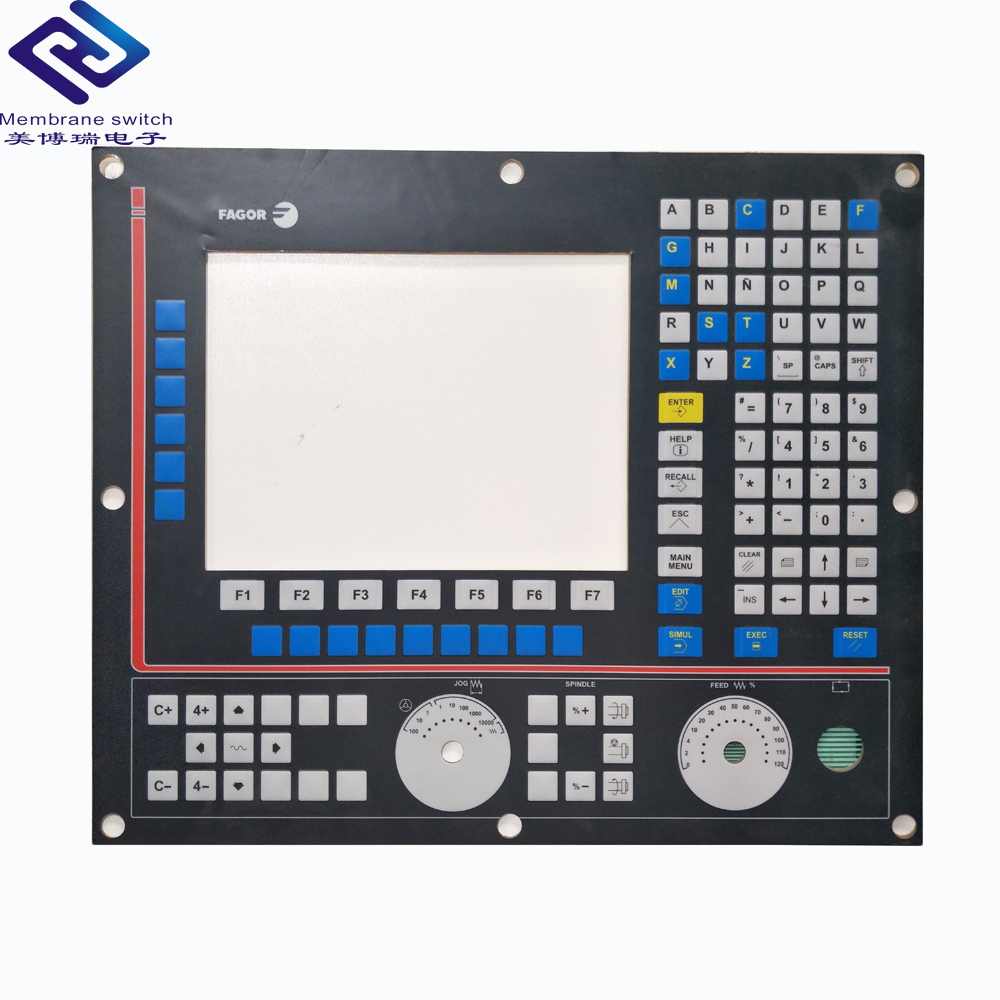
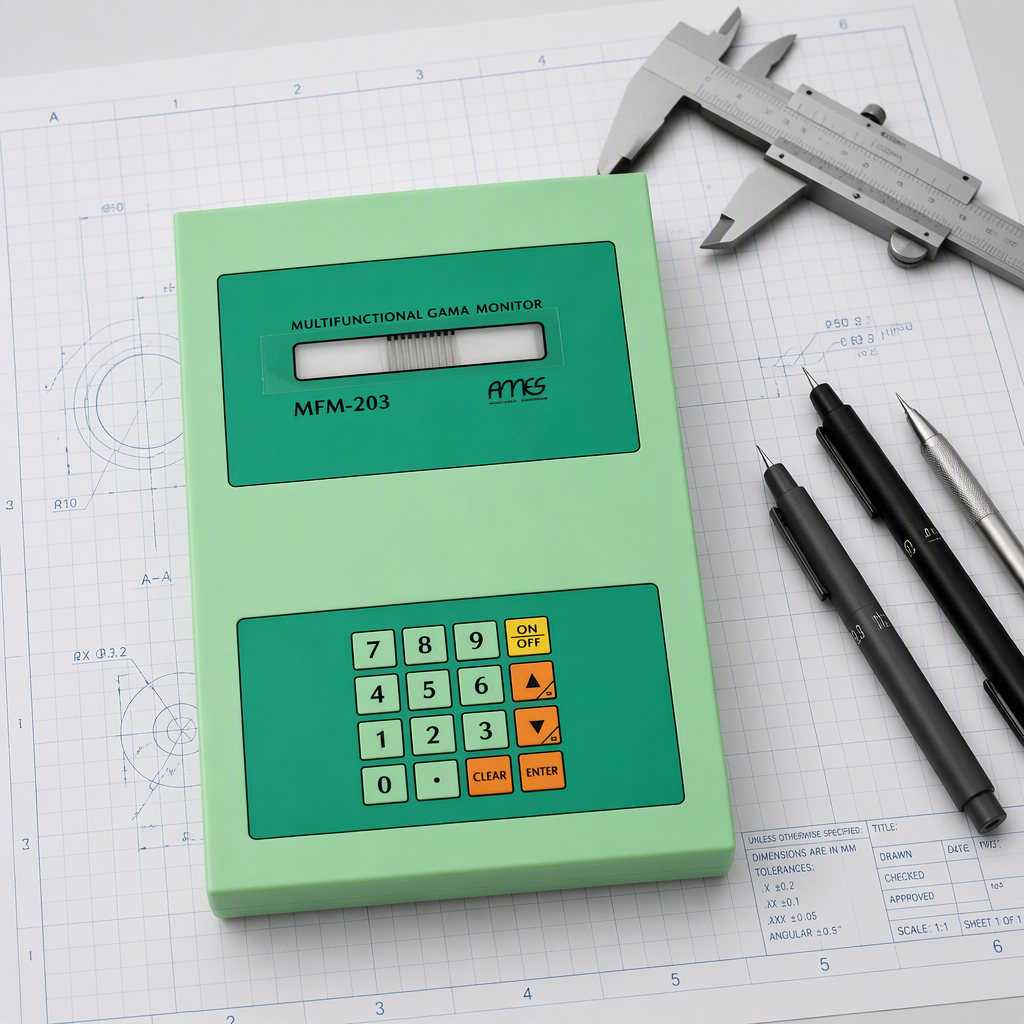
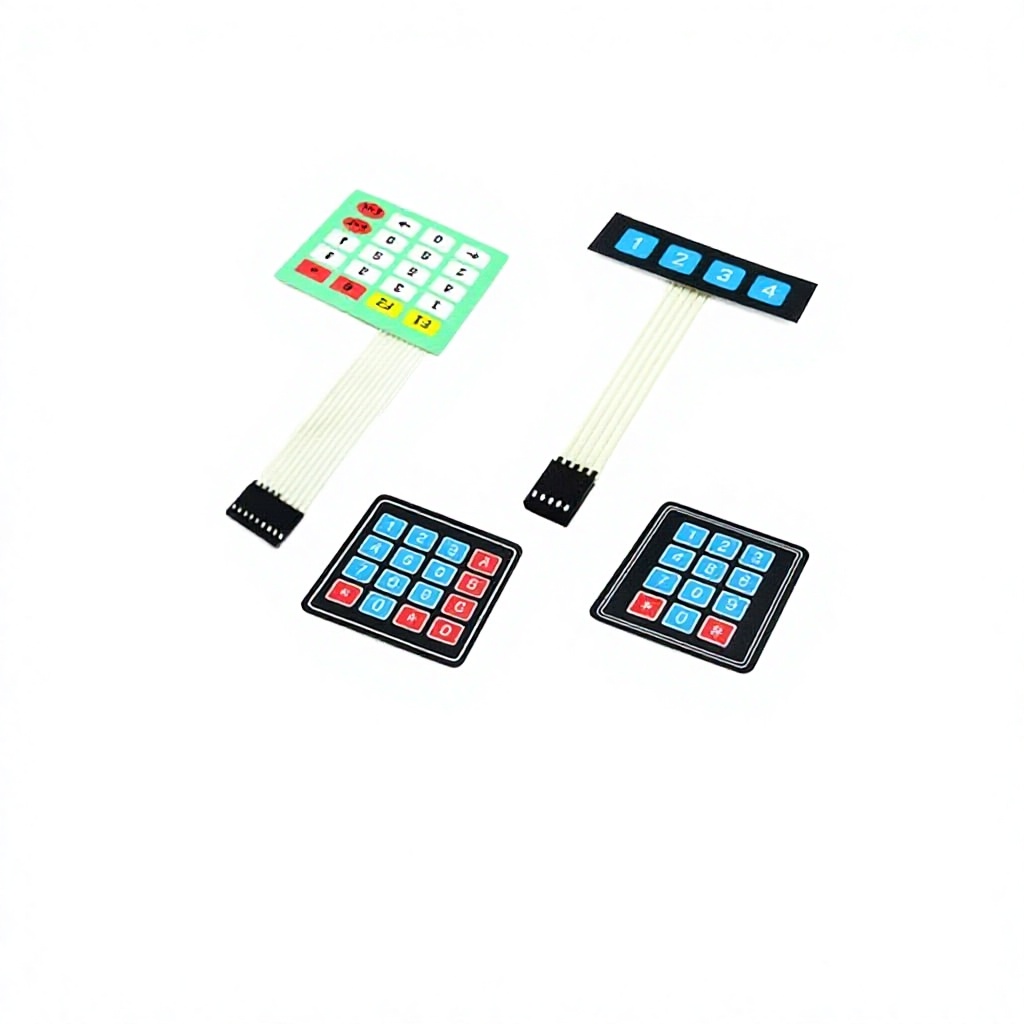
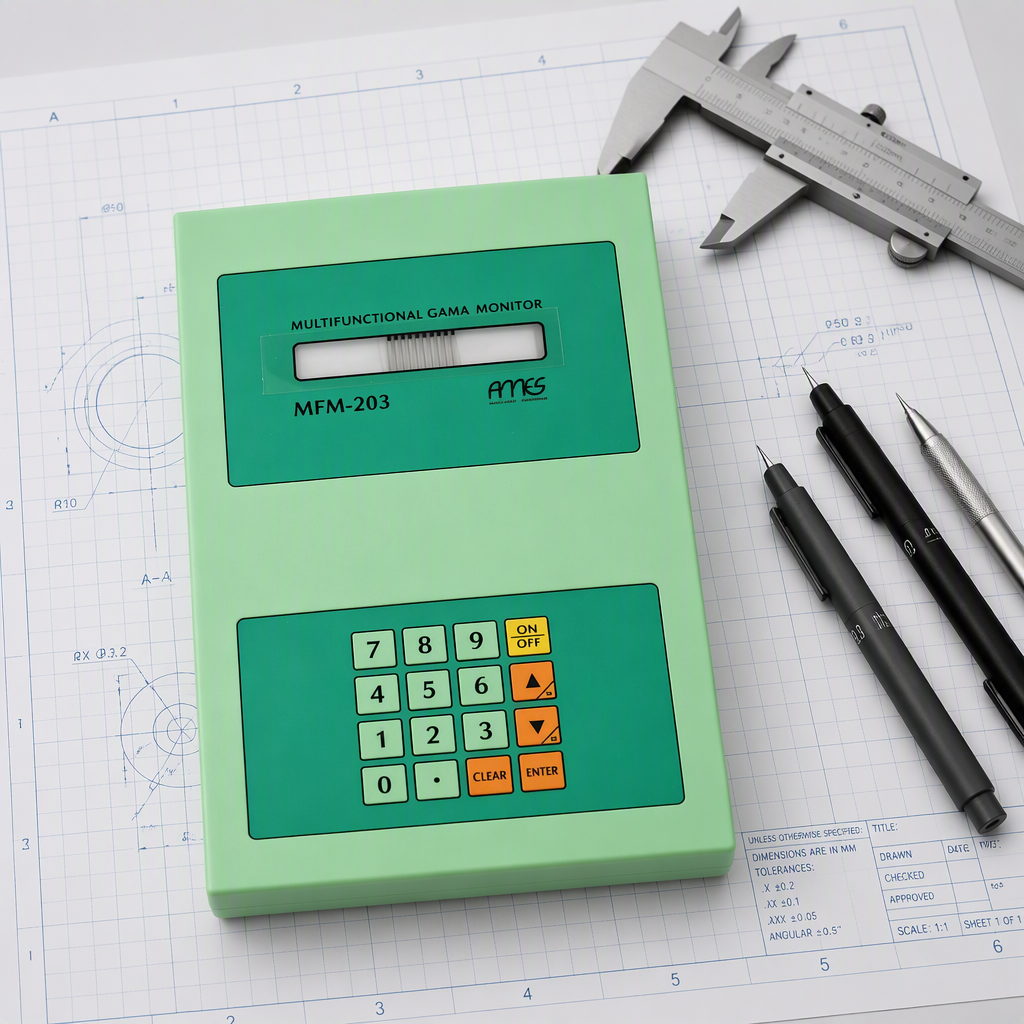
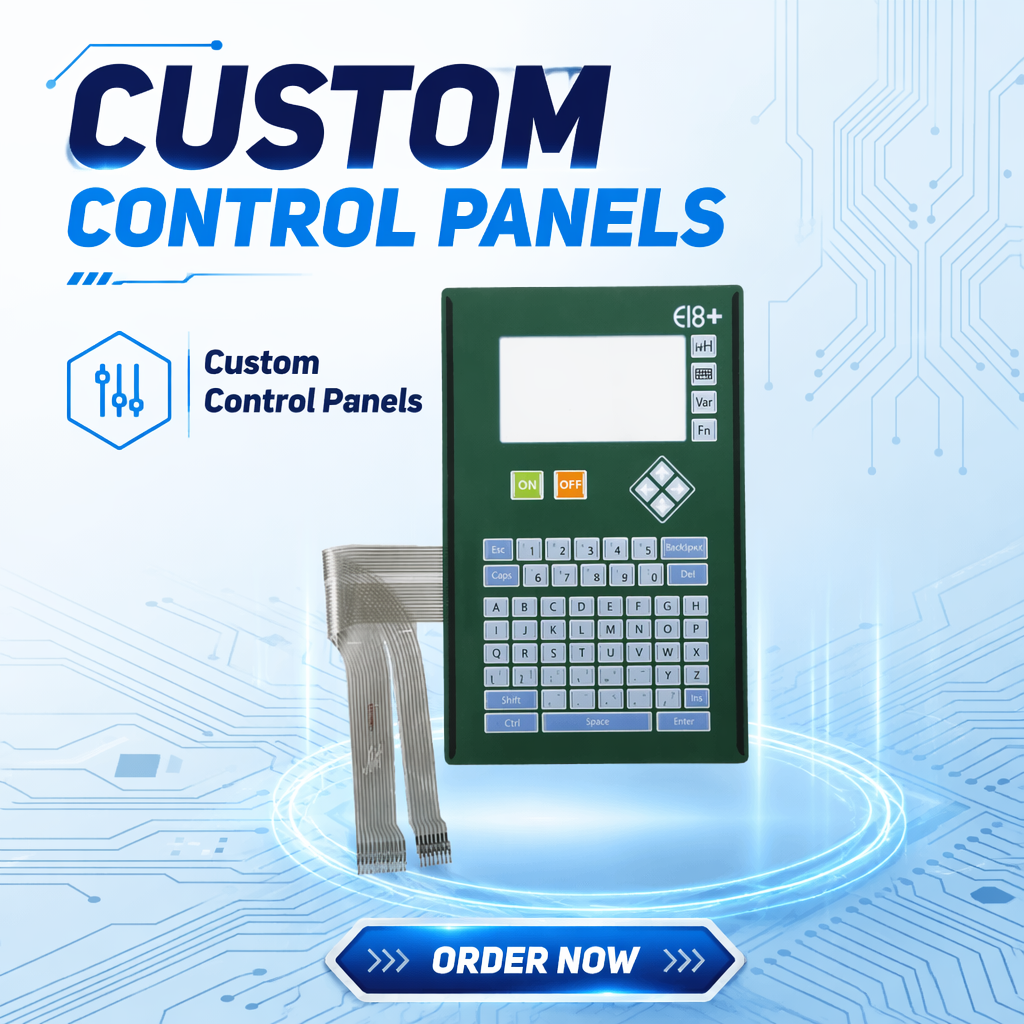
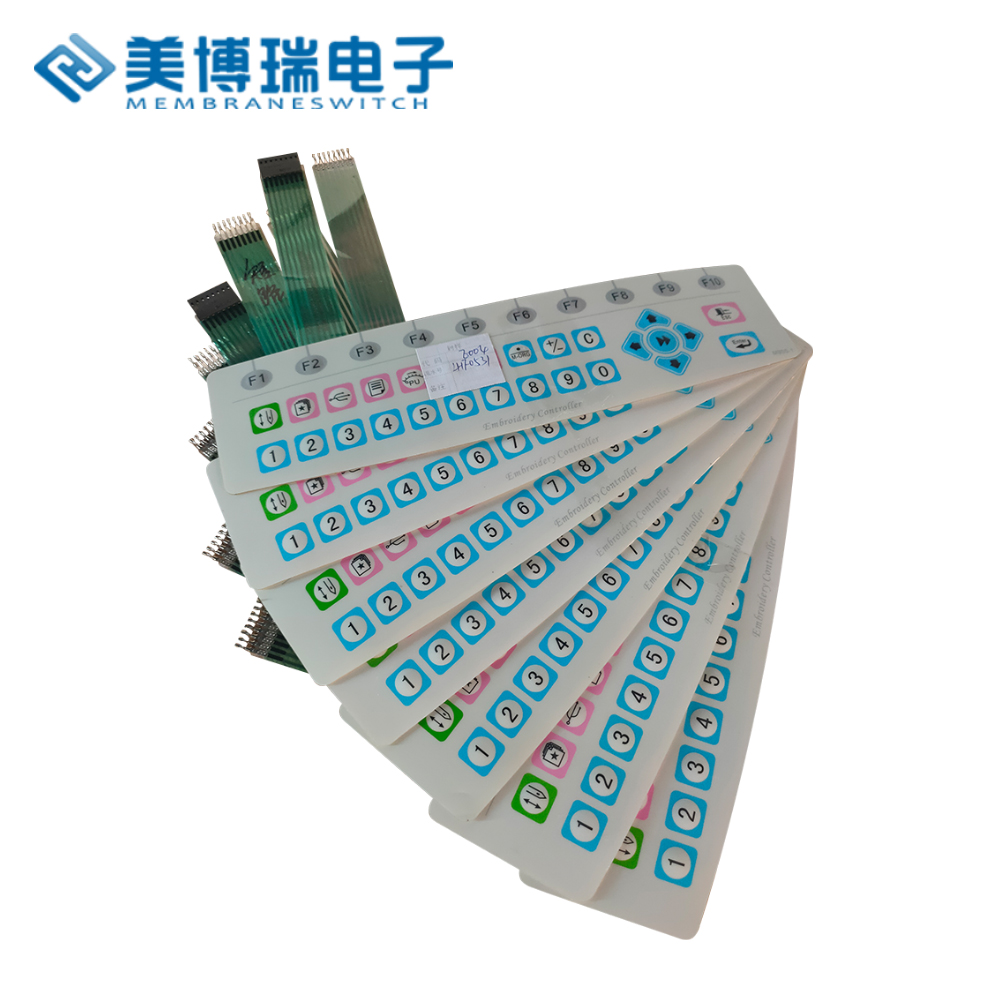
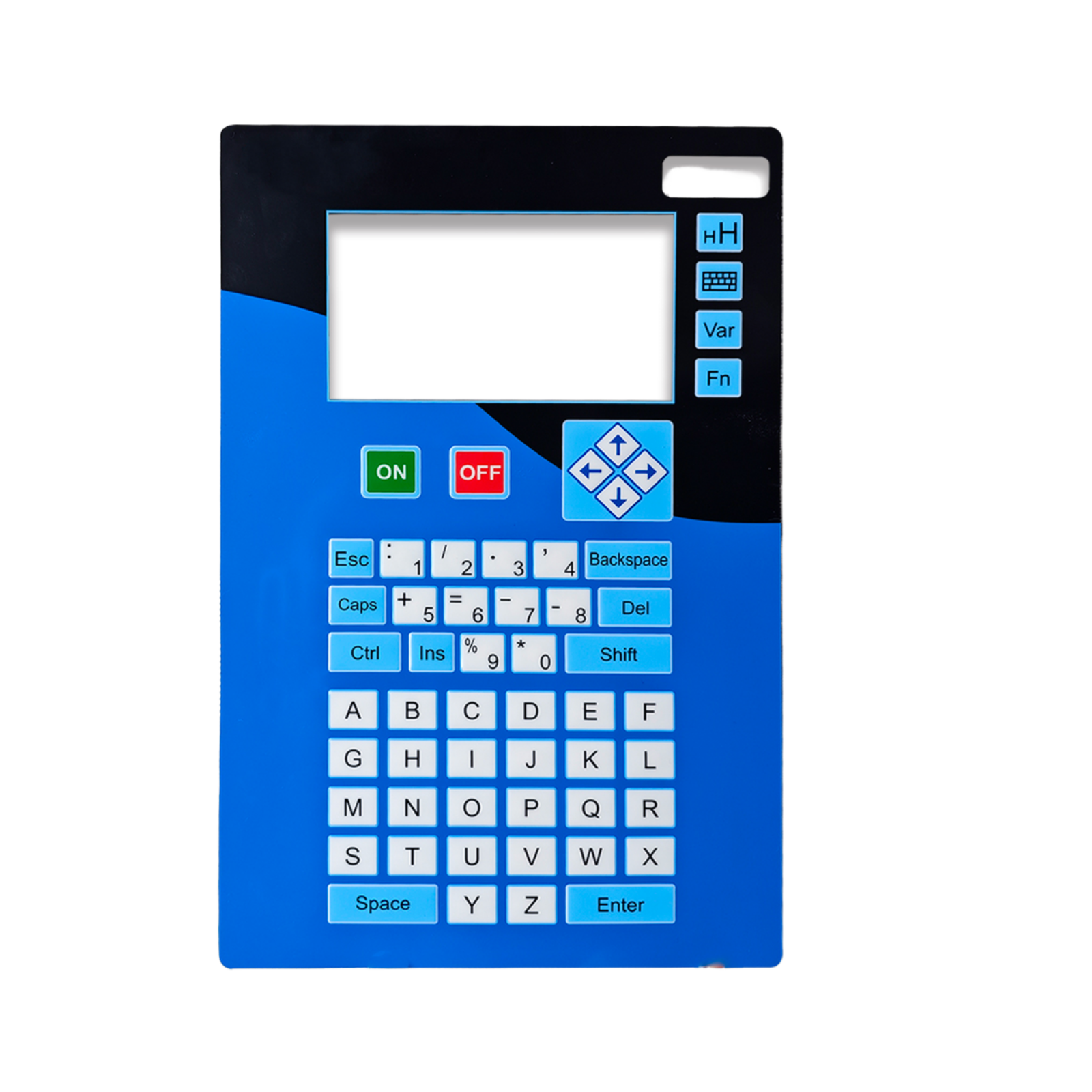
A rigorous examination of material science, backlighting dissipation, and environmental longevity for Central European manufacturing centers.
The industrial corridor traversing the Bratislava-Trnava-Nitra triangular zone stands as one of the densest automotive and high-precision electromechanical manufacturing clusters in the European Union. Procurement authorities, hardware system architects, and instrumentation engineers within Western Slovakia encounter uniquely stringent operating specifications. Human-Machine Interface (HMI) modules, laser-etched silicone elastomer keypads, and flexible printed membrane assemblies must endure rigorous thermal cycles, aggressive hydrocarbon washdowns, high-frequency physical actuations, and strict electromagnetic interference (EMI) restrictions.
Traditional silkscreen printing mechanisms, while viable for standard indoor commercial controllers, present systemic degradation liabilities when exposed to industrial lubricants, continuous mechanical friction, or automated UV sterilization cycles. Our engineering approach directly addresses these failure vectors through advanced laser ablation technologies applied to double-coated, UV-cured silicone elastomers and fluoropolymer formulations. By precisely removing an opaque topcoat via computer-guided industrial lasers (calibrated down to 10-micron beam accuracy), we uncover translucent translucent matrices that guarantee crisp, non-fading keycap legends with micron-level edge sharpness.
Integrating these tactile surface solutions with internal FPC (Flexible Printed Circuit) substructures and stainless steel tactile domes ensures an actuation lifespan exceeding 1,000,000 to 5,000,000 cycles without contact bounce degradation. Operating beneath automotive testing protocols (such as DIN EN 60068 environmental profiles) and industrial cabinet standards (IP65, IP67, and IP68 hermetic ratings), our laser-etched keypad modules utilize authentic 3M 300LSE and 467MP adhesive barrier systems. These layers provide complete chemical immunity against diesel emissions, cutting fluids, and aggressive alkaline wash solutions common to Slovakian robotic production lines.
Furthermore, in response to rising demand across Bratislava’s MedTech and laboratory testing clusters, our assemblies incorporate Light Guide Film (LGF) and precision surface-mount diode (SMD) optical arrays. This allows uniform nocturnal illumination down to 0.05 cd/m² variance without generating localized thermal dissipation issues. The result is a monolithic, highly tactile, and environmentally sealed switching interface optimized for automated manufacturing, surgical diagnostics, and specialized heavy machinery.
Strategic deployment architectures tailored to match the specific requirements of leading manufacturing sectors operating in Bratislava and adjacent automotive corridors.
Directly supporting Tier-1 and OEM automotive supply ecosystems throughout Devínska Nová Ves and Trnava. Engineered with high-durability laser-etched PBT/silicone interfaces, IP67 seals against coolants, and tactile snap-domes for testing instruments, engine diagnostics, and robotic workstation controls.
Engineered for laboratory testing equipment and medical consoles within Bratislava's biotechnology research centers. Flat-profile polyester graphic overlays with continuous anti-microbial surface treatments, OCA optically bonded inspection windows, and complete resistance to repeated alcohol-based disinfection wipes.
Built for industrial milling systems, CNC workstations, and metal fabrication machinery. Features an aluminum or FR4 rigid backer integration, robust EMI/RFI protective shielding, and high-actuation force (up to 400g) tactile switches designed to prevent accidental triggers by glove-wearing operators.
Leveraging deep manufacturing experience with high-speed railway and rolling stock infrastructure. Our switches provide flame-retardant (UL94-V0) polycarbonate substrates, vibration-proof ZIF cable terminations, and uniform LED indicator backlighting optimized for 24/7 continuous transport operations.
Deployed in automated distribution centers and material handling facilities surrounding Senec and Malacky. Lightweight, compact flexible printed circuit (FPC) keypads integrated into rugged handheld terminals, featuring drop-shock resistance, moisture ingress protection, and abrasion-proof key graphics.
Designed for industrial energy grids, power generation stations, and electrical distribution cabinetry across Central Europe. Fully sealed against sulfurous ambient environments with silver-migration mitigation circuits and gold-plated dome contacts to guarantee zero failure under high static discharge conditions.
How the evolution from mechanical switches to smart, backlit, and hybrid capacitive interfaces is shaping regional engineering procurement.
1. Shift from Silver Screen-Printed Ink to Copper FPC Substrates: While screen-printed conductive silver ink remains a cost-effective standard for straightforward, static environments, Bratislava’s advanced electronics sectors increasingly insist on Flexible Copper Printed Circuit (FPC) backings. Copper traces mitigate the risk of micro-fractures caused by continuous mechanical flexing and eliminate silver electromigration issues under sustained high-humidity conditions (e.g., standard testing cycles at 60°C / 90% RH). In addition, FPC substrates enable surface-mount technology (SMT), allowing resistors, LEDs, and integrated capacitive controller ICs to be populated directly onto the flexible switch matrix.
2. High-Efficiency Backlighting via Light Guide Film (LGF): Rather than integrating dozens of power-hungry discrete LEDs that lead to irregular hot-spots and excess thermal load within sealed housings, European system integrators now favor side-emitting LEDs combined with ultra-thin (0.125mm–0.25mm) micro-grooved Light Guide Film. LGF technology disperses light evenly across all laser-etched button characters, resulting in an exceptionally thin assembly profile, reduced electrical consumption, and enhanced legibility for control rooms, medical theaters, and vehicle consoles.
3. Hybrid Tactile-Capacitive Control Interfaces: In modern industrial and consumer electronics, engineers often avoid purely flat capacitive touch interfaces due to the lack of tactile feedback, which increases user error in fast-paced factory settings. The prevailing architecture combines capacitive proximity sensing for wake-up activation with embossed mechanical metal domes for critical process confirmations. This hybrid topology provides definitive tactile feedback while maintaining sleek, monolithic front aesthetics that are easy to sterilize.
4. Strict Compliance with European Green Directives: Sourcing managers within the European Union require comprehensive traceability and material purity. Membrane panels and laser-etched silicone components destined for Slovakia must fulfill stringent RoHS 3, REACH, and WEEE requirements. From halogen-free flame-retardant substrates to solvent-free adhesives and heavy-metal-free ink formulations, compliance must be verified at the raw material stage to ensure seamless supply chain clearance.
Combining three decades of precision membrane engineering with state-of-the-art dual-factory manufacturing, European technical collaborations, and rigorous in-house environmental validation.
Rooted in membrane switch engineering since 1990, our organization maintains long-standing technical collaboration with established German factories. This ongoing exchange of tooling standards, automated equipment protocols, and engineering personnel ensures every component matches Central European quality benchmarks.
From CAD engineering, film separation, and precision screen printing to digital UV reproduction, laser cutting, metal dome placement, cleanroom assembly, and automated electrical inspection—every production stage is executed within our own facilities. No third-party outsourcing means total control over design integrity and lead times.
With major production plants in Hebei (Xianghe Robot Industry Port) and Huizhou (Guangdong), orders are scheduled dynamically across facilities. This redundant production architecture protects your delivery timeline from localized supply disruptions or sudden surges in order volume.
We do not rely on passive visual checks. Every batch is evaluated in our internal testing laboratory, which is equipped with computerized continuity analyzers, button life-cycle test beds (up to 5 million strikes), programmable humidity/temperature chambers, xenon aging instruments, and automated salt-fog chambers.
More than simple graphic panels: we supply fully integrated electro-mechanical sub-assemblies. We bond laser-etched silicone covers and tactile membrane circuits directly onto CNC-milled aluminum backers, steel baseplates, or populated FR4 PCBs, complete with LCD displays and custom wiring harnesses.
With an experienced 20-person international trade division working across European business hours, we achieve a 93.7% rapid inquiry turnaround. Our senior engineering team reviews and approves incoming CAD, DXF, or Gerber files within 24 business hours to keep project schedules on track.
Essential guidance covering technical file preparation, rapid prototyping, environmental durability, and European logistical delivery.
Consult with our senior membrane switch and laser-etching engineering team today. We provide comprehensive design evaluations, material recommendations, and tailored quotations for industrial projects across the Bratislava region and wider European markets.