High-Reliability Backlit Membrane Switches & Control Panels
Engineered for high-duty cycling, exceptional tactile feedback, and total ingress protection against moisture, dust, industrial oils, and aggressive washdowns in compliance with EN 60529 and European CE standards.
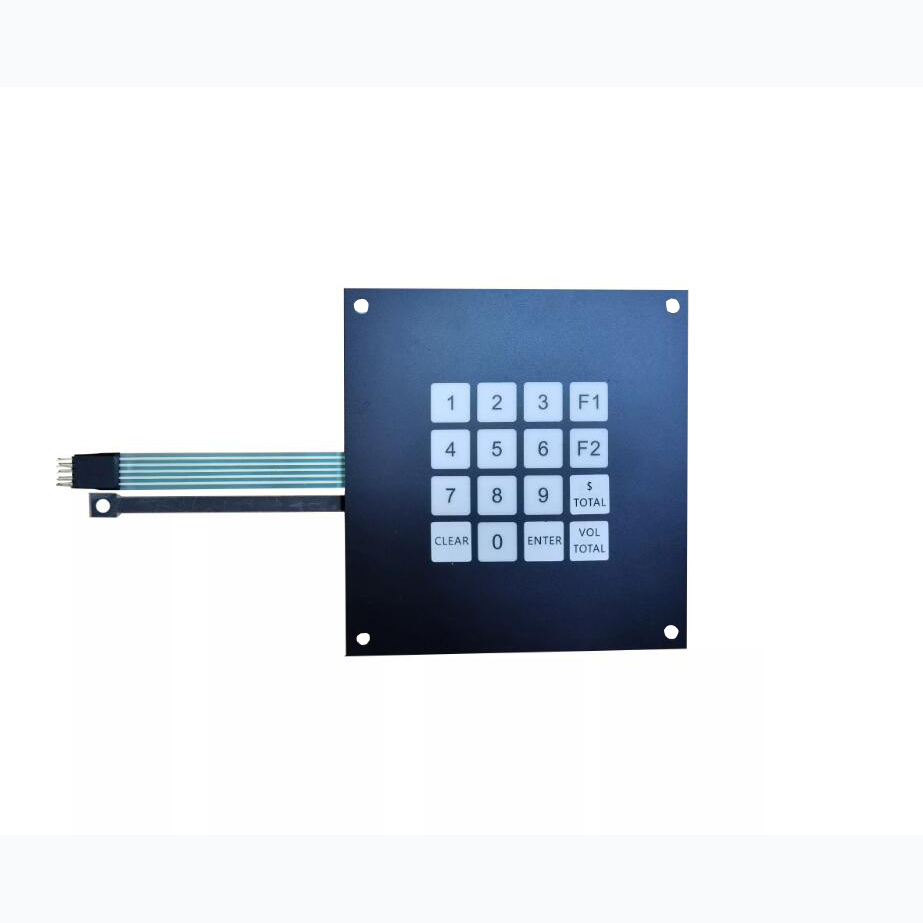
Custom Fuel Dispenser Keypad & Remote Controller
- UV-Resistant Autotex PET Film
- Hermetic Chemical Seal & 3M 468MP
- 1,000,000+ Actuation Life Cycle
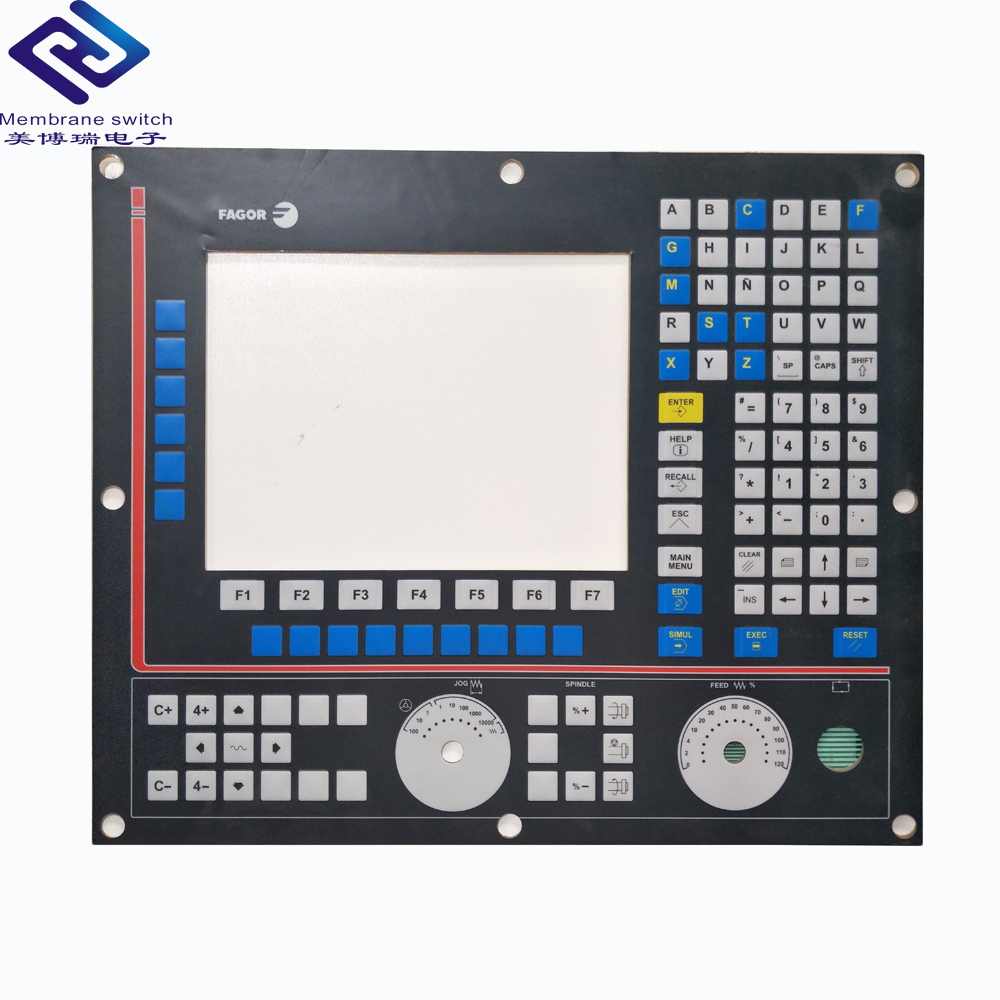
CNC Milling Machine Keypad Membrane Control Panel
- Tactile Metal Dome Array (Snap Dome)
- Coolant & Hydrocarbon Resistant
- High Contrast Silk-Screen Graphics
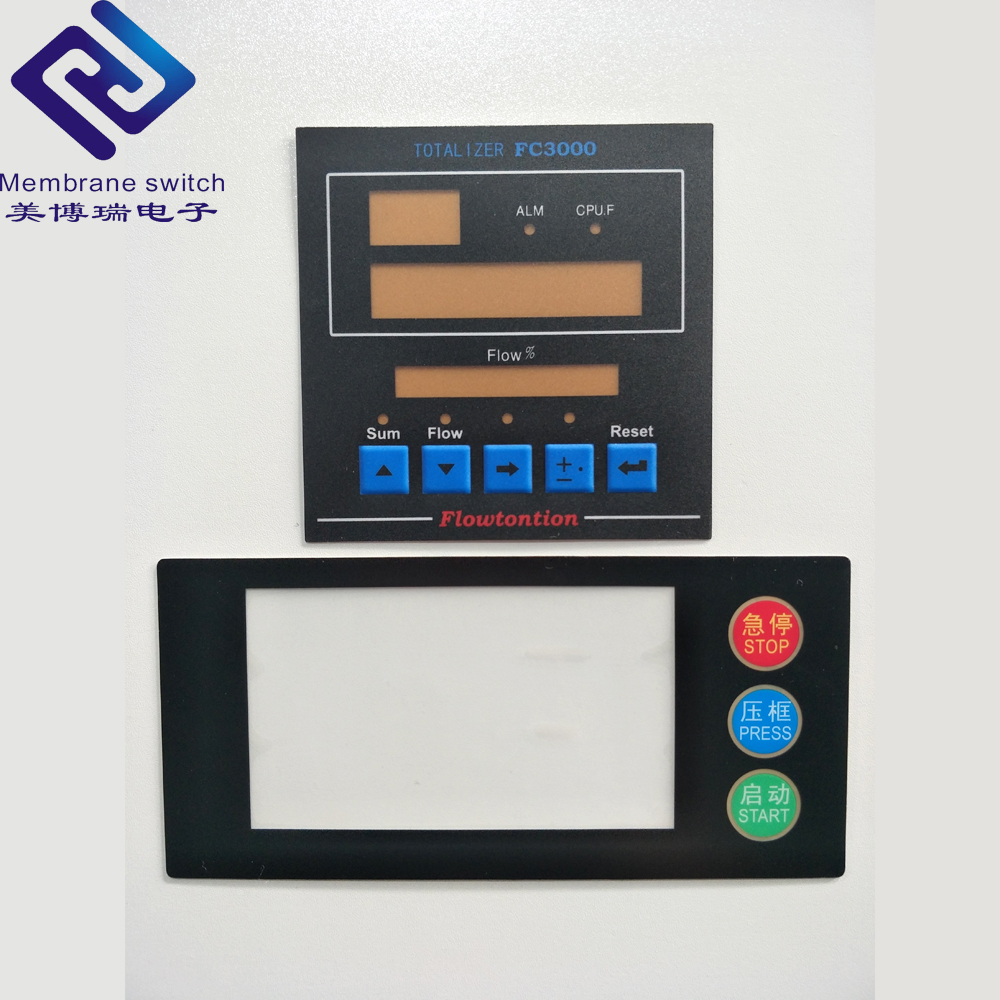
IP67 Waterproof LCD Membrane Switch Custom Keypad
- Optical Clear Adhesive (OCA) Window
- Copper FPC Flexible Circuit Tail
- Precision 3M Waterproof Perimeter Gasket
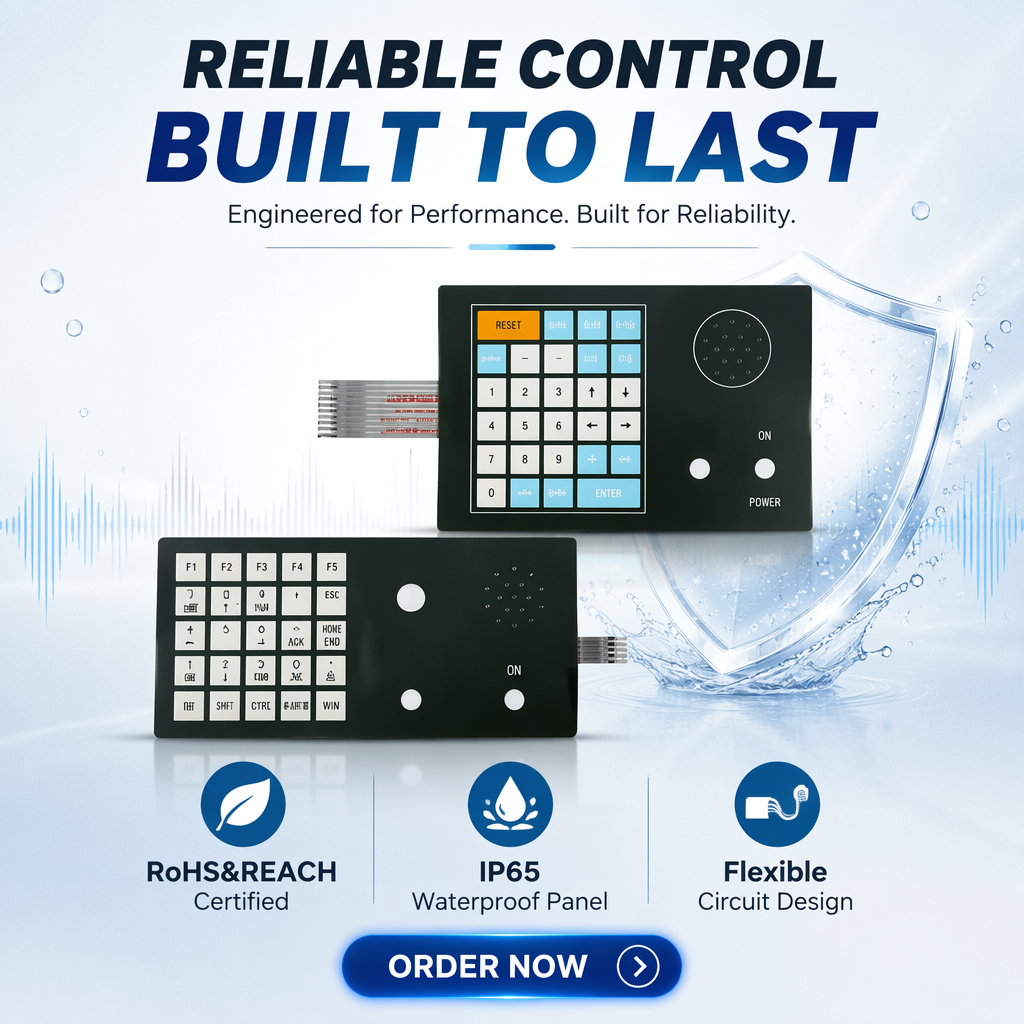
3x4 12-Key PET Matrix Array Membrane Keyboard
- Eco-Friendly Non-Toxic Silver Inks
- Standard 2.54mm Pitch Connector
- Home & Lab Instrument Integration
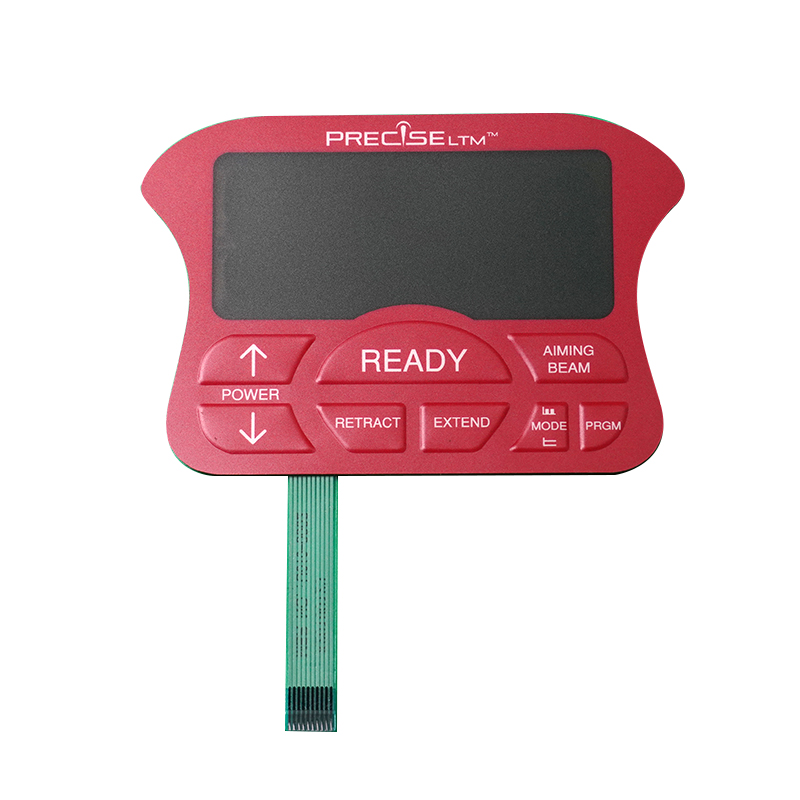
Anti-Interference Locomotive Membrane Control Panel
- High Temp Resistance (-40°C to +85°C)
- Copper / Carbon ESD/RFI Ground Layer
- Heavy-Duty Rail & Transport Spec
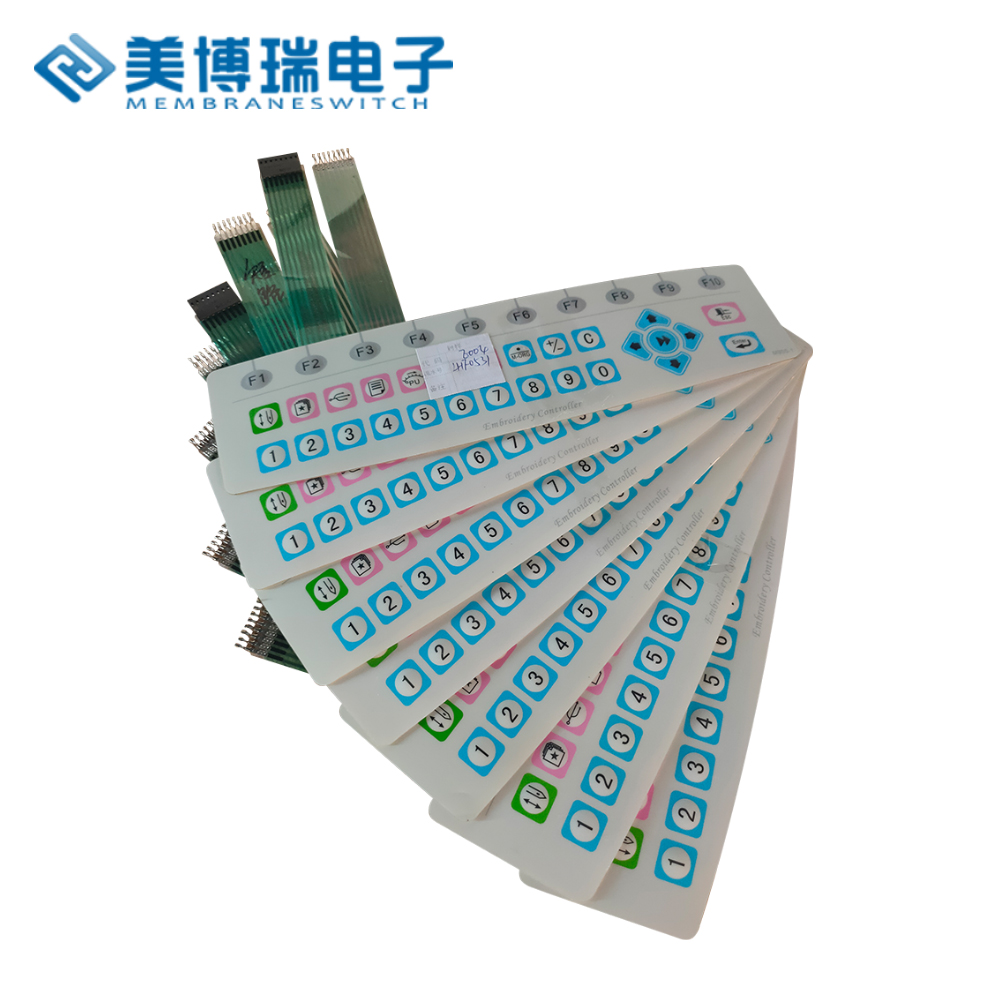
Custom OEM Flexible Moisture-Proof Membrane Panel
- PET Substrate + Silver Paste Circuit
- Dielectric Insulation Barrier Overprint
- Anti-Dust & Condensation Protection
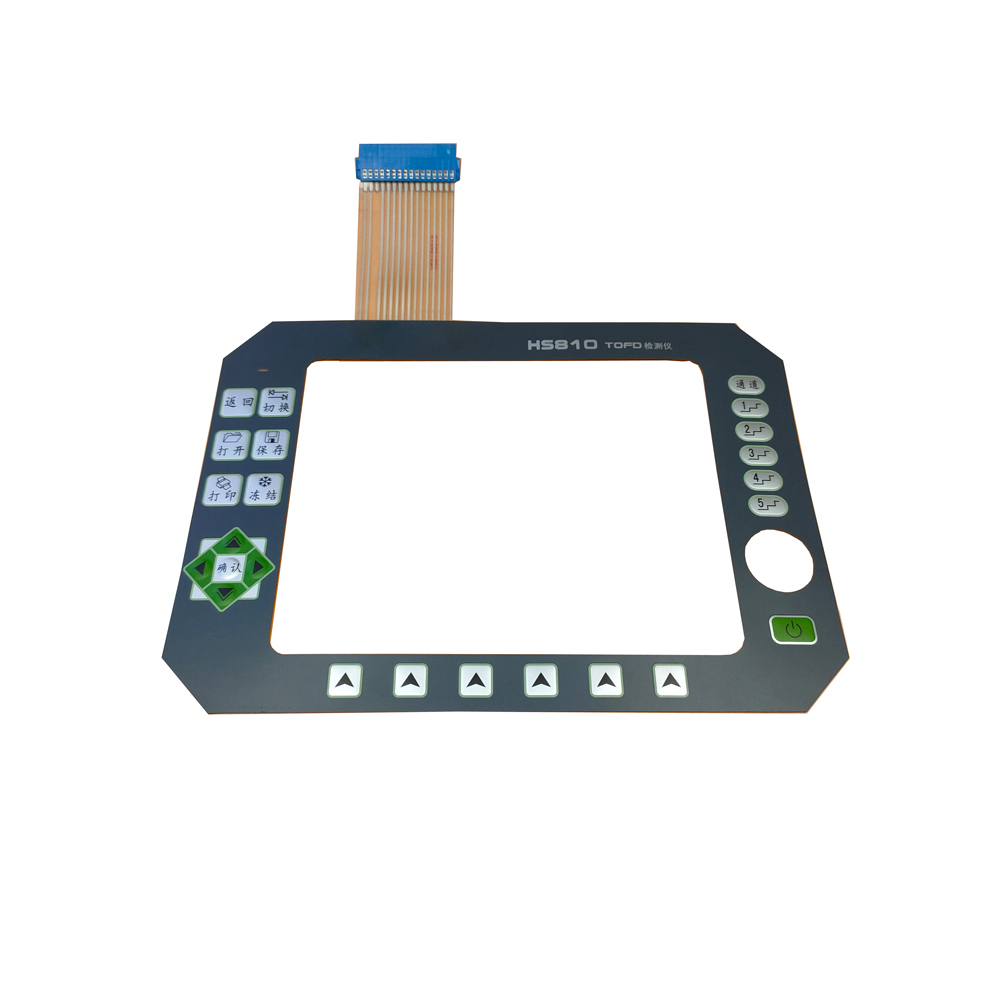
PBT Silkscreen Printed Waterproof Keyboard Sticker
- High Abrasion Resistance PBT Base
- Precision Mimaki UV Digital Printing
- Permanent Solvent-Resistant Adhesive
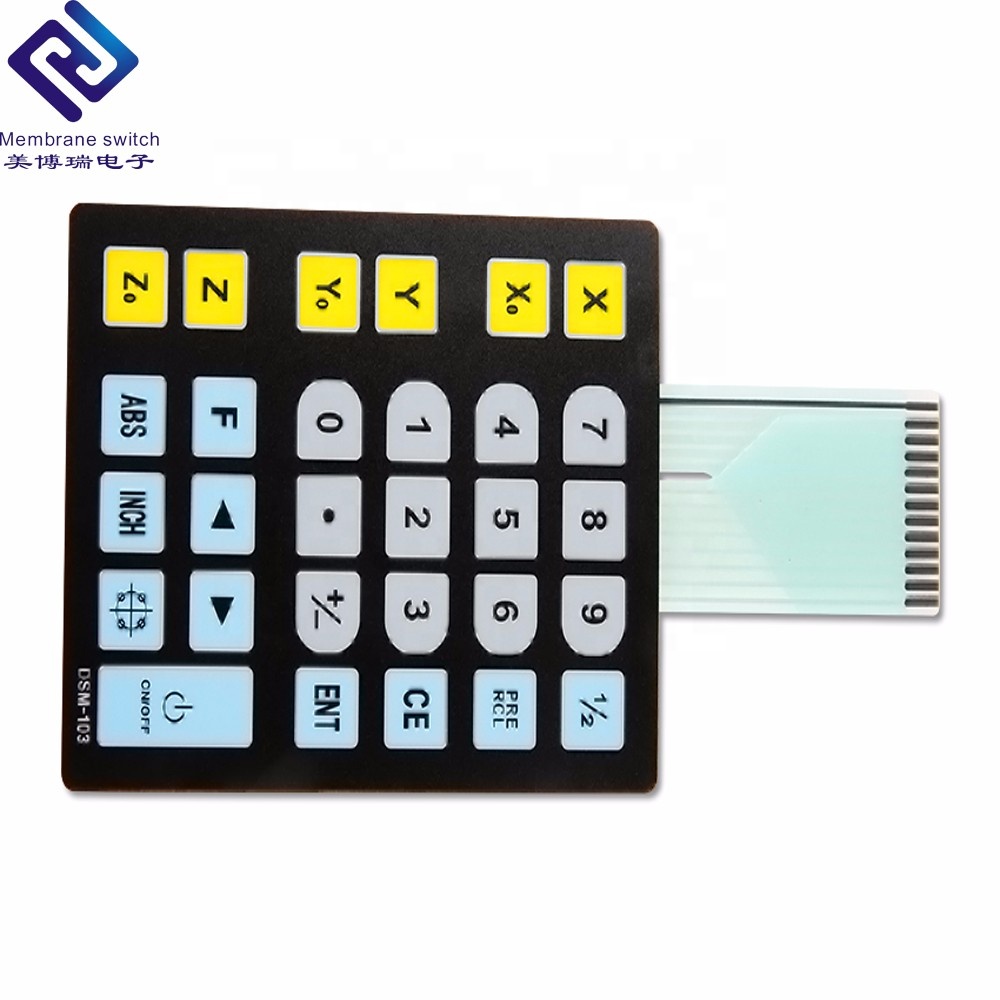
IP67 Telecommunication Flexible Membrane Keypad
- Gold/Nickel-Plated Metal Domes
- SMD LED Direct Tail Integration
- Nordic Marine & Base Station Ready
Engineering High-Performance LED Backlight Membrane Switches for Nordic Applications
In modern robotic automation and high-reliability industrial controls, the Human-Machine Interface (HMI) serves as the critical touchpoint between deterministic digital control systems and physical operational environments. In Odense, Denmark—widely recognized as Europe’s premier robotic capital and home to the globally influential Odense Robotics cluster—the demand for ultra-compact, hermetically sealed, and optically uniform backlit membrane switches has expanded exponentially. As OEMs in Southern Denmark design next-generation collaborative robots (cobots), autonomous mobile robots (AMRs), cleanroom medical analyzers, and harsh-environment marine systems, input devices must transition from bulky electro-mechanical pushbuttons to flat, lightweight, multi-layer photonic membrane assemblies.
Traditional panel lighting often suffers from severe thermal hotspots, uneven lux distribution, high power consumption, and mechanical vulnerability under repetitive cycle stress. As a dedicated membrane switch manufacturer and exporter serving Danish and European hardware developers, our engineering facility implements Light Guide Film (LGF) micro-dot etching, high-density surface-mount device (SMD) LEDs embedded directly on flexible circuits, and optical clear adhesive (OCA) lamination. This architecture allows Odense manufacturers to achieve luminous uniformity exceeding 85% across entire graphic overlays while maintaining ultra-thin stack profiles down to 0.8mm – 1.5mm.
Optoelectronic Stack Comparison: LGF vs. Discrete LED vs. Electroluminescent (EL)
Selecting the optimal backlighting topology directly impacts device longevity, power draw, and compliance with European Low Voltage Directive (LVD) and EMC Directive (2014/30/EU). Below is a comprehensive engineering comparison table detailing performance metrics relevant to Danish automation engineers and technical procurement teams in Odense:
| Illumination Methodology | Typical Thickness | Luminance Uniformity | Power Consumption | Operating Lifespan | EMI / ESD Sensitivity | Suitability for Odense Robotics |
|---|---|---|---|---|---|---|
| LGF (Light Guide Film) + Side-Fire LEDs | 0.8 mm – 1.4 mm | 85% – 92% (High) | Low (15 – 40 mA) | 50,000 – 100,000 hrs | Virtually Immune (DC Driven) | Optimal Choice for Cobot Teach Pendants |
| Direct SMD Top-Fire LEDs (Embossed Cavity) | 1.5 mm – 2.5 mm | Localized Point Lighting | Moderate (20 – 60 mA) | 50,000 – 80,000 hrs | Low (No high-frequency AC) | Ideal for Discrete Status Indicators |
| Electroluminescent (EL) Lamps | 0.6 mm – 1.0 mm | 90% – 95% (Initial) | High (Inverter required, AC) | 3,000 – 8,000 hrs (Fast decay) | High EMI Noise Emission | Not Recommended for High-Duty Automation |
| Fiber Optic Woven Mesh | 1.0 mm – 1.8 mm | 75% – 85% (Moderate) | Low to Moderate | 30,000 – 50,000 hrs | Immune | Specialized Niche Harsh Environments |
For technical projects originating in the Odense industrial ecosystem—such as teach pendants for robotic arms, mobile logistics control consoles, and food-grade packaging monitors—LGF (Light Guide Film) coupled with precision-placed side-firing micro-LEDs represents the industry benchmark. Using laser-ablated light-extraction dots calibrated via optical ray-tracing algorithms, light is channeled uniformly across selected iconography and legends without bleeding into adjacent key zones or blinding operators during low-light nighttime production shifts.
Substrate Selection & Lamination Stack Architecture
A truly resilient membrane keypad designed for Danish climatic variations (from maritime high-humidity outdoor exposure to temperature-controlled ISO 7 pharmaceutical cleanrooms) requires careful material layer engineering. Below is the multi-tier engineering stack formulated in our ISO 9001 factory for European export:
Layer 1: Graphic Overlay
Biaxially oriented Autotex® / MacDermid Autotype PET film (150μm – 200μm) with fine or velvet matte textures. Exceptional flex fatigue resistance (>5 million key flexes), chemical resistance against sanitizers, alcohols, and mineral oils, combined with anti-glare finish.
Layer 2: Tactile Snap Dome Array
Nickel-plated or gold-plated stainless steel snap domes (6mm – 16mm diameter) providing crisp tactile actuation (300g – 450g trigger force). Retained in custom die-cut silicone/PET spacer pockets to eliminate tactile travel degradation under vibration.
Layer 3: Circuit Substrate (FPC / Silver)
High-conductivity polymer thick film (PTF) silver traces with dielectric carbon cross-overs, or polyimide-based Copper FPC (Flexible Printed Circuit) for surface-mounted LEDs and micro-resistors, ensuring trace resistance under 1.0 Ω for high-frequency signal integrity.
Localized Applications Across Odense & Danish Industry
Tailored HMI manufacturing capabilities answering the direct engineering requirements of Funen and Danish OEM automation, medical, and agricultural sectors.
Collaborative Robotics (Cobots) & AMRs
Odense is the epicenter of world cobot development. Our backlit membrane panels are integrated into handheld robotic teach pendants, end-of-arm tool controllers, and emergency stop consoles on Autonomous Mobile Robots (AMRs). The slim footprint and anti-shock metal dome construction survive continuous factory drops and vibration.
Food Processing & Dairy Machinery
Danish food machinery manufacturers demand IP67 and IP69K sealing to withstand caustic CIP (Clean-In-Place) washdown procedures, steam jets, and chemical disinfectants. Our reverse-printed polyester overlays prevent label degradation and bacterial traps, adhering strictly to EU hygiene directives.
Medical Technology & Lab Diagnostic Panels
For Denmark’s life-science cluster, our cleanroom-assembled capacitive and tactile membrane keypads feature antimicrobial surface treatments, optically clear liquid crystal display windows, and uniform low-lux LED backlighting for surgical and diagnostic theaters.
Maritime & Offshore Wind Vessel Controls
Operating across the Baltic and North Seas, marine electronic panels face constant salt spray, thermal cycling (-40°C to +70°C), and solar UV radiation. We utilize automotive-grade 3M adhesives and UV-stabilized hard-coatings verified in automated salt fog testing chambers.
Precision CNC & Sheet Metal Equipment
For heavy machining centers across Southern Denmark, our CNC operator panels utilize thick aluminum backer plates (1.5mm – 3.0mm) with integrated PEM studs. This structural rigidity protects internal circuits against sharp impacts, coolant splashes, and heavy gloved-finger operations.
Smart AgTech & Biogas Control Systems
Denmark’s green transition relies heavily on automated livestock ventilation, field sensors, and commercial biogas plants. Our sealed switches prevent methane and hydrogen sulfide vapor penetration, preventing trace oxidation through fully encapsulated silver conductor paths.
Local Market Trends Shaping HMI Procurement in Denmark
As European manufacturing embraces Industry 5.0, Danish engineering teams in Odense, Copenhagen, and Aarhus are actively redefining their hardware supply chain parameters. Our trade engagement with Danish OEMs identifies four transformative macro trends currently driving membrane switch procurement:
1. Convergence of Capacitive Touch with Tactile Physical Domes
Modern Danish robotics operators require both gesture-based capacitive surfaces for menu navigation and unambiguous physical snap-dome buttons for critical safety and manual jog functions. We provide hybrid panels integrating capacitive sensor film layers directly beneath tactile mechanical dome channels.
2. Strict Nordic Decarbonization & Circularity Mandates
Denmark leads Europe in green procurement policies. Sourcing managers in Odense demand full traceability of materials, halogen-free inks, REACH/RoHS compliance, and recyclable PET film packaging. Our manufacturing facility minimizes VOC emissions via modern Mimaki digital UV curing technology.
3. Dual-Layer Full RFI/EMI Shielding Integration
With hundreds of wireless transceivers, servo motor drives, and high-frequency inverters running inside robotic workcells, electromagnetic interference (EMI) is a persistent hazard. We engineer full-coverage vacuum-sputtered aluminum, copper mesh, or conductive carbon ground planes that divert static ESD spikes up to ±15kV away from internal logic boards.
Why Global & Danish OEMs Choose Our Engineering Facilities
Over 30 years of specialized manufacturing history, combined with German technical cooperation and full internal vertical process control.
In-House Production
Every phase—engineering CAD translation, film production, screen and UV printing, precision embossing, laser cutting, SMT LED soldering, and computerized testing—is operated within our facilities with no outsourced sub-tier risks.
Precision CNC Machines
Our dedicated tooling department operates 60 CNC mold-making systems, 18 laser-cutting tables, 37 precision screen printers, and Mimaki UV inkjet flatbeds for rapid prototype tooling and high-volume consistency.
Technical Partnership
Continuous technology alignment with German membrane switch engineering standards guarantees tight tolerances (±0.1mm), reliable material selection, and rigorous process documentation trusted by brands like Siemens and ABB.
Audited & ISO 9001
Fully certified quality management system backed by independent Intertek on-site facility verification. Every batch undergoes 100% electrical continuity testing, resistance mapping, and environmental chamber validation.
Programmable Climate Test Lab
Our in-house reliability laboratory subjects switches to extreme thermal cycles (-40°C to +85°C) and 95% relative humidity chambers, verifying zero delamination and stable insulation resistance (>100MΩ @ 100V DC).
Actuation & Life Cycle Testing
Automated pneumatic finger actuators stress snap domes and tactile silicone elements through millions of cycles, monitoring tactile ratio shifts, contact bounce (<5ms), and contact resistance escalation.
Optical Spectrophotometer Verification
Color consistency is mission-critical for corporate HMI brand identity. We verify Pantone Matching System (PMS) and RAL color tolerances to ΔE < 1.0 using spectrophotometric digital inspection across all print runs.
Frequently Asked Questions for Odense & European Purchasers
Essential technical, commercial, and logistical clarifications for engineering managers, sourcing leads, and hardware founders in Denmark.
How do you ensure rapid prototype turnaround and safe delivery to Odense, Denmark?
Can you manufacture low-volume pilot batches for robotics startups in the Odense cluster?
How do your backlit membrane switches achieve IP67 / IP68 waterproof ratings?
What is the advantage of Light Guide Film (LGF) over traditional surface-mounted LED keypads?
Do your products comply with European CE, RoHS, and REACH environmental regulations?
Can you integrate rigid aluminum backplates and PCB assemblies with the switch?
Ready to Accelerate Your Odense HMI Project?
Send your CAD drawings, schematics, or initial sketches. Our senior application engineers will provide a comprehensive DFM manufacturability evaluation, stack-up recommendation, and competitive export quotation within 24 hours.
Connect immediately with our dedicated European engineering support desk.
Inquire Now