Featured LED Backlit & Industrial Membrane Switches
Configured for harsh operating profiles, our tactile switches combine Autotype polyester overlays, gold-plated contacts, precision LED integration, and 3M industrial adhesives for seamless operation across marine, energy, and processing infrastructure.
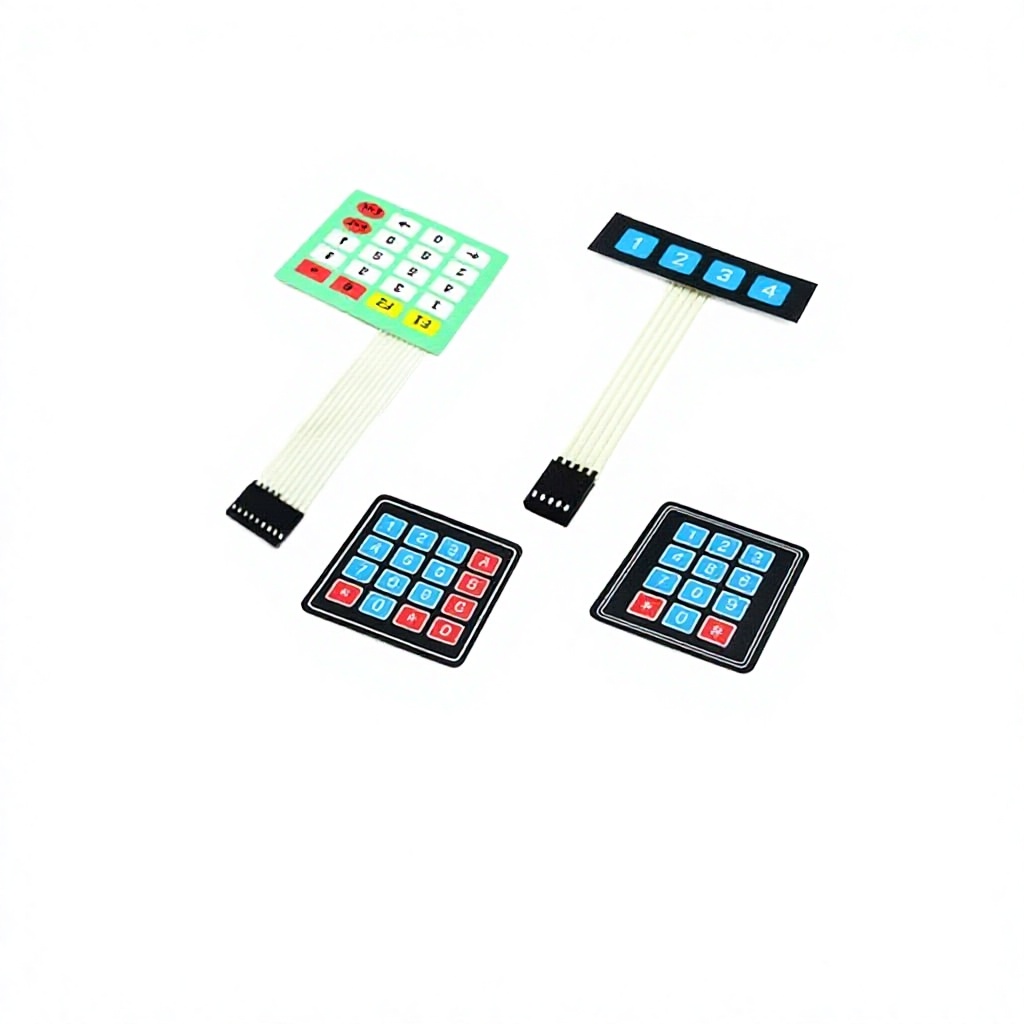
High Reliability Custom FPC Membrane Switch Keypad
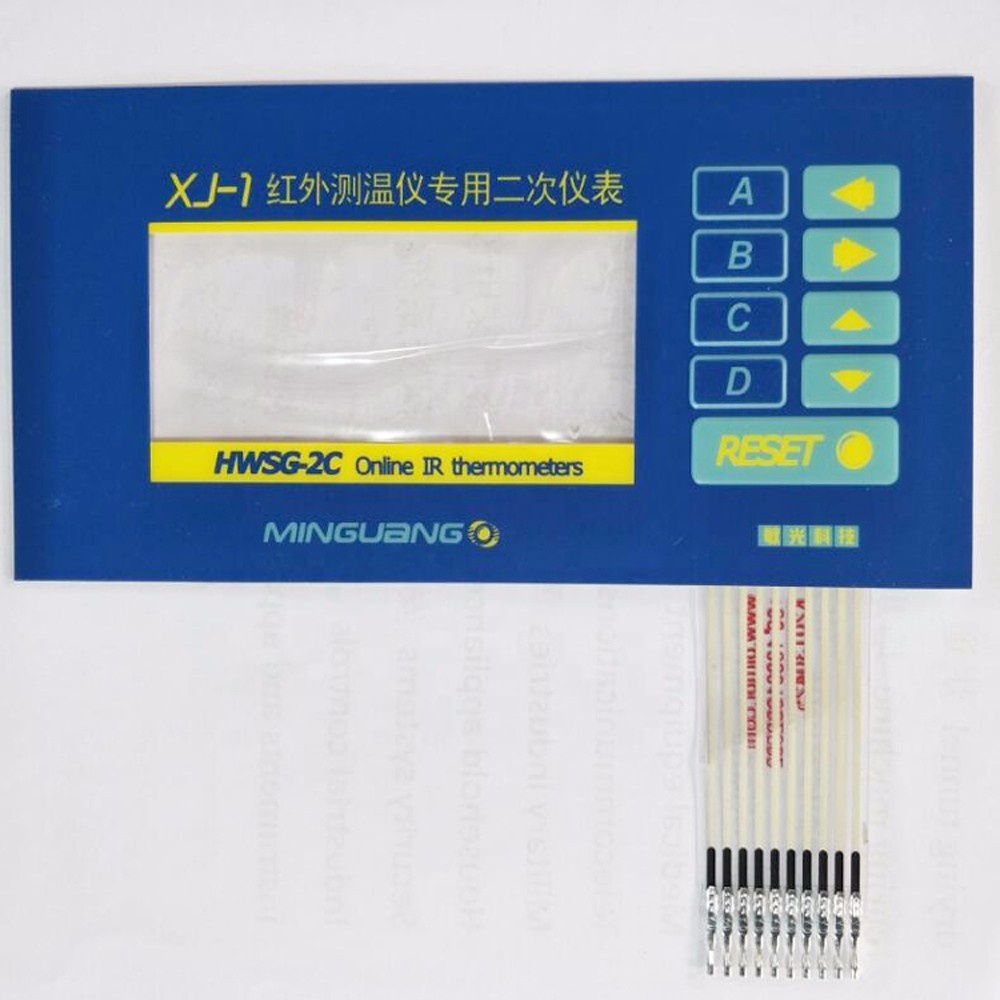
OEM PBT Keycap Mechanical Switch Assembly
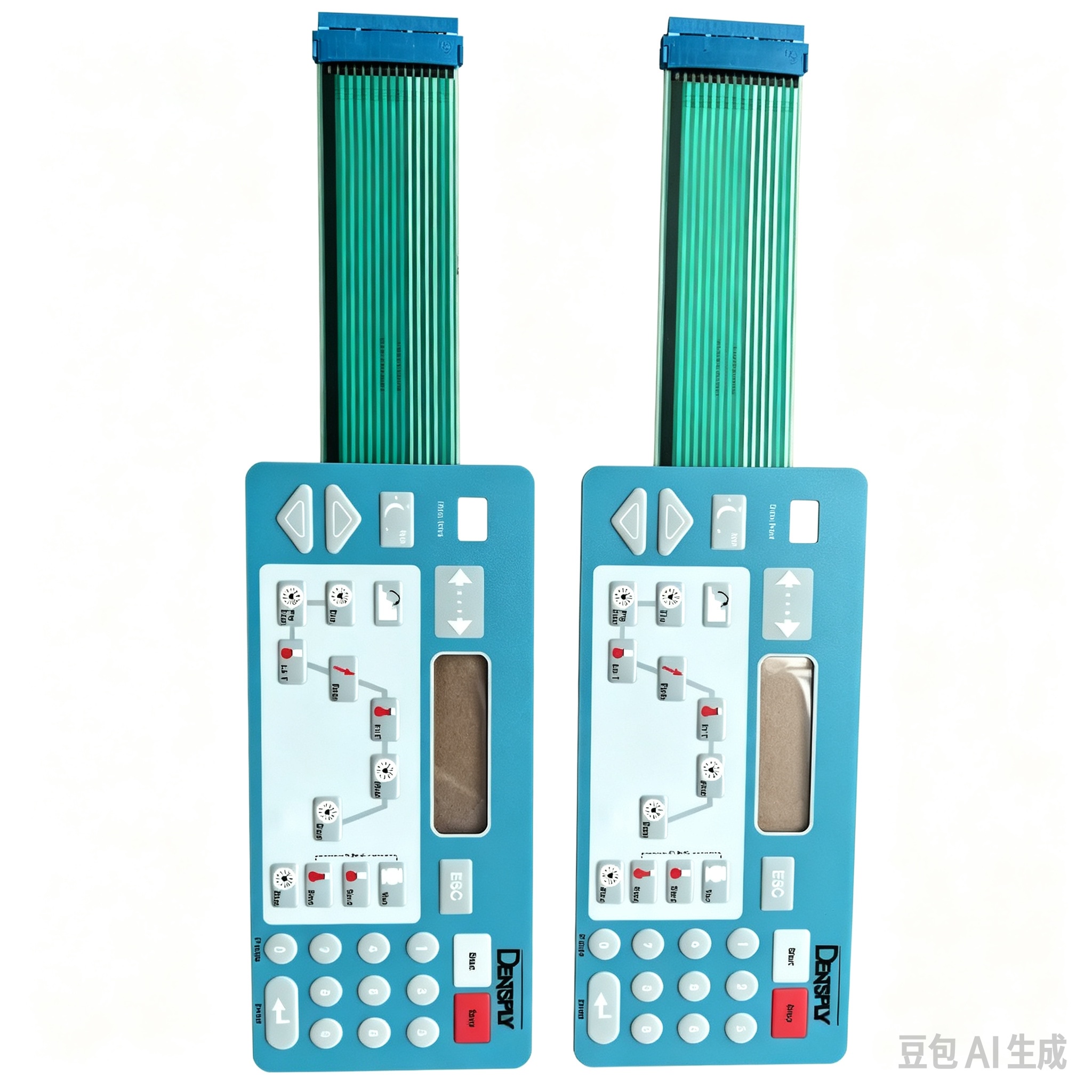
Waterproof Polyester On/Off Membrane Switch Panel
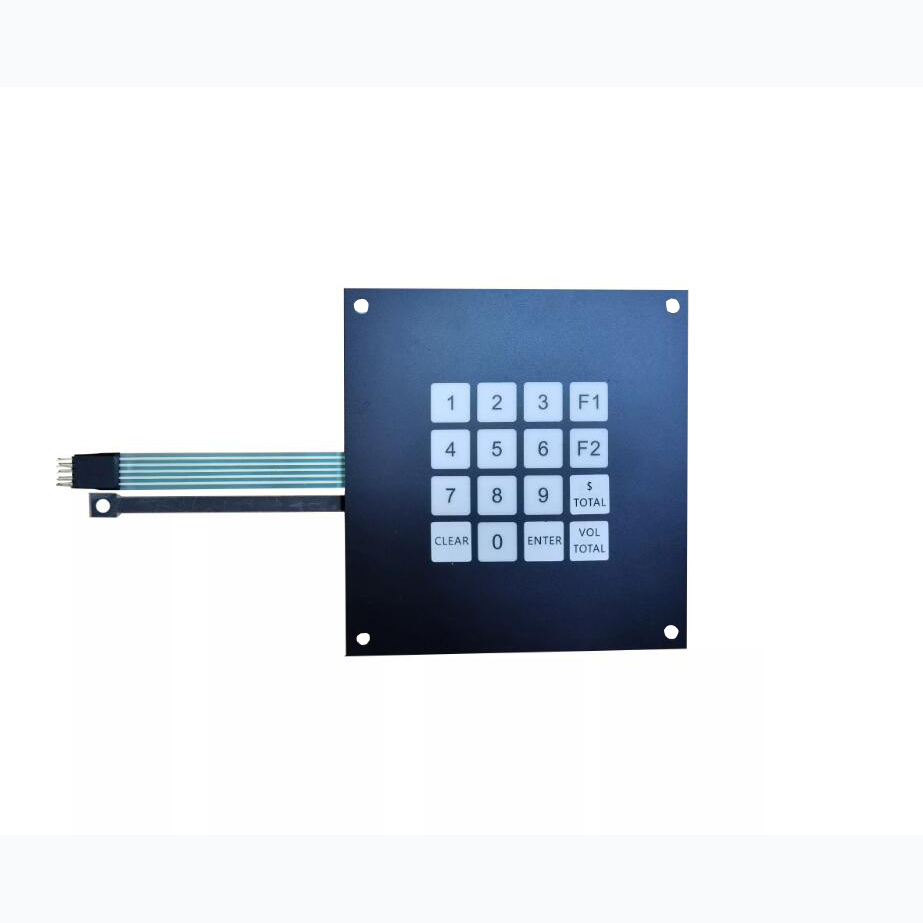
Custom Fuel Dispenser Keypad & Remote Unit
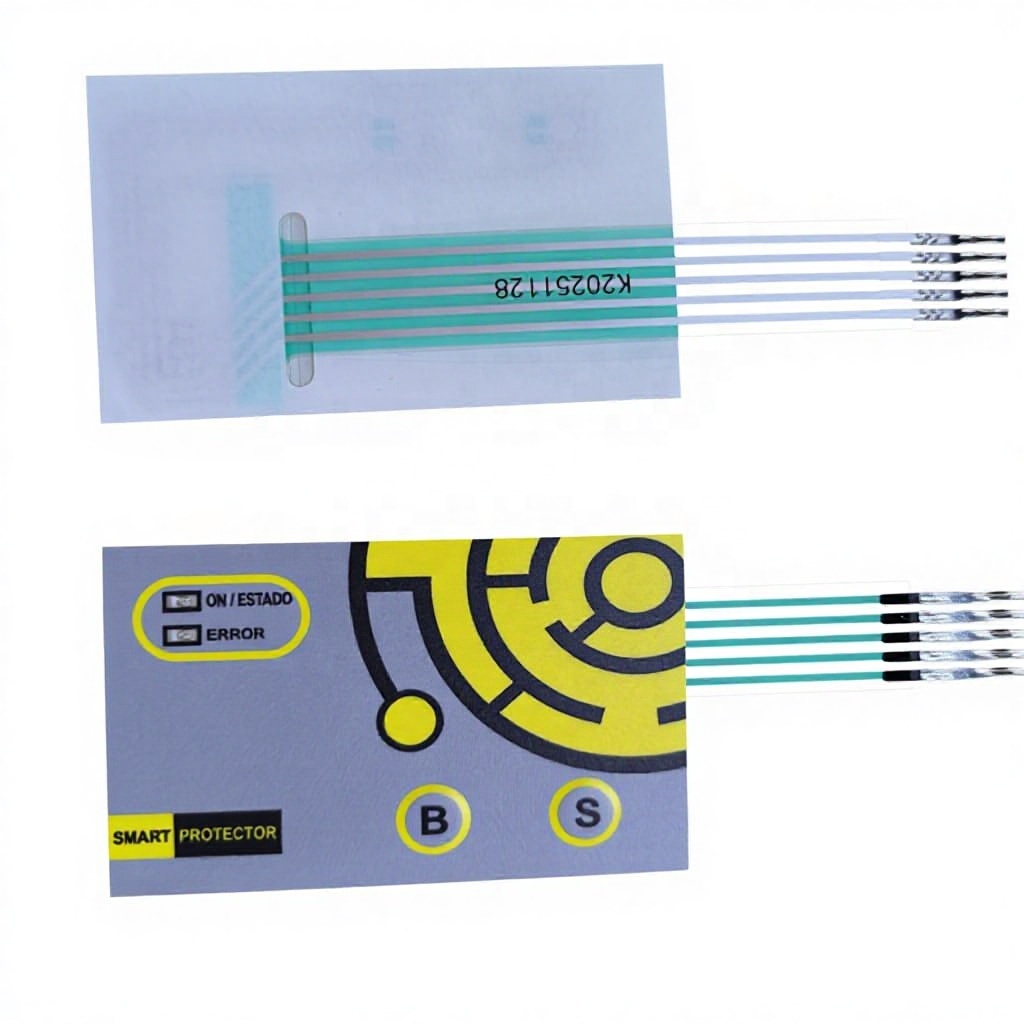
OEM Waterproof Membrane Keyboard PBT Cap
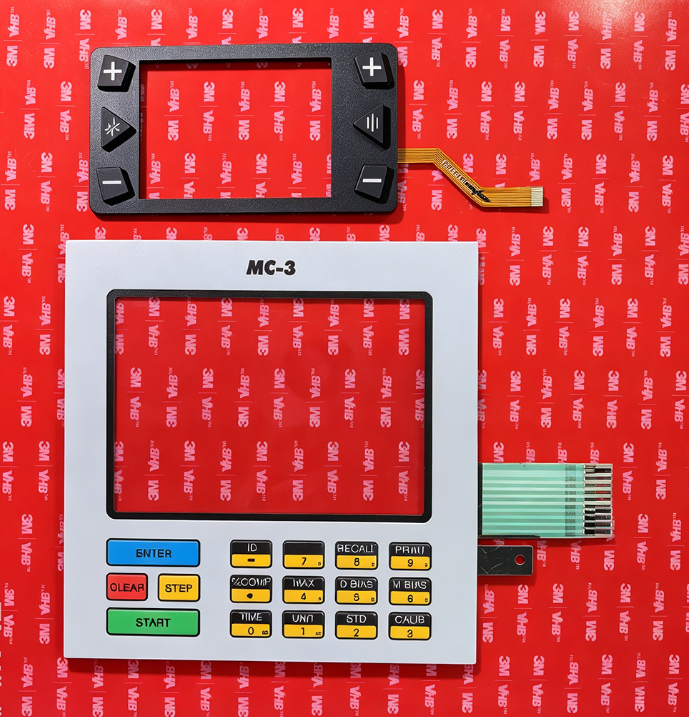
IP67 Waterproof 3M Adhesive Flexible Keypad
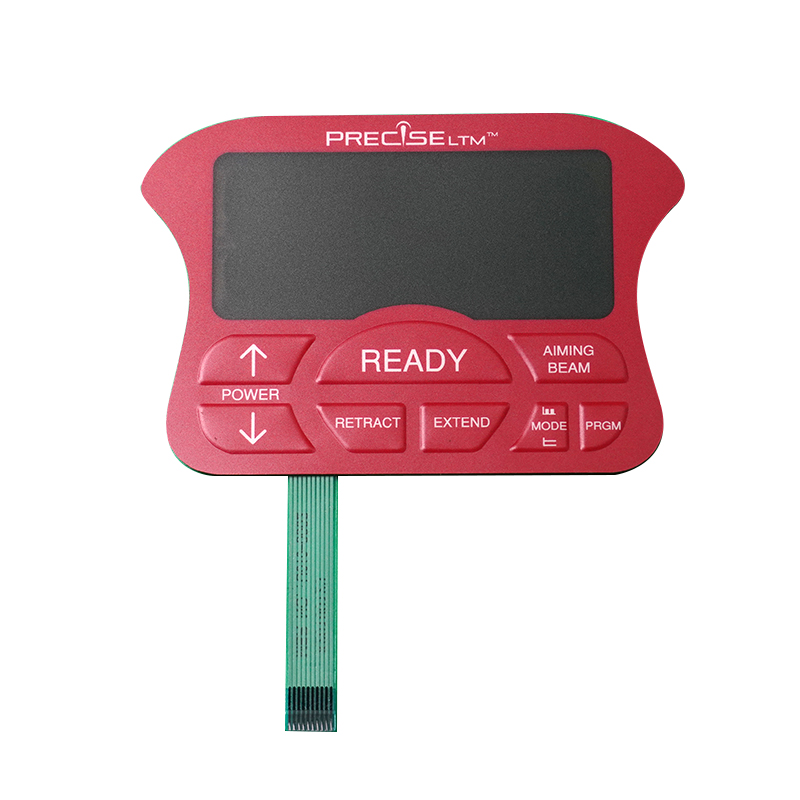
Anti-Interference Locomotive Control Panel
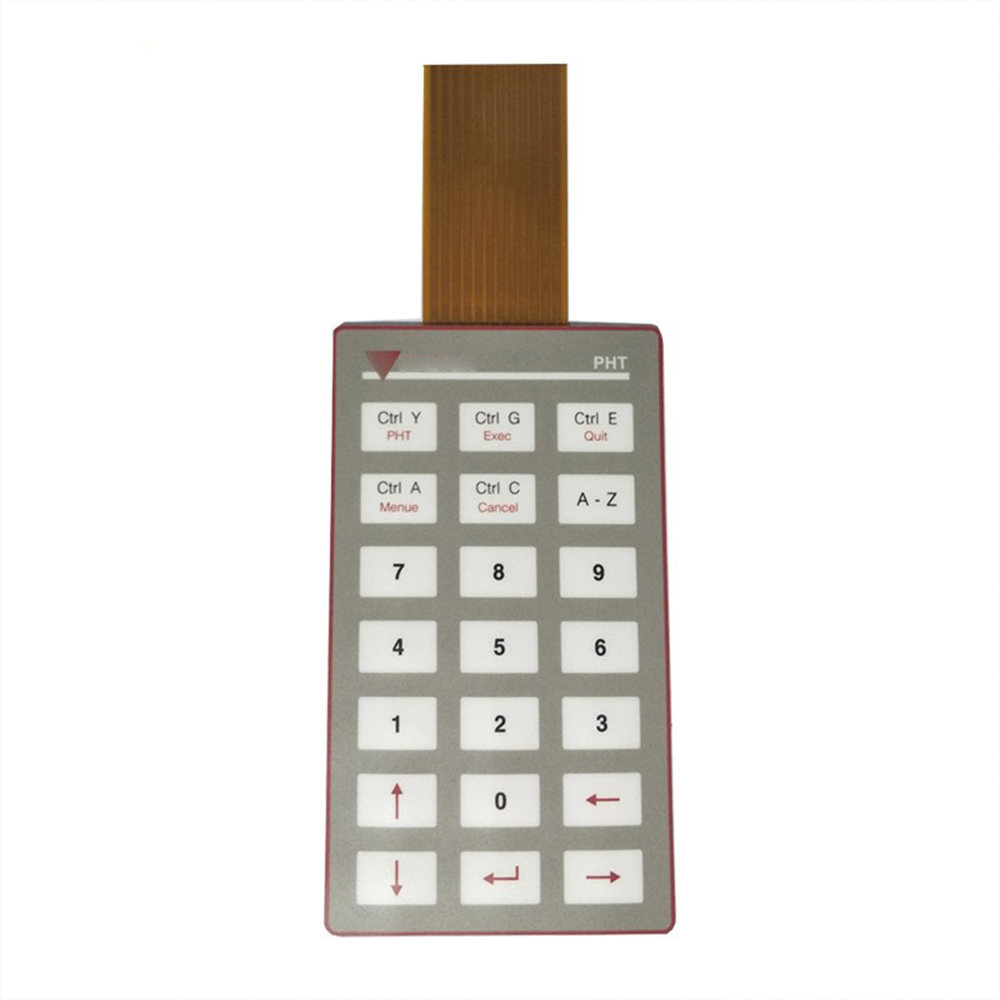
Thermal Control Membrane Touch Switch Panel
Precision Engineering Architecture for LED Backlit Switches
As a professional LED backlit switch exporter supplying international engineering buyers and procurement channels serving the Santiago de Cuba commercial hub, TAVO bridges the divide between delicate electronic feedback and brutal environmental realities. Conventional mechanical toggle buttons and unsealed push-button arrays routinely experience catastrophic oxidation when exposed to the combination of tropical maritime air, sulfur emissions from heavy thermoelectric infrastructure, and intense ultraviolet exposure characteristic of southeastern Cuba.
Our engineered LED backlit switches employ Light Guide Film (LGF) and surface-mounted chip LEDs (SMT) integrated directly onto flexible printed circuits (FPC) or rigid FR4 PCB backings. By directing photons through micro-etched optical dot matrixes, our panels provide uniform keycap illumination without the thermal dissipation and point-source hotspot degradation typical of raw bulb arrays. The graphic overlays are precision reverse-printed using automotive-grade UV-resistant inks underneath Autotype polyester substrates, ensuring that numeric legends, emergency icons, and status indicators remain indelible despite decades of cleaning solvents, hydraulic sprays, and direct sun.
Multi-Layer Stack-up Schematic
Cross-sectional engineering architecture of our IP67 LED Backlit Tactile Assembly:
Industrial Application Scenarios in Santiago de Cuba
Santiago de Cuba represents the premier economic, logistics, and heavy industrial nucleus of eastern Cuba. Equipment operating in this region demands specialized electrical componentry engineered for distinct mission-critical operational challenges.
Port Logistics & Guillermón Moncada Terminals
Santiago Bay hosts Cuba's second-largest deepwater maritime terminal. Container cranes, automated winch systems, dry-bulk grain unloaders, and harbor tug control consoles require sealed LED backlit switch panels capable of operating through continuous salt fog exposure, diesel particulates, and wash-down hoses.
- High-saline ASTM B117 salt spray resilience
- Night-vision red/green backlit push buttons for bridge consoles
- 3M 300LSE adhesive for textured powder-coated steel enclosures
Energy Generation & Central Termoeléctrica Renté
The "Antonio Maceo" (Renté) thermoelectric facility and eastern electrical distribution substations subject HMI operator panels to intense electromagnetic interference (EMI), turbine vibrations, high ambient temperatures, and sulfur-dioxide laden boiler atmospheres where exposed copper traces fail prematurely.
- High-temperature PET overlays rated to 105°C continuous
- Solid copper mesh shielding layers attenuating RF/inductive spikes
- Optical backlighting for low-light turbine monitoring corridors
Cane Sugar Mills & Distilleries (AZCUBA Infrastructure)
Sugar mills in the surrounding Palma Soriano and Contramaestre agricultural basins operate in environments saturated with sticky bagasse dust, vaporized sucrose mists, and aggressive steam sterilization cycles that instantly gum up traditional open mechanical contacts.
- Completely hermetic smooth-surface overlay designs
- Embossed key perimeters allowing tactile feel through thick safety gloves
- Chemical wipe resistance against sanitizers and organic acids
Nickel, Cobalt Refining & Heavy Metallurgy
Heavy mineral transport and ore extraction facilities linked via Santiago de Cuba rail hubs feature ore-crushing machinery, ball mills, and chemical leaching lines. Keypads must withstand continuous abrasive dust clouds, mechanical shocks, and hydraulic oil splashes.
- Rigid 2.0mm aluminum backing plate support
- Hard-coated scratch resistant polycarbonate exterior windows
- Heavy tactile feedback domes (450g actuation force)
Santiago Medical Centers & Biomedical Labs
Provincial hospitals like Hospital Provincial Saturnino Lora and local pharmaceutical laboratories deploy dialysis controllers, autoclave sterilization units, and patient monitoring systems where infection control requires sealed interfaces that survive intensive daily alcohol wipe-downs.
- Antimicrobial polyester overlay options (Microban integrated)
- Optically clear adhesive (OCA) non-yellowing display windows
- Dead-front graphic styling: LED symbols only visible when lit
CUPET Refineries & Bunkering Stations
Petrochemical storage tanks and coastal fuel bunkering operations on Santiago Bay process heavy crude and aviation fuel. Membrane switch stations require explosion-safe non-sparking electrical contacts, hydrocarbon resistance, and daylight-visible LED backlit figures.
- Intrinsically safe low-current dry circuit design
- Chemical barrier resistant to diesel, unleaded gasoline, and toluenes
- Ultra-bright LED clusters readable in 100,000 lux tropical direct sun
Material Engineering for Eastern Cuba's Tropical Microclimate
Santiago de Cuba is characterized by a tropical savannah and semi-arid microclimate with temperatures exceeding 35°C, relative humidity persistently surpassing 85%, and heavy maritime chloride concentrations. Below is our comparative engineering selection matrix:
| Environmental Vector | Local Cuban Condition | Failure Mode of Standard Switches | TAVO Engineered Export Standard | Verification Test Standard |
|---|---|---|---|---|
| Chloride Fog / Salinity | Coastal wind currents across Santiago Harbor & Baconao | Pitting of contacts, internal trace migration, silver whisker shorts | Polyimide FPC copper etched traces with selective gold immersion (ENIG) + IP67 edge seal | ASTM B117 (96h Salt Fog) |
| Tropical Heat & Humidity | Daily temperatures 32–38°C, 85–95% RH cyclical | Adhesive bubbling, graphic delamination, spacer adhesive sliding | 3M 300LSE / 468MP cured structural acrylic adhesives with precision venting channels | GB/T 2423.4 (Cyclic Damp Heat) |
| Intense UV Radiation | High solar angle (Caribbean solar irradiance index 10+) | Polycarbonate yellowing, brittleness, micro-fracturing of key domes | Autotype XE Autotex UV-stabilized biaxially oriented polyester film | ASTM G155 (Xenon Arc 1000h) |
| Power Grid Transients | Frequent regional brownouts, voltage sags, switching surges | Arc discharge burning, IC latchup, logic controller false triggers | Continuous silver/carbon grid grounding shield discharging to chassis earth (<10 Ohm) | IEC 61000-4-2 (Level 4 ESD 15kV) |
| Particulate & Dust Ingress | Cane bagasse, limestone quarry dust, mineral tailing silts | Mechanical jamming of toggle pushbuttons, contact separation | Completely flat, seamless front membrane architecture with no mechanical apertures | IEC 60529 IP65 / IP67 Ingress |
HMI Modernization Trends in the Eastern Caribbean Region
Industrial retrofits across Latin America and the Caribbean are transitioning from archaic discrete analog panels to integrated smart human-machine assemblies. TAVO is leading this transformation for export customers through three primary advancements:
Transition to LGF Backlighting
Traditional electroluminescent (EL) foils possess short half-lives (~3,000 hours) under tropical heat. TAVO has engineered ultra-thin 0.125mm Light Guide Film (LGF) powered by Nichia side-firing LEDs, guaranteeing 50,000+ continuous hours of high-efficiency illumination with zero high-voltage inverters.
- Consumes 75% less electrical current
- Elimination of inverter acoustic buzzing
Direct Rigid-Flex & SMT Assembly
Eliminating unreliable internal wire harnesses, our FPC circuits accept SMD resistors, diodes, microcontrollers, and standard locking ZIF connectors directly on the flex substrate. This compact consolidation reduces control cabinet assembly depth by up to 80% for modern decentralized PLC boxes.
- Low-profile thickness down to 0.8mm total
- Vibration-proof locking Molex/FCI terminations
Hybrid Capacitive & Tactile Integration
Modernization projects in food processing and pharmaceuticals require zero-crevice surfaces. We deliver hybrid panels featuring capacitive multi-touch slider zones paired with physical metal dome switches for safety-critical emergency stops, providing operators tactile certainty alongside contemporary touch interfaces.
- Seamless IP69K washdown compliance
- High false-trigger immunity against fluid droplets
Engineered Quality Backed by Verified Manufacturing Depth
Tracing our specialized membrane switch research and fabrication roots back to 1990, TAVO Electronic Information Technology Co., Ltd. operates closed-loop manufacturing facilities verified onsite by Intertek, ensuring total traceability from Gerber file to final shipment.
100% In-House Processing
Every phase is executed strictly within our own production facilities: circuit routing, film negative development, precision silk-screen printing, digital UV printing, key embossing, laser die-cutting, optical bonding, and 100% computerized circuit verification. No outsourced processes, no unchecked quality variances.
- 37 precision screen printing lines
- 4 Mimaki heat-setting UV flatbed printers
- 18 high-speed laser cutting workstations
Dual-Facility Capacity Allocation
With our flagship plant located inside the Robot Industry Port of Xianghe Development Zone (Hebei) and a secondary manufacturing base in Huizhou (Guangdong), orders are balanced intelligently based on press tonnage, cleanroom requirements, and lead times. Your delivery is never delayed by factory bottlenecks.
- Class 1,000 & 10,000 dust-free cleanrooms
- Continuous German engineering cooperation
- ISO 9001:2015 audited quality system
Exhaustive Environmental Lab Testing
Before any batch is sealed for sea or air freight to international forwarding hubs serving Cuba, our internal laboratory conducts rigorous verification. Every design passes contact resistance testing (<100 Ohm), button cycle testing, temperature cycling (-40°C to +85°C), and automatic salt fog testing.
- Programmable temp/humidity chambers
- Xenon arc lamp accelerated aging chamber
- Automated 1,000,000 keystroke actuating testers
Frequently Asked Questions by Industrial Sourcing Teams
Clear, direct engineering answers for procurement managers, logistics planners, and electrical engineers managing industrial equipment manufacturing and maintenance projects in Santiago de Cuba.
What files and technical documentation are needed to quote and build a custom switch?
We require your vector graphic artwork (Adobe Illustrator .AI, CorelDRAW .CDR, or vector .PDF) with Pantone or RAL color codes specified, key embossing profiles, an outline CAD drawing (.DXF, .DWG) detailing dimensional tolerances and cutout locations, and a circuit schematic or pinout definition with connector type. Our 10-person engineering team creates complete production drawings for your sign-off before any hard tooling begins.
How do your LED backlit switches handle Santiago de Cuba's tropical heat and salty air?
We eliminate traditional silver-printed tail traces prone to dendrite migration by utilizing gold-plated Flexible Copper circuits (FPC) encased in polyimide films. Overlays utilize UV-stabilized Autotype polyester with IP67 continuous perimeter sealing adhesives (3M 300LSE/468MP), blocking salt aerosol and moisture penetration while ensuring reliable operation from -30°C to +85°C.
Can you provide small batches or prototype runs for plant machinery retrofit programs?
Yes. Unlike many factories demanding high minimums, TAVO supports agile prototyping and low-volume pilot replenishment runs (starting from 50 to 100 units) via laser cutting and digital UV flatbed printing on Mimaki systems. Once field performance is verified on your machinery in Cuba, we scale seamlessly to high-volume die-stamped production.
What international trade terms and payment structures are accepted for export consignments?
We support standard international commercial terms including FOB Tianjin/Shenzhen/Guangzhou, CFR, CIF, and EXW factory terms. Payment settlement can be transacted via Wire Transfer (T/T), Letter of Credit (L/C), or D/P D/A in USD or CNY, working in coordination with authorized international transit channels, commercial forwarding agents, and marine freight consolidators.
Can you integrate rigid metal backer plates or LCD display cutouts into the membrane assembly?
Absolutely. Over 35% of our export output involves fully integrated assemblies. We CNC-machine 1.5mm–3.0mm aluminum or stainless steel backer plates with pressed mounting studs, integrate optical display windows with anti-reflective or anti-glare coatings, and mount surface-mount LEDs, connectors, and discrete logic components directly to the rear PCB/FPC structure for turnkey installation.
Accelerate Your HMI Sourcing for Santiago de Cuba & Caribbean Operations
Whether you require a ruggedized fuel dispenser keypad, a salt-resistant crane cabin switch panel, or a custom medical-grade LED tactile interface, TAVO's engineering department is ready to review your schematics, optimize stack-up thickness, and prepare a detailed manufacturing quote within 24 hours.