Engineered Switch Components for Trondheim Hardware Innovators
Precision-fabricated tactile switch arrays, capacitive touch interfaces, and sealed graphic overlays designed to withstand the rugged North Atlantic maritime environment, Trondheimsfjorden subsea testbeds, and demanding Nordic industrial controls.
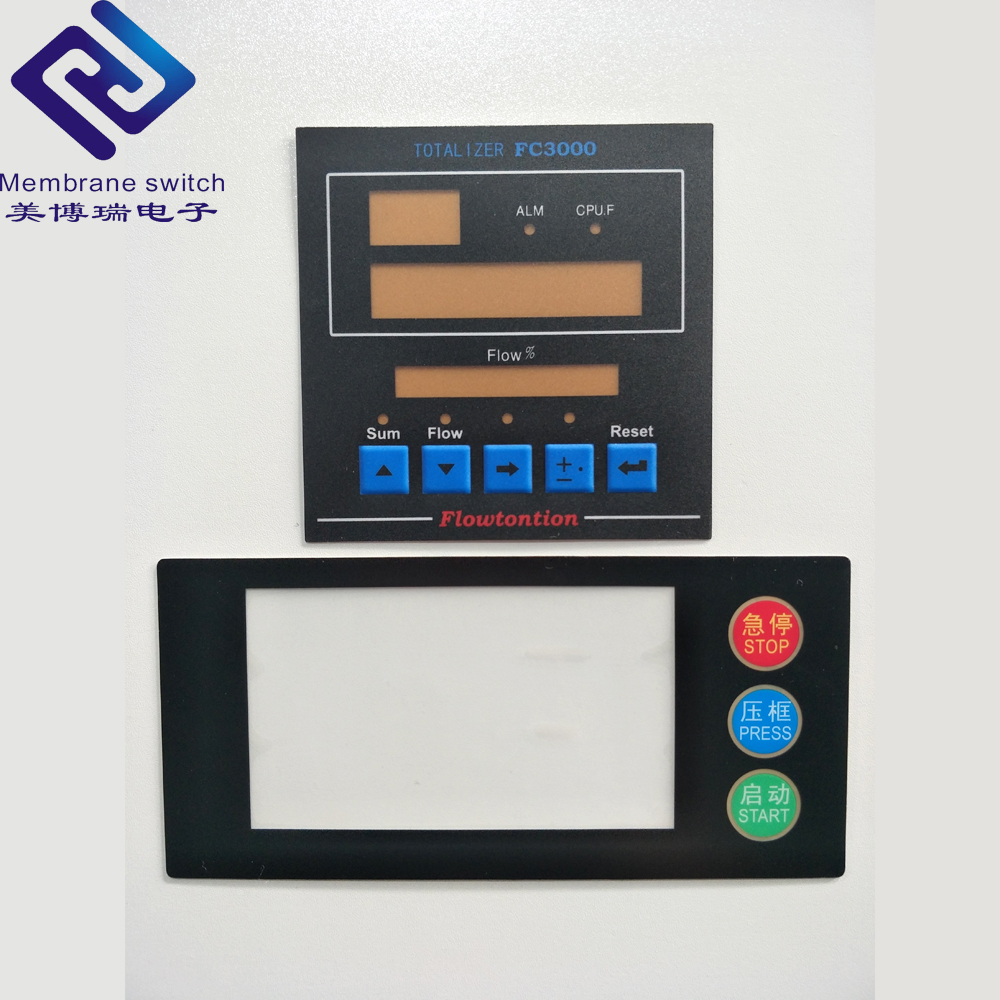
IP67 Waterproof 3M Adhesive Metal/Poly Dome LCD Membrane Switch Keypad
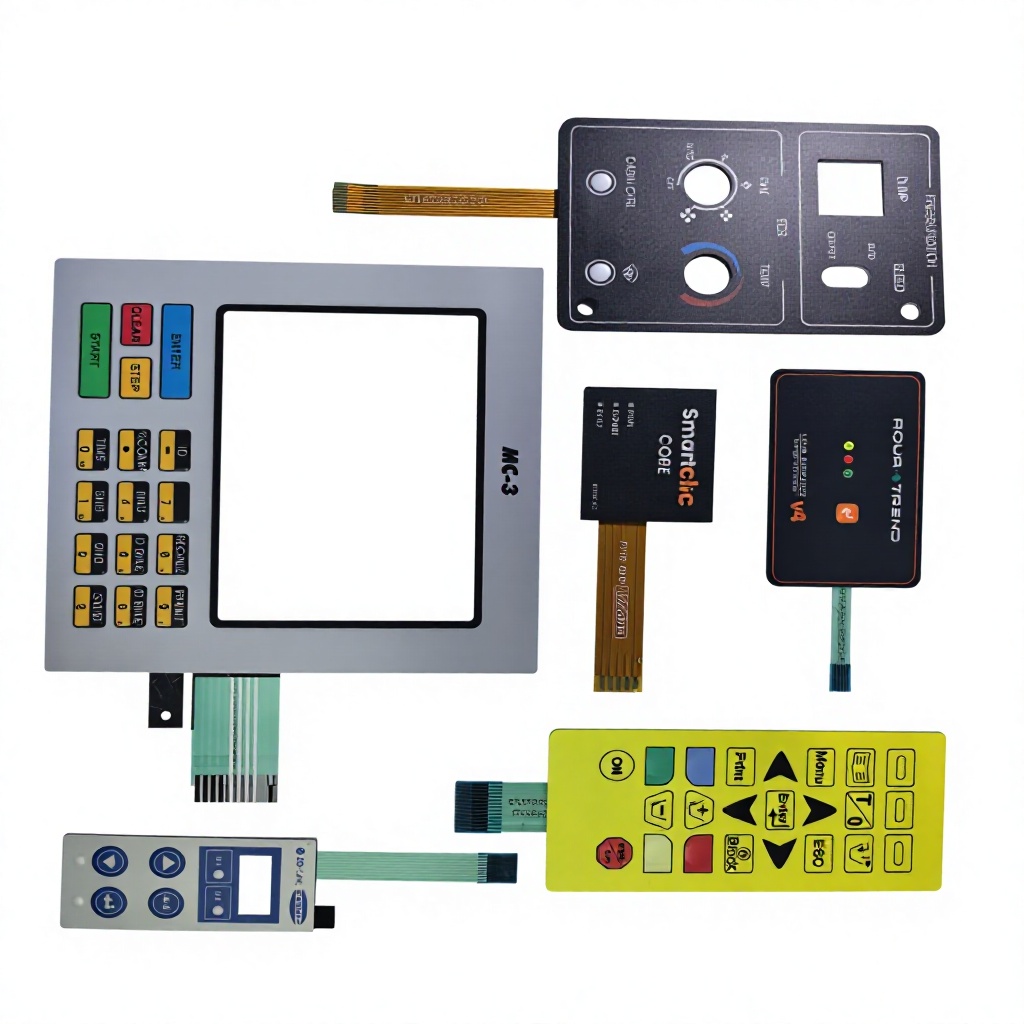
MBR Conductive Film PET/PC Tactile Membrane Switch Board
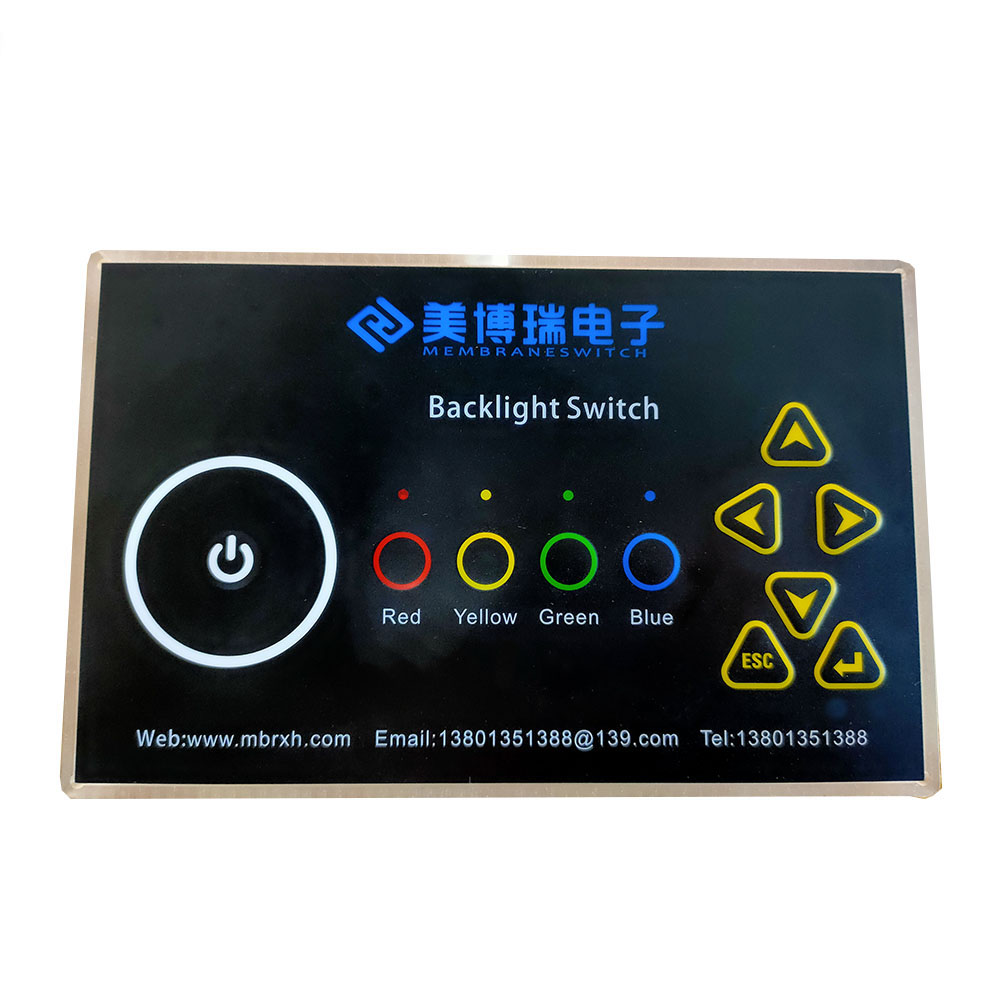
MBR PBT Keyboard Cap PET Membrane Keypad Custom Silkscreen Printing
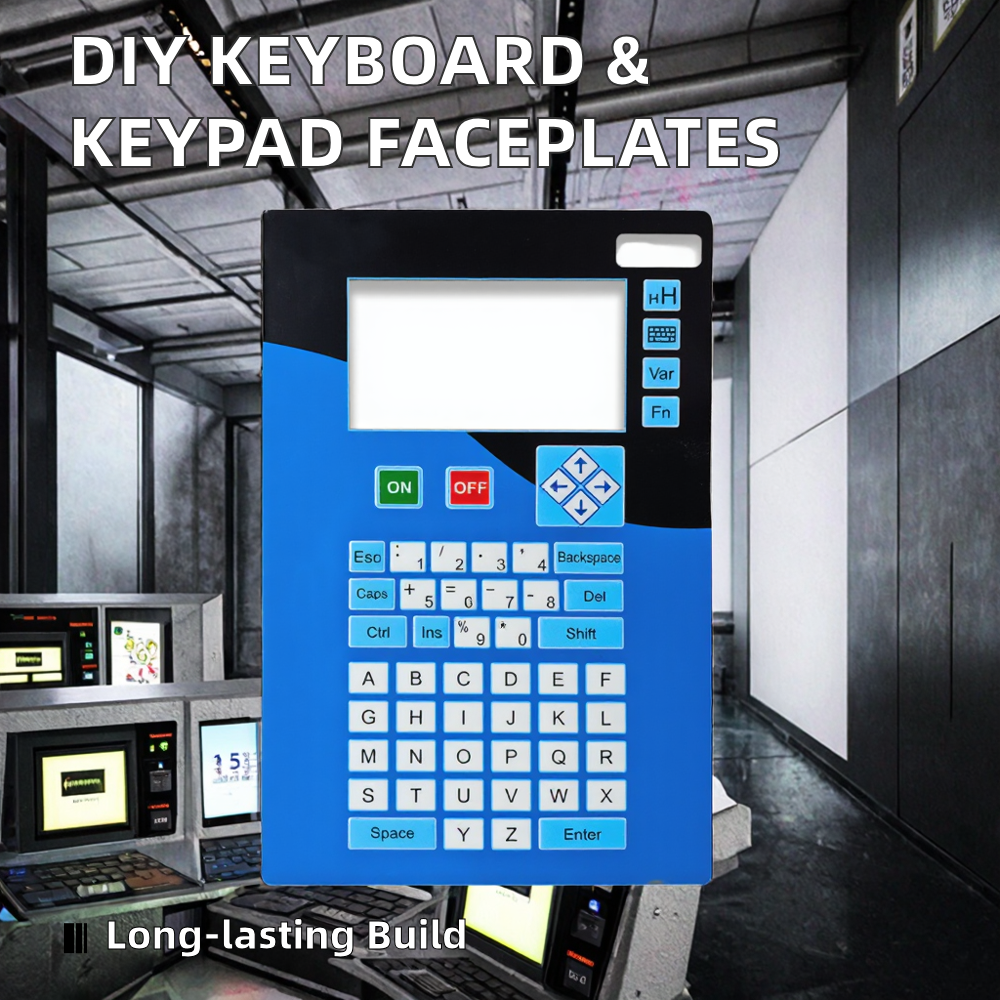
Custom Embossed Tactile Key Membrane Switch with LED Backlighting
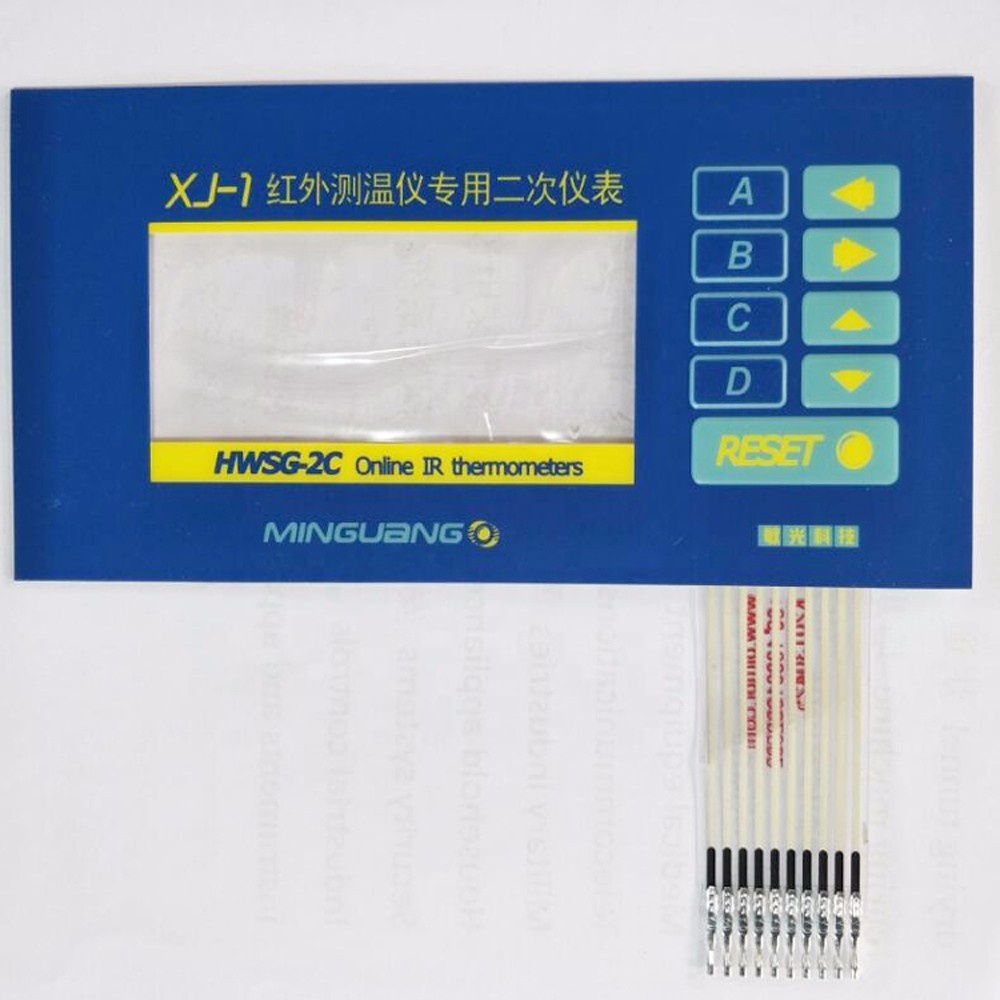
OEM PBT Keycap Mechanical Switch Compatible 2.54mm Pitch Interface
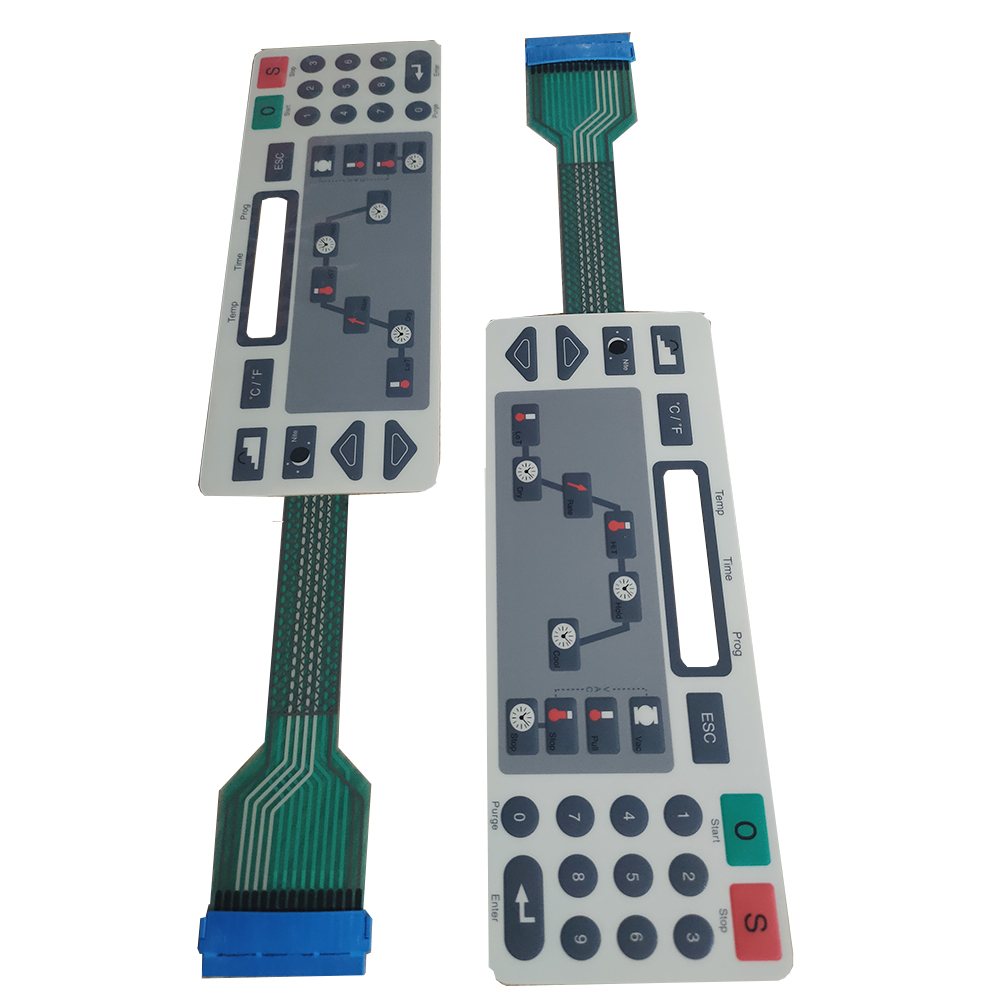
IP67 Waterproof Acrylic/Poly Dome LCD Custom Keypad Flexible Assembly
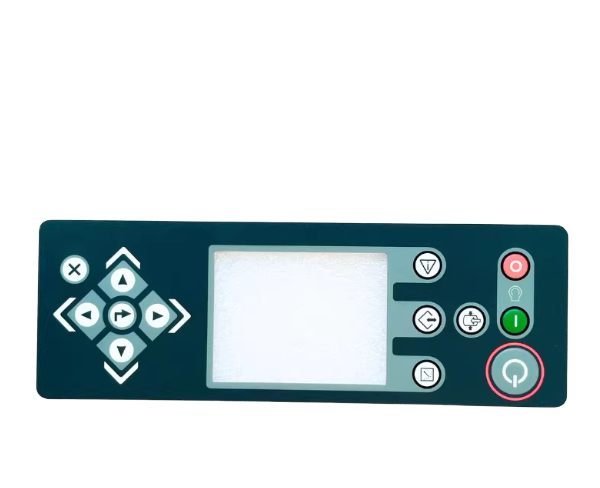
Custom Flexible Temperature Touch Control Keypad Membrane Panel
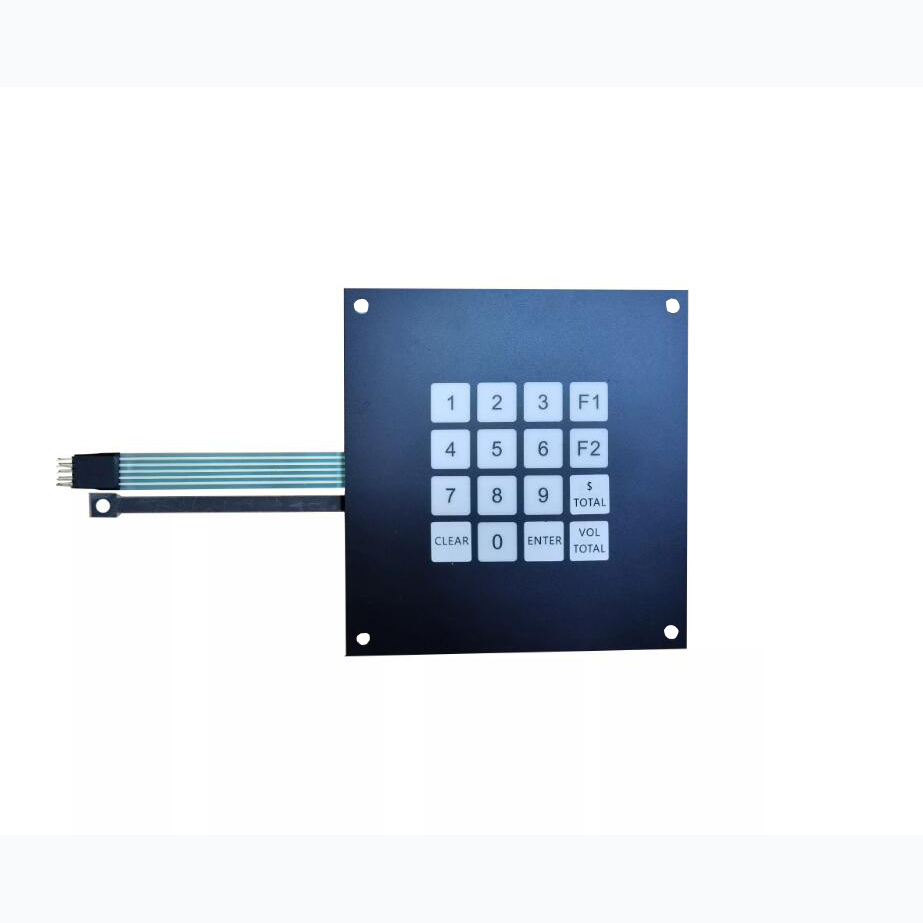
Fuel Dispenser & Heavy Industrial Oiling Machine Membrane Interface
Technical Specification: LED Backlit Membrane Switches in Harsh Nordic Marine & Subsea Environments
In Trondheim, Norway—recognized internationally as the technological capital of marine robotics, cybernetics, and offshore resource development—the physical demands placed on human-machine interfaces (HMI) extend far beyond standard commercial thresholds. Equipment deployed across the Trondheimsfjord, adjacent maritime proving grounds, and North Sea aquaculture installations must remain entirely functional across extreme freezing cycles, constant saline moisture exposure, aggressive washdowns, and low-ambient-light night navigation conditions. Standard consumer-grade tactile buttons or edge-lit elastic keypads inevitably fail due to condensation freezing, silver migration under humidity, or brittle graphic cracking.
As a specialized manufacturer and global exporter, our engineered LED backlit membrane switches incorporate Light Guide Film (LGF) micro-replication, optical diffusion stacks, and hermetically sealed polymer circuitry designed specifically to solve these environmental challenges. By utilizing automotive-grade silicone or high-tenacity bi-axially oriented polyethylene terephthalate (Autotype MacDermid Autotex PET), combined with 3M 300LSE/467MP solvent-resistant adhesive layers, we deliver subsea-level seal integrity up to IP67 and IP68 standards that prevent fluid penetration even under prolonged hydrostatic exposure.
Technical Information Gain: For Trondheim engineers designing wheelhouse panels or autonomous underwater vehicle (AUV) topside stations, thermal hysteresis is a critical risk factor. Our membrane switch assemblies utilize annealed conductive silver traces with dielectric encapsulation or rolled annealed flexible copper circuits (FPC), ensuring that resistance fluctuation remains below 0.05Ω across temperatures transitioning rapidly from -40°C in outdoor arctic docks to +25°C inside heated bridge control houses.
LGF Optical Uniformity
Utilizing high-precision optical laser-etched microdots in 0.125mm to 0.25mm Light Guide Films, our switches achieve superior side-firing LED light redirection, eliminating hotspots and producing smooth illumination exceeding 92% visual uniformity across every legend.
Sub-Zero Hermetic Sealing
Custom multi-layer perimeter gaskets cut from 3M high-surface-energy modified acrylic ensure absolute defense against moisture capillary ingress. Verified to endure repeated rapid freeze-thaw cycles without layer separation or adhesive delamination.
Positive Glove Actuation
Featuring custom 4-leg metal tactile domes manufactured from stainless steel SUS301/SUS304 with actuation forces calibrated between 280g and 450g, ensuring unmistakable tactile click confirmation even when operators wear heavy neoprene winter gloves.
High-Reliability Application Scenarios Across Trondheim & Trøndelag
Tailored HMI hardware serving academic research institutions (NTNU / SINTEF Ocean), commercial shipbuilders, deep-water aquaculture facilities, and precision medical tech clusters.
Autonomous Surface Ships & Bridge Consoles
Integrated with wheelhouse control stations and testing vessels at the Ocean Space Centre. Full compliance with night-vision dimming curves, NVG green filtering, and zero-glare matte texturing to ensure operational safety during polar nights.
Aquaculture Feeding Barges & Pelagic Platforms
Exposed daily to saltwater spray, biological fish-oil grime, and high-pressure caustic detergents. Our anti-microbial hardcoated polyester overlays resist chemical breakdown while preserving clear LCD view windows.
Subsea ROV/AUV Deck Terminals
Handheld remote diagnostics and umbilical winch controls require ruggedized tactile membrane panels built with aluminum backers, ESD shielding grids, and anti-static coatings to repel lightning surges and electromagnetic noise.
Sub-Zero Energy & Smart Grid Stations
Trøndelag’s inland sub-stations endure rapid freeze events dropping below -35°C. Our specially formulated low-temperature silver polymers and conductive carbon pills eliminate trace cracking, preventing cold brittleness failure.
St. Olavs Hospital HealthTech Incubators
Trondheim's thriving medical cluster demands flat, crevice-free capacitive touch and membrane interfaces that withstand rigorous sterilizing agents such as isopropyl alcohol, chlorine dioxide, and autoclave vapors without legend fading.
Technological Trajectory: How Central Norway's Electrification Drives Switch Architecture
The Trondheim industrial hub is spearheading Norway’s transition toward zero-emission electric ferries, fully automated fish farm harvesting, and robotic offshore wind maintenance. This systemic engineering evolution has radically transformed the technical requisites for control interfaces:
1. Shift Toward Hybrid Capacitive-Tactile Solutions: Pure capacitive glass touchscreens often register false touches or freeze under sea-spray conditions, while mechanical pushbuttons are prone to water ingress around mounting bezels. Trondheim systems integrators are increasingly specifying hybrid membrane switchboards that combine a flat, sealed, capacitive touch surface for parameter navigation with tactile embossed metal domes for emergency cut-offs and critical engine throttles.
2. Optical Clarity with Anti-Reflective OCA Lamination: Central Norway's seasonal polar conditions swing from near-continuous low-angle sunlight in summer to prolonged darkness in winter. To maintain legibility, modern backlit switches incorporate optically clear adhesive (OCA) bonding that pairs the PET graphic overlay directly to underlying OLED or TFT displays, eliminating the internal air gap to prevent condensation fogging and reduce sunlight reflection by over 65%.
3. Strict EMI/RFI Shielding Standards: With the intense concentration of high-voltage battery banks, variable-frequency drives (VFDs), and compact radar transceivers on electric maritime vessels, unshielded membrane switches act as antennas for parasitic interference. TAVO designs incorporate complete aluminum foil shielding layers or selective copper mesh grids connected to ground chassis through ZIF tail connectors, ensuring absolute electromagnetic compatibility compliant with marine standard IEC 60945.
| Evaluation Parameter | Standard Commercial Membrane Switch | TAVO Marine-Grade LED Backlit Switch | Engineering Benefit for Trondheim Systems |
|---|---|---|---|
| Operating Temperature | -10°C to +50°C | -40°C to +85°C continuous | Zero failure during sub-zero inland and coastal winter operations |
| Illumination Method | Direct point LED or EL foil | Micro-dot Laser LGF Matrix | Uniform, glare-free night vision, low power drain, 50,000h+ LED life |
| Salt Spray Resistance (ASTM B117) | <24 hours (edge leakage occurs) | Verified >96 hours continuous | Hermetic barrier repels North Sea and Trondheim Fjord marine spray |
| Overlay Substrate | Standard Monomeric PVC or basic PC | Autotex XE UV-Resistant PET | Immune to UV embrittlement, diesel, grease, and industrial washdowns |
| Circuit Architecture | Single-layer screened carbon ink | Double-sided FPC / Silver with Dielectric | Lower line resistance (<1Ω), zero silver migration under high humidity |
| Switch Actuation Life | 500,000 cycles | 3,000,000+ tactile cycles | Critical equipment reliability across multi-year maintenance intervals |
Why Trondheim OEMs & Global Systems Integrators Partner with TAVO
Backed by more than three decades of focused manufacturing heritage since 1990, dual advanced production sites, and long-term German technical collaboration, we eliminate quality compromises in mission-critical user interfaces.
Complete In-House Process
Every step—CAD drafting, film master output, cleanroom screen printing, digital UV graphics, embossing, laser profiling, and automated testing—is executed internally across our 2,219㎡ facility.
Audited ISO 9001 & Intertek
Our quality management systems are assessed onsite by Intertek. Operating under German technical partnerships, every switch batch adheres strictly to stringent European industrial specifications.
Dual-Factory Scalability
With major production plants situated in Xianghe Robot Industry Port (Hebei) and Huizhou (Guangdong), we flexibly balance capacity to offer low MOQs for NTNU prototypes while fulfilling high-volume series runs.
In-House Reliability Test Lab
Equipped with computerized circuit verification benches, button cycle testers, programmable climatic thermal-humidity chambers, xenon weathering stations, and automatic salt fog corrosion chambers.
Frequently Asked Questions by Trondheim Engineering & Sourcing Teams
Clear, definitive engineering answers addressing environmental verification, rapid prototyping, Nordic delivery schedules, and compliance standards.
How do your backlit switches prevent condensation during Trondheim’s sub-zero freeze-thaw cycles?
Rapid temperature fluctuations between cold open fjord waters and heated cabins cause condensation in unsealed air pockets. We engineer switches with perimeter micro-gaskets and air-channel vent reservoirs routed through integrated Gore-Tex waterproof breathable filters or back-panel desiccated channels. Furthermore, our internal circuits are 100% encapsulated in UV-cured dielectric coatings, eliminating silver ion migration.
Can you provide custom Light Guide Film (LGF) backlighting with dimmable night-vision compatibility?
Yes. We engineer thin LGF diffusion systems (0.125mm to 0.25mm) paired with side-firing 0603 or 0805 SMD LEDs in warm white, deep sea blue, maritime amber, or NVIS-compliant green. These arrays support PWM (Pulse-Width Modulation) dimming down to 0.5% without chromatic drift or light flickering, satisfying wheelhouse requirements for bridge night operation.
What documentation and certifications are supplied for Norwegian industrial equipment?
Every shipment exported to Norway includes comprehensive material declaration sheets, Certificates of Conformance (CoC), RoHS 3 (EU 2015/863) and REACH compliance declarations, 100% electrical circuit continuity test reports, and dimensional inspection logs. Full ISO 9001:2015 traceability is maintained on raw films, 3M adhesives, and electronic solder paste.
How do you handle low-volume prototype batches for NTNU and SINTEF spin-off projects?
Unlike manufacturers that enforce rigid multi-thousand unit minimums, we leverage digital UV flatbed printing (Mimaki precision series) and digital CNC laser contour cutters to create fully functional pilot units without requiring hard steel tooling. This allows Trondheim start-ups and university research groups to procure 5 to 50 prototype sets for field verification at modest initial tooling expense.
Which adhesive layer is recommended for textured aluminum or powder-coated cast enclosures?
For cast marine enclosures or low-surface-energy (LSE) powder-coated consoles, standard adhesives tend to lift at corners. We specify genuine 3M 300LSE or 3M 9472LE high-strength acrylic adhesive films. These formulations establish exceptional initial tack and long-term shear strength over uneven cast aluminum, stainless steel, and polypropylene substrates.
What is the standard production and shipping lead time from your factory to Trondheim Airport (TRD)?
Prototype samples are typically manufactured, inspected, and dispatched within 7 to 10 business days following artwork and schematic sign-off. Volume production runs require 15 to 22 business days. We partner directly with DHL Express, FedEx Priority, and air-freight forwarders delivering door-to-door to Trondheim, Ranheim, and Orkanger within 4 to 6 business days.
Accelerate Your Trondheim HMI Development Project
Consult directly with our engineering team for stack-up schematics, LGF photometric simulations, tactile actuation force tailoring, and rapid quote estimations within 24 hours.