Precision HMI & Membrane Interface Portfolio
Engineered for mission-critical industrial installations across Linz, Steyr, and the Upper Austrian industrial triangle. Every unit is custom-fabricated with premium Autotype PET, 3M structural adhesives, and rigorous tactile tuning.
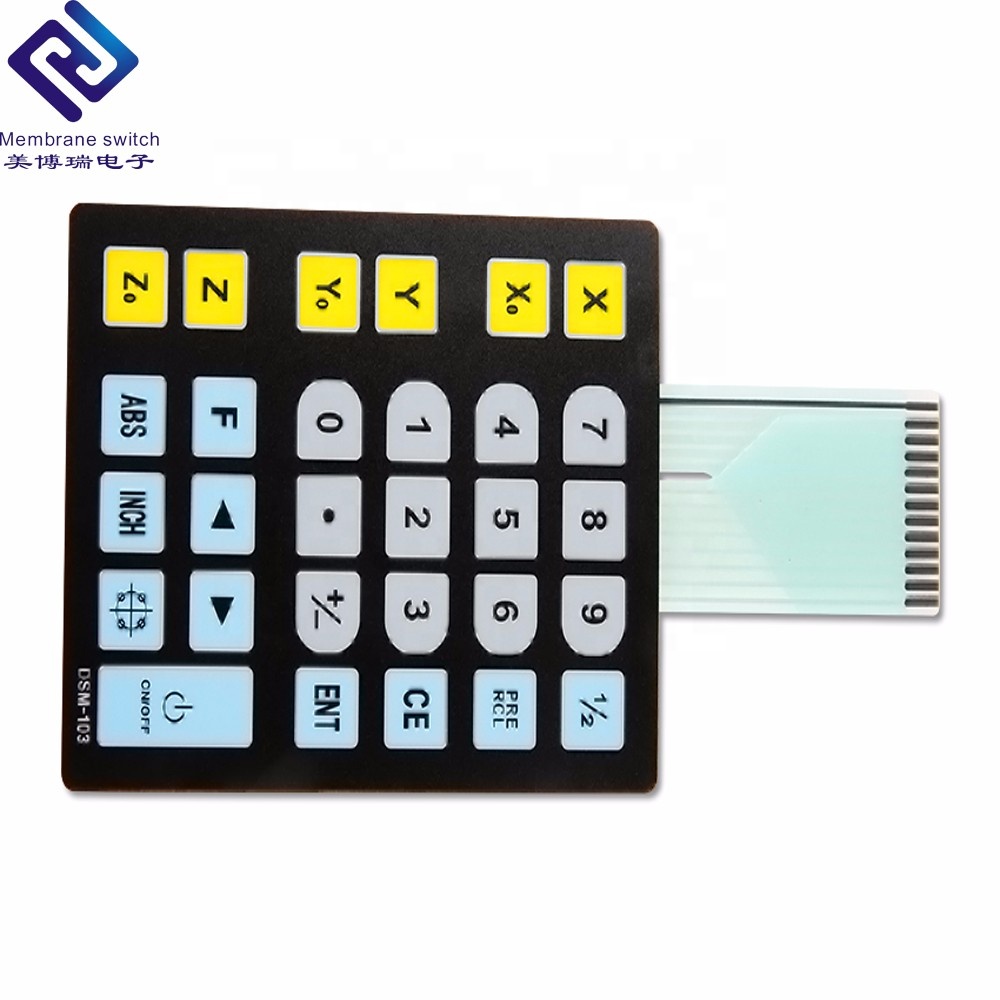
MBR IP67 Waterproof 3M Adhesive Membrane Keypad
- IP67 Waterproof Boundary
- Nickel Metal Domes
- 3M 468MP Adhesive
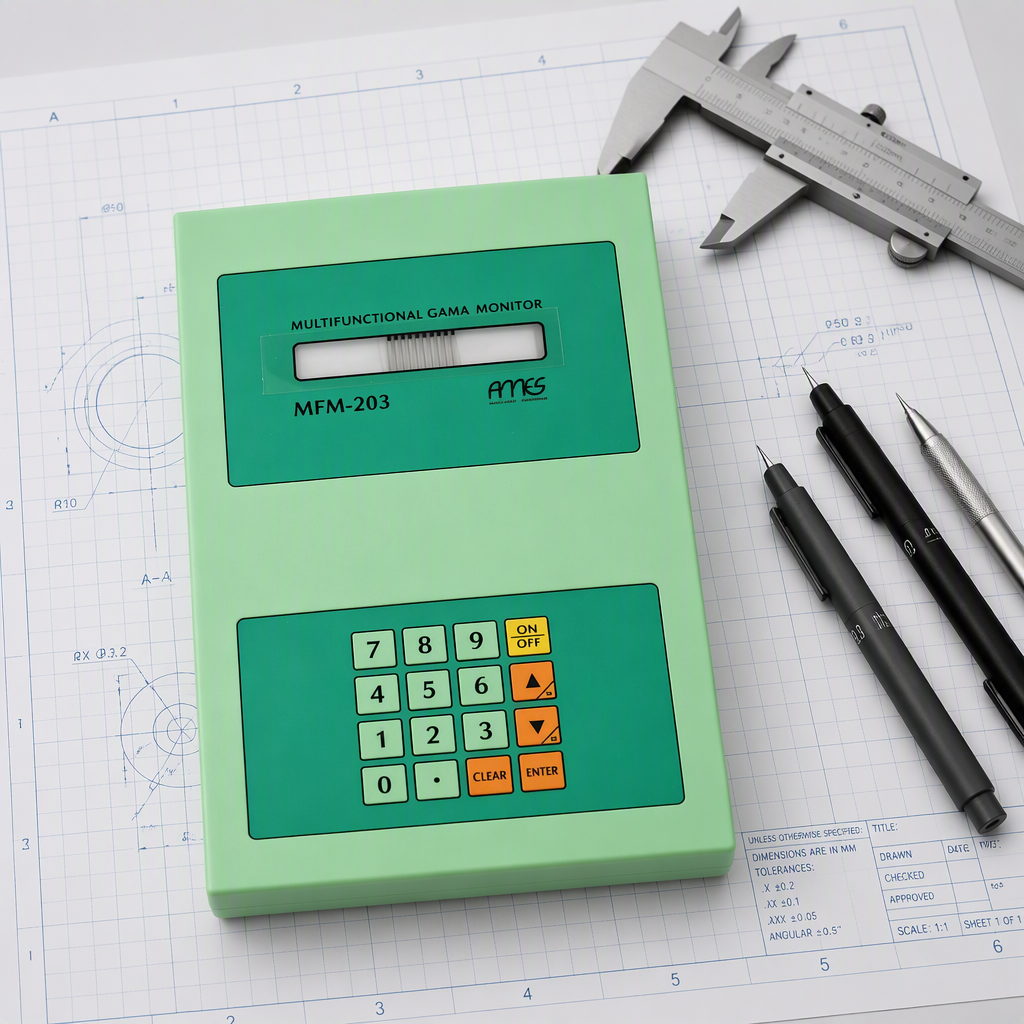
Industrial Membrane Keyboard with PET Overlay
- Autotex Fine-Matte PET
- Chemical Resistant
- Custom Pinout
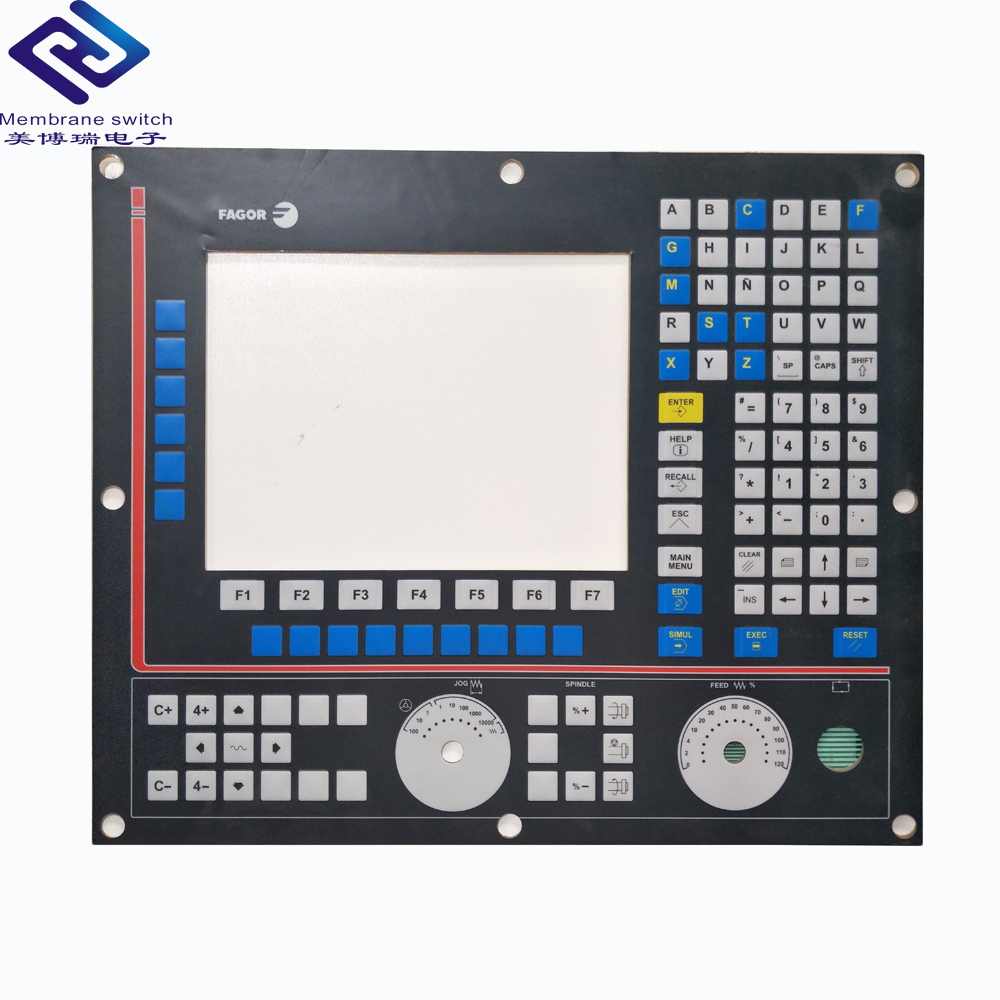
CNC Milling Machine Membrane Control Panel
- High-Tactile Snap Action
- Oil & Coolant Shield
- Embossed Rim Keys
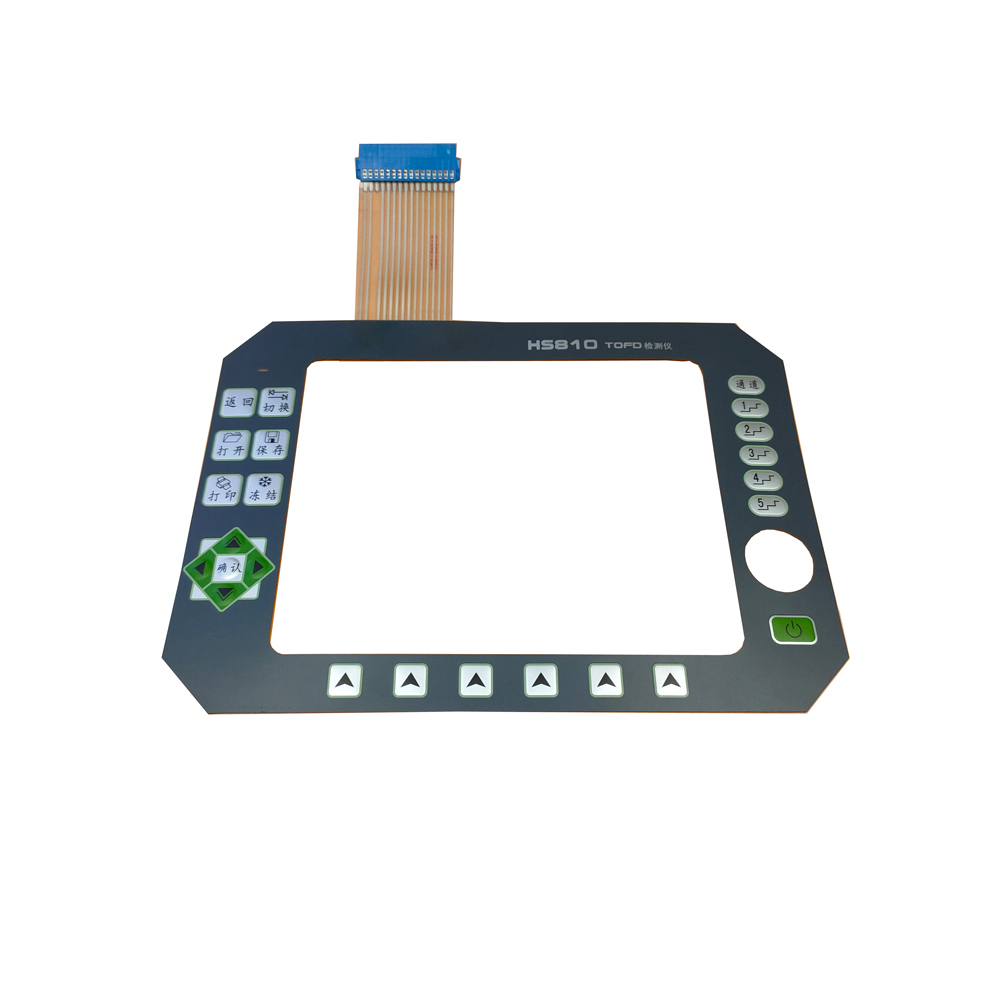
Meiborui Custom PBT Silkscreen Graphic Sticker
- Wear-Resistant Subsurface
- Pantone Exact Match
- UV-Curable Barrier
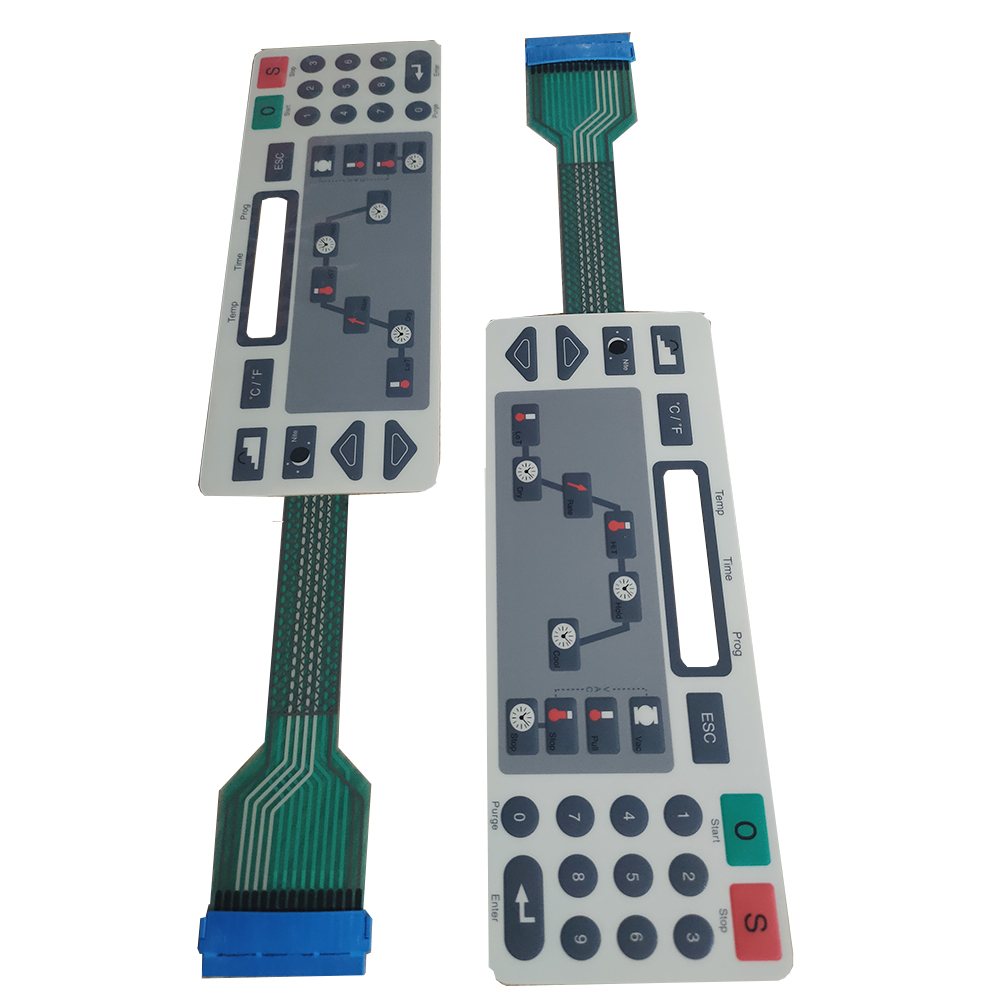
IP67 Waterproof LCD Window Membrane Switch
- Optically Clear Window
- Acrylic/PC Display Face
- Poly/Metal Dome Mix
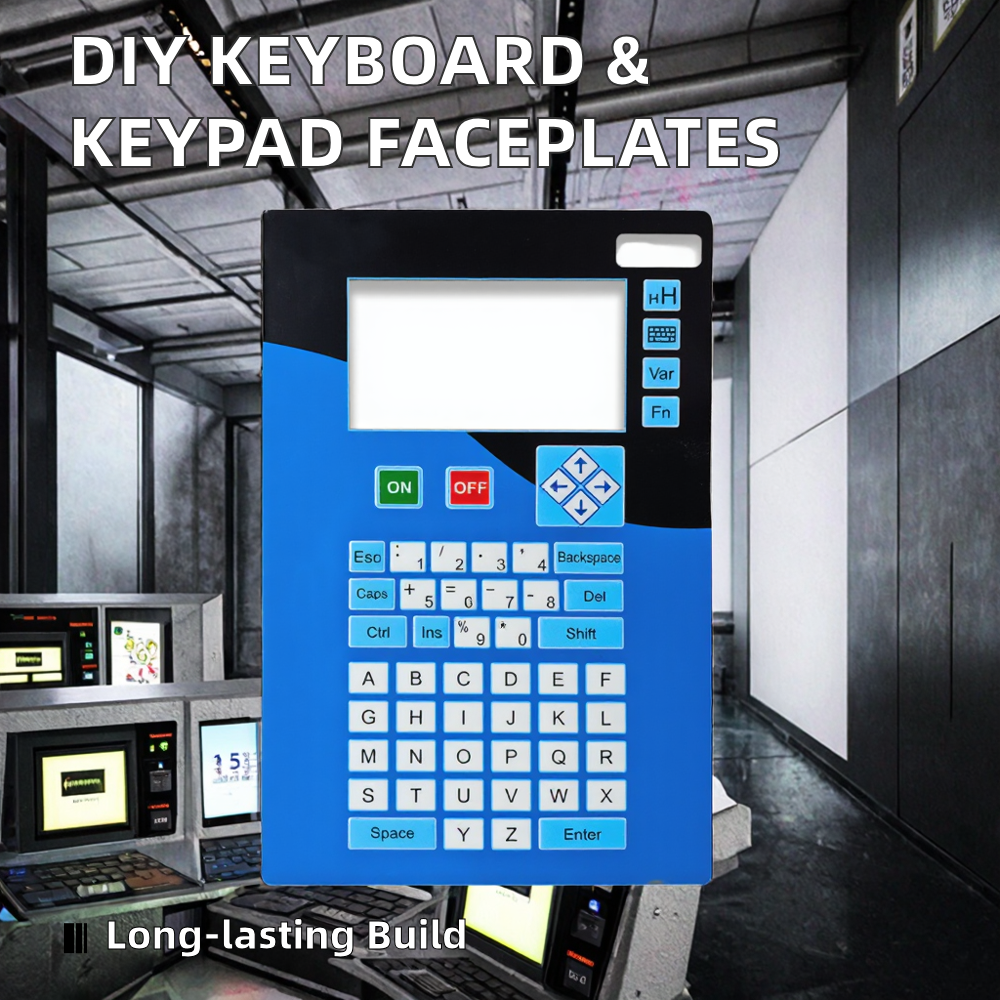
Embossed Tactile Membrane Switch with LED
- SMT Chip LED Integrated
- Pillow Embossed Keys
- ISO 9001 Certified
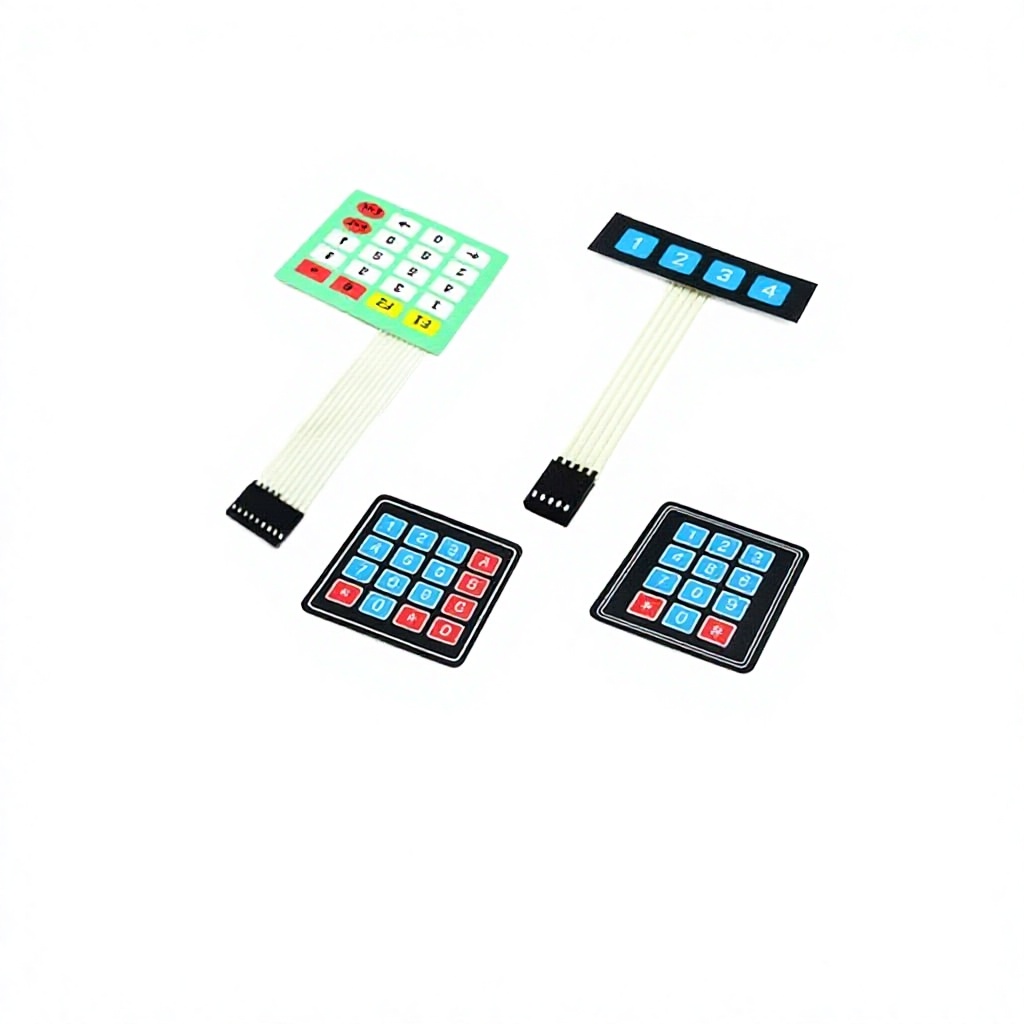
High-Reliability Copper FPC Membrane Switch
- Polyimide Base Substrate
- Gold-Plated ZIF Tail
- Low Trace Impedance
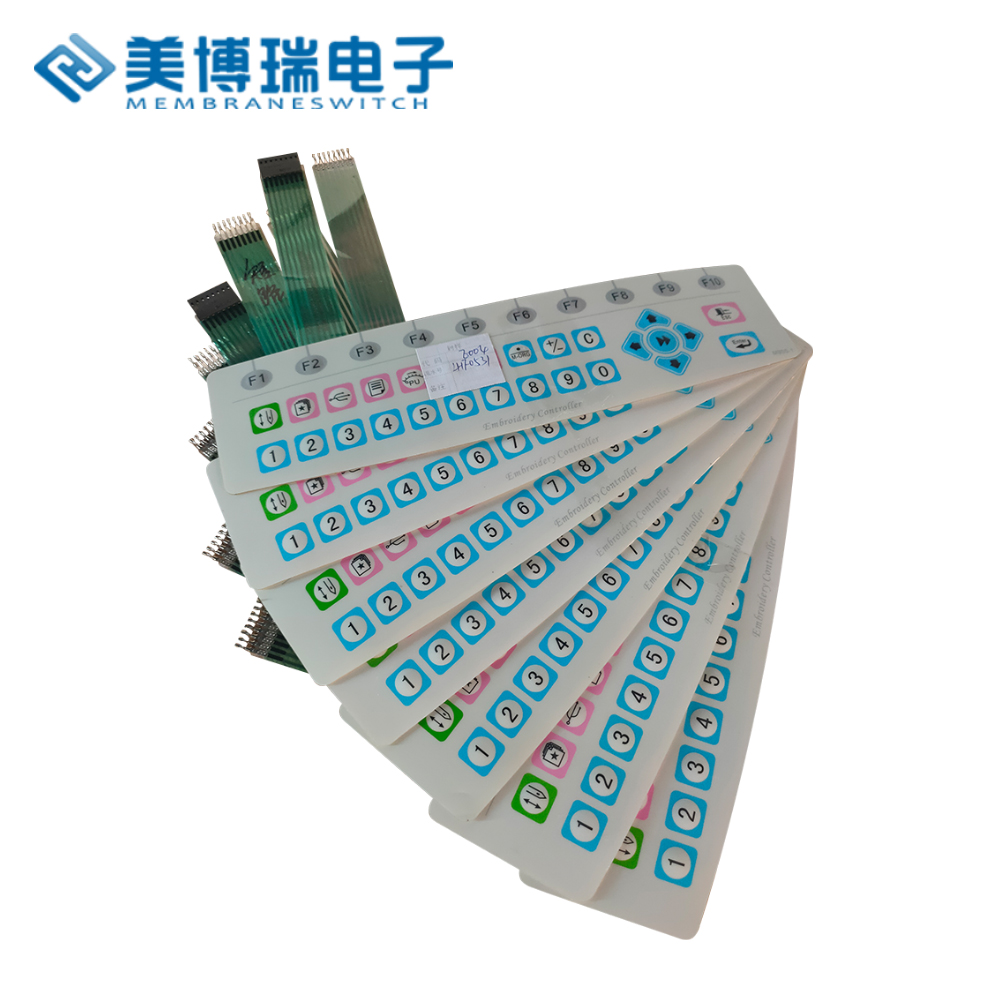
OEM Flexible Silver-Circuit Waterproof Keypad
- Conductive Silver Traces
- Anti-Static Carbon Grid
- Moisture-Barrier Seal
LGF Backlighting Mechanics: Solving Industrial Low-Light Legibility
A comprehensive examination of how Light Guide Film (LGF) photon distribution overcomes the mechanical and electromagnetic limitations of legacy Electroluminescent (EL) foils and high-density discrete LED arrays in modern automated enclosures.
Total Internal Reflection (TIR)
LGF harnesses high-transmissivity optical polycarbonate or PMMA sheets (0.125 mm to 0.250 mm thick). Ultra-precise laser-etched micro-dots refract edge-injected photons upward through key legends at controlled angles, eliminating hotspot distortion while conserving over 70% of drive power compared to full-panel LED matrices.
Zero Electromagnetic Emissions
Unlike legacy Electroluminescent (EL) lamps that require high-voltage AC inverters generating problematic EMI/RFI noise, LGF utilizes low-voltage DC side-firing LEDs (typical forward current 15–20 mA). This architecture guarantees non-interference with sensitive industrial fieldbus transceivers, CANopen nodes, and high-frequency transducer cabling.
Uncompromised Tactile Snap Ratio
Because the light guide foil sits precisely between the graphic overlay and the dome switch layer without bulky light pipes, mechanical stroke depth remains preserved between 0.35 mm and 0.55 mm. Operators receive an immediate, decisive acoustic and tactile snap, essential for operators wearing heavy work gloves on plant floors.
| Evaluation Parameter | LGF Backlit Membrane Switch | Electroluminescent (EL) Lamps | Discrete SMT Surface LEDs | Fiber Optic Woven Mesh |
|---|---|---|---|---|
| Operating Lifespan (Half-Brightness) | > 50,000 to 100,000 Hours | 3,000 to 5,000 Hours (Rapid decay) | 50,000 Hours (Prone to diode failure) | 10,000 to 30,000 Hours |
| Operating Voltage / Drive Circuit | 2.8V – 3.4V DC (Standard low voltage) | 80V – 150V AC Inverter Required | Direct DC Drive | Remote LED Illuminator Source |
| Electromagnetic Immunity (EMC) | 100% Solid-State Silent; No EMI/RFI | High AC Inverter Inherent Noise | Low EMI Risk | Passive Fiber (No EMI), Active Source |
| Luminance Uniformity | Balanced (±8% deviation via micro-dots) | Exceptional initial uniformity | Hotspots unless deep cavity spaced | Uniform, moderate edge decay |
| Total Profile Thickness | 0.8 mm to 1.5 mm ultra-thin profile | 0.8 mm to 1.2 mm | 2.0 mm to 4.5 mm (Bulky light cavity) | 1.2 mm to 2.2 mm |
| Tooling & Prototyping Agility | Fast optical laser calibration | Expensive screen printed phosphors | Circuit routing complexity | Complex mechanical clamping |
Engineered for Linz’s Demanding Manufacturing Sectors
Linz serves as the industrial core of Upper Austria (Oberösterreich), housing massive metallurgical complexes, international machine tooling builders, and specialized mechatronic clusters. Our ruggedized LGF switches are built to endure these harsh operating conditions.
Metallurgical Processing & Foundry Consoles
Surrounding the voestalpine industrial complex and heavy foundry works in Linz, control enclosures face extreme airborne ferrous dust, ambient temperature swings (-20°C to +70°C), and corrosive particulates. Our multi-layer LGF switch assemblies incorporate chemically bonded perimeter IP67 gasket barriers, preventing micron-sized conductive slag dust from settling within the circuit contacts.
High-Precision CNC Tooling & Robotics
Upper Austria’s machine tooling capital along the Linz-Wels-Steyr corridor demands HMI panels capable of resisting continuous immersion in synthetic cooling emulsions, hydrocarbon oils, and industrial cleansers. Utilizing MacDermid Autotex textured polyester films treated with proprietary UV-cured hardcoats, our front panels maintain legend clarity without embrittlement or milky optical clouding.
Clinical Laboratory & Diagnostic Hardware
The thriving medical technology and life science clusters in Upper Austria require membrane user interfaces that tolerate daily sterilization cycles with isopropyl alcohol, quaternary ammonium disinfectants, and sodium hypochlorite wipes. Our flat-surface and gently rim-embossed LGF keyboards eliminate crevices, preventing microbial growth and contamination in diagnostic environments.
Local Engineering Trends in Linz and the Upper Austrian Manufacturing Valley
Analyzing key shifts in human-machine interface procurement across the Austrian mechatronics ecosystem, from Industry 4.0 integration to stringent European Union environmental stewardship.
Hybrid Capacitive-Tactile HMIs
Austrian machine designers are shifting away from standalone capacitive touchscreens in safety-critical panels. They favor hybrid consoles: high-durability capacitive sliders paired with embossed, LGF-backlit physical dome keys for primary emergency, start/stop, and feed functions to prevent accidental touch activation.
Rigorous EU Directives Compliance
Equipment exported from Linz across the European Single Market must satisfy the Machinery Directive 2006/42/EC (transitioning to the new EU Machinery Regulation), Low Voltage Directive 2014/35/EU, and RoHS 3 / REACH SVHC declarations. Our production operates under verified material traceability from certified resin manufacturers.
Low-Power Eco-Design Mandates
As Upper Austrian factories deploy comprehensive energy monitoring systems, standby power dissipation in field controllers must be minimized. LGF backlighting operates efficiently on minimal power budgets, making it ideal for distributed 24V DC bus systems and battery-backed remote diagnostic terminals.
OCA Optical Bonding for TFT Screens
Industrial displays mounted behind front panel graphic overlays are increasingly bonded using Optically Clear Adhesive (OCA). This process matches refractive indices, eliminating air gaps, eliminating condensation under humid plant conditions, and maximizing sunlight readability in mobile construction machinery.
Factory Strengths & Complete In-House Fabrication Capabilities
Drawing on over three decades of thin-film membrane heritage, we provide complete, self-reliant engineering—from CAD Gerber schematic verification to precision cleanroom lamination and multi-axis environmental qualification.
Dual-Facility Redundancy
Our operations span our central production base in the Robot Industry Port of Xianghe along with our secondary high-volume electronics processing facility in Huizhou. Production runs are allocated to guarantee continuous delivery, ensuring that supply chains for Austrian OEMs remain uninterrupted by local disruptions.
German Technical Partnership
We maintain an ongoing technical partnership with a German membrane switch manufacturer, aligning our engineering tolerances, equipment setup, and quality benchmarks with the DACH region’s standards. Our processes match the requirements expected by Austrian engineering teams.
Comprehensive Onsite Tooling
All production phases remain internal: 37 precision screen printing systems, 4 Mimaki digital UV flatbed printers for rapid prototyping, 60 CNC mold-making machines, 18 laser-cutting tables, and 7 high-speed digital engraving centers ensure tight control over quality, tolerances, and turnaround schedules.
In-House Reliability Testing Laboratory & Process Control
Reliability is systematically verified through every production run. Our in-house quality assurance center subjects production samples to rigorous qualification procedures:
Frequently Asked Questions by Austrian Engineers & Buyers
Direct technical guidance covering design parameters, international trade logistics, and certification requirements for sourcing LGF backlit membrane keypads.
Our optical design team uses ray-tracing simulations to configure variable-density dot patterns across the Light Guide Film. Micro-dot size and spacing are calibrated relative to side-firing LED positions. This prevents hot spots near the emitters and avoids dimming on distant keys, maintaining luminance uniformity within ±8% across the entire console.
We work with industry-standard engineering formats. Vector artwork can be supplied in Adobe Illustrator (.AI), CorelDraw (.CDR), or vector .PDF format with defined Pantone Matching System (PMS) or RAL color references. Circuit routing and mechanical profiles are preferred in DXF, DWG, or Gerber RS-274X files. Our 10-person pre-press team converts your files into full production schematics for sign-off prior to hard tooling.
Yes. Flexible ribbon tails can be prepared with standard female Amphenol/FCI Clincher connectors, 2.54 mm pitch solder tabs, or gold-plated contacts designed for 1.0 mm, 0.5 mm, or zero-insertion-force (ZIF) PCB headers. For high-vibration applications, we also fabricate complete units on FR4 PCB substrates or copper flex circuits (FPC) with automotive-grade locking connectors.
Tooling and pilot prototype batches are typically finalized within 7 to 12 working days. Production volumes are completed within 15 to 22 business days based on BOM complexity. Express air consignments to Blue Danube Airport Linz (LNZ) or Vienna International Airport (VIE) take 3 to 5 business days via DHL Express, FedEx, or air freight forwarders. We support standard Incoterms including EXW, FOB, CFR, CIF, and DAP.
Our industrial panels use biaxially oriented Autotype MacDermid Autotex PET overlays, bonded with acrylic adhesives such as 3M 467MP, 468MP, or 3M 300LSE. These materials resist cutting lubricants, diesel, motor oils, industrial alcohols, and dilute acids. For heavy washdown conditions, an integrated perimeter moisture barrier maintains sealing integrity to IP67 standards.
Yes. Using surface-mount technology (SMT) with conductive epoxy or automated flex soldering, we incorporate ultra-compact LEDs (0603, 0805, or side-emitting 1204 packages) alongside stainless steel tactile domes. Integrated embossing wells and spacer cavities prevent mechanical stress on electrical solder joints during repeated key actuations.
Request an Engineering Review & Quotation for Your Linz Application
Connect with our technical design team. We provide Gerber DFM reviews, optical stack-up advice, material compatibility verification, and quotation estimates within 24 hours.