IP65 Sealed
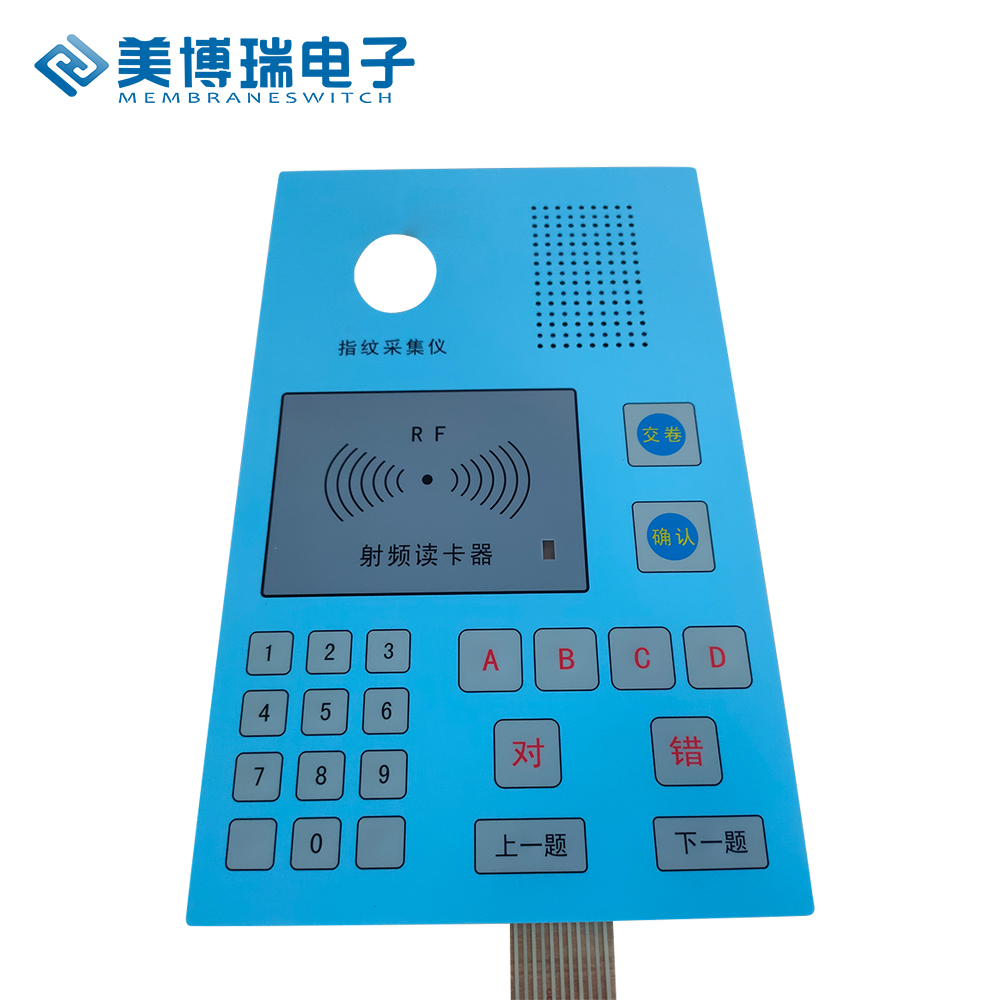
Explore our export-ready industrial keyboard assemblies, flexible printed circuits, and environmentally sealed control consoles built to withstand relentless high-humidity and corrosive conditions.
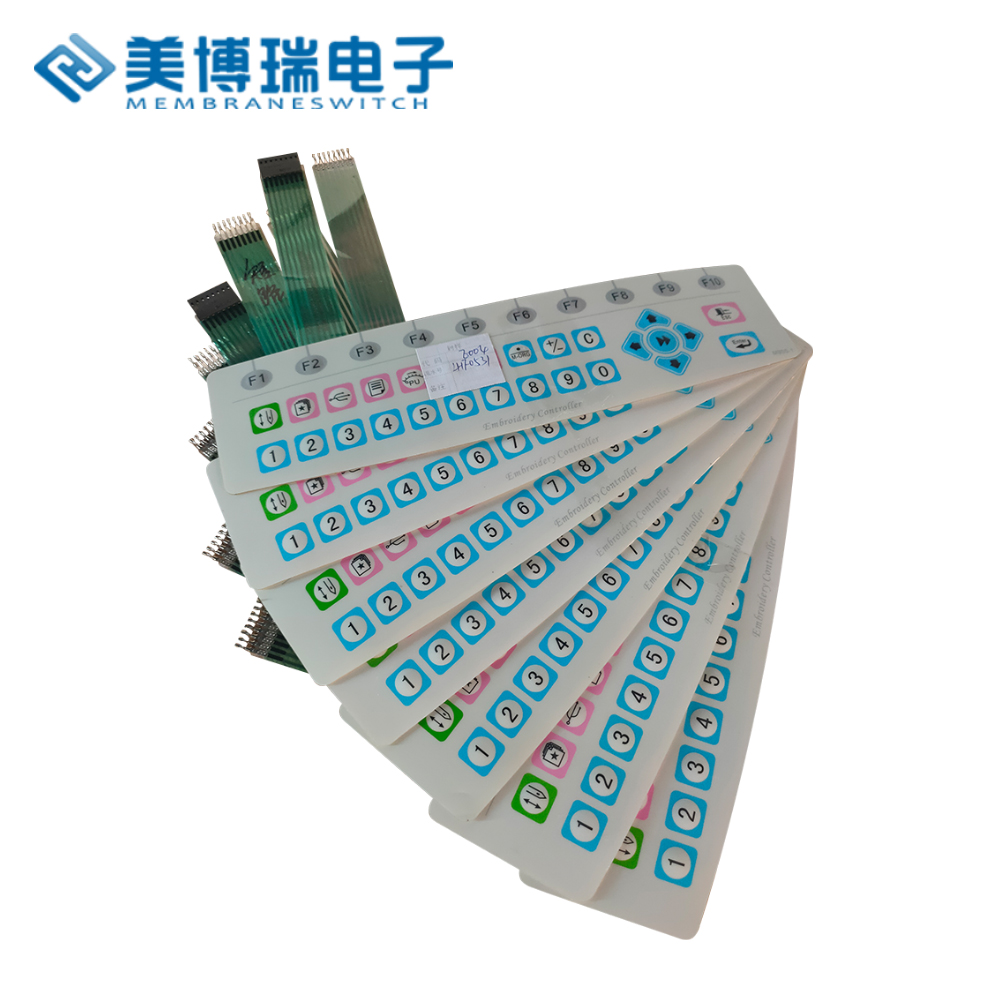
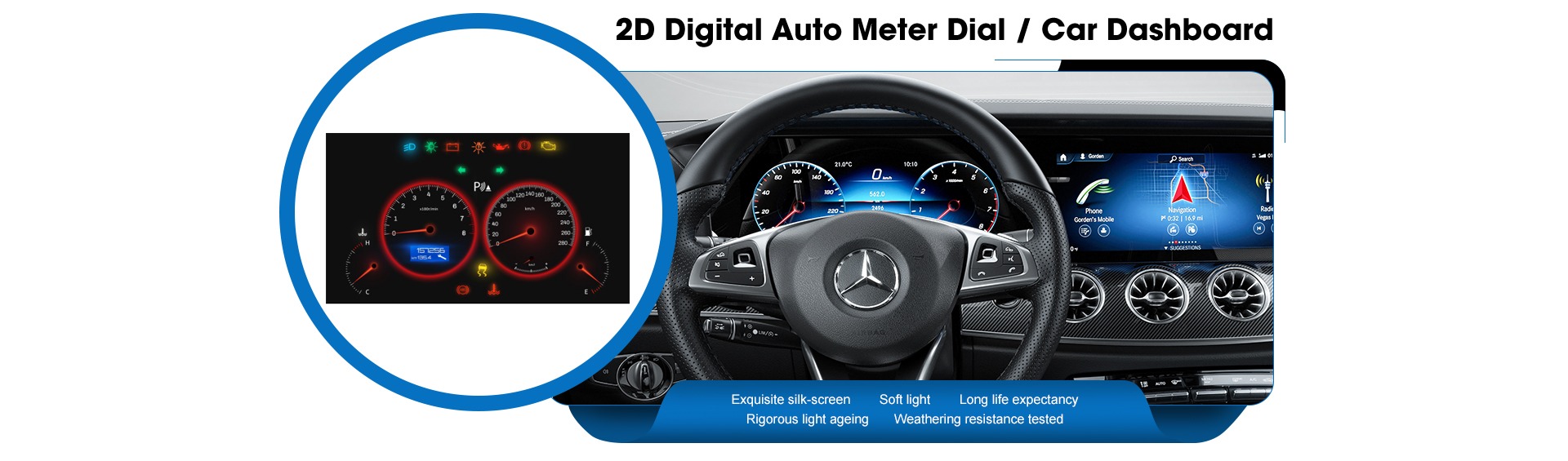
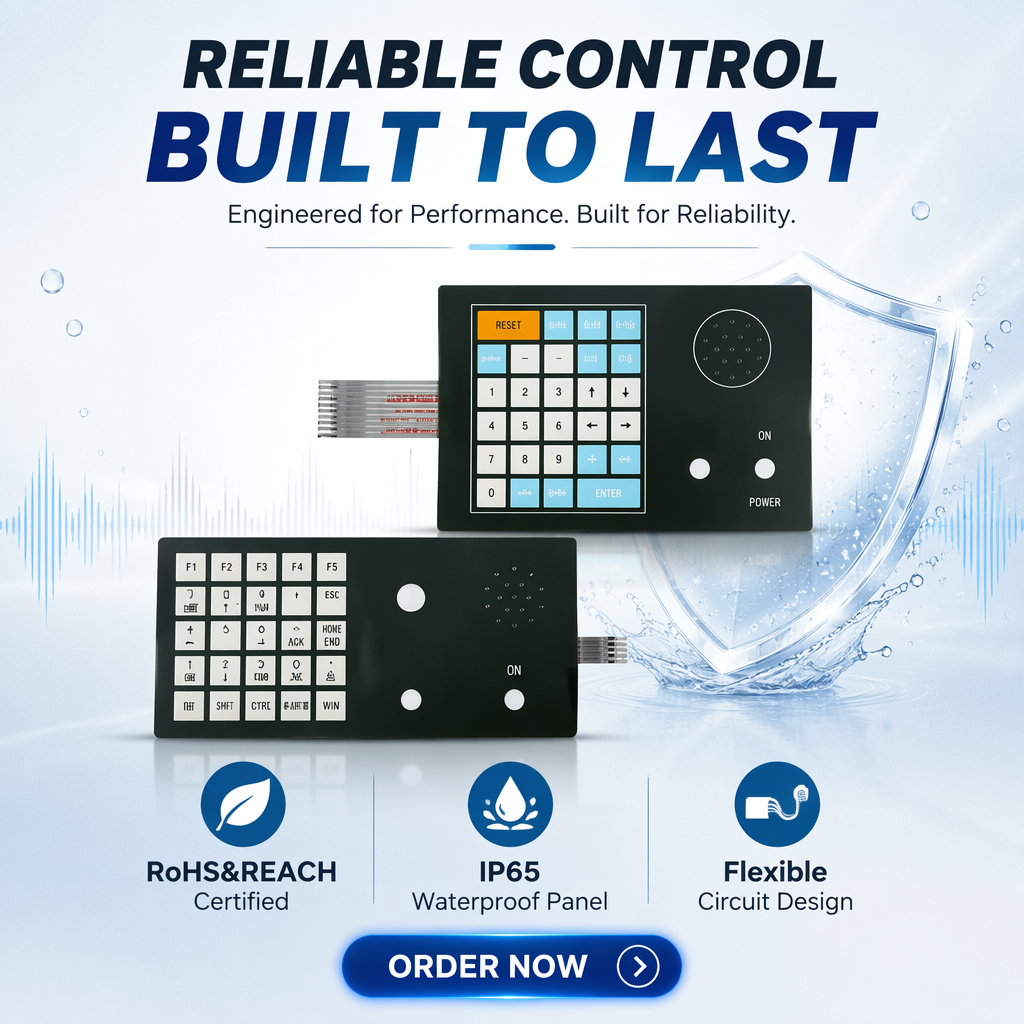
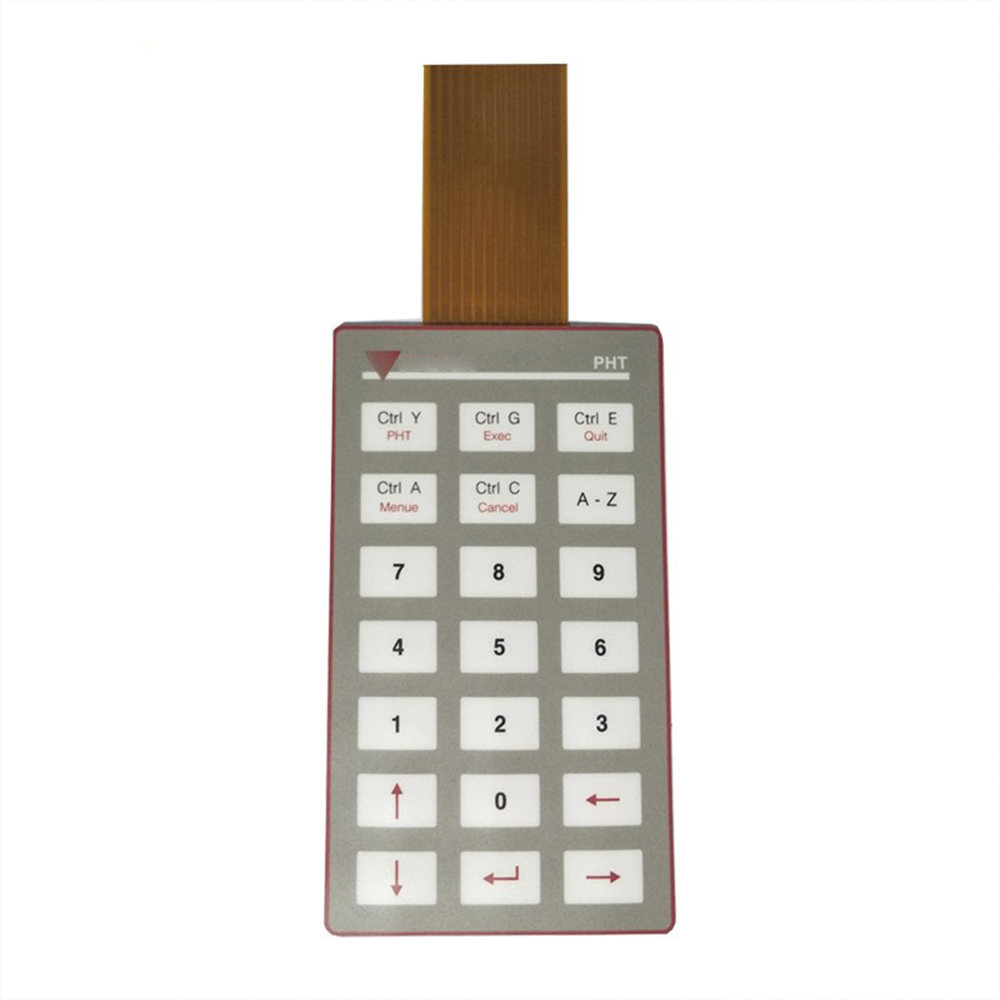
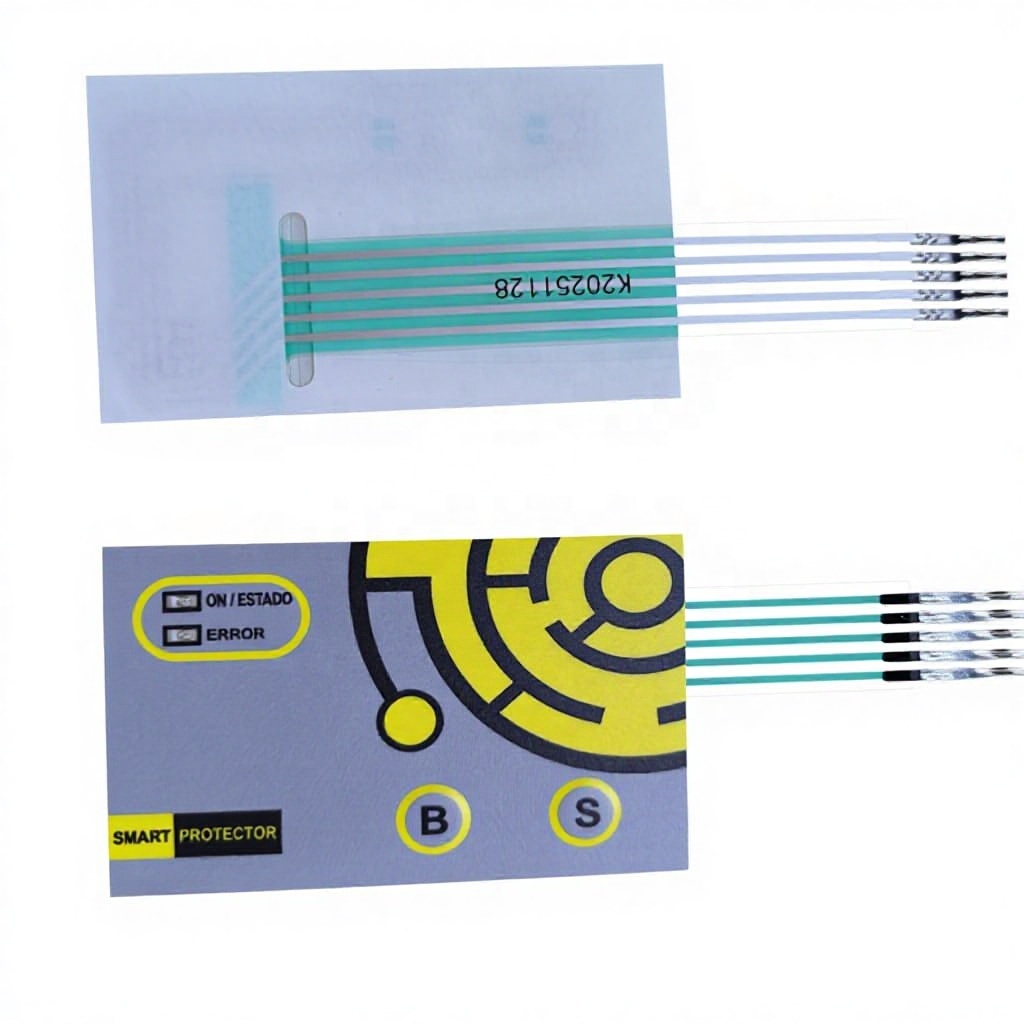

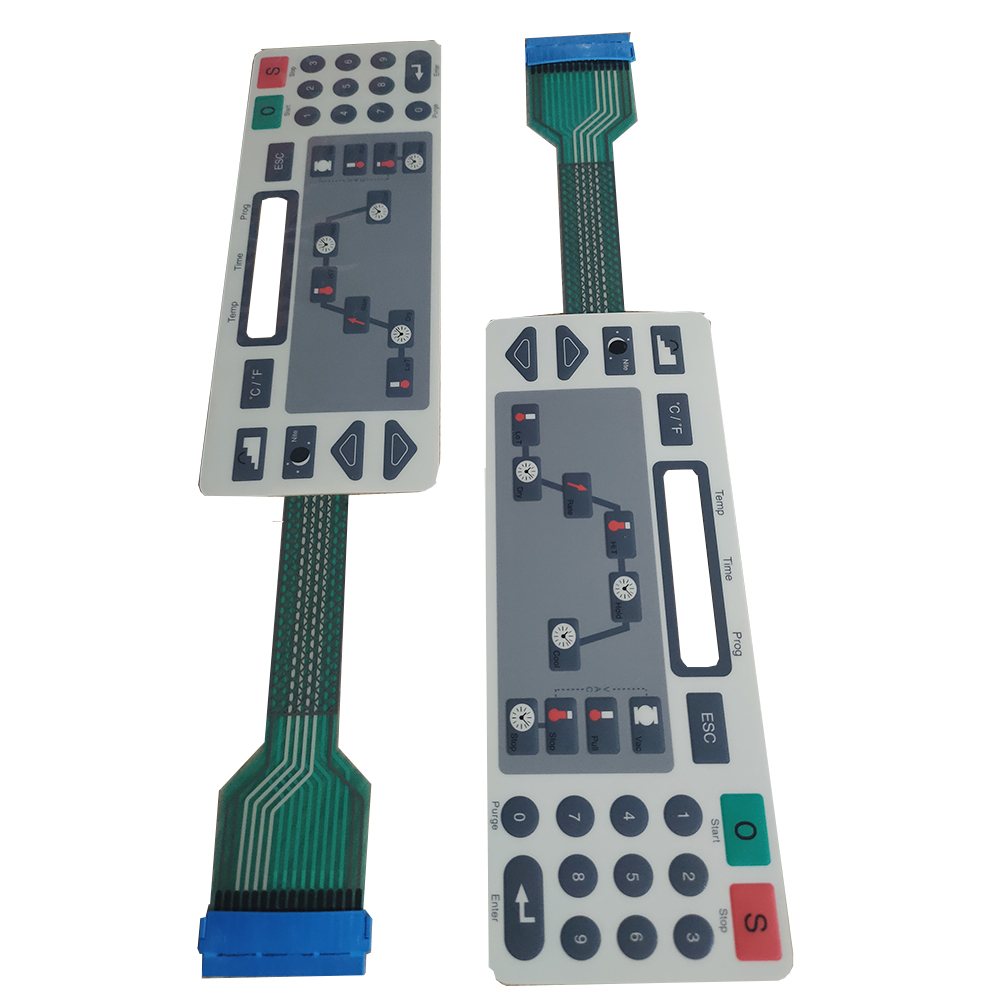
A comprehensive analysis of micro-grooved optical propagation, layer cohesion, and thermal-expansion mitigation across humid marine operational environments.
In modern industrial interface engineering, traditional backlighting methodologies—such as point-source surface-mount LEDs (SMD), Electroluminescent (EL) foils, and fiber optic arrays—present critical mechanical vulnerabilities when deployed in equatorial coastal settings. SMD LEDs frequently create uneven luminance with high-contrast "hot spots" and require thicker spacer profiles (typically >1.5mm) to diffuse light evenly. EL lamps suffer from rapid phosphor degradation in the presence of continuous ambient heat, exhibiting a half-life of fewer than 3,000 hours in tropical zones. Furthermore, fiber optic mesh configurations pose acute assembly rigidities that compromise sealing perimeter boundaries.
Light Guide Film (LGF) represents a structural leap forward in human-machine interface efficiency. An LGF backlighting sub-assembly utilizes a high-transmissivity optical polycarbonate (PC) or polymethyl methacrylate (PMMA) film layer, generally ranging from 0.125mm to 0.25mm in total thickness. The film incorporates high-precision micro-dots or micro-prisms created through diamond tool cutting or high-resolution excimer laser ablation. Side-firing ultra-compact LEDs mounted directly on the circuit border inject photons horizontally into the guide layer. By optimizing the distribution density and geometry of the extraction dots (increasing dot density proportionally with distance from the emitter), total internal reflection (TIR) is systematically interrupted, producing completely uniform, glare-free faceplate surface illumination across wide viewing angles.
By shifting photon radiation paths sideways rather than directly upward beneath the key switch, LGF assemblies reduce total switch stack thickness by up to 65% compared to traditional diffuser chambers. This maintains a crisp tactile feedback curve (snap ratio >45%) through the overlay while keeping total system current draw under 20mA per active zone.
For specialized installations across Melekeok, Palau, environmental stressors impose strict architectural prerequisites. Located in the Micronesian archipelago, Melekeok experiences persistent ambient relative humidity fluctuating between 78% and 92%, average year-round temperatures exceeding 28°C, and heavy atmospheric salinity driven by trade winds. In such oceanic environments, standard adhesive chemistries delaminate due to osmotic moisture ingress, and uncontrolled silver ink traces undergo electrolytic silver migration, leading to irreversible short circuits. TAVO solves these localized operational failures through specialized structural layer stacks:
| Layer Architecture | Material Engineering | Operational Function | Environmental Tolerance |
|---|---|---|---|
| 1. Graphic Overlay | Autotex XE Textured Polyester (PET) / Lexan HP92W PC | Sub-surface reverse screen & UV digital print; anti-glare, chemical-resistant facade | Resistant to UV photodegradation, salt spray, fuels, alcohol, and cleaning chemicals |
| 2. Optical LGF Matrix | Optical-Grade Polycarbonate with Computer-Optimized Dot Grid | Total internal reflection (TIR) light distribution from perimeter side-view LEDs | No phosphor aging; stable luminance (-40°C to +85°C); 0.125mm thickness profile |
| 3. Dome Retainer & Domes | 3M 467MP adhesive film + Stainless Steel SUS301 Four-leg Domes | Tactile feedback click (≥300g force); electrical contact bridge for momentary closure | Rated >1,000,000 actuations; nickel/gold-plated dome finishes resist oxidation |
| 4. Circuit Substrate | Polyimide Flexible Printed Circuit (FPC) or Silver ink on Stabilized PET | Low-resistance conductor pathways; SMT mounts for side-emitting miniature LEDs | Dielectric strength >1500V DC; pitch precision ≤0.5mm; copper trace corrosion immunity |
| 5. Hermetic Perimeter Gasket | 3M 300LSE / 3M VHB Closed-cell Acrylic Foam Adhesive | Seals system against exterior housing; blocks vapor, water jets, and fine airborne dust | Meets IP66, IP67, and NEMA 4X immersion ratings under high tropical salinity |
Empowering coastal infrastructure, public sector digitization, and maritime fleets across Babeldaob Island with rugged, tropicalized control interfaces.
Vessels operating out of Babeldaob and Koror require navigation switchboards readable in pitch-black sea conditions without impairing the helmsman's night vision. TAVO's LGF backlighting provides uniform emerald-green, red, or dimmable crisp-white illumination across dashboard panels, while IP67 3M VHB perimeter adhesives stop salt spray and deck wash-down water from penetrating internal circuits.
As the executive seat of Palau's national government in Melekeok, administrative complexes and utilities demand continuous reliability for HVAC systems, secure biometric access points, emergency communication grids, and backup generator controllers. Our anti-microbial, chemical-resistant textured overlays resist continuous touch wear and harsh sanitizing agents while guaranteeing zero functional failure during seasonal typhoons.
Palau's strategic focus on solar microgrid infrastructure and coastal reverse-osmosis desalination demands human-machine interfaces that withstand intense UV radiation, heat cycling, and chemical exposure. TAVO constructs graphic panels using UV-stabilized Autotex XE polyester films that do not yellow or embrittle under open tropical sun, coupled with copper FPC circuits to resist oxidation.
How next-generation interface manufacturing addresses the unique balance between small-batch customization, extreme environmental durability, and sustainable procurement.
The operational landscape for electronic interface panels across Micronesia and surrounding Pacific island states is undergoing a major technological transformation. Historically, industrial machinery operators had to source heavy, cast-metal electromechanical pushbuttons or unsealed desktop keyboards. These traditional mechanical switches possessed significant clearances around buttons that inevitably trapped wind-blown salt dust, coastal humidity, and mold spores, leading to contact corrosion and frequent line shutdowns.
Four market-driven shifts now dictate interface procurement throughout Melekeok and the wider region:
While screen-printed conductive silver paste on polyester (PET) remains cost-effective for general home appliances, critical infrastructure in high-humidity zones increasingly demands etched copper Flexible Printed Circuits (FPC). Copper tracks protected by polyimide coverlays are physically immune to silver dendrite migration, extending reliable service life beyond 10 to 15 years.
Original Equipment Manufacturers are combining true solid-state capacitive touch sensors with LGF selective illumination. Eliminating mechanical moving parts entirely behind a seamless, continuous graphic overlay creates a sealed, IP69K-washdown front surface that can be scrubbed clean without compromising water integrity.
Remote island nations face significant supply chain delays. Procuring massive batch sizes of 10,000 units from rigid manufacturing lines is often neither practical nor economically feasible for municipal upgrades. TAVO meets this market need by running dedicated low-MOQ pilot programs and rapid CNC digital tooling workflows, shipping custom replacement panels in small batches without demanding expensive physical steel tooling.
Thirty-five years of specialized membrane switch engineering, owned manufacturing facilities, and strict closed-loop quality control audited by international testing bodies.
TAVO Electronic Information Technology Co., Ltd. traces its direct technical lineage back to 1990. While trading intermediaries broker parts across third-party suppliers with varying quality standards, TAVO operates two integrated production hubs: our flagship smart factory in the Robot Industry Port of Xianghe Economic and Technological Development Zone, Hebei, complemented by our Southern China manufacturing base in Huizhou, Guangdong. This dual-base manufacturing architecture provides total capacity redundancy, flexible project scheduling, and tight protection of engineering files.
Every step—graphic drafting, laser photoplotting, screen preparation, precision digital UV printing, cleanroom assembly, and functional continuity verification—is managed under one roof with zero outsourced shortcuts.
Our manufacturing and engineering practices are backed by a long-term technology exchange program with a leading German membrane switch manufacturer, adopting European tolerances for mechanical switch life and optical dispersion.
Equipped with 60 high-precision CNC mold machining centers, 37 automated screen printers, 18 precision laser cutting lines, and 4 Mimaki heat-setting UV flatbed printers for exact Pantone match accuracy.
In-house quality test laboratories featuring programmable salt-fog chambers, xenon arc UV weatherometers, thermal-shock cycle testers, and robotic button actuation life-cycle testers.
TAVO membrane switch panels are deployed by global industry leaders including Siemens, ABB, and Haier. Our engineered interface switches have been field-proven in extreme-demand environments such as high-speed locomotive cab control desks, the Three Gorges hydro-electric dam network, Xugong Group heavy machinery consoles, and aerospace test systems.
Everything procurement engineers, technical contractors, and sourcing directors need to know about custom tooling, material choices, shipping, and extreme-environment warranties.