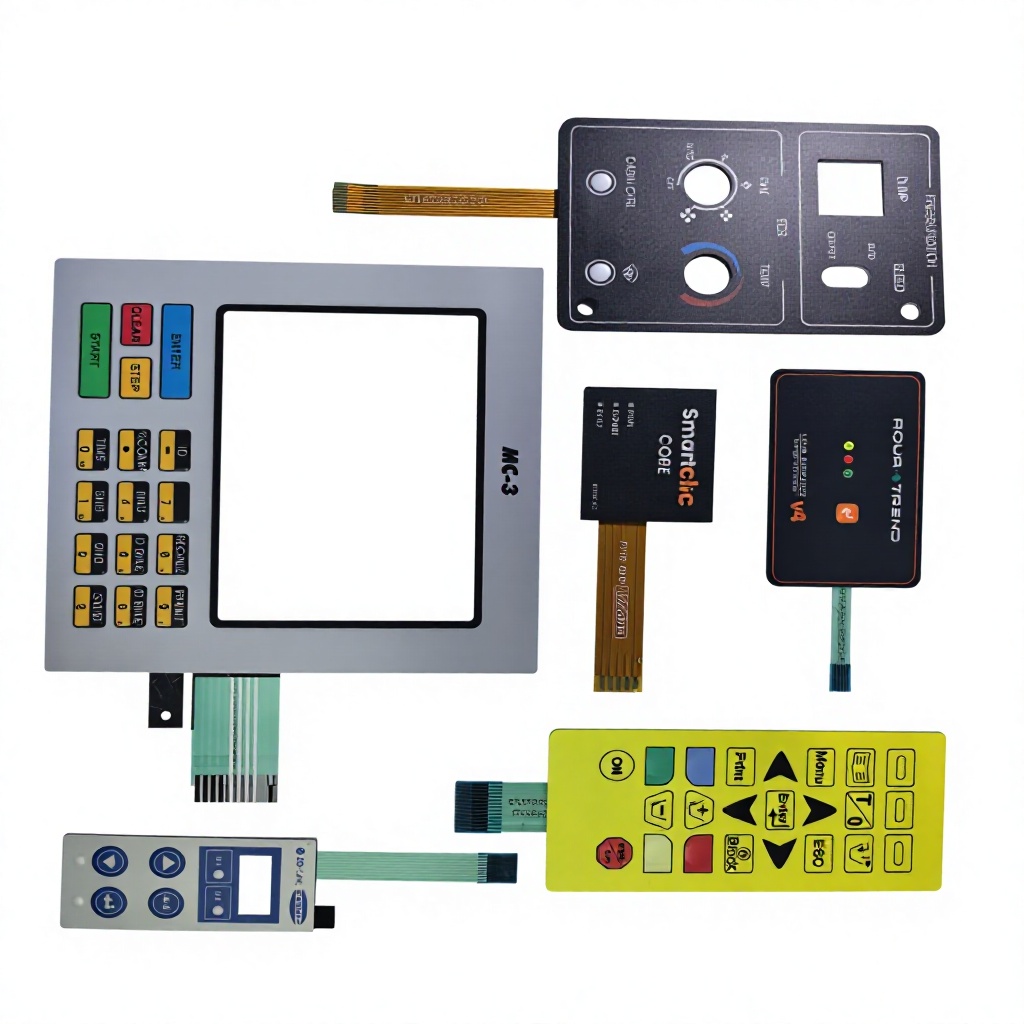
Engineered Product Matrix
Precision Membrane Keypads & Interconnect Solutions
Explore our industrial-grade switch panels configured with metal snap domes, FPC circuits, chemical-resistant graphic overlays, and advanced optical backlighting.
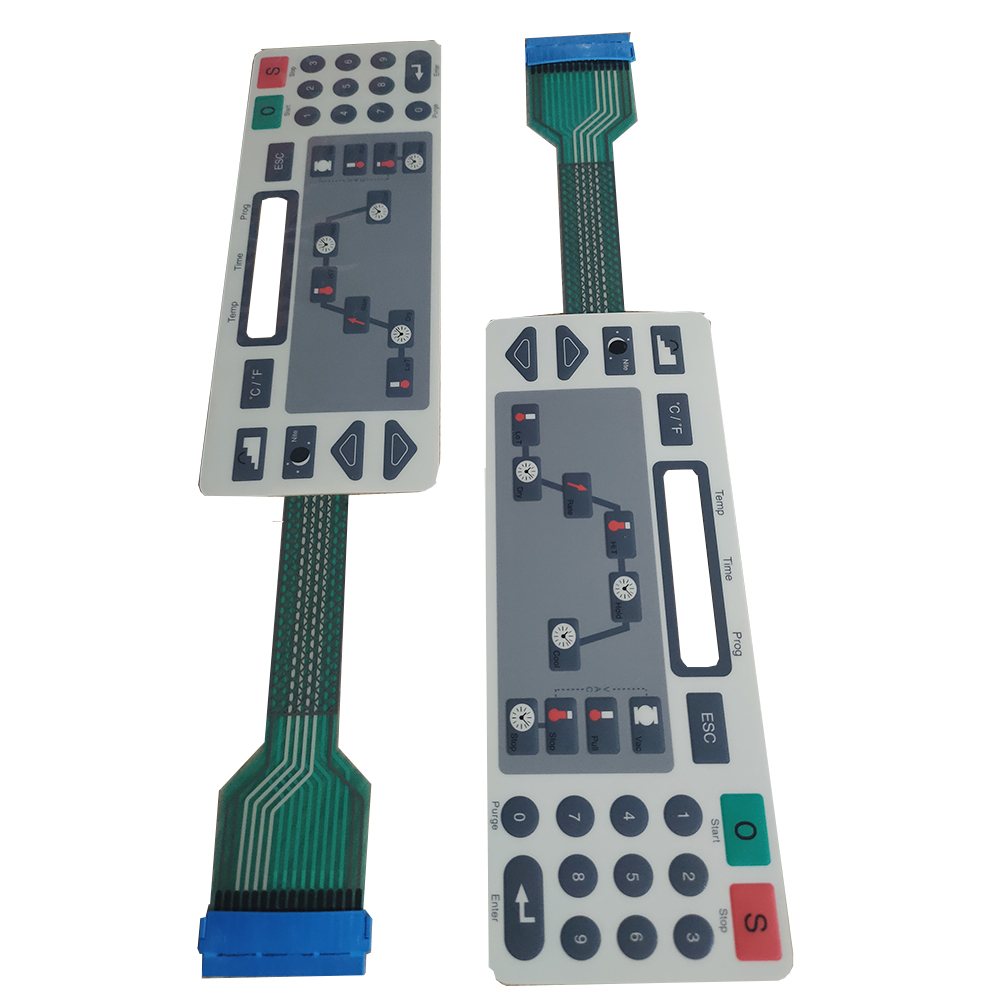
High Quality IP67 Waterproof 3M Adhesive Acrylic Metal/Poly Dome LCD Membrane Switch
Explore Specification →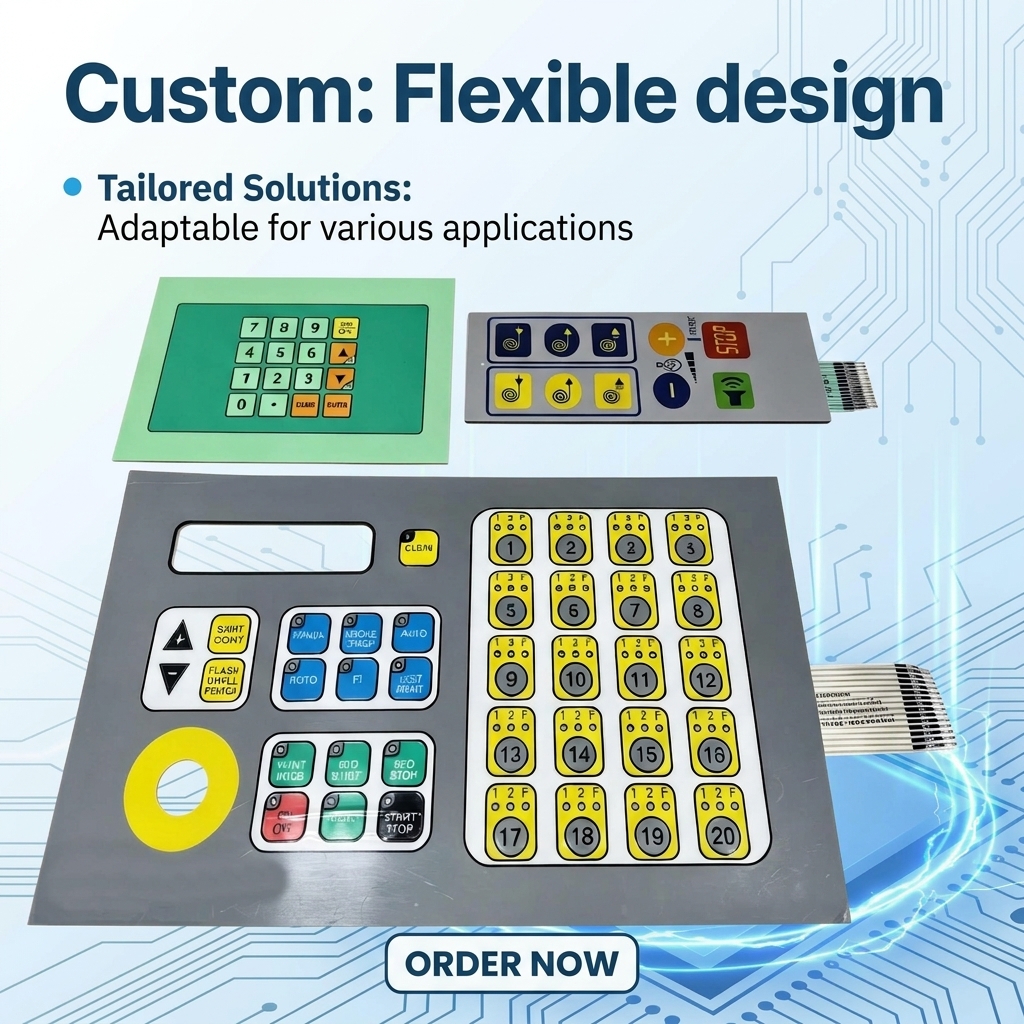
FPC Membrane Switch Keypad Flexible Circuit With LED Illumination Control Panel
Explore Specification →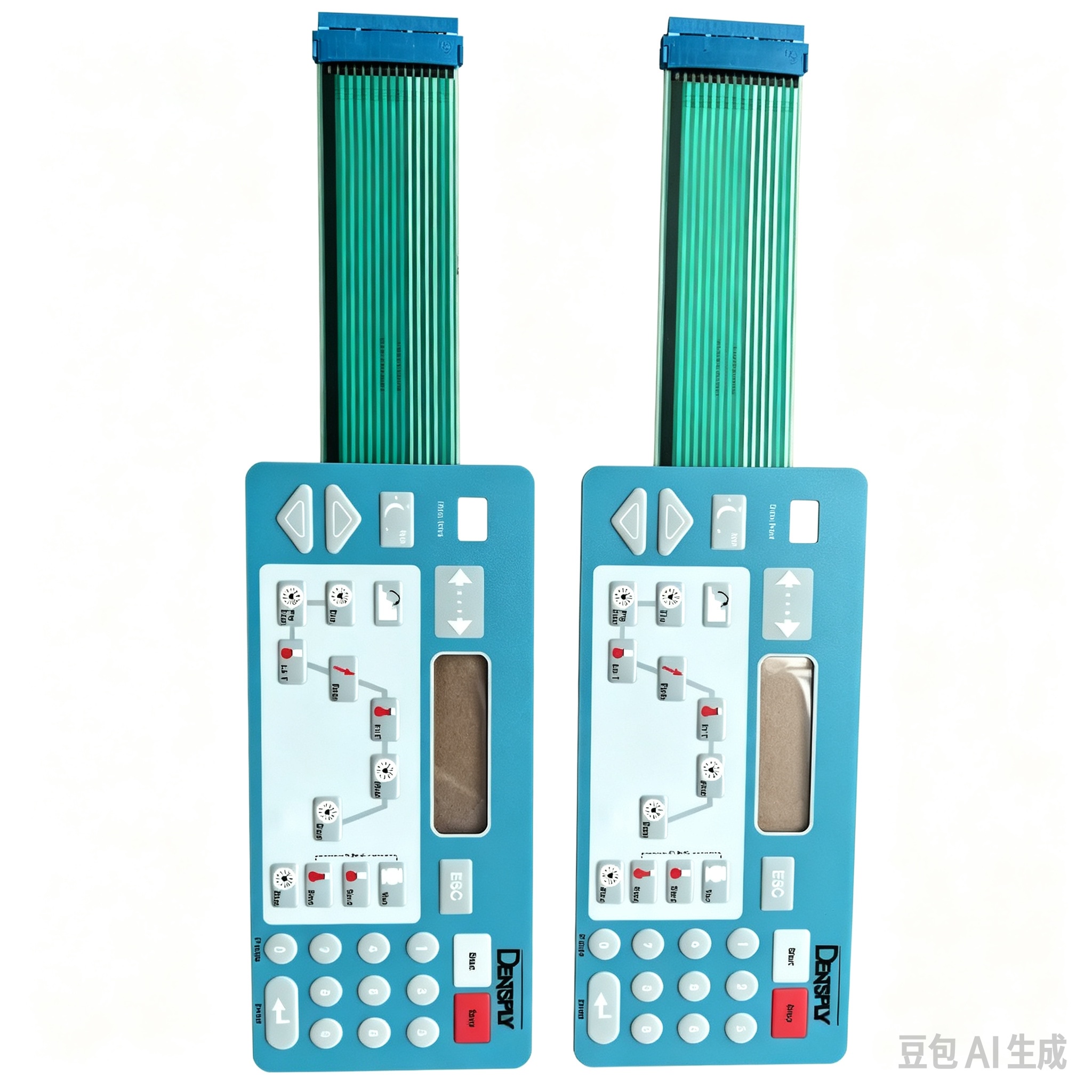
Factory Custom Waterproof Polyester Membrane Switch On Off Button Panel
Explore Specification →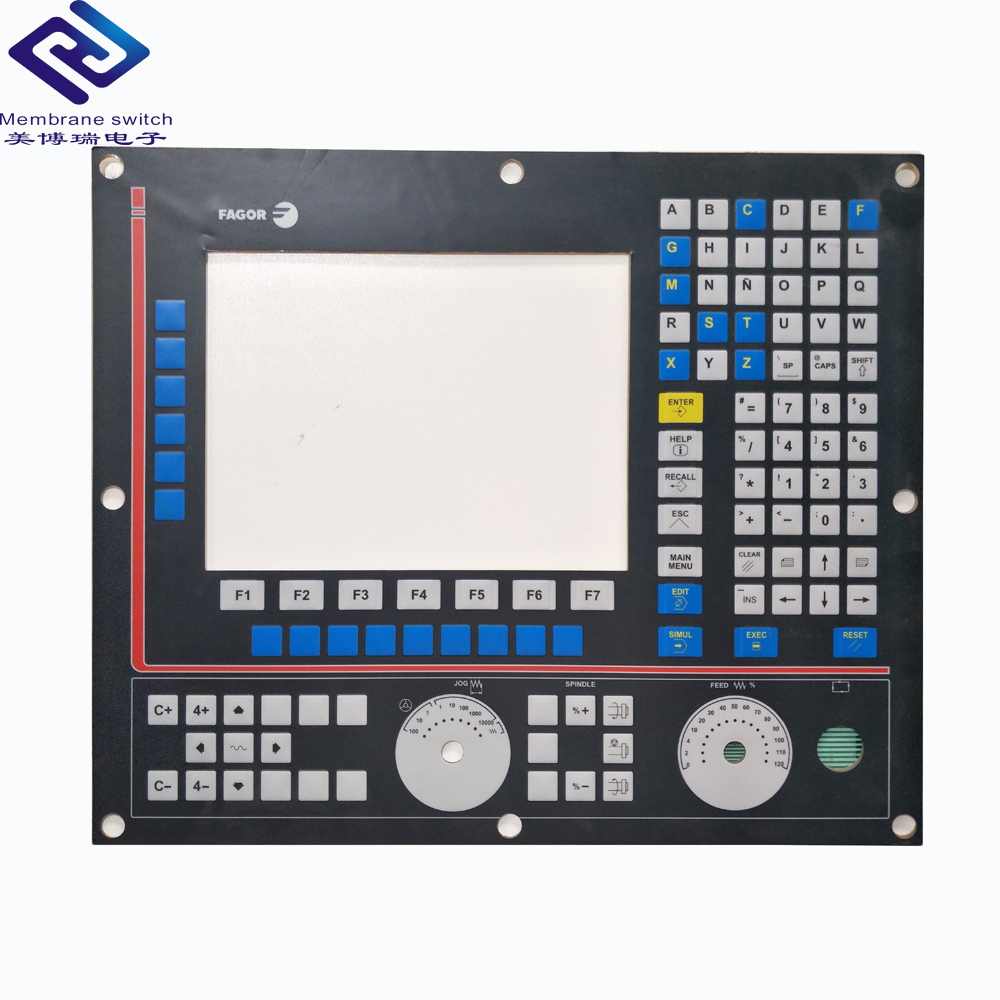
CNC Milling Machine Keypad Membrane Control Panel for Industrial CNC Systems
Explore Specification →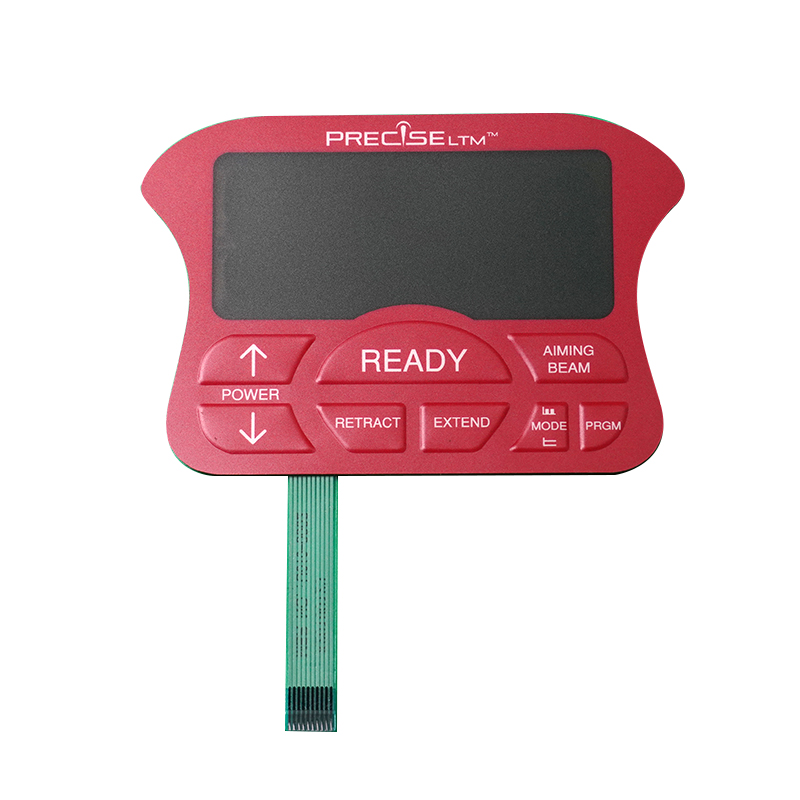
Anti-interference Locomotive Membrane Control Panel High Temperature Resistant PET
Explore Specification →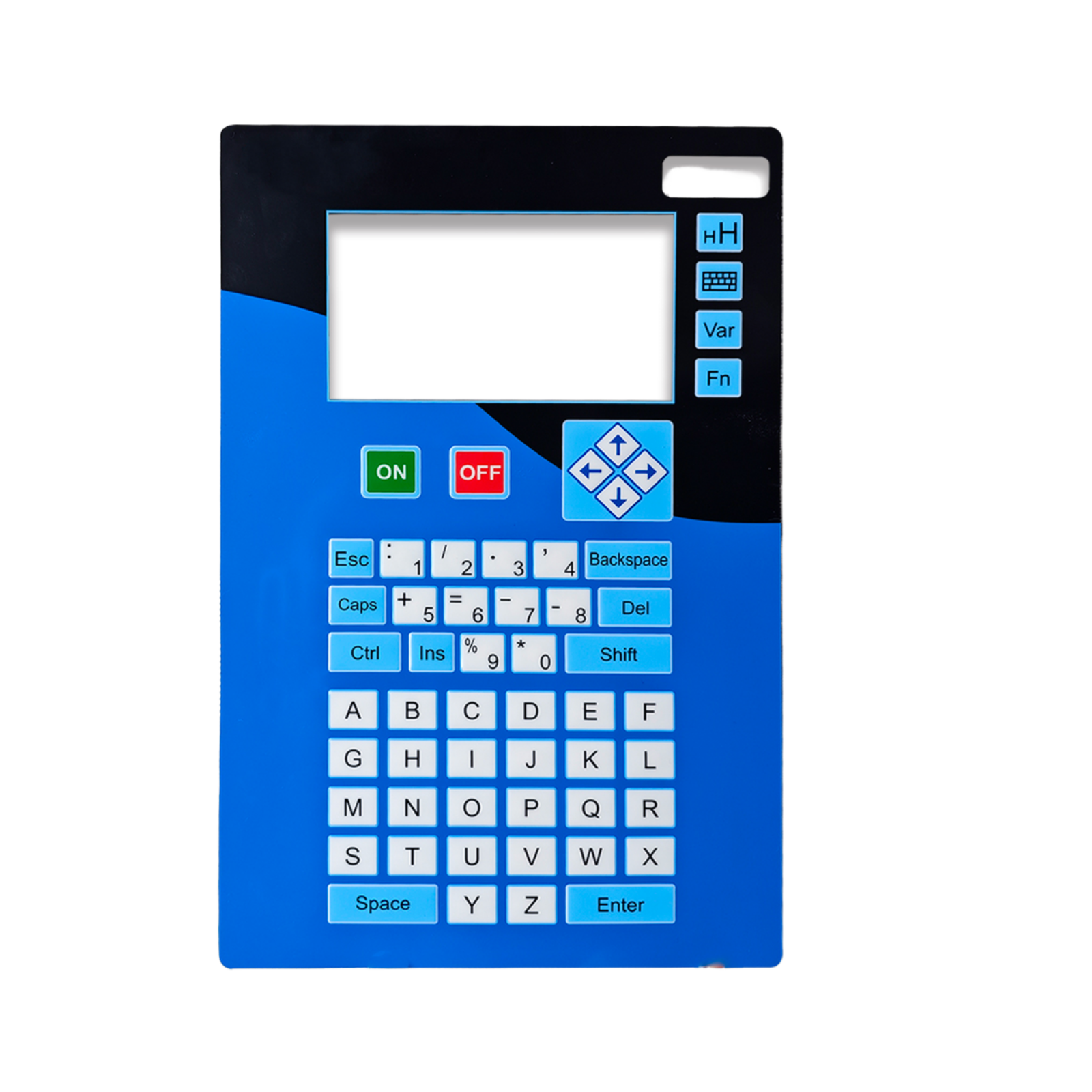
Custom Printed Membrane Switch Embossed Metal Dome Keypad Water-Proof Appliance Use
Explore Specification →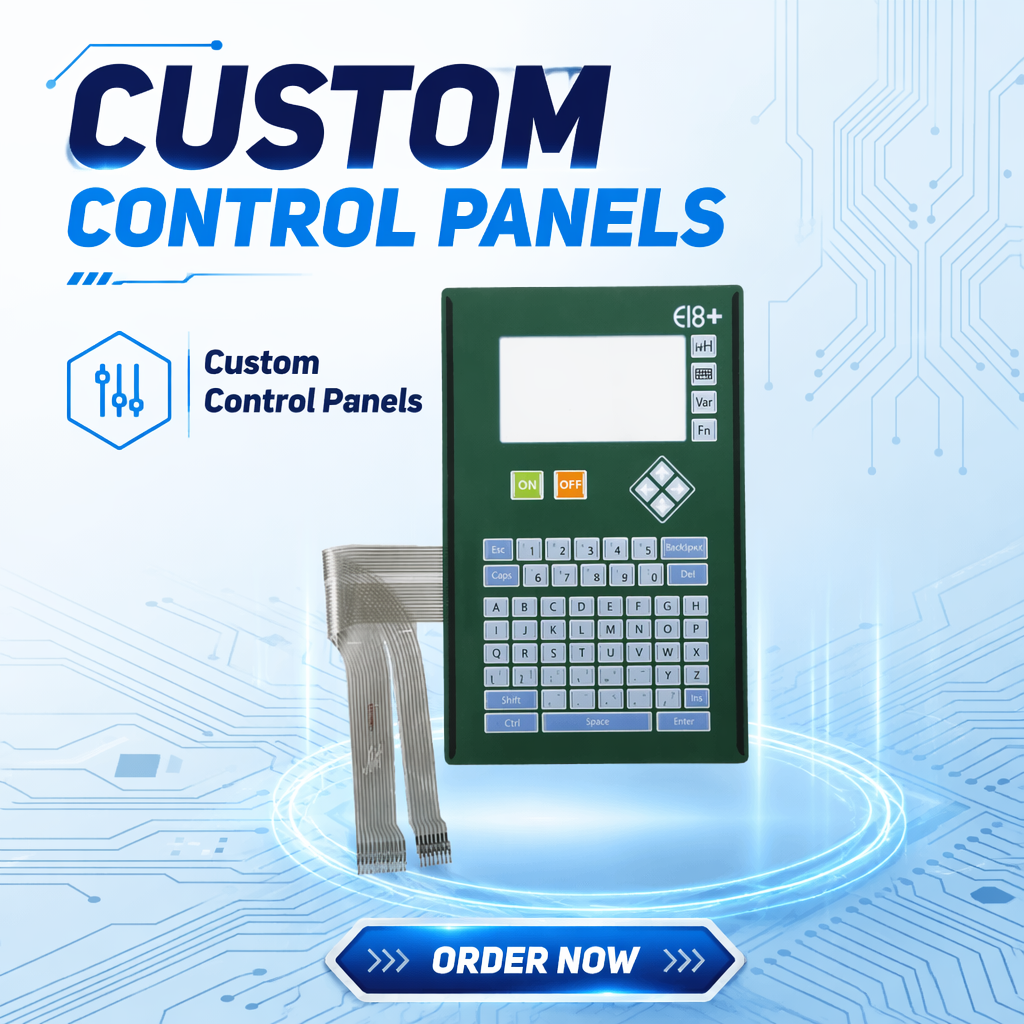
Fast Delivery OEM PBT Keyboard Cap Mechanical Switch Compatible Silkscreen Printed
Explore Specification →
Technical White Paper
Engineering Physics: Light Guide Film (LGF) Backlighting Architectures
A rigorous examination of optical propagation, micro-dot distribution, and power budgets for modern low-profile interface design.
Total Internal Reflection (TIR)
Traditional electroluminescent (EL) lamps degrade rapidly with half-lives under 3,000 hours, whereas LEDs mounted beneath individual keys increase panel thickness substantially. LGF backlighting uses high-refractive-index optical grade TPU/polycarbonate film (0.125mm to 0.25mm) to channel photon flux horizontally via TIR, coupled with side-firing 0603 or 0805 surface-mount LEDs located along the periphery.
This planar wave-guiding method achieves luminous uniformity across key icons greater than 85%, eliminating hot-spots and dark zones while retaining an overall assembly profile beneath 1.2mm.
Micro-Dot Optical Extraction
To disrupt total internal reflection and extract light perpendicularly toward the user interface graphic, laser-etched or silkscreened micro-optical extraction dots are patterned onto the underside of the guide film.
The spatial density and gradient size of these microscopic dots are algorithmically calibrated relative to their distance from the photon emitter. Proximal keys feature sparser micro-dots to curb over-saturation, whereas distal icons incorporate dense clusters, guaranteeing identical photometric luminance (measured in candelas per square meter) regardless of geometric placement.
Hermetic Barrier Integration
In high-humidity, marine environments, moisture ingress triggers premature silver migration, resulting in dendritic growth and catastrophic short circuits. Our LGF membrane switches integrate a continuous closed-cell 3M 200MP/300LSE adhesive perimeter barrier isolating the circuit chamber from atmospheric vapor.
Additionally, flexible copper circuits (FPC) with polyimide coverlays can replace traditional screen-printed silver ink tracks, raising insulation resistance above 100MΩ at 100V DC and completely eliminating chemical breakdown in moist Caribbean conditions.
| Performance Characteristic | LGF Membrane Switch (TAVO System) | Direct LED SMT Switch | Electroluminescent (EL) Panel |
|---|---|---|---|
| Profile Thickness | 0.8mm – 1.4mm (Ultra-Slim) | 2.2mm – 3.5mm (Bulky) | 0.8mm – 1.2mm (Ultra-Slim) |
| Operating Half-Life (L50) | 50,000+ Operational Hours | 50,000+ Operational Hours | 2,000 – 4,000 Hours (Rapid Decay) |
| Luminance Uniformity | > 85% Across Graphic Surface | Spotty (Localized Halos) | > 90% (When Fresh) |
| Power Consumption | Low (2–4 Perimeter LEDs) | High (1 LED per Key Location) | Requires High-Voltage AC Inverter |
| Tactile Dome Integration | Direct switch activation; zero damping | LED interference requires offsets | Interlayer damping softens click feeling |
| Operating Temp Range | -40°C to +85°C | -30°C to +75°C | -20°C to +50°C |
Caribbean Regional Deployment
Mission-Critical Applications in the Montego Bay Market
How our advanced LGF illuminated interfaces solve environmental degradation challenges for commercial, marine, and logistics infrastructure across Western Jamaica.
Hospitality & Luxury Resort Control Hubs
Montego Bay represents the core of Jamaica’s luxury hospitality sector along the Rose Hall and Hip Strip corridors. High-end beachfront resorts demand touch consoles and architectural climate-control switches that combine sleek aesthetics with resistance to saline sea breezes, aggressive disinfectant sprays, and round-the-clock commercial guest usage.
Our LGF backlit switches provide clean, soft white or RGB architectural luminescence with anti-fingerprint, antimicrobial hard-coated polyester overlays that withstand high-touch hospitality duty cycles without cosmetic or electrical wear.
Maritime Navigation & Commercial Fishing
Operating out of the Montego Bay Freeport, commercial charters, port tugboats, and offshore service vessels require electronic navigation consoles, engine monitoring keypads, and winch control modules capable of direct seawater exposure.
Our IP67/IP68 rated assemblies utilize waterproof acrylic backer plates, 3M 300LSE chemical adhesives, and hydrophobic vent filters. The uniform LGF illumination guarantees glare-free night-vision readability for shipboard captains without compromising the hermetic integrity of the marine console.
Agro-Industrial & Rum Distillation Automation
Cornwall County’s sugar cane processing plants, historic rum distilleries, and food packaging hubs expose automation panels to steam, volatile organic compounds, sugarcane washings, and thermal shocks.
Standard mechanical push buttons gather sticky residue and jam easily. TAVO’s seamless, chemical-grade embossed membrane switches seal out sugar crystallizations, caustic cleaning washes, and steam condensation, offering tactile metal snap domes rated for over 1,000,000 uninterrupted actuation cycles.
Industry Dynamics & Future Outlook
Emerging Technology Trends in the Western Caribbean
Strategic transformations shaping procurement, product development, and HMI modernization across the regional industrial footprint.
Solar Grid Inverter & Microgrid Interfaces
Due to elevated electricity tariffs in the Caribbean, Montego Bay enterprises are rapidly deploying decentralized solar photovoltaic and battery storage microgrids. Inverter enclosures situated on open rooftops face unrelenting UV radiation and thermal extremes exceeding 65°C internal enclosure temperatures.
The market is rapidly transitioning toward UV-stabilized XE polyester overlays that resist yellowing, embrittlement, and micro-cracking for 10+ years of direct outdoor tropical exposure.
Capacitive Sensing & LGF Hybridization
Modern medical clinics and laboratory diagnostic centers across Saint James Parish are replacing mechanical actuation with seamless, continuous capacitive touch panels. By combining capacitive sensing electrodes on FPC layers with LGF planar backlighting, equipment designers achieve sleek, sterile control panels free of key crevices where pathogens accumulate.
These hybrid assemblies can be safely sprayed down with hospital-grade chlorhexidine or isopropyl alcohol solutions without liquid penetrating the circuit cavity.
Nearshore Reshoring & Express Prototyping
Caribbean manufacturing and maintenance engineers are shifting procurement away from complex, long-lead traditional channels toward responsive, digital OEM partners that support agile production. Rapid engineering iteration—from CAD drawing approval to rapid laser tooling within 5 to 7 business days—enables Jamaican engineers to resolve critical equipment breakdowns and launch customized IoT hardware without holding excessive buffer inventories.
Manufacturing Excellence
Why Global & Regional OEMs Partner with TAVO
Decades of membrane interface engineering backed by verified factory facilities, international certifications, and closed-loop testing labs.
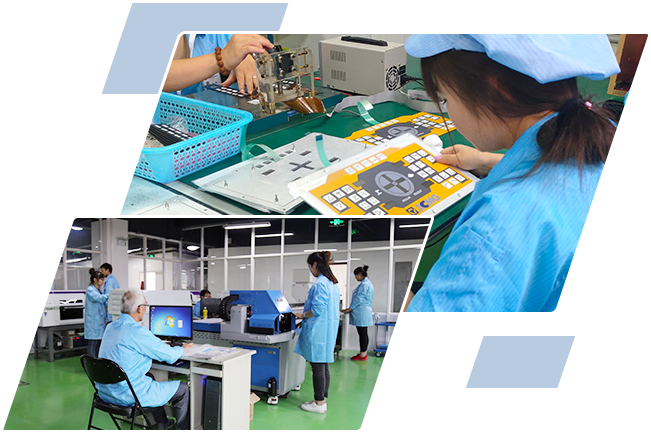
Full In-House Manufacturing: Zero Outsourcing Gaps
Unlike trading intermediaries that broker different layers across disconnected workshops, TAVO executes every critical manufacturing process under our direct corporate roof. From CAD film mastering, precision screen printing, and digital UV imaging to hydraulic embossing, cleanroom lamination, laser cutting, and final continuity validation, every step is rigorously controlled.
This vertical integration prevents interlayer contamination, ensures exact color matching to Pantone/RAL standards, and protects your proprietary circuit layout with total commercial confidentiality.
37 Silkscreen Lines
4 Mimaki UV Printers
18 Laser Cutters
60 CNC Mold Centers
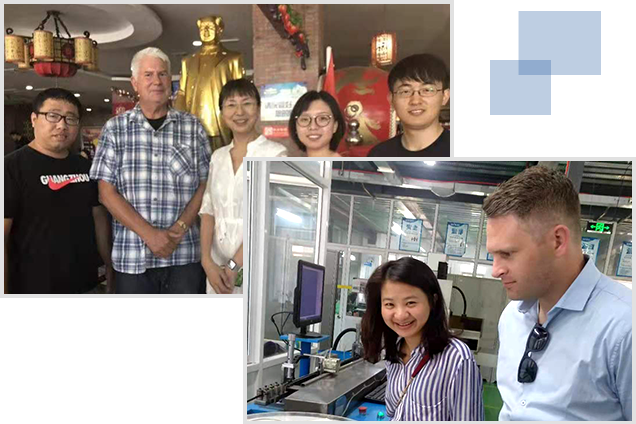
German Technical Collaboration & Tier-1 Pedigree
Originating in 1990, our engineering team maintains active technical cooperation with German membrane switch specialists, exchanging tooling design methodologies, material science research, and high-precision inspection standards. Our products are trusted across premier industrial conglomerates, including Siemens, ABB, and Haier, and operate in high-speed rail locomotive cabins, aerospace control modules, and the Three Gorges hydro-power complex.
Our facilities are audited and verified on-site by Intertek, confirming full compliance with ISO 9001 quality management procedures.
Intertek Verified
ISO 9001 Certified
Siemens & ABB Approved
100% Computer Tested
1990
Switch Heritage Established
111+
On-Site Verified Staff
2,219㎡
Certified Production Floorspace
1M+ pcs
Annual Export Volume
Verification Infrastructure
In-House Reliability & Environmental Test Lab
Every membrane switch batch is tested for electrical contact continuity, actuation fatigue life, and harsh environmental survival.
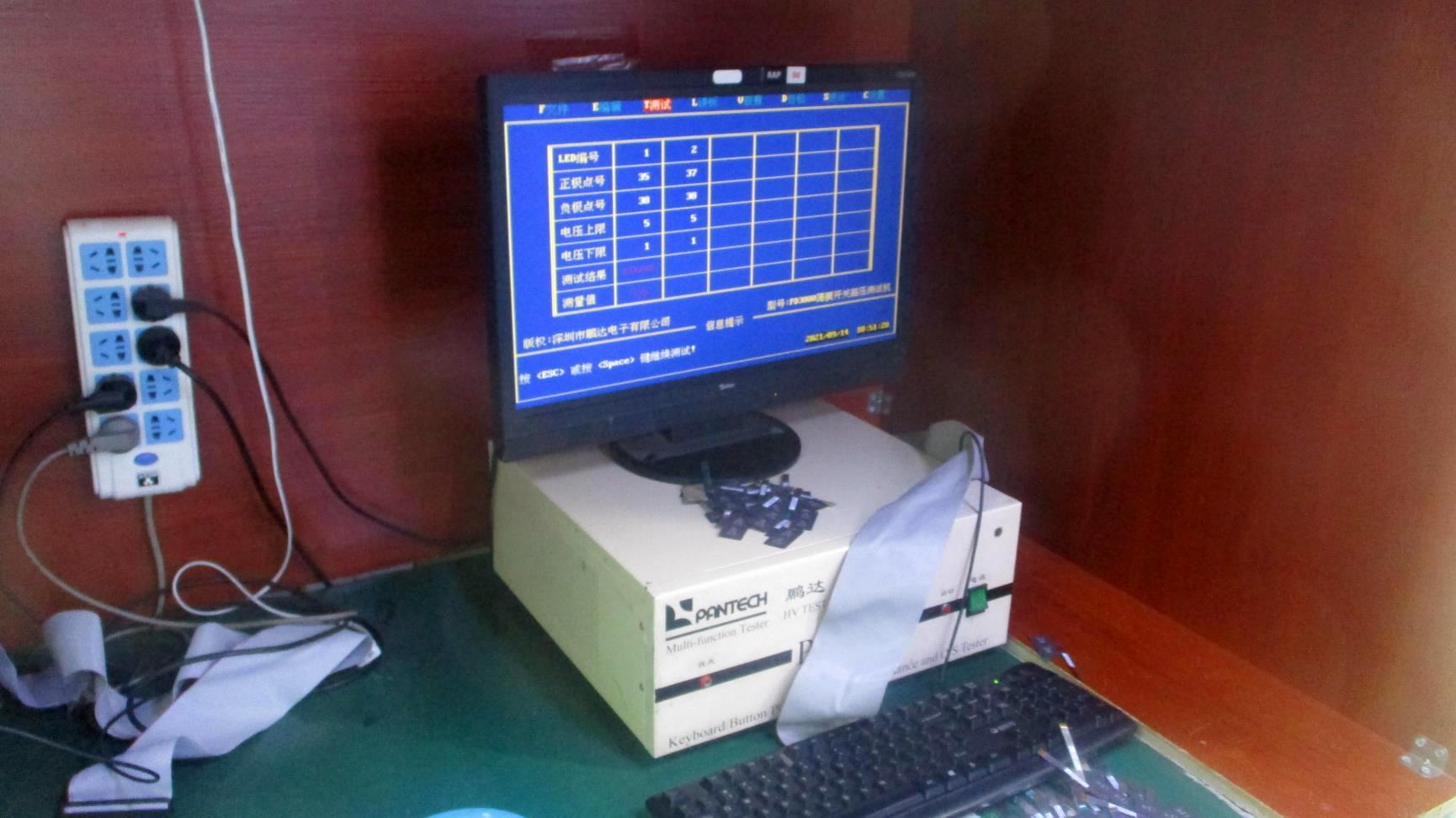
Computer Circuit Tester
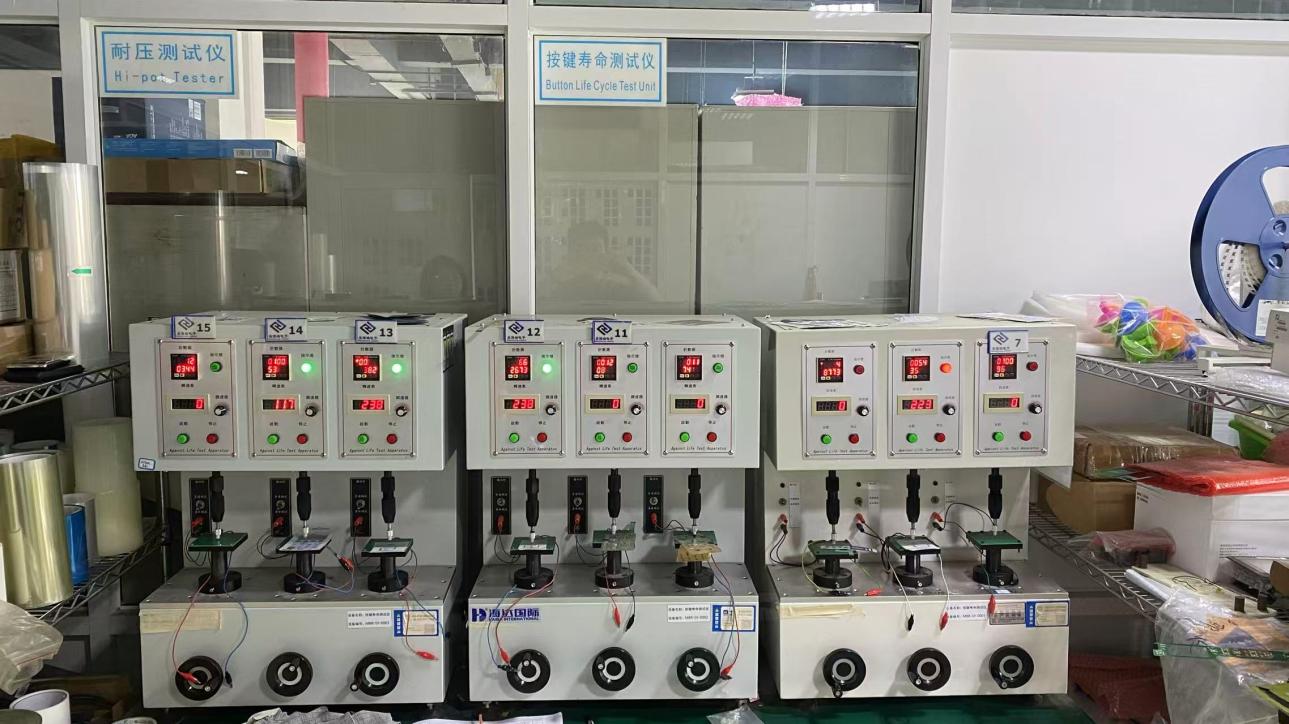
Keypad Life-Cycle Test Unit
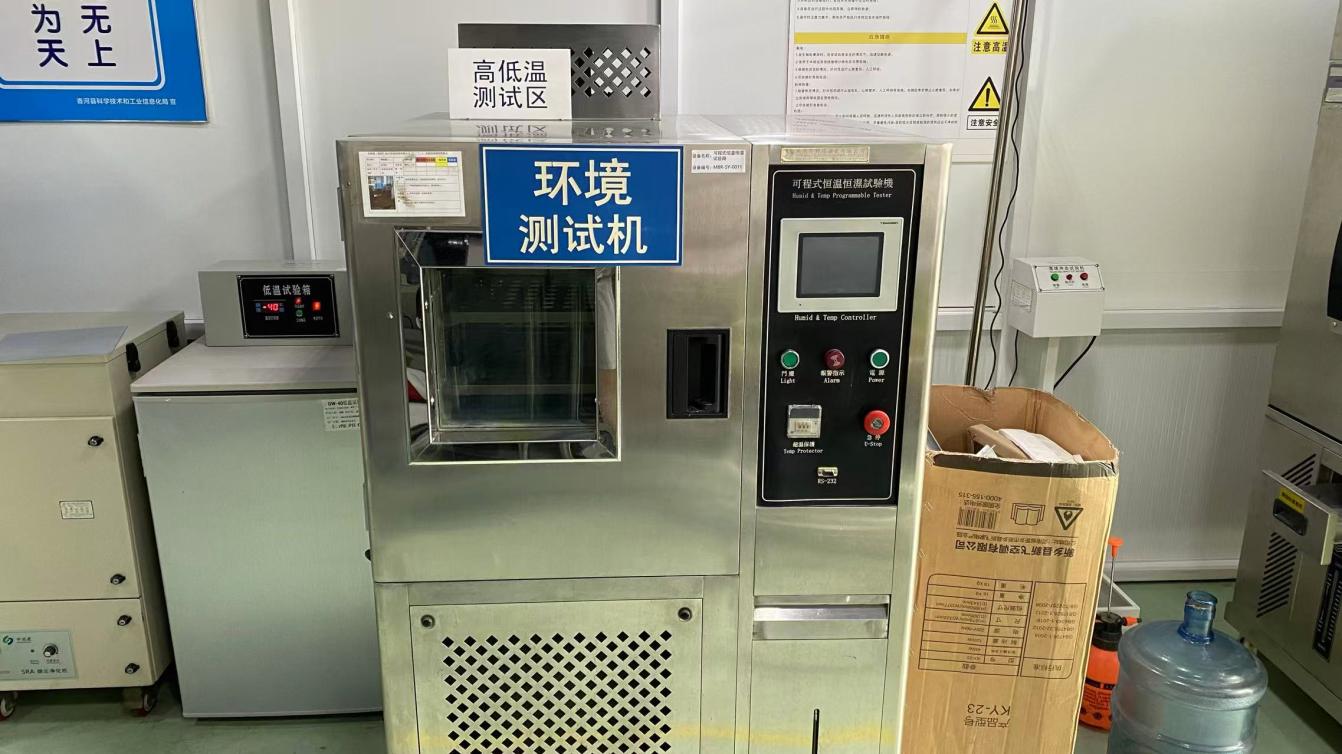
Temp & Humidity Chamber
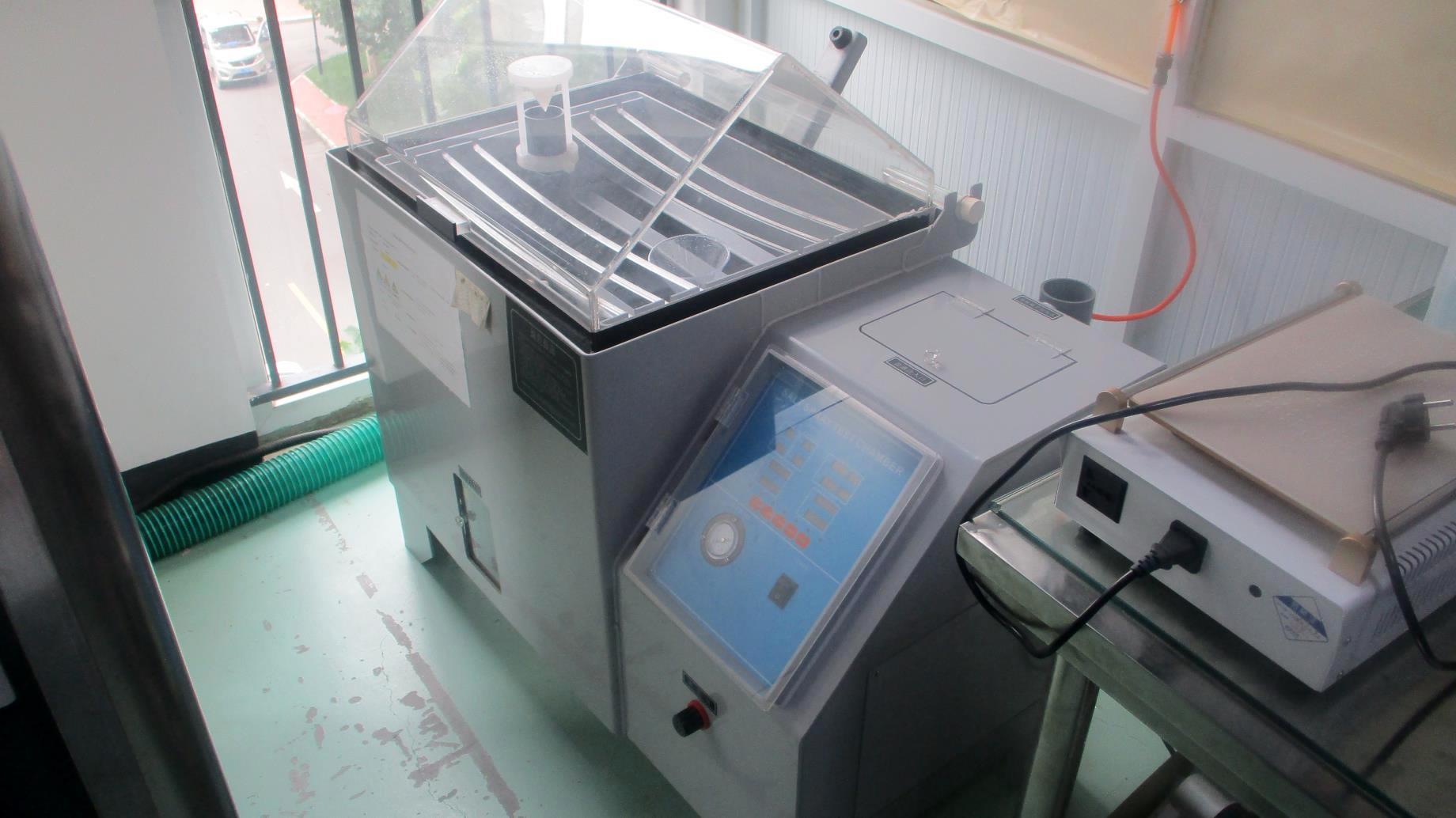
Salt Fog Corrosion Chamber
Buyer Knowledge Base
Frequently Asked Questions: Montego Bay Procurement
Practical engineering, delivery, and testing details for procurement managers and design engineers sourcing custom membrane keypads.
How do LGF membrane switches resist Montego Bay's tropical coastal climate?
Coastal Jamaica features high relative humidity (frequently >80%) paired with airborne sodium chloride salt mist. We address this using closed-cell acrylic perimeter gaskets (3M 300LSE/200MP), hard-coated Autotex polyester graphic films resistant to UV degradation, and flexible copper FPC circuits that eliminate silver migration failures entirely under high potential voltage.
What engineering deliverables are required to initiate a custom tooling quote?
Please provide mechanical drawings (DXF, DWG, or PDF) indicating overall dimensions, key travel preferences, tail length, and connector pitch (e.g., 2.54mm or 1.0mm ZIF). For visual overlays, send vector graphics (Adobe Illustrator, PDF, or CorelDraw) with specified Pantone or RAL color codes, LED illumination locations, and operating environment parameters.
Can TAVO accommodate low-volume prototype builds for pilot machinery runs?
Yes. We maintain specialized digital UV printing centers and CNC digital cutter plotters that produce precision prototypes without costly hard-steel die tooling. This agile setup supports fast prototyping runs of 25 to 100 units, allowing Jamaican hardware engineers to validate mechanical fit and circuit logic before investing in mass production tooling.
What are the international shipping logistics and transit times to Jamaica?
We routinely dispatch high-priority consignments via DHL, FedEx, and UPS air express directly to Sangster International Airport (MBJ) in Montego Bay or Norman Manley International Airport (KIN) in Kingston, with standard express air transit averaging 4 to 6 business days. For volume manufacturing contracts, sea freight shipping to the Montego Bay Freeport or Kingston Container Terminal is fully supported under standard Incoterms (FOB, CFR, CIF, DDP).
How does Light Guide Film compare against conventional LED backlighting?
Direct surface-mount LEDs placed beneath individual keys require tall spacers, resulting in thicker switches (2.5mm+) with localized glaring "hotspots". LGF channels photons horizontally from side-firing perimeter LEDs across an optical film, maintaining a total panel thickness under 1.2mm while achieving balanced, glare-free key illumination across all symbols using fewer LEDs and less power.
What tactile feedback options are available for industrial gloves operation?
For industrial operators wearing safety gloves (such as in food processing plants, beverage bottling lines, or locomotive cabins), we integrate premium stainless steel snap domes (nickel-plated or gold-plated) ranging from 12mm to 20mm in diameter, delivering actuation forces from 280g up to 450g. This tactile pop confirms switch contact through heavy protective equipment.
Launch Your Custom Engineered HMI Project Today
Whether you require marine-grade IP67 sealed keypads, LGF backlit interfaces, or rugged polyester overlays for the Montego Bay market, TAVO's experienced engineering team will review your specifications, deliver precision DFM feedback, and generate production drawings within 24 hours.