Engineered Interface Systems for Demanding Caribbean Environments
Explore our industrial-grade switch panels engineered with multi-layer barrier seals, high-efficiency LGF illumination, and custom tactile actuation tested for tropical, humid, and marine microclimates.
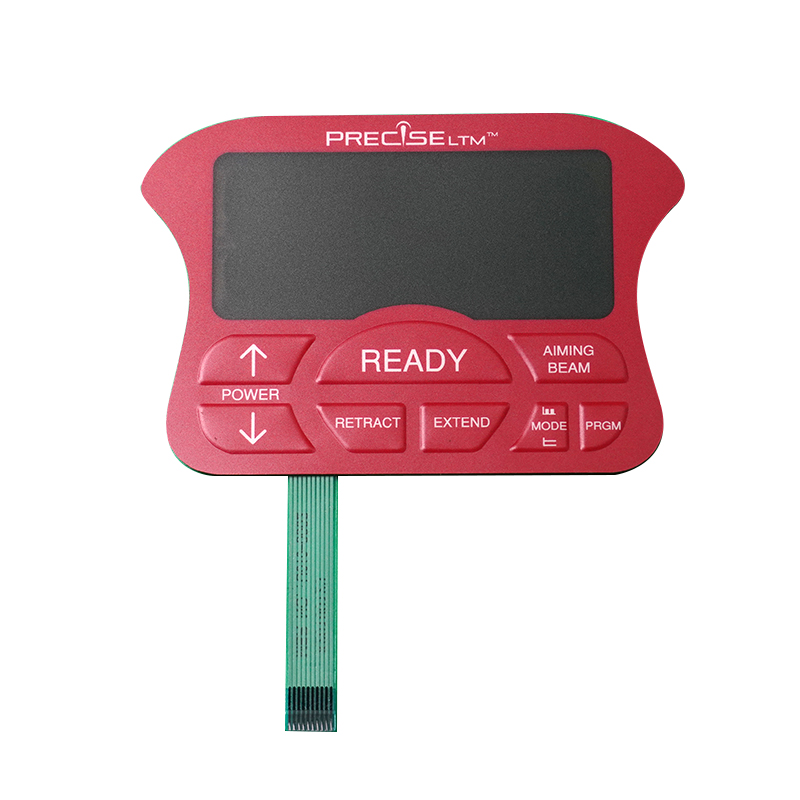
Anti-Interference Locomotive Control Panel
High-temperature resistant PET keypad featuring robust EMI shielding and multi-tier sealings for vibration and surge-heavy systems.
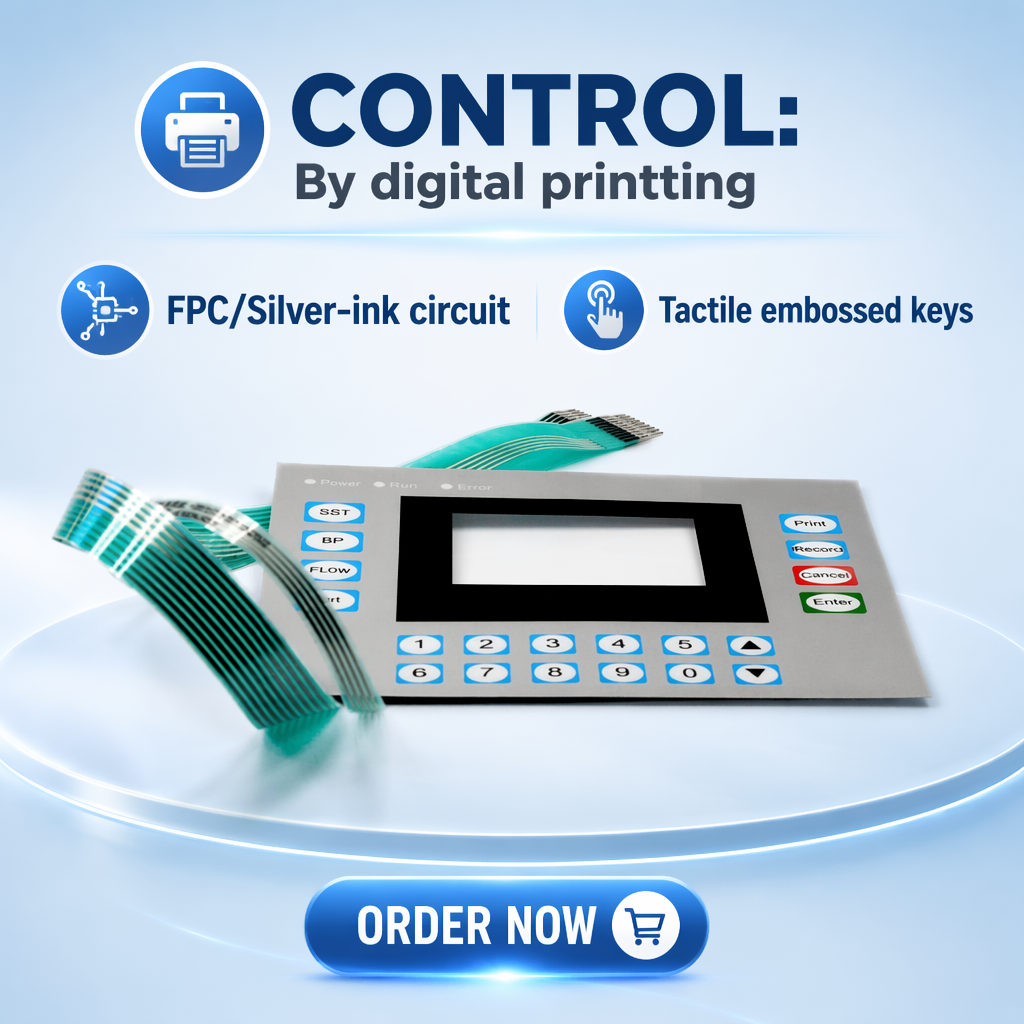
Custom FPC Membrane Switch with Embedded LED
Ultra-thin uniform illumination via micro-etched Light Guide Film (LGF), flexible polyimide substrate, and low-power SMT components.
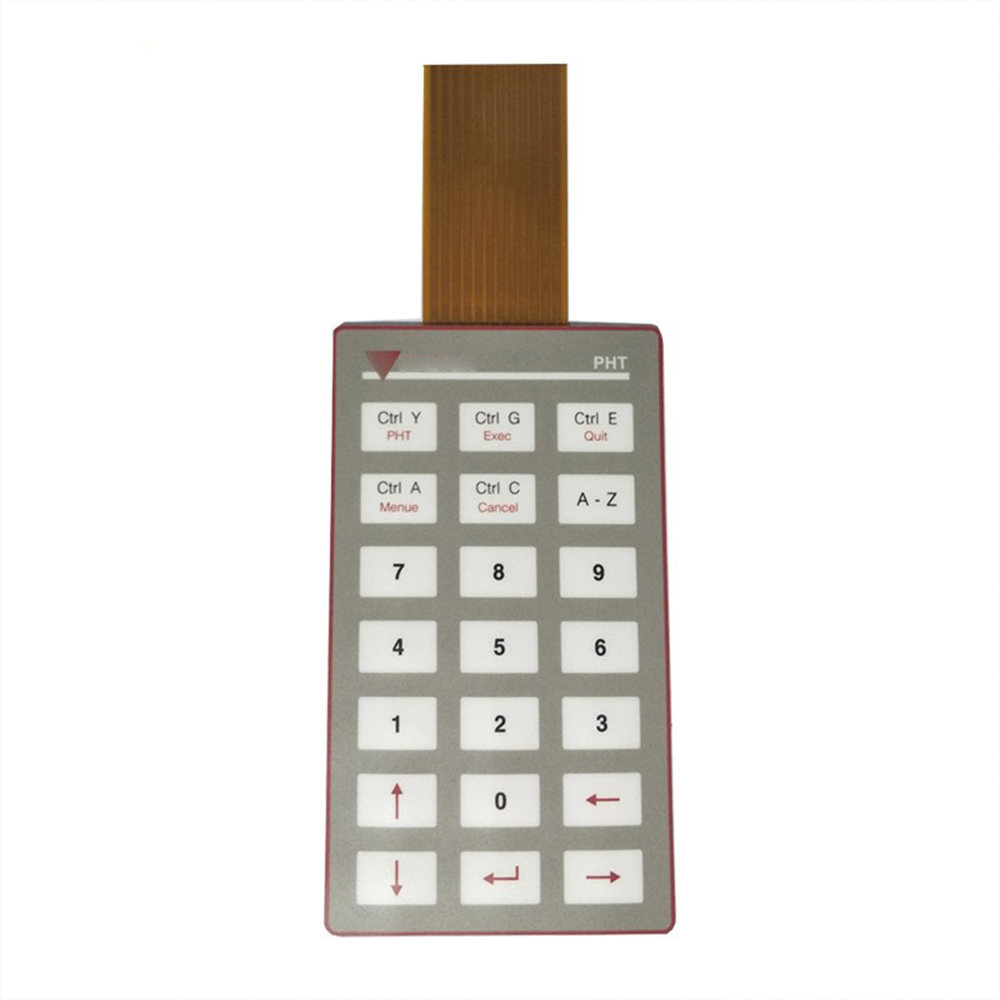
HVAC & Temperature Control Membrane Panel
Engineered for climate control and computing interfaces with impermeable surface barrier films that endure continuous thermal cycles.
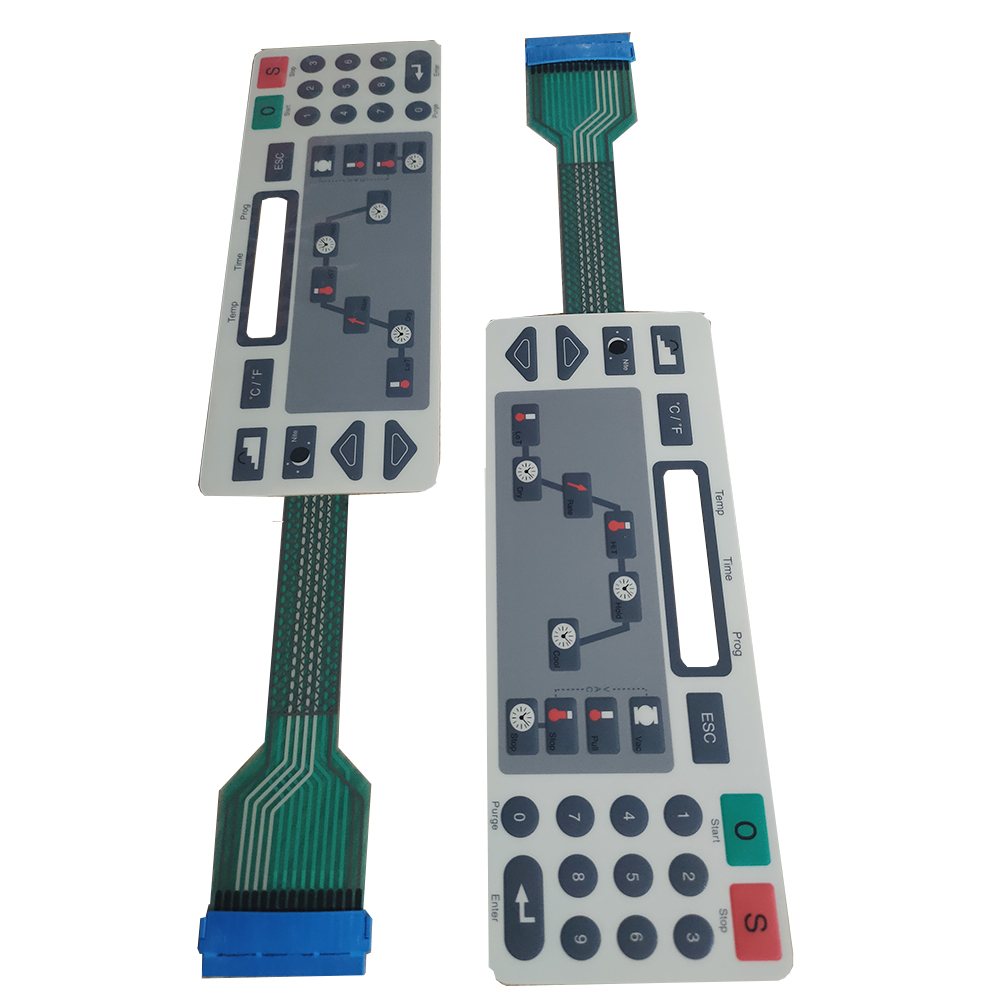
IP67 Waterproof Acrylic Window Membrane Keypad
Incorporates industrial 3M 300LSE/VHB adhesive perimeter rings, metal snap domes, and optically clear display window integration.
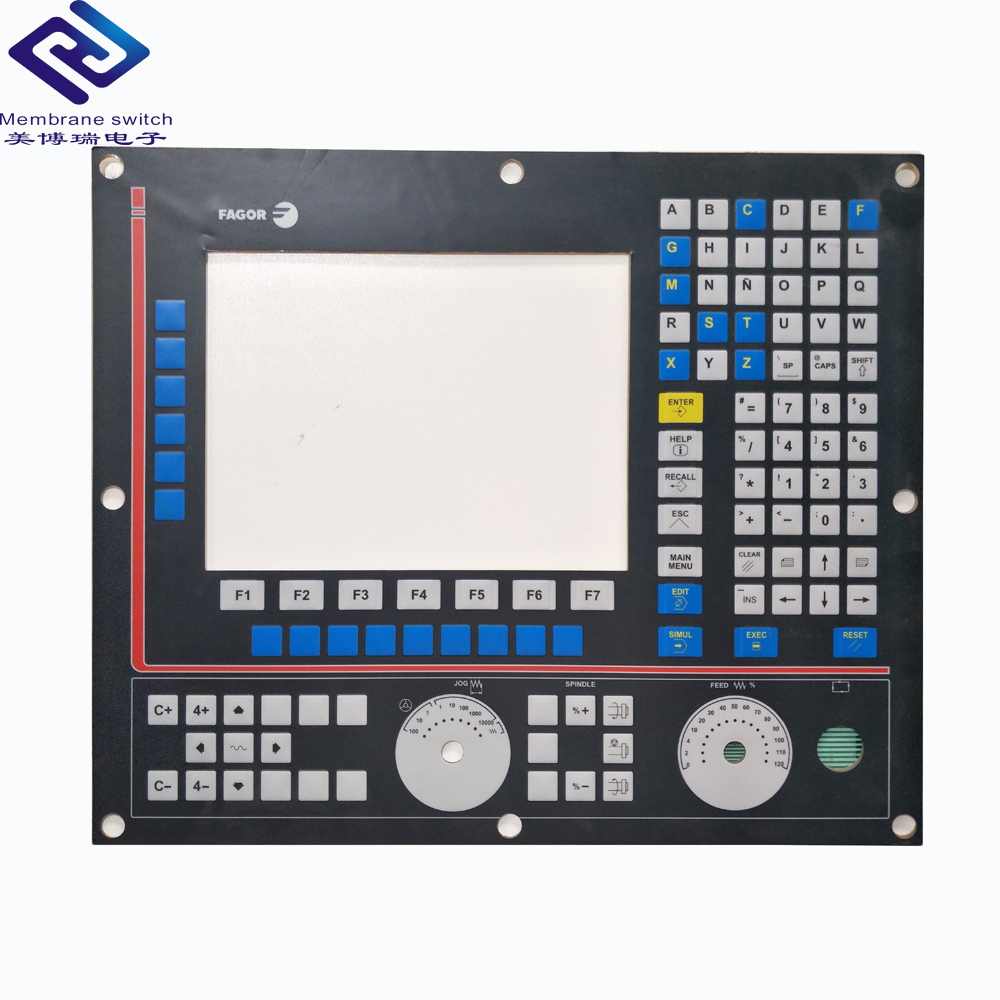
CNC Milling & Automation Membrane Switch
Heavy-duty chemical-resistant textured overlay designed to resist industrial solvents, oils, hydraulic fuels, and abrasive handling.
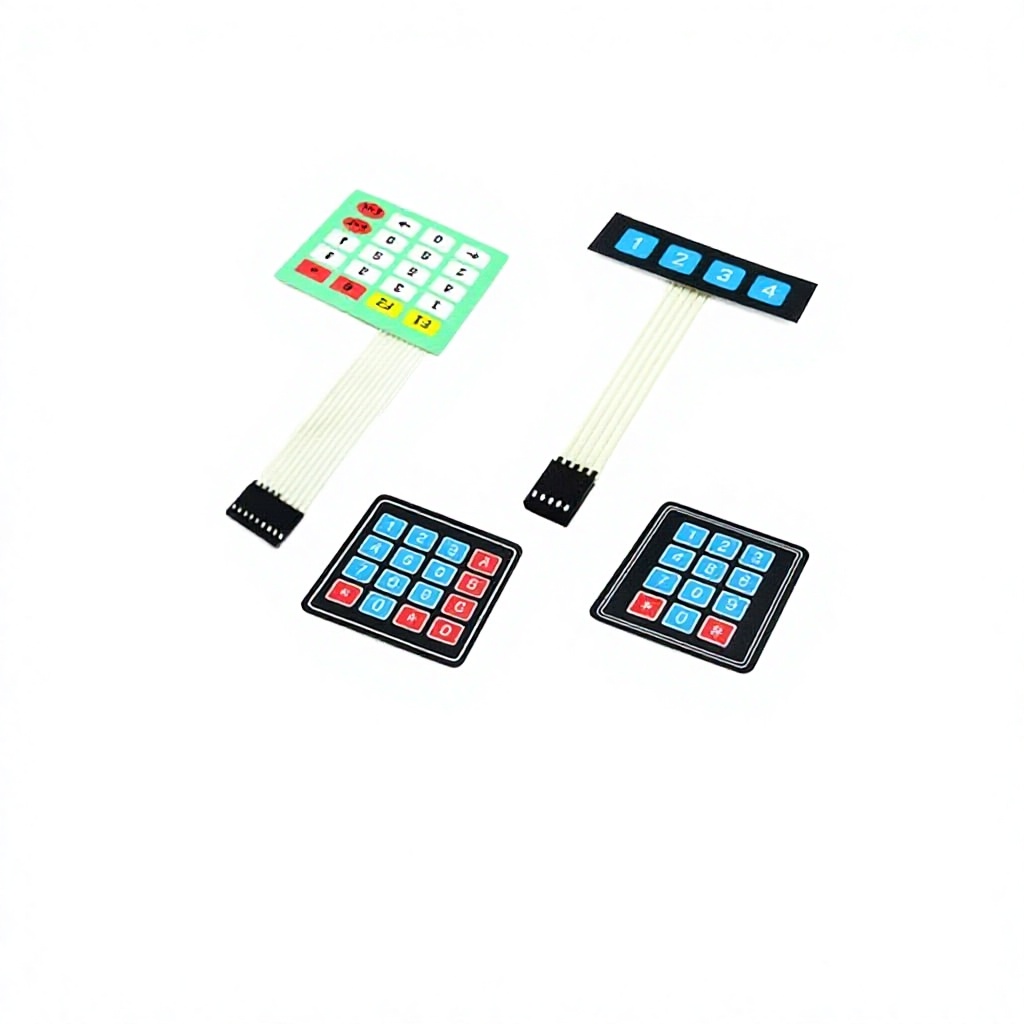
MBR Industrial Membrane Keyboard with PET Overlay
Dedicated telemetry and communications interface with integrated alphanumeric matrix, full ingress sealing, and long flex tail.
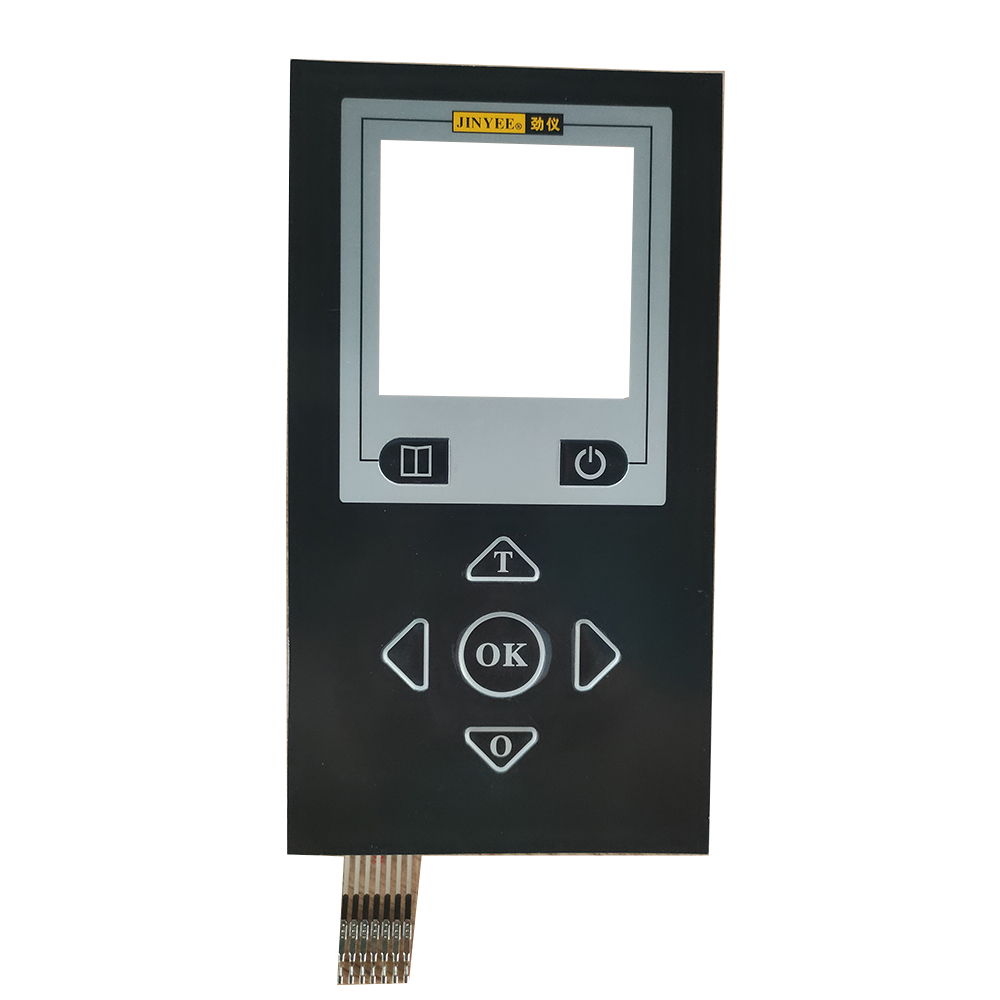
Polyester Panel Mount Membrane Keyboard
Engineered specifically for display integration with transparent window readouts and anti-glare finishes for sun-drenched outdoor operation.
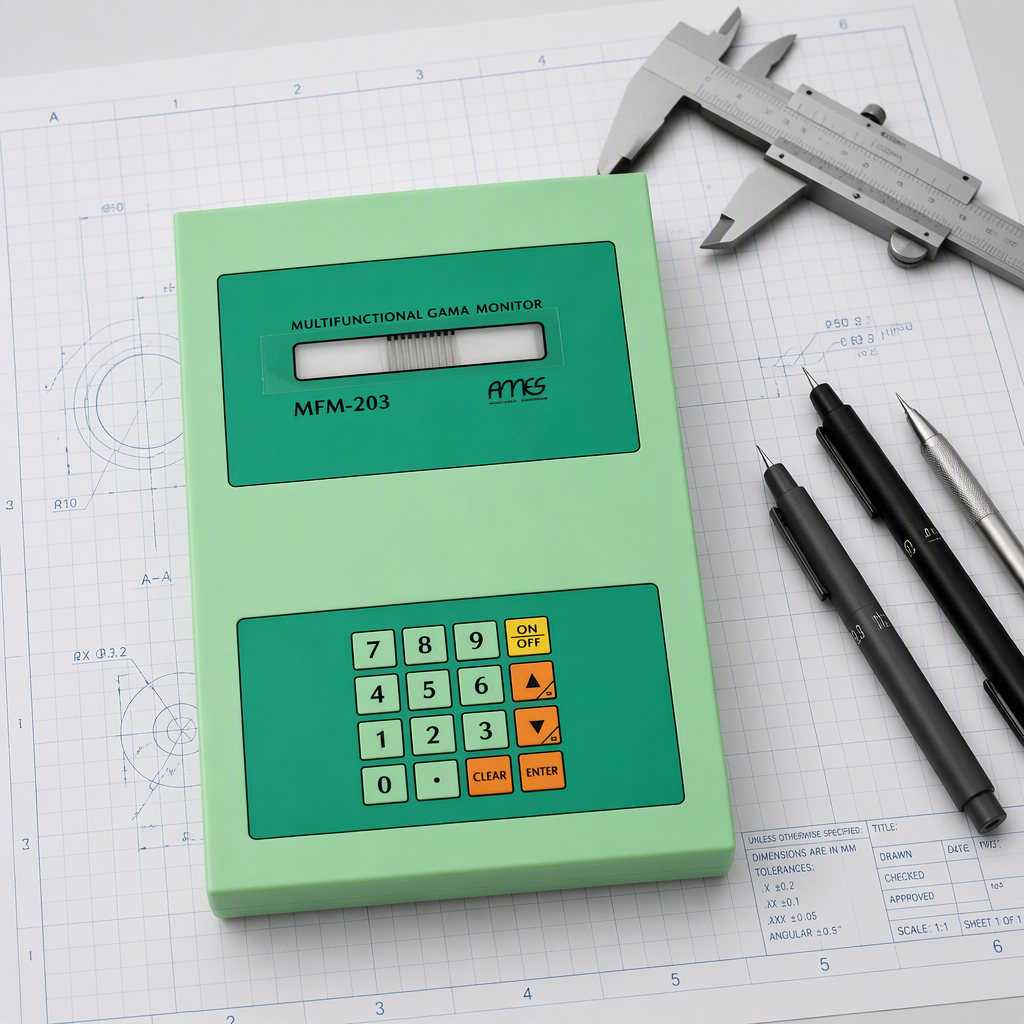
High-Reliability FPC Keypad for Test Equipment
Ultra-dense trace density via pure etched copper circuits; zero trace cracking and superior electrical stability for critical instrumentation.
Engineering LGF Keypads for Nassau's Maritime, Hospitality & Energy Infrastructure
The geographic reality of New Providence Island poses aggressive electronic failure mechanisms: high ambient relative humidity (exceeding 85%), persistent airborne saline mist, heavy UV-A/UV-B irradiation, and intermittent power stability. Standard interface components degrade rapidly under these conditions. Our engineered Light Guide Film (LGF) backlit membrane switches are purpose-built to solve these localized environmental pain points.
Marine Navigation & Harbor Logistics
Nassau Harbor, Arawak Cay container terminal, and private yacht marinas across Paradise Island demand human-machine interfaces that remain fully legible in open sunshine and pitch-black nocturnal sailing conditions without blinding the pilot.
- Optimized Night Navigation: LGF technology spreads light laterally from side-firing SMT LEDs through microscopic micro-dot refraction patterns, ensuring balanced luminance (50 to 120 cd/m²) across complex control panels.
- Hermetic Salt-Mist Defense: Closed-perimeter barrier gaskets paired with IP67 acrylic or polyester faceplates resist chloride ion pitting and prevent silver migration in the internal conductive grid.
- Dual-Action Domes: Stainless-steel nickel-plated metal domes guarantee tactile snap response even when operators wear heavy neoprene or wet handling gloves.
Luxury Resort & Hospitality Automation
Mega-resorts, casinos, and architectural developments throughout Nassau and Cable Beach require human-machine interfaces that blend ultra-slim aesthetics with robust daily wear-and-tear resistance against spilled beverages and cleaning chemicals.
- Sub-Millimeter Thin Form Factor: Unlike cumbersome bulky mechanical push-buttons, an LGF membrane switch maintains a finished profile of only 0.8mm to 1.4mm, fitting sleek wall enclosures and interactive consoles.
- Sanitizing Chemical Resistance: Autotype MacDermid textured polyester overlays provide verified resistance to chlorine, quat ammonium disinfectants, alcohol, and caustic housekeeping agents.
- Dynamic Ambient Mood Lighting: Multi-color edge-mounted LED channels allow soft backlighting transitions to align with hotel interior environments and automated energy management states.
Energy Sub-Stations, RO Plants & Telecom
Island utilities—including reverse osmosis desalination facilities, solar microgrid inverters, and cell tower distribution racks—require non-sparking, low-power interface control panels resistant to corrosive airborne sea spray.
- Desalination Chemical Immersion: Hermetically bonded 3M 300LSE adhesive stacks isolate electronic trace runs from volatile air moisture and corrosive brine chemicals.
- Ultra-Low Power Draw: By replacing large arrays of traditional top-firing LEDs with a precision Light Guide Film driven by merely 2 to 4 edge LEDs, overall current consumption drops by up to 75%—ideal for solar battery backups.
- Anti-Static ESD/EMI Defenses: Integrated selective printing of grounded carbon-silver grids or solid aluminum foils protects microprocessor logic against high electrostatic discharge during humid thunderous weather.
Need architectural advice or customized CAD stack-up designs for your Nassau facility or installation?
Send an InquiryEmerging HMI Procurement & Technological Trends in The Bahamian Market
A rigorous examination of supply-chain shifts, technology transitions, and quality requisites driving interface specifications among engineers and sourcing specialists in Nassau.
Transition from EL Lamps to High-Efficiency LGF
Historically, Caribbean marine switches relied on Electroluminescent (EL) foils for low-profile backlighting. However, the high relative humidity in Nassau accelerates phosphor decay and micro-delamination in EL panels, causing them to fail within 2,000–3,000 hours of operation. Additionally, EL requires noisy, high-voltage AC inverters that emit electromagnetic interference (EMI).
Local system integrators have heavily pivoted to Light Guide Film (LGF) backlit membrane switches. Utilizing solid-state SMD LEDs (rated for 50,000+ operational hours) coupled with optical-grade TPU/PMMA light-diffusing films, LGF operates entirely on DC low voltage (2.8V - 3.4V). This eliminates AC inverters, completely avoids moisture-driven phosphor degradation, and cuts maintenance intervention down to zero.
Migration toward Copper Flex (FPC) Circuits
Printed conductive silver ink on polyester (PET) has long been the industry standard for low-cost membrane circuits. Nevertheless, under Nassau’s combination of high humidity and continuous direct-current bias, silver migration (dendritic silver growth across circuit tracks causing short circuits) remains an existential challenge unless heavily passivated.
In response, high-uptime mission-critical systems across Nassau’s utilities and navigation equipment are transitioning to Flexible Printed Circuits (FPC). Utilizing rolled annealed copper laminated on polyimide, FPC offers infinite flex fatigue life, zero silver migration risk, and the ability to surface-mount ultra-fine pitch micro-LEDs, drivers, and capacitors directly to the switch substrate.
Direct-from-Manufacturer OEM Sourcing
Historically, Bahamian purchasers ordered spare control assemblies through intermediaries based in Florida, absorbing steep broker markups, protracted multi-tiered lead times, and fragmented technical support when customized tooling changes were necessary.
Currently, Bahamian procurement officers, engineering consultancies, and maintenance directors actively favor direct factory relationships with specialized ISO 9001 manufacturers. By communicating directly with in-house engineering and tooling teams, Nassau clients secure precise CAD iterations, exact Pantone color consistency, verifiable batch testing records, and prompt air freight logistics directly to Lynden Pindling International Airport (NAS) or Nassau shipping ports.
| Evaluation Parameter | Legacy EL Backlit Membrane Switches | Standard Discrete LED Backlighting | Advanced LGF Backlit Membrane Switches |
|---|---|---|---|
| Illumination Uniformity | Excellent initially, but degrades unevenly | Poor; creates hot spots and dark halos | Superior; micro-embossed dots ensure 90%+ uniformity |
| Thickness of Assembly | Thin (approx. 1.0mm - 1.2mm) | Bulky (1.8mm - 2.8mm to clear LEDs) | Ultra-Thin (0.8mm - 1.2mm overall) |
| Moisture & Salt-Mist Vulnerability | High; phosphors react to ambient humidity | Moderate; discrete LEDs prone to seal leaks | Extremely Low; isolated edge LEDs + closed LGF film |
| Input Voltage & EMI Generation | Requires 80–120V AC Inverter (High EMI noise) | Low-voltage DC (No EMI) | Low-voltage DC (2.8V - 3.4V; Zero EMI noise) |
| Operating Half-Life | 2,500 – 4,000 Hours (Rapid drop in Bahamas) | 30,000 – 50,000 Hours | 50,000+ Hours with premium Nichia/Osram LEDs |
Engineered for Zero Failure: TAVO's End-to-End Manufacturing Authority
Tracing our precision manufacturing heritage back to 1990, TAVO combines extensive industrial engineering with rigorous German technical collaborations to deliver world-class human-machine interfaces to global OEMs.
100% In-House Production
Every single manufacturing phase is executed within our own verified facilities—from initial precision CAD layout and laser film output to silkscreen printing, digital UV graphics, mechanical embossing, laser cutting, optical bonding, and final testing. No outsourced delays, no quality leakage.
Severe Climate Validation Lab
Every batch destined for maritime or tropical climates undergoes rigorous verification in our in-house environmental chambers: programmable xenon lamp UV aging testers, automatic salt-fog corrosion chambers (ASTM B117), programmable thermal/humidity testers, and computer switch bounce testers.
Dual-Plant Production Security
Operating dual processing bases—our primary automated campus in the Robot Industry Port of Xianghe (Hebei) and our southern processing hub in Huizhou (Guangdong)—we balance capacity intelligently. Your production schedule is safeguarded against regional bottlenecks or material interruptions.
Senior Engineering Pedigree
With more than 30 veteran technicians possessing over 15 years of individual HMI craftsmanship, our 10-person dedicated CAD/artwork department and 20-person international engineering trade group provide rapid DFM (Design for Manufacturability) insights tailored to your exact pinout and mechanical enclosure.
Frequently Asked Questions by Bahamian Engineers & Sourcing Managers
Direct technical answers addressing environmental resistance, electrical integration, minimum order quantities, and international logistics to Nassau.
How do your LGF backlit membrane switches withstand Nassau's constant salt-mist and high humidity?
+
Can you match custom night-vision or maritime lighting colors (e.g., NVIS green, amber, deep red)?
+
Do you accept low-volume prototype orders or spare-part replacement runs for Bahamian businesses?
+
What engineering files are necessary to begin a tailored quotation and DFM assessment?
+
- Mechanical dimensional outline drawing (AutoCAD DWG/DXF, STEP, or PDF) showing overall geometry, embossing heights, and display window positions.
- Graphic artwork vector file (Adobe Illustrator .AI, EPS, or CorelDRAW .CDR) with exact Pantone or RAL color references specified.
- Electrical schematic detailing key matrix pin-out, LED polarities, integrated resistors, and desired tail termination (FCI, Nicomatic, standard 2.54mm pitch female housing, or ZIF zero-insertion-force connector).