Featured Industrial Keypads & Backlit Membrane Switches
Engineered to withstand volcanic dust, extreme relative humidity, and harsh chemical sanitizers typical of Villa Nueva's industrial corridors. Explore our verified OEM product catalog below.
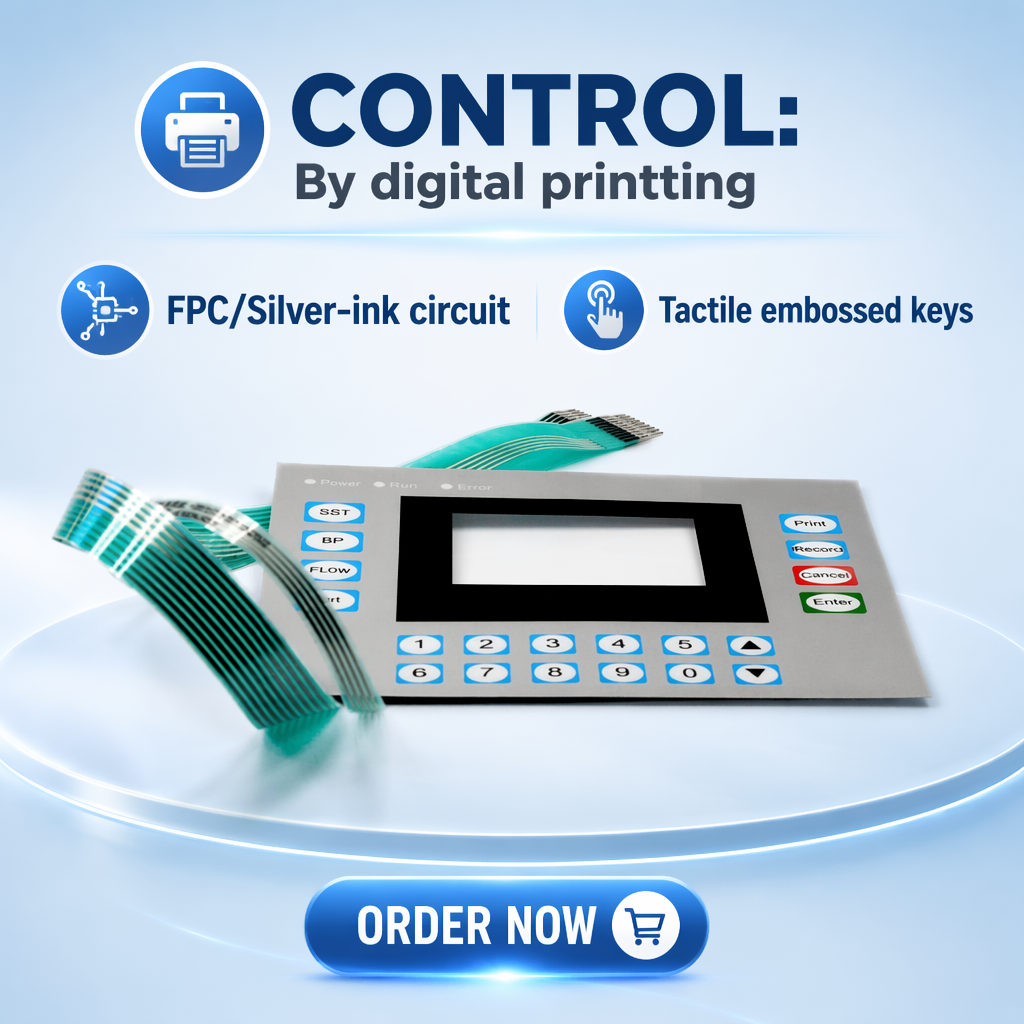
Custom FPC Membrane Switch With Embedded LED Backlight Flexible Circuit Keypad
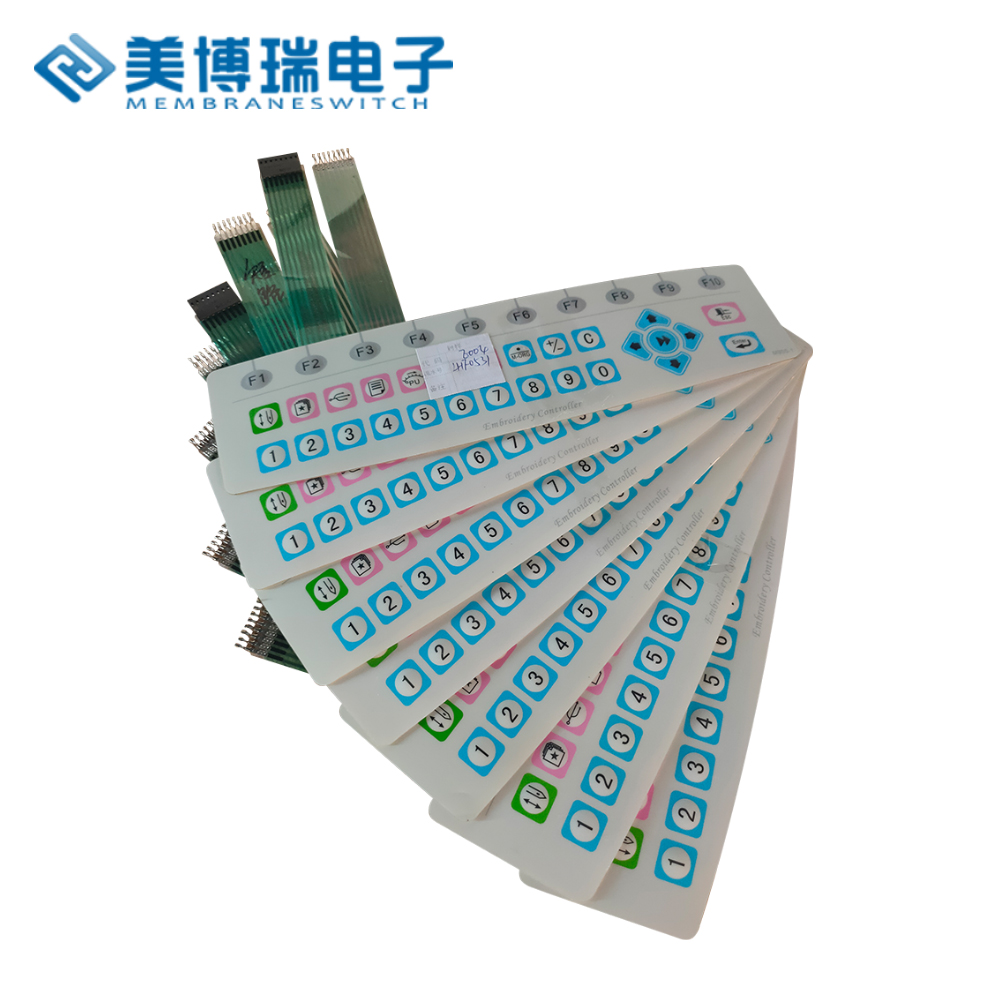
Custom MBR Flexible Waterproof Membrane Keypad Anti-Dust Moisture Proof Panel
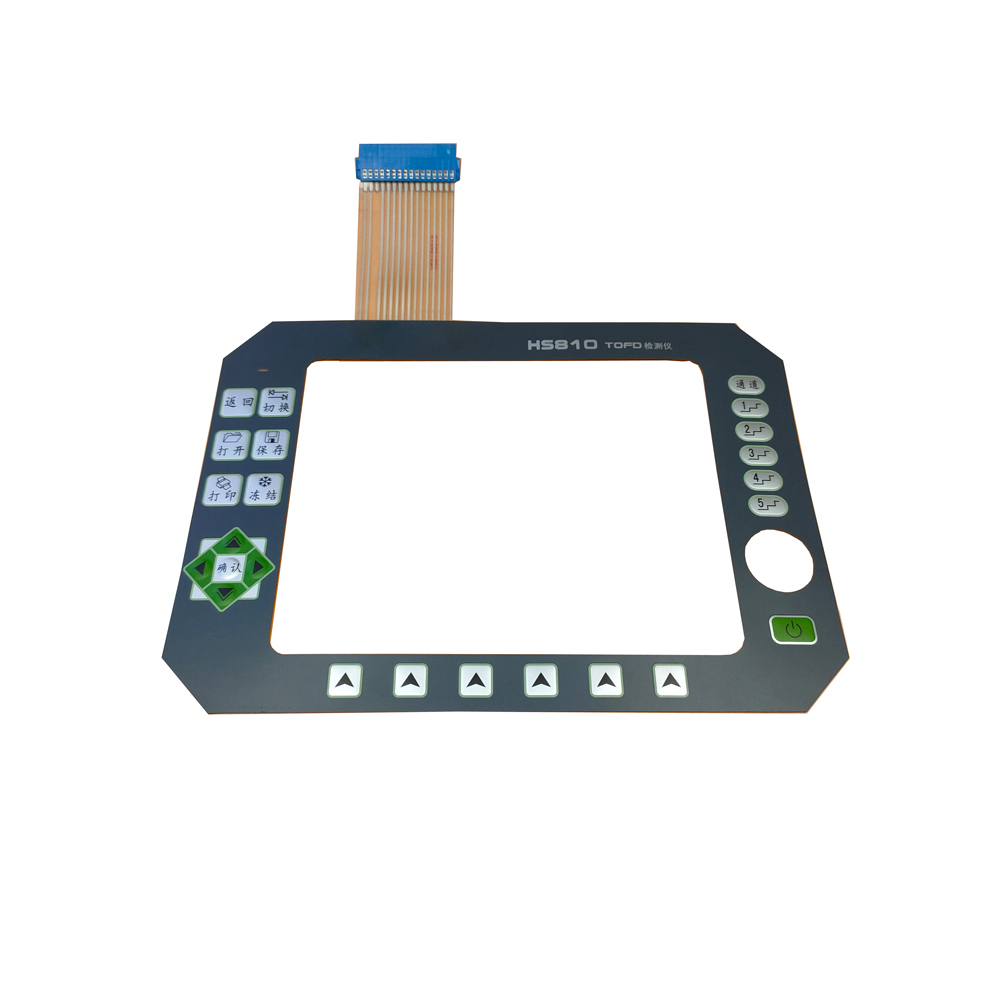
Custom PBT Keyboard Cap Silkscreen Printed Waterproof Adhesive Sticker
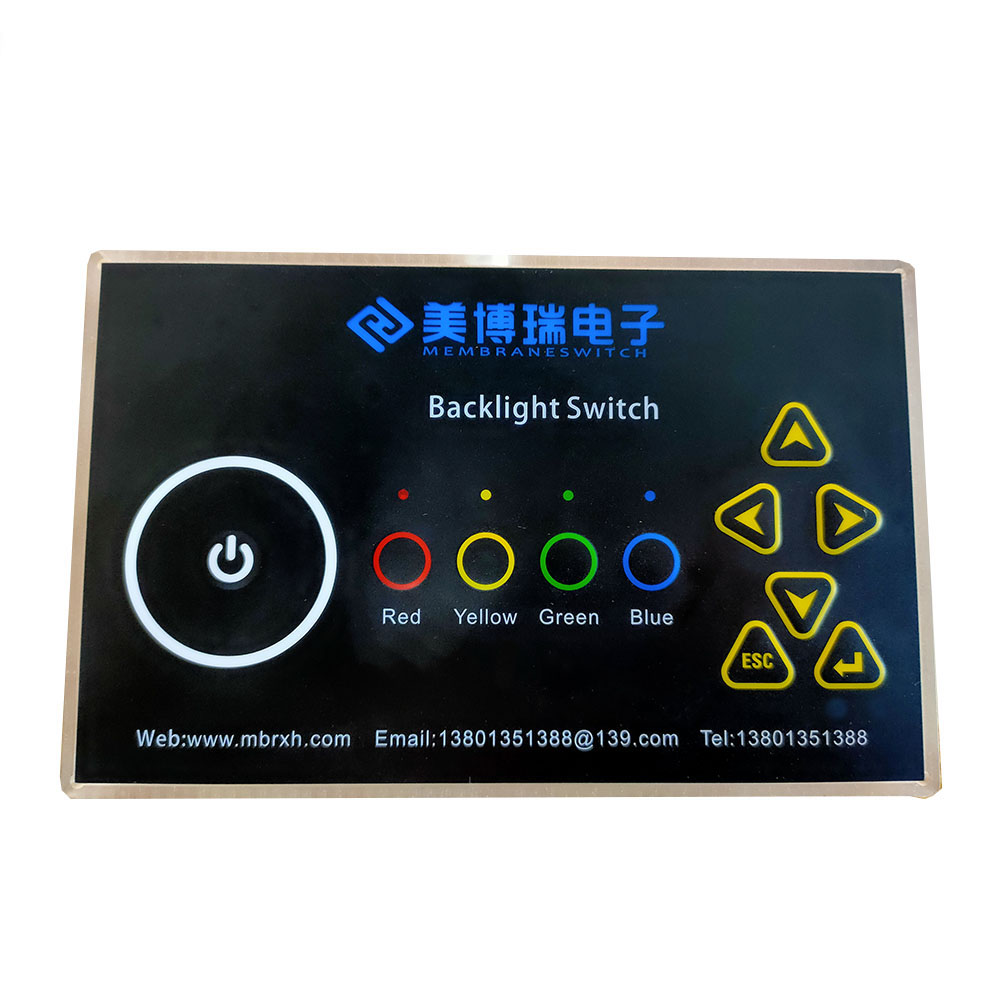
MEIBORUI PBT Keyboard Cap PET Membrane Keypad Custom Color Silkscreen
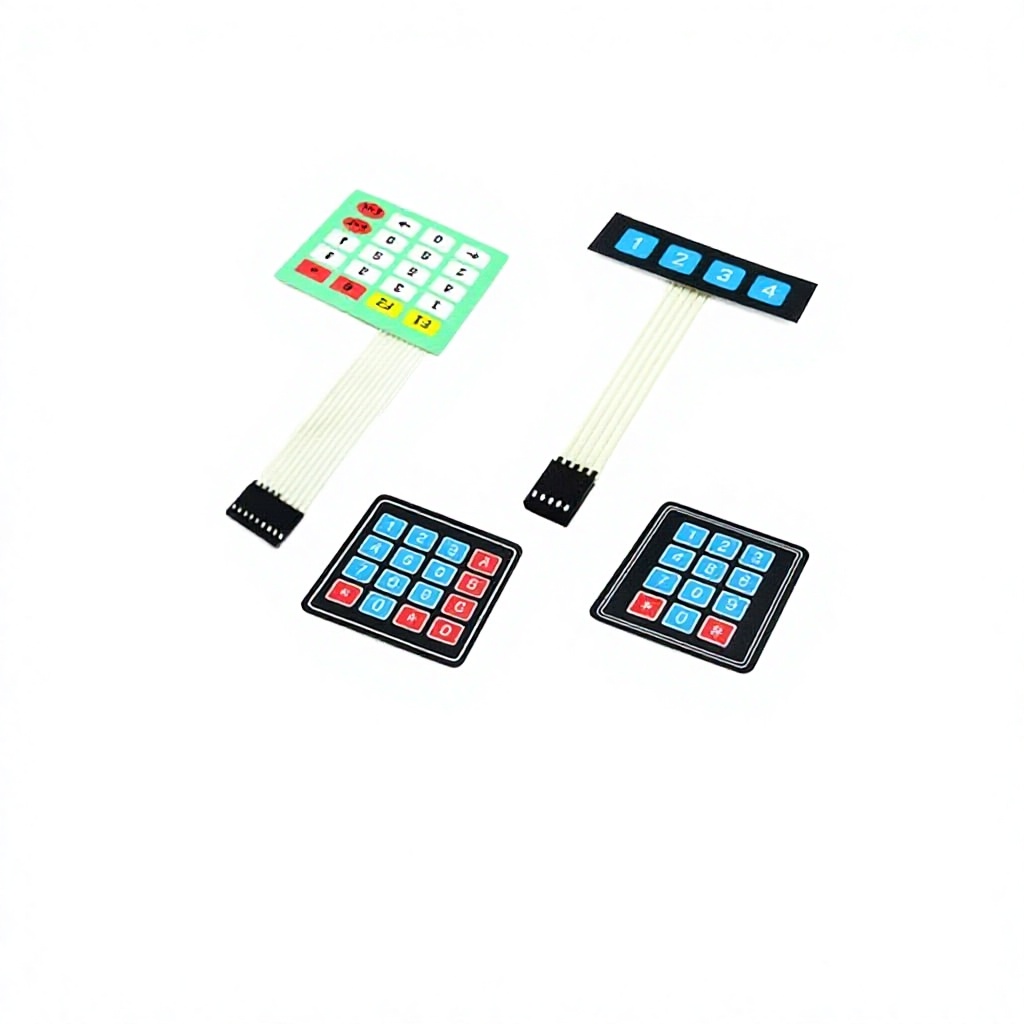
High Reliability Custom FPC Membrane Switch Keypad for Test Equipment
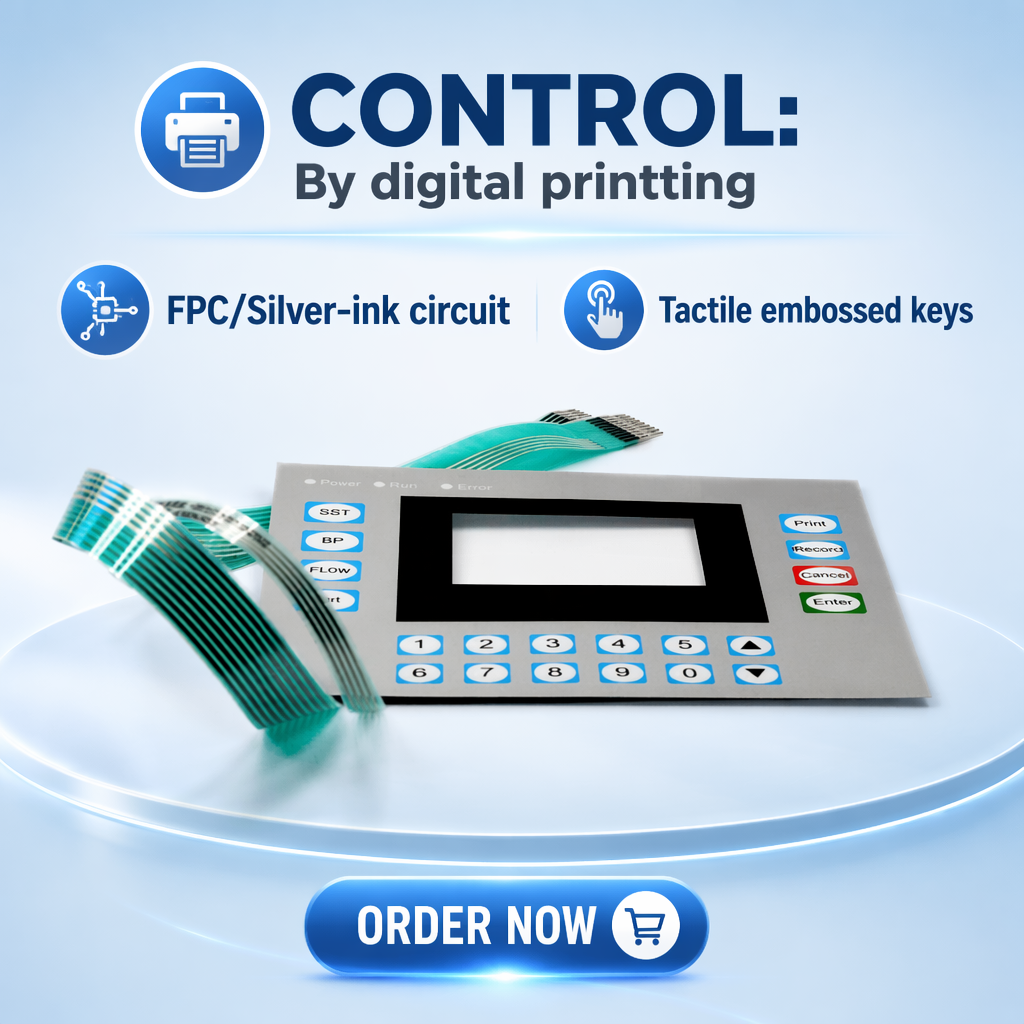
MEIBORUI Fast Turnaround Rigid-PCB & Hybrid Membrane Prototyping Service
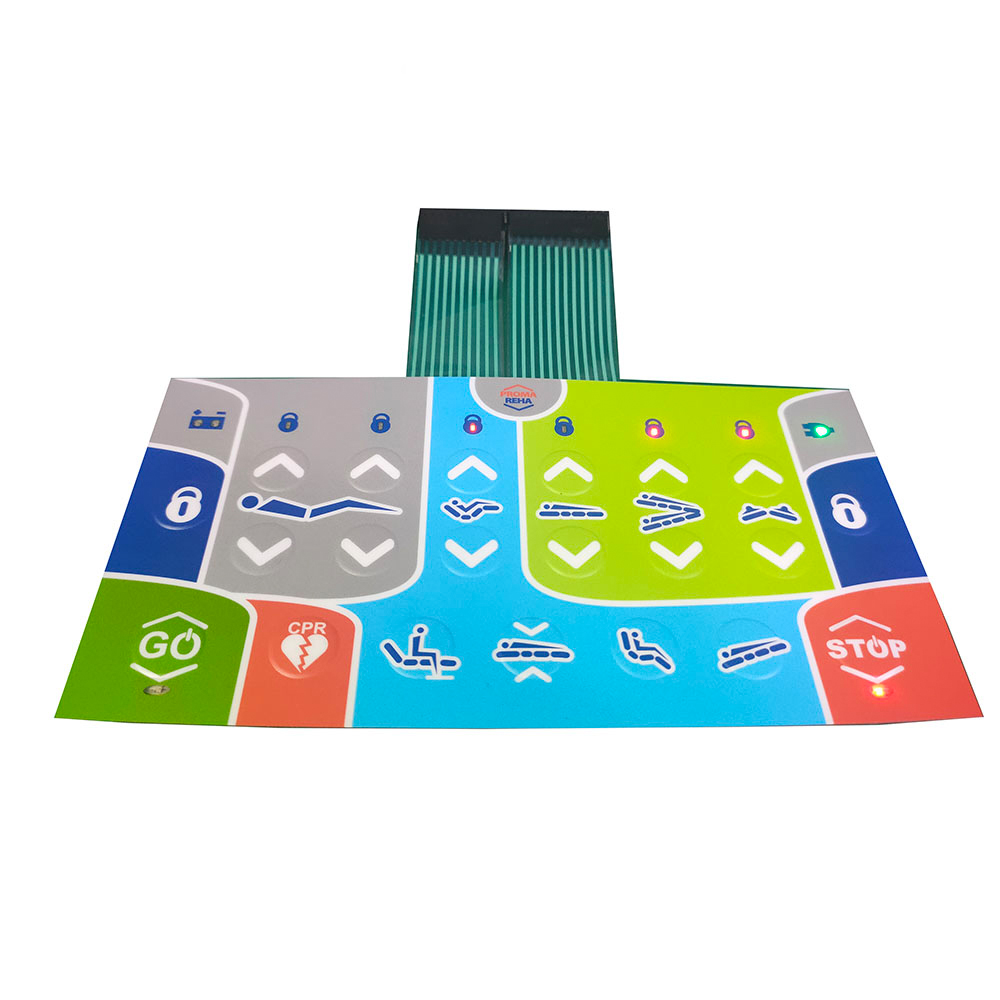
High Quality PBT Keyboard Cap Customized Color & Size Silkscreen Printing
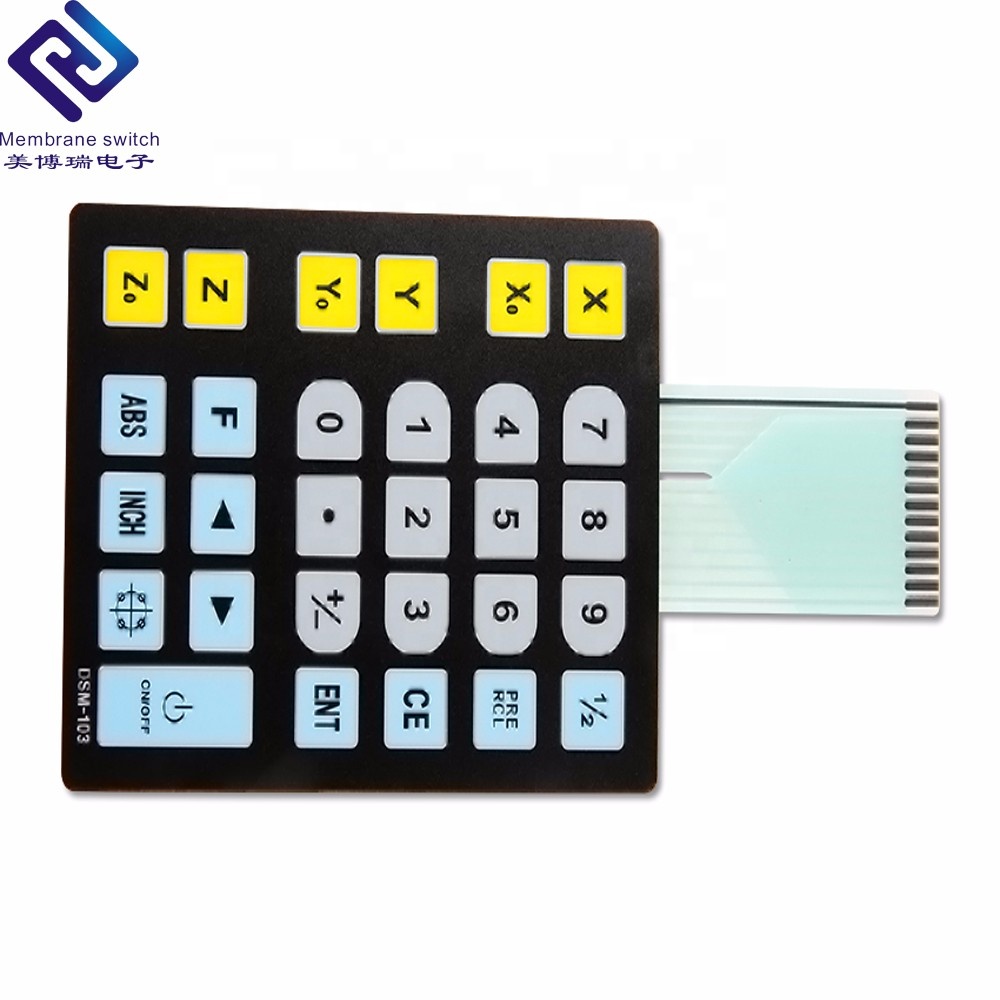
MBR IP67 Waterproof 3M Adhesive Flexible Cable Membrane Keypad Dome Buttons
Technical Whitepaper: The Engineering Physics Behind LGF Backlighting
As industrial control systems, medical diagnostics, and automated machinery across Villa Nueva transition from antiquated, bulky electromechanical pushbuttons to streamlined Human-Machine Interfaces (HMI), Light Guide Film (LGF) backlit membrane switches represent the gold standard of illumination engineering. Unlike legacy Electroluminescent (EL) foils that suffer from rapid phosphor degradation (halving brightness within 1,500 to 3,000 operational hours) and high-voltage AC inverter noise, LGF technology utilizes precision micro-optical dot refraction coupled with ultra-low-profile side-firing Surface Mount Device (SMD) LEDs.
At the core of an LGF assembly is an optically clear polycarbonate (PC) or polymethyl methacrylate (PMMA) film, typically ranging between 0.125 mm to 0.25 mm in thickness. Utilizing precision high-speed CNC laser micro-etching or high-pressure chemical engraving, an array of microscopic diffusion dots is patterned into the bottom surface of the film. When photons enter the film edge from strategically positioned side-view LEDs, total internal reflection (TIR) channels the light across the planar expanse. The micro-etched dot matrix disrupts TIR precisely beneath key legends and graphic symbols, scattering light upward at controlled 90-degree vectors. The result is exceptionally uniform illumination across complex layouts with zero luminance fall-off, zero hot spots, and negligible power consumption.
For procurement managers and systems integrators operating in Villa Nueva, Guatemala—where operating temperatures routinely fluctuate and factory air carries airborne particulate matter—the mechanical integrity of this multi-layer stack-up is paramount. By encapsulating side-firing LEDs directly into the spacer layer or mounting them to a flexible copper polyimide (FPC) tail, the complete switch profile remains under 1.2 mm thick. This preserves crisp tactile actuation feedback (actuation forces between 250g and 450g) while offering an uncompromising IP65/IP67 hermetic barrier that protects internal contacts against ingress.
| Backlighting Parameter | LGF (Light Guide Film) Switch | Electroluminescent (EL) Foil | Direct Discrete LED Array | Fiber Optic Woven Mesh |
|---|---|---|---|---|
| Illumination Uniformity | Exceptional (>90% planar balance) | High when new; degrades unevenly | Poor (Severe Hot Spots) | Moderate to High |
| Luminance Lifespan (L70) | > 50,000 Hours (LED-driven) | 1,500 – 3,000 Hours | > 50,000 Hours | 10,000 – 20,000 Hours |
| Switch Profile Thickness | 0.8 mm – 1.4 mm (Ultra-Thin) | 0.8 mm – 1.2 mm | 2.5 mm – 5.0 mm (Bulky) | 1.5 mm – 2.2 mm |
| Power Consumption | Extremely Low (2 to 6 SMD LEDs) | Low power, but requires inverter | High (Needs 1 LED per key) | Medium |
| EMI / RF Emissions | Zero RF Noise (DC Low Voltage) | High (High AC Frequencies) | Zero RF Noise | Zero RF Noise |
| Tactile Dome Feel | Crisp, uncompromised snap ratio | Soft / Muffled over time | Requires tall dome or cutouts | Stiff; reduces tactile travel |
Industrial Application Scenarios Across Villa Nueva & South Metro Guatemala
Villa Nueva represents the undisputed manufacturing heartbeat of Guatemala's Department of Guatemala, situated strategically along the CA-9 Sur transport artery. Here is how our membrane switch engineering directly integrates with local industrial clusters.
Food, Beverage & Agro-Industrial Packaging
Villa Nueva hosts major regional food processing facilities, edible oil packaging operations, and beverage bottling plants. These facilities demand HMI surfaces that endure aggressive chemical clean-in-place (CIP) regimens. Our LGF membrane switches utilize Autotex hard-coated polyester overlays resistant to caustic sodium hydroxide washdowns, chlorine sanitizers, and pressurized hot water, maintaining IP67 moisture seals without graphic yellowing or delamination.
Plastics Injection, Extrusion & Converting Machinery
The plastic resin converting and polymer extrusion sector centered in Parque Industrial Villa Nueva and surrounding maquila zones runs continuous high-cycle operations. Switch assemblies endure constant mechanical vibration and polymer dust. Our metal-backed and FR4-reinforced membrane switches provide torsional rigidity, ensuring stable actuation force (>1 million hits) with gold-plated metal domes that prevent intermittent contact bounce under machine resonance.
Pharmaceutical & Medical Diagnostic Consoles
As pharmaceutical manufacturing expands in Guatemala's southern corridor, precision medical autoclaves, diagnostic test benches, and liquid handling systems require anti-microbial touch interfaces. Our continuous non-porous graphic overlays eliminate bacterial traps found in mechanical toggle buttons. When integrated with LGF backlighting, critical operational legends remain crisply visible in low-light laboratory cleanrooms without casting disturbing glare.
Textile Dyeing, Weaving & Finishing Control
Guatemala's textile exporting mills require human interface hardware resilient against ambient dye fumes, humidity condensing cycles, and lint accumulation. Our silver-conductor membrane circuits are coated with carbon overcoats to prevent silver migration under high relative humidity (>85% RH), and our flexible polyimide (FPC) copper circuits provide an impervious path for mission-critical loom controllers and steam ironers.
Cold-Chain Storage & Refrigerated Logistics HMIs
Positioned at the logistical junction linking Puerto Quetzal with Guatemala City, Villa Nueva is a center for cold-chain warehousing. Membrane switches on refrigerated transport units and freezing chambers face severe thermal cycling (-30°C to +40°C). Our custom 3M low-temperature acrylic adhesive formulations ensure permanent substrate adhesion without edge lift, preventing internal condensation and switch freezing.
Volcanic Ash & Outdoor Dust Protection
Proximity to active volcanic zones (such as Pacaya and Fuego) exposes industrial equipment in the southern valley to abrasive, highly conductive fine volcanic ash falls. Unsealed pushbuttons inevitably bind, jam, or short circuit when ash infiltrates mechanical contact blocks. Our seamlessly laminated membrane surfaces create an impenetrable continuous barrier that can simply be hosed off or wiped down without interrupting plant production.
Market Trends: Nearshoring Dynamics & HMI Modernization in Villa Nueva
The Central American industrial landscape is experiencing an unprecedented structural pivot driven by multinational nearshoring initiatives. As American and European OEMs seek to diversify supply chains away from single-source Asian assembly points, Guatemala—and specifically the industrial zoning corridor of Villa Nueva—has emerged as a prime beneficiary of foreign direct investment. However, this expansion brings rigorous technological expectations: local contract manufacturers and machinery retrofitting specialists are no longer content with rudimentary mechanical controls. They require high-reliability, aesthetically sophisticated HMIs that align with North American UL, CE, and RoHS standards.
Three decisive technological trends dominate procurement decisions across Villa Nueva's engineering departments:
1. Convergence toward Ultra-Low Power Consumption: With rising industrial electricity tariffs and the expansion of solar-powered and battery-backed remote telemetry terminals in Guatemala's agricultural hinterlands, energy-efficient LGF backlighting is rapidly replacing fluorescent and high-draw LED arrays. An LGF panel requires as few as 2 to 4 micro-LEDs to light an entire 16-key keypad uniformly, reducing power demand by over 75% compared to discrete multi-LED backlighting.
2. The Hybrid FPC/Rigid PCB Transition: As machinery becomes more compact and integrates directly with CAN bus, RS-485, and Modbus industrial protocols, OEMs in Villa Nueva are moving away from traditional flexible silver ink tails toward Flexible Printed Circuits (FPC) with stiffened ZIF connectors. FPC tails offer tight pitch tracing down to 0.5 mm, eliminating trace cracking during assembly and enabling direct soldering of active surface-mount sensors, microcontrollers, and status LEDs directly onto the switch flex layer.
3. Direct Ergonomic Feedback in Noisy Factory Floors: In modern manufacturing plants where ear protection is mandatory, visual and tactile confirmation of key presses is critical for worker safety and throughput. Our LGF switches engineered with 4-leg nickel-plated stainless steel domes provide an assertive snap tactile ratio (>50%), accompanied by instant visual illumination changes that eliminate double-entry errors on automated packaging lines.
Why Villa Nueva Engineers Partner With TAVO
Over 30 years of continuous research, deep European technical partnerships, and 100% closed-loop in-house manufacturing capabilities guarantee unmatched quality and supply chain stability.
Every Process Under One Roof
From artwork conversion, film output, and automatic screen printing to digital UV printing, embossing, laser cutting, SMT LED pick-and-place, assembly, and automated electrical continuity testing, we maintain complete in-house manufacturing. No outsourced steps means zero quality blind spots and accelerated delivery schedules.
German Engineering Partnership
We maintain long-term technical cooperation with a renowned German membrane switch manufacturer, exchanging processing know-how, advanced tooling methodologies, and inspection standards. This alignment ensures that switches delivered to Villa Nueva match European automotive and medical performance tolerances.
Two Production Bases (Hebei & Huizhou)
Our primary 2,219㎡ facility in Xianghe Robot Industry Port (Hebei) pairs with our advanced southern manufacturing base in Huizhou (Guangdong). Capacity is allocated dynamically, ensuring high-volume runs never compromise fast-turnaround prototype orders (5-7 day sample turnaround).
State-of-the-Art Machine Park
Our facility operates 60 precision CNC mold-making machines, 37 automated silkscreen printing presses, 18 precision laser die-cutting machines, 4 Mimaki heat-setting digital UV printers, and 7 digital engravers—enabling micron-level registration accuracy across complex multi-layer designs.
Rigorous In-House Reliability Testing
Our testing laboratory features programmable temperature/humidity chambers (-40°C to +120°C), automatic salt fog chambers for ASTM B117 corrosion testing, button life-cycle testers verifying 1,000,000+ actuations, computer circuit resistance analyzers, and xenon arc UV aging chambers.
Experienced Central America Export Logistics
With established shipping channels via air express (DHL/FedEx to La Aurora International Airport GUA in 4-6 days) and sea freight (Puerto Quetzal or Santo Tomás de Castilla), our 20-person international trade department ensures seamless customs clearance, compliant HS code documentation, and robust export crating.
Frequently Asked Questions: Sourcing in Villa Nueva
Clear, direct answers to common engineering, commercial, and logistics questions from OEM buyers and systems integrators in Guatemala.
1. How does an LGF membrane switch perform against traditional EL lamps in Guatemala's tropical climate?
2. What lead times and shipping routes are typical for deliveries to Villa Nueva, Guatemala?
• Air Courier (DHL / FedEx / UPS): 4 to 6 business days door-to-door, clearing through La Aurora International Airport (GUA) in Guatemala City, just minutes north of Villa Nueva.
• Ocean Container Freight: 22 to 28 days transit to Puerto Quetzal (Pacific gateway, highly convenient for Villa Nueva via CA-9 Sur) or Santo Tomás de Castilla / Puerto Barrios (Atlantic coast). We provide all requisite export commercial invoices, packing lists, and certificates of origin.
3. How do your membrane switches maintain sealing against fine volcanic dust and caustic washdowns?
4. What engineering files and specifications must our team provide to initiate a custom quote?
1. Graphic Artwork: Vector files (.AI, .CorelDraw, .PDF, or .EPS) indicating color separations with Pantone (PMS) or RAL color codes.
2. Mechanical Drawing: 2D mechanical dimensions (.DXF, .DWG, or .PDF) detailing overall outline, embossing profiles (rim or pillow), display windows, and tail exit location.
3. Circuit Schematic & Connector Pin-Out: Schematic defining switch trace matrix, LED polarity/resistor specifications, and chosen connector type (e.g., 2.54mm pitch female housing, Nicomatic, or ZIF contact tail).
4. Operating Environment: Expected operating temperatures, UV exposure, chemical contact, and required tactile feedback force (grams).
5. Can you integrate rigid aluminum backplates, FR4 PCBs, and display windows?
6. What are your Minimum Order Quantities (MOQ), and do you support low-volume prototyping?
Request an Engineering Review & Quotation for Villa Nueva
Connect directly with our senior HMI engineering team. Submit your CAD drawings, schematic pinouts, or graphic overlay concepts today for an exhaustive Design for Manufacturability (DFM) analysis and competitive factory-direct pricing within 24 hours.