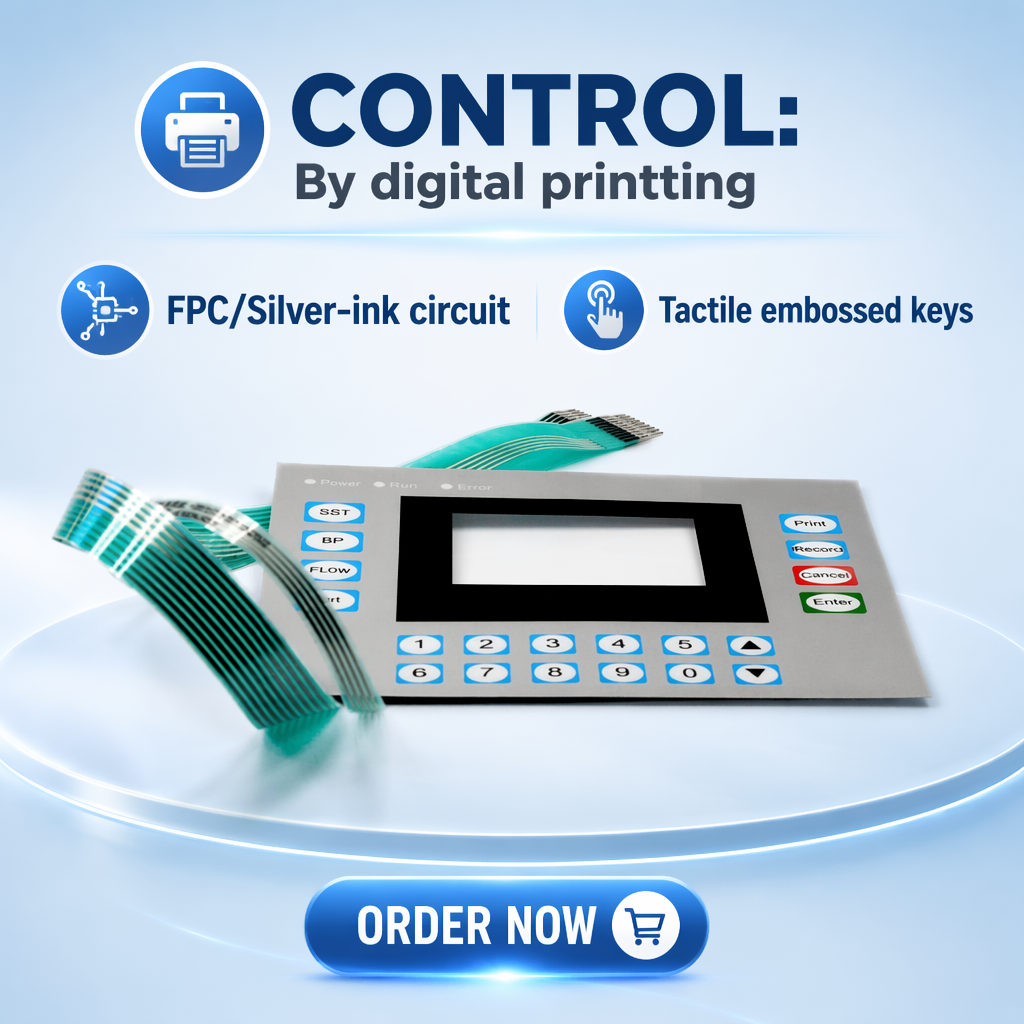
• Substrate: Flexible Polyimide FPC
• Illumination: Uniform LGF / Embedded SMT LEDs
• Protection: IP67 Front Sealed Surface
Direct factory supply of thin-profile Light Guide Film keypads, high-temperature graphic overlays, and robust FPC circuits manufactured according to ISO 9001 and Intertek-verified standards.
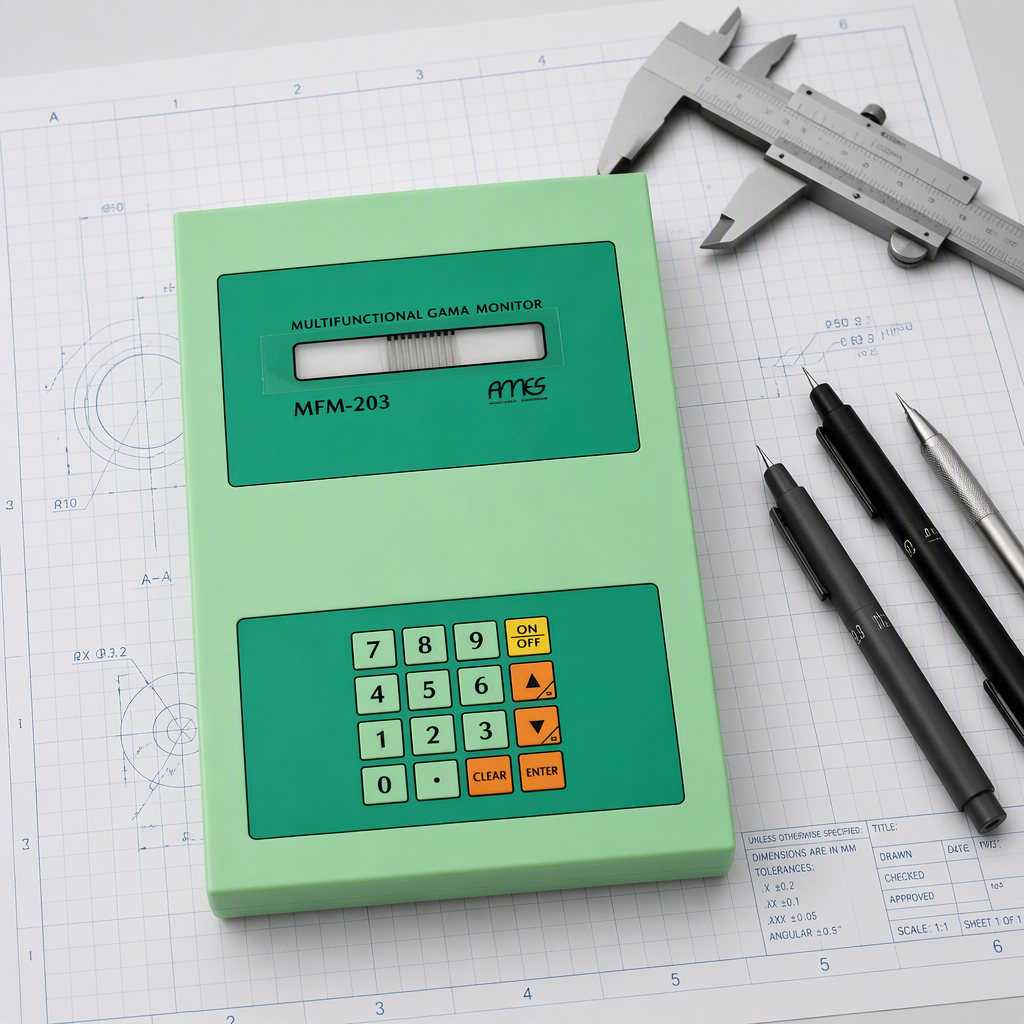
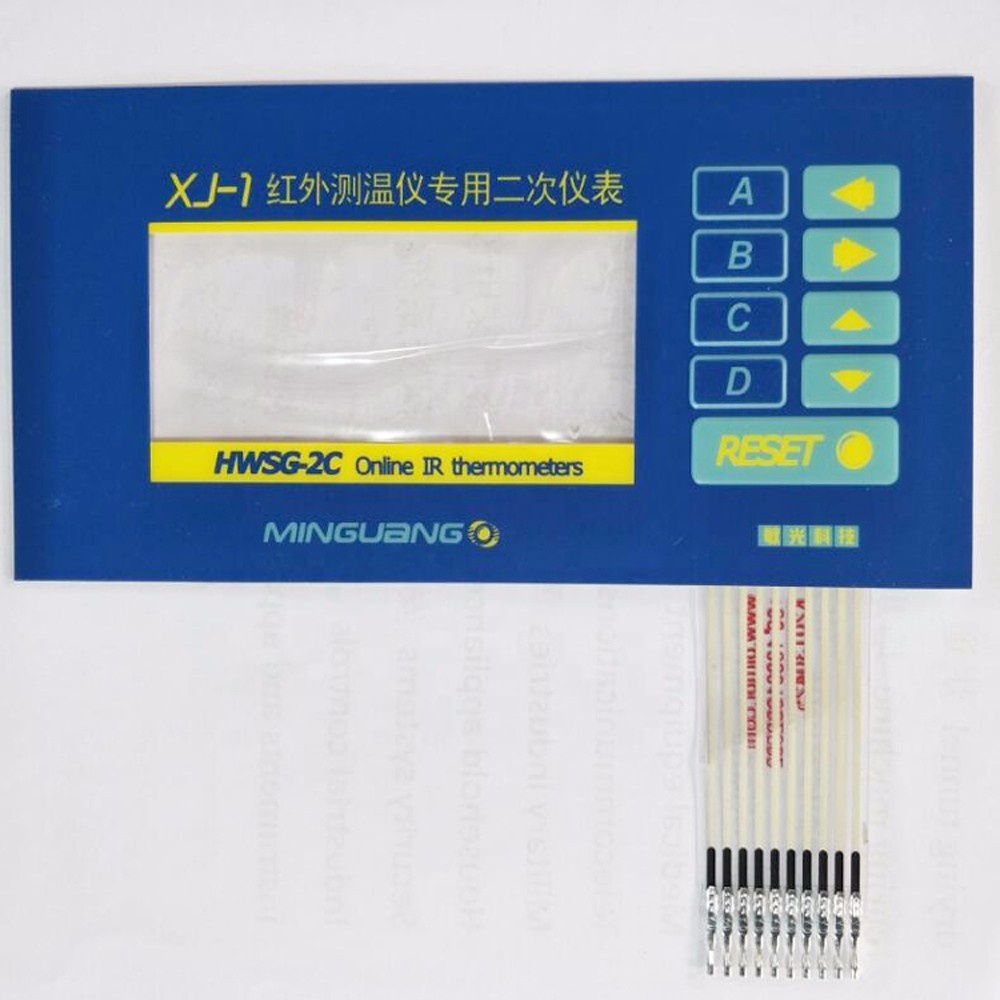
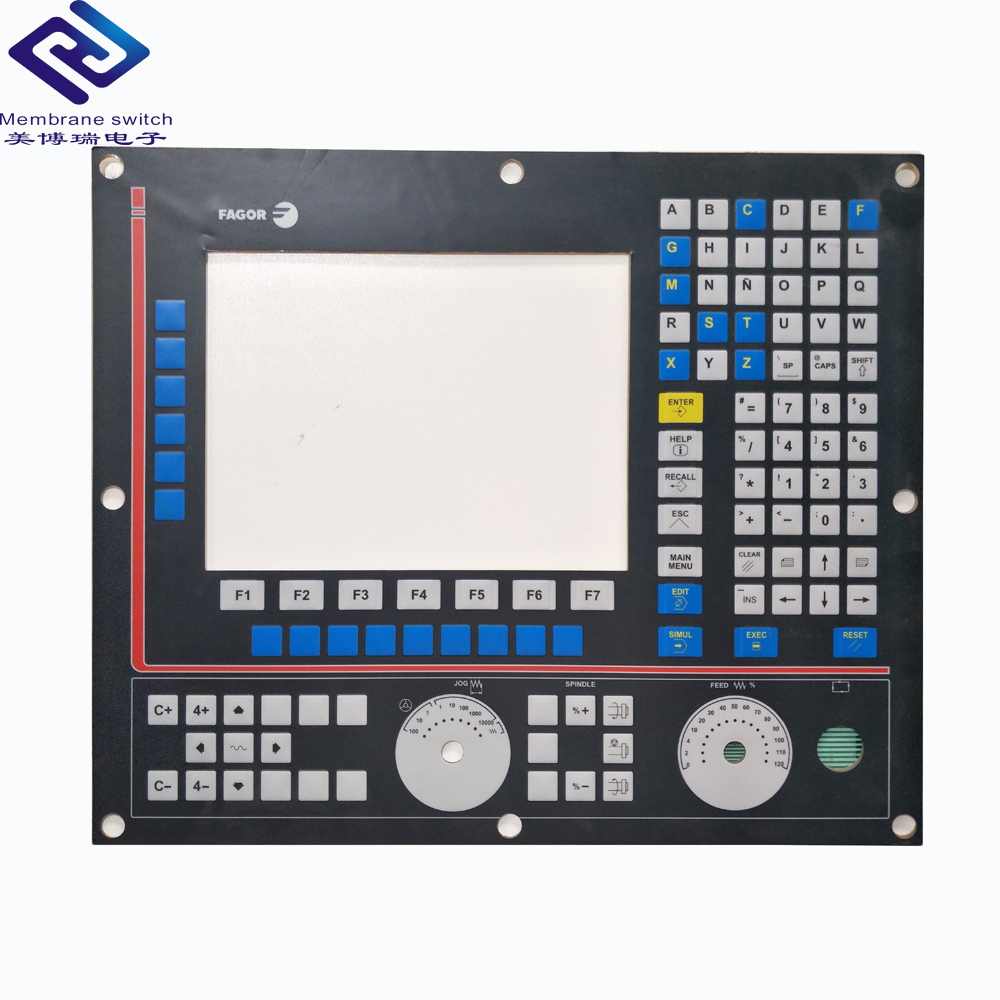
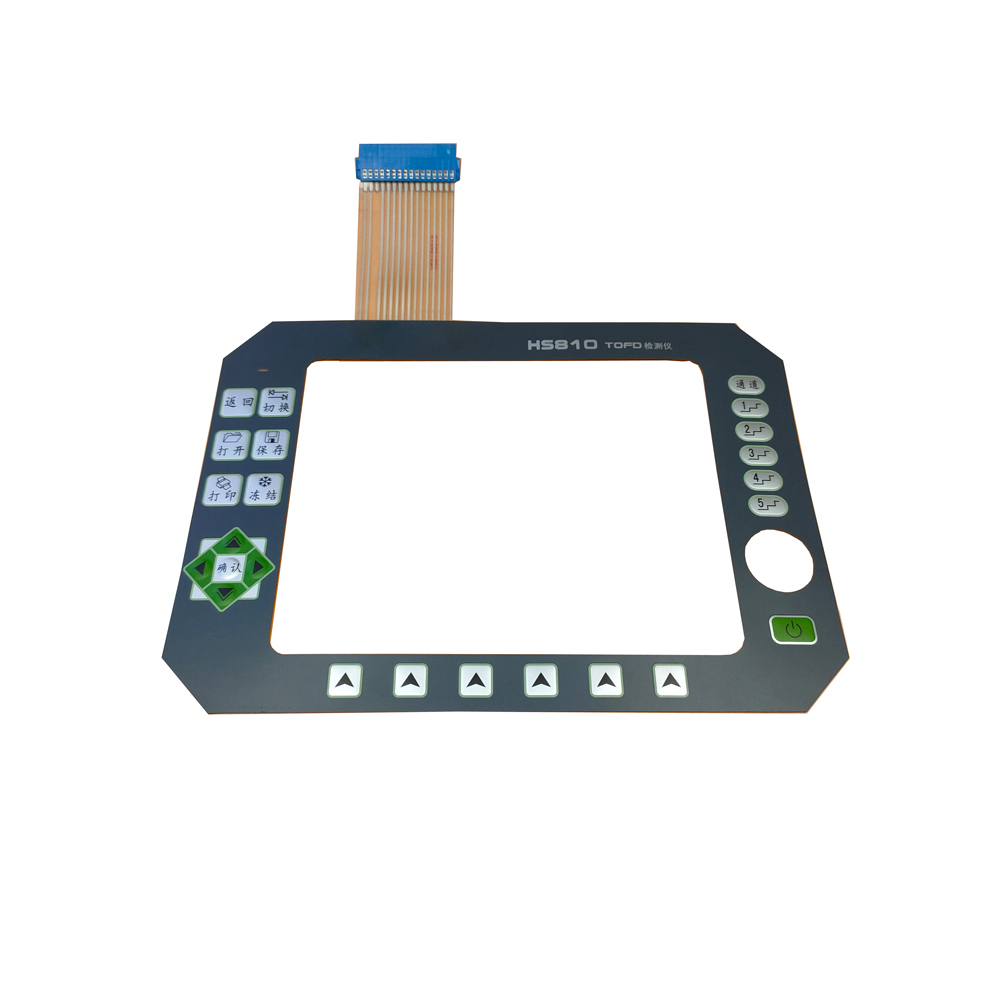
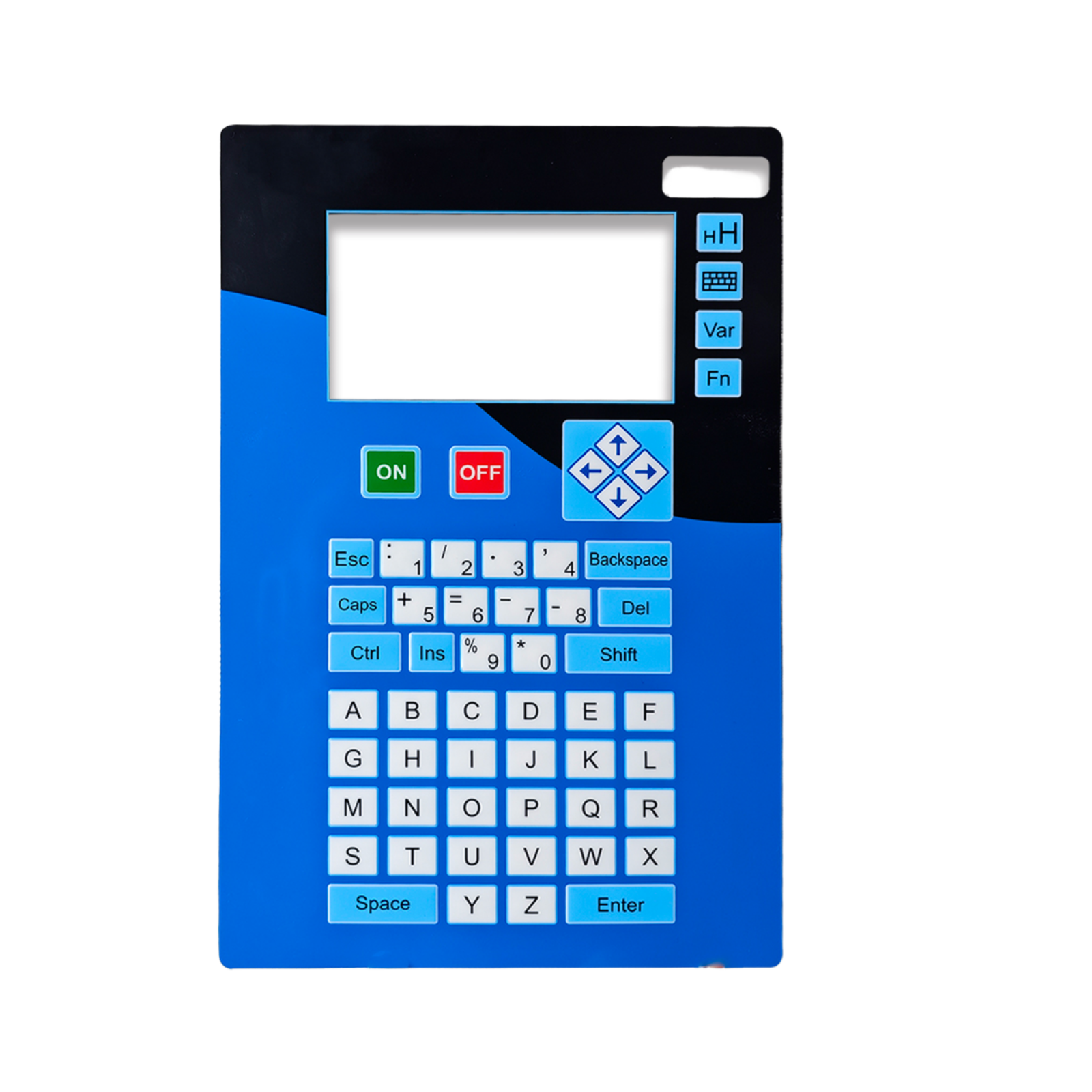
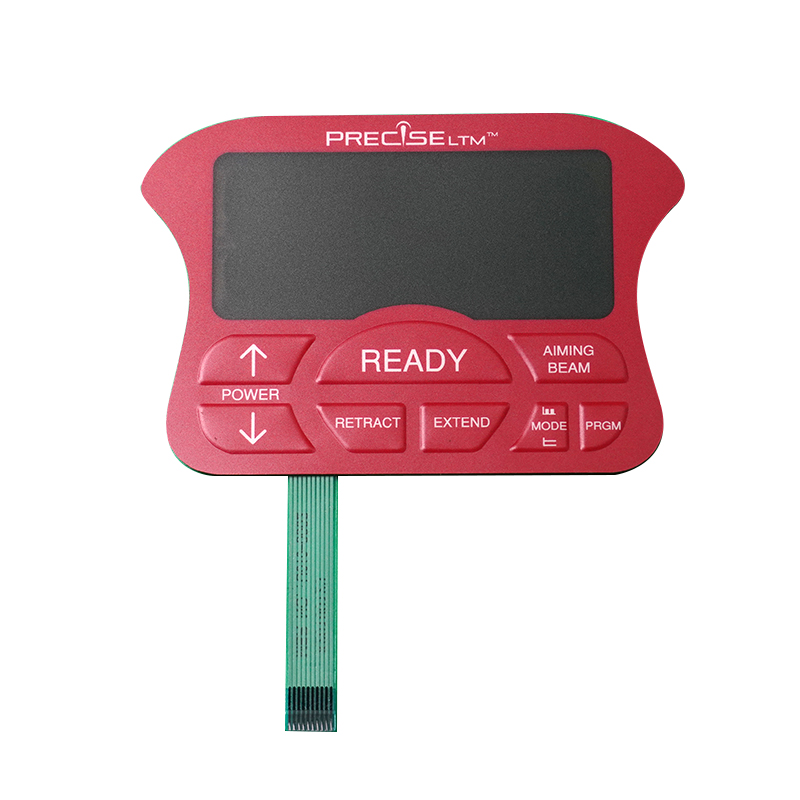
A comprehensive examination of Light Guide Film (LGF) design parameters, environmental sealing, and functional safety for original equipment manufacturers operating within the St. John’s ocean technology and resource ecosystem.
Human-Machine Interface (HMI) engineering for the industrial corridor of St. John’s, Newfoundland and Labrador, requires solutions that transcend standard consumer-grade electronics. Original Equipment Manufacturers (OEMs) servicing the North Atlantic offshore oil and gas sector, maritime fleets, and subsea autonomous robotics confront extreme operational realities: sub-zero thermal cycling, dense marine salinity, high-humidity condensation, and the demand for zero-fail emergency switching. In this context, Light Guide Film (LGF) membrane switches represent a significant technological advancement over legacy electro-luminescent (EL) foils and standard cluster-LED surface mount matrices.
An LGF membrane switch integrates a micro-machined, optically clear polycarbonate or polymethyl methacrylate (PMMA) film layer directly beneath the graphic overlay and dome retainer. High-efficiency side-firing surface-mount (SMT) LEDs—typically placed outside the key perimeter—focus light laterally into the microscopic edges of the film. Using high-precision dot-matrix laser etching or micro-grooving refraction patterns, the light rays undergo Total Internal Reflection (TIR) until encountering a refraction zone, turning perpendicular toward the operator's eye. This produces exceptionally uniform luminance across critical legends, symbols, and outer dead-front icons without hotspots, thermal dissipation problems, or electrical field humming.
| Performance Characteristic | Legacy EL Backlighting Foil | Direct Discrete LED Array | Advanced LGF Optical Solution |
|---|---|---|---|
| Luminance Uniformity | High initially (>85%) | Poor; prone to bright halos | Exceptional (>90% consistent) |
| Operational Half-Life (L70) | Low (~3,000 to 5,000 hours) | High (>50,000 hours) | High (>50,000 hours) |
| Driving Voltage Requirements | AC 100V–180V via Inverter | Direct Low Voltage DC (2V–3.3V) | Direct Low Voltage DC (2V–3.3V) |
| EMI / RFI Generation | High (Inverter noise affects sensors) | Negligible | Zero Inherent Radiated Noise |
| Total Profile Thickness | 0.8mm – 1.2mm | 2.0mm – 3.5mm (Bulky) | 0.125mm – 0.25mm (Ultra-Slim) |
| Moisture Degradation Risk | High (Phosphor breaks down with humidity) | Medium (Solder joint stress) | Impermeable to Moisture Degradation |
In St. John's coastal and offshore environments, material failure is most commonly initiated by moisture penetration, UV solar radiation embrittlement, salt fog corrosion, and chemical contact with hydraulic oils or drilling fluids. To prevent delamination and circuit continuity faults, we deploy an engineered stack-up comprising:
From the seismic conditions of the Grand Banks offshore basin to the dynamic ocean robotics test beds around Conception Bay, our HMI interfaces are engineered to match local application challenges.
Fixed production platforms (such as Hibernia and Hebron) and mobile offshore drilling units demand control consoles that resist salt mist and high mechanical vibration. Our LGF-illuminated panels provide night-vision friendly, non-glare status controls for drilling machinery, mud pumps, and topside process instrumentation.
St. John’s is recognized globally as an ocean research and marine robotics hub. Autonomous underwater vehicles (AUVs) and robotic manipulators require compact, low-power tether interfaces. By incorporating 0.15mm optical LGF sheets, control pods preserve internal payload space while maintaining tactile feedback down to -20°C ambient temperatures.
Modern seafood processing plants along the Avalon Peninsula and commercial harvest vessels run intensive high-pressure hot-water washdowns. We engineer front panels with completely sealed perimeter gaskets conforming to IP68 and NEMA 4X/6P washdown standards that resist cleaning caustic chemicals, fish blood, and brine.
Serving hard-rock mining and remote mineral processing facilities connected through St. John's management hubs. In environments exposed to heavy iron-ore dust, nickel particulates, and extreme vibration, our tactile metal dome arrays prevent false triggers and are completely sealed against abrasive dust ingress.
Monitoring stations, ice-mapping buoys, and meteorological devices deployed throughout the Labrador Sea rely on battery banks and solar harvesting. LGF technology cuts power draw significantly compared to bulky fluorescent or incandescence-lit switch arrays, extending seasonal autonomous runtimes.
Technological pivots reshaping how original equipment manufacturers source and specify switchgear in Atlantic Canada.
With ocean robotics and autonomous survey vessels leading regional engineering growth, procurement teams increasingly reject high-voltage AC backlighting systems. The adoption of LGF driven by ultra-low forward current SMT LEDs enables operation directly from 3.3V logic rails without complex inverter circuitry or heat sinks.
St. John’s OEMs are moving away from piecemeal sourcing (ordering panels, buttons, PCBs, and bezels separately). The prevailing preference favors fully integrated hybrid packages: a graphic overlay laminated over LGF layers, supported by rigid aluminum plates or FR4 PCBs populated with SMT components and standard ZIF wiring tails.
While consumer devices lean into capacitive glass screens, maritime deck operators working in rough sea states require unmistakable physical actuation. High-tactile metal domes (350g–450g) mounted in embossed polyester cavities allow operators to maintain positive control even in heavy seas, low visibility, or while wearing neoprene immersion gloves.
Complete vertically-integrated manufacturing backed by three decades of specialized switch engineering, German collaborative technology, and strict quality controls.
Every operational stage—from CAD film generation, high-precision screen printing, and Mimaki digital UV printing to CNC mold making, dome array placement, ultrasonic cutting, and optical inspection—is performed internally across our Xianghe and Huizhou facilities without secondary subcontracting.
Our quality verification processes conform to ISO 9001 and have been assessed onsite by Intertek. Every batch undergoes rigorous reliability tests: automated continuity analyzers, button actuation cycling (>1M hits), programmable high-low temperature (-40°C to +105°C) and humidity chambers, xenon aging, and salt fog corrosion testing.
We accommodate specialized development programs common to the St. John's ocean tech corridor. With dedicated pilot lines, we offer low minimum order quantities, rapid 5-to-7 day engineering turnarounds, and support for prototyping runs without prohibitive setup charges.
Direct technical and logistical answers addressing delivery timelines, cold-weather engineering, and international shipping protocols.
Consult directly with our senior application engineers. We evaluate your mechanical schematics, recommend material stack-ups, and provide transparent DFM feedback tailored to your operational specifications.