Silkscreen Custom
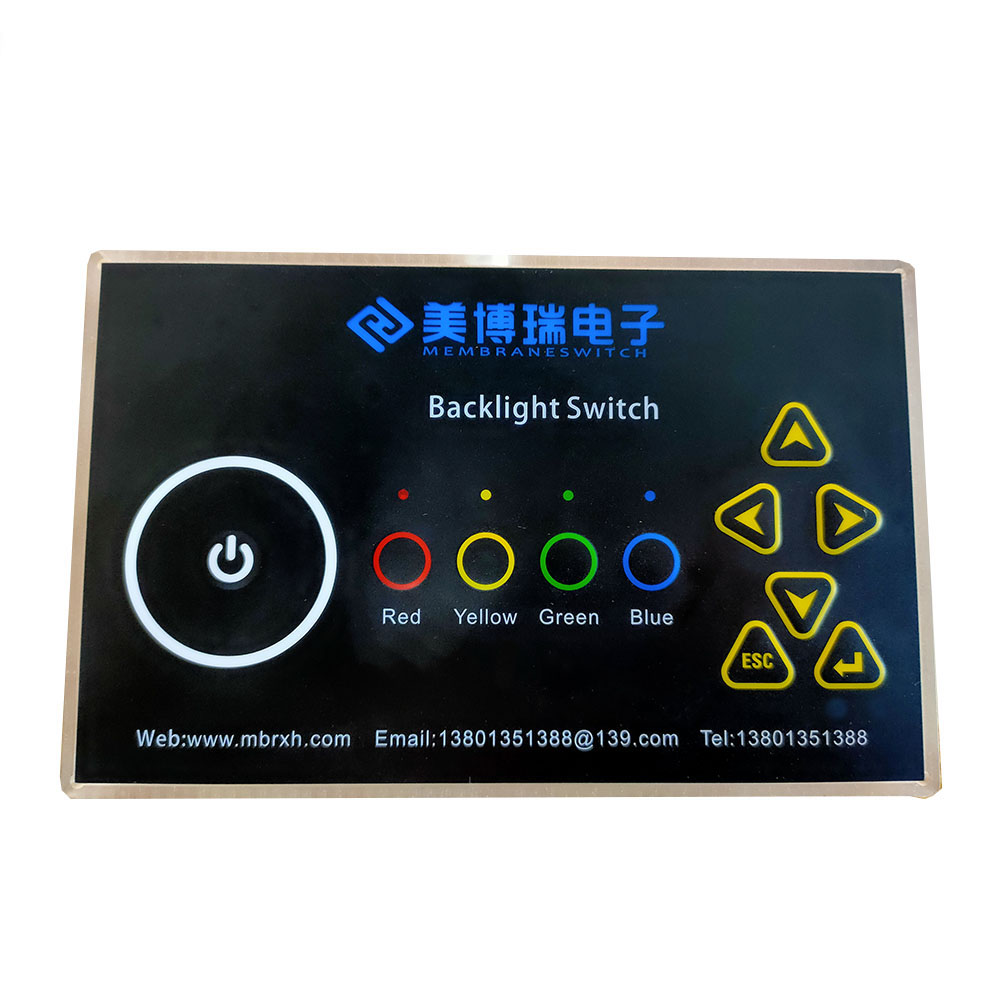
MEIBORUI MBR PBT Keyboard Cap PET Membrane Keypad Custom Color Silkscreen
PET Core
UV Silkscreen
PBT Keycap
Discover our turn-key illuminated switch assemblies, capacitive touch matrix architectures, and high-performance graphic overlays custom-engineered for industrial control, medical diagnostic enclosures, and automated robotic systems.
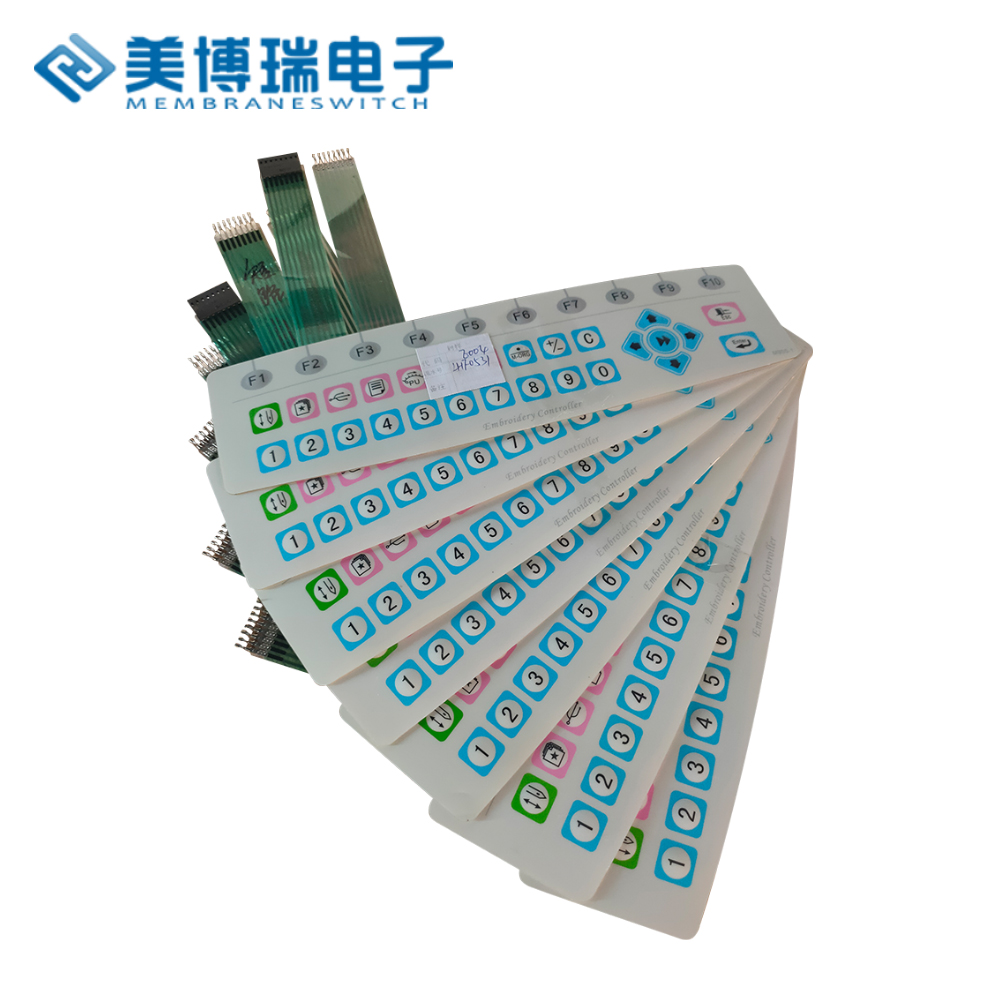
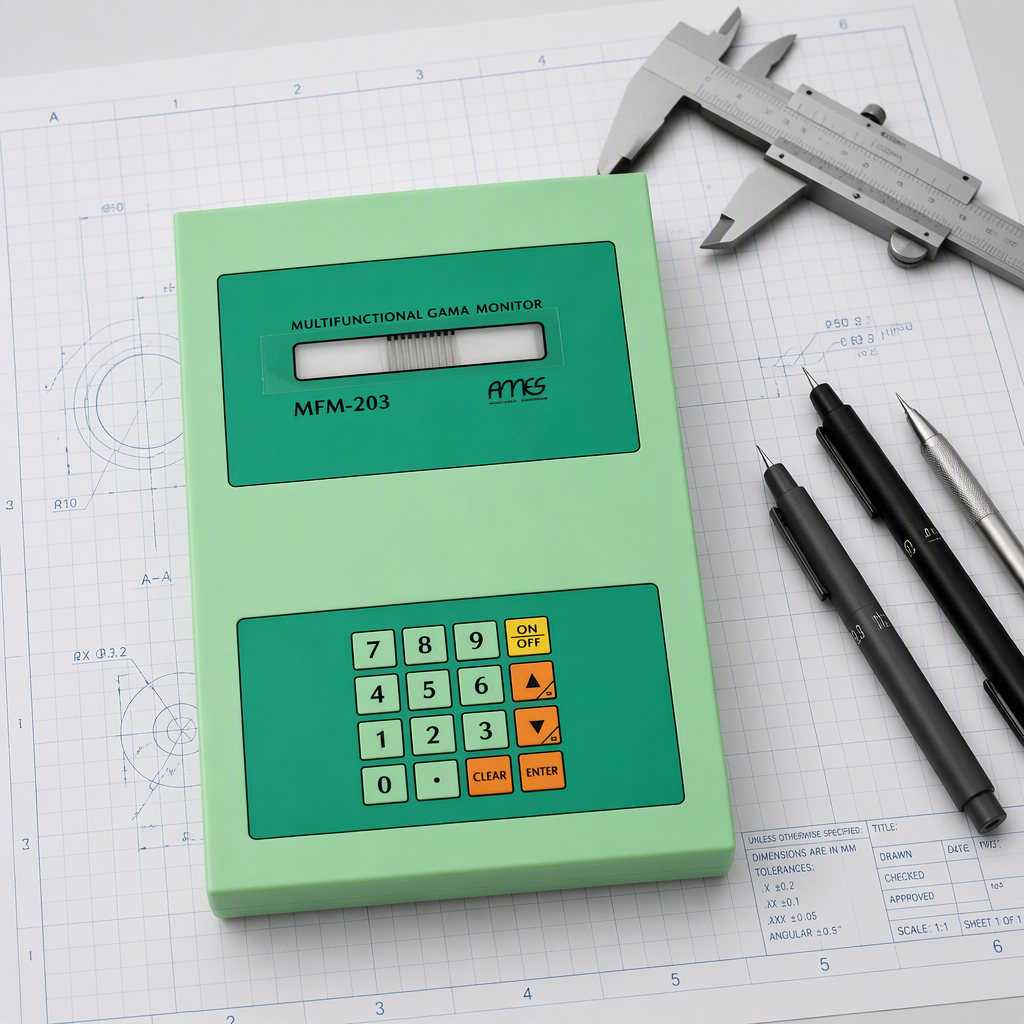
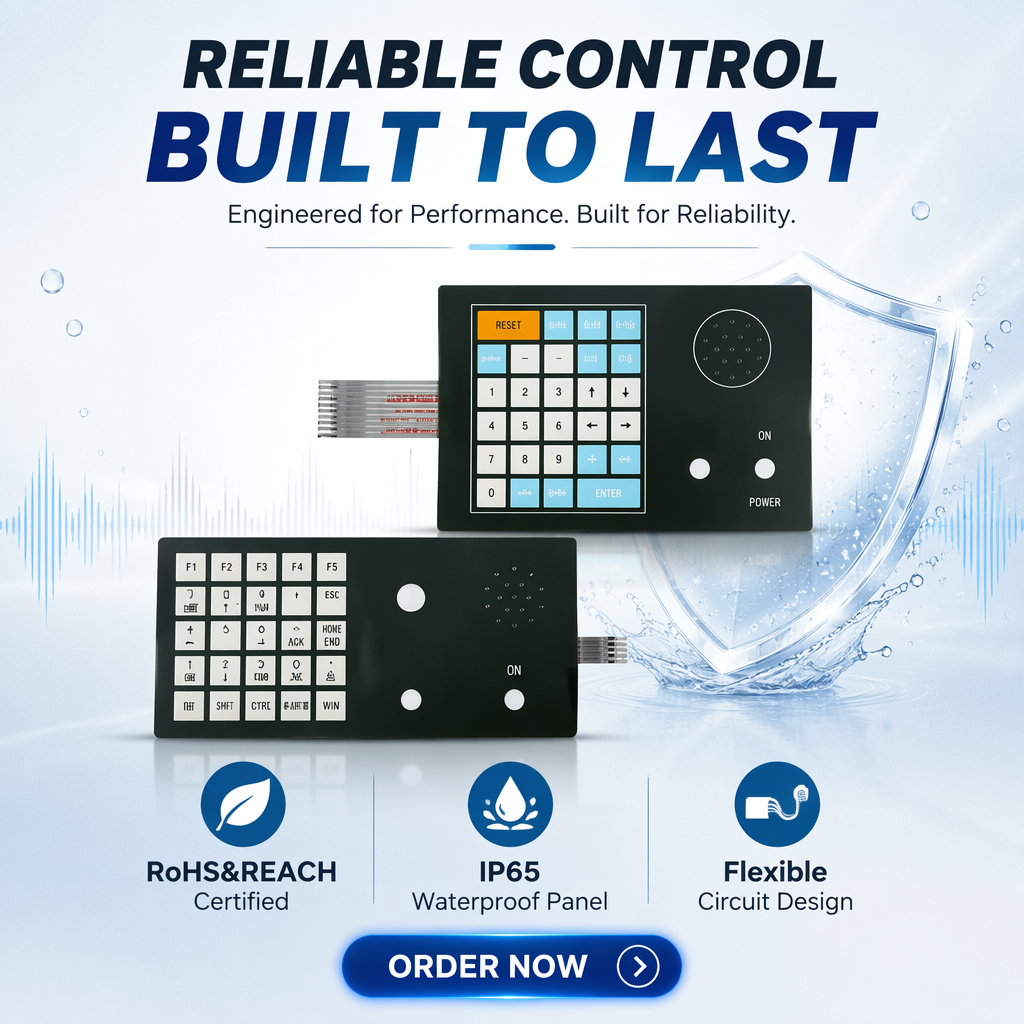
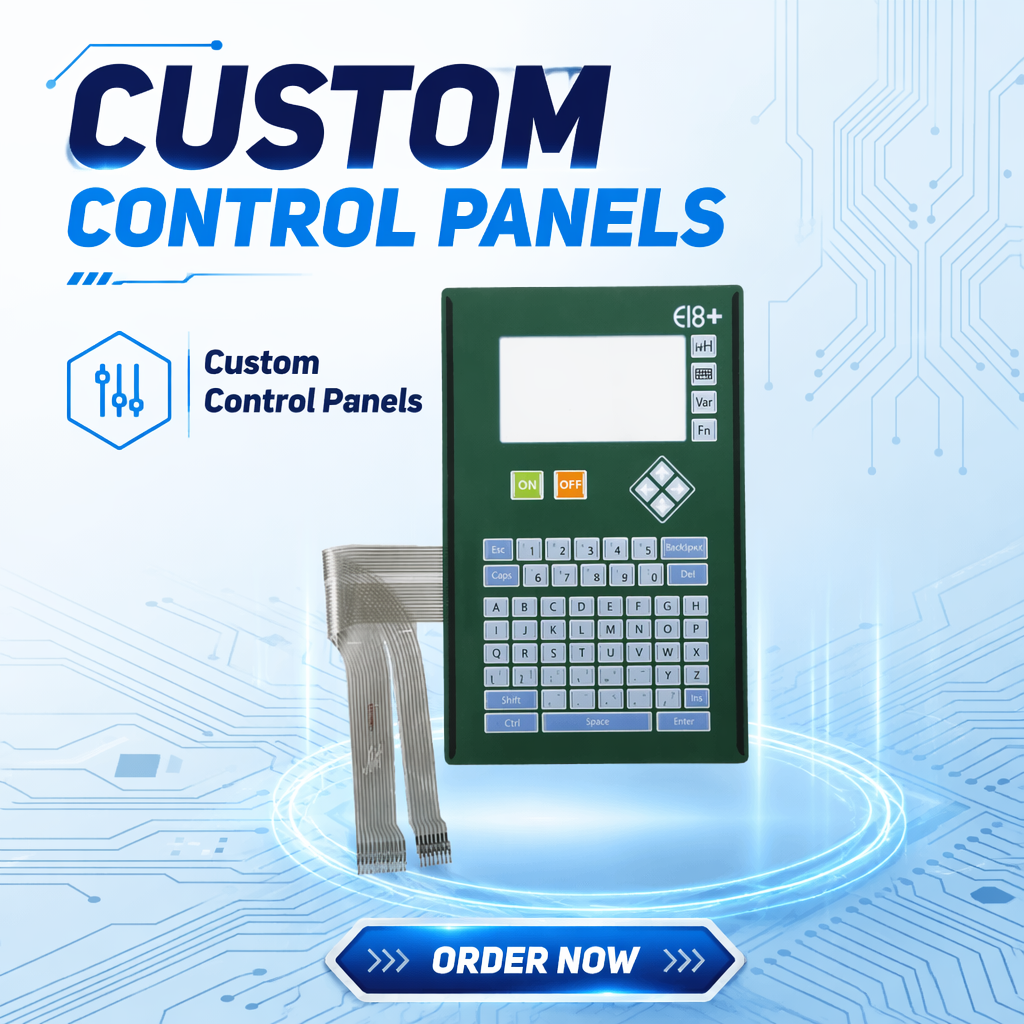
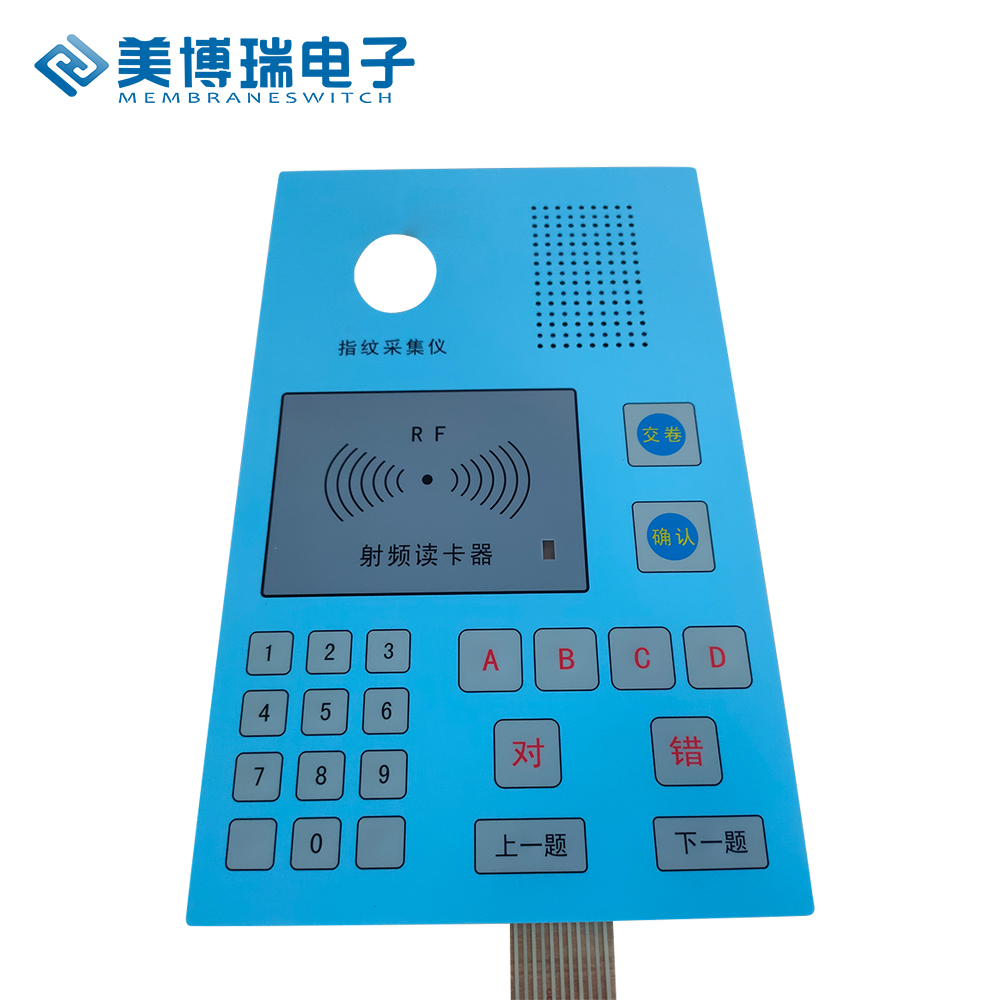
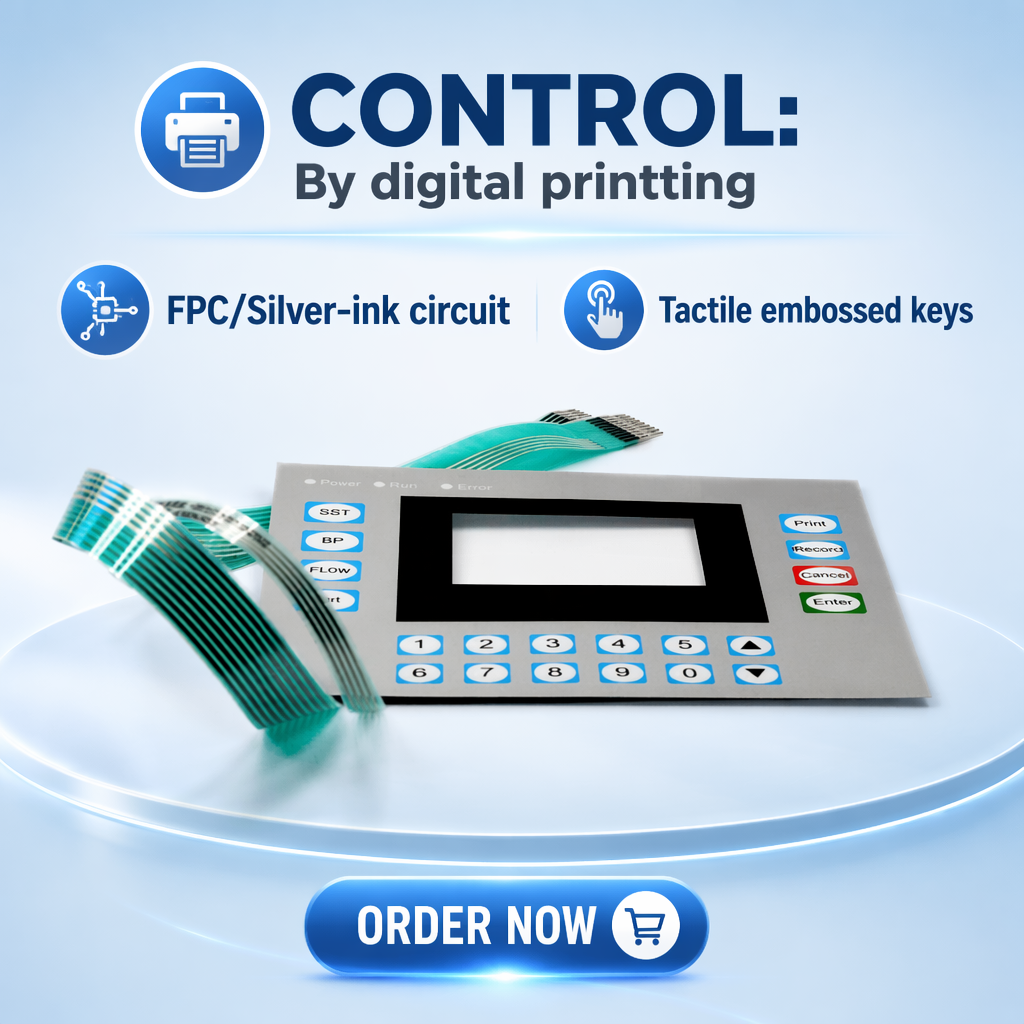
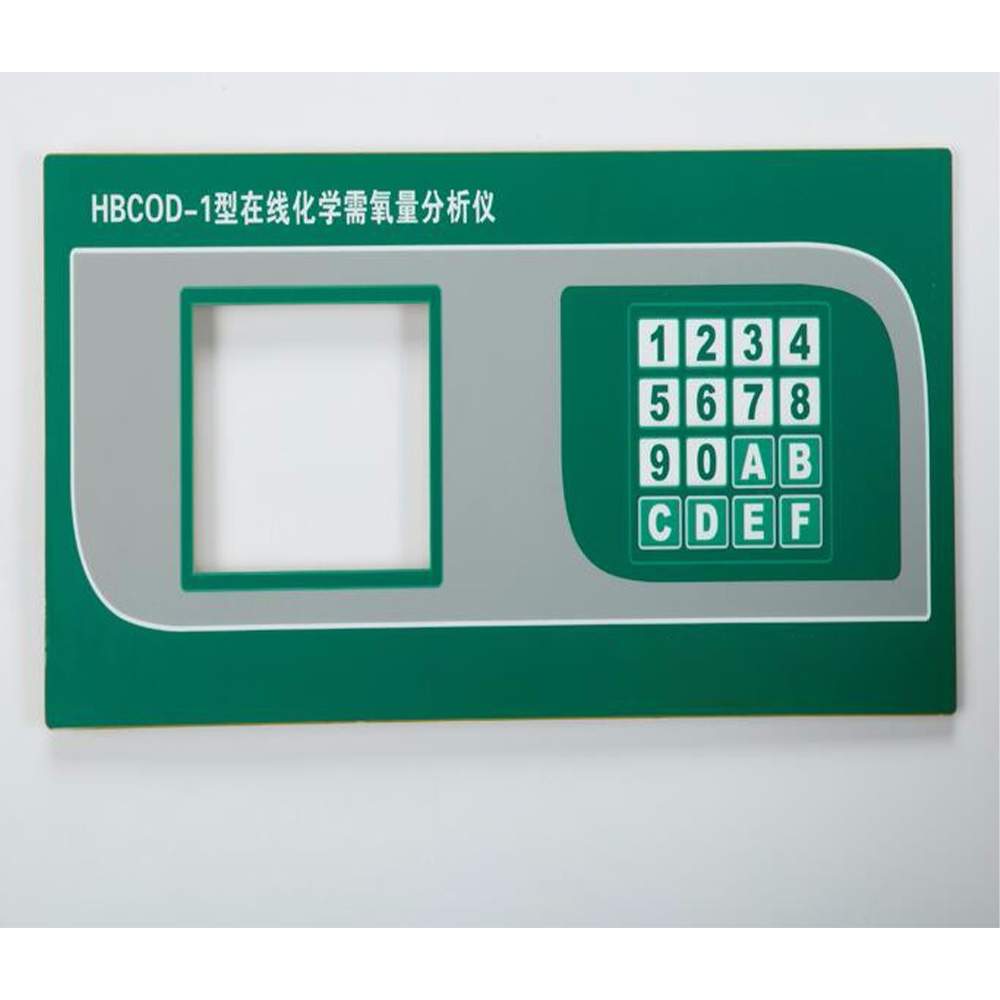
In modern industrial instrumentation, human-machine interface (HMI) enclosures are continually constrained by tight mechanical tolerances, ingress sealing mandates (IP65 to IP68), and increasing demands for localized backlighting. Traditional illumination systems relying on surface-mounted LEDs placed directly behind graphic overlays suffer from excessive thickness (typically requiring >3.0 mm back-cavity clearance), uneven hot-spotting, localized heat generation, and elevated thermal drift. Light Guide Film (LGF) technology revolutionizes backlit membrane design by utilizing edge-lit micro-optic dot patterns engineered onto microscopic-grade optical polycarbonate (PC) or thermoplastic polyurethane (TPU) films as thin as 0.125 mm to 0.25 mm.
The foundational physics of an advanced Light Guide Film relies on total internal reflection (TIR). Side-firing miniature SMD LEDs (typically package size 0603, 0805, or side-emitting 0402 with thicknesses under 0.6 mm) couple flux into the edge of the optical medium. Without disturbance, light rays remain bound within the film by critical-angle reflection between the core film boundary and adjoining air/adhesive interfaces. To extract photons perpendicular to the keycap or overlay surface, high-precision laser-etched, chemically micro-machined, or UV-embossed optical extraction dots are calibrated with variable micro-density matrices across the film plane.
Near the light-emitting diode entry ports where optical flux is dense, dot spacing is widened and dot diameters are reduced to prevent intense localized glare. Moving further from the entry diode, the micro-dots are geometrically scaled and packed at denser frequencies. This algorithmic distribution delivers luminance uniformity upwards of 85% to 92% across complex control clusters, completely eliminating diode vignetting while allowing selective, multi-color zonal illumination through integrated optical light dams and black masking layers.
Engineered with refractive index matching (n ≈ 1.586 for optical PC) to guide photons over vast switch matrices with sub-3% transmission loss per square decimeter.
Employs pressure-sensitive silicone and acrylic OCA cross-linkers engineered to avoid refractive distortion and prevent long-term delamination under thermal cycling.
Reduces total required LED count by up to 70% compared to direct backlighting architectures, drastically minimizing parasitic battery draw in mobile instrumentation.
A standard high-reliability LGF backlit membrane switch incorporates a multi-layer composite stack engineered to balance mechanical deflection, tactile snap ratio, and luminous efficiency:
Layer 1: Autotype Polyester Graphic Overlay: Reverse screen-printed or Mimaki digital UV-printed with transparent backlit deadfront iconography and scratch-resistant matte textures (6H pencil hardness capability).
Layer 2: Optical Clear Retainer & Spacer: Precision die-cut acrylic adhesive establishing internal optical air gaps required for TIR light containment.
Layer 3: Micro-Patterned Light Guide Film (LGF): Laser-microtextured 0.125 mm optical grade polycarbonate substrate directing side-coupled lumens into graphic windows.
Layer 4: High-Reflectivity Bottom Shunt: Specular 3M silver or white micro-diffuser reflecting stray downward photons back through the switch actuation aperture.
Layer 5: Metal Dome Retainer with Actuation Domes: Stainless steel tactile snap domes (nickel-plated or gold-plated, actuation force 220g to 450g) offering positive tactile snap-action exceeding 1,000,000 duty cycles.
Layer 6: Flexible Printed Circuit (FPC) or Screened Silver Trace: Carries signal traces and hosts surface-mounted ultra-low profile side-view LEDs.
Layer 7: Rear Industrial Adhesive: High-tack 3M 467MP, 468MP, or 3M VHB acrylic foam adhesive ensuring hermetic bonding to cast-aluminum, stainless-steel, or polycarbonate chassis enclosures.
As Bulgaria's primary industrial and manufacturing epicenter, Plovdiv hosts Europe's most competitive automotive tier-suppliers, mechatronic factories, and aerospace engineering plants. Our optical LGF assemblies match local production standards.
Supplying Tier-1 sub-assembly producers located across the Maritsa Industrial Zone with ultra-slim LGF deadfront icons for steering modules, climate controls, and cabin selectors compliant with ISO/TS vibration benchmarks.
Equipping CNC machines, PLCs, and robotic pendant controllers fabricated within the Rakovski Industrial Zone with IP65 environmentally sealed LGF membrane switch pads impervious to coolant splashes and airborne particulates.
Serving diagnostic hardware manufacturers in the Kuklen Zone requiring wipe-clean chemical disinfection resistance against ethanol and quaternary ammonium cleaners, certified to meet stringent European MDR bio-safety guidelines.
Operating reliably within the agrarian machinery sectors bordering Plovdiv, our UV-resistant PET and Xenon-tested LGF panels resist prolonged sunlight embrittlement and operate reliably from -40°C to +85°C.
Integrating compact backlighting systems for electronic telemetry nodes, smart grid switches, and utility metering consoles requiring low quiescent current draws and 15-year continuous operating longevity.
Serving Plovdiv's contract electronics manufacturers (CEMs) who assemble finished systems for export to Germany, Austria, and Switzerland by providing short shipping pipelines, rapid prototyping, and full EU REACH/RoHS compliance.
The strategic relocation of European electronics supply networks to Southeastern Europe places Plovdiv at the epicenter of nearshoring growth, driving fundamental shifts in component procurement.
The manufacturing sector in Bulgaria, notably anchored by the agglomeration of clusters within the Thrace Economic Zone, is currently witnessing a capital influx centered on precision mechatronics, automotive electrification, and defense infrastructure. Engineering procurement teams in Plovdiv are transitioning away from bulky mechanical pushbuttons toward multi-functional, hermetically sealed interface assemblies. Light Guide Film technology has become a central enabler of this shift, responding directly to three dominant structural industry trends:
1. Demand for Low-Profile, Lightweight HMI Footprints: As automated robotics, portable medical analyzers, and electric commercial vehicles evolve, structural engineers require interfaces that occupy minimal cabin depth. LGF membranes integrate illuminated tactile switching within an assembly under 1.2 mm thick—saving weight, structural bracketry, and assembly assembly labor.
2. Transition to Capacitive-Touch Combined with LGF Backlighting: Mechanical snap domes are increasingly augmented with non-contact capacitive sensing channels. Our engineering line combines etched copper FPC or ITO-coated PET circuits with optical LGF layers, allowing smooth unbroken front glass or plastic surfaces that light up only upon user approach.
3. Strict European Environmental & Longevity Mandates: With European customers prioritizing sustainability and eco-design under the EU Ecodesign for Sustainable Products Regulation (ESPR), membrane switches must deliver extended operational life cycles without chemical degradation. Our ISO 9001:2015 controlled production utilizes zero-halogen substrates, lead-free SMT solder pastes, and solvent-free UV-cured dielectric inks ensuring seamless compliance across global regulatory jurisdictions.
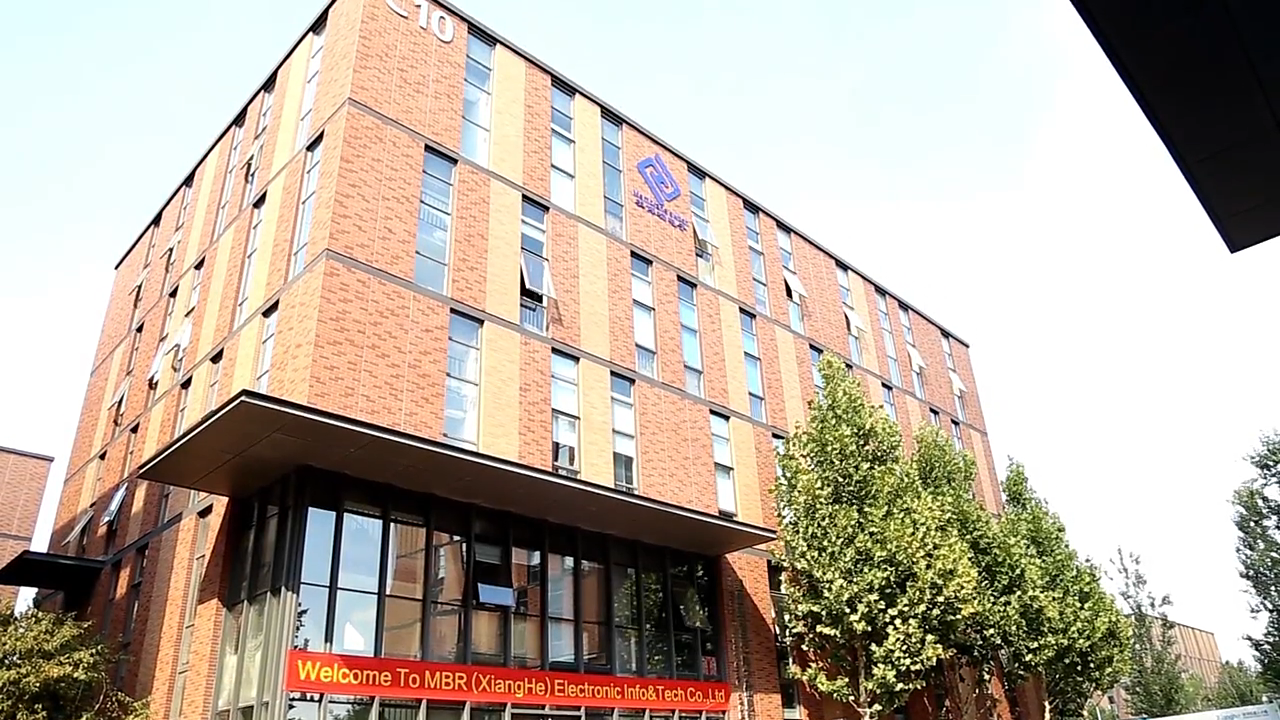
Traced back to our operational founding in 1990, we eliminate intermediaries by integrating every stage of precision membrane switch, graphic panel, and optical light guide fabrication under one verified roof.
Unlike sourcing brokers who outsource vital fabrication phases, our factory maintains total end-to-end sovereignty across all processes: CAD/CAM design conversions, laser film imaging, cleanroom silkscreen printing, precision CNC metal doming, high-speed SMT LED mounting, digital UV printing, and automated functional testing.
Our long-standing technical collaboration with high-precision German membrane switch producers ensures that all mechanical tolerances, adhesion peel strengths, and optical chromaticity metrics align precisely with European OEM expectations.
Direct technical clarity for electrical engineers, supply chain managers, and hardware procurement specialists evaluating light guide films and custom membrane switches.
Initial engineering review and tooling take 5–7 working days from artwork lock. First-article functional prototypes are delivered to Bulgaria within 10–14 business days via expedited air freight (DHL/FedEx). Mass production batches typically ship within 3–4 weeks based on component availability.
We accept vectorized 2D formats including DWG, DXF, Adobe Illustrator (.AI), vector PDF, and CorelDRAW (.CDR). For mechanical housing alignment, 3D files in STEP, IGES, or SolidWorks formats are utilized to verify pin-out clearance and housing cut-outs.
Yes. By implementing optical isolation barriers (light dams) and customizing the micro-dot extraction density on the LGF layer, we can route distinct RGB colors (e.g., green for operational state, amber for alert, red for emergency stop) without light bleed between adjoining buttons.
Every production batch undergoes automated computerized circuit testing. In addition, our on-site environmental lab conducts button lifecycle actuation tests (up to 5 million strikes), programmable temperature/humidity chambers (-40°C to +105°C), xenon arc UV aging, and salt fog corrosion testing.
We support standard Incoterms including EXW, FOB, CFR, and CIF (Port of Burgas / Varna or Sofia/Plovdiv Airport). For streamlined EU customs clearance, DDP (Delivered Duty Paid) options can be coordinated via our international logistics partners.
Unlike manufacturers that enforce high volume thresholds, we maintain flexible MOQ structures starting at just 50 to 100 units for pilot production runs. This accommodates R&D proof-of-concept tests for local Plovdiv equipment developers.