
Export-Grade Products
Precision Matrix Membrane Switches & Keypads
Engineered for high tactile reliability, hermetic sealing against salt-laden tropical atmospheres, and proven operational longevity across industrial and marine systems.
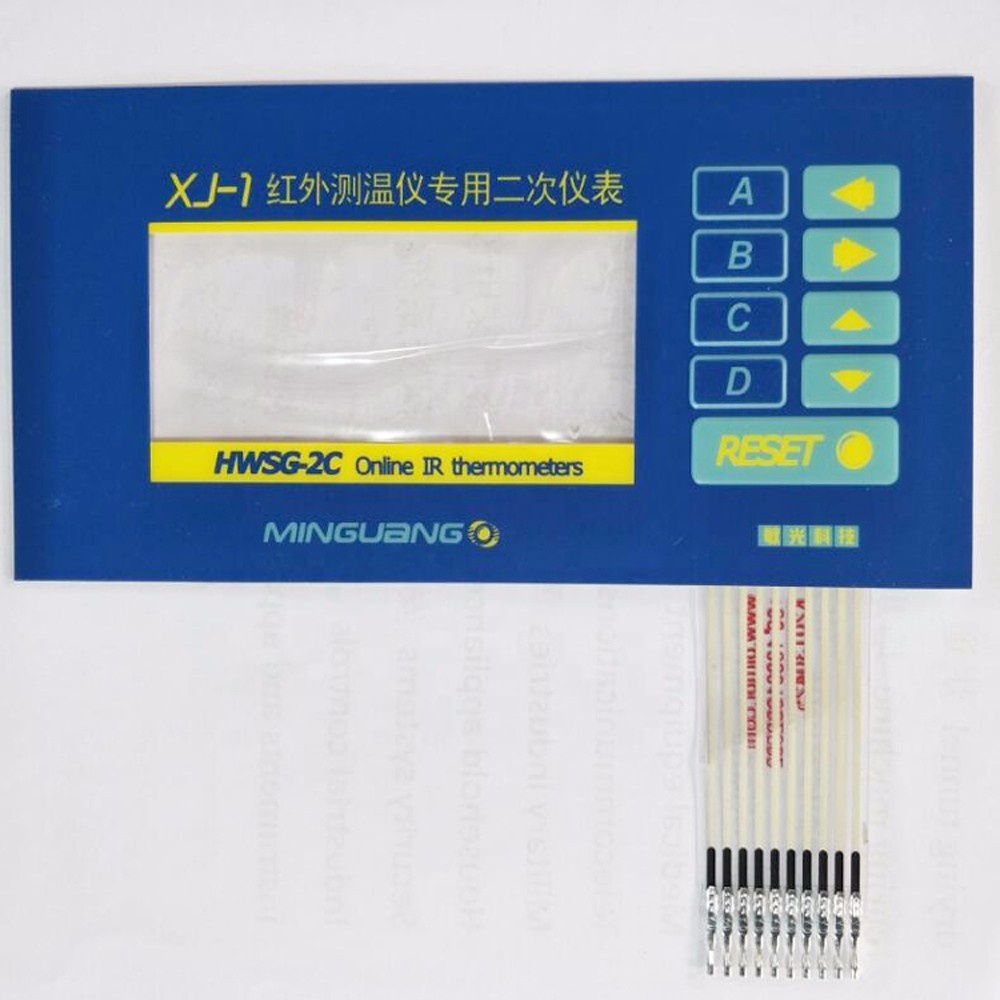
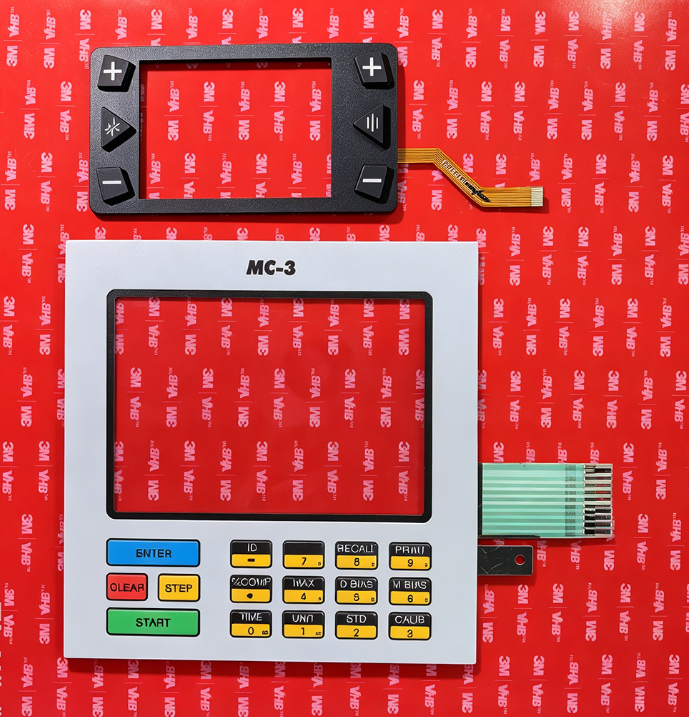
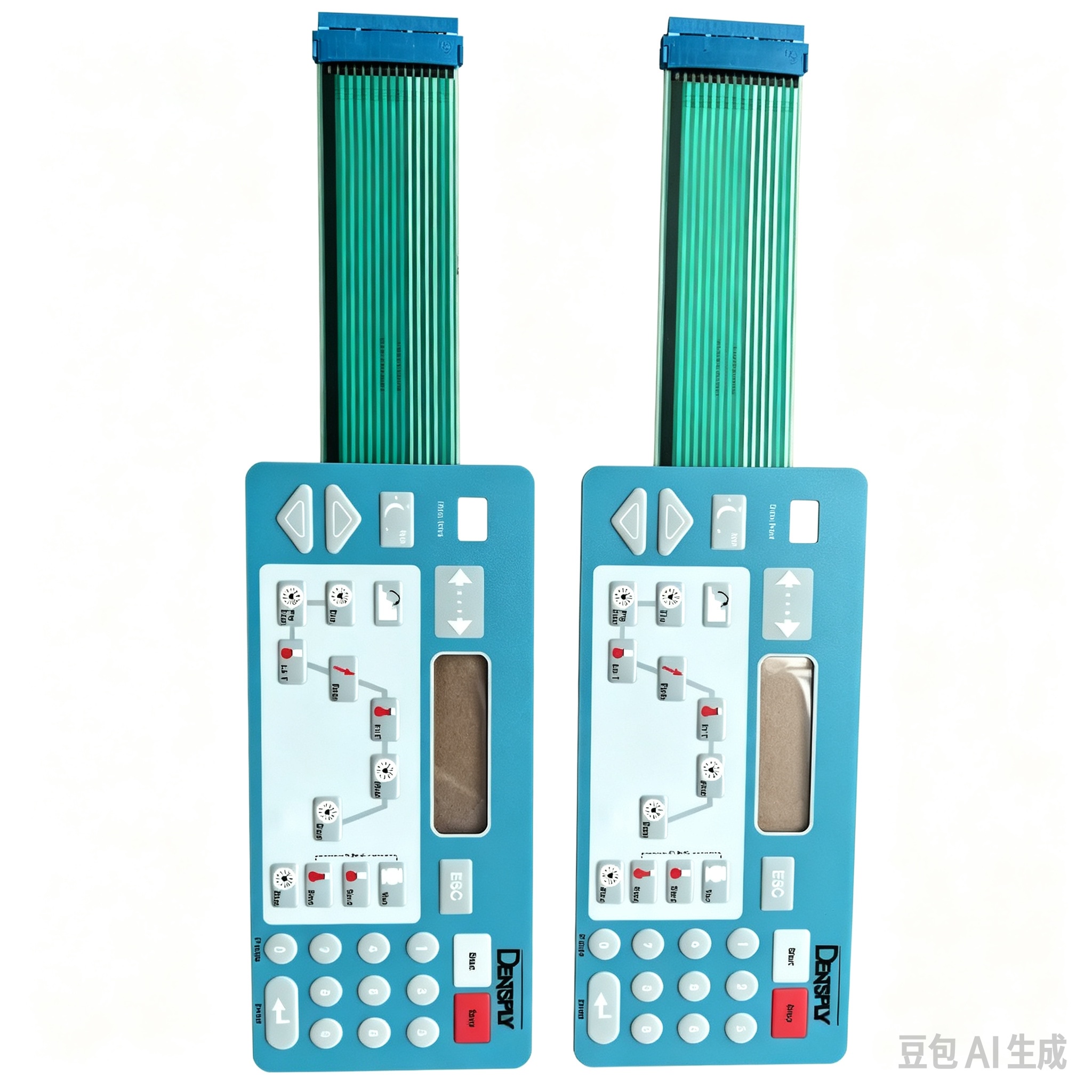
1990
Membrane Heritage Since
111+
Verified Technical Staff
2,219 ㎡
Class 10k Cleanroom Facilities
1M+ Pcs
Annual High-Reliability Exports
Engineering Perspective: Matrix Membrane Switches in Tropical Coastal Infrastructures
A matrix membrane switch relies on a crossed grid layout of X-Y conductive traces separated by an engineered dielectric spacer. Actuation at the intersection pushes the upper conductive layer or a tactile stainless-steel dome into contact with the lower conductive layer, closing an electrical circuit. For original equipment manufacturers, regional utility authorities, and industrial facilities operating within Roseau, Dominica, and the greater Eastern Caribbean Archipelago, matrix architectures present the quintessential balance of minimal I/O pin utilization on microcontrollers and maximum resistance to external atmospheric stress.
Standard mechanical keyboards and open-contact electro-mechanical switches suffer acute failure rates in coastal tropical microclimates. The high relative humidity in Roseau—often exceeding 80% year-round—coupled with airborne oceanic chlorides accelerates galvanic corrosion, silver migration (dendritic bridging), and premature spring fatigue. TAVO solves these critical engineering challenges through closed-cell adhesive gaskets, hydrophobic venting membranes, and advanced Flexible Printed Circuit (FPC) copper substrates that replace traditional conductive silver flake inks when operational reliability is non-negotiable.
Core Anatomical Stack-Up for High-Reliability Matrix Membrane Switches
To withstand intense UV index ratings, thermal shock cycles, and chemical cleaners, every custom matrix switch delivered to the Roseau market follows an advanced multi-layered laminated architecture:
Layer 1: Autotype PET Graphic Overlay
Reverse-screen or digital UV printed on textured, UV-stabilized polyester (Autotex XE). Impervious to hydrocarbons, dilute acids, and intense UV yellowing common in equatorial installations.
Layer 2 & 3: Metal Domes & Spacer
Four-leg stainless-steel snap domes (gold or nickel-plated) seated inside precision laser-cut acrylic spacer matrices. Provides distinct tactile feedback exceeding 1,000,000 actuation cycles.
Layer 4 & 5: Circuit & 3M Adhesive
Polyimide FPC copper etched circuitry or micro-carbon printed silver tracks, laminated against industrial mounting plates via 3M 467MP/468MP high-tack acrylic adhesives resistant to shearing.
Technical Specification Comparison: Material Selection for Dominica Systems
| Engineering Property | Standard Polycarbonate (PC) | High-Performance Polyester (PET) | Polyimide Flex (Copper FPC) |
|---|---|---|---|
| Actuation Flex Life | ~100,000 actuations | >5,000,000 actuations | >10,000,000 actuations |
| UV Degradation Resistance | Moderate (Yellows over time) | Superior (Outdoor XE Grades) | Exceptional (Encapsulated) |
| Chemical & Solvent Barrier | Low (Susceptible to crazing) | High (Resistant to alcohols & acids) | Impervious (Sealed architecture) |
| Circuit Traces Conductance | Silver Paste (~15-30 Ω/m) | Silver Paste (~10-20 Ω/m) | Rolled Annealed Cu (<0.5 Ω/m) |
| Recommended Roseau Application | Indoor Air-Conditioned Commercial HMIs | Industrial Controls, Ports, Agricultural | Marine, Microgrid Substations, Geothermal |
Localized Industrial Use-Cases & Application Scenarios in Roseau
Dominica’s unique economic profile—combining eco-tourism, agro-processing (citrus, essential oils, and beverages), maritime logistics at Woodbridge Bay Port, and massive state-sponsored renewable energy projects—dictates specific human-machine interface requirements.
Geothermal & Hydroelectric Stations
The Roseau Valley (Wotten Waven and Laudat) geothermal exploratory and micro-grid substations demand IP66-sealed matrix panels immune to sulfur gas (H2S) permeation, preventing electrical trace corrosion.
Woodbridge Bay Marine Cargo Terminal
Harbor cranes, container gantry controls, and salt-mist-exposed logistics hardware require heavy-duty tactile membrane keyboards with high IP67 washdown ingress barriers.
Agro-Industrial Food & Beverage
Essential oil distillation and agro-processing facilities in Dominica rely on completely smooth, hermetic graphic overlays that eliminate particulate entrapment and tolerate pressurized hot-water sterilizations.
Localized Trends & Future Outlook for Dominica’s Electronics Sourcing
Under the climate resilience master plan (CRDP) and Dominica's goal of becoming the world's first fully climate-resilient nation, modern industrial procurement across Roseau is prioritizing ruggedized, solid-state electrical components over transient mechanical assemblies. Three vital trends characterize this procurement transition:
1. Decarbonization and Renewable Energy Control: Remote microgrids, solar arrays, and domestic battery backup plants require human interfaces capable of functioning reliably without air conditioning in outdoor enclosures exposed to category-five hurricanes and torrential rainfall.
2. Transition from Bulky Pushbuttons to Integrated HMI Overlays: Industrial machine operators in local facilities are actively retrofitting older discrete pushbutton enclosures with integrated membrane panels featuring embossed keys, LED indicators, and display cutouts to simplify maintenance and eliminate dust pockets.
3. Anti-Microbial and Cleanable Interfaces: Health clinics and bio-research stations in Dominica’s environmental sectors increasingly specify antimicrobial hardcoats (such as Microban-infused PET) that inhibit bacterial proliferation between shifts.
Procurement Guidance
Roseau Buyer FAQs: Matrix Membrane Switches
Practical, technically verified answers regarding engineering files, maritime shipping to the Eastern Caribbean, and environmental durability.
What engineering files must be submitted to initiate a customized matrix membrane switch project?
To expedite engineering review, provide vector artwork for graphic overlays (.AI, .DXF, or .CDR with exact Pantone/RAL codes) alongside an electrical pin-out matrix schematic (.PDF or CAD schematic showing rows, columns, and tail pin assignments). Also specify connector pitches (e.g., standard 2.54mm or 1.0mm ZIF female terminations), dome tactile force preferences (180g to 450g), and any backlighting requirements. Our in-house CAD engineering team will generate detailed production assembly blueprints prior to hard tooling.
How do TAVO membrane switches resist the marine salt air around Woodbridge Bay and coastal Roseau?
Coastal Caribbean environments subject electronics to extreme airborne salt concentration. We implement continuous perimeter sealing using high-grade modified acrylic gaskets (such as 3M 200MP series), hermetically encapsulating the circuit layers. Furthermore, for switch assemblies operating near the coastline, we replace standard screen-printed silver circuits with flexible etched copper circuits (FPC) passivated with immersion gold or tin plating, eliminating silver dendrite migration caused by ionic humidity penetration.
What is the minimum order quantity (MOQ) and production turnaround for prototypes delivered to Dominica?
TAVO operates flexible production cells tailored for agile industrial engineering. Prototype and low-volume pre-production batches typically require no prohibitive MOQs (starting at 5 to 50 pieces). Rapid turnaround prototyping runs through our Mimaki digital UV flatbeds and laser cutters within 5 to 7 working days post-drawing sign-off. Bulk production batches are processed inside our Hebei and Huizhou cleanrooms within 15 to 20 working days, dispatched via express air freight (DHL/FedEx) direct to Roseau or ocean freight consolidators.
Can backlighting and transparent display windows be integrated into the membrane panel?
Yes. We integrate low-profile surface-mount (SMD) LEDs directly onto FPC circuit layers or use Light Guide Film (LGF) arrays to create uniform, thin surface backlighting for night operation in marine control rooms. Transparent or tinted display windows are reverse-printed with optical-grade clarity for seven-segment displays, LCDs, or OLED monitors. We also supply Optically Clear Adhesive (OCA) window laminations to eliminate air gaps, preventing internal fogging under fluctuating tropical temperatures.
What reliability verification and quality testing happens before dispatch?
Every production lot undergoes rigorous lab validation inside our owned facilities: 100% automated computer circuit testing for loop resistance and contact bounce; mechanical button life-cycle testers (verifying >1,000,000 snaps); cyclic programmable temperature/humidity chambers; xenon lamp UV radiation chambers; and automated salt-spray fog chambers to ensure the finished assemblies will not fail prematurely in tropical environments.
What international trade terms and payment structures are available for Dominica businesses?
We routinely execute international shipments under FOB, CFR, CIF, and EXW terms. Payments are processed in USD or EUR via secure Telegraphic Transfer (T/T) and Letter of Credit (L/C). Full commercial invoicing, packing lists, and Certificates of Origin are provided with every order to ensure seamless clearance through the Dominica Customs and Excise Division.