IP67 Waterproof
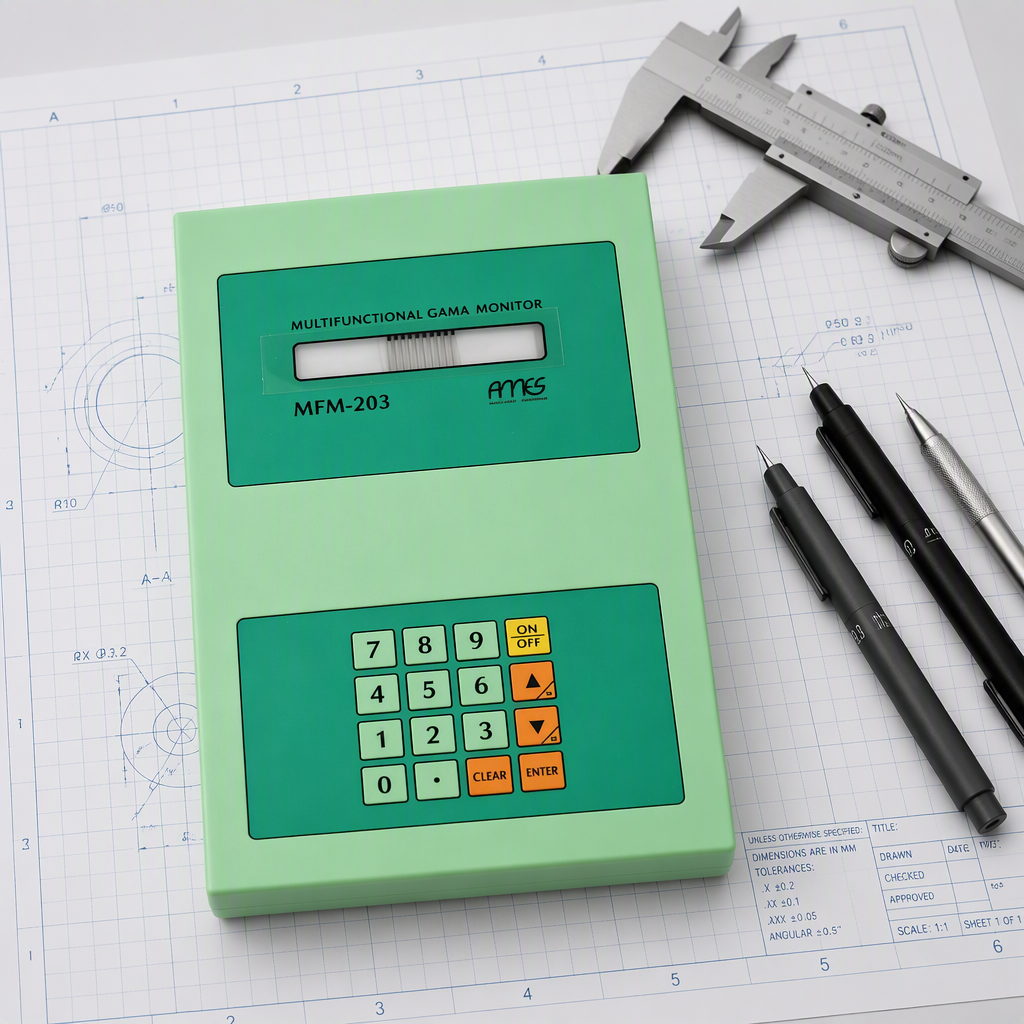
Engineered to withstand rigorous hospital disinfection, fluid ingress (IP65–IP67), and millions of tactile actuations. Explore our core export configurations supplied to healthcare equipment developers worldwide.
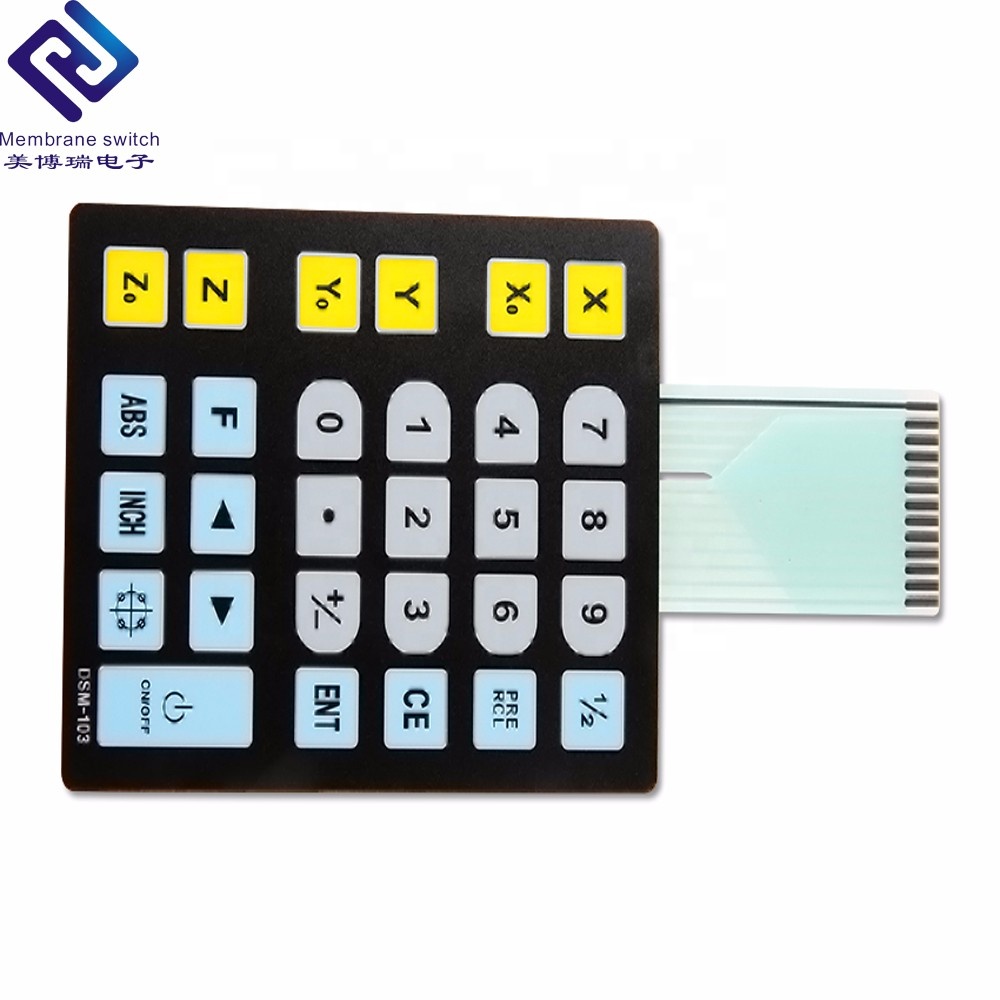
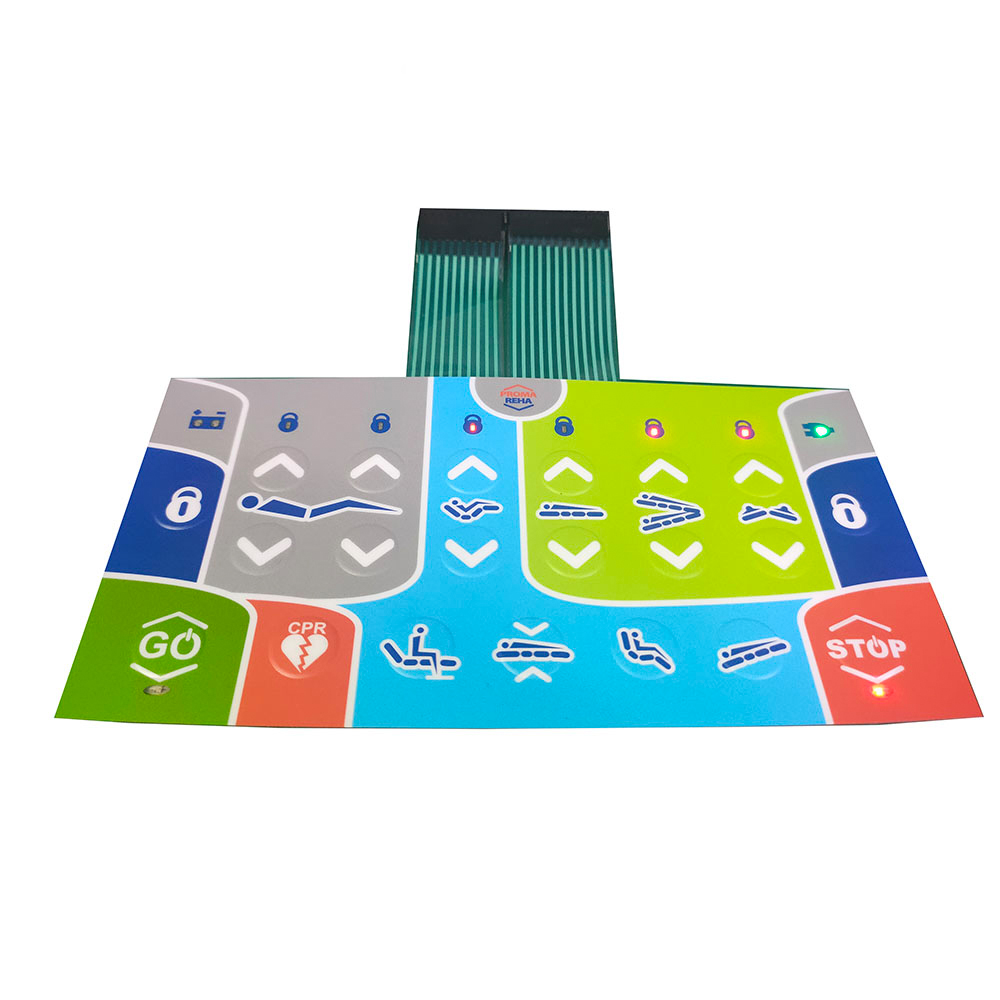
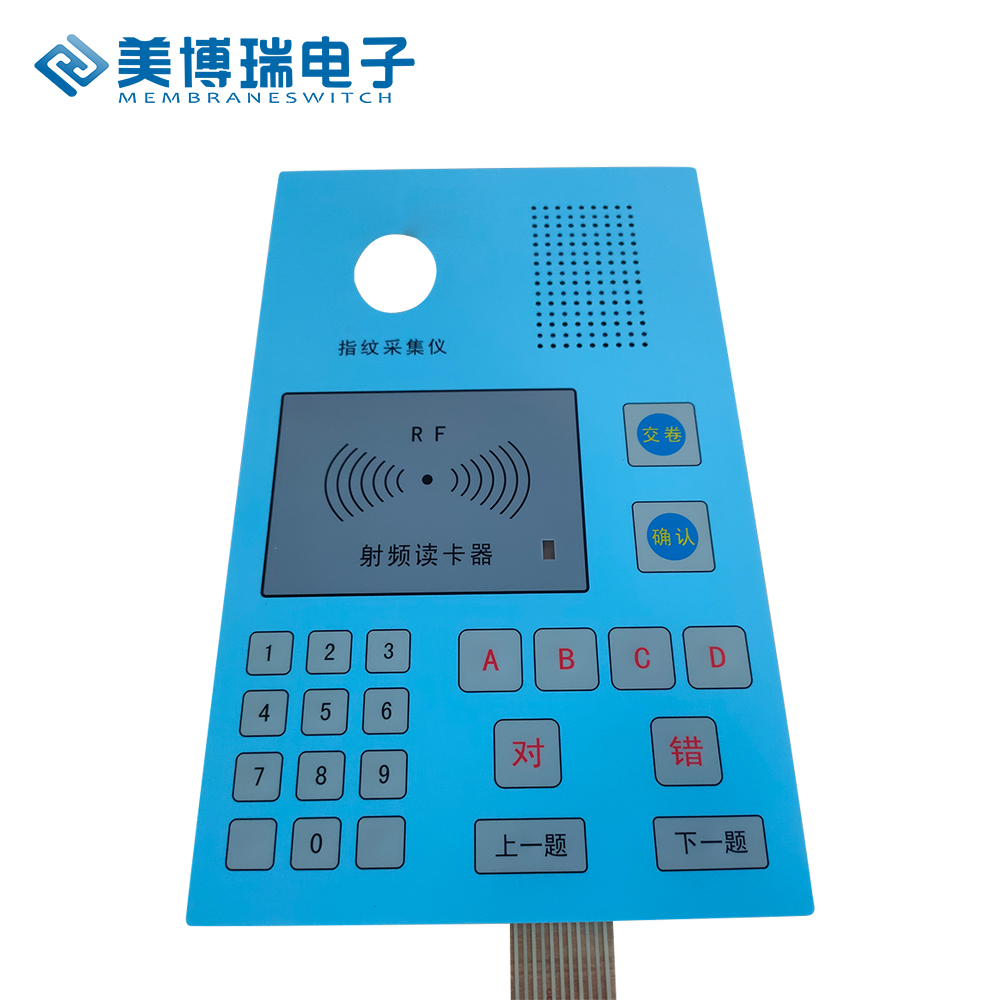
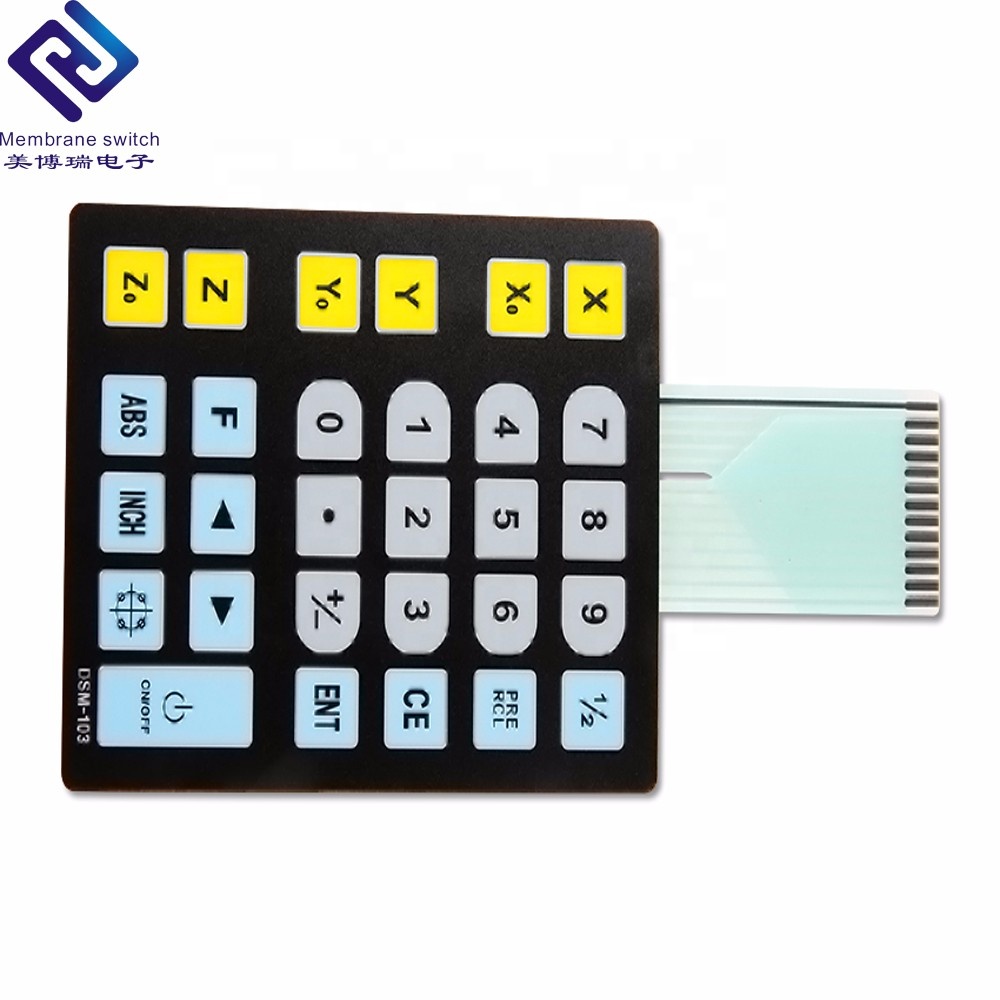
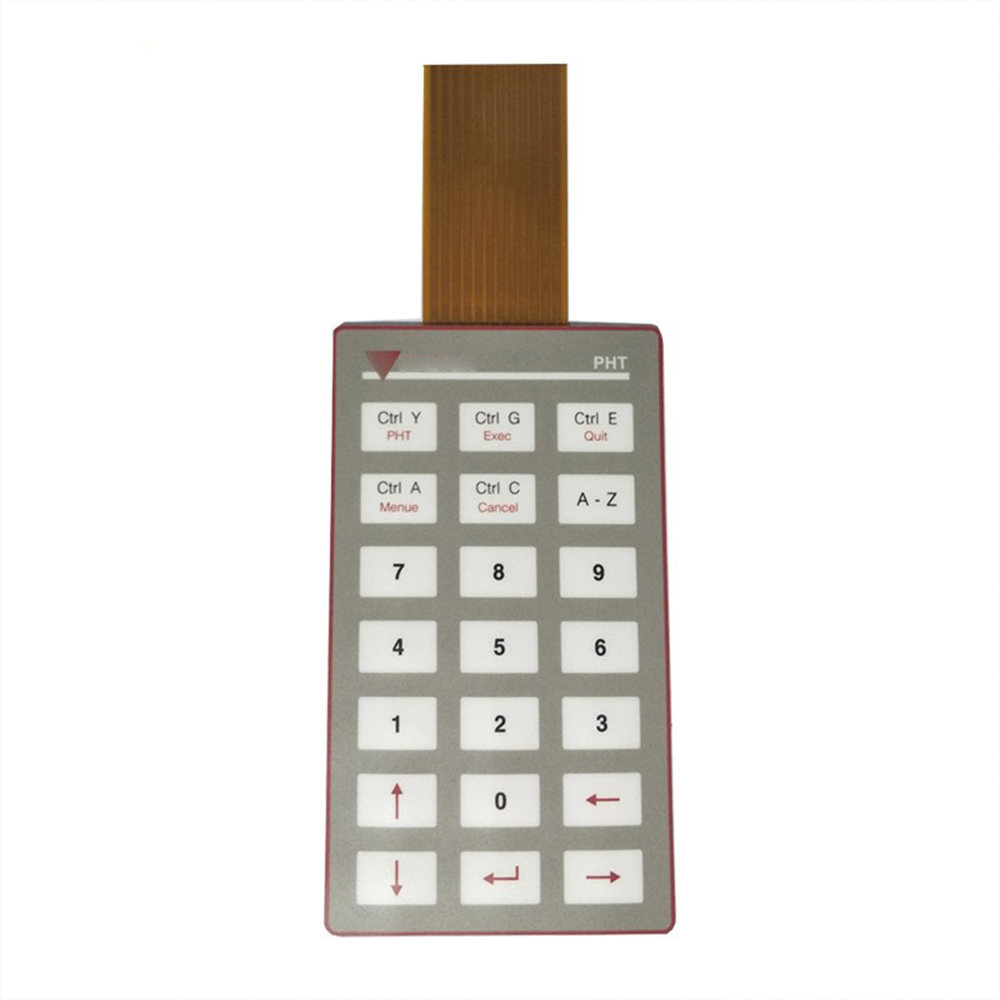
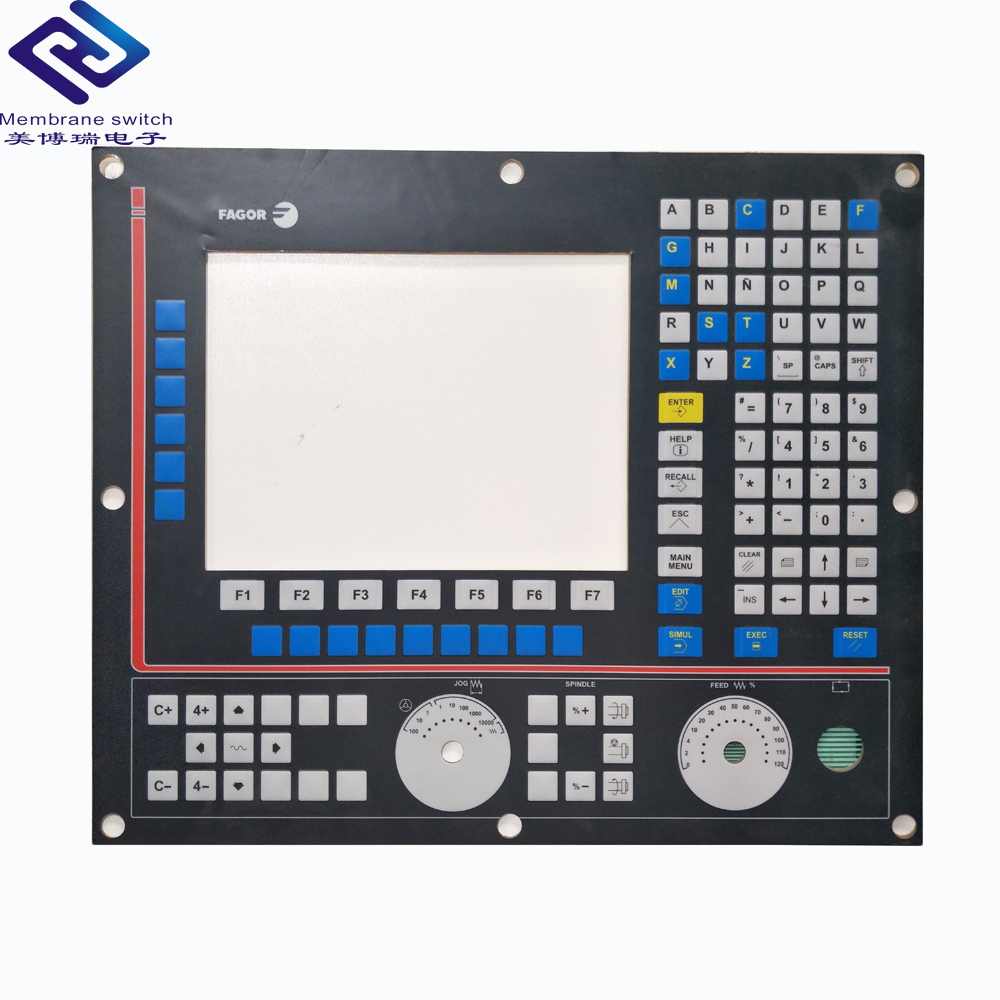
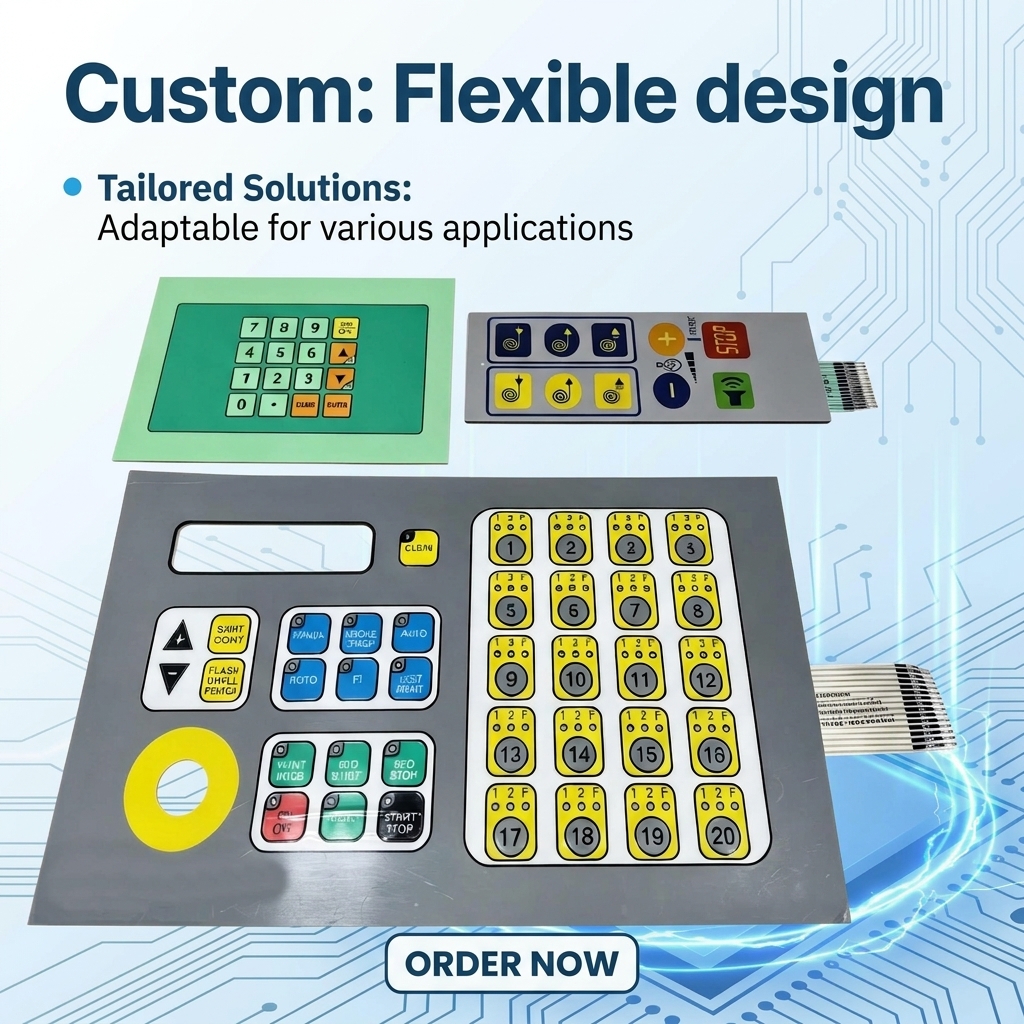
A technical guide for biomedical engineers, hardware architects, and medical equipment procurement teams operating across the Central Denmark Region (Region Midtjylland).
The city of Aarhus represents one of Northern Europe’s premier life-science, biotechnology, and medical technology clusters. Anchored by the expansive Aarhus University Hospital (AUH) in Skejby—one of Europe’s most technologically advanced centralized clinical facilities—and supported by the innovation pipeline of INCUBA Science Park, Aarhus has fostered an elite ecosystem of clinical diagnostic developers, surgical instrumentation innovators, automated laboratory equipment producers, and healthcare IoT innovators. For Danish MedTech manufacturers, designing human-machine interfaces (HMI) is not merely a cosmetic or mechanical exercise; it is a critical clinical safety discipline governed by European Medical Device Regulations (EU MDR 2017/745), strict sterilization regimens, and ergonomic precision.
A medical keypad overlay serves as the frontline physical barrier between hospital bio-fluids, aggressive chemical sterilization agents, and sensitive internal microprocessor electronics. When an intensive care nurse or laboratory technician in Aarhus operates an infusion pump, diagnostic spectrophotometer, or patient telemetry monitor, the interface must deliver unequivocal tactile feedback through nitrile surgical gloves while presenting a completely continuous, hermetically sealed, non-porous surface. Microscopic crevices around conventional mechanical switches harbor pathogenic bacterial biofilms such as Methicillin-resistant Staphylococcus aureus (MRSA) and Pseudomonas aeruginosa. Precision custom membrane overlays eliminate these crevices entirely, enabling rapid, wipe-down sanitization using hospital-grade disinfectants like Virkon, Sporicidin, 70% Isopropyl Alcohol (IPA), and Sodium Hypochlorite.
Clinical Disinfection Imperative for Nordic Healthcare Facilities: Danish clinical hygiene protocols require multi-daily surface eradication using high-potency chemical disinfectants. Substrates selected for Aarhus medical device programs must resist micro-cracking, cosmetic clouding, and plasticizer leaching after tens of thousands of chemical wipe cycles.
Automated blood analyzers, centrifuges, PCR thermocyclers, and robotic liquid handlers operating in Aarhus research institutions require continuous IP65 flat overlays.
Critical care units at Skejby require high-frequency actuation buttons with unequivocal tactile feedback to avert dosage entry errors under clinical stress.
Electrosurgical generators and laparoscopic consoles demand comprehensive electromagnetic compatibility (EMC) and uniform low-light illumination.
Understanding shifting technical parameters and regulatory evolutions shaping the Danish MedTech sourcing landscape.
1. Antimicrobial Surface Micro-Structures (Autotex AM & Biocidal Coatings): Rather than relying solely on post-operative chemical wipe-downs, Danish medical device specifiers increasingly mandate continuous antimicrobial protection incorporated directly into the film’s textured hardcoat. By utilizing microscopic silver-ion formulations chemically bonded into the polyester matrix (such as MacDermid Autotype Autotex AM with Microban® technology), the overlay active surface inhibits 99.9% of bacterial proliferation over the entire operational lifespan of the instrument, without leaching or degrading during wash-downs.
2. Transition from Bulky Discrete Switches to Integrated FPC Hybrid Keypads: Aarhus instrumentation designers are moving away from traditional wire harnesses and discrete mechanical rocker switches. The current benchmark leverages Flexible Printed Circuits (FPC) with gold-plated copper traces and surface-mounted ultra-miniature LEDs. FPCs allow fine conductor pitches (down to 0.5mm), negligible insertion resistance, and direct mating into zero-insertion-force (ZIF) motherboards, reducing enclosure depth by up to 60%.
3. Optical Clear Adhesive (OCA) Full Lamination for Diagnostic Displays: Air gaps between display windows and underlying TFT/OLED panels cause internal light reflections, condensation buildup, and fragile acoustic cavities. Our factory provides cleanroom Class 10,000 OCA bubble-free lamination, seamlessly integrating hard-coated optical windows with front display panels, delivering superior high-contrast legibility under surgical luminaire glare.
4. Strict Nordic Environmental Compliance & Traceability: Region Midtjylland public procurement tenders enforce stringent environmental metrics. Keypad overlays supplied to Aarhus must be 100% compliant with EU RoHS 3 (Directive 2015/863) and REACH regulations, completely halogen-free, and manufactured without polybrominated diphenyl ethers or phthalate plasticizers.
| Performance Characteristic | Medical Biaxially-Oriented PET (Autotex) | Medical Polycarbonate (Lexan HP92) | Silicone Elastomer Overlay Mat |
|---|---|---|---|
| Chemical Disinfectant Resistance (Virkon, IPA) | Outstanding (No hazing) | Moderate (Stress crazing risk) | High (Autoclavable) |
| Mechanical Flexural Endurance | >5,000,000 switch flexes | <100,000 flexes (Brittle) | >1,000,000 cycles |
| Embossing Retention Under Heat (85°C) | Permanent (Hydro-formed) | Prone to thermal relaxation | Permanent 3D Molded |
| Optical Window Clarity | Gloss/Fine/Velvet (>91%) | Superior Clear (>92%) | Translucent / Diffused |
| Antimicrobial Incorporation | In-hardcoat active Ag+ | Topical coating only | Compound-mixed additives |
Combining German engineering tolerances, dual-production site redundancy, and end-to-end cleanroom fabrication under ISO 9001 governance.
Founded on a manufacturing lineage dating back to 1990, TAVO Electronic Information Technology Co., Ltd. has developed into a dedicated industrial and medical HMI manufacturing powerhouse. Our primary manufacturing facility is situated in the prestigious Robot Industry Port, Xianghe Economic and Technological Development Zone, Langfang, Hebei, supplemented by a secondary advanced production base in Huizhou, Guangdong. This dual-facility architecture provides Aarhus procurement executives with unparalleled capacity redundancy, insulating supply chains against regional disruptions and allowing flexible scaling from rapid prototyping to high-volume series delivery.
Crucially for Danish clients accustomed to uncompromising European engineering, our operations maintain a long-term technical cooperation with a veteran German membrane switch manufacturer. This collaborative transfer encompasses high-precision printing equipment, automated thermal curing profiles, and direct training of our senior engineering staff. Over 30 of our senior technicians possess more than 15 years of dedicated membrane switch craftsmanship.
Equipped with semi-automatic and high-precision screen printers for sub-millimeter circuit trace deposition and Pantone matching.
Heat-setting industrial digital engines enabling rapid prototyping, photographic clinical graphics, and zero-tooling cost iterations.
High-speed laser profiling and precision CNC steel-rule cutting guaranteeing tight edge tolerances within ±0.1mm.
In-house metal backer plate machining, tactile embossing mold creation, and rapid tooling turnaround.
Our onsite facility has undergone exhaustive third-party on-site assessment by Intertek, verifying factory layout, environmental safety, workforce conditions, and traceable raw material procurement. Every medical overlay batch is subjected to comprehensive in-house reliability verification within our testing lab: programmable temperature and humidity cycling chambers (-40°C to +125°C), computer-controlled circuit continuity analyzers, xenon-arc UV aging chambers, automatic salt fog corrosion chambers, and automated 1,000,000-cycle button life-cycle testers.
Direct technical and operational answers to common questions posed by Danish procurement managers and device engineers.
Whether you require a rapid 5-day prototype validation run for a clinical trial or high-volume series manufacturing for an automated diagnostic platform, our engineering department provides immediate design-for-manufacturability (DFM) reviews, material stack-up proposals, and competitive factory-direct pricing.
Send your 2D outline drawings (DXF, DWG, PDF), graphic vector artwork (AI, CDR), or circuit schematics directly to our engineering division.
Assessed Gold Supplier | ISO 9001:2015 Verified | Serving Western Europe & Global MedTech Leaders Since 1990