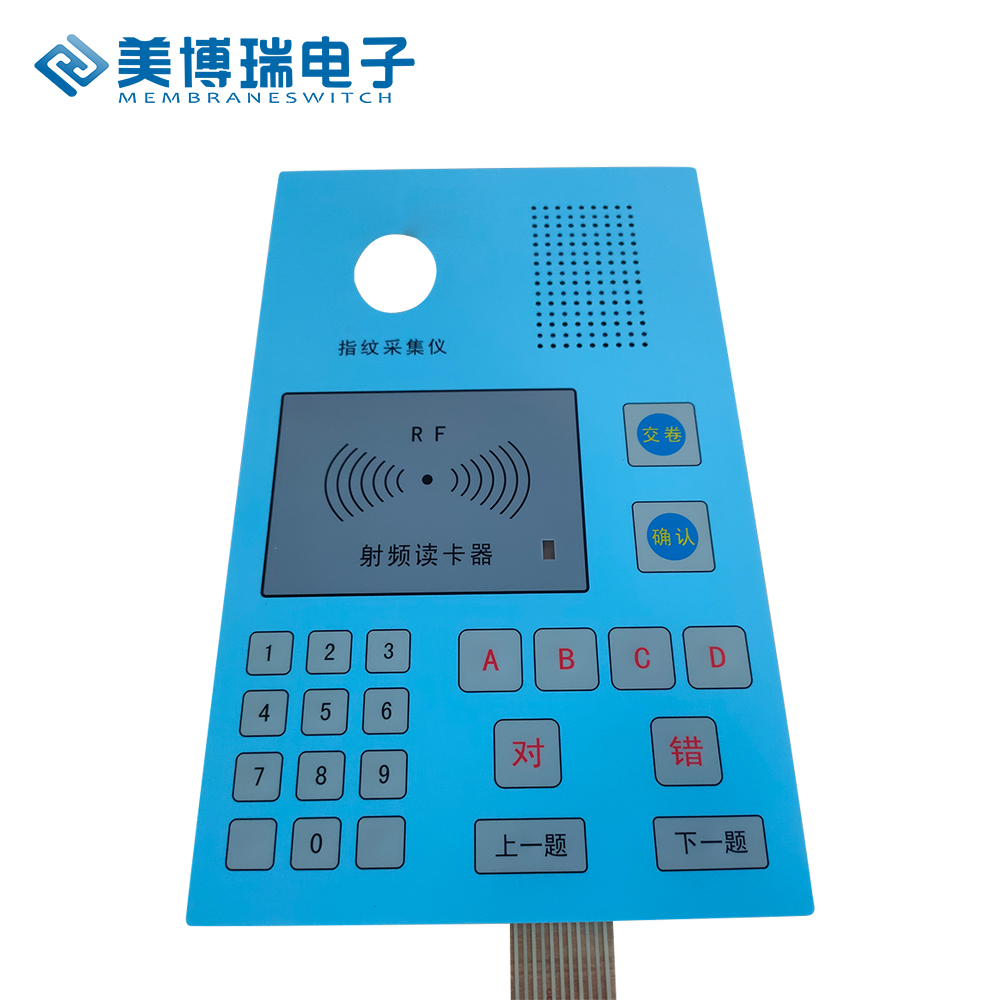
Medical-Grade HMI Solutions
Precision Keypad Overlays & Circuit Assemblies
Engineered for stringent hospital wipe-down protocols, intensive surgical environments, and diagnostic laboratory apparatus across the Vienna metropolitan area and Central European MedTech corridor.
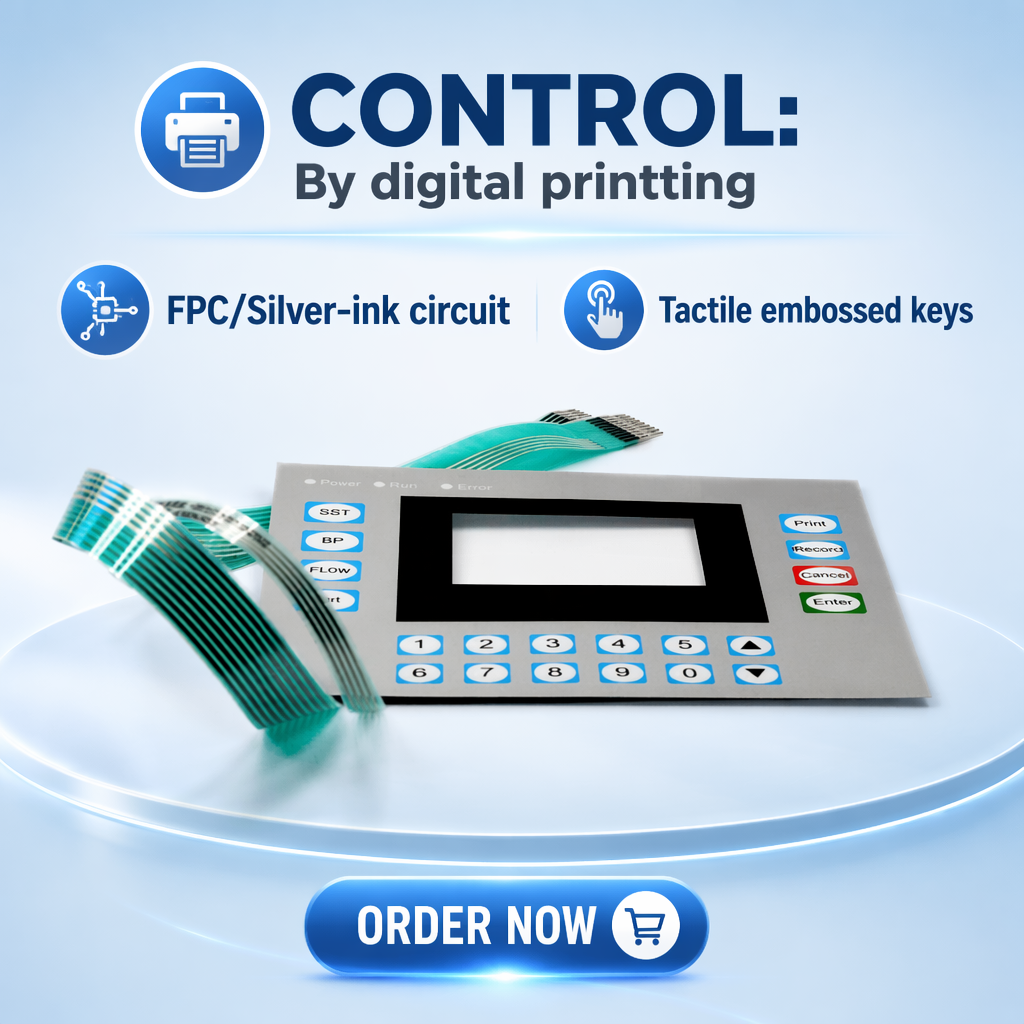
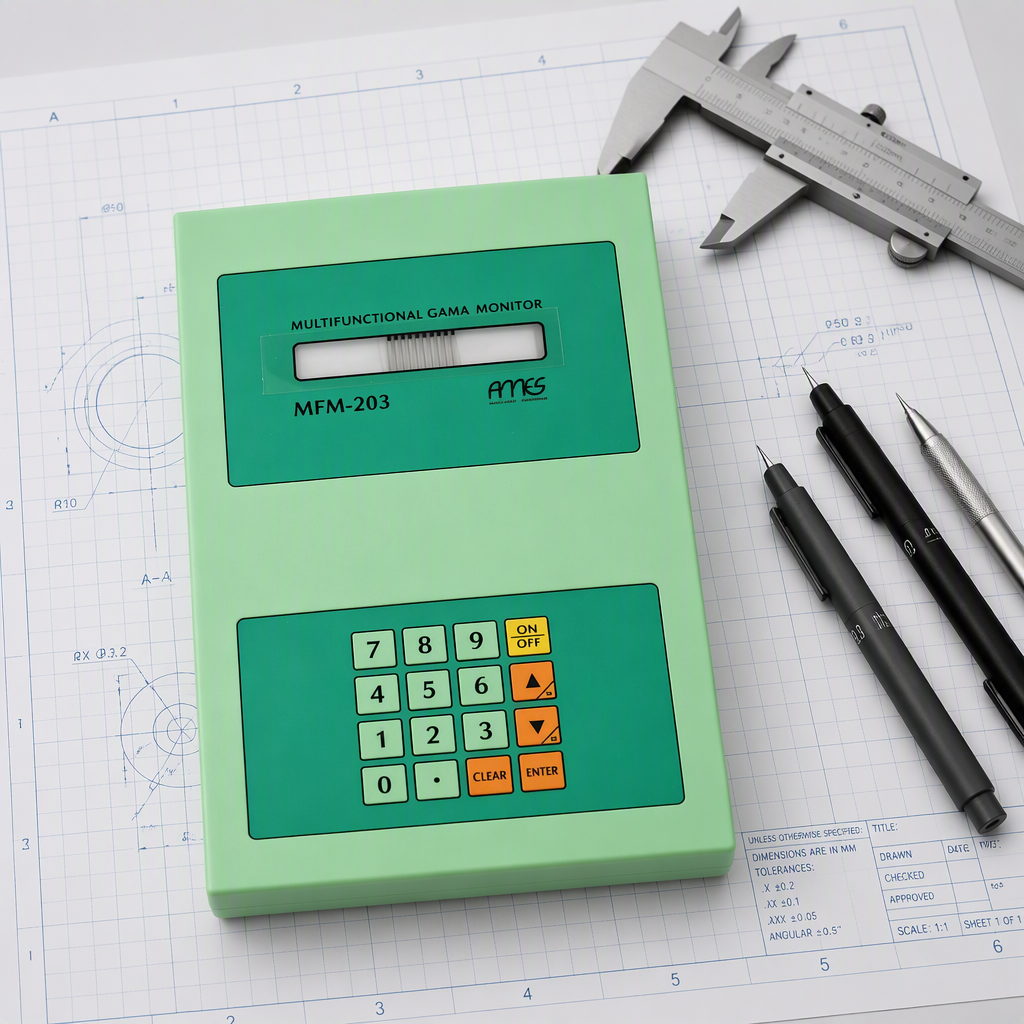
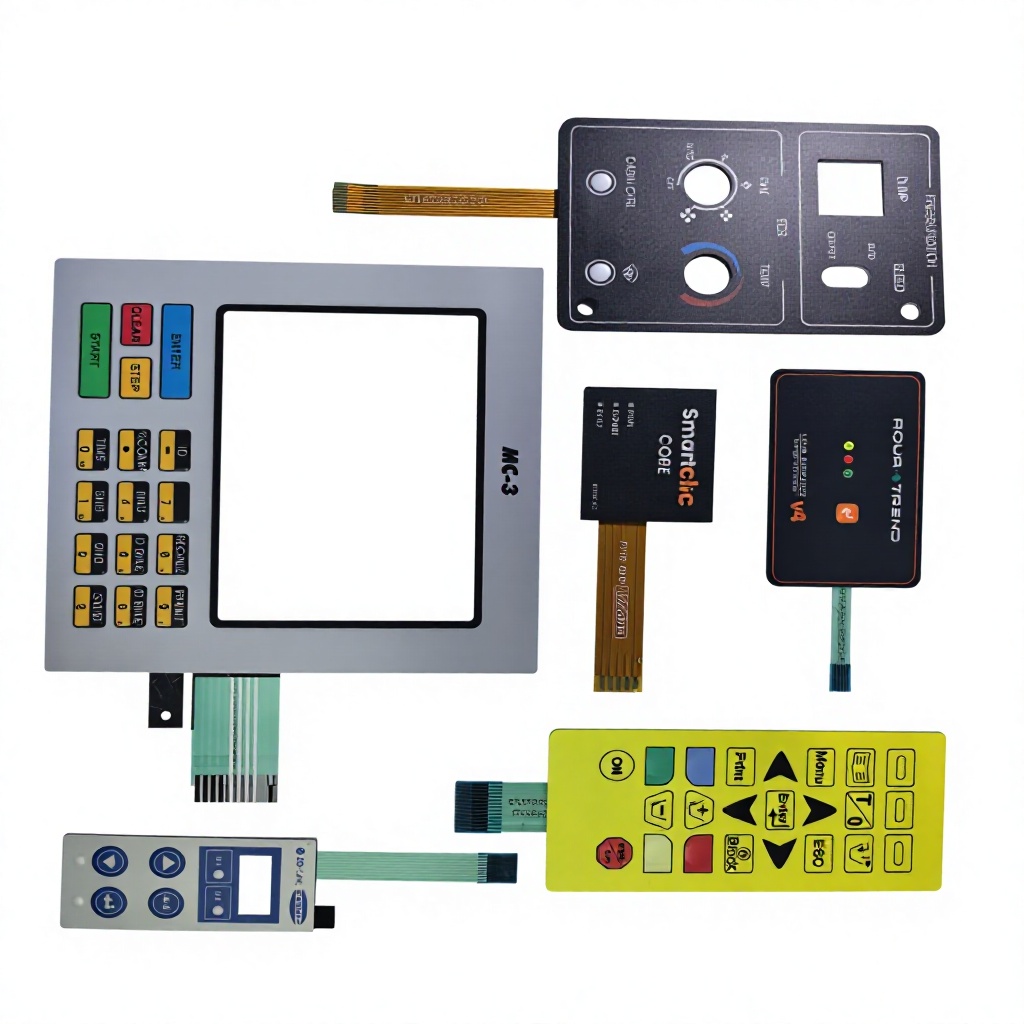
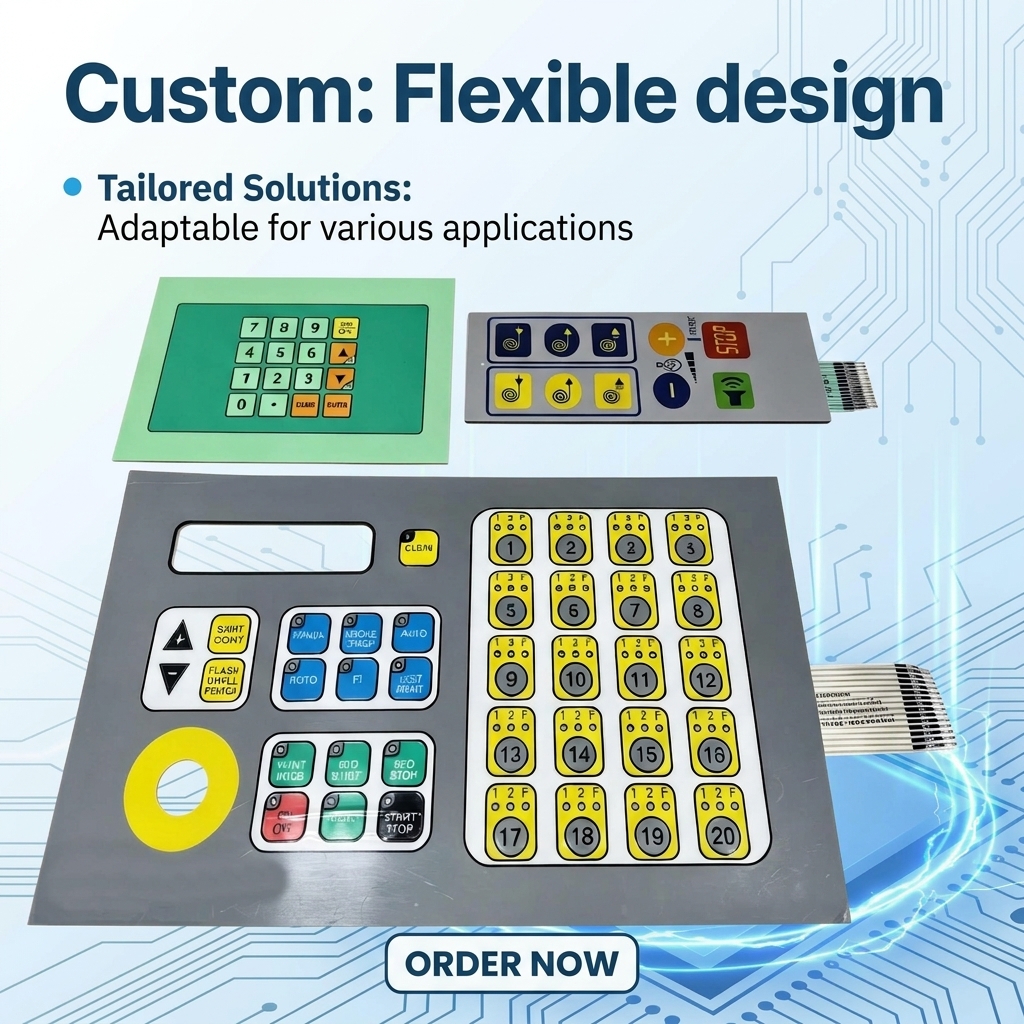
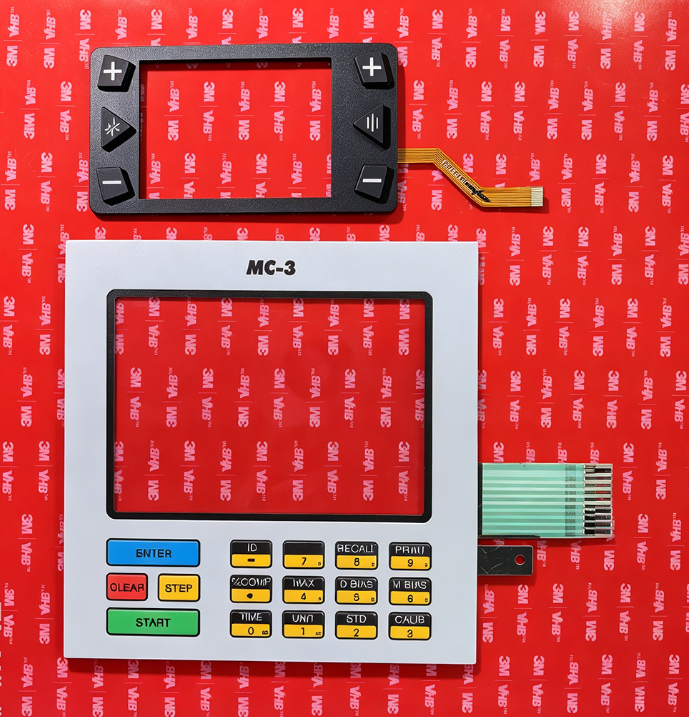
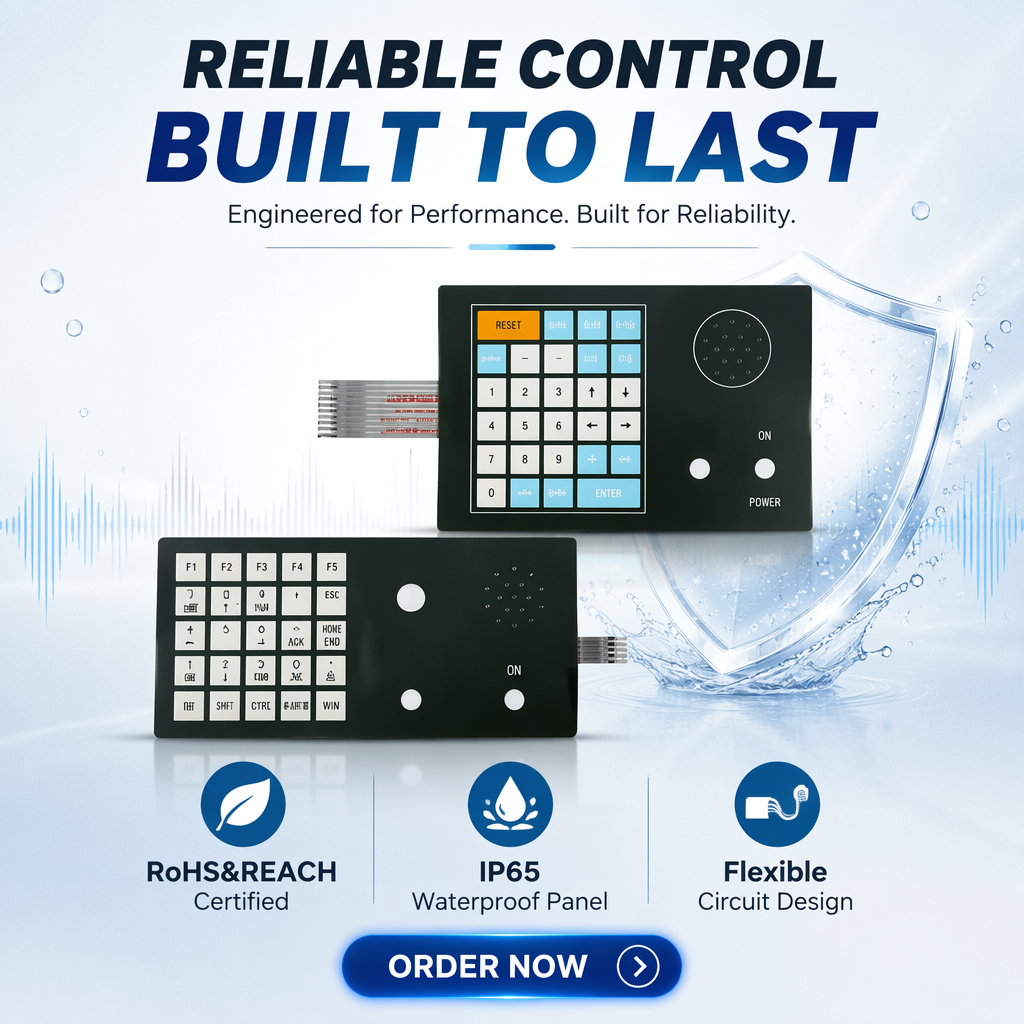
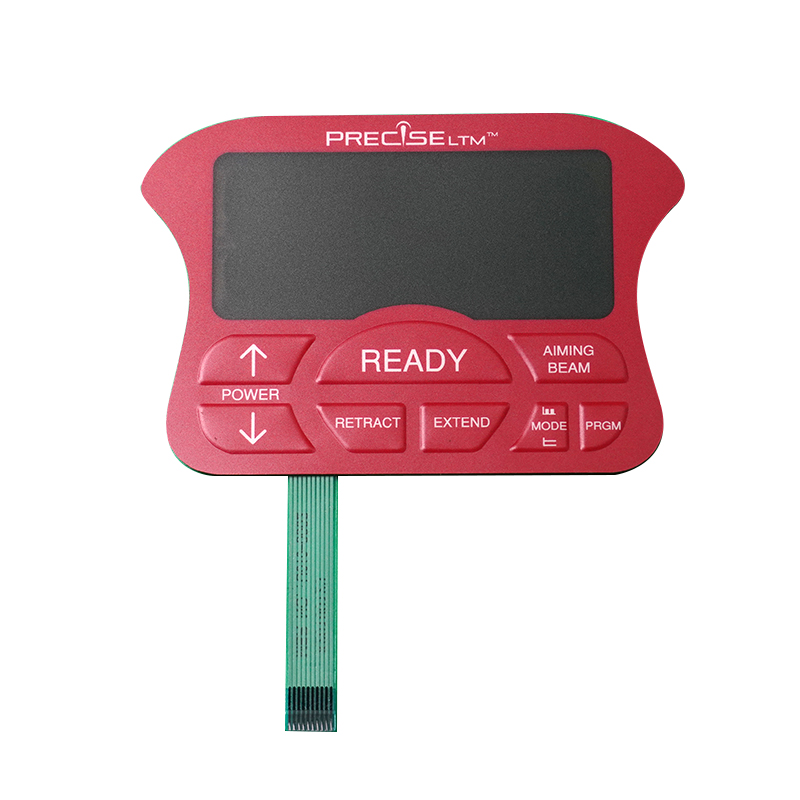
1990EST.
Membrane Switch Manufacturing Heritage
111+
Audited In-House Production Personnel
2,219m²
Class 10k/100k Dust-Free Cleanrooms
1M+ pcs
Annual HMI Exports to Austria & Germany
Vienna Industry Whitepaper
The Viennese MedTech Landscape: Precision Engineering Meets EU MDR Standards
Evaluating the human-machine interface supply chain for high-consequence medical equipment across Austria’s primary biotechnology cluster.
Vienna represents one of Central Europe's most technologically dense life-science centers. Anchored by world-renowned clinical and academic institutions such as the Medical University of Vienna (MedUni Wien), the General Hospital of Vienna (AKH Wien), and the life-science cluster LISAvienna, the Austrian capital commands rigorous quality standards for medical hardware. Over 600 medical technology, pharmaceutical, and biotechnology enterprises operate within the metropolitan Vienna basin, demanding hardware sub-assemblies that conform unreservedly to European Medical Device Regulation (EU MDR 2017/745) and electro-medical device safety standard IEC/EN 60601-1.
Within this demanding manufacturing framework, graphic overlays and membrane keypads are far more than aesthetic faceplates; they serve as critical hermetic barriers safeguarding microelectronic logic boards against aggressive disinfectants, viral loads, and environmental contamination. For medical device manufacturers in Vienna—ranging from diagnostic laboratory OEMs in the 3rd and 9th districts to electromedical equipment plants in Lower Austria—selecting a keypad overlay partner requires auditing material chemical resistance, actuating tactile response under surgical glove conditions, and supply chain redundancy.
Localized Application Scenarios Across Vienna & Eastern Austria
Custom-engineered keypad overlays produced by our manufacturing bases are deployed across multiple distinct medical sectors within the DACH region:
1. Dialysis & Infusion Systems
Operating in critical care units such as AKH Wien, dialysis monitors require IP67 liquid exclusion. Overlays must feature dead-front secret-until-lit warning annunciators, continuous perimeter gasket sealing, and non-porous antimicrobial polyester films to resist cross-contamination.
2. In-Vitro Diagnostics (IVD) Analyzers
Vienna BioCenter automated analyzers utilize precision-cut overlays featuring optically bonded display windows with anti-glare, anti-reflective, and scratch-resistant coatings (pencil hardness ≥ 3H) capable of maintaining 92% optical clarity over continuous LED/TFT displays.
3. Surgical Theatres & Sterilization
Operating room interfaces demand metal dome tactile buttons engineered to 300g–450g actuation trip force. This distinct sensory click guarantees error-free input even when surgeon teams wear double-layered latex or nitrile surgical gloves during lengthy operations.
Chemical Resistance & Disinfection Protocols
Austrian hospital hygiene regulations promulgated by the Austrian Society for Hygiene, Microbiology and Preventive Medicine (ÖGHMP) mandate rigorous wipe-down regimens using bactericidal, virucidal, and fungicidal chemical compounds.
Standard commercial polycarbonates degrade, craze, and suffer micro-cracking when subjected to repeated wiping with 70% Isopropyl Alcohol (IPA), Quaternary Ammonium compounds, Hydrogen Peroxide vapor (HPV), and Sodium Hypochlorite (bleach). To eliminate substrate failure, we employ biaxially oriented, texturized polyester substrates such as Autoflex EB and hard-coated Autotex Microban films. Reverse-printed sub-surface graphics remain completely isolated from mechanical abrasion and chemical solvent attack.
Engineering Specifications
Substrate Performance Comparison for Medical Overlays
Evaluating film substrates against stringent Austrian medical cleaning and operational standards.
| Evaluation Parameter | Medical-Grade PET (Autotex XE) | Antimicrobial PET (Microban) | Optical Polycarbonate (Lexan) | Silicone Elastomer Overlays |
|---|---|---|---|---|
| Chemical / Disinfectant Resistance | Exceptional (IPA, Bleach, Quats) | Exceptional + Biocidal Action | Moderate (Prone to Crazing) | Good (Susceptible to Swelling) |
| Switch Actuation Life Cycle | > 5,000,000 actuations | > 5,000,000 actuations | < 500,000 actuations | > 2,000,000 actuations |
| Surface Hardness Rating | 3H – 4H Pencil Hardness | 3H Pencil Hardness | 1H – 2H (Requires Hardcoat) | Shore A 40 – 70 |
| Dimensional Stability under Heat | Up to 125°C continuous | Up to 120°C continuous | Up to 105°C continuous | Up to 180°C (Autoclave Ready) |
| Optical Window Clarity | Translucent / Tint Filter | Matte with Clear Windows | Water-Clear (92% Transmission) | Translucent Only |
| Recommended Viennese Application | ICU Ventilators, Surgical Monitors | High-Touch Diagnostic Analyzers | Non-Critical Lab Display Bezels | Autoclave Handheld Devices |
Market Evolution
Trends Driving Medical HMI Procurement in Austria
Navigating technical convergence in ergonomics, illumination, and electromagnetic compatibility.
1. Seamless Flush Capacitive-Tactile Hybrids
Modern clinical designers in Vienna are transitioning away from raised crevices where biological agents settle. The hybrid interface combines capacitive slider pads for fluid continuous adjustments with sealed tactile metal domes for high-risk safety-confirm commands.
2. Low-Glare LGF Backlighting for Low-Light Wards
Intensive care units and operating rooms require soft, non-dazzling illumination during night-time clinical observation. Integrating Light Guide Film (LGF) with side-firing 0603 SMT LEDs distributes uniform light across discrete legends while minimizing thermal load and current draw.
3. Rigorous EMI/RFI Shielding (EN 60601-1-2)
High-frequency surgical equipment, electrosurgical units (ESU), and MRI perimeter apparatus generate intense electromagnetic interference. Integrating solid aluminum foil layers, copper grid shields, or conductive silver-carbon grids eliminates stray signal noise.
Enterprise Manufacturing Authority
Why Austrian Engineering Teams Partner with Us
Over three decades of manufacturing mastery combined with German technical collaboration.
Direct Engineering-to-Factory Integration
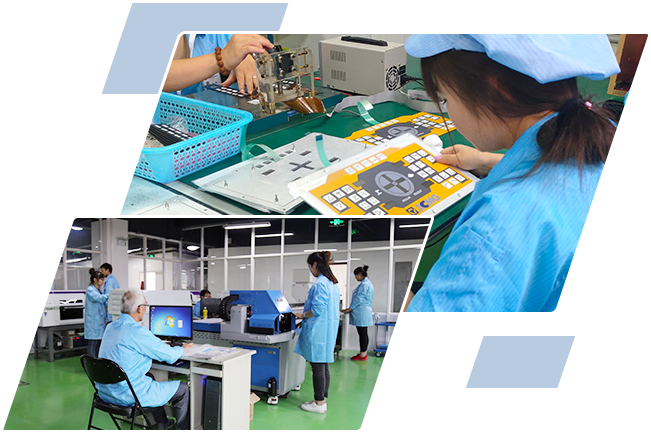
Originating in 1990, our manufacturing facilities have engineered specialized human-machine interface components for global leaders including Siemens, ABB, and Haier, as well as mission-critical railway locomotive control systems and aerospace electronics.
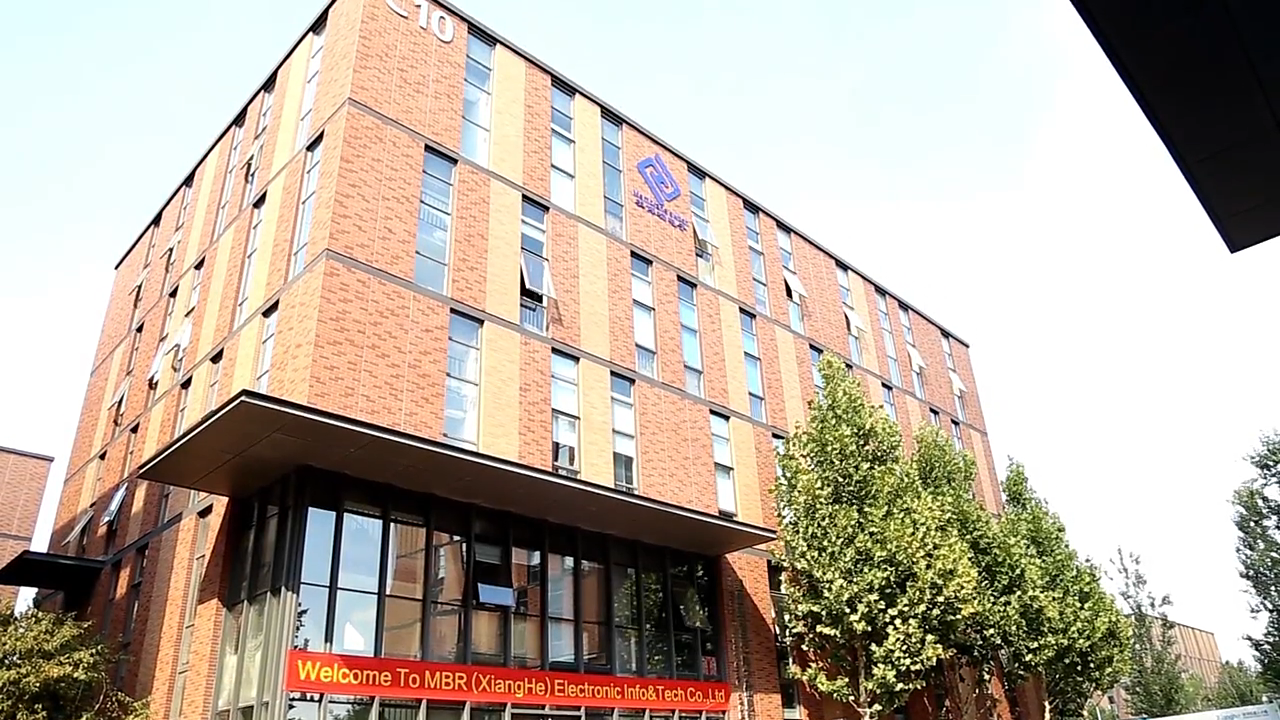
Unlike trading intermediaries, our production operates across verified dual processing bases in Xianghe (Robot Industry Port) and Huizhou. Totaling over 2,219 m² of specialized production space, our facilities house 37 precision silkscreen printers, 18 laser-cutting centers, 4 Mimaki heat-setting digital UV printing lines, and 60 CNC precision mold-making machines.
Crucially for our European clientele, our operational standards have been honed through an enduring technical cooperation with a German membrane switch factory—harmonizing our material validation, screen tensioning standards, and tooling tolerances with DIN specifications.
Comprehensive In-House Reliability Testing Laboratory
Every medical-grade membrane keypad and graphic overlay run undergoes exhaustive validation before dispatch to Austria:
Actuation Life Cycling
Automated pneumatic finger actuators cycle tactile keys at 3 to 5 Hz up to 1,000,000+ compressions, logging actuation force drift, tactile ratio loss, and contact resistance stability.
Climate & Xenon Arc Testing
Programmable environmental chambers expose test samples to thermal extremes (-40°C to +85°C) and 95% relative humidity, alongside Xenon lamp weathering to simulate UV sterilization degradation.
Electrical Integrity Verification
100% computerized circuit testers inspect trace continuity, open/short circuits, contact bounce (≤ 5ms), insulation resistance (> 100MΩ at 100V DC), and dielectric withstand voltage.
Procurement & Engineering FAQ
Frequently Asked Questions for Austrian Buyers
Key considerations when sourcing custom medical keypad overlays for Vienna and the EU market.
How do your overlays and keypads support EU MDR 2017/745 compliance for Viennese OEMs?
While membrane keypads and overlays are typically classified as sub-assemblies or component parts rather than finished medical devices in their own right, our manufacturing protocols are directly aligned with the technical documentation mandates of EU MDR 2017/745. We maintain exhaustive lot-to-lot traceability for all raw materials, including 3M medical-grade adhesives, Autotex PET films, Acheson conductive silver inks, and Nicomatic connectors. Complete Certificates of Conformance (CoC), RoHS 3, and REACH SVHC declarations are provided with every batch to streamline your notified body audits (e.g., TÜV SÜD, TÜV AUSTRIA).
What is the standard turnaround time for clinical prototypes shipped to Vienna?
For initial prototyping and design verification stages, we provide accelerated rapid-prototyping services. Leveraging our Mimaki digital UV printing flatbeds and precision laser cutting units, we can bypass steel rule tooling for preliminary samples. Typical engineering samples are fabricated within 5 to 7 business days following digital artwork and circuit approval. Air courier transit to Vienna International Airport (Schwechat) typically takes 3 to 4 business days via DHL Express or FedEx Priority.
Can your factory accommodate small-batch pilot runs for medical startups in Austria?
Yes. We recognize that many innovative medical engineering ventures originating from the Vienna BioCenter, TU Wien, or FH Technikum Wien require pilot quantities (e.g., 25 to 250 units) to complete clinical trials and electrical safety assessments. We offer low minimum order quantities (MOQs) for prototypes and pilot series, providing a seamless scaling pathway as your device transitions toward full commercial mass production.
How do your overlays resist aggressive hospital cleaning agents like Bacillol and Terralin?
We exclusively specify chemically primed, textured polyester films (such as MacDermid Autotype Autoflex and Autotex series) for medical user interfaces. The hard-coated exterior surface exhibits proven chemical inertia against common European surface disinfectants including Isopropanol (70%), Ethanol (80%), Terralin Protect, Bacillol AF, and Glutaraldehyde solutions. Sub-surface silk-screen and digital UV graphics are applied to the second surface, creating an impermeable chemical barrier that prevents ink degradation or graphic fading.
What tactile click profiles and travel distances are recommended for gloved surgical operators?
For operating room environments where clinicians wear latex or nitrile barrier gloves, flat non-tactile keys often fail to provide sensory reassurance, leading to dangerous double-press errors. We recommend nickel-plated or gold-plated stainless steel snap domes measuring 10mm to 16mm in diameter with an actuation force between 350g and 450g and key travel of 0.4mm to 0.6mm. Combined with rim or plateau embossing on the overlay film, this provides crisp tactile feedback and unambiguous mechanical confirmation.
Which design files and technical documentation are needed for an engineering quote?
To initiate a comprehensive Design for Manufacturability (DFM) review and quotation, our engineering team requires: (1) Vector graphic artwork specifying Pantone or RAL color codes (vector PDF, Adobe Illustrator AI, or CorelDraw); (2) 1:1 scale dimensional drawing with tolerances, display window locations, and tail exit points (DXF, DWG, or STEP); (3) Schematic or pin-out diagram for the connector tail; and (4) Environmental requirements (IP rating, operating temperature range, shielding requirements).