High Quality PBT Keyboard Cap Customized Color & Size Silkscreen Printing ISO9001:2015/ROHS Certified Fast Delivery Meiborui
PBT MaterialColor MatchingRoHS Compliant
Built to withstand aggressive clinical sterilization, hospital-grade germicidal cleaners, and 24/7 continuous operation in intensive healthcare environments.
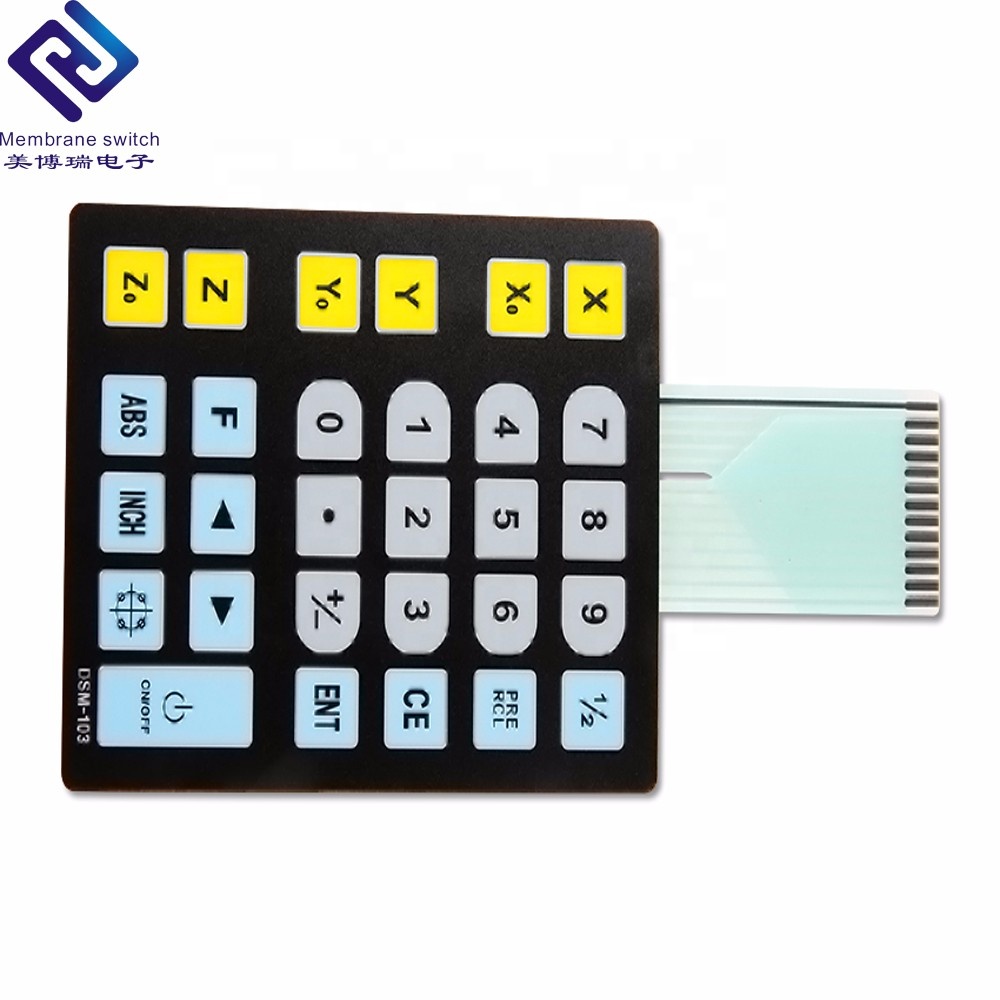
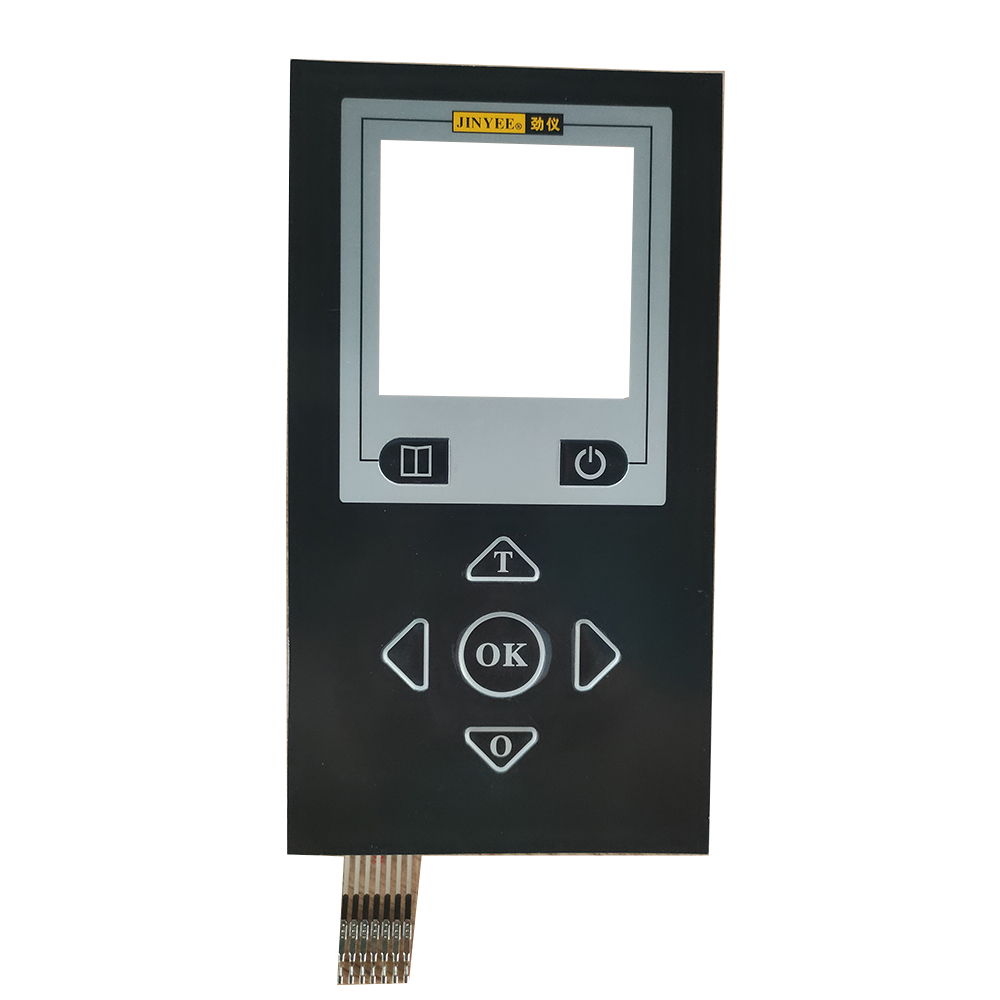
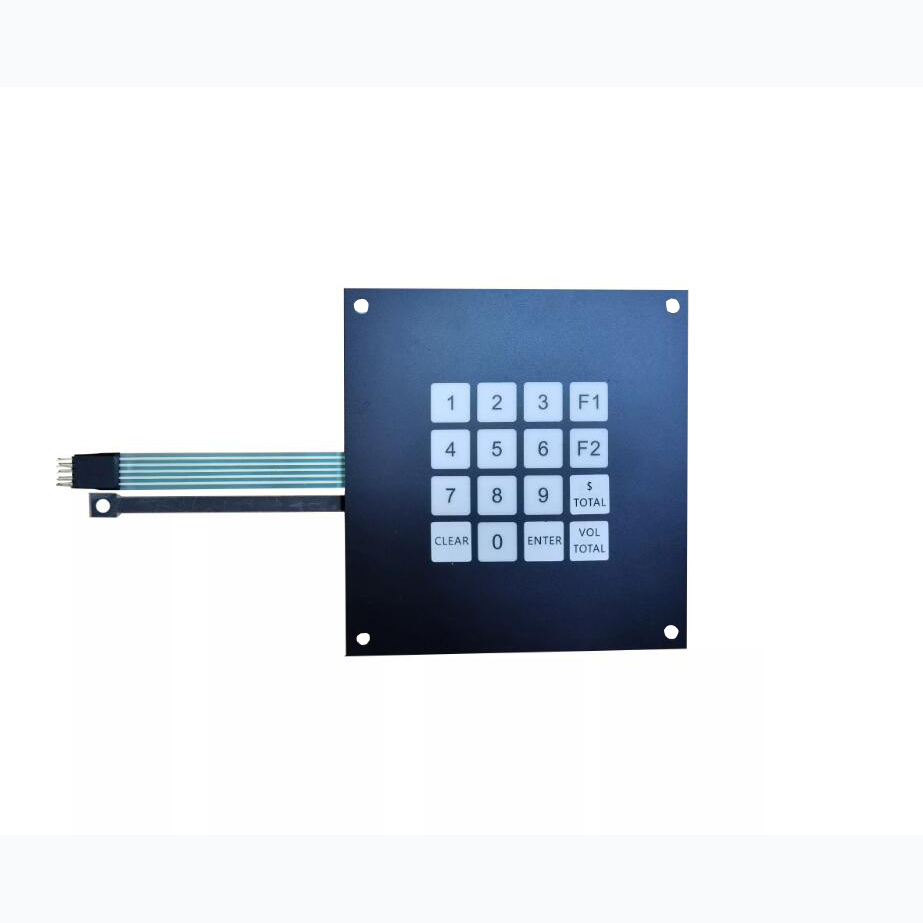
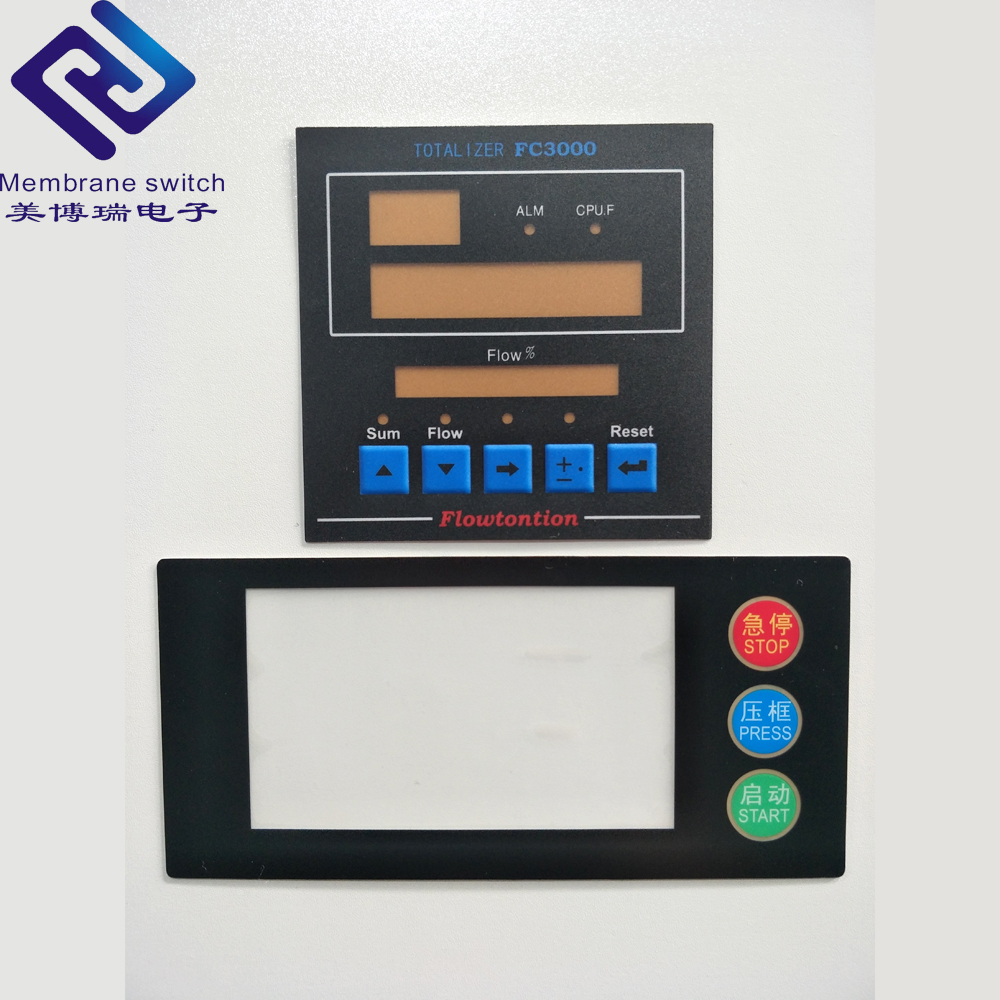
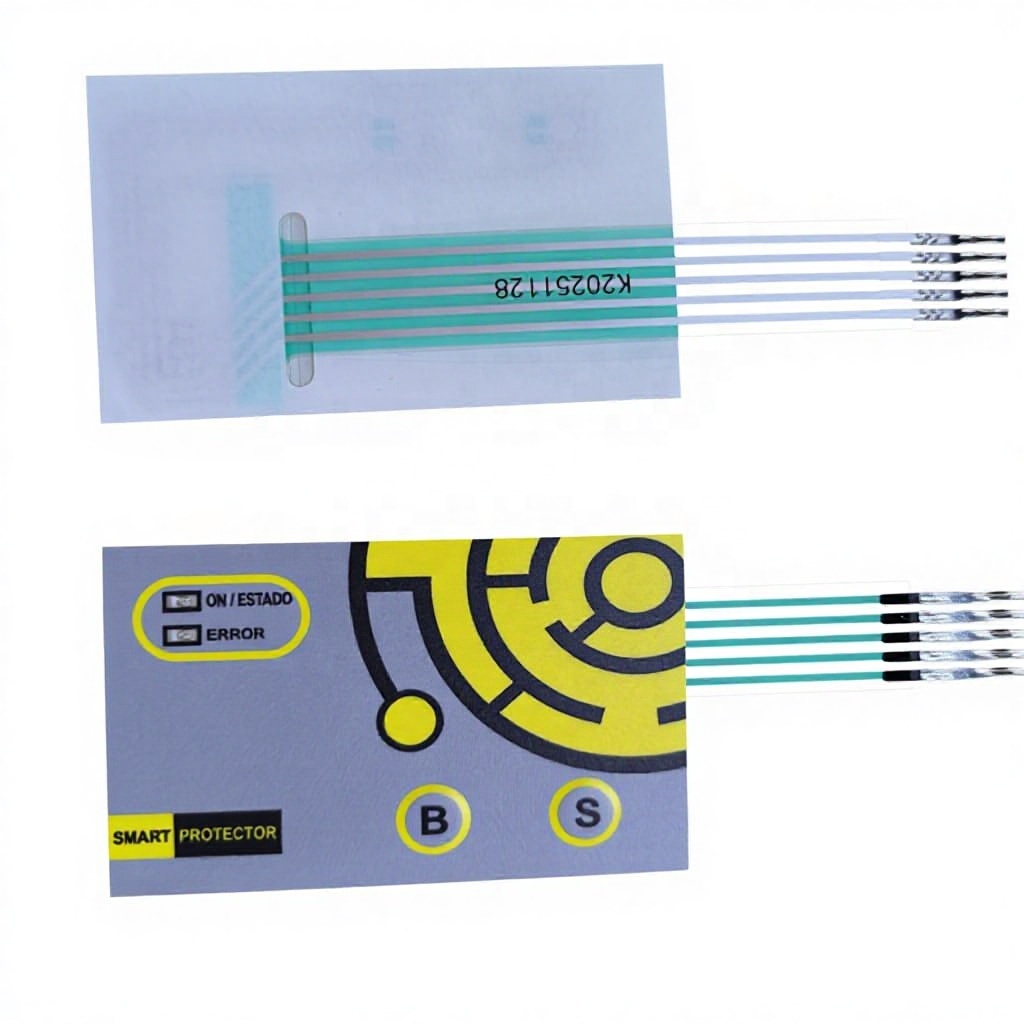
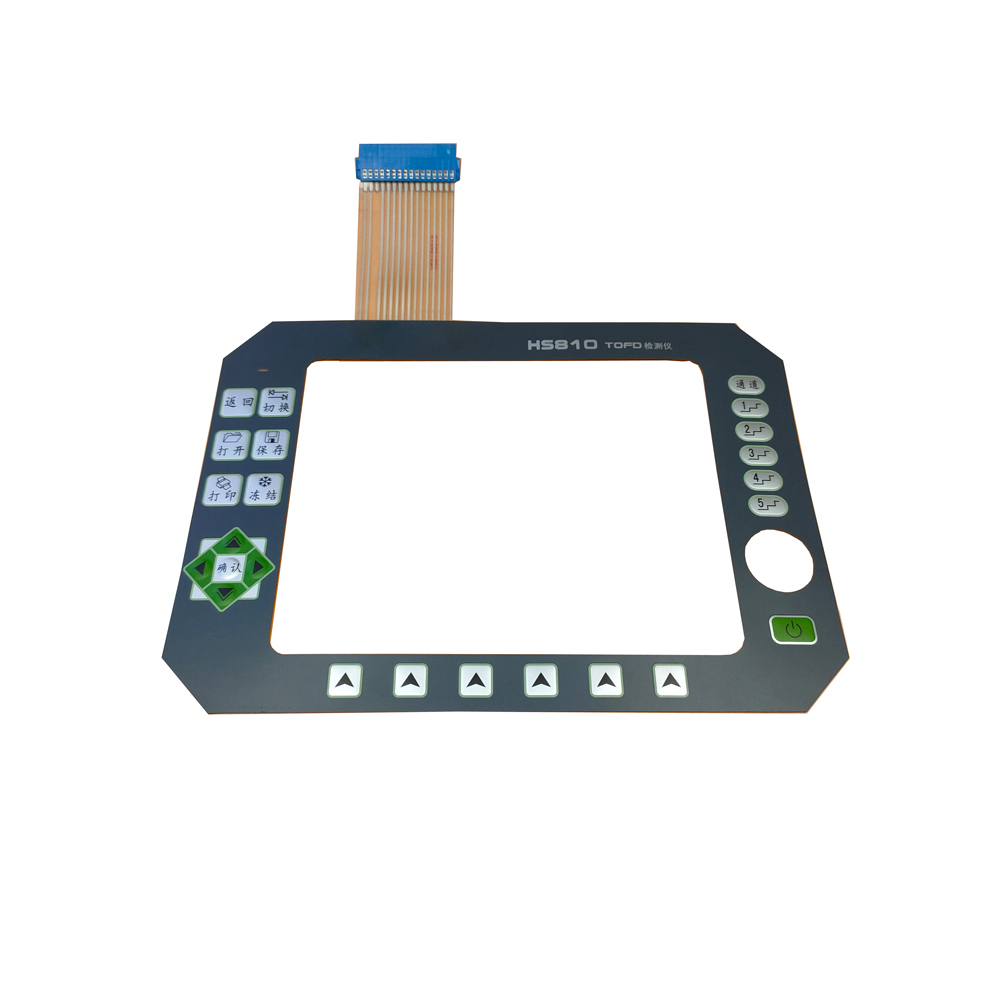
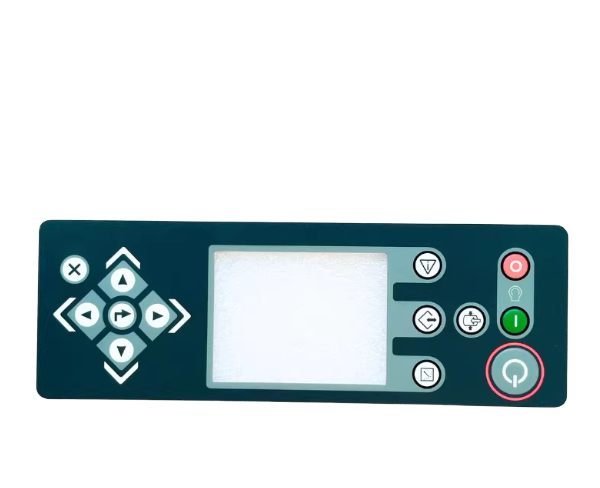
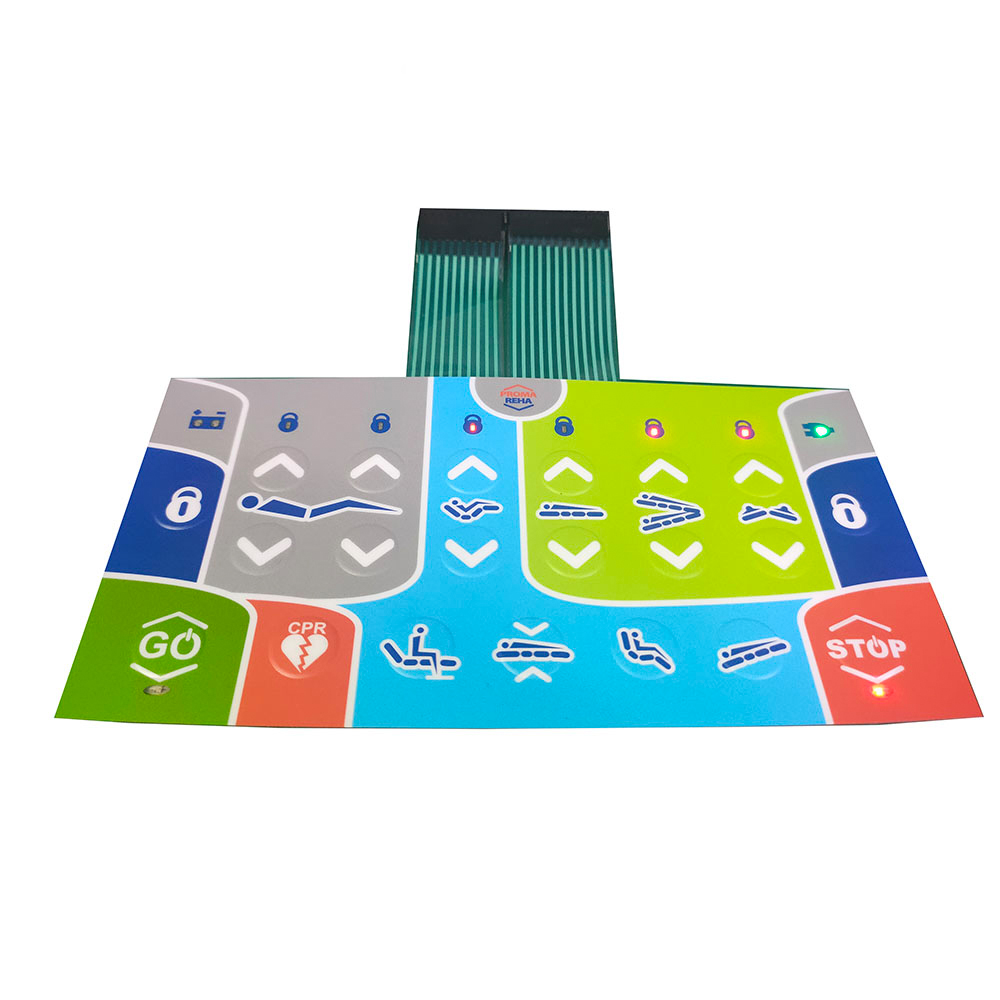
In modern clinical environments, human-machine interfaces (HMIs) represent far more than functional input surfaces; they serve as a sterile boundary separating sensitive microelectronics from hazardous contaminants, physiological fluids, and high-concentration sterilizing agents. Medical Keypad Overlay systems developed for acute medical monitors, syringe pumps, patient ventilators, and diagnostic incubators must strictly comply with rigorous international regulatory frameworks including IEC 60601-1-2 for medical electromagnetic compatibility (EMC) and biocompatibility standards under ISO 10993.
The manufacturing architecture utilizes biaxially oriented polyethylene terephthalate (Autotype Polyester / PET) or medical-grade optical polycarbonate (PC). PET is specifically deployed in therapeutic devices requiring high flexural endurance and superior chemical inertia against hospital disinfectants like quaternary ammonium compounds, sodium hypochlorite (bleach), and isopropyl alcohol. Subsurface graphic printing—executed on class-10,000 cleanroom silkscreen presses or UV digital units—ensures that legends, branding, and color scales are sealed beneath the protective outer substrate, eliminating legend fade, peeling, and mechanical abrading over millions of actuations.
Tactile performance is optimized through nickel-plated or gold-plated stainless steel snap domes embedded beneath high-shear acrylic adhesives (such as 3M 467MP or 3M 468MP). These dome arrays guarantee clear tactile and auditory feedback, providing medical clinicians wearing latex or nitrile gloves instantaneous confirmation of critical dosage or parameter adjustment even in high-stress, low-noise neonatal ICU environments.
Optimized for medical equipment manufacturers, hospital procurement teams, and biomedical service partners requiring compliant human-machine control solutions.
Precision temperature, humidity, and oxygen control interfaces engineered specifically for neonatal care devices (including David-style infant systems). Featuring dead-front secret-until-lit warning LEDs and non-glare optical display filter windows.
Front-bezel HMI control panels integrating high-precision touch areas, rotary encoder cutouts, and tactile alarm silence buttons. Sealed with custom perimeter die-cut gaskets to block wash-down moisture and blood ingress.
Compact, multi-layer membrane arrays designed for accurate volumetric flow adjustment and rate priming. Engineered with embossed rim keys that provide definitive finger placement and prevent accidental double-tap keystrokes.
Analyzing procurement shifts, compliance directives, and technological evolutions governing medical device components across primary manufacturing hubs.
Healthcare providers increasingly mandate built-in antimicrobial agents (such as silver-ion additives) integrated directly into the polyester overlay's top lacquer. This ensures continuous, non-leaching microbicidal efficacy against MRSA, E. coli, and fungal biofilms without degrading after thousands of disinfection cycles.
OEM buyers are migrating toward hybrid interfaces that combine sleek, cleanable capacitive touch sliders with mechanical metal-dome switches for mission-critical functions (such as Power, Emergency Stop, and Alarm Reset), ensuring complete fail-safe redundancy.
Where legacy devices utilized printed silver conductive ink, advanced medical apparatus now prioritize Flexible Printed Circuits (FPC) with etched polyimide copper traces. FPC offers virtually zero trace resistance, allows ultra-fine pitch SMT LED soldering, and eliminates silver migration in humid wards.
Combining German engineering collaboration, complete in-house production clusters, and Intertek verified operational capacity.
Every phase—including schematic CAD drafting, photographic film output, screen making, 37 precision screen print units, Mimaki digital UV imaging, embossing, and automated laser profiling—is accomplished strictly inside our Langfang and Huizhou plants.
Continuous technological exchange with a premier German membrane switch company ensures our mechanical tolerances, embossing geometries, and reliability metrics match stringent European VDE and DIN specifications for life-support apparatus.
Assessed on-site by Intertek and certified under ISO 9001, TAVO maintains twin industrial manufacturing facilities over 2,219 square meters. Dual-factory production routing provides guaranteed continuity for recurring international medical orders.
Medical instruments require zero percent tolerance for keystroke failure. Our on-site testing protocols safeguard your product liability.
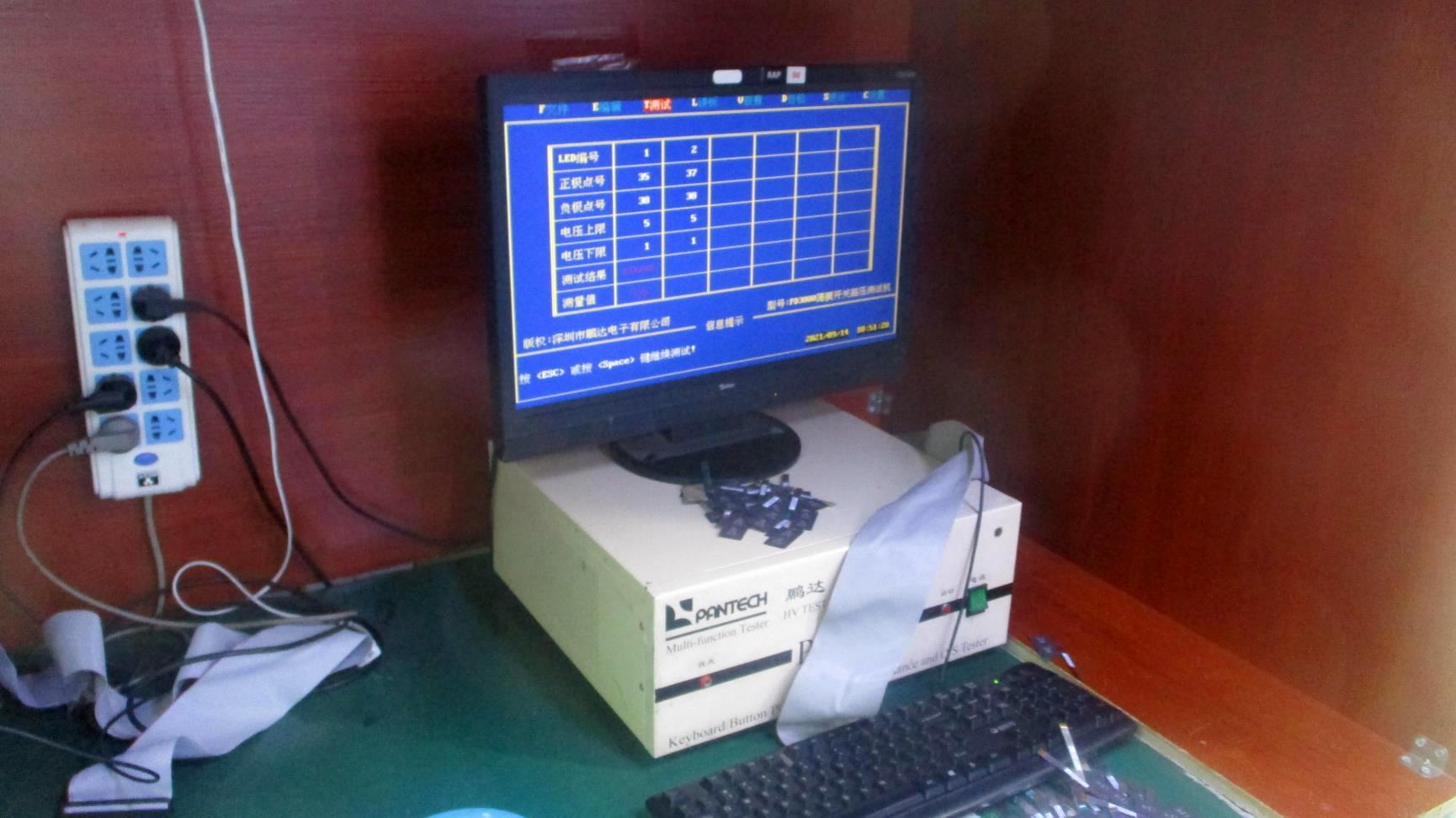
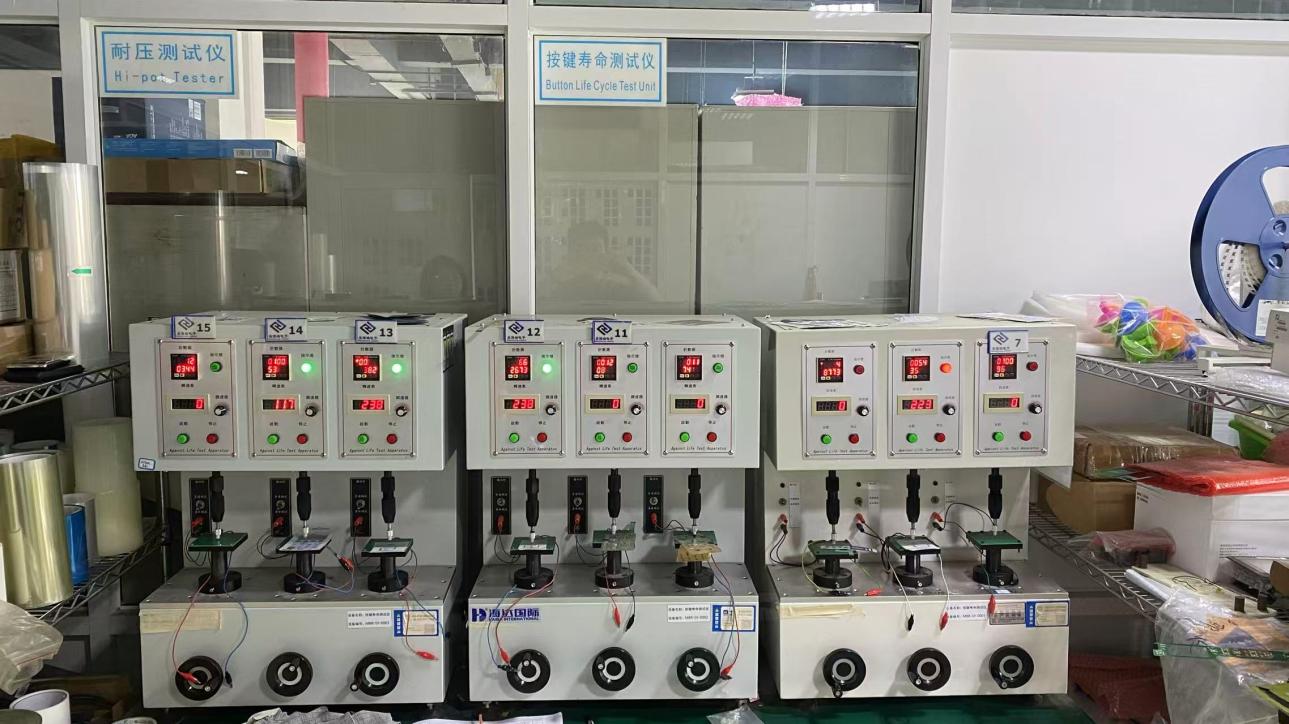
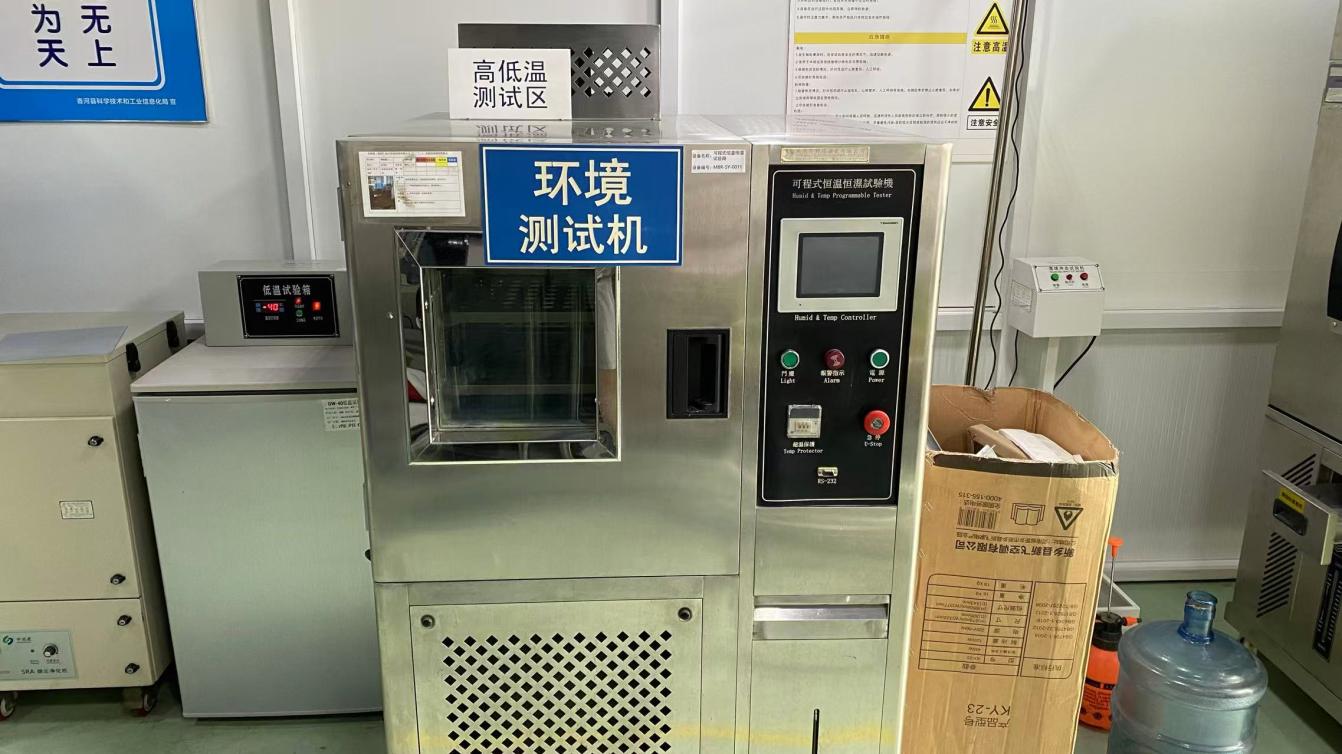
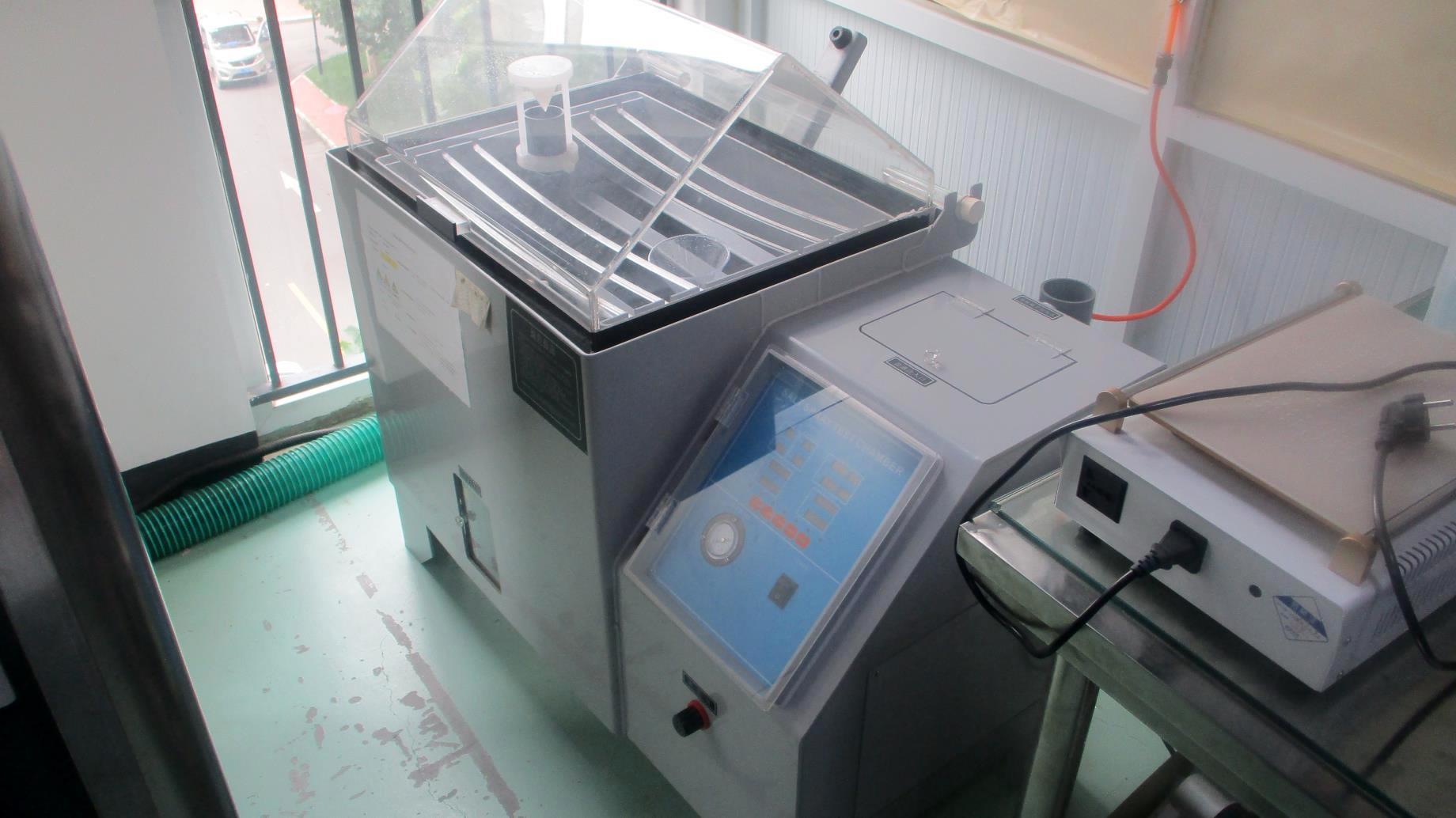
Clear, direct technical responses addressing material compatibility, cleanroom standards, prototyping, and export customs.
Send our senior engineering team your mechanical dimensional drawings and graphic artwork. Receive a comprehensive manufacturability assessment, material stack-up recommendation, and competitive factory-direct quote within 24 hours.