DIN EN ISO 9001:2015 Precision Human-Machine Interfaces

Membrane Control Panel Factories & Factory serving Germany

High-reliability tactile keypads, IP67/IP68 sealed front foils, embedded FPC circuits, and custom backplane assemblies engineered to strict VDE, DIN, and European industrial standards.

1990
Heritage in HMI Engineering
2,219㎡
Verified Class 10k Cleanroom Plant
1M+ Pcs
Annual Export to DACH & Europe
>5,000,000
Switch Actuation Life Cycles
Engineered Portfolio

High-Spec Membrane Control Panels for Industrial & Medical OEMs

Built for rigorous mechanical duty, electromagnetic shielding (EMC), chemical resistance against aggressive solvents, and long-term switch actuation fidelity.

Industry White Paper

Engineering Membrane Control Panels for the German Market (Mittelstand & Beyond)

In-depth technical criteria for sourcing human-machine interfaces that comply with European machinery directives, functional safety, and hygienic operation standards.

Meeting German Machinery Standards: DIN EN 60204-1 and ISO 13849-1

For German mechanical engineering (Maschinenbau), membrane control panels serve as the primary human-to-machine interface under harsh conditions. Sourcing engineers from Baden-Württemberg to North Rhine-Westphalia prioritize fail-safe signal integrity, IP65 to IP69K ingress protection, and tactile clarity.

Every switch designed for the German market must address contact bounce, chemical exposure (coolants, industrial cleaners, lubricants), and extreme static discharges. Our factory adheres to ISO 9001 guidelines while incorporating German technical cooperation benchmarks in tooling, materials, and automated verification.

Compliance Standard DIN EN 60204-1, RoHS 2011/65/EU, REACH SVHC
Foil Materials Autotype Autotex (PET) / Lexan 8010 (Polycarbonate)
Switch Life Cycle >1,000,000 to >5,000,000 operations (Metal Dome)
Ingress Rating Up to IP67 / IP68 (continuous perimeter gasket seal)

Direct Total Cost of Ownership (TCO) Advantages

Purchasing managers in Germany often weigh local European assembly costs against direct-factory OEM manufacturing. By consolidating 100% of tooling, digital UV/screen printing, embossing, laser profiling, and SMT assembly under our own roof, we eliminate intermediate brokerage markups of 35-45% while meeting strict German engineering drawings (CAD/STEP/DXF).

Technical Matrix: German Localization Scenarios

Industry Vertical Application Environment Material & Architecture Key Localized Demands Ingress / Standards
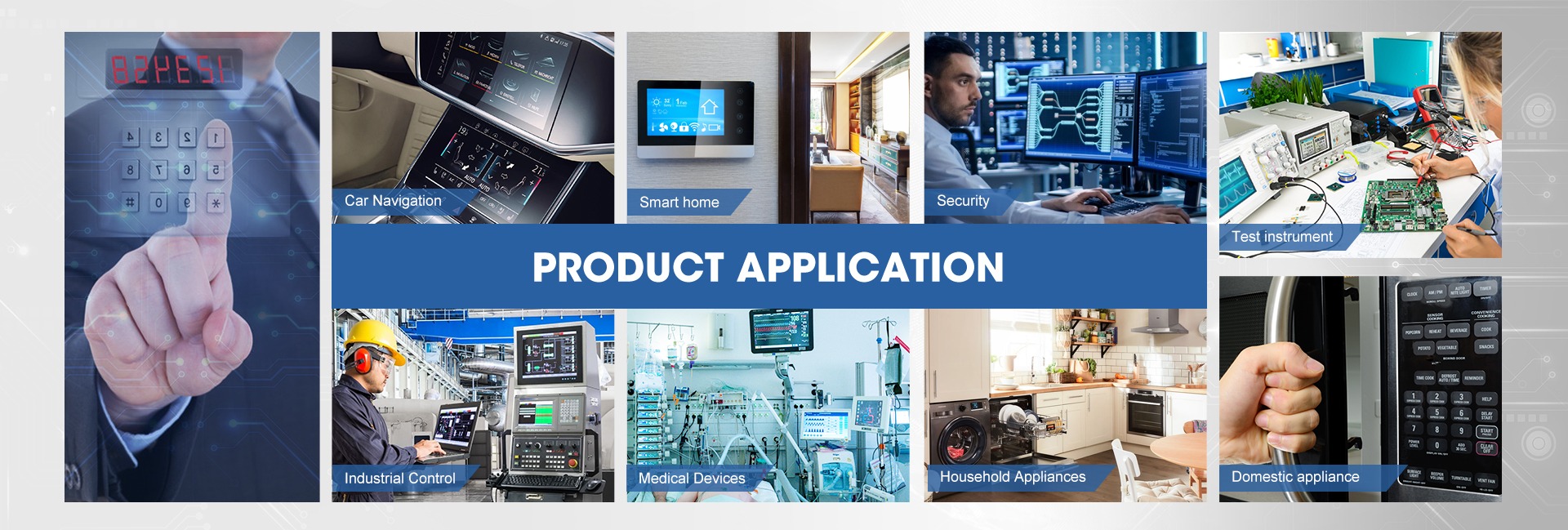
CNC Machine Tools & Automation Metal chips, coolants, vibration, glove operation Autotex Steel PET + FR-4 PCB backer + 450g metal dome High actuation force, oil resistance, tactile crispness IP65 / DIN 40050-9
Medical & Lab Technology Hospital clinics, sterilization, disinfectants Antimicrobial hard-coated PET + capacitive touch overlay Flush wipeable clean surface, no dirt-collecting gaps ISO 13485 / IP67
Intralogistics & Material Handling Warehouses, variable outdoor temperatures (-30°C to +60°C) Flexible Copper FPC + Silicone rubber keypads Impact resistance, UV weathering, long bend endurance DIN EN 60068-2
Railway & Energy Infrastructure High-voltage locomotives, substations, switchgears Multi-layer circuit + Copper mesh full EMC shield layer Immunity against high EM fields, zero sparks, fire-retardant EN 45545-2 / VDE
Future Trends

Emerging HMI Design Trends in the German Industrial Ecosystem

How German engineering teams are re-architecting human-machine interfaces for Industry 4.0, hygienic operation, and hybrid tactile-capacitive integration.

1. Hybrid Capacitive & Tactile Integration

German automation builders are replacing pure touch screens with hybrid panels that blend capacitive slider/wheel surfaces with discrete tactile metal dome keys for safety-critical emergency, enter, and jog commands.

2. Integrated Backlighting via LGF & Side-LEDs

Moving away from power-hungry EL foil lamps, German industrial designers specify Light Guide Film (LGF) powered by edge SMT LEDs, yielding ultra-thin (<1.5mm) homogenous icon illumination under daylight and darkness.

3. Strict RoHS, REACH, and Ecodesign Compliance

European supply chain audits demand full SVHC reporting and halogen-free substrate options. Our chemical formulations and adhesives (3M 467MP/468MP/200MP) are 100% compliant with EU environmental mandates and customs documentation.

Factory Capabilities

Why Leading European OEMs Choose TAVO HMI Manufacturing

Decades of membrane panel specialization, verified by Intertek and backed by long-standing German technical cooperation.

Dual-Factory Manufacturing Flexibility

Operating out of our primary Xianghe Robot Industry Port facility (Hebei) and our second base in Huizhou (Guangdong), we balance capacity to ensure short prototype runs never face bottlenecks from mass-production lines.

Modern In-House Machinery Fleet

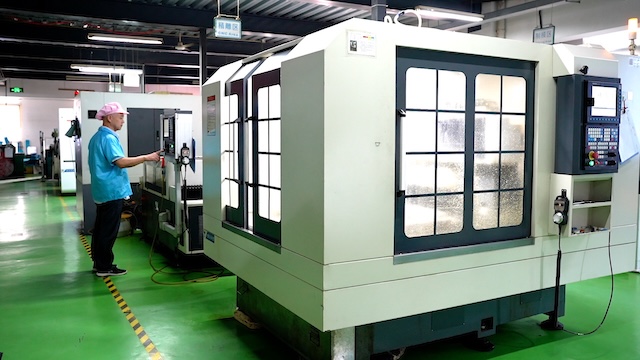
Equipped with 60 CNC mold-finishing stations, 37 precision silkscreen printing presses, 4 Mimaki heat-setting digital UV printers, 18 laser profile cutters, 8 automated curing tunnels, and 7 pressure stamping units.

Stringent Reliability Laboratory

100% of export production passes thorough test protocols: automated circuit resistance testers, multi-million cycle button life testers, programmable temperature & humidity chambers, xenon arc UV chambers, and salt fog corrosion tests.

TAVO Modern Membrane Switch Workshop
Cleanroom Silk-Screen & Digital Printing Halls
TAVO Quality Inspection & Engineering
Automated Continuity, Switch Travel & Load Verification
Procurement Guide

Frequently Asked Questions by German Buyers

Clear, direct technical answers regarding customs clearance, DDP terms, tooling tolerances, and rapid prototype turnarounds.

What are typical DDP air/sea lead times from your factory to Germany? +
Tooling prototypes are completed within 7 to 10 working days. For standard batch production, turnaround is 12 to 18 working days. Via express door-to-door air freight (DHL/FedEx to Frankfurt, Munich, or Hamburg), transit takes 4 to 6 days including complete customs clearance handling under DDP terms.
Can you match precise RAL and Pantone colors on polycarbonate/PET overlays? +
Yes. Our color-matching laboratory operates automated spectrophotometers to align with German industrial standard RAL (Classic, Design) as well as Pantone Matching System (PMS). Sub-surface second-surface printing ensures colors are never scratched by routine cleaning with isopropanol or detergent.
What are the key differences between Silver Ink circuits and Copper FPC circuits? +
Screen-printed silver conductive ink on polyester is cost-efficient and ideal for low-voltage signal lines. However, for applications requiring tight pitch (<1.0mm ZIF connectors), high-density surface-mount LEDs, or environments prone to silver migration under prolonged humidity, we engineer flexible copper circuits (FPC on polyimide), which provide greater current carrying capacity and electrical stability.
How do you protect intellectual property and CAD engineering drawings? +
We routinely execute legally binding Non-Disclosure Agreements (NDAs) subject to international trade standards before reviewing customer engineering files (Gerber, DXF, DWG, STEP, AI). All tooling dies, embossing molds, and screen artwork films remain the dedicated, exclusive property of the commissioning client.
Do your membrane panels withstand aggressive cleaning agents and oils? +
By utilizing premium textured films like MacDermid Autotype Autotex (fine/velvet) or XE series, our panels resist exposure to industrial mineral oils, diesel fuel, dilute acids, and common cleaning chemicals such as acetone, alcohol, and hydrogen peroxide solutions.

Ready to Engineer Your Custom Membrane Control Panel?

Send us your drawings or application brief. Our bilingual technical team will deliver a comprehensive DFM (Design for Manufacturability) review and competitive factory quote within 24 hours.