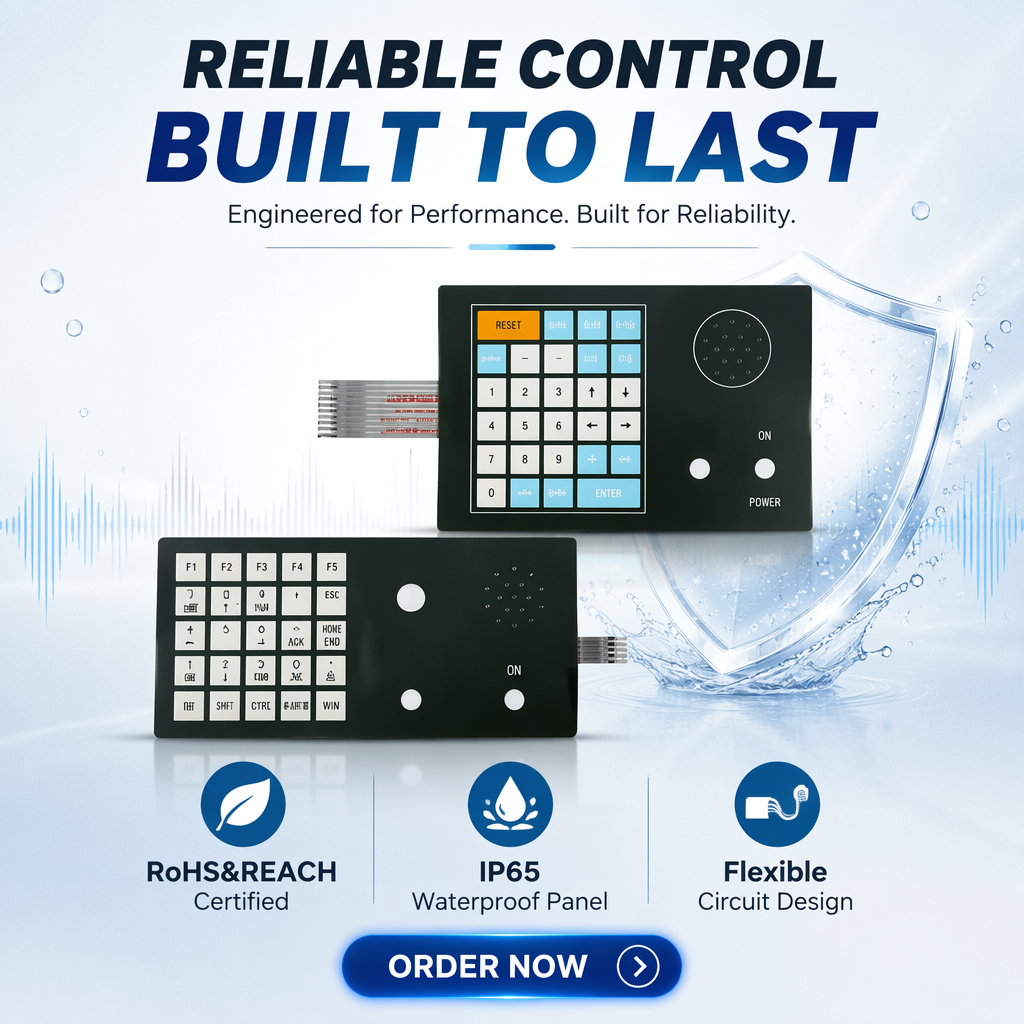
Precision Engineered Catalog
Standard & Custom Membrane Switch Modules for Havana OEM Applications
Explore eight core human-machine interface architectures field-tested for tropical climate resilience, high moisture isolation, and heavy-duty industrial switching cycles.
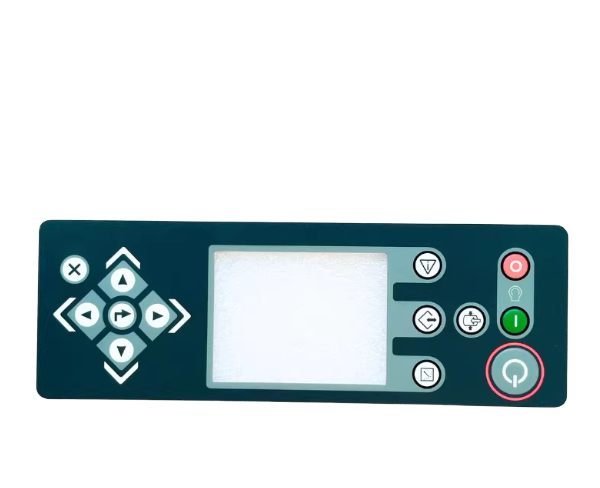
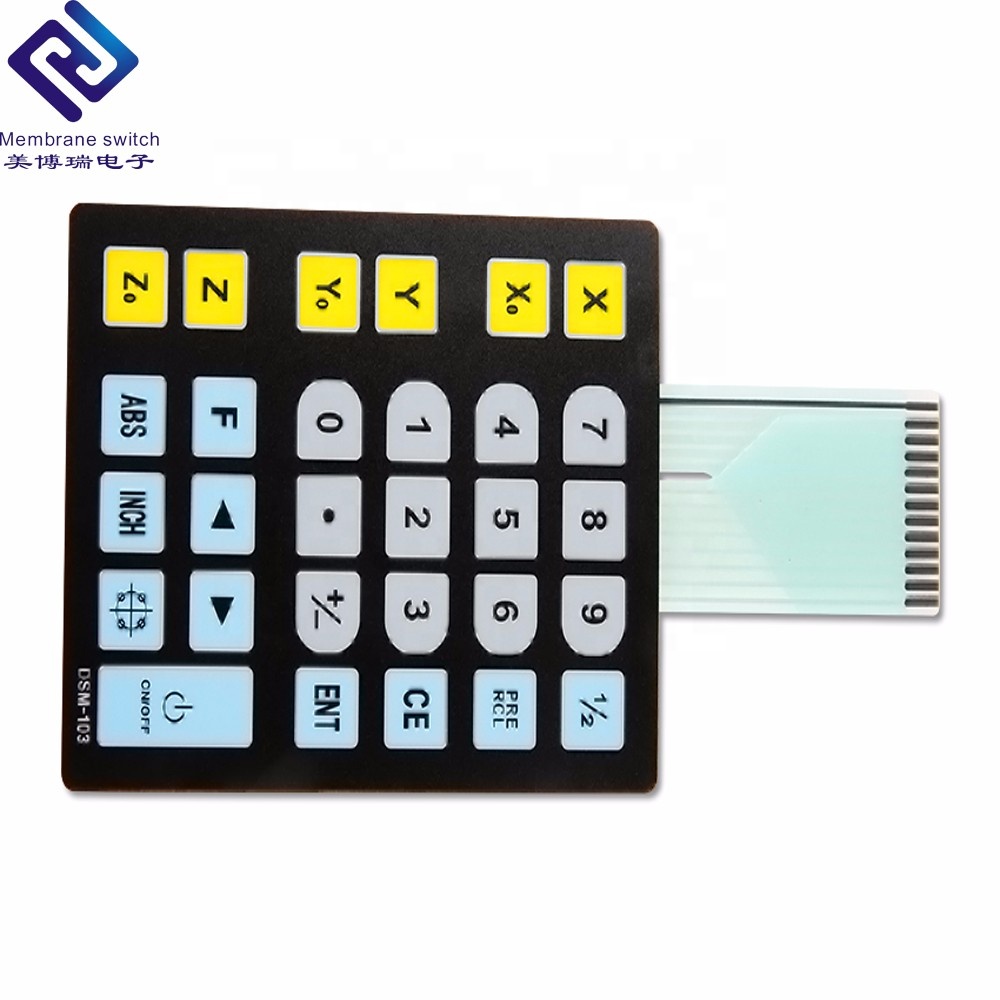
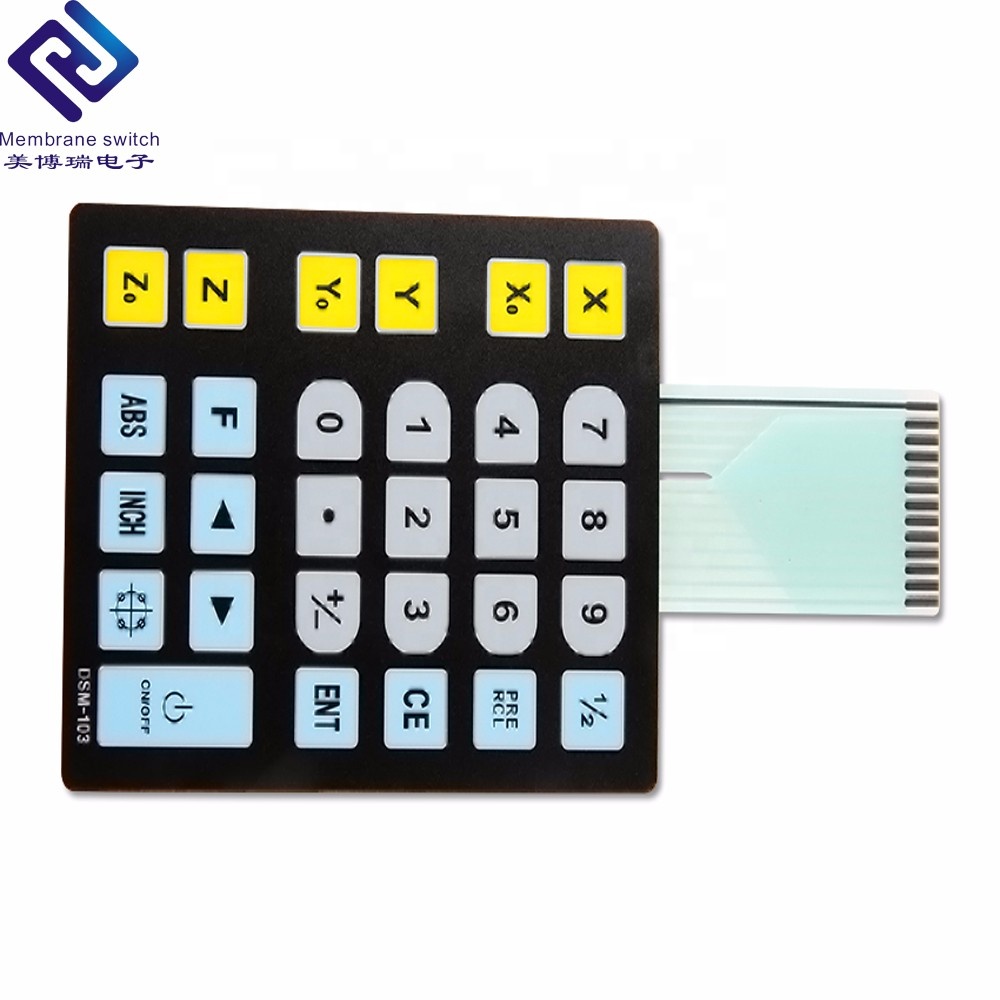
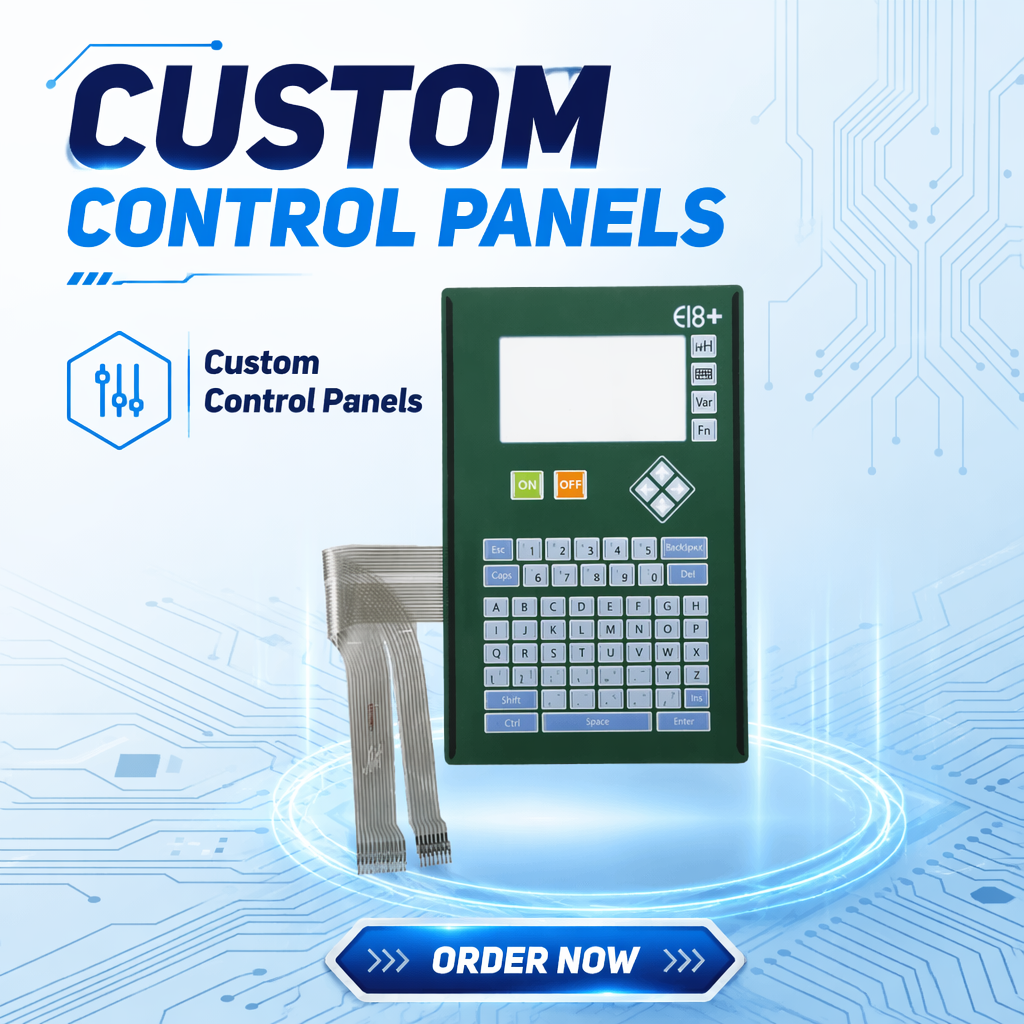
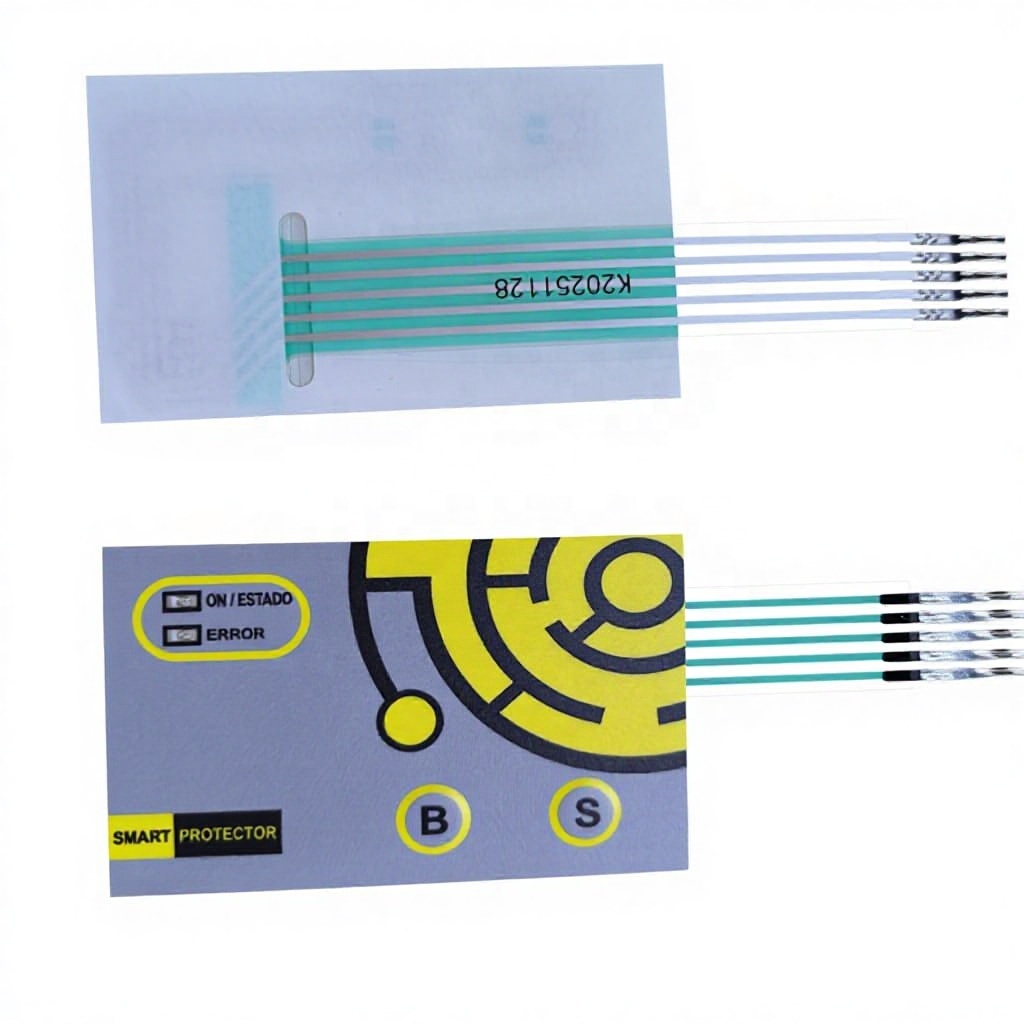
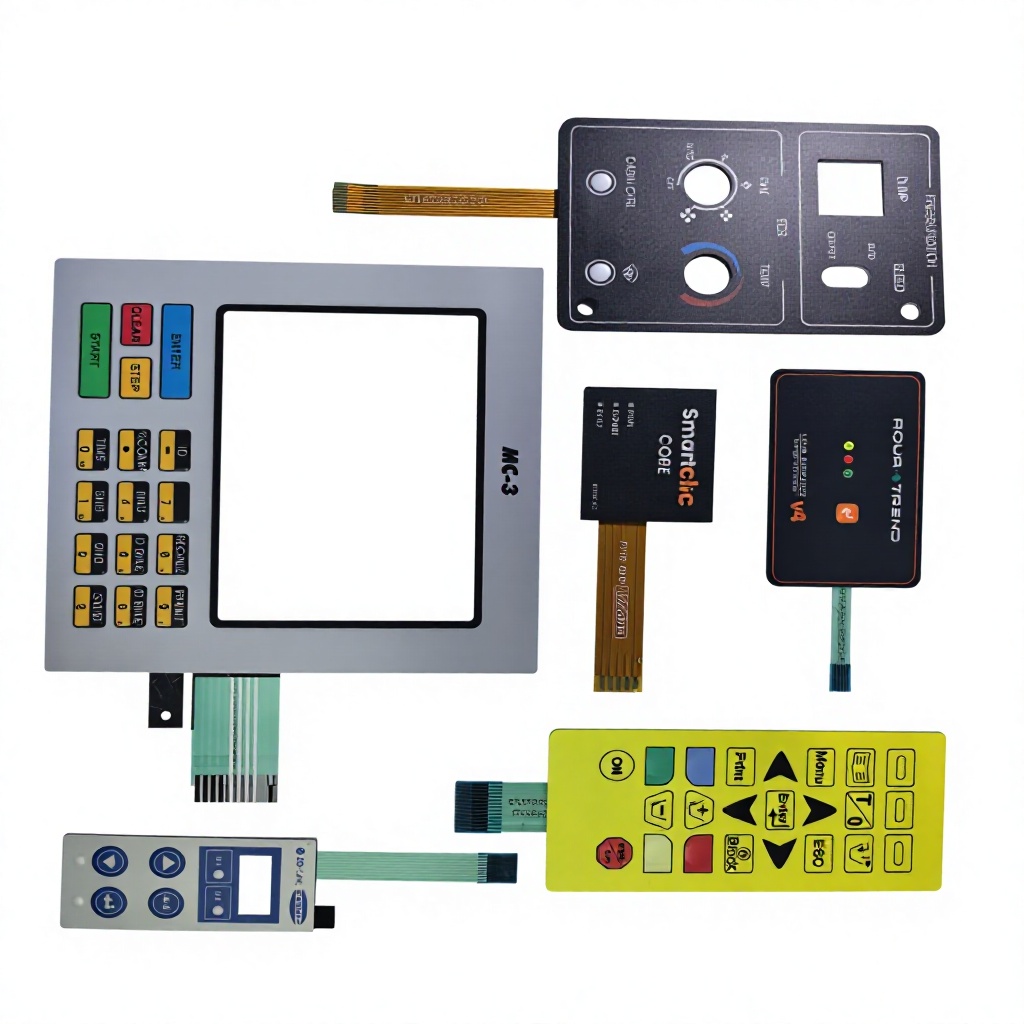
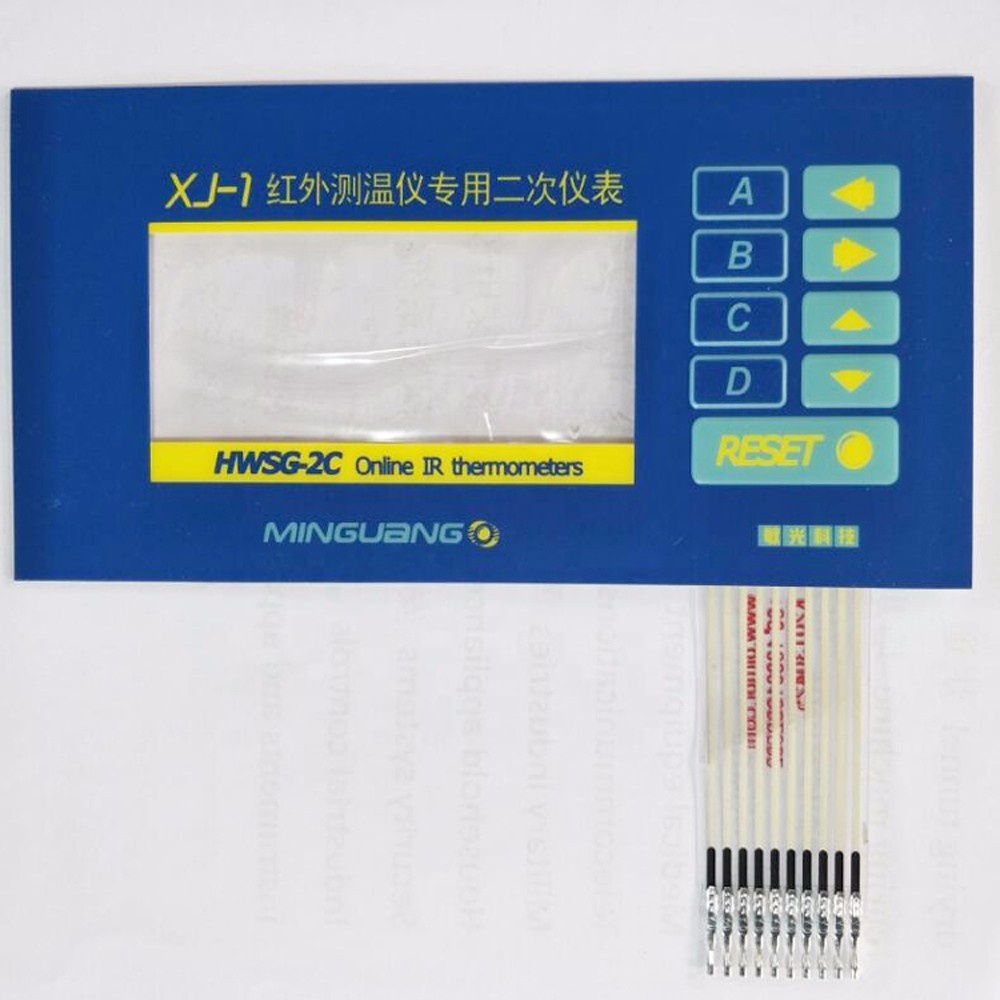
Comprehensive Engineering Whitepaper: Custom Membrane Switch Integration in Havana's Industrial Landscape
Operating human-machine interfaces (HMI) within the maritime and industrial ecosystems of the Havana metropolitan area presents exceptional engineering challenges. From the deep-water transshipment activities in the Mariel Special Development Zone (ZEDM) to the pharmaceutical cleanrooms situated along the Bioscience corridor in Playa and the maritime engineering docks flanking Havana Bay, electronic interface devices are routinely subjected to high relative humidity (>85% RH), intense saline air ingress, elevated tropical UV radiation, and severe ambient voltage instability. For procurement directors, maintenance engineers, and hardware designers across Western Cuba, standard off-the-shelf mechanical switches inevitably succumb to rapid electrolytic silver migration, localized oxidation of switch contacts, and premature graphic overlay delamination.
As a global pioneer tracing continuous research, development, and mass fabrication of precision membrane switch keypads and front graphic overlays back to 1990, TAVO Electronic Information Technology Co., Ltd. resolves these structural vulnerabilities through specialized material selection, multi-tier environmental sealing, and precision electrical printing. Operating under strict ISO 9001 certified quality management and verified onsite by Intertek, TAVO combines extensive industrial heritage with modern German technical collaboration to supply Havana's emerging tech manufacturing, diagnostic medical hardware, and infrastructural sectors with robust, custom-tailored HMI solutions.
Localized Havana Application Scenarios: Where Environmental Ruggedness Meets High Precision
The requirement for membrane keypad components in Cuba diverges considerably from conventional temperate installations. In the BioCubaFarma pharmaceutical manufacturing complexes around Havana, HMI panels demand impenetrable IP65 to IP67 ingress protection to withstand repeated washdowns with aggressive chemical sanitizers, isopropyl alcohol, and dilute sodium hypochlorite. In these facilities, TAVO's textured Autotype polyester (PET) overlays provide impenetrable chemical resistance, ensuring that reverse-printed silkscreen or digital UV inks remain impervious to abrasive degradation or chemical fading over hundreds of thousands of cycles.
Concurrently, the port logistics, refrigerated container cranes, and automated packaging plants within ZEDM and Old Havana's port infrastructure experience severe corrosion from coastal salt fog. Traditional contact assemblies corrode within months; in response, TAVO deploys nickel-plated or gold-plated stainless steel metal tactile domes paired with silver-carbon blended conductive traces and cross-over dielectric coatings. By layering specialized 3M 467MP/468MP high-tack acrylic adhesives and environmental perimeter seals, moisture vapor transmission is eliminated, guaranteeing more than one million actuations even in unconditioned marine dockside environments.
In the utility sector, where the Unión Eléctrica (UNE) manages thermal generation sub-stations and grid-monitoring consoles across Havana, high electromagnetic interference (EMI) and frequent electrostatic discharge (ESD) events pose substantial operational hazards. TAVO integrates continuous conductive graphite coatings, printed aluminum foil substrates, or ITO (indium tin oxide) sputtered barrier layers directly into the membrane switch stack-up. This architectural protection guarantees that ESD discharges up to 15kV are safely redirected to the perimeter chassis ground, preserving sensitive microcontroller units (MCUs) from latch-up or firmware failure during electrical surges.
Emerging Industrial & Sourcing Trends Across Havana's Modernizing Economy
Over recent cycles, procurement patterns across Havana have experienced significant structural modernization. First is the shift from purely utilitarian control buttons toward high-value, integrated visual interfaces. Industrial engineers are increasingly requesting LGF (Light Guide Film) backlit membrane keyboards and surface-mounted ultra-thin LEDs (SMT) that run on low-power circuits. This allows unambiguous optical feedback during nighttime port shifts and dimly lit municipal pump stations while consuming negligible wattage from backup solar-battery installations.
A second pronounced trend is the total transition toward customized FPC (Flexible Printed Circuit) backing layers in place of traditional screen-printed silver ink when critical assemblies demand tight pitch routing (≤0.5mm) and high vibration resistance. For railway locomotive signaling panels, naval engine controls, and laboratory analytical equipment manufactured or retrofitted in Cuba, polyimide-copper FPC substrates prevent conductive micro-cracks resulting from mechanical stress and thermal expansion cycles common to the Caribbean climate.
Finally, foreign direct investment enterprises and joint ventures in Cuba are demanding greater supply chain transparency, international compliance, and supplier stability. With raw material shortages affecting regional markets, purchasing managers in Havana prioritize direct-from-manufacturer partnerships that guarantee verified origin, ISO 9001 quality audits, custom prototyping with low initial minimum order quantities (MOQ), and rigorous lifecycle testing prior to ocean freight dispatch.
Manufacturing Superiority
Enterprise Strengths & In-House Engineering Competencies
Why Tier-1 industrial buyers worldwide and infrastructure procurers in Havana entrust their mission-critical user interfaces to TAVO.
End-to-End Closed-Loop Fabrication
From initial CAD conversion, photolithography film output, precision color matching via Pantone matching systems, to computerized screen printing, thermoforming embossing, laser cutting, and electronic testing—every process remains 100% within our owned facilities.
Extensive Industrial Machinery Fleet
Equipped with 37 precision screen printing systems, 4 Mimaki heat-setting UV digital printers, 60 CNC mold-making milling machines, 18 automated laser cutters, 7 digital engravers, and 8 high-temperature curing tunnels to handle high-mix, low-volume and mass OEM runs.
In-House Reliability Test Laboratory
Prior to export packaging, every design is subjected to automated computer circuit analyzers, million-cycle actuation test rigs, programmable temperature-humidity chambers, xenon arc UV weathering chambers, and automated salt fog corrosion test units.
Veterans of Interface Design
Backed by over 30 veteran technicians with more than 15 years of individual membrane switch engineering expertise, supported by a 10-person CAD/CAM layout department and a dedicated 20-person international export logistics team providing 93.7% rapid inquiry turnaround.
Two Synchronized Manufacturing Bases
Our dual production facilities in Xianghe Robot Industry Port (Hebei) and Huizhou (Guangdong) allow seamless workload allocation and backup redundancy, guaranteeing uninterrupted export fulfillment regardless of regional power or logistics constraints.
Global Pedigree & Proven Recognition
Supplying globally admired industrial leaders such as Siemens, ABB, and Haier, while delivering critical interface systems to high-speed railway locomotives, national aerospace engineering projects, and industrial enterprises across Latin America, North America, and Europe.
Procurement Intelligence
Frequently Asked Questions by Sourcing Teams in Havana
Key technical, commercial, and logistical clarifications for engineering managers specifying membrane keypads for Western Cuba.
What graphic overlay material is recommended for high-humidity, marine-adjacent facilities in Havana?
For subtropical marine environments like Havana and Mariel, biaxially oriented Polyethylene Terephthalate (PET, such as Autotype Autoflex or Autotex) is strongly recommended over Polycarbonate (PC). PET offers vastly superior flex life (>5 million actuations compared to <100,000 for PC), exceptional chemical inertness against cleaning solvents and maritime salt air, and zero susceptibility to environmental stress cracking under prolonged Caribbean UV and humidity exposure.
How does TAVO prevent silver ink migration and short circuits caused by tropical humidity?
Electrolytic silver migration occurs when direct current bias meets moisture condensation between conductor traces. We counteract this phenomenon by maintaining generous design trace spacing, printing premium carbon overcoats on all silver interconnections, applying high-dielectric cross-over insulating varnishes, and utilizing continuous perimeter moisture traps using closed-cell 3M acrylic adhesive gaskets to completely seal the switch internal cavity from ambient atmosphere.
Can you support small-batch prototype development or custom replacement runs for obsolete machinery?
Yes. Unlike traditional factories that impose excessive minimum order quantities, TAVO operates digital UV printing platforms and CNC digital knife/laser cutting systems. This enables cost-effective fabrication of small-scale engineering prototypes (5 to 50 pieces) for testing or one-to-one replacement panels for imported European, Asian, or American legacy industrial machinery operating across Cuba without requiring expensive steel die tooling.
What engineering documents and layout files are required to initiate custom fabrication?
Clients can submit vector graphic artwork in Adobe Illustrator (.AI), CorelDRAW (.CDR), or vector PDF, specifying Pantone (PMS) or RAL color standards. For structural dimensions and mechanical layers, 2D vector files in AutoCAD (.DXF or .DWG) or 3D STEP files are optimal. Our 10-person CAD engineering team can also reverse-engineer physical samples or dimensional hand sketches into verified manufacturing schematics prior to customer sign-off.
How are membrane switches packaged to survive long-distance maritime freight to the Port of Havana?
Finished switches are packed with protective anti-scratch surface film, grouped in sealed electrostatic-discharge (ESD) moisture-barrier pouches with active silica gel desiccants, isolated between rigid corrugated cardboard partitions to prevent dome depression during transit, and shipped in multi-ply export master cartons reinforced with perimeter edge protectors.
Which international trade and payment terms are accommodated for Cuban business transactions?
We support standard Incoterms including FOB, CFR, CIF (Havana / Mariel), and EXW. Financial arrangements are facilitated through flexible multi-currency channels (USD, EUR, CNY) via Telegraphic Transfer (T/T), confirmed Letters of Credit (L/C), or structured trade arrangements, fully complying with compliant international banking corridors.
Equip Your Next Industrial System with Verified HMI Reliability
Collaborate directly with TAVO's application engineering group to review layer stack-ups, tactile dome force profiles, ingress sealing barriers, and optical window specifications for the Cuban market.