PBT Thermal
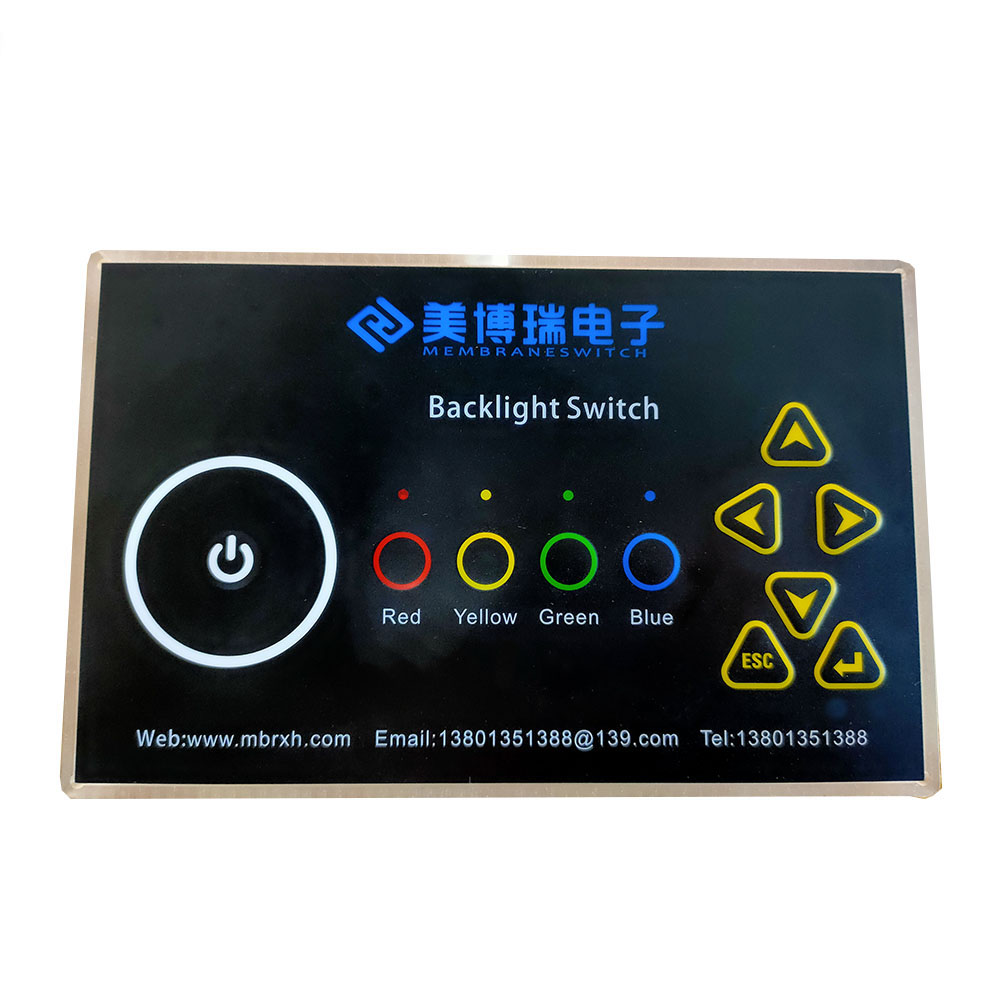
Engineered for extreme environmental exposure: high salt mist, continuous ultraviolet radiance, wide thermal fluctuations, and heavy mechanical tactile cycles.
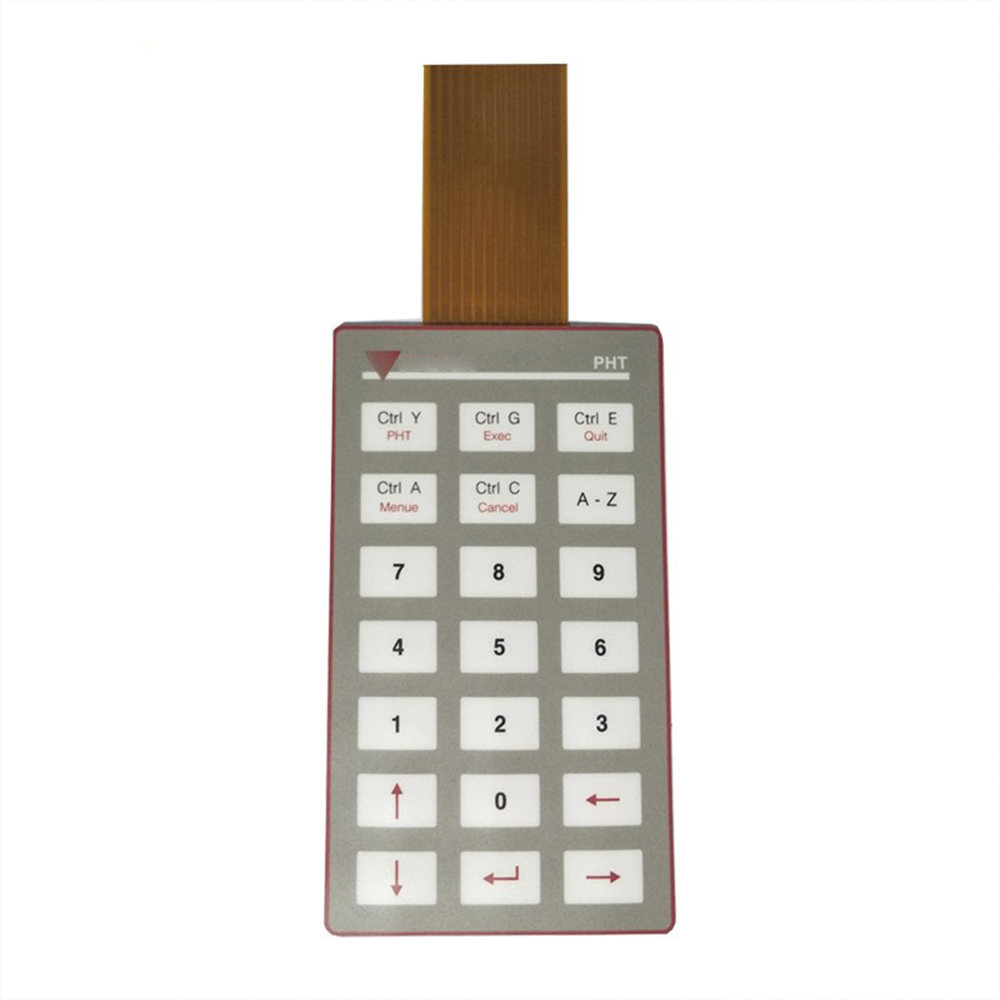
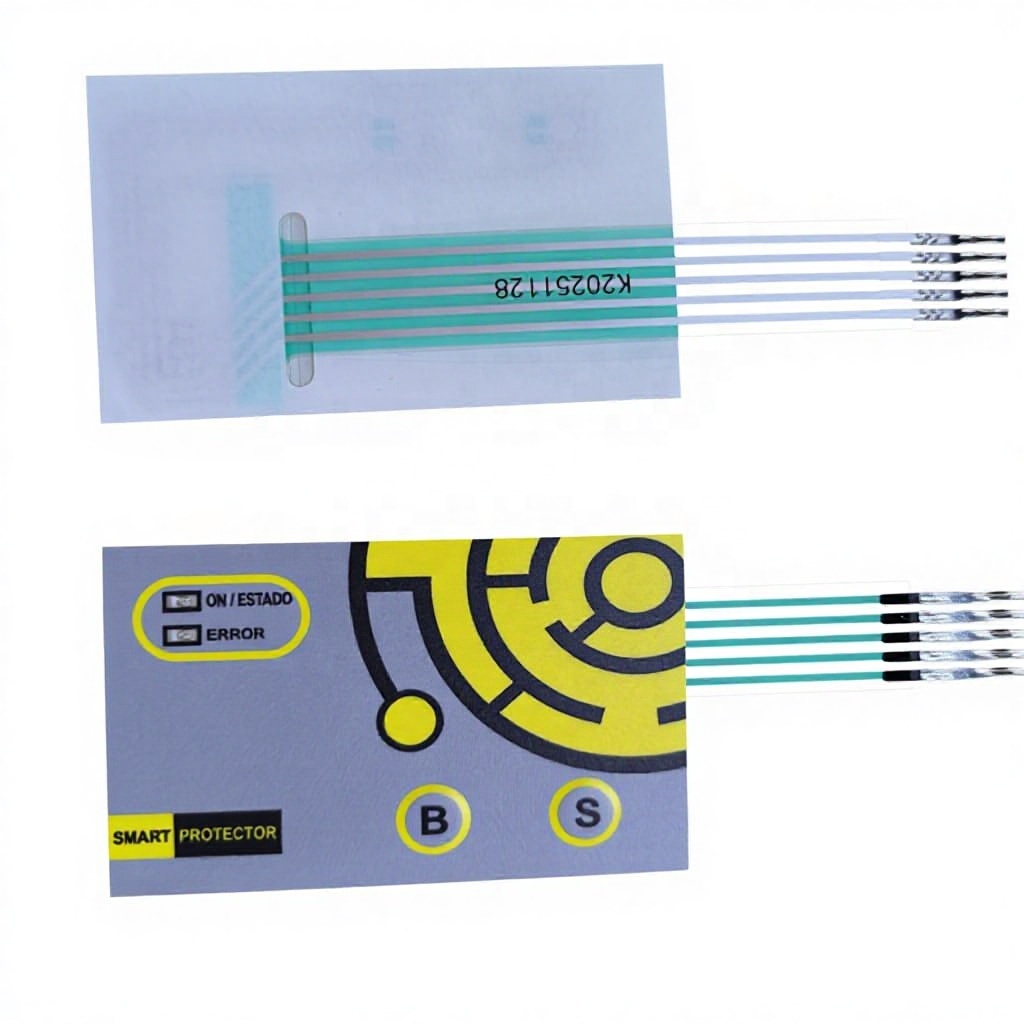
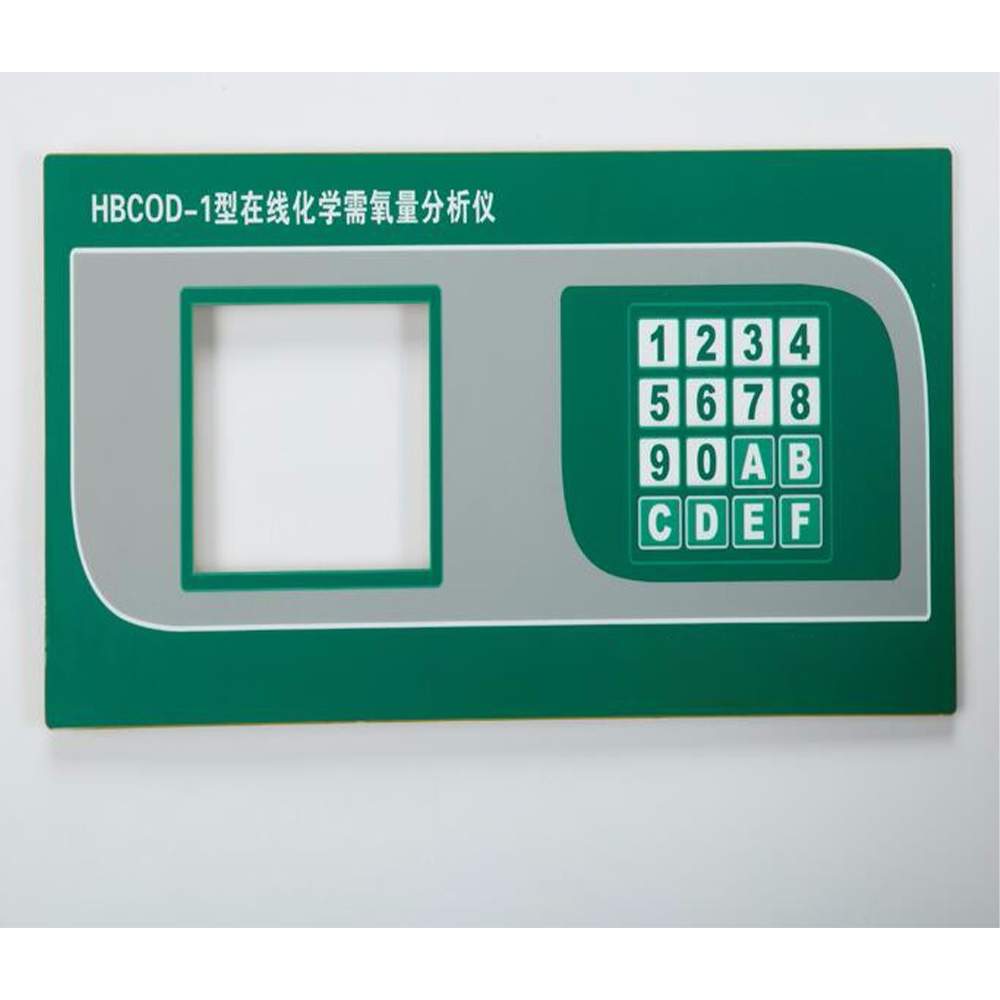
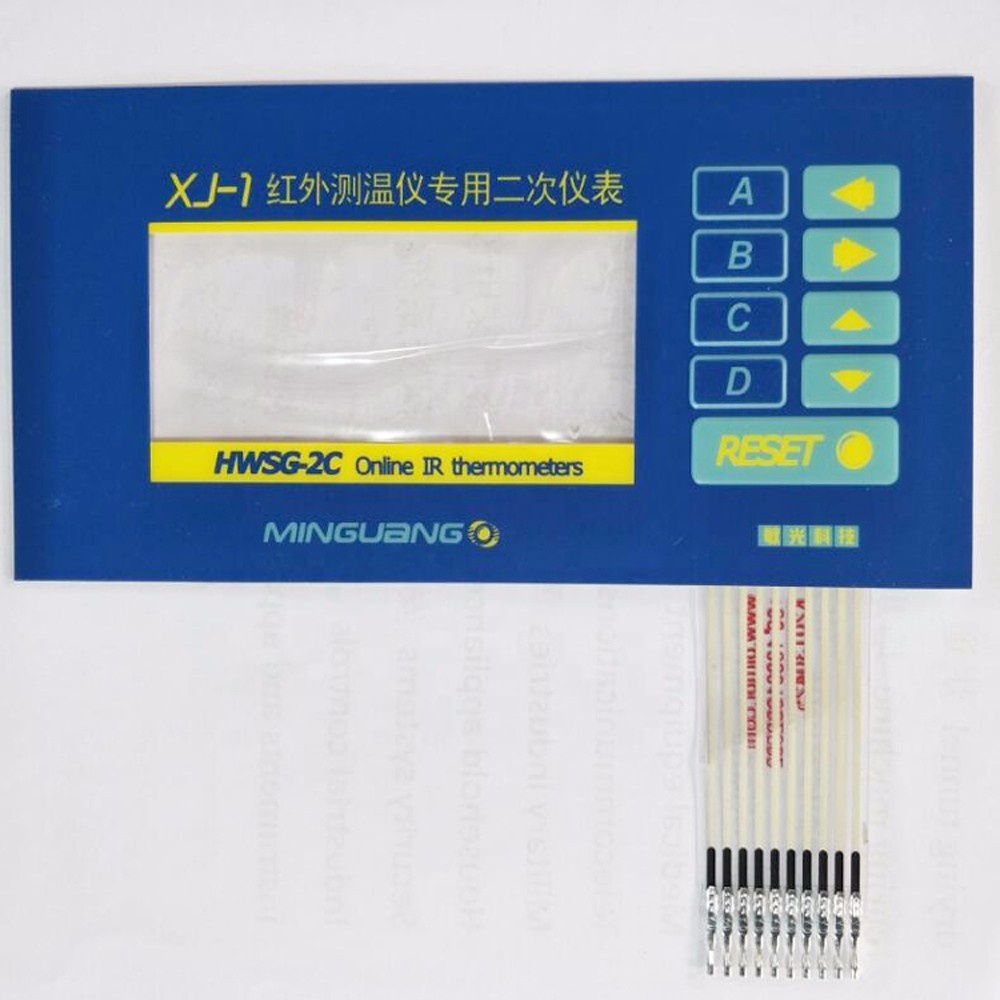
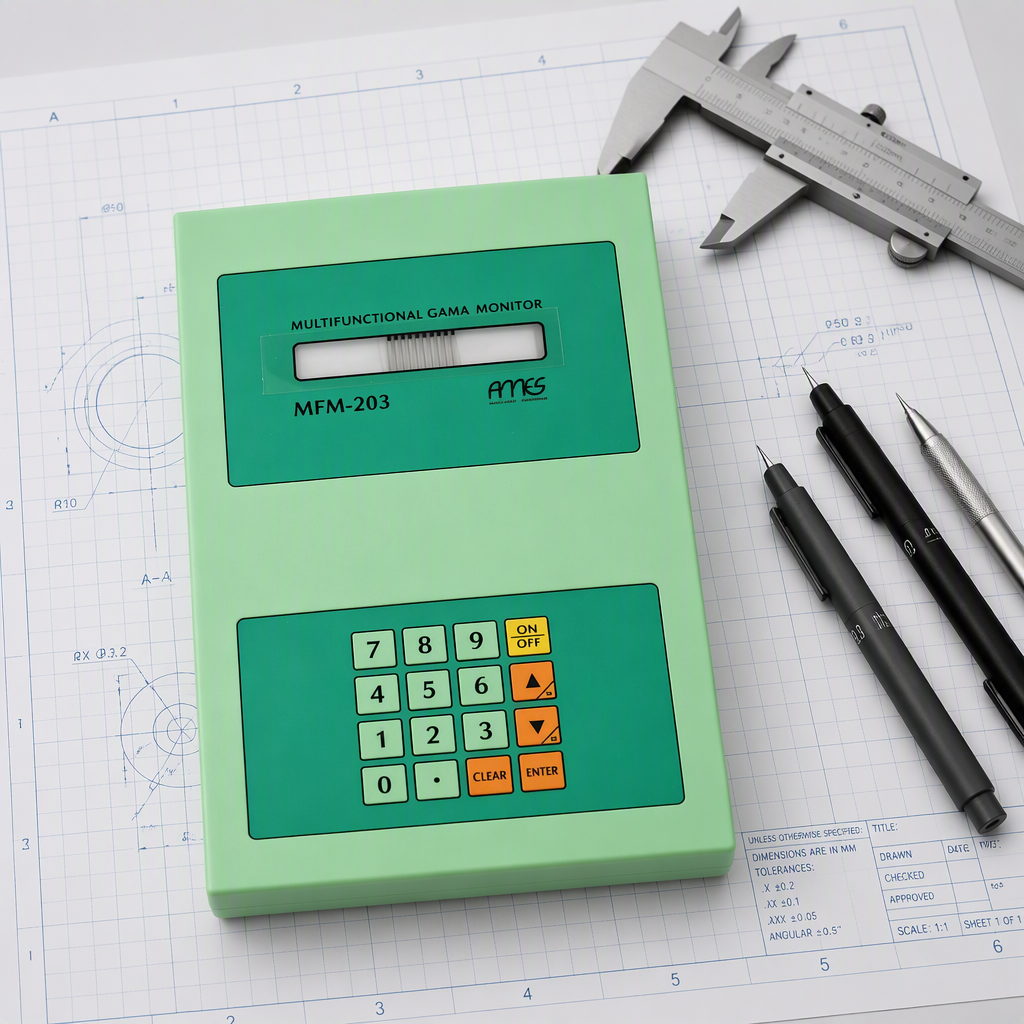
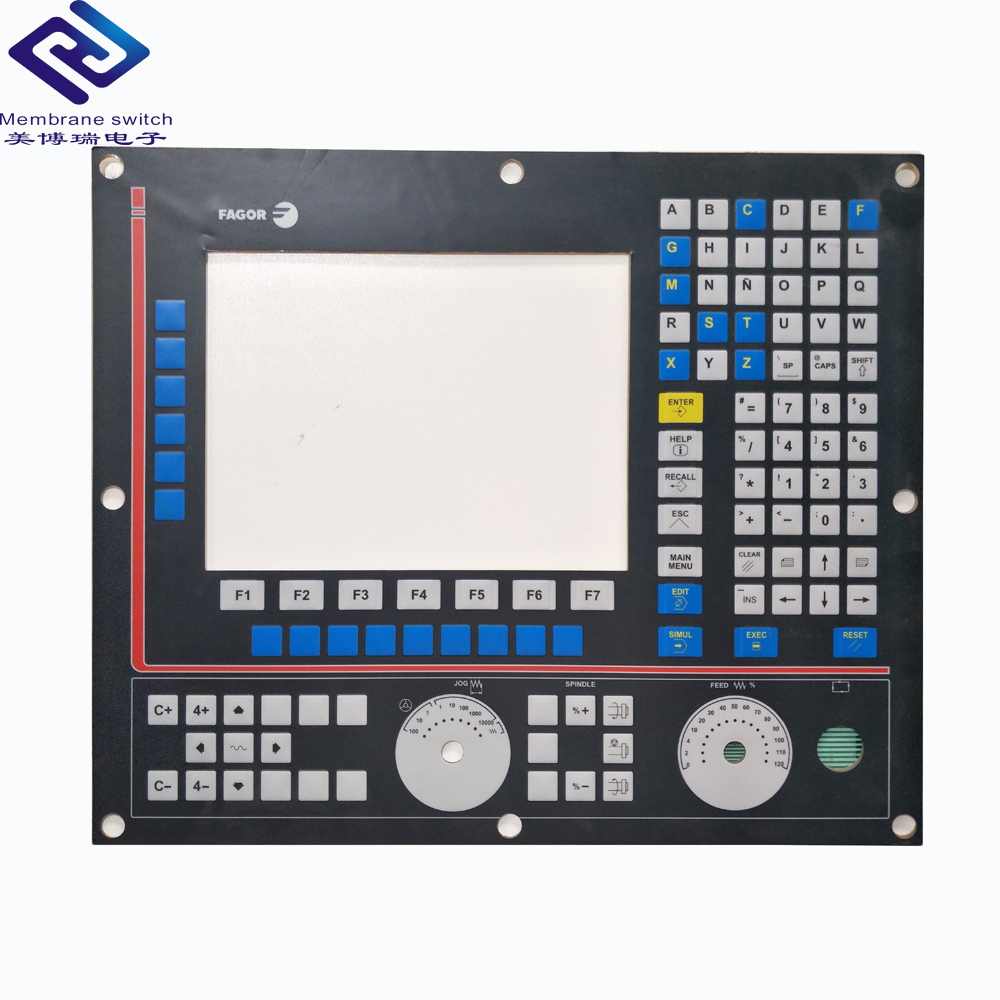
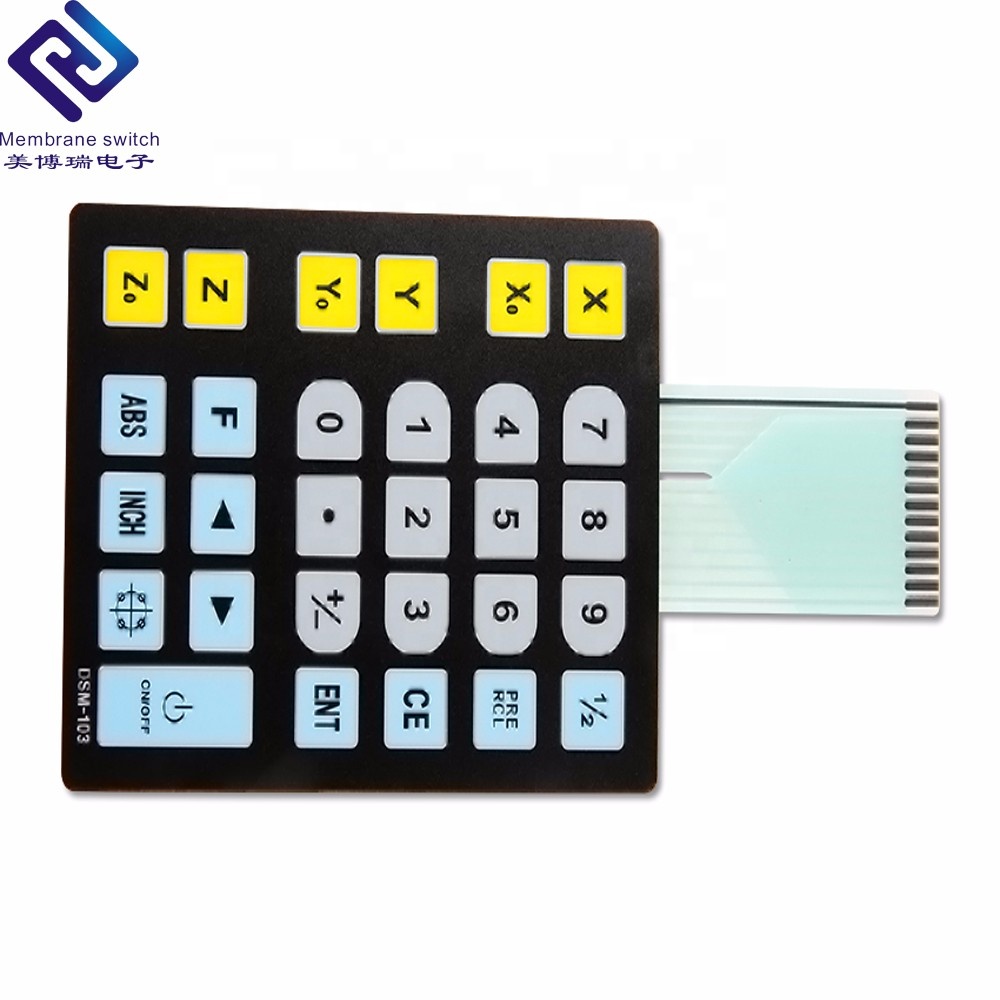
A rigorous examination of mechanical rigidity, electrostatic dissipation, and hermetic perimeter bonding in tropical, coastal, and high-salinity island deployments.
Traditional non-supported membrane switches depend entirely on host enclosures for planar stability. In maritime cockpits, dockside cranes, and utility monitoring installations, uneven structural compression causes localized micro-flexing, dome displacement, and adhesive fatigue. By integrating precision CNC-routed 5052-H32 aluminum, 6061-T6 temper plate, or 304/316 marine-grade stainless steel backer plates (0.8mm to 4.0mm thickness), our assemblies deliver absolute dimensional flatness, integrated threaded PEM studs, and zero cabinet deformation under rigorous mechanical load.
High-energy coastal installations, commercial diesel generator switchgear, and island telecommunications arrays operate in electrically noisy landscapes prone to high electrostatic discharge (ESD) and radio-frequency interference (RFI). Metal backer membrane switches manufactured in our facilities combine aluminum ground chassis coupling with vapor-deposited aluminum or selective carbon grid layers. This structural grounding shunts electrostatic surges up to 25kV safely to ground, completely protecting sensitive microprocessors and logic circuit buses.
In high-humidity subtropical conditions like the Commonwealth of The Bahamas, standard pressure-sensitive adhesives degrade when subjected to salt spray and thermal cycling. We implement closed-loop acrylic transfer adhesives (including 3M 467MP, 468MP, and VHB structural foams) along with hydrophobic boundary venting. The metal backer provides a uniform flat mating surface, enabling IP67 and NEMA 4X hermetic seals that isolate conductive silver traces and stainless steel snap domes from moisture penetration, liquid intrusion, and caustic cleaning agents.
| Engineering Parameter | Standard Non-Supported Membrane | FR4 PCB Backer Switch | TAVO Metal Backer (AL 5052 / SS 316) |
|---|---|---|---|
| Mechanical Rigidity | Zero (Relies 100% on host bezel) | Moderate (Subject to bow & warp >250mm) | Superior (CNC milled rigid alloy base) |
| Direct PEM Stud Integration | Not Possible | Limited (Requires soldered standoffs) | Native Clinch Studs & Blind Threaded Inserts |
| Salt-Fog & Chloride Resilience | Edge delamination risk >500 hrs | Copper trace oxidation on exposed edge | Surpasses 1,000 hrs ASTM B117 (Passivated/Anodized) |
| EMI/RFI Shielding Effectiveness | Low (<20 dB attenuation) | Good (Internal copper plane) | Optimal (>65 dB continuous metal barrier) |
| Thermal Heat Dissipation | Poor (<0.2 W/m·K) | Moderate (0.3 - 0.5 W/m·K) | High (138 - 205 W/m·K passive heat sinking) |
| Actuation Lifespan (Cycles) | 500,000 - 1,000,000 | 1,000,000 - 3,000,000 | >5,000,000 (With internal gold-plated tactile snap domes) |
Tailored HMI deployments meeting the exacting operational thresholds of island infrastructure, high-tonnage marine shipping, and utility automation.
Grand Bahama Shipyard and local commercial drydocks demand control panels impervious to sea spray and intense marine atmospheric pressure. Our 316-grade stainless steel backer membrane keypads operate uninterrupted on bridge navigation consoles, engine room telemetry stations, and hydraulic ballast controls.
Water and Sewerage Corporation installations across New Providence and the Family Islands utilize membrane panels subjected to constant chemical dosing and brine spray. We engineer chemical-resistant PET overlays backed by hard-anodized aluminum that completely isolate underlying silver circuits from chlorine and chemical fumes.
Electrical generation facilities and commercial island microgrids experience thermal extremes and high vibration. TAVO’s metal backer membrane switches integrate welded ground lugs and heavy aluminum support plates to eliminate mechanical resonance while functioning seamlessly between -30°C and +85°C.
Luxury resort facilities in Paradise Island and Cable Beach require ruggedized access control, commercial kitchen refrigeration interfaces, and outdoor guest terminal switch panels. Our tactile button membrane switches resist continuous sanitation washes and palm grease without graphic peeling or yellowing.
Remote island towers and radar guidance stations across the Bahamian archipelago operate autonomously in open-air, solar-irradiated conditions. We build copper-etched FPC membrane switches mounted to anodized aluminum structural panels with low contact resistance and zero trace migration.
Container terminal equipment at the Freeport Container Port requires switches built to survive heavy gloved hands, physical impacts, and hydraulic oil spills. Our hybrid metal dome keypads combine rigid metal backing plates with heavy-duty embossed graphic overlays for tactile certainty.
The transition from mechanical pushbutton switch arrays to intelligent, sealed, composite metal-backed HMI systems.
Caribbean industrial OEMs are shifting away from standalone buttons toward unified panels combining resistive or capacitive touch sensors with metal-backed mechanical membrane switches. Using OCA (Optically Clear Adhesive) vacuum bonding, display windows are laminated directly to metal chassis plates. This completely eliminates internal condensation, fogging, and air pockets that typically occur under high-humidity Bahamian morning ambient temperature drops.
Procuring separate display panels, PCBs, and harness wires is inefficient for island supply chains. The modern export trend is toward complete monolithic sub-assemblies: integrating surface-mount LEDs, resistors, buzzer drivers, and custom connectors directly onto the membrane switch substrate (via rigid FR4 backing or FPC flexible copper tracks), all mechanically anchored to an aerospace-grade aluminum backer ready for snap-in cabinet installation.
Solar-powered monitoring nodes and battery-backed marine vessels across the Out Islands require energy-efficient night operation. Traditional LED arrays produce hotspot glare and drain batteries quickly. By engineering Light Guide Film (LGF) layers into the membrane stack, two to four side-firing SMT LEDs disperse perfectly uniform light across complex keypad layouts, decreasing power draw by over 70% while improving nighttime legibility.
Decades of membrane interface innovation backed by audited facilities, European technology partnerships, and comprehensive in-house tooling.
We eliminate quality variance by keeping every single phase under one roof: CAD engineering, photolithography film output, precision screen printing (37 silkscreen printers), high-resolution Mimaki digital UV printing, embossing, laser cutting (18 units), CNC metal backer routing (60 mold-making machines), automated SMT assembly, and computerized circuit testing.
Our quality management system is strictly audited under ISO 9001, backed by on-site supplier verification through Intertek. We maintain long-term technical cooperation with a German membrane switch factory covering specialized tooling, equipment alignment, and engineering protocols, meeting the quality standards required by Siemens, ABB, and Haier.
Every custom production run is validated against mechanical and environmental wear. Our test lab houses computer-automated loop circuit testers, 5-million-cycle button actuation life units, programmable temperature & humidity chambers (-40°C to +150°C), xenon lamp UV aging chambers, and automatic salt fog corrosion testers.
Clear, direct technical and commercial answers for sourcing managers, procurement engineers, and system integrators.
Connect with our technical design team to review your CAD files, evaluate metal backer options, and calculate layer stackups tailored for the Bahamian climate.