ISO 9001 & Intertek Assessed OEM Integration
Molded Silicone Keypad Factories & Factory in the Heredia Market
Precision Engineering, Direct Factory Fabrication, and Ruggedized Human-Machine Interfaces Tailored for Costa Rica's Premier MedTech & Advanced Electronics Corridors
Engineered Switch Portfolio
High-Reliability Silicone & Membrane Interface Solutions
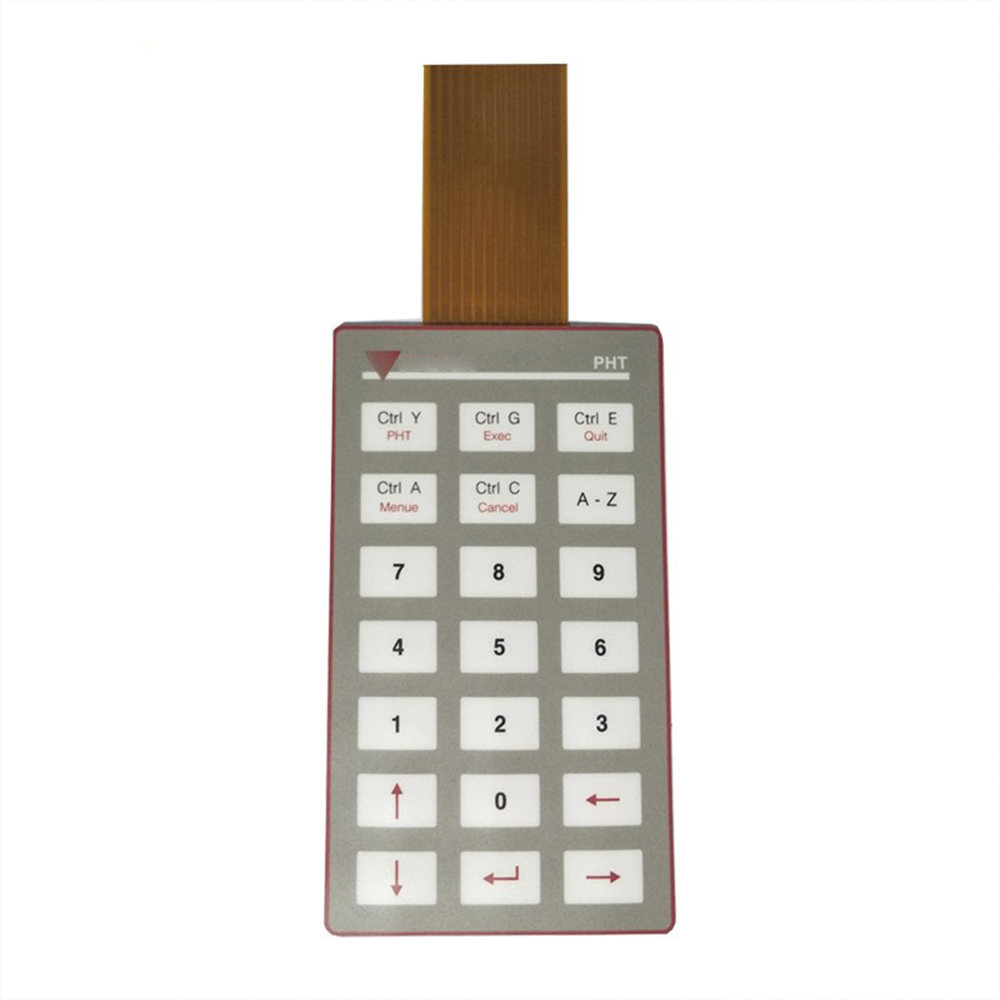
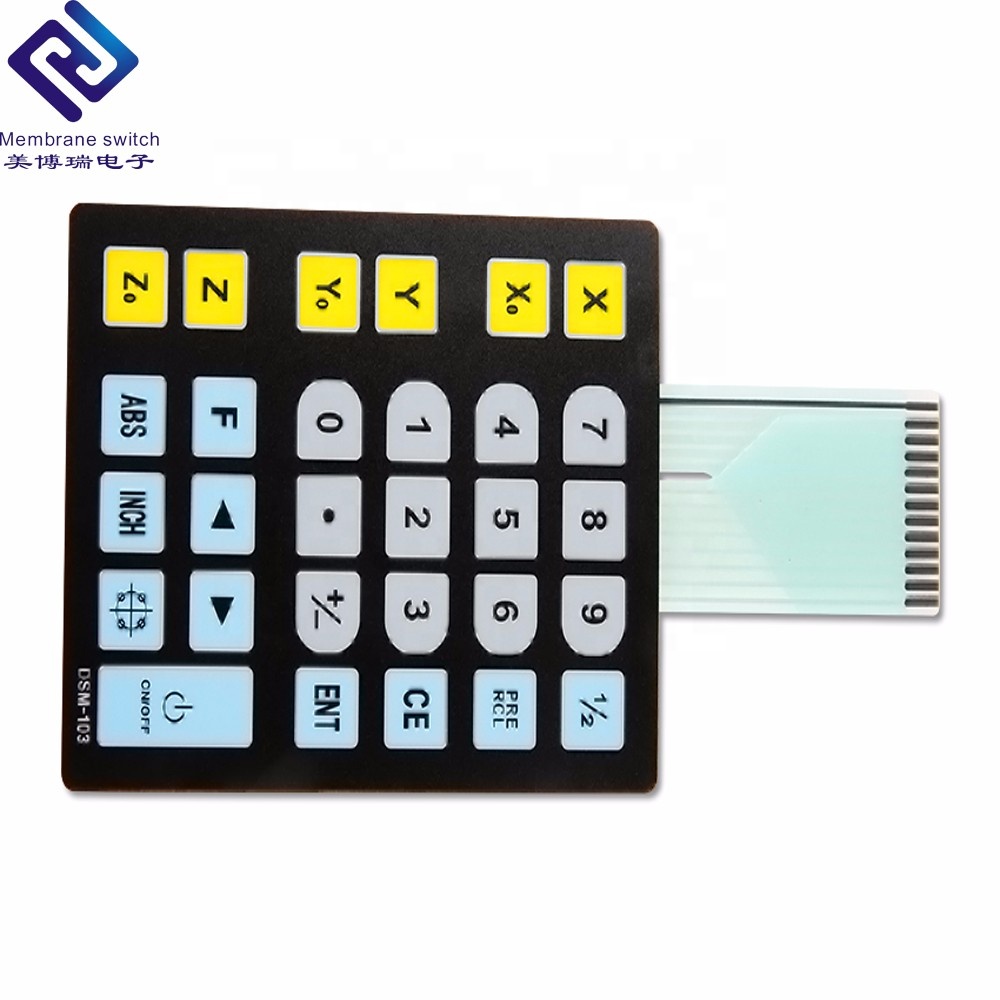
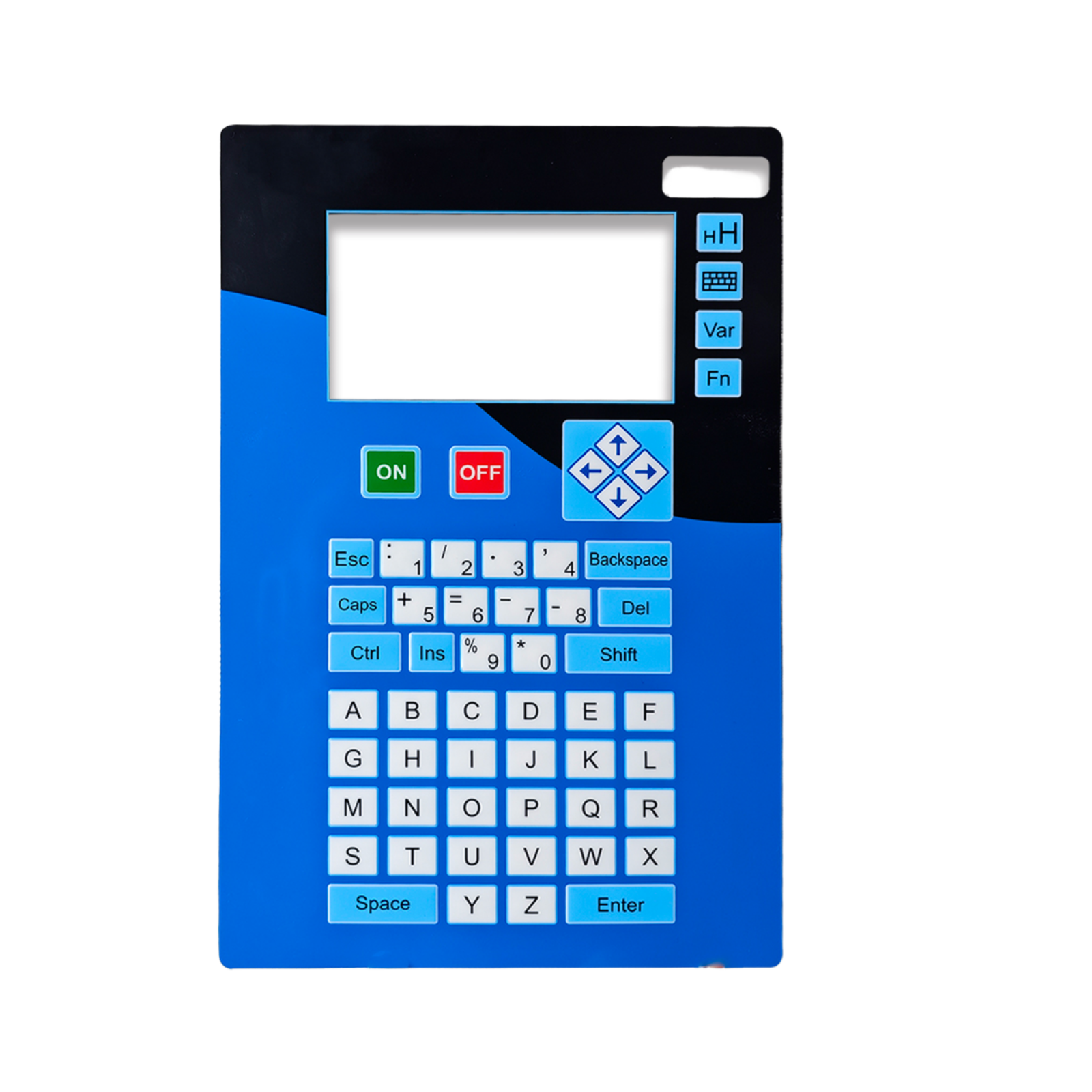
Manufactured using medical-grade elastomers, precision conductive pills, and environmental sealing compliant with IP67/NEMA 4X ingress protection standards.
Technical Whitepaper Insight
Engineering Molded Silicone Keypads for Heredia’s Export Hubs
A deep dive into compression molding tooling, durometer customization, and climatic adaptation for Costa Rica’s Global Park and UltraPARK industrial corridors.
The province of Heredia has solidified its position as Costa Rica's Silicon Valley and the epicenter of Central America's high-technology export ecosystem. Driven by major Free Trade Zones (Zona Franca) such as Global Park, UltraPARK I & II, and America Free Zone (AFZ), the Heredia market generates extraordinary demand for high-reliability Human-Machine Interface (HMI) assemblies. Unlike standard consumer electronics, industrial controllers, surgical equipment, diagnostic apparatus, and aerospace subassemblies manufactured within Heredia require molded silicone rubber keypads capable of withstanding stringent sterilization cycles, high humidity, continuous mechanical cycling, and chemical exposure.
Sourcing directly from experienced molded silicone keypad factories provides engineers in Heredia with decisive structural, tactile, and electrical advantages. Silicone elastomer (polydimethylsiloxane) possesses inherent thermal stability from -40°C to +200°C, natural water repellency, and high dielectric strength. When paired with advanced backlighting (LGF - Light Guide Film or integrated LEDs), graphic dead-fronting, conductive carbon pills, or gold-plated metal dome actuation arrays, molded silicone serves as both an environmental sealing gasket and an ergonomically refined input surface.
Material Formulations & Shore Durometers
Keypad tactile feel depends on web angle, thickness, and elastomer hardness. Direct molding capabilities allow precise Shore A optimization:
- 30° to 45° Shore A: Soft, cushioned tactile response common in surgical consoles and handheld monitoring gear.
- 50° to 60° Shore A: Industry standard actuation providing 100g to 350g actuation forces with positive snap ratios (40%-60%).
- 70° to 80° Shore A: Stiff, robust webbing engineered for heavy industrial controllers and vibration-heavy railway equipment.
Hermetic Ingress Protection (IP67/IP68)
Tropical microclimates across the Greater Metropolitan Area (GAM) require uncompromising ingress mitigation against moisture and fungal growth:
- Perimeter Sealing Ribs: Integrated compression beads eliminating secondary die-cut gaskets.
- Laser-Etched Backlight Windows: Translucent silicone spray-coated with dual-layer opaque PU inks before laser ablation.
- Parylene & PU Hard-Coats: Chemical vapor deposition barriers preventing swelling from isopropyl alcohol (IPA) wipe-downs.
Contact Technologies & Resistance Targets
Circuit closure integrity must meet micro-amp logic inputs or higher-current relay control configurations:
- Conductive Carbon Pills: Low-cost, highly durable contacts providing <150 Ω resistance, tested beyond 5 million actuations.
- Gold-Coated Silicone Contacts: Low contact resistance (<10 Ω) designed for sensitive low-voltage microprocessor buses.
- Direct-Acting Metal Domes: Integrated beneath the silicone web to provide crisp tactile snap and audible feedback.
Specification Matrix
Molded Silicone vs. Alternative HMI Technologies
A side-by-side engineering breakdown for procurement teams and systems architects in Heredia evaluating component lifecycles.
| Performance Characteristic | Molded Silicone Keypad + Carbon Pill | Standard Membrane Switch (PET Dome) | Mechanical Discrete Switches |
|---|---|---|---|
| Life Cycle Actuations | 1,000,000 to 10,000,000 cycles | 500,000 to 1,000,000 cycles | 50,000,000+ cycles (High Cost) |
| Environmental Enclosure Sealing | IP67/IP68 Seamless Gasket Function | IP65 (Dependent on Perimeter Adhesive) | IP40 (Requires Complex Front Bezels) |
| Chemical & IPA Disinfection | Exceptional (with PU or Parylene Coating) | Moderate (Depends on Hard-coated PET) | Poor (Liquid seepage through stem openings) |
| 3D Geometry & Ergonomics | Unlimited (Compound curves, rocker keys) | Flat to lightly embossed (0.3mm–0.5mm) | Fixed rectangular or square keycaps |
| Backlighting Flexibility | LGF, Through-Key Illumination, Laser Etching | SMT LED or Diffused Fiber Sheet | Single-point per-key LED only |
| Tooling Investment | Moderate (CNC Steel/Aluminum Compression Mold) | Low (Steel Rule Die & Screen Tooling) | High (Multi-cavity Plastic Injection Molds) |
Regional Ecosystem
Keypad Applications Across Heredia’s Leading Industrial Sectors
Enabling foreign multinational OEMs and domestic engineering contractors in Costa Rica to achieve superior HMI reliability.
Medical Device Sub-Assemblies
Costa Rica is Latin America’s top exporter of medical technology. Keypad requirements inside Heredia’s cleanrooms include:
- Autoclave-resistant and bleach-cleanable user interfaces for infusion pumps and enteral feeding systems.
- Antimicrobial silicone formulations preventing pathogen colonization in intensive care unit (ICU) monitors.
- Biocompatible raw materials meeting ISO 10993 cytotoxicity and skin irritation standards.
Industrial Automation & Process Monitoring
Facilities across San Antonio de Belén and central Heredia leverage automated packaging and processing lines:
- Direct integration with Programmable Logic Controllers (PLCs) via rugged FPC copper flex circuits.
- High tactile feedback (300g–500g force) allowing operators wearing heavy nitrile or leather gloves to actuate buttons reliably.
- Integrated aluminum metal backer plates providing structural rigidity in high-vibration machining setups.
Smart Grid & Telecom Field Units
National energy initiatives and Central American telecommunications deployments require outdoor resilient controls:
- UV-stabilized silicone compounds preventing key yellowing, chalking, and brittleness under intense equatorial solar radiation.
- Wide operational temperature capabilities (-40°C to +85°C) for remote telecommunication repeater towers.
- Electromagnetic interference (EMI) shielding via carbon backing grids or embedded aluminum foil ground planes.
Verified Factory Heritage
Why Tier-1 Global OEMs Source Directly from Us
Decades of continuous tooling innovation, in-house automation, and world-class testing labs assure uncompromising quality.
1990
Engineering Heritage Since
111+
Verified Technical Staff
2,219㎡
Production Cleanroom Space
1M+ Pcs
Annual Export to US & EU
Complete In-House Tooling & Mold Making
No external dependencies or delayed design cycles. Every stage of manufacturing remains enclosed within our facilities:
- 60 CNC Mold-Making Centers: Rapid prototype tooling produced in 5–7 business days.
- 37 Silkscreen Printers & 4 Mimaki Digital Systems: Hyper-precise alignment for multi-color keys.
- 18 Precision Laser Cutters & 7 Engravers: Accurate perimeter routing within ±0.05mm tolerances.
Audited Credibility & Global Standards
Certified by independent testing bodies to ensure seamless vendor qualification for procurement teams:
- ISO 9001:2015 Registered: End-to-end quality tracking from raw silicone compound lot to final crating.
- Onsite Assessed by Intertek: Verification of workplace compliance, capacity, and test rigor.
- German Technical Cooperation: Direct alignment with European machining standards and tooling tolerances.
Full-Spectrum Reliability Testing Lab
Before leaving the production floor, batches undergo comprehensive automated stress testing:
- Programmable Temp & Humidity Chambers: Verified under 85°C / 85% RH climatic exposure.
- Automated Salt Fog Chambers: ASTM B117 corrosion verification for coastal and humid logistics.
- Xenon Arc UV Chambers & Actuation Testers: Mechanical fatigue confirmation past 5 million strokes.
Future Engineering Trends
Nearshoring & Technology Shifts in the Heredia Market
How the shifting geopolitical supply chain is reshaping component procurement for Costa Rican operations.
Nearshoring Acceleration
Multinationals with medical and electronic manufacturing hubs in Heredia are diversifying component supply chains. By establishing direct contracts with high-capacity Asian factories that offer rapid air-freight fulfillment to Juan Santamaría International Airport (SJO), purchasing managers eliminate distributor markups while securing dedicated production buffers.
Capacitive & Silicone Hybrids
Traditional HMIs are merging with modern aesthetics. Instead of flat glass touchscreens that fail under accidental impact, engineers are selecting contoured molded silicone covers mechanically coupled to capacitive touch sensor arrays, marrying sleek tactile comfort with digital switching reliability.
Light Guide Film (LGF) Integration
Modern clinical and military field consoles demand precise night-vision backlighting without bulky bulb clusters. Micro-etched LGF layers embedded within silicone keypads distribute light from a minimal number of side-firing SMT LEDs evenly across complex numeric and graphical arrays, dramatically cutting power draw.
Procurement Intelligence
Frequently Asked Questions by Heredia Buyers
Direct answers covering trade logistics, technical specifications, and Free Trade Zone customs clearance.
How are molded silicone keypad shipments handled for companies operating in Heredia Free Trade Zones (Zona Franca)?
Shipments bound for companies in Global Park, UltraPARK, or AFZ under Costa Rica’s PROCOMER Free Trade Regime are shipped under standard Incoterms (typically FOB, CIF, or DDP air freight to SJO Airport). We provide comprehensive commercial invoices, packing lists with Harmonized System (HS) codes (such as HS 8537.10 or 8538.90), and Certificates of Origin. This documentation enables customs brokers in Heredia to process duty-exempt clearances smoothly under the Free Zone decree.
What engineering files and specifications are required to initiate custom mold tooling?
To generate tooling and prototype quotation drawings, our design office requires a 3D CAD model (STEP, IGES, or SolidWorks) outlining keycap profiles, stroke travel, and web geometry, alongside a 2D drawing (PDF or DXF) indicating tolerances, Shore A durometer, contact pill resistance (<150 Ω), Pantone/RAL color codes, and any laser-etching or backlighting graphic layouts. Our engineering department reviews these files and returns complete Design for Manufacturability (DFM) feedback within 24 hours.
Can you manufacture low-volume prototypes for pilot validation runs?
Yes. Unlike large-scale commodity molders who mandate tens of thousands of units, our dual-facility setup (Hebei and Huizhou) operates agile pilot lines. We routinely build sample tooling for 50 to 500 prototype pieces, enabling R&D engineering teams in Heredia to execute mechanical testing, PCB fit-checks, and clinical validation before committing to high-volume multi-cavity production tooling.
How does silicone keypad sealing perform in Costa Rica's high relative humidity?
Silicone is naturally hydrophobic and chemically inert, making it impervious to moisture degradation. To guarantee complete ingress protection for internal circuitry, our keypads incorporate continuous outer compression rims and tongue-and-groove bezel perimeter seals rated up to IP67/IP68. In addition, internal contact pills are hermetically isolated when the keypad is compressed onto the circuit board, preventing oxidation from ambient moisture.
What surface treatments are available to prevent graphic wear and chemical degradation?
We provide three advanced protective surface treatments: (1) Matte Polyurethane (PU) coating, which delivers an anti-friction, velvet touch while guarding legends against finger oil; (2) High-durability Epoxy tops, which form a hard, glassy 3D dome over key legends for superior abrasion resistance; and (3) Parylene chemical vapor deposition, which creates a pinhole-free barrier highly resistant to harsh hospital disinfectants, alcohols, and caustic industrial wash-down chemicals.
What are your standard lead times for custom tooling and mass production delivery?
Standard prototype compression mold fabrication typically requires 12 to 15 business days, with first-article sample parts air-couriered immediately for client sign-off. Upon pilot approval, mass production orders are typically processed and tested within 15 to 20 business days, depending on batch quantity and secondary processes like laser etching or FPC bonding. Air shipments to San José, Costa Rica (SJO) average 4 to 7 transit days.
Initiate Your Custom Keypad Project for the Heredia Market
Partner directly with an ISO 9001 certified manufacturer. Connect with our technical engineering group today to review your 2D/3D CAD drawings, evaluate material specifications, and obtain competitive factory pricing.
Get a Quote