Offshore-Ready Molded Keypads & Integrated Membrane Assemblies
Built to endure North Sea saline mist, continuous hydraulic vibrations, and broad thermal swings (-40°C to +150°C).
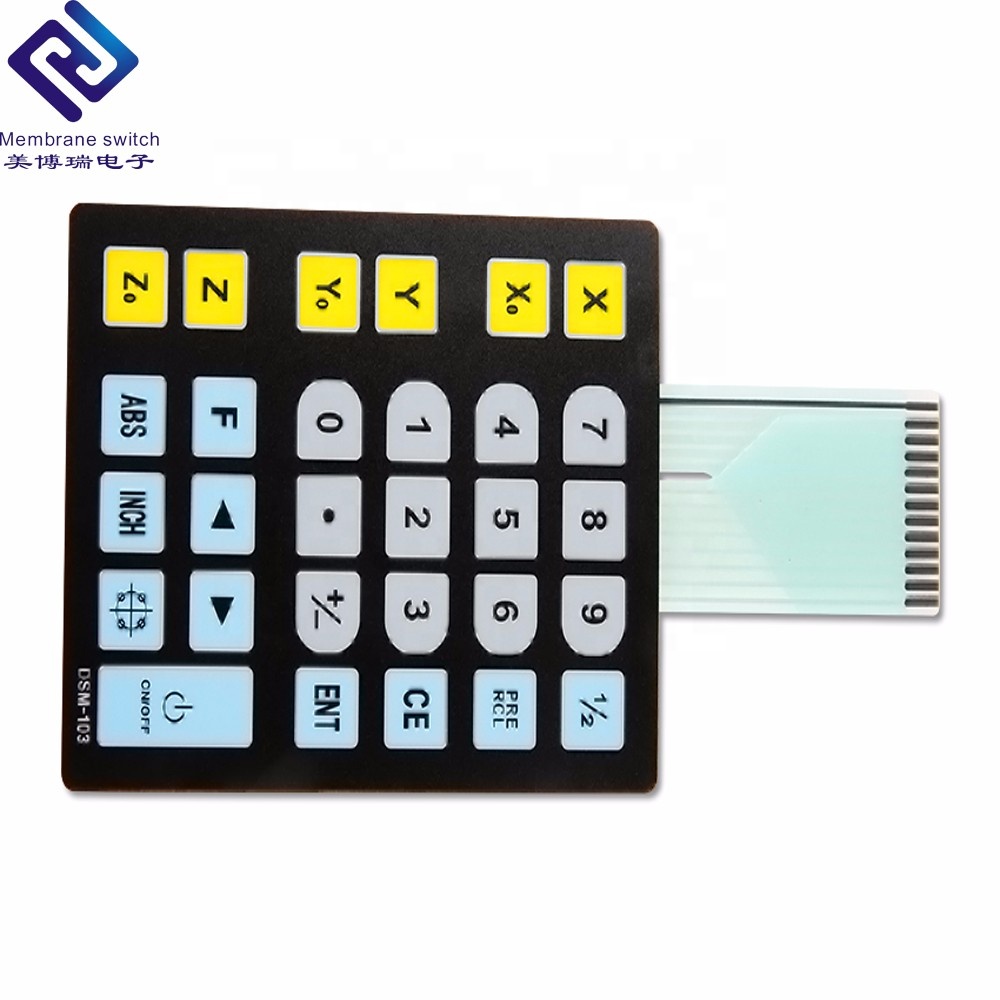
MBR High Quality IP67 Waterproof 3M Adhesive Flexible Cable Membrane Keypad PVC/PET/PC Dome Buttons Telecommunication Keypad
Inquire Now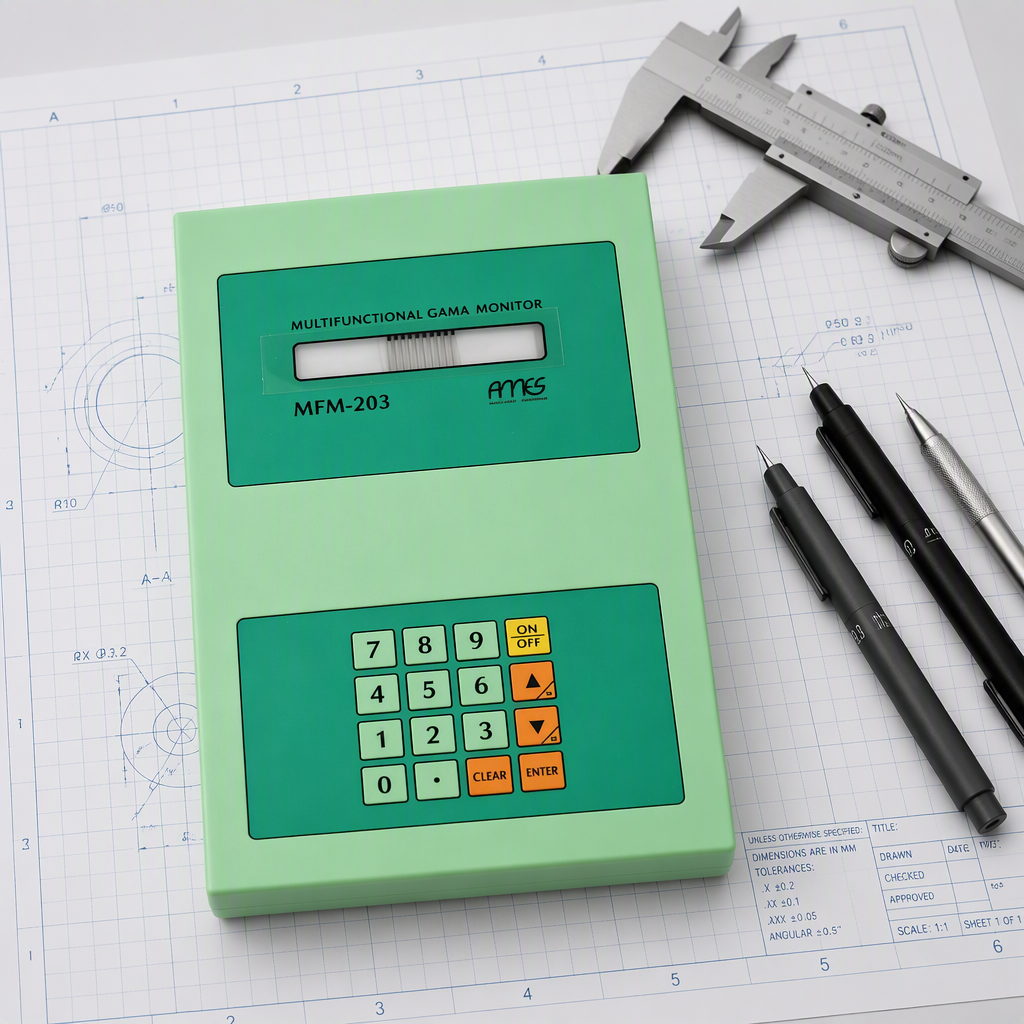
MBR IP67 Waterproof Industrial Membrane Keyboard PET Overlay for Telecommunication Equipment (OEM/ODM Model)
Inquire Now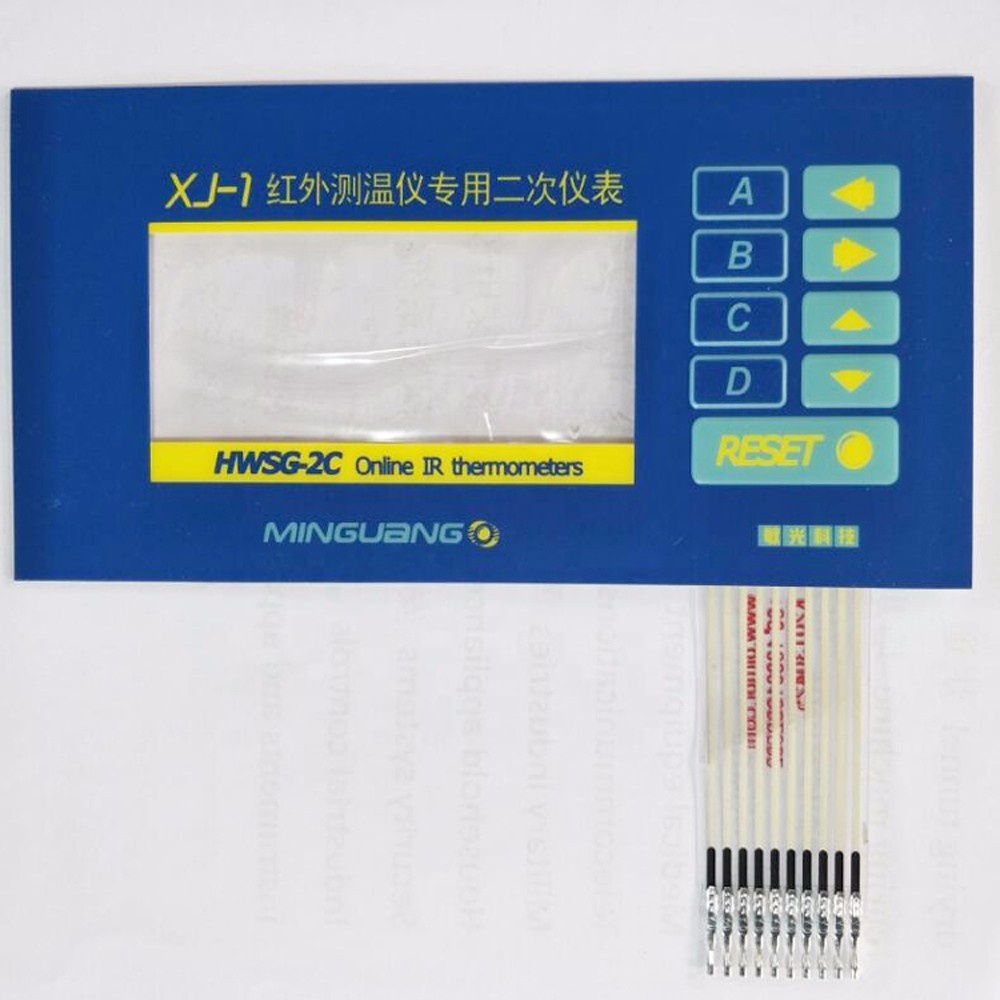
Fast Delivery OEM PBT Keyboard Cap Mechanical Switch Compatible Silkscreen Printed 2.54mm Pitch ISO Certified Factory Direct
Inquire Now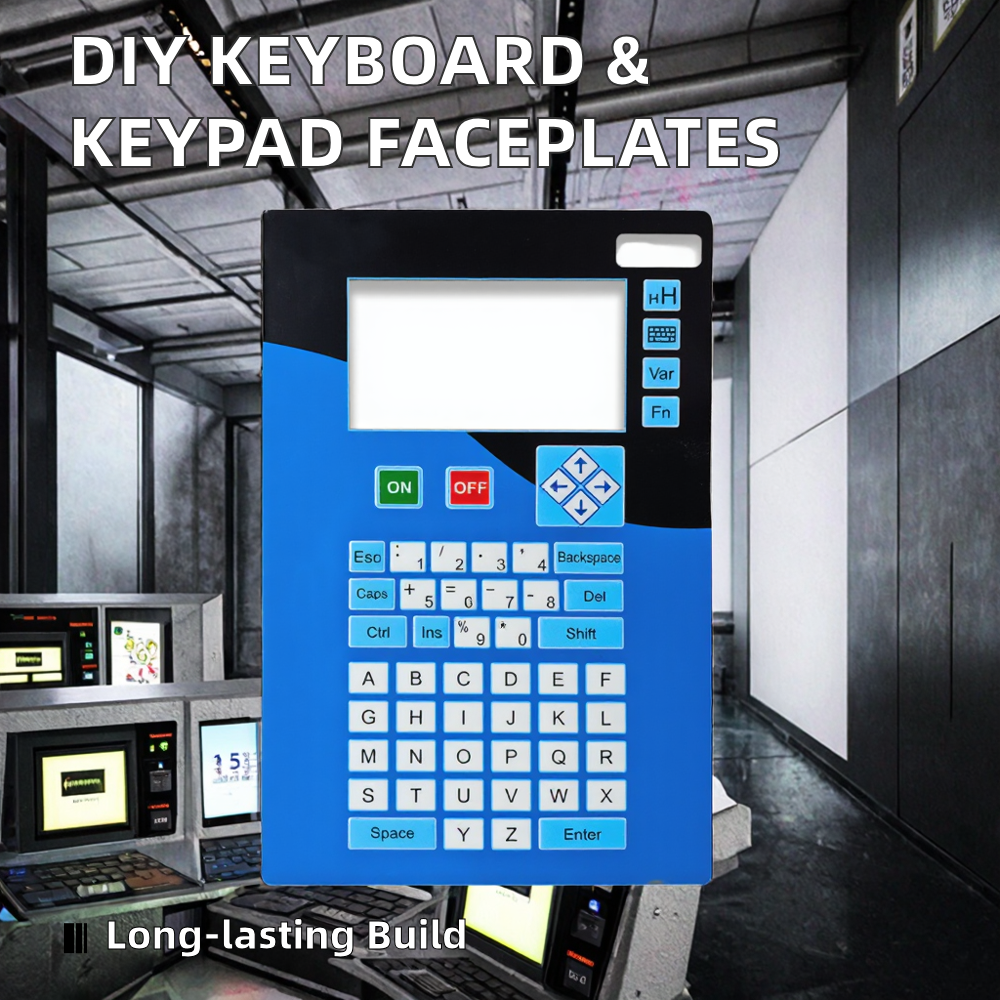
Custom Embossed Tactile Key Membrane Switch/Keypad/Keyboard Backlight LED Water-proof Panel Mounting ISO9001 Certified
Inquire Now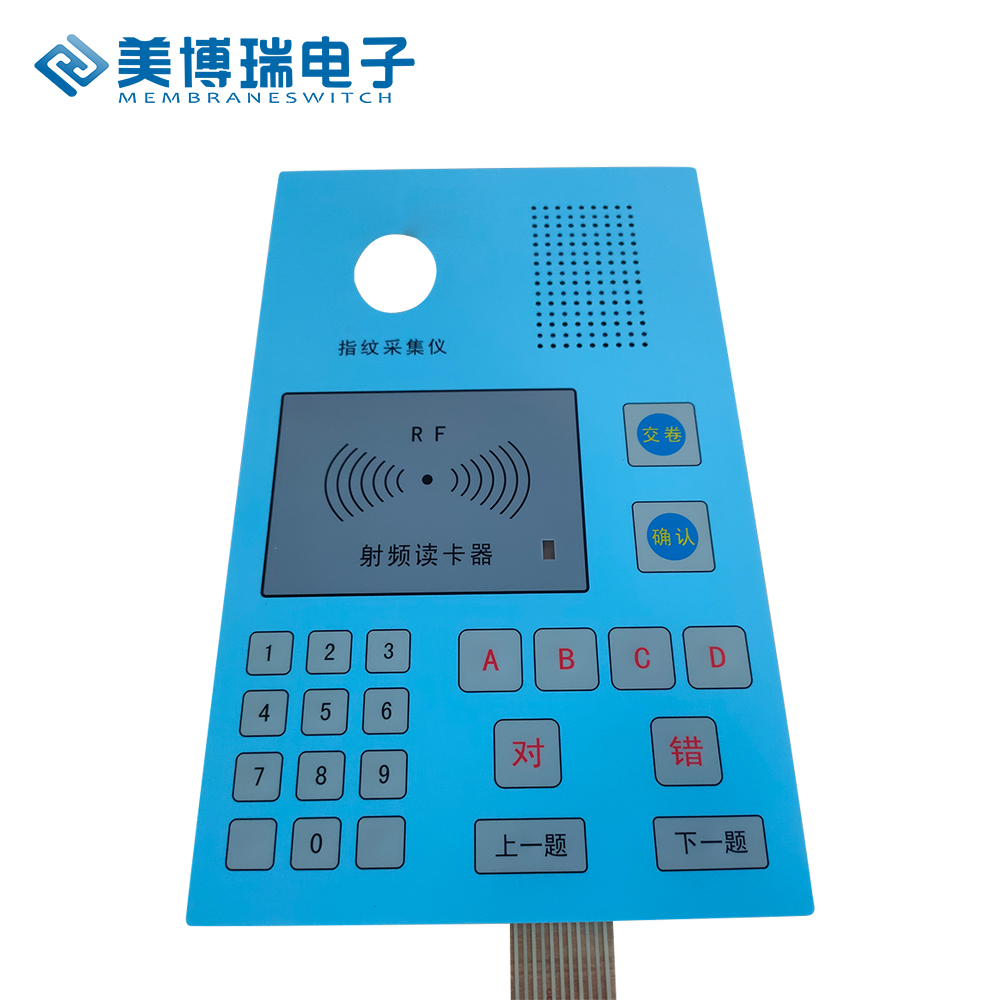
MBR ISO9001 Certified Environmentally Sealed Membrane Switches Keypad IP65 Waterproof 3M Adhesive Silver Ink Keyboard PET/PC/PVC
Inquire Now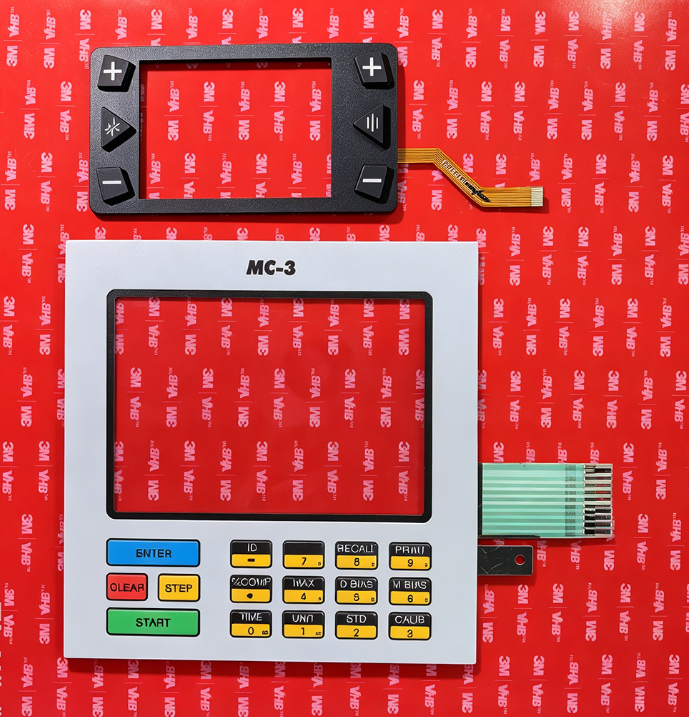
MBR High Quality IP67 Waterproof 3M Adhesive Flexible Cable Membrane Keypad PVC/PET/PC Dome Buttons Custom Cable Length Keypad
Inquire Now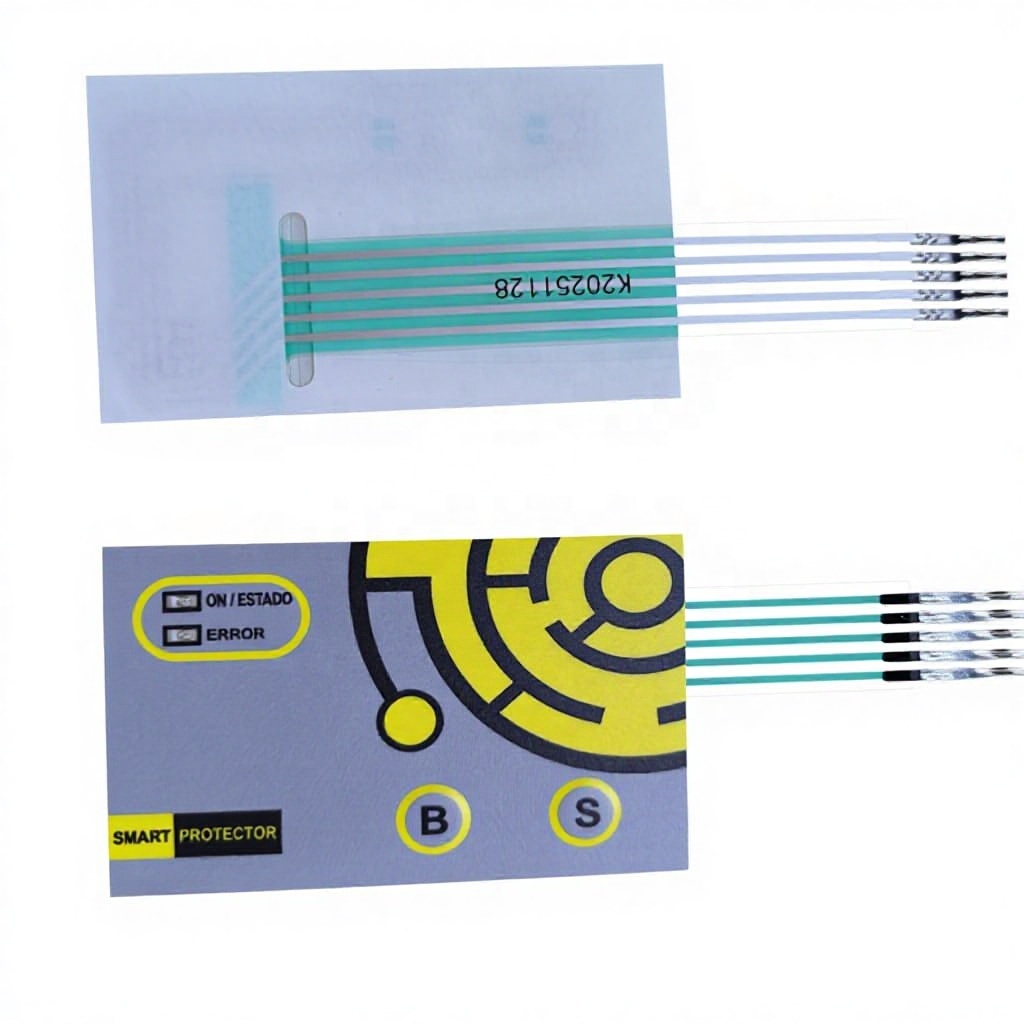
Fast Delivery OEM Waterproof Membrane Keyboard PBT Keyboard Cap Mechanical Switch Compatible Factory Direct Supply Free Sample
Inquire Now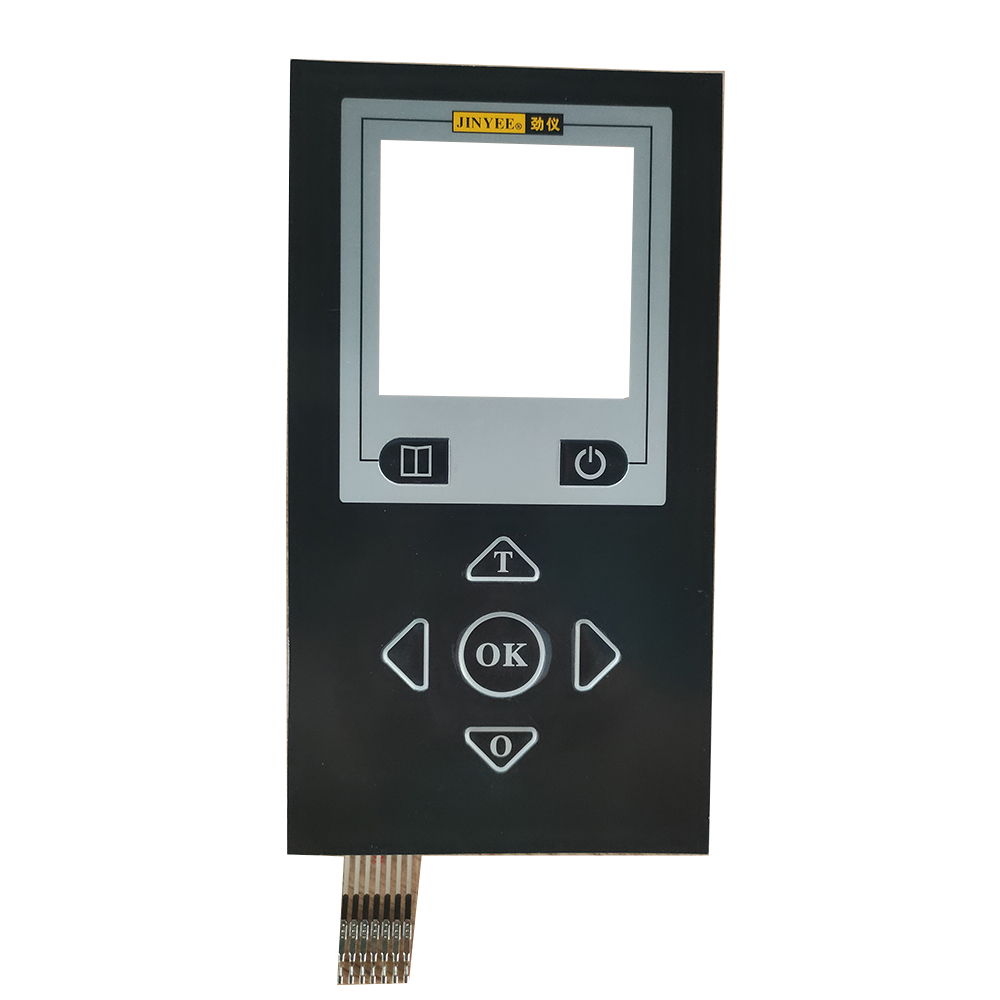
MBR IP67 Waterproof Industrial Membrane Keyboard with PET Overlay for Telecommunication Equipment (CN OEM/ODM Model)
Inquire NowMeeting Rogaland's Extreme Industrial Operational Thresholds
Why maritime engineering, ROVs, subsea monitoring, and oil exploration hubs in Stavanger require superior silicone elastomer formulation.
As Europe’s preeminent offshore energy capital, the greater Stavanger industrial cluster—encompassing Tananger, Forus, Dusavik, and Randaberg—imposes the globe’s most demanding mechanical and environmental requirements on Human-Machine Interfaces (HMIs). Unlike generic commercial human-interface devices, field control units deployed on semi-submersible drilling platforms, offshore wind substations, and Autonomous Underwater Vehicles (AUVs) face unrelenting degradation drivers: high-velocity saline airborne sprays, broad thermal cyclical shifts, constant dynamic vibration, ultraviolet radiation, and aggressive exposure to drilling muds, aliphatic esters, and cleaning degreasers.
TAVO engineers high-consistency rubber (HCR) and liquid silicone rubber (LSR) keypads custom-molded to eliminate common field failures such as snap-ratio degradation, contact bounce anomalies, and elastomer hardening under cryogenic North Sea conditions. By incorporating conductive carbon pill vulcanization directly into the silicone base or over-molding elastomeric skins over metal-dome FPC backbones, we provide Scandinavian instrumentation OEMs with unified, hermetically sealed input modules that eliminate micro-voids where saline condensate could trigger short circuits.
Offshore Topside & Drill Floor Controls
Dynamic driller consoles, mud-pump control cabinets, and crane interface pods deployed on North Sea rigs. Designed with laser-etched translucent legends, integrated backlighting, and high-durometer keytops enabling crisp tactile discrimination even when operators wear heavy neoprene protective gloves.
Subsea Robotics & ROV Surface Stations
Tele-operation control surfaces, subsea valve actuator diagnostic panels, and acoustic transponder programmers. Utilizing low-resistance gold-plated contact matrices or high-durability carbon contacts delivering sub-100-ohm loop resistance and verified resistance to high hydraulic vibration profiles.
Offshore Wind Substation SCADA Panels
HVDC converter platforms and floating offshore wind turbines require long-term maintenance-free operation. Keypads feature high UV-blocking top coatings, flame-retardant silicone according to UL94-V0 compliance, and continuous sealing gaskets that prevent micro-particulate infiltration.
Cross-Sectional Elastomer Architecture & Reliability Engineering
Optimizing durometer, actuation curve, and contact integrity for mission-critical deployments.
Precision compression molding of silicone keypads involves tight control over polymer curing dynamics, tooling shrink rates, and membrane webbing geometry. The ergonomic feel and fatigue life of an elastomeric switch are determined by its actuation stroke, tactile snap ratio, and actuation angle. In Stavanger's offshore automation sector, an ambiguous click leads directly to input hesitation or incorrect commands under emergency operations.
Our tooling design utilizes multi-axis CNC machines to achieve micron-level accuracy across mold cavities. Webbing thickness is tuned between 0.35mm and 0.55mm with a targeted snap ratio between 45% and 60%, delivering an unmistakable mechanical drop-off and instant elastic rebound. Below is the structural and environmental tolerance baseline integrated into our export assemblies for northern European distributors:
| Physical / Chemical Property | Standard Silicone Baseline | TAVO Marine & Offshore Grade Solution | Testing & Compliance Protocol |
|---|---|---|---|
| Operating Temperature | -20°C to +80°C | -45°C to +160°C continuous | Programmable thermal cycle testing (500 hrs) |
| Actuation Life Expectancy | 300,000 to 500,000 cycles | > 1,000,000 to 3,000,000 cycles | Automated pneumatic button-stroke endurance test |
| Contact Resistance | < 200 Ω (Carbon Pill) | < 50 Ω (Low-Ohm Pill) / < 1 Ω (Gold Dome) | Computer-controlled continuity loop verification |
| Corrosive Salt Spray Resistance | 24 to 48 Hours | 96 to 240 Hours (Continuous Salt Fog) | ASTM B117 / IEC 60068-2-11 Automatic Salt Fog |
| Surface Abrasion Defense | Uncoated / Standard Oil spray | Matte PU / UV-Cured Hard-Coating | RCA Abrasion tester > 300 cycles (175g load) |
| Flame Retardancy | UL94-HB Standard | UL94-V0 Certified Elastomer Compound | Vertical burn chamber self-extinguishing test |
Surface Protection & Industrial Finishing Technologies
When exposed to North Sea atmospheric humidity and regular platform washdowns with chemical detergents, raw silicone rubber exhibits electrostatic dust attraction and moderate friction vulnerability. TAVO implements multiple proprietary surface treatments to guarantee visual clarity and graphic permanence over years of duty:
- Polyurethane (PU) Protective Topcoat: Applied in cleanroom conditions to impart a silky, non-sticky tactile touch while providing severe wear protection against repeated glove contact and abrasive grit.
- Epoxy Resin Capping: Dome-poured high-gloss polyurethane or epoxy on keytops creates an impenetrable physical shield, preventing sharp fingernails or metal tools from wearing through legend printing.
- Laser Etching for Dual-Color Backlighting: Translucent silicone is sprayed with an opaque white or colored primer coat, followed by a light-blocking black finish coat. High-precision laser ablation precisely removes the top layer to allow uniform LED light transmission through alphanumeric characters without lateral light bleed.
Emerging Technology Trends in Stavanger's Offshore & Maritime Hardware
Strategic evolution from pure mechanical switches to hybrid smart HMIs, optical bonding, and integrated electromagnetic shielding.
The industrial landscape in Rogaland is rapidly diversifying. While conventional exploration and offshore extraction remain fundamental, billions of Kroner are funneled into green hydrogen production, carbon capture and storage (CCS) installations at Kollsnes and Northern Lights terminals, automated battery-electric maritime transit, and high-efficiency aquaculture processing barges. This shift imposes three critical trends on input system specifications:
Hermetic Hybrid Silicone-FPC Stacks
Rather than using separate silicone keypads installed above traditional FR4 PCBs, designers favor over-molded elastomeric keypads bonded directly with flexible copper circuits (FPC). This architecture slashes module thickness by 60%, eliminates internal condensation pockets, and allows complex SMD LEDs and resistors to be packaged inside a single IP68 waterproof housing.
EMI/RFI Metallized Shielding
With high-frequency variable speed drives (VFD) and complex telecommunications systems operating in tight proximity on drilling platforms, electromagnetic interference can trigger spurious signals. We print grid-pattern silver/carbon shielding layers or apply selective vacuum-metallized conductive coatings to isolate internal switch circuits from stray fields.
Cold-Temperature Elastomeric Formulation
Winter conditions in Arctic-maritime exploration zones cause standard silicone to harden, shifting actuation force upwards from 200g to over 500g and risking fatigue fracturing of the webbing. We employ low-temperature phenyl-silicone variants that retain flexible rebound resilience down to -50°C.
Why Norwegian Engineering Teams Partner with TAVO
Direct manufacturing power, German technical cooperation lineage, and certified quality assurance without trading middleman markups.
Dual-Facility Industrial Scale
Operating a modernized main production base in the Robot Industry Port of Xianghe along with a specialized facility in Huizhou, Guangdong. Our floor encompasses 60 CNC mold-making machining centers, 37 precision screen printing lines, 18 laser-cutting workstations, and 4 Mimaki digital UV industrial printers.
German Precision Lineage & Auditing
Grounded in technical collaboration with German membrane switch and elastomeric molding specialists. Our factory processes follow rigorous ISO 9001 quality management benchmarks, onsite-assessed and verified by Intertek, ensuring European sourcing compliance from initial CAD approval to end-of-line verification.
Full In-House Test Laboratory
Every batch shipped to Rogaland is subjected to continuous verification: computer circuit network testers, pneumatic life-cycle button strikers, programmable thermal-humidity test chambers, xenon lamp UV-aging cabinets, and automated salt-fog chambers to ensure zero-defect field installation.
Frequently Asked Questions for Stavanger Buyers
Practical guidance on tooling lead times, material compliance, small-batch prototyping, and shipping logistics.
What specific files and parameters do we need to provide for custom molded silicone tooling?
To initiate a mold design and mechanical simulation, please supply 3D CAD models (STEP, IGES, or SolidWorks) detailing the keytop profiles, key pitch, travel stroke, and perimeter sealing lip geometry. Supplementary 2D drawings (DXF, PDF) should define dimensional tolerances, Pantone or RAL color references, legend artwork, and electrical performance parameters (contact type: conductive carbon pill, gold-plated dome, or bare silicone actuator). Our engineering team reviews the draft within 24 hours to advise on draft angles, parting lines, and snap-force manufacturability.
Can you manufacture low-volume prototype batches for pilot-stage subsea or marine trials?
Yes. TAVO maintains dedicated prototype tooling channels for R&D engineering teams across Norway. We can produce soft-tooling or rapid aluminum tooling inserts that yield 20 to 100 functional elastomeric keypads for sea trials, functional field verification, and client validation. This approach drastically minimizes initial capital expenditure before committing to multi-cavity hardened steel production molds.
How do your silicone compounds withstand direct hydrocarbon contact, oils, and hydraulic fuels?
Standard methyl-vinyl silicone rubber (VMQ) has moderate resistance to non-polar fluids. For harsh offshore applications where keypads encounter diesel fuels, synthetic drill lubricants, or hydraulic fluids, we formulate custom Fluorosilicone (FVMQ) blends. Fluorosilicone incorporates trifluoropropyl substituent groups that dramatically enhance polymer stability, preventing swelling, softening, and mechanical decay under chemical exposure.
What backlighting methods do you recommend for dark offshore control consoles?
For uniform, energy-efficient illumination across complex switch clusters, we offer three proven solutions: (1) Laser-etched keytops with reverse side LED pockets directly accommodating surface-mount PCB/FPC diodes; (2) Thin Light Guide Film (LGF) laminations positioned beneath the keypad to channel side-firing LEDs uniformly across all legends with minimal current draw; or (3) Integrated optical silicone light pipes molded directly into the key bodies to deliver zero light-bleed status indication.
What international delivery terms and shipping schedules apply to shipments heading to Norway?
We routinely dispatch under Incoterms including FOB, CFR, CIF, and DDP via expedited international air courier (DHL, FedEx, UPS) directly to Stavanger Airport (SVG) or local freight forwarding terminals in Tananger within 4 to 6 business days following factory quality gate sign-off. Comprehensive customs documentation, EUR.1 / Certificate of Origin, RoHS/REACH material declarations, and full factory inspection records are provided with every air-cargo consignment.
How do you verify waterproof sealing integrity around the keypad bezel?
Waterproof performance depends on how the perimeter is integrated with the enclosure. We engineer keypads with continuous perimeter compression ribs (integrated O-ring beads) that form a hermetic mechanical seal when clamped against an aluminum or polycarbonate housing. Additionally, we laminate industrial 3M 200MP / 300LSE or 3M VHB waterproof pressure-sensitive adhesives along the border for enclosures requiring flat bonding against ingress up to IP67/IP68.
Initiate Your Custom Silicone Keypad Project for Stavanger
Connect directly with our senior application engineers. We provide CAD evaluations, material advice, snap-ratio mechanical simulations, and transparent FOB/CIF pricing within 24 hours.