Featured Membrane Keypads & Integrated Control Interfaces
Explore our high-reliability product series engineered with custom PET/PC overlays, precision-printed silver or copper FPC circuitry, embedded micro-LED illumination, and impervious 3M industrial adhesives tested to survive high-humidity tropical deployments.
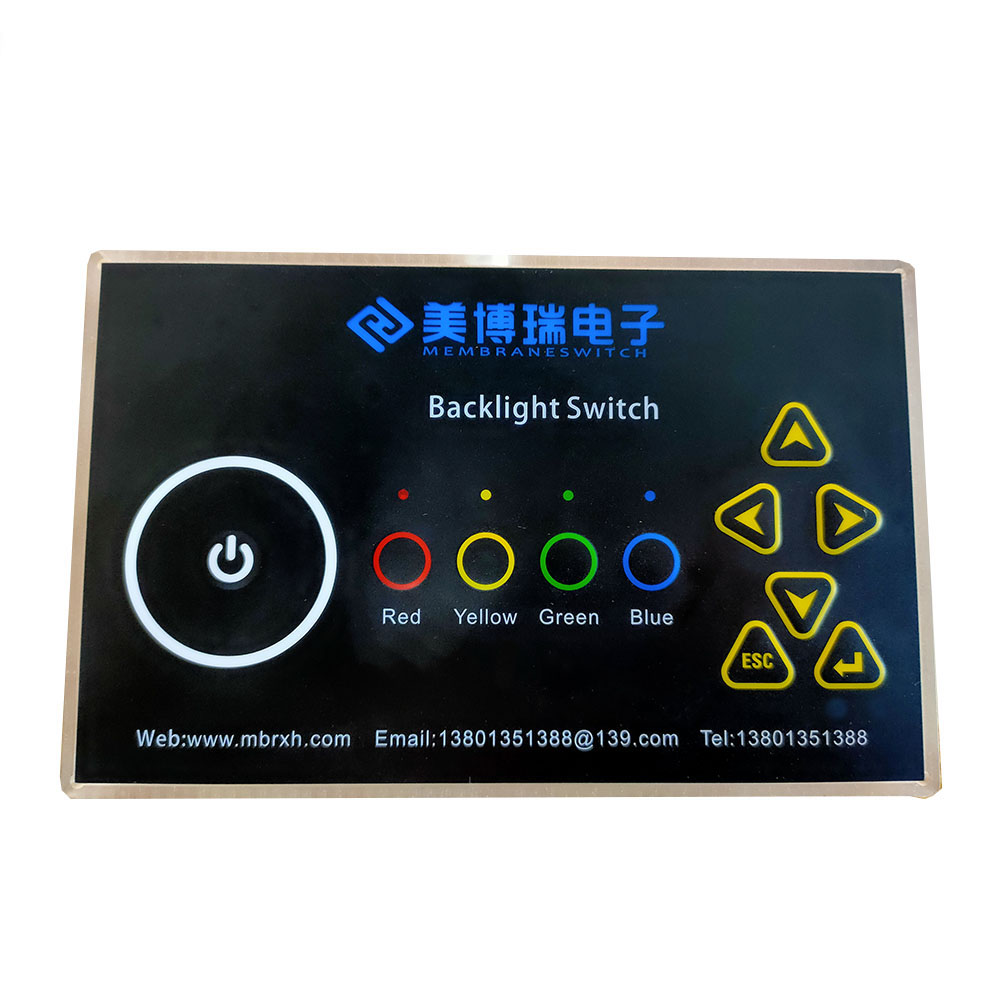
MEIBORUI PBT Cap PET Membrane Keypad
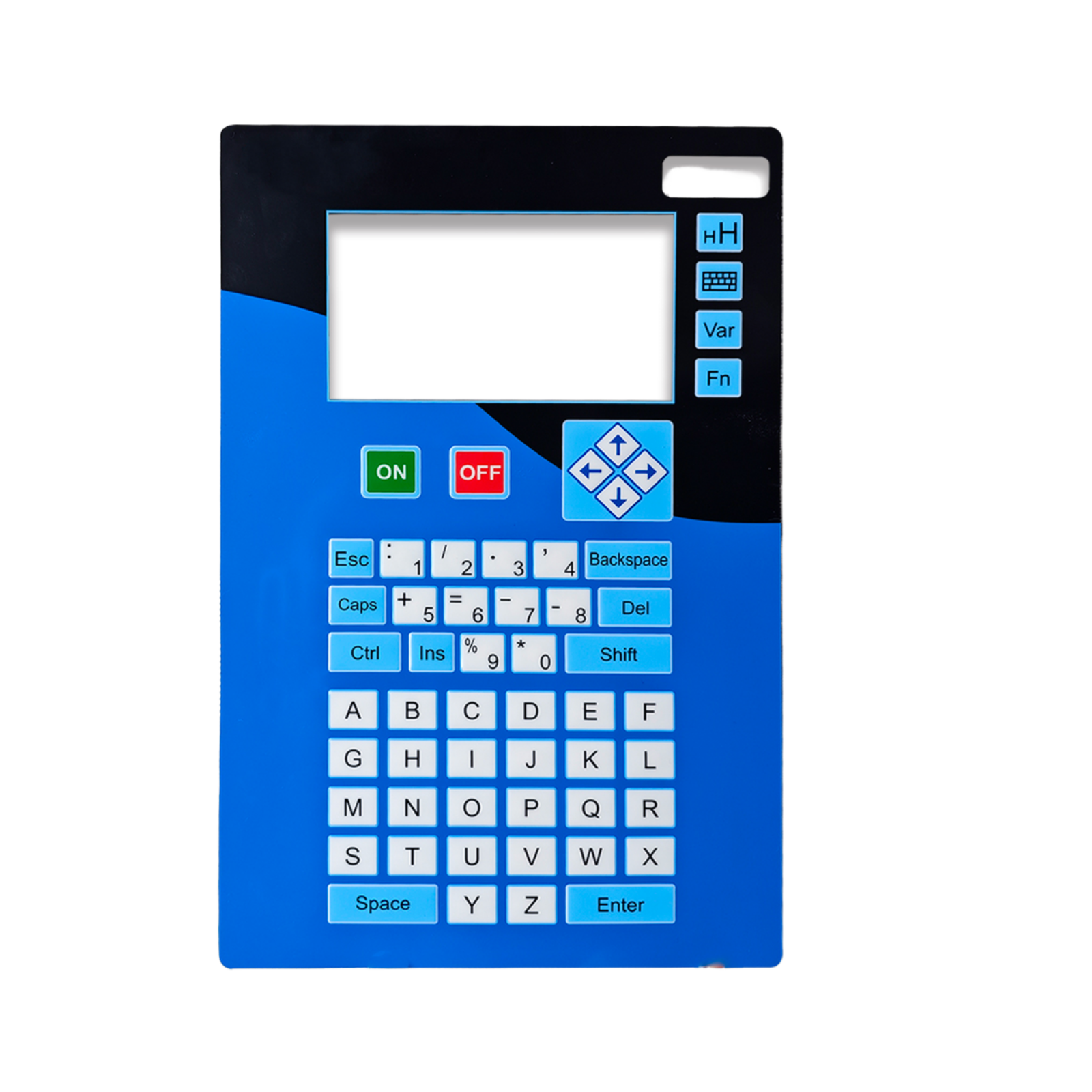
Custom Printed Waterproof Membrane Switch
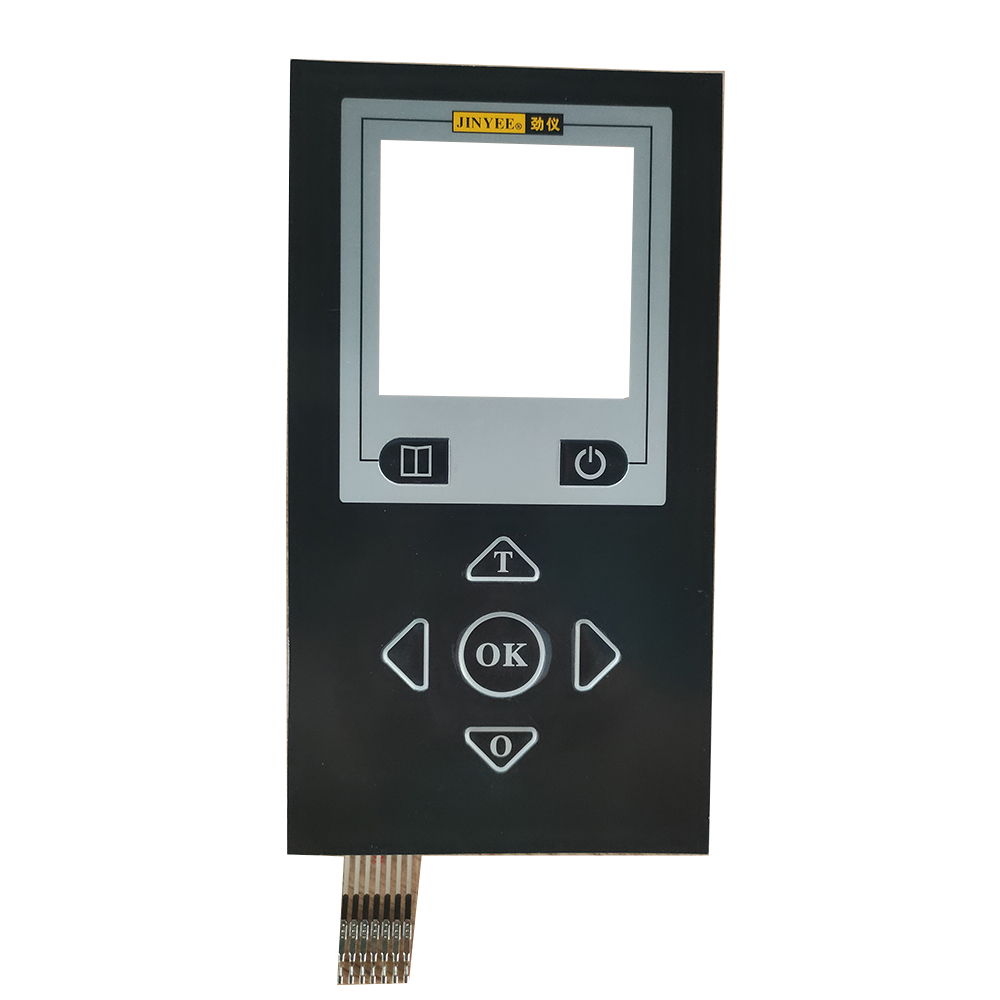
MBR IP67 Industrial PET Membrane Keyboard
Custom FPC Membrane Switch with Embedded LED
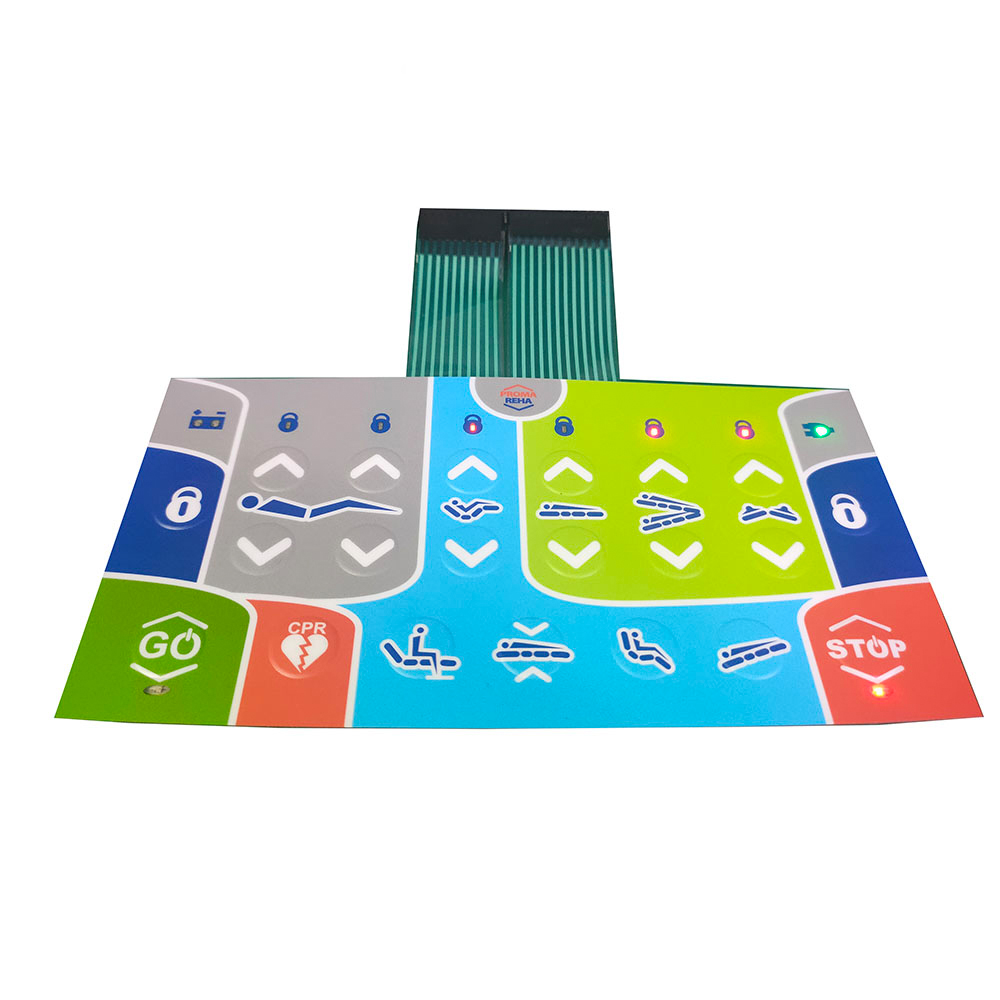
High-Quality PBT Customized Keycaps Overlay
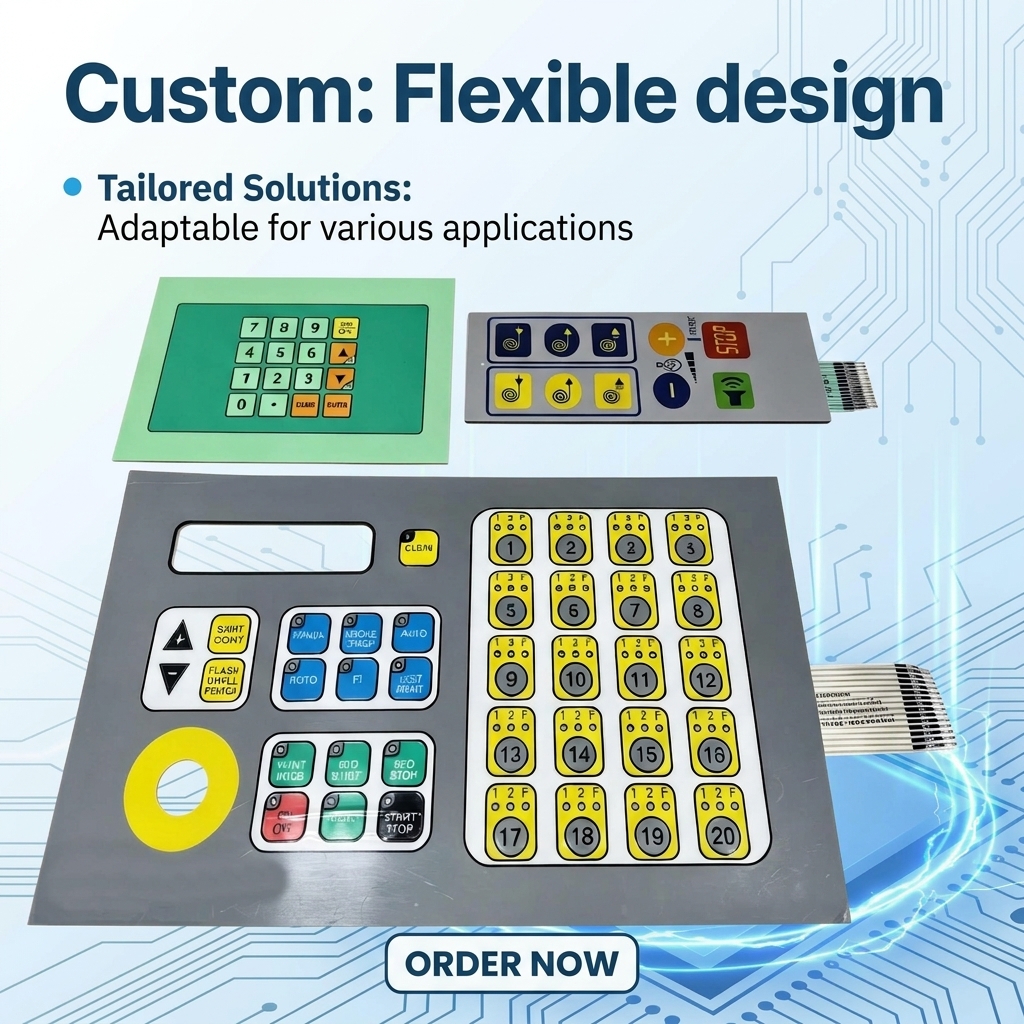
Locomotive Grade FPC LED Membrane Panel
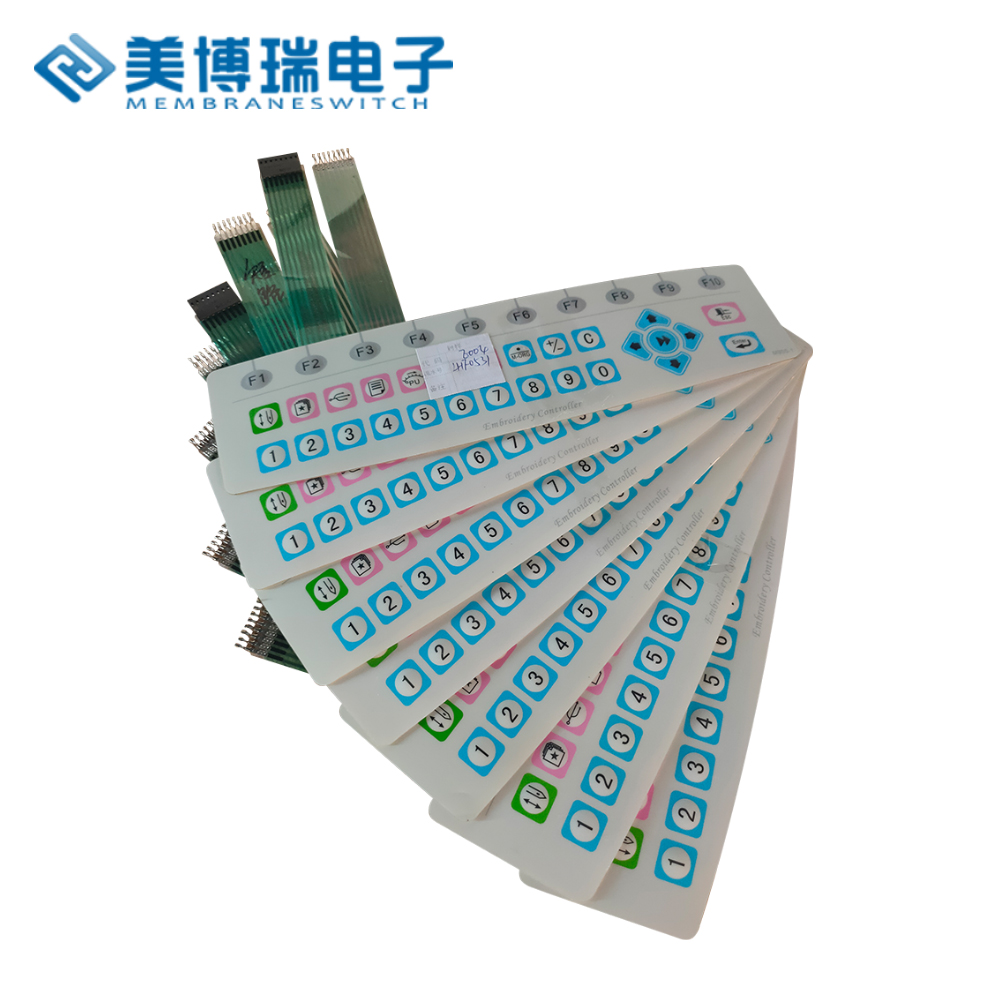
Flexible Moisture-Proof Control Membrane Panel
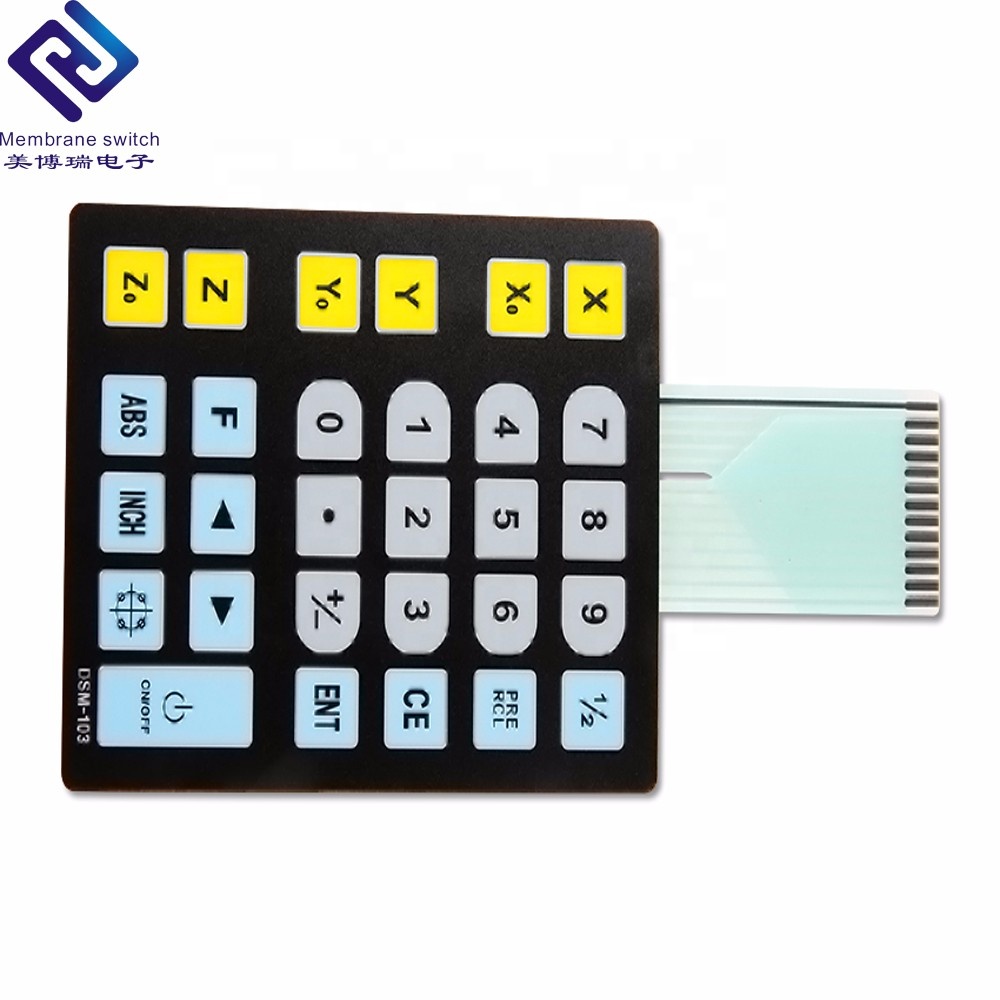
MBR IP67 Telecommunication Membrane Keypad
Architectural Superiority of Non-Tactile Membrane Switches in Humid Coastal Climates
In tropical and maritime environments such as Grenada and the broader eastern Caribbean, human-machine interface (HMI) reliability is dictated not by cleanroom laboratory specifications, but by resistance to atmospheric electrolytic migration, salt-aerosol crystallization, high thermal cycling, and destructive ultraviolet radiance. Where conventional electromechanical switches and mechanical push-buttons fail due to spring fatigue, seal breakdown, and contact pitting, non-tactile membrane switches provide an uncompromising planar barrier that isolates internal circuitry from ambient atmospheric hazards.
A non-tactile membrane switch operates on the principle of direct planar contact without the mechanical deformation of an intermediate stainless steel or polyester snap dome. Actuation occurs when an external vertical force (typically 1.0 N to 3.5 N) is applied to the flexible graphic overlay, deflecting the upper conductive pole through a calibrated dielectric spacer aperture to make instantaneous physical contact with the lower conductive substrate. Because there is no dome buckling or metallic stress concentration, the mechanical operational lifespan of a non-tactile switch routinely surpasses 5,000,000 to 10,000,000 actuations—far exceeding the fatigue thresholds of tactile metal domes.
Crucial Mechanical Distinction: Unlike tactile switches that require internal air venting cavities to allow dome collapse without backpressure, non-tactile switches can be engineered as completely hermetic, zero-vent planar laminations. By eliminating breathing channels, moisture-saturated marine air and airborne salt ions cannot be cyclically drawn into the inner switch cavity during barometric shifts or repeated actuation, completely mitigating the risk of conductive silver dendritic migration.
For system designers in St. George's, Grenville, and Carriacou specifying control consoles for marine vessels, food processing autoclaves, and outdoor infrastructure, non-tactile architectures offer unique functional advantages:
- Continuous Sanitary Cleanability: The completely flat top surface has no key embossing crevices or raised bezels, allowing instantaneous wipe-down with aggressive antimicrobial detergents, alcohol, or pressurized marine washdowns without trapping bacteria, dust, or salt deposits.
- Acoustic Invisibility & Silent Actuation: Crucial for luxury yacht bridges, marine sonar operator stations, and clinical medical instruments where audible clicking disrupts operational environments or sound-sensitive navigational duties.
- Ultra-Low Profile Footprint: Total assembly thickness ranges from just 0.5 mm to 1.0 mm, allowing interface integration into ultra-thin enclosures, handheld battery-powered field diagnostic tools, and flush-mounted architectural wall controls.
- Redundant Multi-Sensory Feedback Integration: Because non-tactile switches do not provide physical snap tactile feedback, our engineering team integrates SMD surface-mount LEDs directly onto the flexible circuit or pairs switches with audio-tone piezoceramic buzzers and light guide films (LGF) to assure operators of positive signal registration.
HMI Technology Evaluation for High-Salinity Maritime & Tropical Climates
| Performance Vector | Non-Tactile Membrane Switch | Tactile Metal Dome Switch | Mechanical Push-Button | Optically Bonded Touch Panel |
|---|---|---|---|---|
| Ingress Protection Potential | IP67 / IP68 (Hermetic Continuous) | IP65 (Requires vented cavities) | IP54 to IP65 (Elastomer boot wear) | IP65 (Subject to edge condensation) |
| Actuation Lifespan | > 5,000,000 to 10,000,000 cycles | 1,000,000 cycles (Metal fatigue) | 100,000 to 500,000 cycles | Indefinite (Subject to controller IC) |
| Salt Spray Resistance (ASTM B117) | 500+ Hours (Zero cavity ingress) | 200–300 Hours (Vents risk vapor) | < 100 Hours (Corrosion on contacts) | 300 Hours (Sensor trace edge seal) |
| Salt-Mist Dendrite Risk | Near Zero (Hermetic sealing) | Moderate (If vented to ambient) | High (Air gaps expose plating) | Low to Moderate (ITO vulnerability) |
| Surface Cleanability | 100% Planar (Instant sanitize) | Key rims may catch debris | Cavities harbor salt & grit | Flat glass (Fragile to mechanical shock) |
| Cost to Reliability Ratio | Maximum (Lowest life-cycle cost) | High | Low (Frequent mechanical replacement) | High Initial CapEx + Firmware |
Localized Application Scenarios in Grenada & the Windward Islands
Understanding the unique microclimates and economic pillars of Grenada—from the maritime marinas of St. George's to the high-humidity agricultural estates of St. Andrew and St. Patrick—is essential for designing reliable control equipment.
Commercial Marine & Luxury Yacht Bridge Consoles
Grenada is a premier Caribbean yachting hub, featuring world-class facilities like Port Louis Marina and Prickly Bay. Marine navigational electronics, bilge pumps, anchor windlass remotes, and marine radio communications operate under constant exposure to sea spray and intense Caribbean sunlight.
- Hermetically sealed IP68 front membrane assemblies
- Autotype XE UV-stabilized polyester graphic overlays
- Subsea-grade 3M 300LSE/468MP acrylic adhesives
Nutmeg, Cocoa & Agricultural Processing Plants
As the "Isle of Spice," Grenada produces premium organic nutmeg, mace, cinnamon, and fine cocoa (processed by companies such as the Grenada Chocolate Company and GCNA). Milling, sorting, fermenting, and drying machinery generates fine organic particulate matter and operates in washdown areas.
- Continuous wipe-clean non-tactile surface profile
- Total barrier against airborne spice dust and organic oil vapors
- Steam-cleanable and chemical detergent resistant overlays
Distillery & Beverage Bottling Automation
Historic and modern distilleries across Grenada (including River Antoine and Clarke's Court) rely on automated boiler controls, fermentation temperature sensors, and bottling lines subjected to alcohol fumes, high-pressure steam cleaning, and acidic cane residues.
- Solvent-proof reverse silkscreen printing protected by PET film
- Non-sparking, intrinsically safe low-voltage switch operation
- Resistant to splash contact with high-proof ethanol and cleaning acids
Solar PV Microgrids & Island Energy Storage
Grenada’s national climate transition mandates expanding solar microgrids (such as GRENLEC renewable initiatives and Carriacou hybrid energy projects). Outdoor power inverters, solar monitoring terminals, and battery storage controllers endure brutal UV indices (11+) and tropical downpours.
- UV-cured, non-yellowing acrylic and polyester base resins
- Temperature stability ranging from -20°C up to +70°C ambient
- Clear dead-front LCD/OLED display windows with anti-glare finish
Eco-Resort Automation & Salt-Exposed Access Controls
Luxury beachfront resorts throughout Grand Anse, Levera, and Lance aux Épines feature automated HVAC keypads, outdoor pool filtration HMIs, and security access terminals situated mere meters from breaking surf. Conventional push-buttons corrode and seize within months.
- Architecturally flush designs with custom brand Pantone colorways
- Embedded LED status lights and capacitive or non-tactile touch pads
- Immunity to salt accumulation, sun lotion stains, and sand ingress
Regional Medical & Diagnostic Laboratories
Healthcare centers, laboratory clinics, and veterinary facilities across St. George’s require diagnostic analyzers, centrifuges, and patient monitoring consoles that endure constant sterilization with hospital-grade glutaraldehyde and sodium hypochlorite solutions.
- Antimicrobial and chemical-resistant top overlay films
- Completely flat, bacteria-harbor-free keypad surface
- Low-profile integration with rigid FR4 backer or aluminum plates
HMI Technology & Industrial Trends Shaping Grenada's Sourcing Strategy
As the economy of Grenada accelerates diversification beyond traditional tourism into high-value agro-tech manufacturing, marine engineering services, and resilient off-grid renewable infrastructure, the selection criteria for OEM hardware components are undergoing a profound evolution.
1. Transition from Mechanical Contactors to Solid-State Sealed HMIs
Equipment maintenance teams at the Maurice Bishop International Airport, Grenada Ports Authority, and local utility substations are systematically replacing mechanical relay buttons with sealed membrane arrays. High salt air humidity accelerates copper contact oxidation, whereas hermetic non-tactile switches eliminate galvanic contact erosion altogether.
2. Polyimide FPC Replacing Standard Silver Ink Conductive Traces
Where ultra-compact, multi-LED backlighting or fine-pitch connector tails (0.5 mm or 1.0 mm pitch) are specified for marine chartplotters or compact agricultural IoT sensors, buyers are increasingly pivoting to etched copper on polyimide Flexible Printed Circuits (FPC). Copper circuits completely prevent dendritic silver electromigration under persistent 85% relative humidity.
3. Integration of Light Guide Film (LGF) for Nighttime Marine Readability
Night navigation across the Caribbean Sea necessitates uniform, non-glare illumination. Rather than installing hot-running incandescent bulbs or uneven discrete LEDs, modern non-tactile switch assemblies deploy micro-embossed Light Guide Films (LGF) driven by side-firing SMD LEDs, illuminating symbols with surgical precision without causing cockpit glare.
4. Climate-Proof Material Substitution (PET over Polycarbonate)
Historical imports into the Caribbean suffered from rapid degradation: standard polycarbonate overlays become brittle and yellow under extreme UV radiation within 12 to 18 months. Leading Grenada procurement agents now stipulate biaxially oriented, UV-cured textured polyester (e.g., Autotype Autotex XE) that withstands over 10 years of direct tropical sun exposure.
Why International OEMs & Caribbean Importers Rely on TAVO
With origins tracing back to 1990, our facility combines European technical methodology, massive in-house manufacturing infrastructure, and stringent closed-loop environmental validation.
From artwork transformation, laser plotting, and precision screen printing to embossing, cleanroom lamination, laser contour cutting, and computerized testing—all procedures are executed within our own facilities, ensuring absolute quality control and zero third-party delays.
Our factory floor features 37 semi-automatic precision silkscreen printers, 4 high-resolution Japanese Mimaki digital UV printing systems, 18 laser cutting units, 60 CNC mold-making milling machines, and 7 computer-controlled digital engraving work centers.
We operate dual manufacturing hubs in the Xianghe Robot Industry Port (Hebei) and Huizhou (Guangdong). Workloads are dynamically load-balanced between sites to ensure fast delivery schedules and continuous risk-hedged production capacity for global buyers.
Decades-long strategic engineering cooperation with a German membrane switch manufacturer provides deep access to cutting-edge lamination chemistry, precision curing technologies, and European industrial quality standards verified across our production floor.
Every switch batch is validated in our on-site testing lab, outfitted with an automatic salt fog corrosion chamber (ASTM B117), xenon lamp UV aging chamber, button life-cycle testers, programmable temperature/humidity chambers, and computer continuity testers.
Recognizing the bespoke nature of Caribbean maritime and agricultural projects, we offer engineering sample prototyping and low minimum order quantities, backed by non-disclosure agreements (NDAs) to protect your intellectual property.
Frequently Asked Questions by Grenada Buyers & Importers
Direct answers to technical specifications, import logistics to St. George's, tropical material selection, and payment terms for OEM decision makers.
Why choose non-tactile over tactile switches for high-humidity coastal equipment in Grenada?
Tactile switches require internal air venting cavities to allow metal snap domes to buckle without resistance. In Grenada's tropical marine environment, these breathers cyclically intake salt-laden moisture during temperature swings, inducing silver dendrite electromigration and contact corrosion. Non-tactile switches can be completely solid-laminated and hermetically sealed to IP67/IP68 standards with zero venting needed.
How do you ship custom membrane switches to St. George's, Grenada, and what are transit times?
For prototype batches and urgent production runs (under 500 pcs), we ship via air express (DHL, FedEx, or UPS) directly to Maurice Bishop International Airport (GND) with typical door-to-door transit times of 5 to 8 business days. For volume manufacturing orders, we provide consolidated sea freight (LCL/FCL) routed to St. George's Harbor under standard Incoterms including FOB, CFR, CIF, and DDP.
Can non-tactile membrane switches integrate LED backlighting and display windows?
Yes. We laminate miniature surface-mount (SMD) LEDs directly inside the flexible circuit layer. For backlighting symbols or text, we incorporate Light Guide Film (LGF) or high-efficiency diffused light cavities. Clear or tinted transparent windows (with anti-glare or gloss hard-coat finishes) can be optically bonded to seamlessly showcase underlying LCD, OLED, or seven-segment displays.
How does the non-tactile switch provide actuation feedback to human operators?
Because there is no mechanical snap dome, feedback is delivered electronically. Host systems typically employ an audible buzzer, click tone, or immediate visual LED status confirmation. In addition, we can apply subtle pillow or perimeter rim key embossing on the top graphic overlay so operators can identify key boundaries by touch, even in dimly lit marine environments.
What design files are required to initiate a prototype quotation?
To provide an exact engineering evaluation and quote within 24 hours, our engineering department requests your dimensional mechanical drawing (in DXF, DWG, or PDF format), graphic artwork vector files (Adobe Illustrator .AI or CorelDRAW .CDR with Pantone color codes), and the circuit schematic / pinout connector definition. If drawings are incomplete, our 10-person CAD design team can generate production schematics based on your prototype sample.
What international payment terms and quality certifications are supported?
We operate under ISO 9001:2015 quality management standards and onsite audits by Intertek. All materials comply with RoHS and REACH environmental safety directives. Accepted payment methods include Wire Transfer (T/T), Letter of Credit (L/C), and D/P D/A in USD or EUR currencies, with structured milestone terms available for repeat OEM partners.