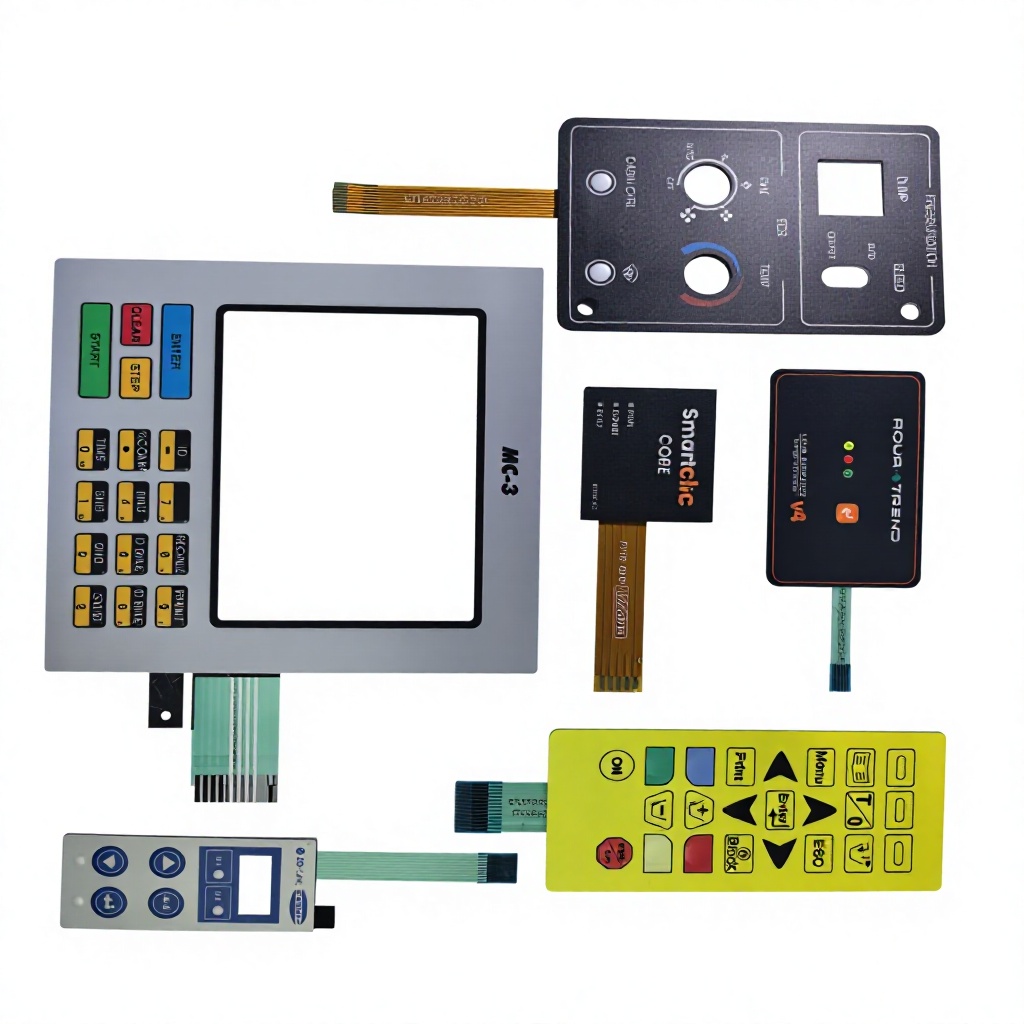
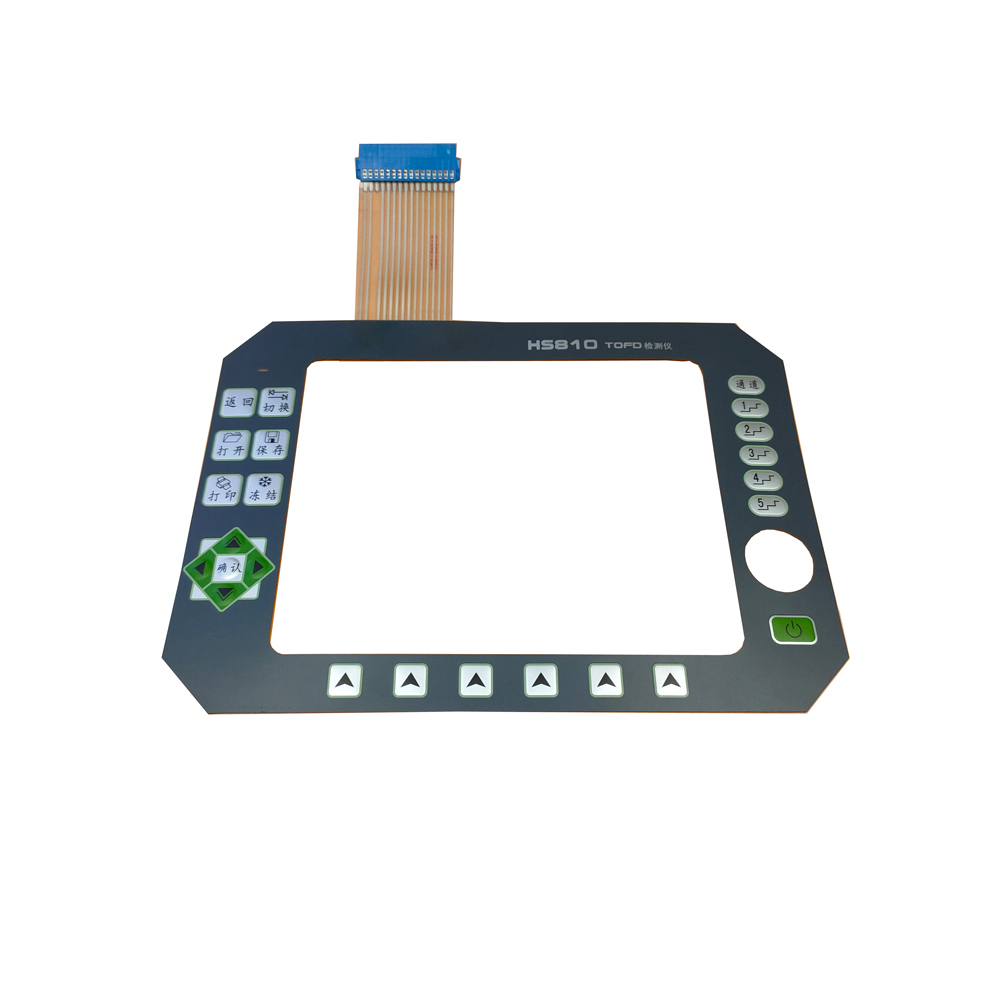
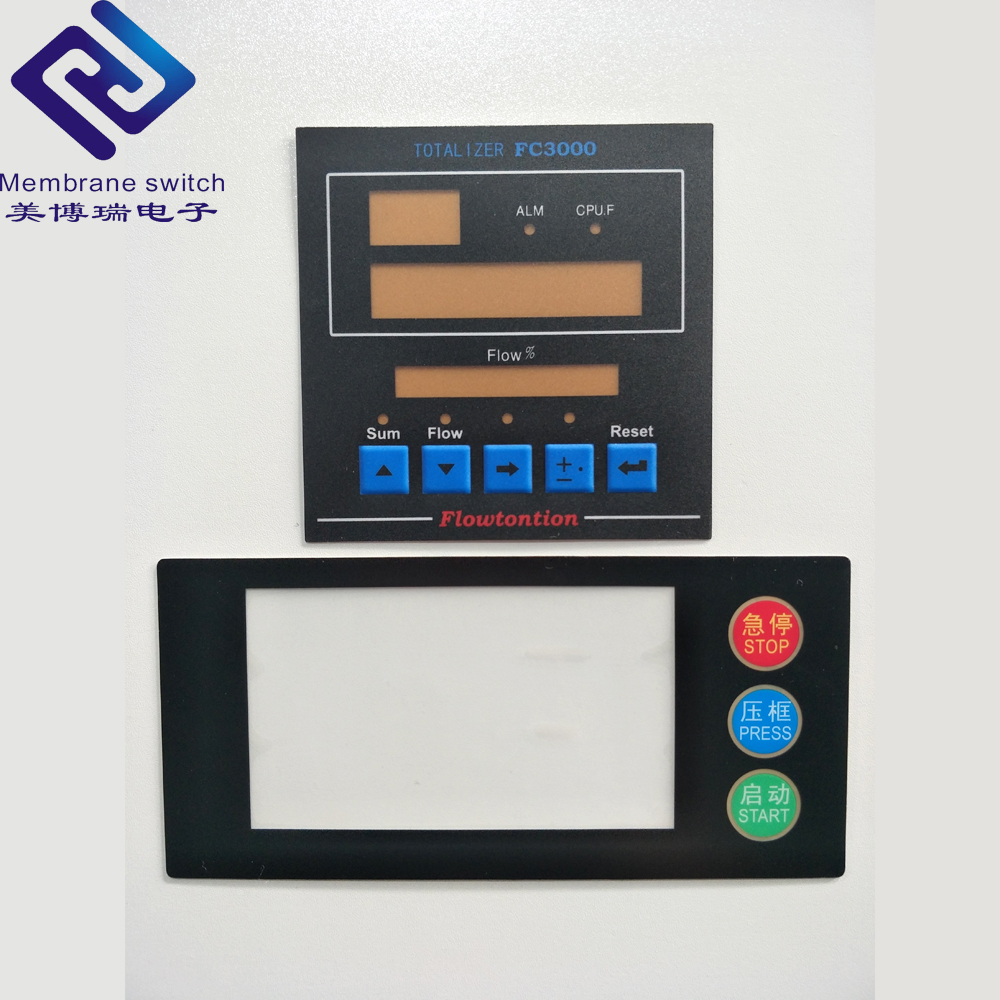
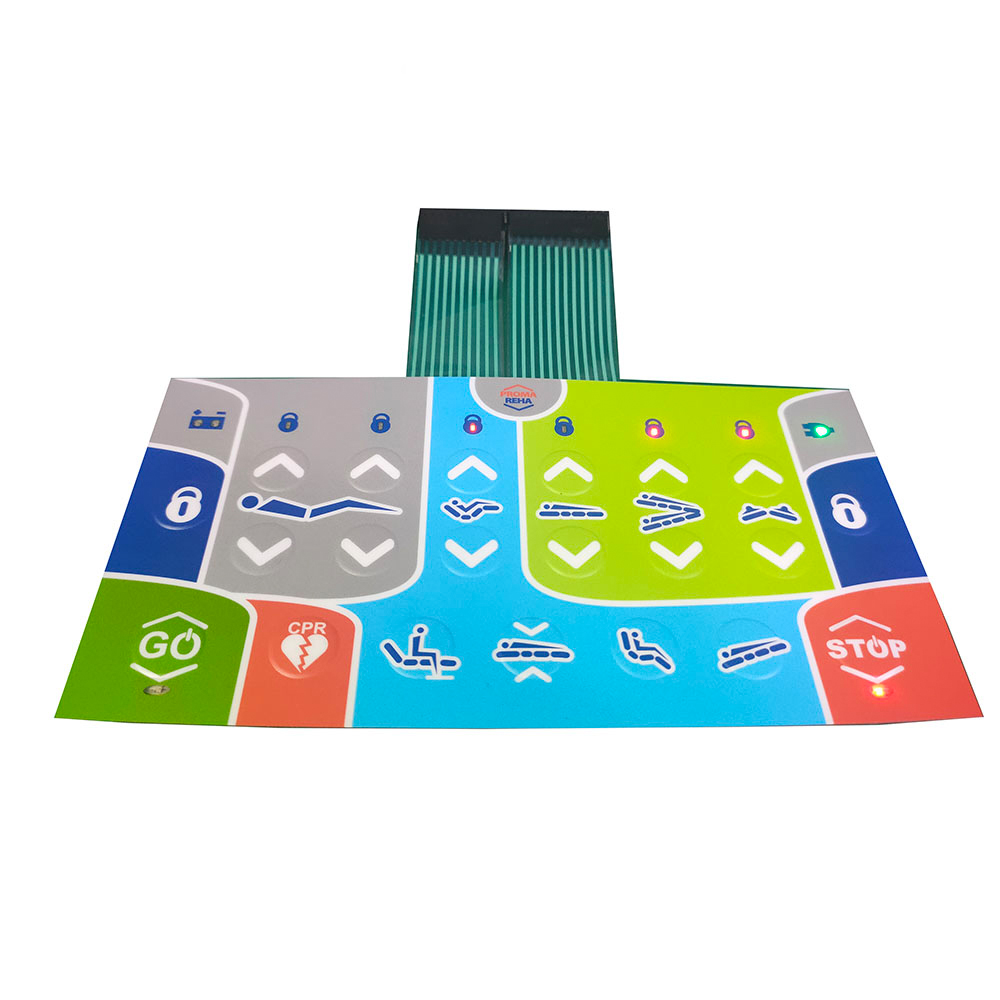
Featured Industrial HMI & Membrane Interface Assemblies
Engineered to deliver over 5,000,000 continuous operating cycles under aggressive ambient temperatures, corrosive coastal vapors, and harsh chemical cleaning regimes. Explore our high-specification product configurations deployed globally across demanding original equipment manufacturer (OEM) networks.
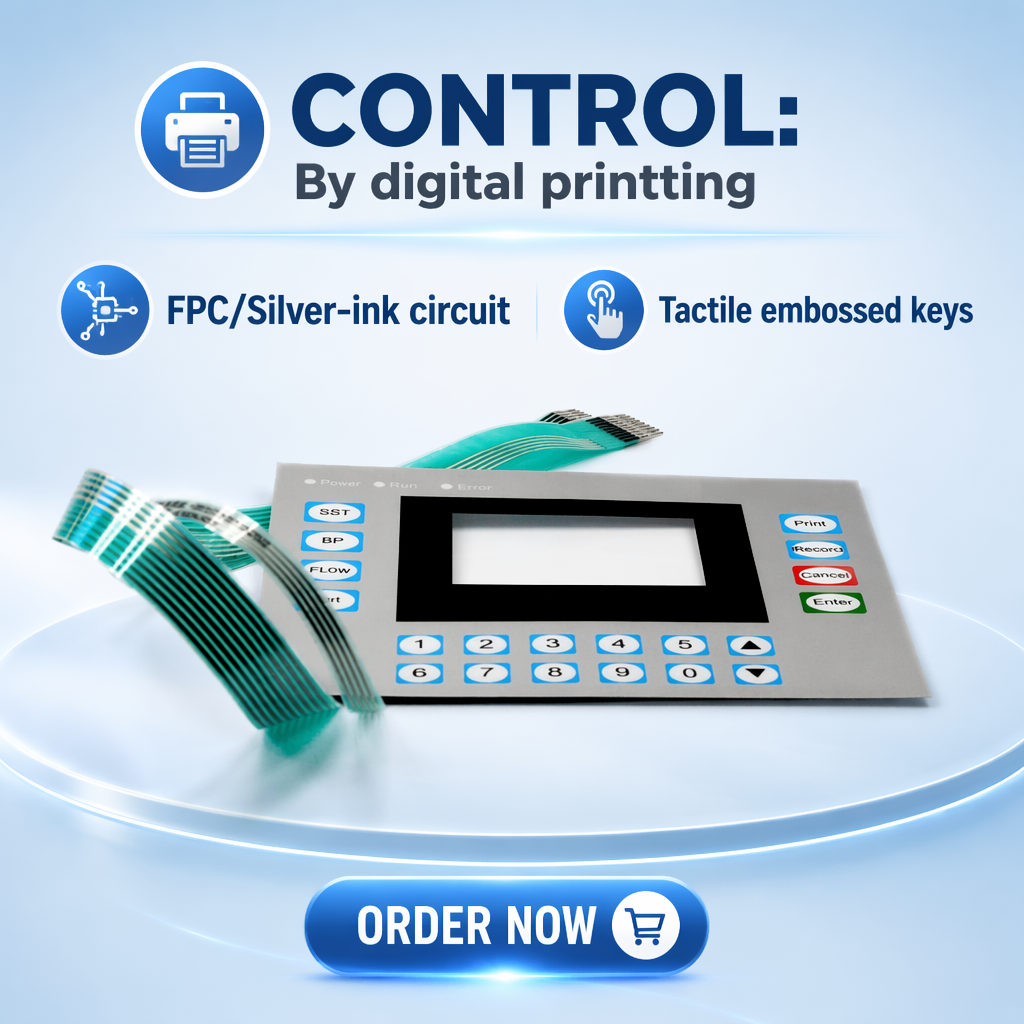
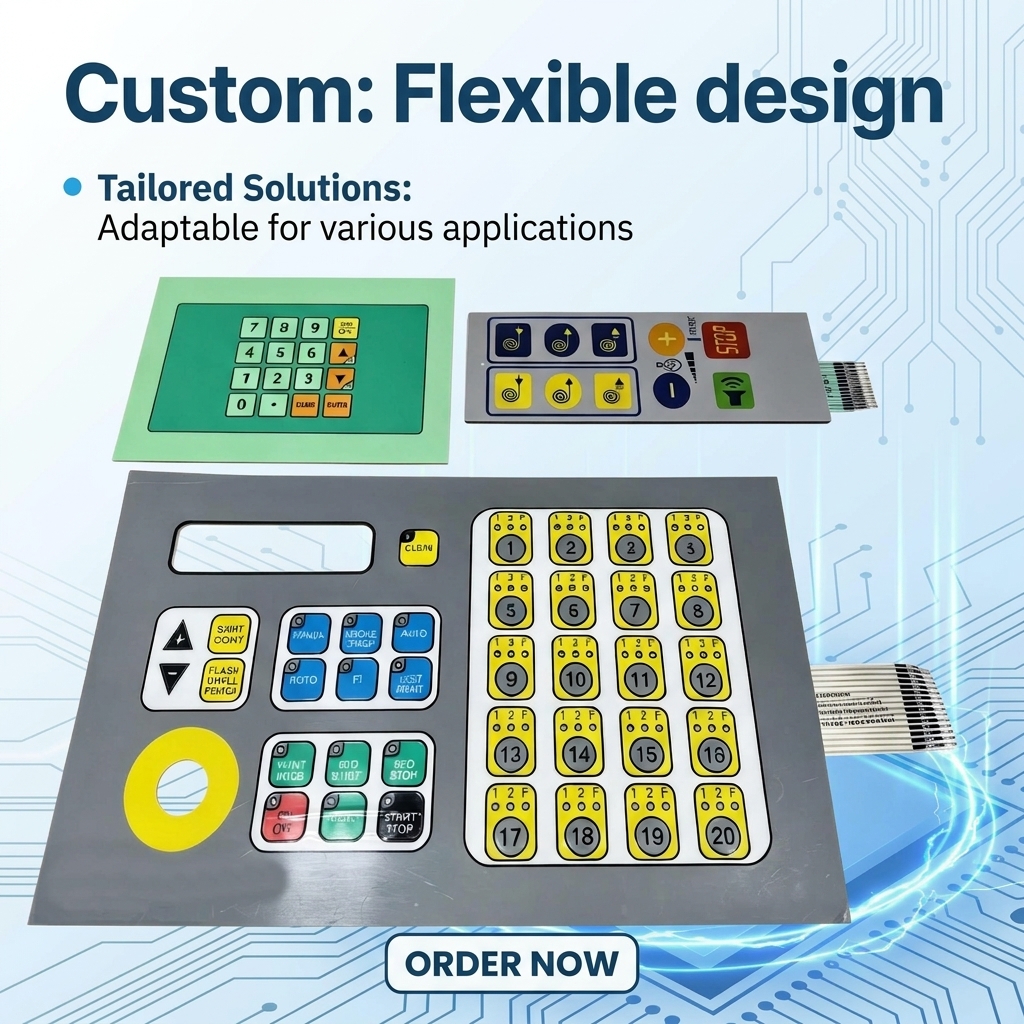
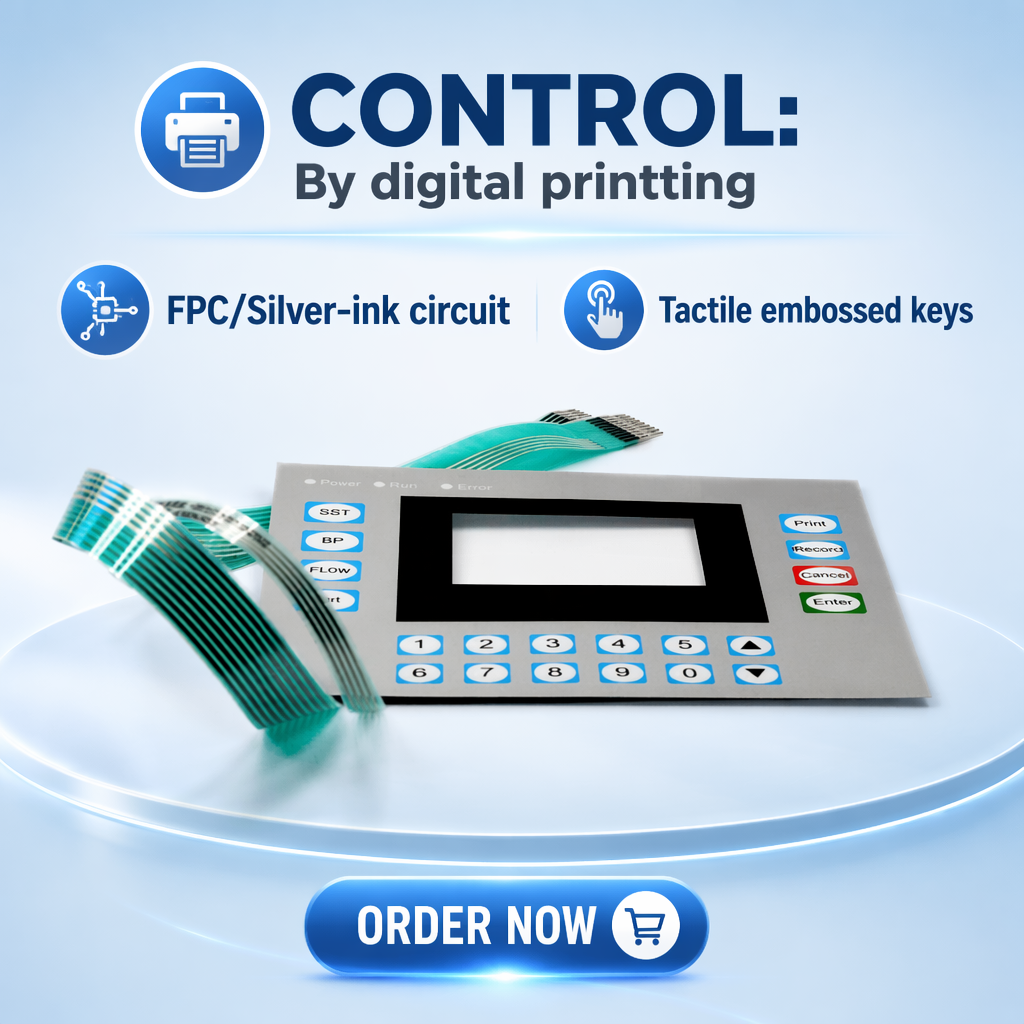
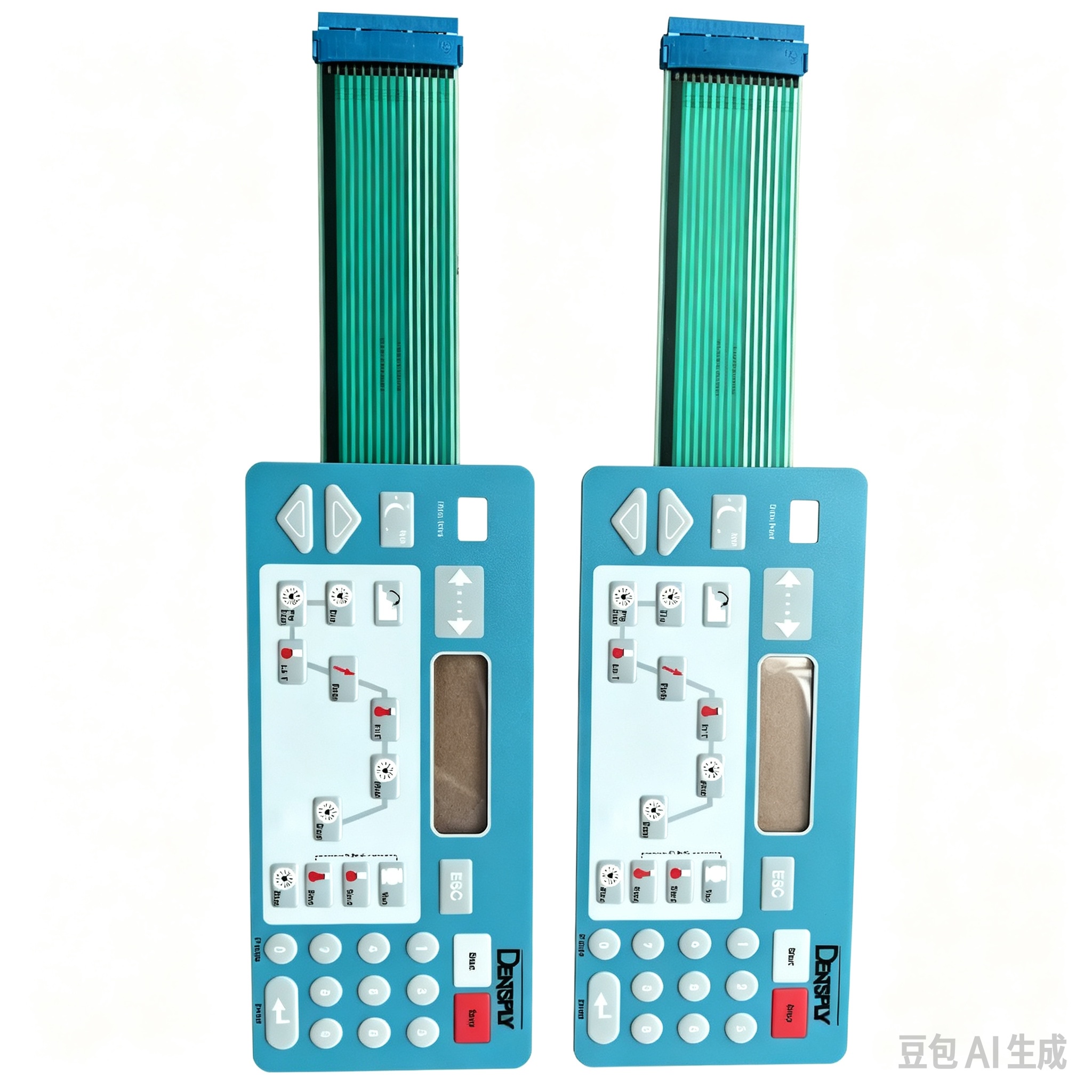
Engineering Architecture: Why Non-Tactile Switches Dominate Modern Industrial HMIs
Human-Machine Interface (HMI) design requires balancing tactile response, electrical longevity, chemical defense, and mechanical clearance. While tactile membrane switches utilize stamped metal snap domes or thermoformed polyester domes to yield instantaneous physical feedback, non-tactile switch panels utilize a completely flat, non-deforming contact architecture. In a non-tactile switch, actuation is accomplished through direct mechanical displacement of an elastic upper conductive film toward a stationary lower conductive film across a thin die-cut spacer cavity (typically 0.125 mm to 0.175 mm).
When the operator depresses the designated active switch area, the upper flexible circuit flexes into contact with the lower circuit, bridging the conductive silver or gold-plated contacts and completing the loop. Because this actuation does not depend upon the physical deformation or inverted oil-canning snap of a metallic dome, mechanical stress concentrations are completely eliminated. This fundamental mechanical difference yields several mission-critical benefits for high-throughput instrumentation, subsea terminals, chemical dosing rigs, and sterile food handling plants.
Sub-Millimeter Profile Height
Eliminating dome cavities reduces total switch stack-up thickness down to 0.50 mm – 0.75 mm. This facilitates flush bezel integration in ultra-slim medical devices, hand-held telemetry, and tightly packed explosion-proof DIN-rail enclosures.
Hermetic Ingress Elimination
Metal domes inherently create micro-cavities that experience pneumatic pressure shifts during thermal cycling. Non-tactile panels use solid adhesive perimeters with completely planar layers, preventing vacuum-induced moisture breathing and coastal salt aerosol ingress.
Vastly Superior Actuation Fatigue
Metal domes suffer work hardening and eventual fatigue fracture around 1,000,000 cycles. Non-tactile conductive contacts easily exceed 5,000,000 to 10,000,000 cycles without contact bounce degradation, making them the standard for high-duty numerical data entry consoles.
Parametric Comparison: Non-Tactile vs. Tactile Metal Dome Architecture
Direct engineering comparison across physical dimensions, operating dynamics, environmental thresholds, and lifecycle durability metrics.
| Performance Specification | Non-Tactile Membrane Switch Panel | Tactile Metal Dome Membrane Switch | Engineering Selection Rule |
|---|---|---|---|
| Typical Stack-Up Profile | 0.45 mm – 0.85 mm (Ultra-slim flat plane) | 1.10 mm – 1.80 mm (Dome cavity included) | Select non-tactile for strictly flush exterior mounts |
| Operator Tactile Feedback | Zero snap (relies on audio beep or LED indicator) | Crisp tactile click (250g – 450g snap ratio) | Tactile required when operators must feel activation through gloves |
| Actuation Cycle Life | 5,000,000 to 10,000,000+ operations | 1,000,000 operations (fatigue limited) | Non-tactile mandatory for high-frequency input data pads |
| Surface Cleanability & Hygiene | 100% planar continuous surface (no crevice) | Raised key embossings may trap bio-residue | Non-tactile preferred in food processing & sanitary sterile labs |
| Condensation Breathing Risk | Zero internal air gap volume (Solid laminated) | Internal venting channels required for dome return | Non-tactile superior in marine, tropical & washdown climates |
| Contact Bounce Duration | < 5 milliseconds | < 15 milliseconds (dome settle time) | Non-tactile delivers faster digital signal recognition |
Localized Application Scenarios in the Grenville Market
The Grenville regional economic corridor and its industrial ecosystem represent a demanding operational theatre for electronic hardware. From coastal logistics installations, maritime vessel controls, and intermodal transport hubs to agro-industrial processing facilities (nutmeg, cocoa, tropical produce processing, and rum distillation bottling lines), electronic equipment operates continuously under elevated relative humidity (RH > 85%), ambient airborne saline particulate loads, and rigorous chemical sanitization protocols.
Standard off-the-shelf mechanical switches with exposed contact gaps or unsealed edge housings fail prematurely in this climate due to galvanic corrosion, silver migration (dendritic short circuits formed when silver conductors are exposed to moisture under electrical bias), and ingress of particulate matter. Our non-tactile switch panel systems engineered for Grenville importers and facility operators are specifically tailored to overcome these environmental failure modes:
Agro-Processing & Milling Lines
Spice grading, cocoa sorting, and dry-milling plants generate fine organic dust. Non-tactile switch panels feature a monolithic Autotype MacDermid polyester surface with IP67 sealing, preventing abrasive fine dust from lodging beneath button actuators.
Marine & Port Terminals
Cargo cranes, wharf winches, and tugboat telemetry operating along coastal docks face constant chloride salt spray. Our panels utilize ASTM B117-verified salt-fog adhesives and sealed rear tails that eliminate atmospheric salt intrusion.
Food & Beverage Bottling
Distillery packaging and beverage bottling lines undergo daily CIP (Clean-in-Place) high-pressure washdowns using caustic detergents, bleach, and alcohol solvents. Non-tactile front overlays exhibit impenetrable resistance to chemical degradation.
Power & Generator Control
Auxiliary power generation units, solar inverters, and municipal pumping substations subjected to tropical solar heat and UV radiation leverage UV-stabilized hard-coated films that prevent yellowing, crazing, or thermal embrittlement.
Localized Technology & Sourcing Trends in the Grenville Territory
As industrial automation expands across regional manufacturing corridors, Grenville procurement directors, OEM design engineers, and facility electrical integrators are modernizing their HMI supply lines. We observe four definitive technological migrations driving switch panel specifications across the local territory:
Transition from Silver to Copper FPC Circuits
In high-humidity equatorial climates, high-voltage silver traces are vulnerable to electrochemical migration across narrow circuit pitches. Forward-looking Grenville engineers are replacing printed polymer thick film (PTF) silver with etched copper Polyimide Flexible Printed Circuits (FPC), which offer zero dendrite risk, lower trace resistance (<0.05 Ω/sq), and higher component density.
Hybrid Capacitive-Touch Non-Tactile Overlays
Mechanical touch is rapidly merging with solid-state capacitive sensing. By placing capacitive copper or ITO pads behind a completely seamless, continuous graphic overlay, systems attain true zero-displacement touch sensitivity while preserving complete washdown hermeticity.
Optical Bonding (OCA) & Display Integration
Local equipment builders are discarding separate mechanical bezels for LCD and OLED readouts. Using Optically Clear Adhesive (OCA), display modules are laminated directly against the anti-glare display window of the non-tactile graphic panel, eliminating internal reflections and fogging caused by tropical humidity shifts.
Why Global & Regional Buyers Choose Our Manufacturing Ecosystem
We provide an end-to-end, vertically integrated manufacturing operation that removes third-party subcontracting risks. Certified under ISO 9001 and verified on-site by Intertek, our facilities bridge world-class German engineering techniques with high-efficiency Asian manufacturing scale.
Complete In-House Tooling & Production
From CAD engineering, laser plotting, and CNC mold fabrication (60 CNC units) to 37 precision screen-printing lines and 4 Mimaki digital UV flatbeds, every production process remains 100% inside our factory walls.
Dual Facility Load Balancing
With advanced manufacturing headquarters in the Robot Industry Port of Xianghe, Hebei (2,219 m²) and secondary high-volume flex-circuit capacity in Huizhou, Guangdong, your orders are insulated against regional supply chain bottlenecks.
German Technical Cooperation
Operating under an established technical technology transfer and equipment cooperation program with a seasoned German switch manufacturer, our processes replicate stringent DIN and IEC quality standards for global exports.
Tier-1 OEM Pedigree & Testing
Validated by industry leaders including ABB, Siemens, and Haier, and trusted on heavy rail and aerospace projects. Every batch passes computer circuit analyzers, xenon arc UV aging chambers, and salt-mist corrosion chambers.
Procurement FAQ for Grenville Importers & Engineers
Direct technical answers addressing environmental survivability, tooling lead times, minimum order sizes, and international customs logistics for the Grenville market.
Why are non-tactile switch panels preferred over tactile dome switches in tropical and coastal marine environments?
How do operators verify switch activation if a non-tactile panel has no physical mechanical click?
What graphic overlay substrate is recommended for equipment exposed to Caribbean sunlight and sanitizing chemicals?
What CAD files and engineering documentation are needed to generate an exact quotation and production tooling?
Can your factory accommodate low-volume prototype batches and pilot production runs for Grenville manufacturers?
What international delivery terms and protective export packaging are provided for long-haul maritime transport?
Request a Direct Engineering Review & Factory Quote
Whether you are engineering a custom non-tactile switch panel for coastal port automation, upgrading a food-grade CIP packaging console, or migrating your production from silver ink to high-reliability copper FPC circuits, our factory engineers are ready to analyze your technical drawings and provide a full DFM (Design for Manufacturability) evaluation.
Send an Inquiry