Precision Non-Tactile & Integrated Switch Assemblies
Browse our export-grade series of non-tactile switch panels, graphic overlays, and hybrid flexible electronic circuits custom manufactured to tight mechanical tolerances for equipment builders across Salzburg and Upper Austria.
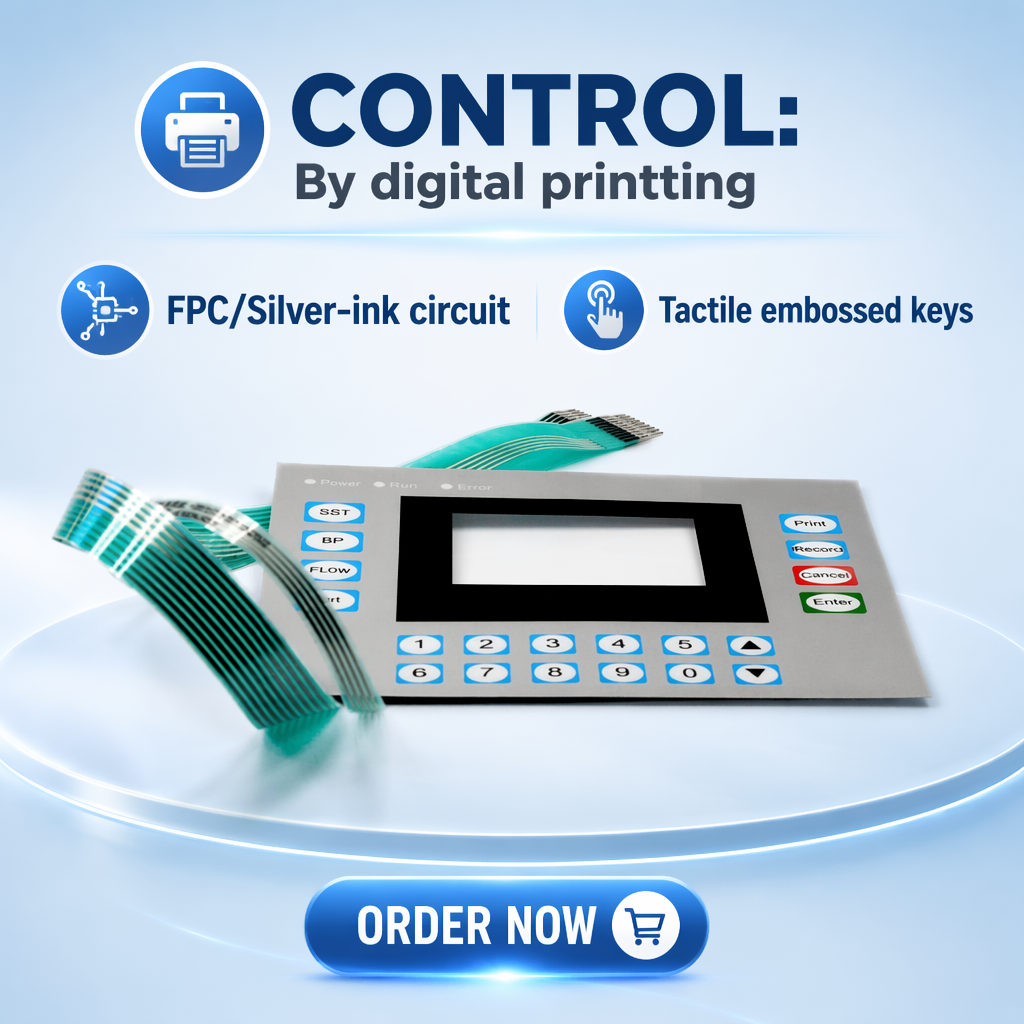
- Copper Polyimide (FPC) Base
- Low-profile Surface Mount LEDs
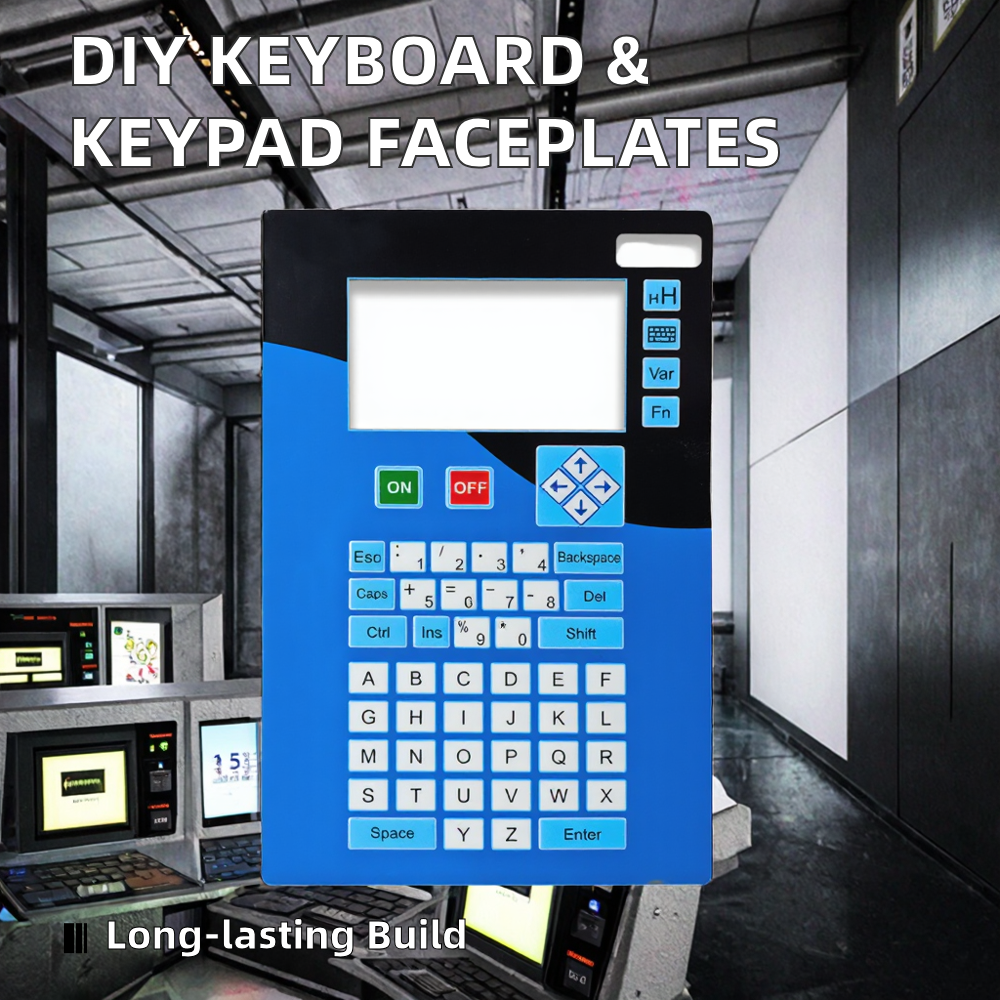
- Rim & Pillow Selective Emboss
- Sealed 3M VHB Perimeter Gasket
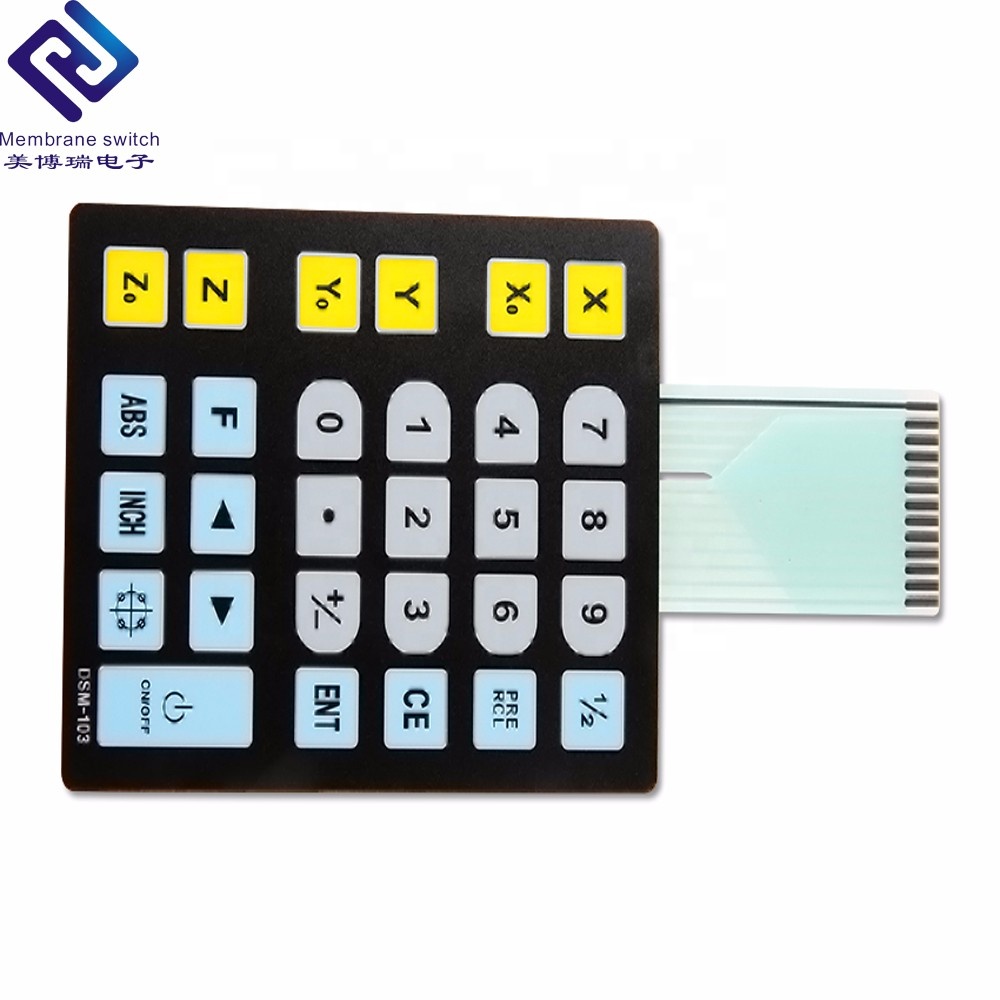
- Matrix 4x4 / 1x4 Pitch Pinout
- Carbon Pill / Membrane Interlock
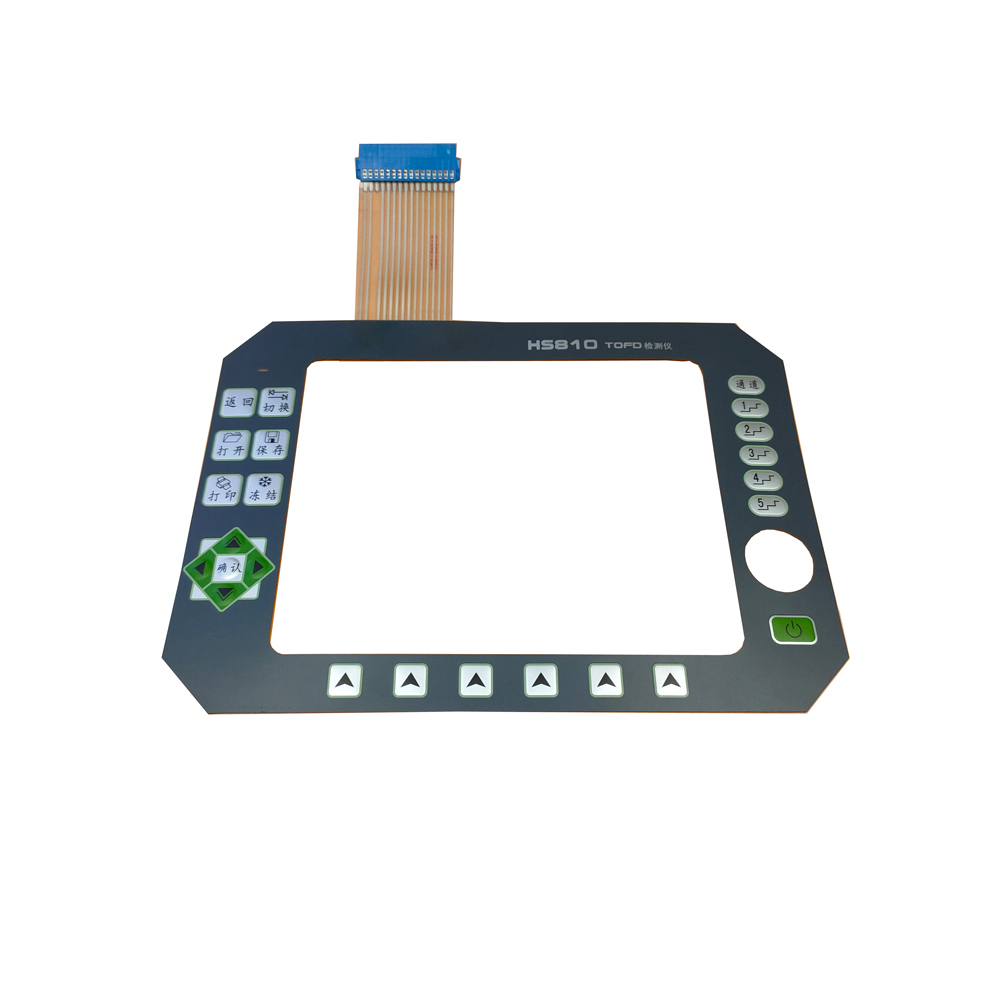
- Solvent-Proof Subsurface Inks
- High-Tack Adhesive Layer
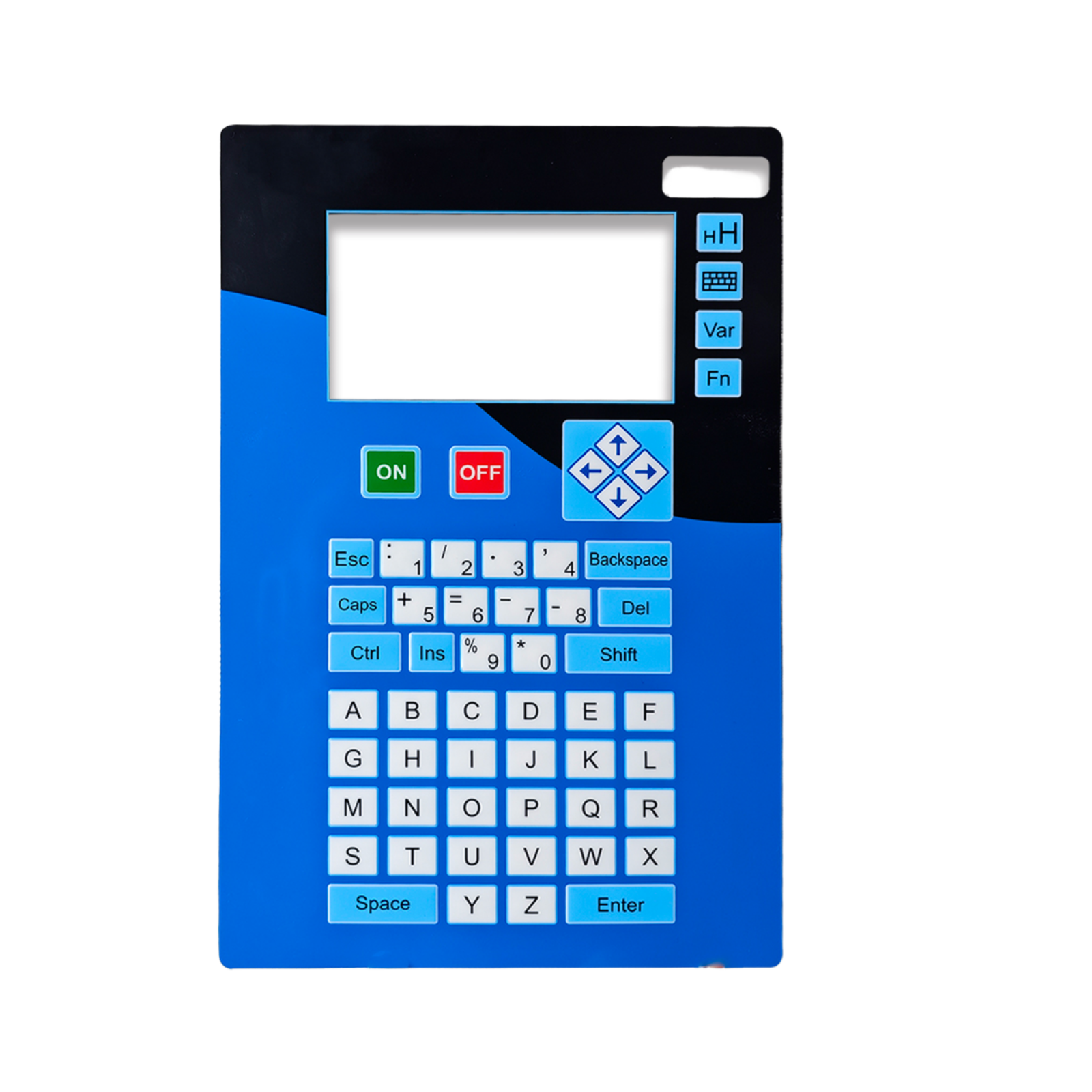
- Dual-contact Reliability
- 3M 467MP / 468MP High-Bond Film
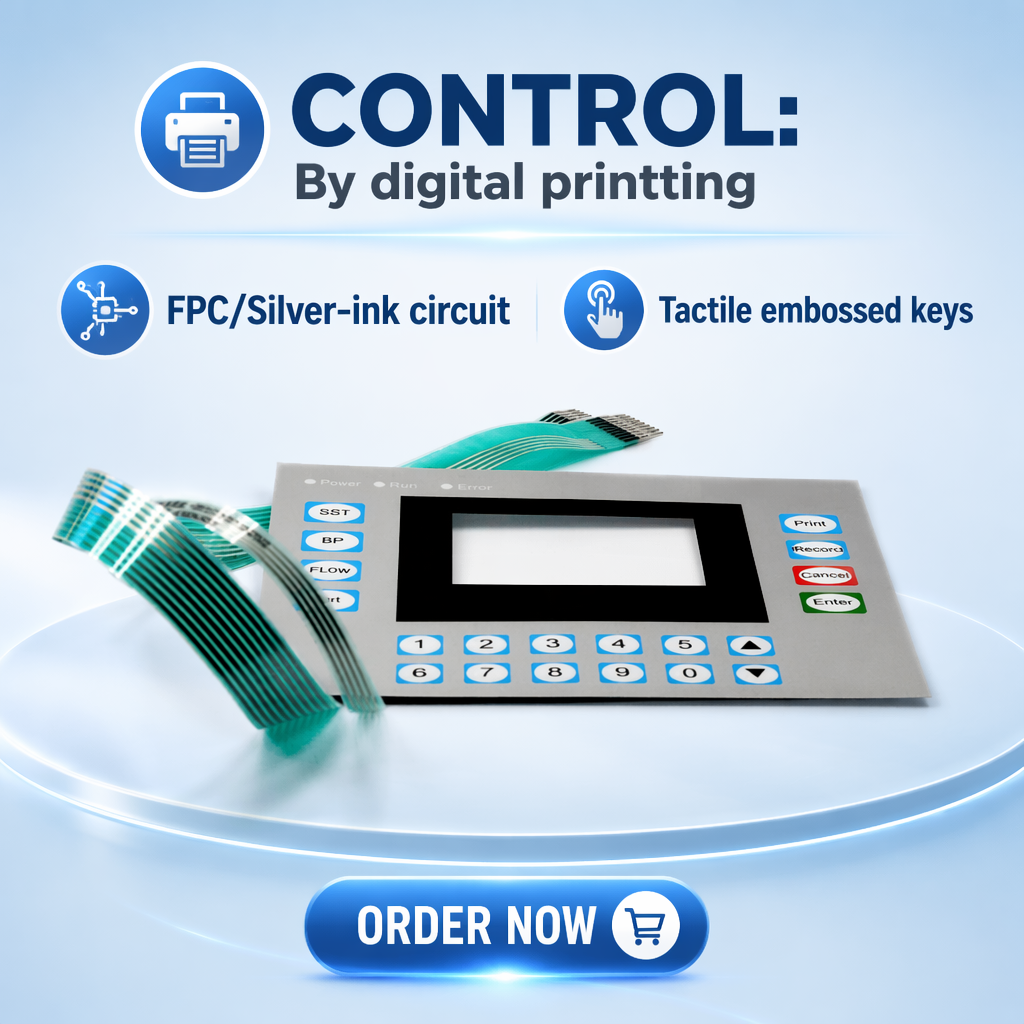
- Rapid Prototyping Sample Support
- Multilayer FR4 SMT Integration
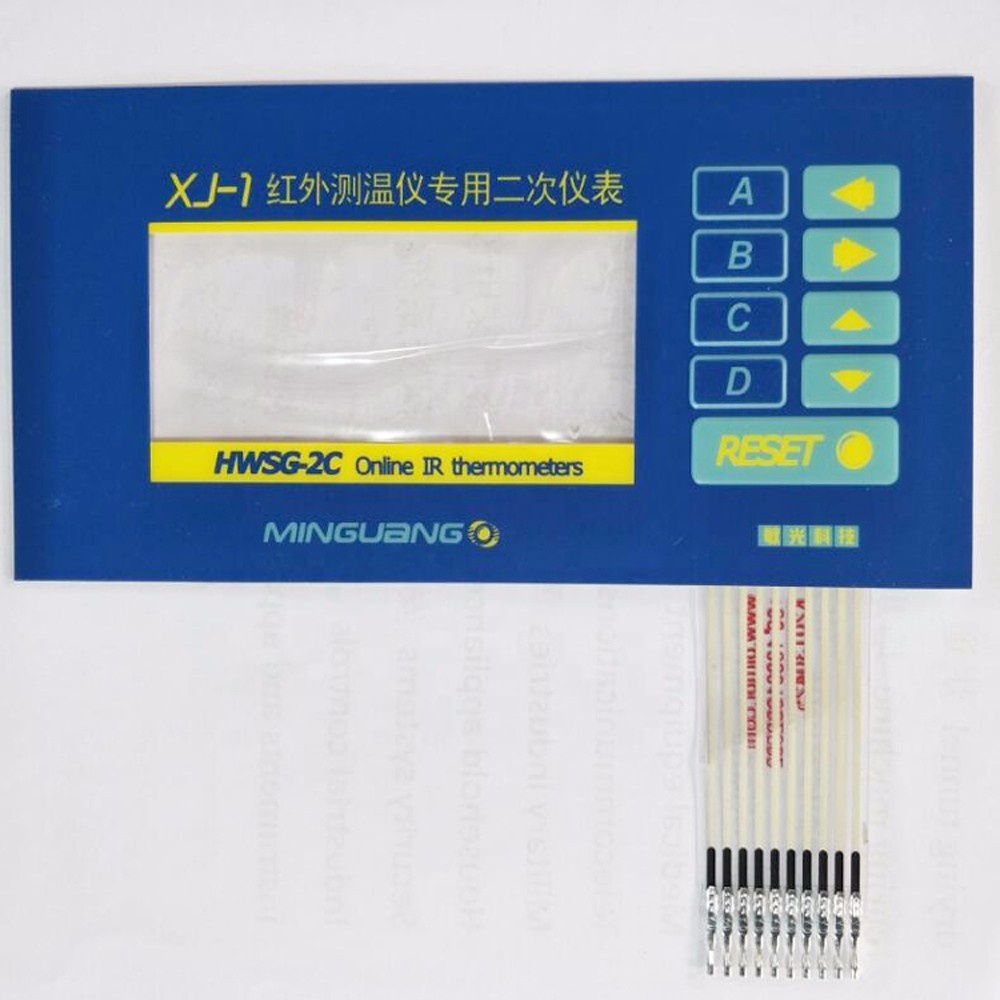
- Precision Tooling Alignment
- UV Curable Texturing Coat
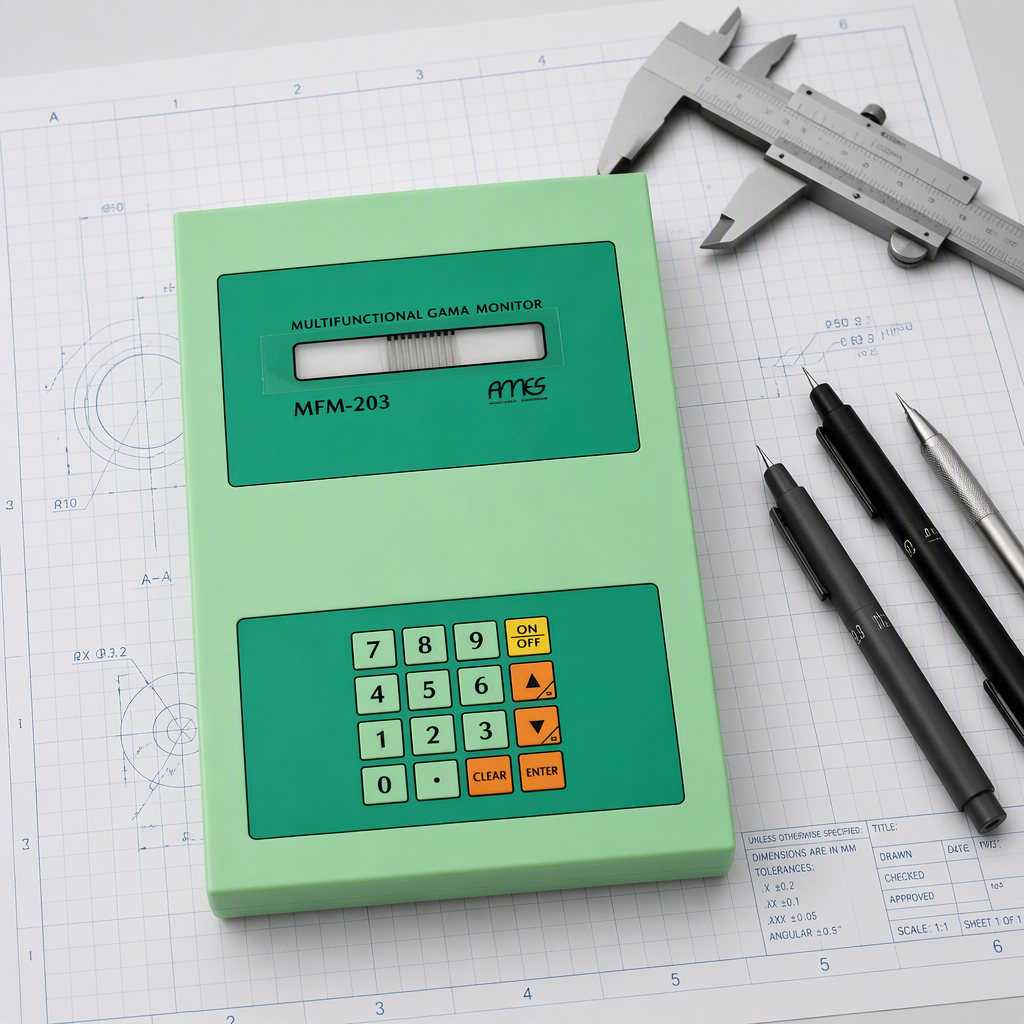
- Optical Clear Display Windows
- Autotex Fine/Velvet PET Substrate
Structural Anatomy & Physics of Non-Tactile Switch Panels
Understanding the electrical, mechanical, and surface chemistry advantages of completely flat, non-tactile switch geometries for mission-critical instruments.
Elimination of Mechanical Fatigue Failure
Unlike tactile membrane switches that rely on internal stainless steel snap domes or thermoformed polyester bubbles to create physical snap sensation, non-tactile membrane switch panels utilize ultra-thin planar contact closures. The electrical actuation occurs when surface deflection brings the top conductive ink pad into physical contact with the lower interleaved circuit matrix.
By dispensing with metal snap domes, non-tactile panels completely eliminate dome inversion fatigue, metal micro-cracking, and dome slippage caused by violent lateral shear forces or high vibration. This translates into an exceptional operating lifespan often surpassing 5 to 10 million cycles, making them the preferred architecture for continuous-cycle Austrian automation equipment and precision lab inputs.
Actuation feedback is typically routed via external acoustic indicators (piezo buzzers), high-contrast graphic LEDs, or dynamic software-driven UI response, giving operators unambiguous confirmation without relying on mechanical dome collapse.
Hermetic Sanitary Sealing (IP67 / IP69K)
With no dome protrusions or embossed key edges, non-tactile overlays present a continuous, monolithic surface. Utilizing sub-surface screen printing on polyester (PET) paired with high-performance 3M acrylic adhesive gaskets creates an impenetrable barrier against fluid ingress, washdown sprays, and airborne particulates.
Ultra-Thin Profile & Flush Integration
The overall cross-sectional thickness of a non-tactile membrane switch typically ranges between 0.5mm and 0.8mm. This thin profile enables industrial designers in Salzburg to engineer flush-mounted, sleek chassis enclosures that reduce weight, eliminate protruding crevices, and minimize structural depth inside tight machine cabinets.
Zero Contact Bounce & EMI Shielding
Engineered with uniform dielectric spacers and low-resistance conductive silver ink traces (<100Ω loop resistance) or rolled-annealed copper FPC, our non-tactile panels display negligible switch bounce time (<5ms). Embedded aluminum foil or printed carbon grids provide comprehensive EMI/ESD shielding against electrostatic discharges up to 15kV.
Deployment Scenarios Across Salzburg's Manufacturing Clusters
Custom non-tactile HMI panels engineered specifically to meet the stringent technical, environmental, and hygienic directives of Austrian manufacturing hubs.
In-Vitro Diagnostics & Medical Tech
Within Salzburg’s specialized medical device engineering centers (e.g., in Grödig, Puch bei Hallein), cleanroom bio-analyzers and bedside infusion pumps demand switches capable of withstanding constant sanitization with aggressive hospital-grade disinfectants (sodium hypochlorite, 70% isopropyl alcohol, quaternary ammonium). Flat non-tactile PET overlays prevent bacterial entrapment and ensure seamless chemical wiping.
Food Processing & Dairy Machinery
Salzburg's dairy and beverage processing infrastructure requires human-machine interfaces that comply with EHEDG sanitary principles. Our non-tactile panels feature completely sealed perimeter rings and chemical-resistant Autotex textured films that easily resist high-temperature CIP (Clean-In-Place) washdown procedures, fatty acids, and pressurized hot-water jets without delamination.
Alpine Transport & Cableway Automation
Austria’s globally recognized ski-lift infrastructure and ropeway control systems (operating throughout the Alps) face severe cyclic temperature swings (-30°C in winter to +55°C in direct summer mountain sun). Non-tactile switch panels eliminate metal dome brittle fractures caused by extreme freezing temperatures and feature UV-stabilized polyester films preventing yellowing or embrittlement under high-altitude solar radiation.
Automotive Components & Testing
Salzburg hosts key engineering supply chains servicing the European automotive sector. Our non-tactile switch panels are routinely deployed inside bench-top electronic calibration rigs, automated engine component test benches, and dynamometer console stations where spark suppression, low actuation force (1.0N to 2.5N), and zero static interference are critical.
Environmental & Hydrological Stations
Alpine ecological telemetry boxes, flood monitoring consoles, and wastewater treatment automation panels in Salzburg's river catchments operate in humid, condensation-heavy outdoor enclosures. Our non-tactile panels incorporate breathable micro-vented spacers with hydrophobic membrane vents, equalizing internal atmospheric pressure without admitting moisture.
Custom CNC & Woodworking Machinery
In the industrial zones surrounding Hallein and Bergheim, heavy woodworking and precision metal profiling machines generate fine sawdust and airborne oil mist. Non-tactile membrane switch surfaces lack any cavities or mechanical switch gaps where abrasive particles can lodge, preventing mechanical sticking and extending console life in dirty machine shops.
Emerging Technology Trends in the Austrian HMI Landscape
How modern OEM manufacturers in Salzburg and Western Austria are migrating toward advanced hybrid non-tactile interface architectures.
1. Convergence of Capacitive Sensing with Non-Tactile Overlays
Salzburg engineering teams are rapidly transitioning from purely mechanical push panels to non-tactile capacitive sensing surfaces. By laminating printed conductive ITO (Indium Tin Oxide) or copper FPC capacitive sensors directly beneath flat graphic polyester overlays, machine builders achieve zero-force touch activation, multi-touch slider capability, and proximity waking—all preserved behind a single cleanable, hermetic sheet.
2. Ultra-Thin LGF (Light Guide Film) Backlighting
Industrial consoles in Alpine power plants and low-lit laboratory cleanrooms require uniform night illumination without excessive power consumption or bulky diffuser boxes. Modern non-tactile switch panels integrate micro-etched 0.125mm Light Guide Film (LGF) fed by side-firing SMT LEDs, delivering ultra-uniform luminescence across symbols and logos with zero hot-spots and zero added mechanical travel.
3. Rigorous EU Green Compliance & Chemical Durability
Austrian buyers are bound by strict European sustainability regulations (RoHS 3 Directive 2015/863, REACH Regulation EC 1907/2006). Non-tactile switch panels exported to Salzburg utilize halogen-free conductive silver preparations, non-toxic UV inks, and recyclable polyolefin adhesives that satisfy both CE compliance audits and life-cycle environmental impact criteria.
Technical Specification & Architecture Comparison
Compare key mechanical, electrical, and durability metrics between non-tactile membrane panels, tactile metal dome assemblies, and traditional discrete mechanical pushbuttons.
| Performance Metric | Flat Non-Tactile Switch Panel | Tactile Metal Dome Switch | Traditional Mechanical Pushbutton |
|---|---|---|---|
| Actuation Travel | 0.1mm - 0.4mm (Micro-deflection) | 0.4mm - 0.8mm | 2.0mm - 4.5mm |
| Rated Operational Lifespan | 5,000,000 to 10,000,000+ Cycles | 1,000,000 to 2,000,000 Cycles | 100,000 to 500,000 Cycles |
| Surface Profile & Cleanability | 100% Flat / Completely Flush | Embossed Pillow / Dome Ridge | Protruding Bezel / Gasket Gaps |
| Ingress Protection Sealing | IP67 / IP68 / IP69K (Hermetic) | IP65 / IP67 (Requires Venting) | IP40 - IP65 (Susceptible to aging) |
| Actuation Force Range | 0.5N to 2.5N (Customizable) | 2.0N to 4.5N (Fixed dome snap) | 3.0N to 8.0N |
| Loop Resistance (Circuit) | <100Ω (Silver) / <5Ω (FPC Copper) | <100Ω (Silver) / <10Ω (FPC) | <1Ω (Solid metal contact) |
| Extreme Cold Alpine Resistance | Excellent (No metal dome brittleness) | Moderate (Domes stiffen under -20°C) | Poor (Mechanical spring freezing) |
| Assembly Thickness | 0.5mm - 0.8mm total depth | 0.8mm - 1.5mm total depth | 15.0mm - 45.0mm rear clearance |
Salzburg Sourcing & Engineering FAQ
Key questions frequently asked by Austrian procurement managers, hardware engineers, and supply chain coordinators when importing custom switch panels.
How do operators know a key was pressed without tactile dome feedback?
In flat non-tactile switch panels, feedback is delivered electronically rather than mechanically. This is achieved through integrated SMD surface-mount LEDs (illuminating status indicators on key contact), chassis piezo audio beepers, or direct UI graphics updates on adjacent display screens. This ensures unambiguous feedback while guaranteeing millions of operations without mechanical wear.
What Incoterms and shipping methods apply for deliveries into Salzburg?
We regularly ship to Austrian buyers via DAP (Delivered at Place) or DDP (Delivered Duty Paid) Salzburg, as well as standard CIF and FOB terms. Air courier shipments (DHL Express, FedEx International Priority) typically arrive at Salzburg Airport (SZG) or Vienna (VIE) within 4 to 6 business days following factory dispatch.
Are TAVO non-tactile switch panels compliant with EU RoHS and REACH?
Yes. All materials—including Autotex/Lexan films, conductive silver and carbon inks, dielectric coatings, 3M bonding adhesives, and solder alloys—are rigorously third-party tested and fully compliant with EU RoHS Directive 2015/863 and REACH Regulation (EC) No 1907/2006. Full test reports (Intertek / SGS) are provided with first-article inspections.
What engineering drawings are required to start tooling and prototyping?
We require mechanical outline drawings (DXF, DWG, or STP), graphic artwork with specified Pantone or RAL color codes (vector AI, CDR, or high-res PDF), and circuit schematic drawings showing connector pin-outs, pitch dimensions (e.g., 2.54mm or 1.0mm ZIF), and LED polarity assignments. Our CAD team returns a Production Approval Drawing within 24–48 hours.
Can non-tactile panels be backed with rigid aluminum or FR4 plates?
Absolutely. We frequently laminate non-tactile membrane panels directly onto CNC-milled aluminum backers (anodized or chromated), stainless steel plates with press-fit threaded studs (PEM studs), or FR4 rigid circuit boards. This delivers a complete, plug-and-play front panel ready for immediate chassis bolting.
What is the typical turnaround time for custom prototype batches?
Standard rapid-prototyping turnaround for custom non-tactile panels is typically 7 to 10 working days after artwork and circuit approval. Laser-cut tooling and digital UV printing on our Mimaki printers allow us to fabricate prototype iterations quickly without the upfront lead time of permanent hardened steel dies.
Why International OEMs Partner With TAVO
Founded on membrane switch engineering heritage tracing back to 1990, TAVO combines extensive Chinese manufacturing scale with rigorous European technical alignments.
Continuous refinement in membrane switches, graphic overlays, and FPC circuits since 1990, providing unmatched domain mastery.
Operating verified facilities in Xianghe (Hebei) and Huizhou (Guangdong) covering 2,219m² floorspace with 111+ full-time specialists.
Long-term technical cooperation with a German membrane switch plant, ensuring equipment, processes, and QA procedures match European expectations.
From CAD, screen printing, and digital UV printing to laser cutting, embossing, cleanroom lamination, and automated testing—all under one roof.
Accelerate Your Custom Switch Project for Salzburg Deployment
Submit your project schematics, outline drawings (DXF/PDF), or aesthetic concepts. Our senior engineering team will evaluate your layout for manufacturability, recommend optimal material stacks, and deliver a comprehensive commercial quotation within 24 hours.