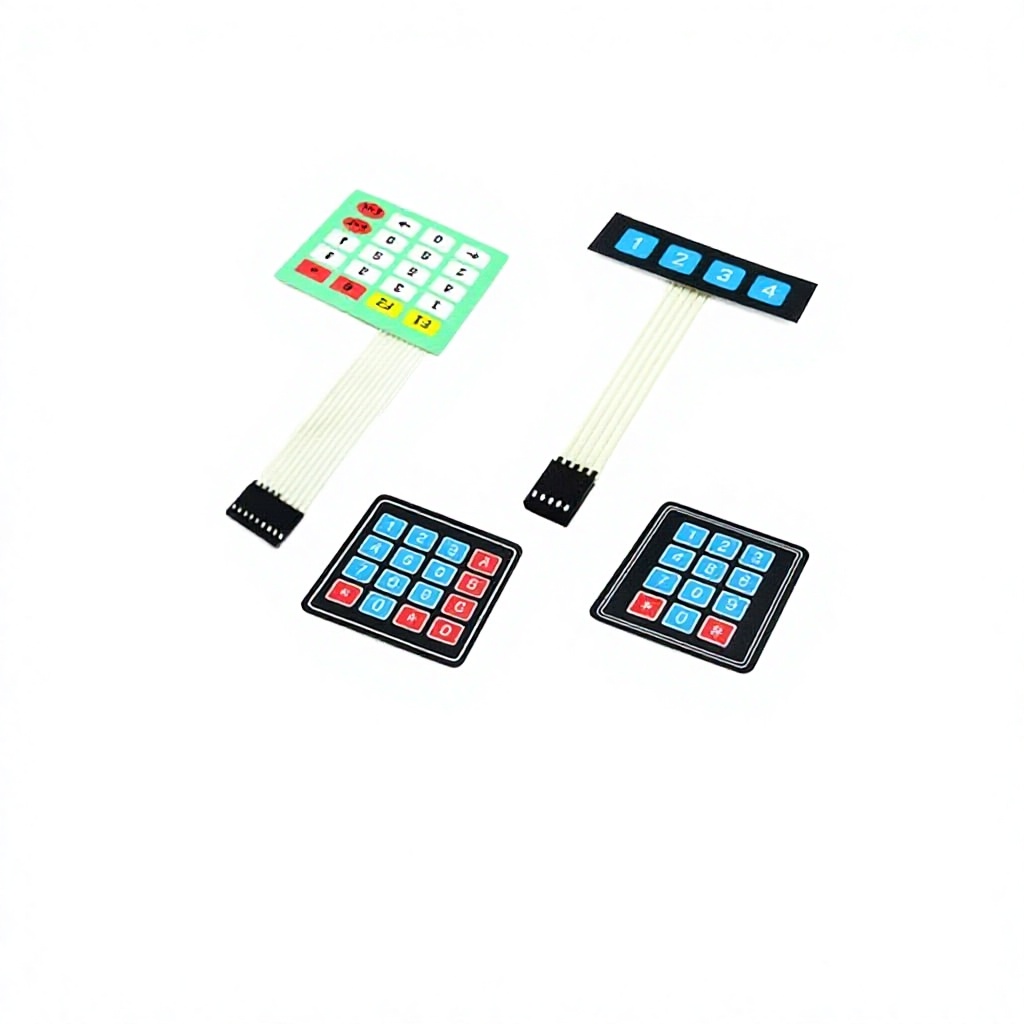
High-Precision HMI Lineup
Standard & Custom Industrial Overlays & Switches
Manufactured to withstand severe mechanical strain, environmental chemical exposure, and intensive solar exposure. Fully integrated with optically clear adhesives, rigid backers, and high-reliability circuits.
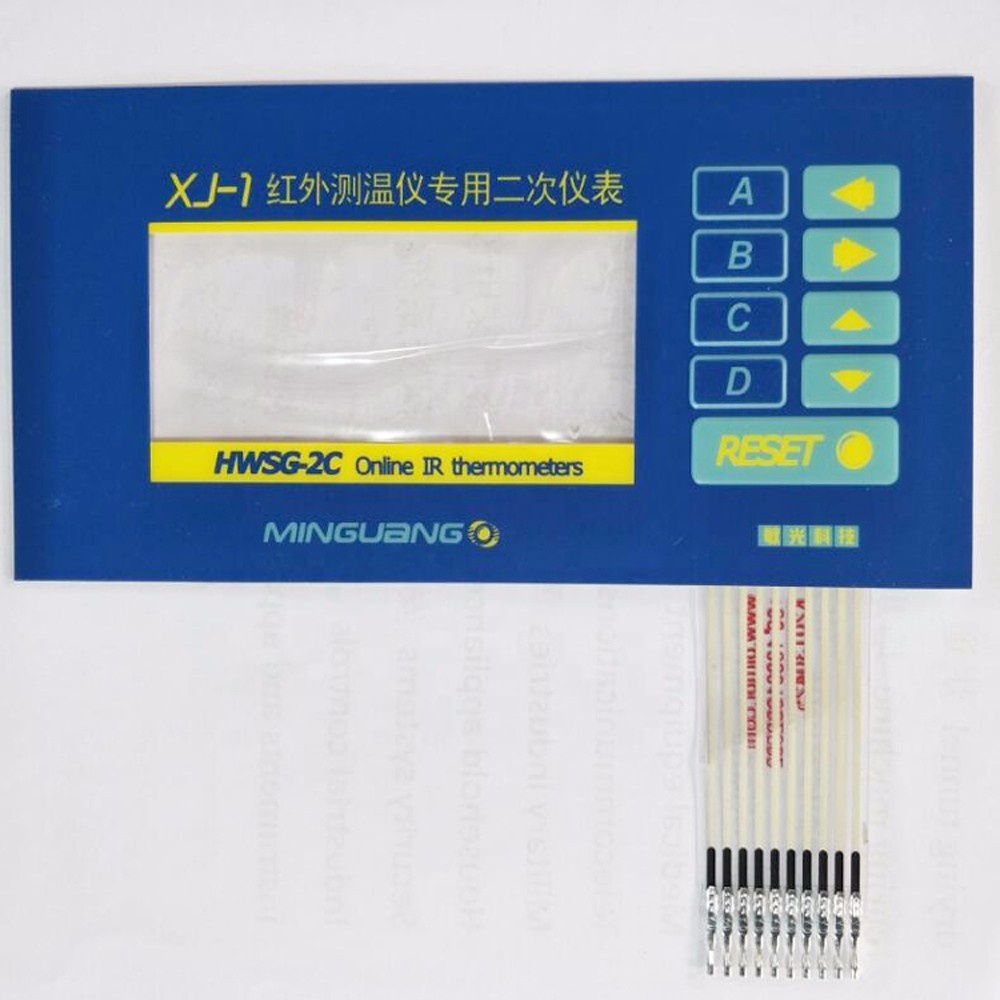
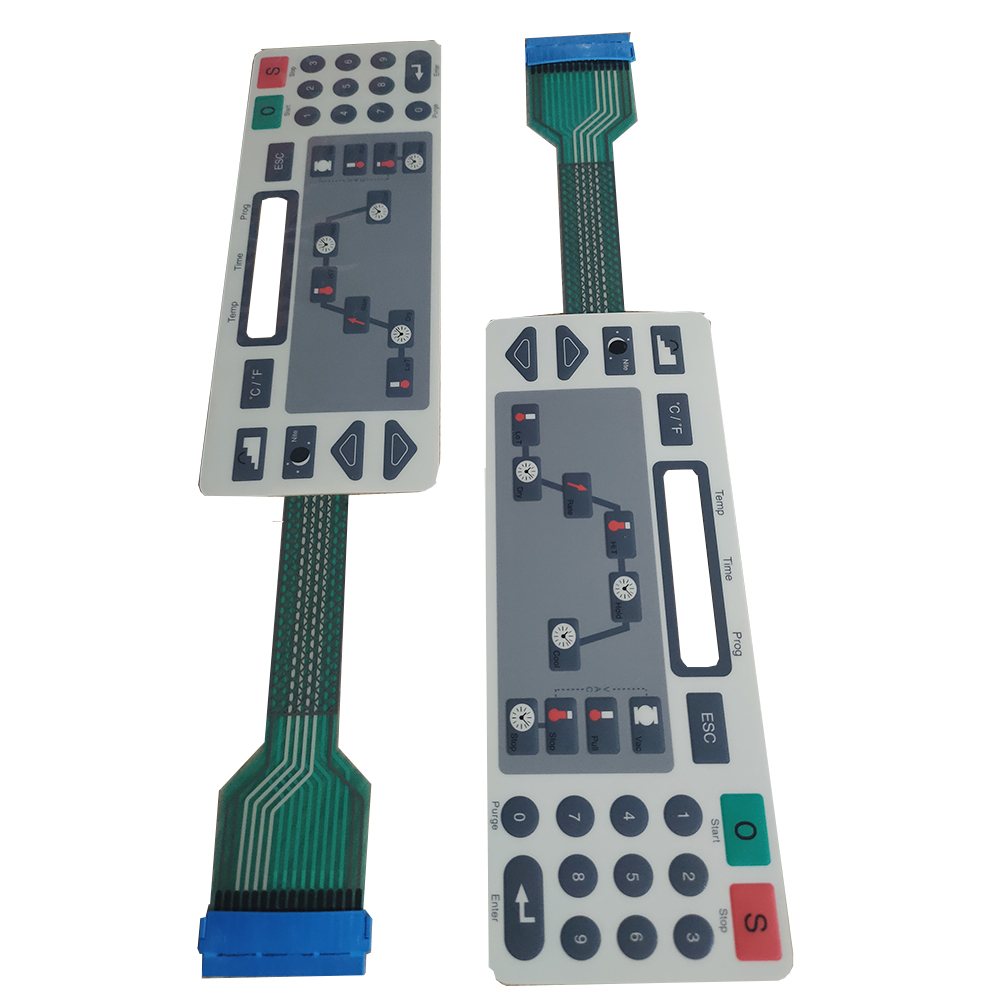
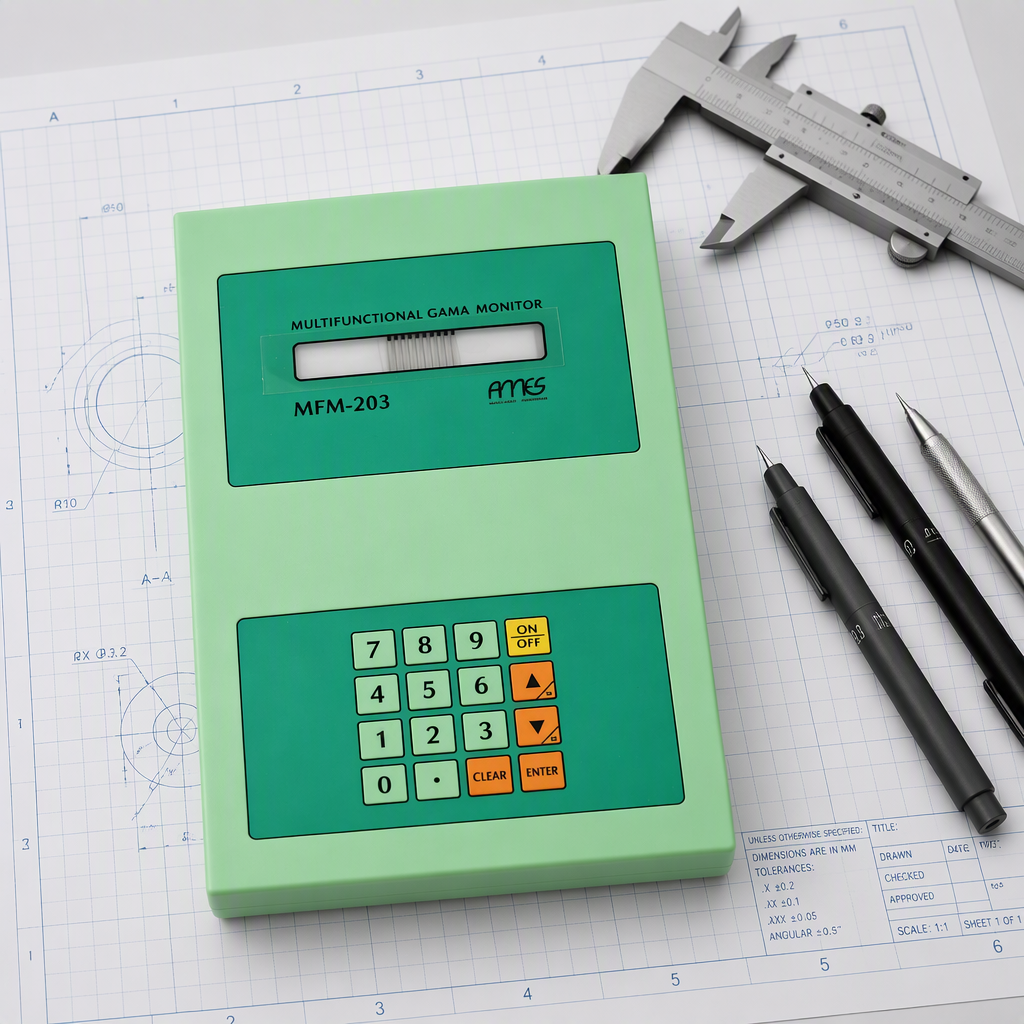
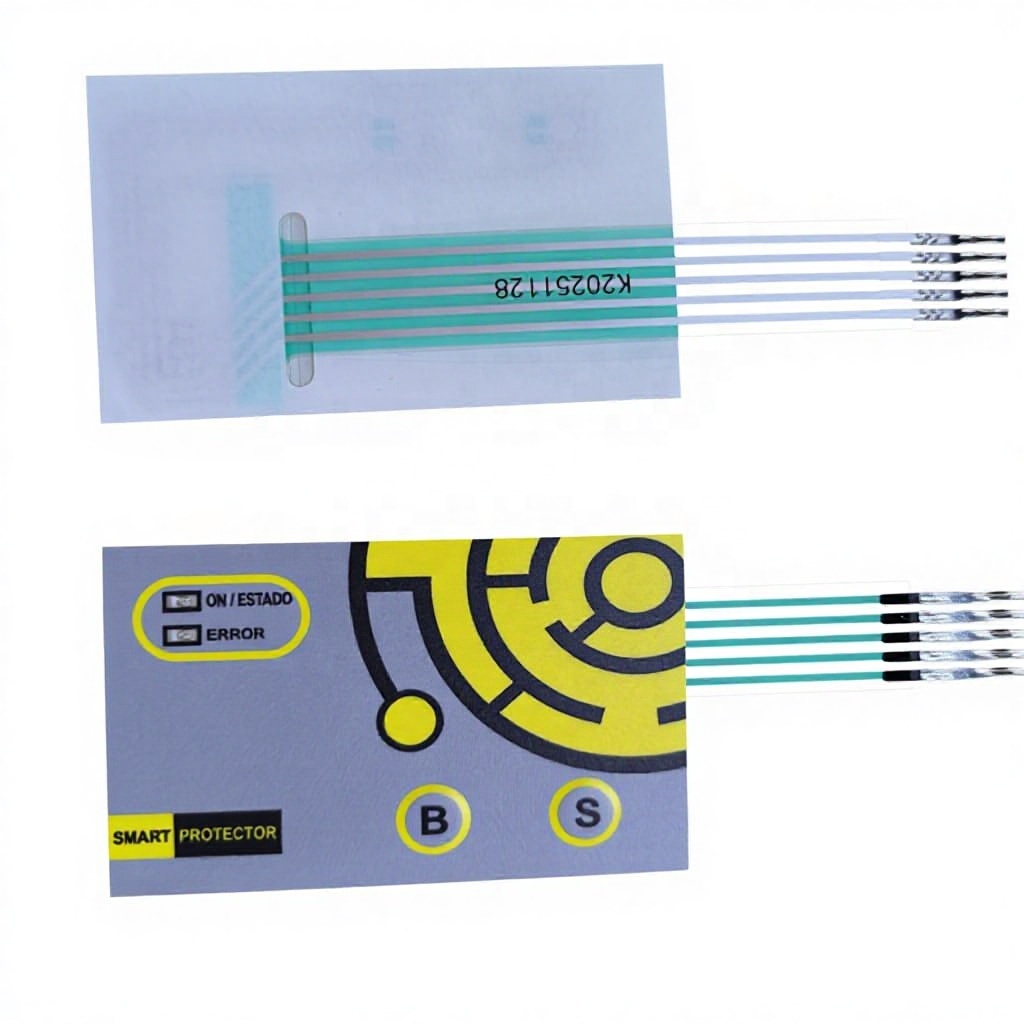
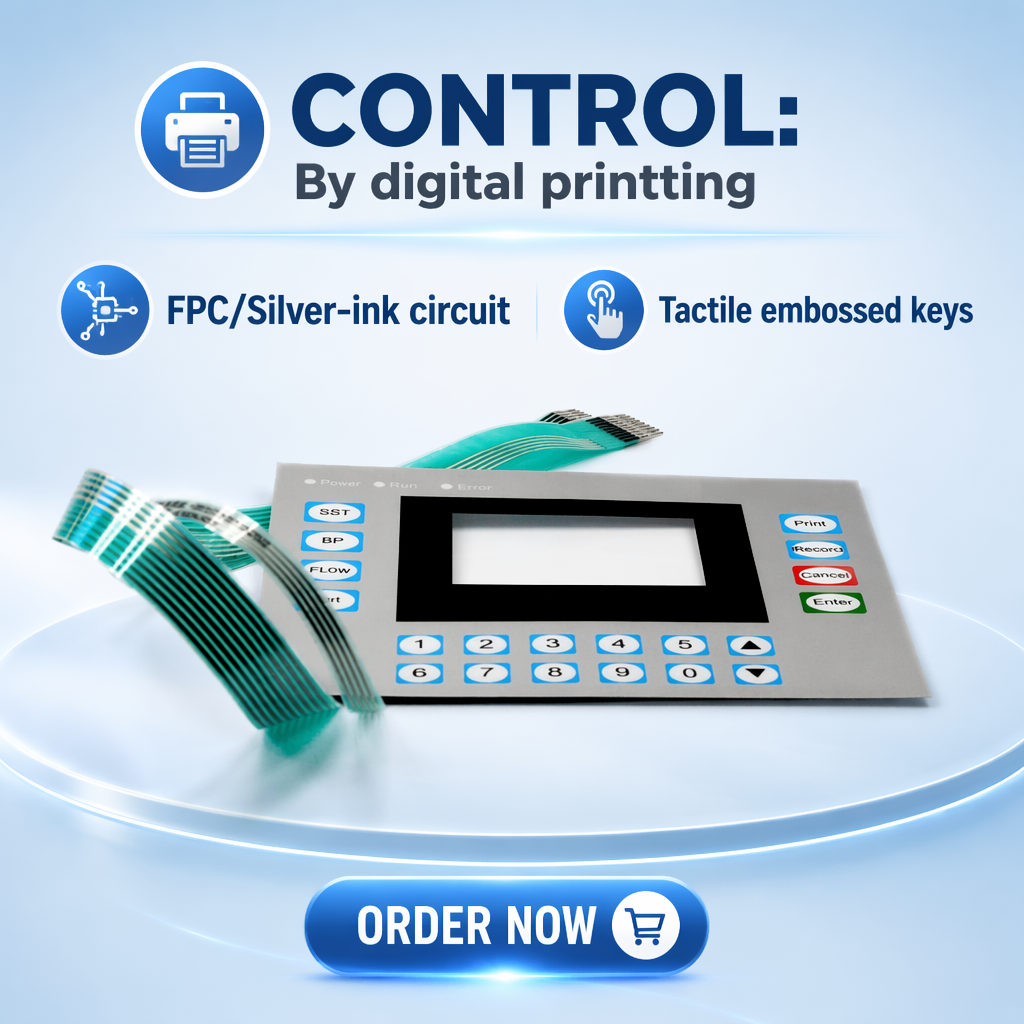
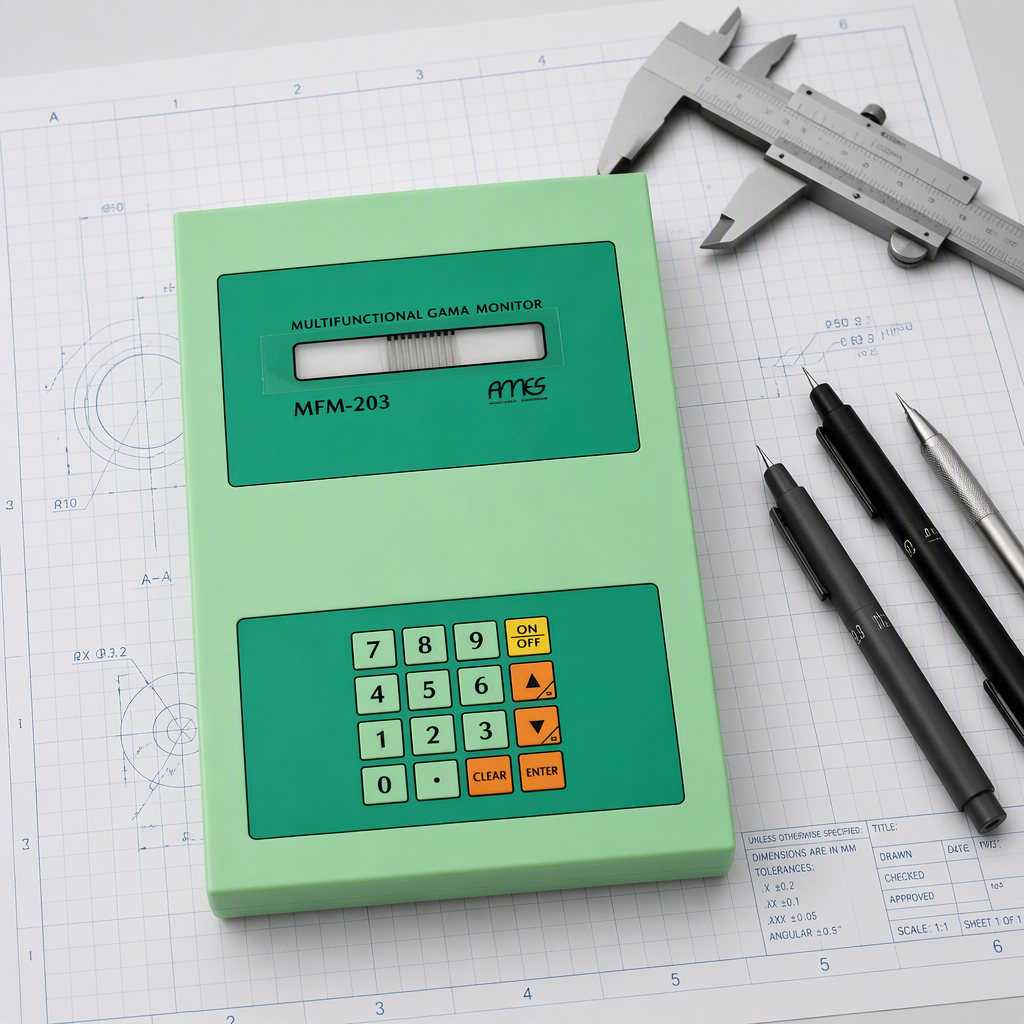
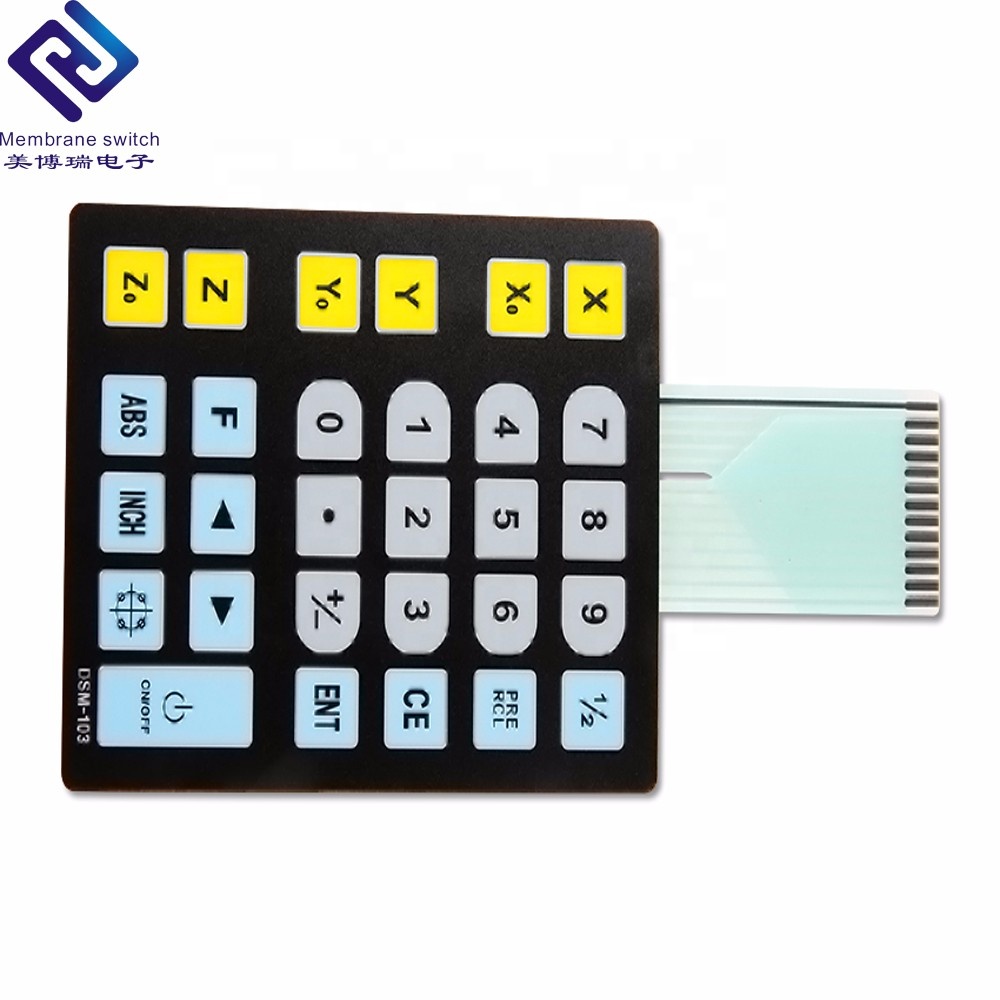
34+ Yrs
Membrane Switch & Optical Overlay Heritage Since 1990
99.2%
Optical Clarity & Light Transmission via Class 1,000 Cleanroom OCA Bonding
2,219m²
Dual Production Hubs (Hebei Robot Port & Huizhou Facility)
100%
Computerized Continuity, ACT Actuation & Xenon Arc Environmental Verification
Technical Anatomy of Optically Clear Adhesive (OCA) Optical Window Overlays
In high-performance human-machine interface (HMI) engineering, the integration of display elements—such as liquid crystal displays (LCDs), active-matrix organic light-emitting diodes (AMOLEDs), and thin-film transistor (TFT) modules—presents severe optical challenges when exposed to rugged environmental factors. Traditional mechanical mounting methods utilize air-gap gasket perimeter seals. Under ambient outdoor lighting conditions or high-lumen industrial bays, refractive index mismatches between polycarbonate/polyester overlays (n ≈ 1.58), the internal air gap (n = 1.00), and the display glass layer (n ≈ 1.52) induce internal reflection losses exceeding 8.5% to 13.5% of incident light, resulting in severe washout, Newton’s rings, and visual parallax errors.
As a specialized custom manufacturer and direct global exporter, TAVO executes dry and wet OCA (Optically Clear Adhesive) vacuum bonding techniques within an ISO Class 5 (Class 1,000) cleanroom environment. By laminating an isotropic, pressure-sensitive acrylic elastomeric OCA film (refractive index matched at n ≈ 1.474–1.490) directly between the subsurface-printed graphic overlay window and the underlying display polarizer or touch substrate, the internal air boundary is completely eradicated. This solid-state optical lamination achieves an exceptional visible light transmittance of ≥99.0%, suppresses ambient reflection to below 1.2%, and eliminates internal condensation risks driven by cyclic thermal shock.
Key Engineering Value: Optical window overlays manufactured with automotive-grade acrylic OCA and hard-coated Autotex polyester provide unmatched chemical resistance against petroleum hydrocarbons, solvents, and salt spray, preventing delamination while maintaining crisp readability across extreme operating ranges (-40°C to +85°C).
Beyond raw optical clarity, our OCA window overlays act as an essential structural shield. High-energy impact forces are distributed hydrostatically across the laminate stack rather than concentrating on brittle glass sub-layers. Combined with anti-glare (AG), anti-reflective (AR), and anti-fingerprint (AF) chemical vapor treatments on the outer cover surface, TAVO overlays provide Oklahoma instrumentation engineers with an unbeatable combination of durability, contrast enhancement, and IP67/NEMA 4X ingress isolation.
Regional Industrial Alignment
Optimized for Oklahoma City’s Demanding Operational Climates
Central Oklahoma's diverse industrial ecosystem—spanning the Mid-Continent oil patch, aerospace defense installations, and rapid clinical health tech clusters—requires human-machine interfaces that cannot afford field failure.
Oilfield Automation & SCADA
Oklahoma’s Anadarko Basin and SCOOP/STACK exploration wells demand skid-mounted flow measurement, plunger lift controllers, and pipeline telemetry interfaces built to endure direct solar UV exposure, red-dirt particulate abrasive wear, and volatile organic vapors. Our OCA-bonded display windows prevent internal fogging and resist diesel, xylene, and hydraulic fluid washes.
Aerospace & Defense Flight Line Systems
Anchored by Tinker Air Force Base and adjacent commercial avionics maintenance facilities, OKC hardware engineers require MIL-STD-810G compliant test systems, cockpit diagnostic boxes, and engine test carts. TAVO integrates copper FPC shielding layers, silver-grid Faraday attenuation cages, and non-reflective matte overlays for night-vision goggle (NVG) compatible panels.
Medical Devices & Diagnostics
Supporting biomedical equipment manufacturing around the University of Oklahoma Health Sciences Center, our cleanroom-laminated overlays provide antimicrobial finishes, seamless flat-surface hermetic seals, and high-transmission LCD readout panels engineered to withstand relentless wipe-downs with isopropyl alcohol, bleach solutions, and quaternary ammonium biocides.
E-E-A-T Manufacturing Authority
Why Tier-1 Engineers Partner with TAVO
Since 1990, TAVO has operated as a vertically integrated manufacturer, rejecting sub-contracting risks to maintain absolute control over every micron of material, precision screen print, and autoclave cycle.
| Critical Parameter | Technical Specification Benchmark | Inspection Standard / Protocol |
|---|---|---|
| Optical Light Transmittance | ≥99.0% (OCA Film Layer Only); System Transmittance ≥92.5% | ASTM D1003 (Haze & Luminous Transmittance) |
| Haze Value | <0.8% (Anti-glare textured variants custom adjusted 3%–12%) | BYK-Gardner Haze-Gard Plus Verification |
| Overlay Base Materials | Autotex Hard-coated PET (F150/F200), Lexan 8010 Polycarbonate | UL94-V2 / UL94-V0 Flammability Rated |
| Lamination Cleanliness | Class 1,000 (ISO Class 5 equivalent) HEPA Laminar Flow Booths | Fed Std 209E / Optical Microscopy (Zero Bubble/Foreign Matter) |
| Operating Thermal Window | Continuous: -40°C to +85°C (-40°F to 185°F); Peak Excursion: 105°C | MIL-STD-202 Method 107 Thermal Shock |
| Actuation Lifespan | >1,000,000 cycles (Stainless steel dome tactile snap feedback) | Computerized ACT Life-Cycle Test Fixture |
| Interfacial Adhesion | >18 N/cm (180° Peel Adhesion on Float Glass / Stainless Steel) | ASTM D3330 (3M 467MP, 468MP, VHB Bonding Formulations) |
Full In-House Ecosystem
Equipped with 37 high-precision silkscreen printers, 4 Mimaki digital UV printers, 60 CNC precision mold-making machines, and 18 high-speed laser die cutters. We handle tool fabrication, printing, embossing, and autoclave degasification completely under one roof.
German Technical Synergy
Our long-term technical cooperation with a renowned German membrane switch manufacturing facility instills rigorous DIN standards, advanced screen stretching methods, and standardized paste rheology control into our daily export runs.
Rigorous Test Laboratory
Every batch is validated inside our on-site laboratory using programmable xenon arc aging chambers, automatic salt fog corrosion booths, climatic cycling ovens, and dynamic computerized pin-to-pin contact resistance testers.
Seamless U.S. Export Logistics
With an experienced 20-person international trade department, we manage FOB, CFR, CIF, and door-to-door DDP shipments directly into Will Rogers World Airport (OKC) and regional freight hubs, backed by comprehensive Material Certs and CCoCs.
Engineering & Sourcing FAQ
Procurement Inquiries for Central Oklahoma Buyers
Clear, direct technical answers addressing supply chain risks, environmental specs, lead times, and engineering documentation.
How does an OCA optical window overlay outperform traditional die-cut perimeter acrylic tape in Oklahoma outdoor applications?
In Oklahoma’s continental climate—characterized by severe summer heat indexes, intense UV exposure, and rapid cold front temp drops—air-gap perimeter taped windows behave like micro-greenhouses. Thermal expansion draws in humid air, leading to internal moisture condensation that blurs LCDs and ruins legibility. By utilizing full-surface OCA optical bonding, the air space is permanently eliminated. This not only eradicates internal condensation and dust entry but also reinforces the outer display window against severe hail or dropped tool impacts by distributing shock energy across the entire module.
Can you provide custom EMI/RFI shielding integrated directly into the membrane switch and optical window stack?
Yes. For avionics ground support, power distribution stations, and radio communications gear operating in OKC, we integrate printed silver grid layers, solid aluminum/copper foil backers, or micro-mesh ITO (Indium Tin Oxide) sputtered polyester films. These conductive shielding layers are grounded through designated chassis tail ground tabs, delivering up to 60 dB attenuation across the 30 MHz to 1 GHz band without compromising window clarity.
What CAD files and graphic art formats are needed to initiate a rapid DFM (Design for Manufacturability) review?
Our engineering team accepts mechanical housing profiles and overlay dimensions in DXF, DWG, STEP, or PDF vector formats. Graphic artwork should be submitted in Adobe Illustrator (.AI), vector EPS, or high-resolution CDR with fonts converted to outlines and PMS (Pantone Matching System) or RAL color formulas designated. If your design includes an integrated tactile circuit, provide schematic pin-out assignments and mating connector specs (such as 2.54mm pitch female crimp housings or 1.0mm ZIF tails).
How do you safeguard small-batch prototyping through high-volume production cycles without high retooling costs?
Unlike many manufacturers that impose high minimum tooling commitments, TAVO maintains dedicated fast-turn digital prototyping lines. We use Mimaki UV digital inkjet printers and CNC digital knife/laser cutting tables to produce 5 to 50 prototype units without expensive steel tooling dies. Once field testing in Oklahoma is approved, we transition production to high-efficiency CNC hard-tooled dies and semi-automatic silkscreen machinery for mass production, ensuring repeatable dimensional tolerances of ±0.1mm.
What is the standard production turnaround and air-shipping timeline to Oklahoma City (OKC)?
Rapid prototyping samples are completed within 5 to 8 working days following engineering drawing sign-off. Full production runs are typically dispatched within 12 to 18 business days, depending on assembly complexity (such as SMT LED integration or metal backer laminations). Air freight via DHL, FedEx, or UPS Priority arrives at OKC facilities within 3 to 5 business days, complete with automated tracking, customs entry clearance, and commercial export packs.
How are the products verified against aggressive chemical and solvent exposure?
We utilize top-tier textured polyester films (such as MacDermid Autotype Autotex) and hard-coated polycarbonates. All sub-surface inks and bonding adhesives are isolated from surface wipe-downs. Our materials undergo standardized 24-hour spot testing against industrial chemicals (MEK, toluene, gasoline, motor oils, 10% hydrochloric acid) and medical cleaning agents (isopropanol, Betadine, sodium hypochlorite) without surface etching, gloss degradation, or edge curling.