Featured Touch Assemblies & Specialized Interface Systems
Engineered to withstand heavy duty industrial environments, marine spray, cleanroom washdowns, and high electrical noise profiles across the Pacific Northwest corridor.
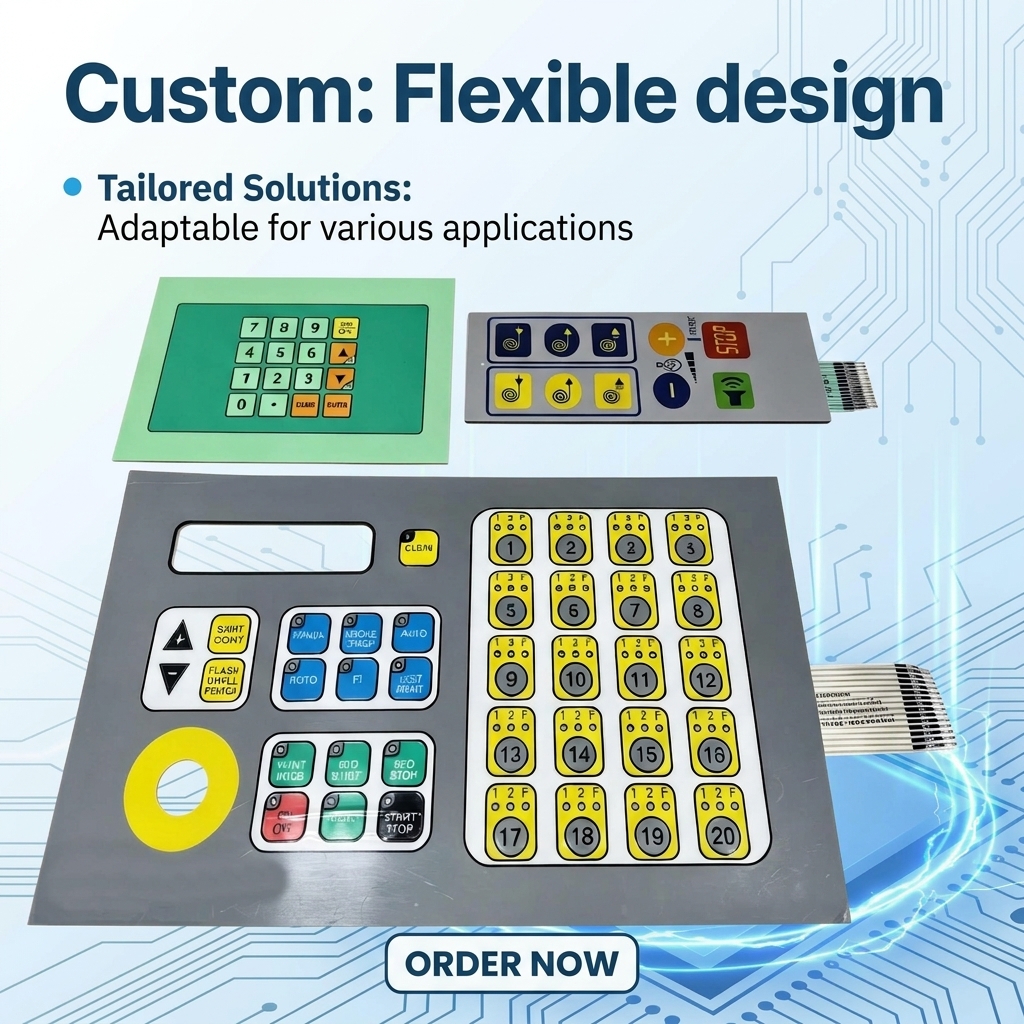
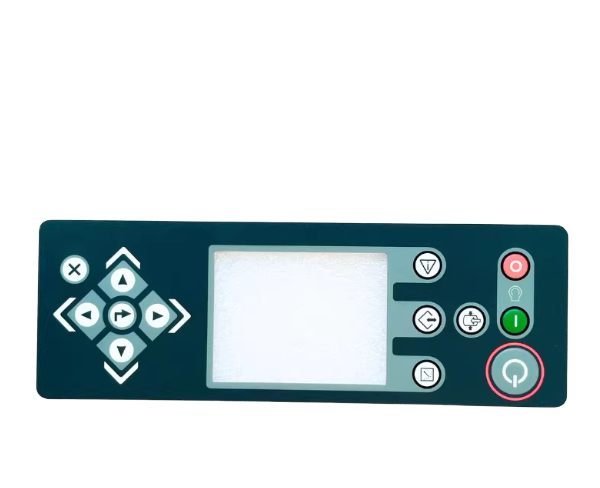
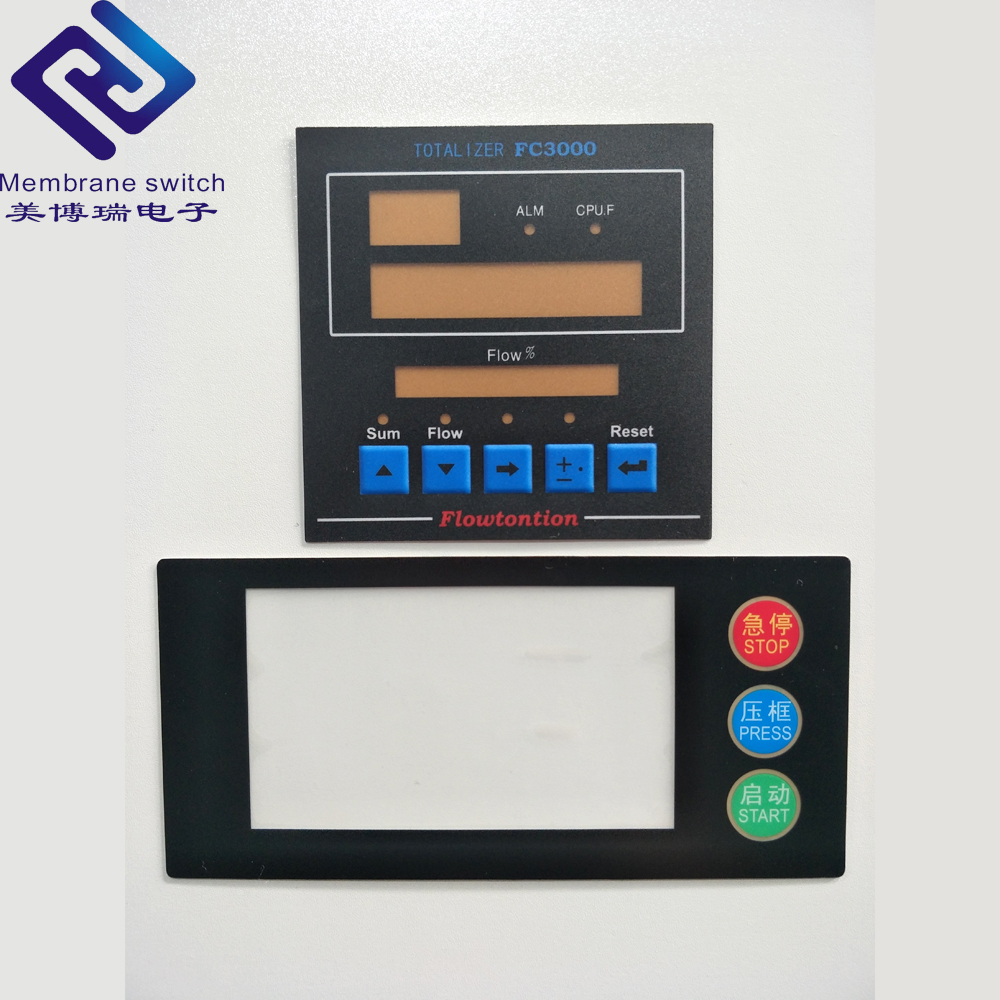
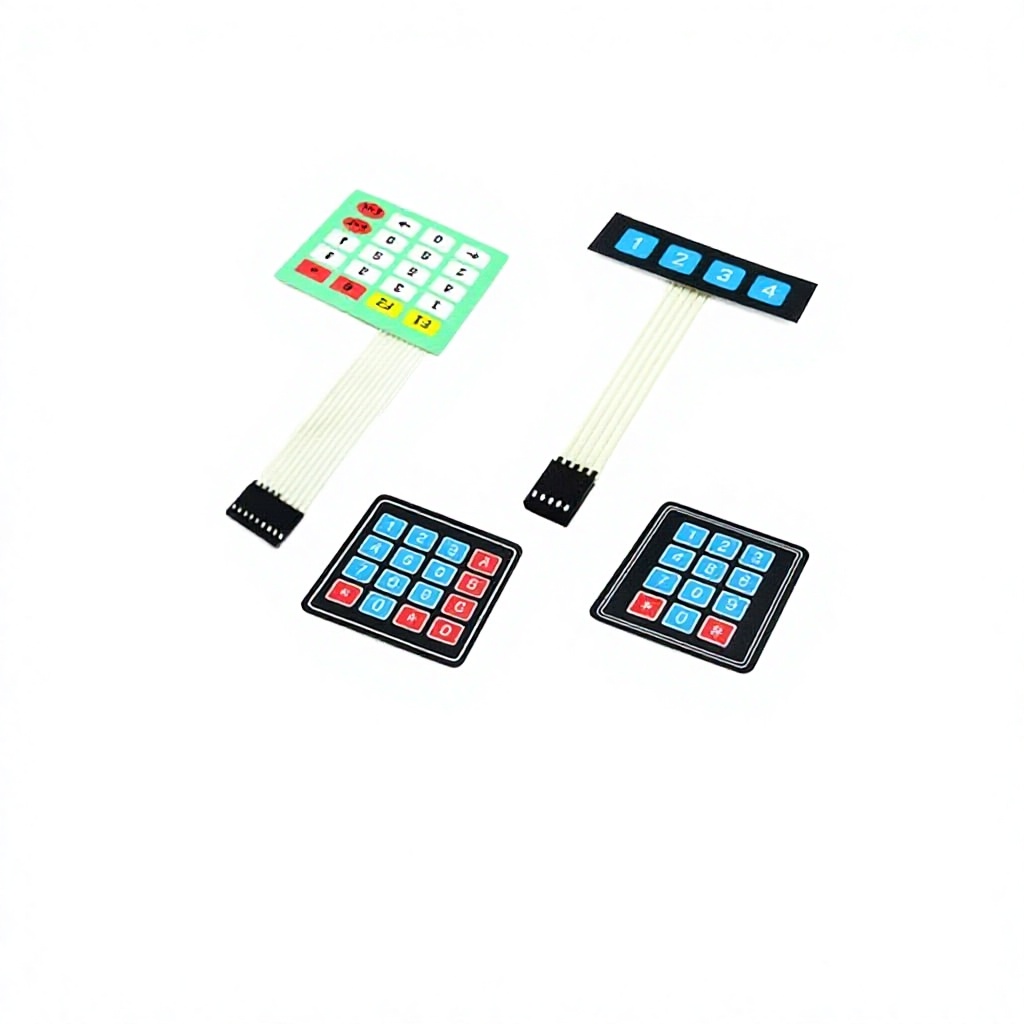
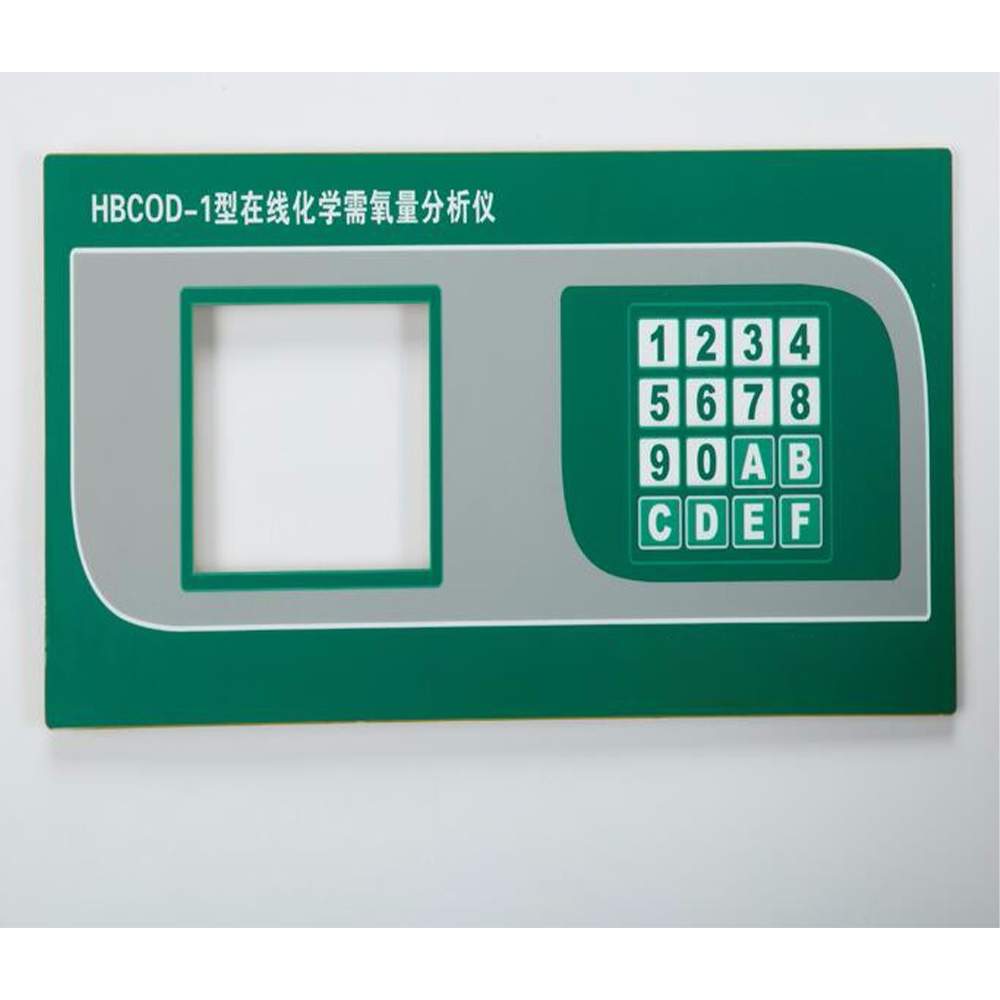
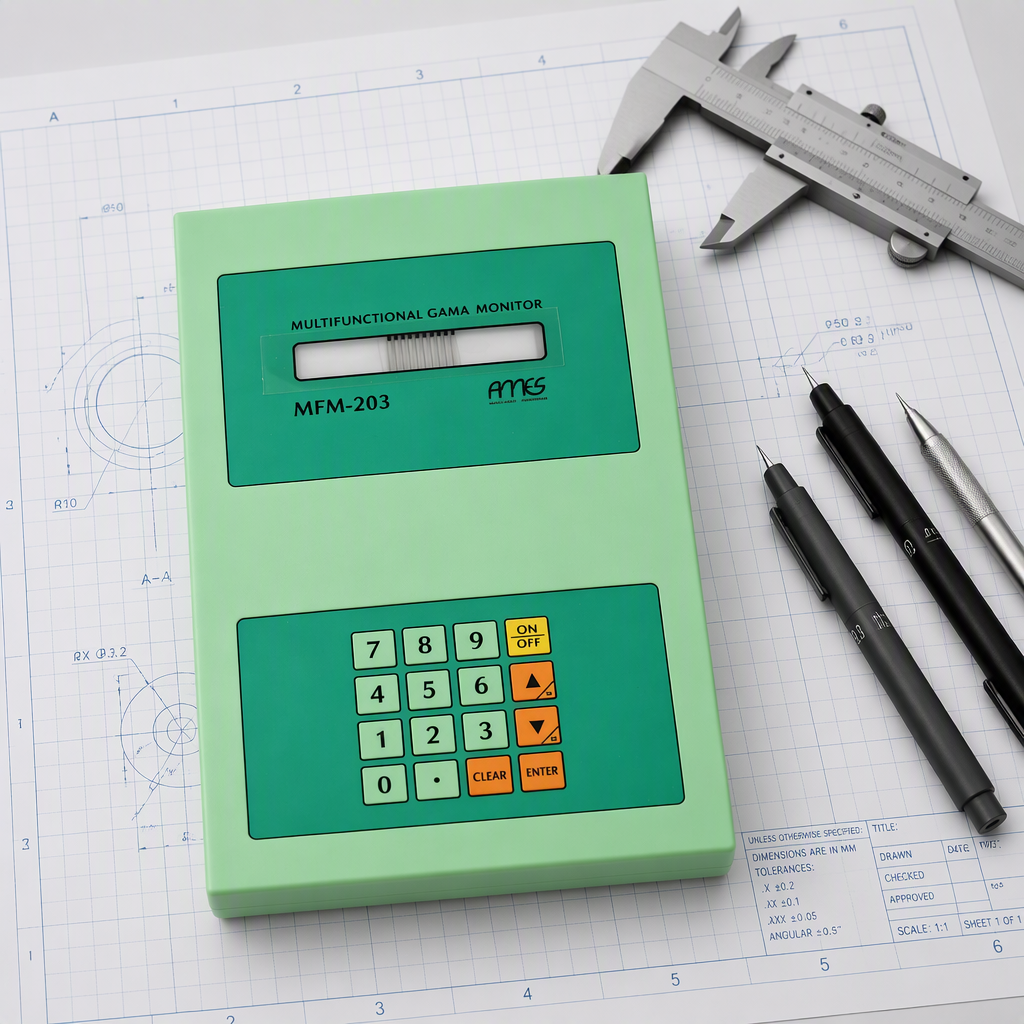
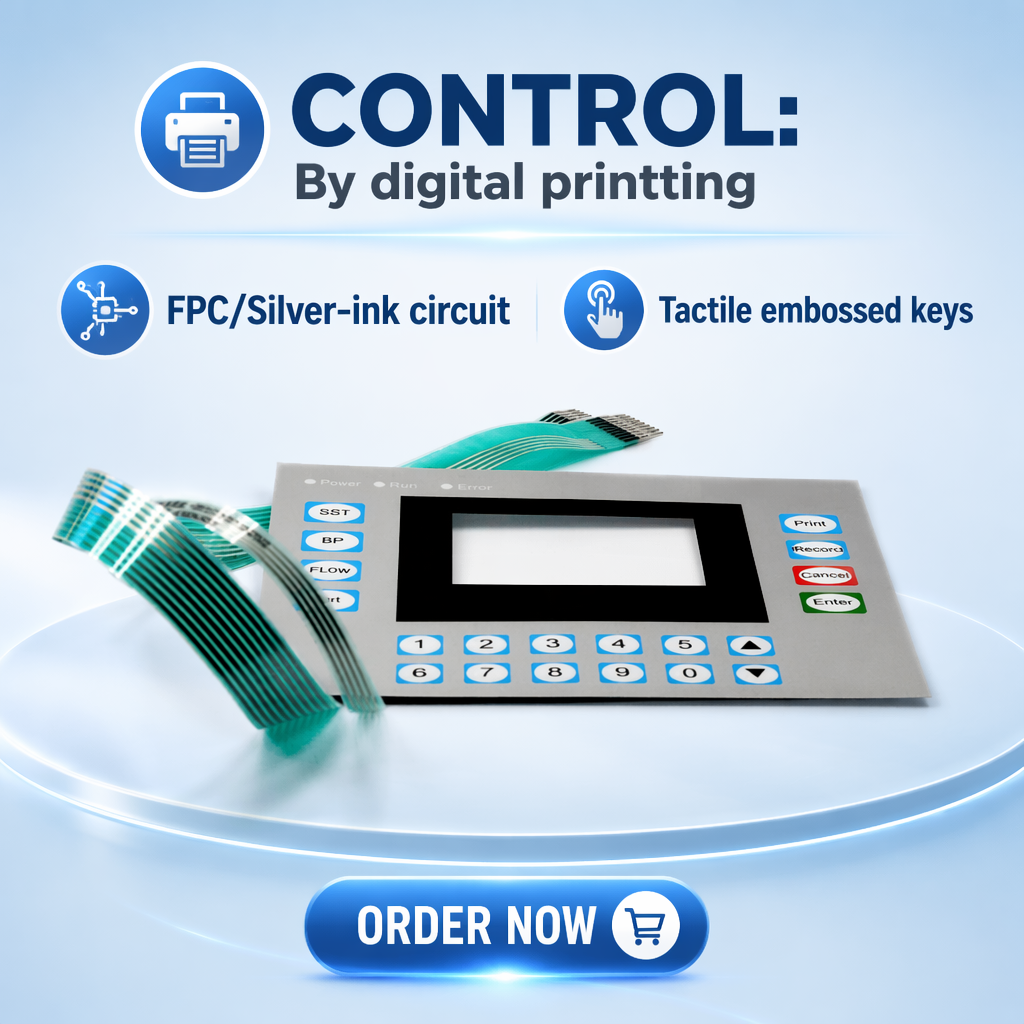
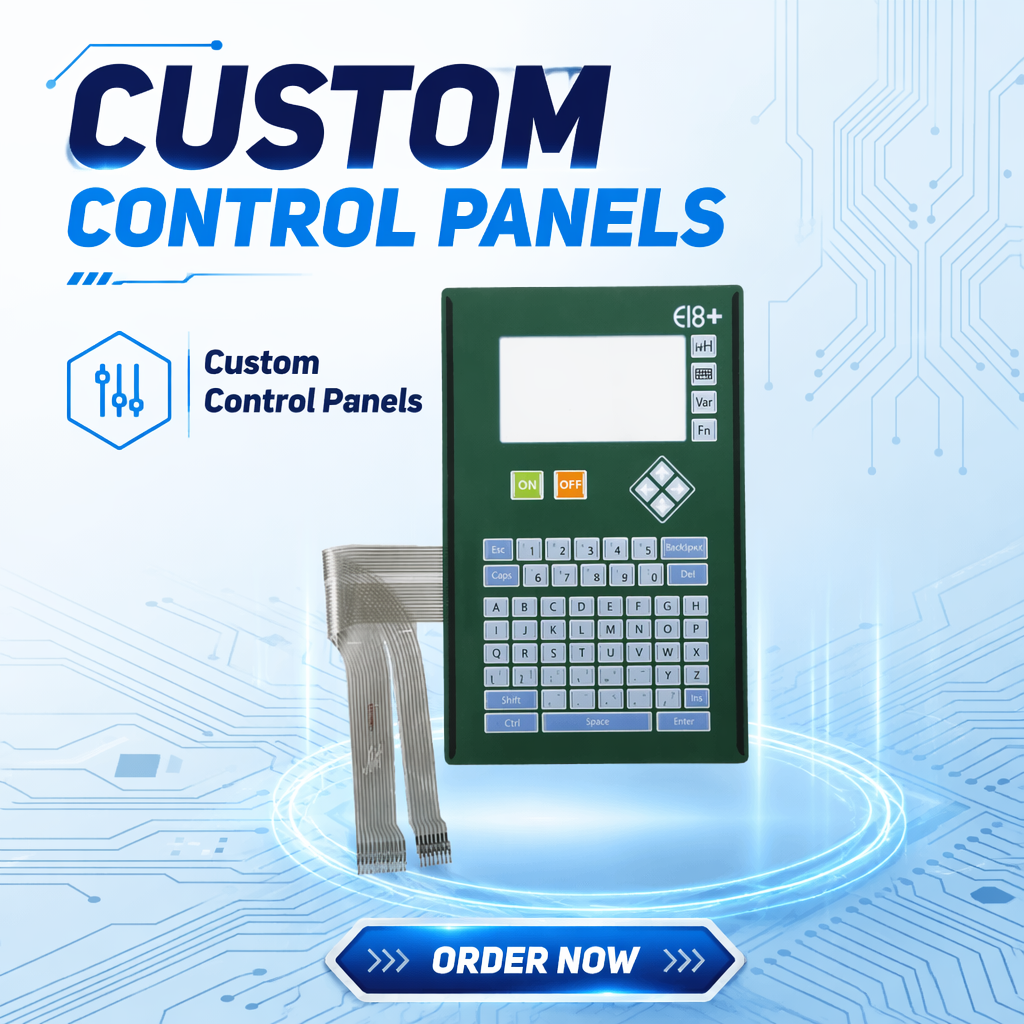
Architecting Projected Capacitive (PCAP) Panels for Harsh Environment Deployment
In high-reliability industrial automation, avionics sub-assemblies, and maritime telemetry systems across the Greater Seattle metropolitan area, standard off-the-shelf commercial touchscreens fail prematurely due to micro-fracturing, moisture ingress, optical condensation, and high ambient electromagnetic interference (EMI). As a dedicated OEM/ODM manufacturer, TAVO Electronic Information Technology Co., Ltd. engineers multi-layer capacitive touch assemblies specifically adapted to the rigorous climatic and operational demands of the Pacific Northwest.
A true industrial-grade Projected Capacitive (PCAP) touch panel requires a harmonious marriage between the cover lens metallurgy, the optical bonding resin, the conductive sensing grid, and the microcontroller firmware. Whether specifying Mutual Capacitance for true multi-finger tracking or Self-Capacitance for extreme water immunity and gloved actuation, our engineering team optimizes each stack-up layer to ensure zero false triggers in condensing environments.
Cover Glass & Optical Coatings
Chemically strengthened aluminosilicate glass or thermally tempered soda-lime options ranging from 0.7mm to 6.0mm. Surface modifications include Anti-Glare (AG) chemical etching, Anti-Reflective (AR) vacuum sputtering, and Oleophobic/Anti-Fingerprint (AF) plasma deposition.
Sensor Structures: G+G vs. G+F+F
Depending on structural stiffness and weight constraints, we construct Double-Sided ITO Glass (DITO), Glass-to-Glass (G+G) for optical clarity and impact resistance (IK08-IK10), or Glass-Film-Film (G+F+F) for lightweight, shock-resistant avionics applications.
OCA & OCR Optical Bonding
Zero-air-gap full lamination utilizing Optically Clear Adhesives (OCA) or liquid UV-curable Optically Clear Resins (OCR). This eliminates internal reflections, prevents internal condensation in Puget Sound marine humidity, and enhances sunlight readability dramatically.
Beyond the optical and mechanical layers, our custom Flexible Printed Circuit (FPC) tails are engineered with integral EMI shielding (silver paste coating, conductive aluminum-mylar, or copper grid layers) to meet FCC Part 15 Class B and MIL-STD-461 radiated susceptibility envelopes. Our onboard controller selections (including industrial solutions from EETI, Ilitek, and Microchip) undergo exhaustive firmware parameter tuning for thick work-glove tracking, salt-water rejection, and liquid film calibration.
Puget Sound Ecosystem: Localized Application Scenarios
How our custom capacitive touch sensors and rugged HMI assemblies power critical industries across King, Snohomish, and Pierce Counties.
Avionics & In-Flight Cabin Control
DO-160 qualified cockpit peripherals, galley control interfaces, and in-flight entertainment switches. Engineered with low outgassing adhesives, flame-retardant substrates (UL94-V0), and night vision goggle (NVG) compatible LED illumination.
Bridge Consoles & Naval Sonar HMIs
Salt-fog resistant consoles for Pacific commercial fishing trawlers and cargo tugs. Rated IP67/IP68 waterproof with 3M VHB perimeter adhesives, optical bonding to eradicate fogging, and algorithms configured to reject crashing saltwater spray.
Clinical Diagnostics & Surgical Monitors
Cleanroom-compatible front overlays engineered from micro-textured Autotex PET and chemically resistant polycarbonate. Impervious to repeated sterilization using Isopropyl Alcohol, Bleach, and quaternary ammonium compounds without crazing.
Hyperscale Infrastructure & Edge Robotics
Rackmount server touch controllers, automated guided vehicle (AGV) pendant keypads, and factory robotics interfaces. Built with integrated metal backers and rigid FR4 PCB integration for high mechanical rigidity and direct connector soldering.
Engineering Comparison: Touch Panel Technologies for Pacific Northwest Applications
Hardware procurement teams in Washington State often debate between Projected Capacitive (PCAP), 5-Wire Resistive, and Hybrid Membrane-Capacitive interfaces. Below is an engineering trade-off matrix designed for sourcing directors and systems architects:
| Performance Characteristic | TAVO Projected Capacitive (PCAP) | 5-Wire Resistive Sensor | Capacitive Membrane Switch (Hybrid) |
|---|---|---|---|
| Optical Transmittance | ≥88% to 92% (Up to 96% with AR coatings) | 78% – 82% (Hazy in bright sunlight) | Non-transparent or cut-out window ≥85% |
| Surface Hardness (Mohs / Pencil) | 7H – 9H (Tempered / Chemically Strengthened) | 3H – 4H (Prone to stylus scratching) | 3H – 7H (Polycarbonate or Hardcoated PET) |
| Operating Temperature | -30°C to +80°C (Industrial Automotive Grade) | -10°C to +60°C (Limited cold endurance) | -40°C to +85°C (Wide operating thermal band) |
| Moisture & Water Rejection | Advanced firmware suppression (Water-droplet safe) | Physical contact driven (Immune to spray) | Fully sealed IP67/IP68 barrier construction |
| Glove Actuation Support | Supported (Heavy leather, latex, nitrile up to 5mm) | Universal (Actuated via mechanical pressure) | Supported with calibrated sensor sensitivity |
| Expected Actuation Life | 50,000,000+ touches at single contact point | 35,000,000 touches (Indium tin oxide degrades) | 5,000,000+ cycles (Dependant on metal dome) |
| Primary Seattle Use-Case | Modern medical touch screens, marine navigation | Legacy agricultural & field diagnostic tools | Locomotive panels, harsh machinery enclosures |
For custom systems requiring tactile confirmation combined with a flush, wipe-down glass front, TAVO specializes in hybrid capacitive membrane switches that integrate tactile metal dome switches behind capacitive sensing regions, providing haptic tactile clicks alongside solid-state reliability.
Pacific Northwest Emerging Trends: Human-Machine Interfaces
The electronics hardware manufacturing ecosystem around Seattle and the broader Cascadia Innovation Corridor is undergoing a rapid modernization shift. Procurement directors and R&D teams are focusing on four key technical movements:
1. Elimination of Optical Air Gaps in High-Humidity Regions: Due to continuous seasonal dampness in Western Washington and coastal Alaska routes, legacy air-gap bonded touch monitors suffer from internal glass condensation when transported between climate-controlled facilities and outdoor berths. Direct optical lamination using solid silicone or UV acrylic OCA has transitioned from a luxury specification to a mandatory requirement for marine and outdoor municipal infrastructure.
2. Glove-Aware Firmware Calibration: Industrial operations in cold-chain logistics (such as seafood processing in Bellingham and cold-storage distribution in Kent) require operators to wear 3mm to 6mm thick insulated safety gloves. Modern mutual-capacitive ICs with programmable sensitivity thresholds allow touch sensors to dynamically transition between finger touch, water rejection mode, and thick glove tracking without rebooting or driver interruption.
3. Transition from Silkscreen Printing to Digital Hybrid UV Printing: While traditional 37-station screen printing remains unmatched for high-opacity white bases and silver conductive tracks, fast-turn prototyping for Seattle startups relies heavily on digital UV flatbed printing (such as our high-precision Mimaki printers). This eliminates photopolymer tooling charges, enables high-definition photorealistic gradients, and accelerates time-to-market for low-to-medium pilot runs.
4. Rigorous Electromagnetic Compatibility (EMC) Compliance: With the dense clustering of RF communications, satellite links, and heavy AC motor drives in aerospace testing facilities and maritime vessels, touch sensors cannot emit parasitic electromagnetic radiation, nor can they trigger false actuations under high radiated RF fields. Integrating full perimeter ground traces and conductive shielding backplanes is now standard practice in our design-for-manufacturing (DFM) reviews.
Manufacturing Authority & Production Infrastructure
Direct ownership of machinery, dual-base production scalability, and comprehensive reliability laboratories certified under global standards.
Tracing back to 1990, our engineering pedigree encompasses three decades of technical evolution from simple silver-ink switches to sub-micron capacitive touch assemblies.
Modern production facilities located in the Xianghe Robot Industry Port (Hebei) and a secondary manufacturing center in Huizhou (Guangdong), securing capacity continuity.
Our quality management systems are independently audited by Intertek. Comprehensive tracing from raw material resin certs to final optical coordinate measurement.
Active, long-standing technical collaboration with German membrane switch engineers, incorporating European precision tolerances and laser-guided alignment protocols.
Equipped with 60 CNC mold-making machines, 37 precision screen printers, 4 Mimaki heat-setting UV printers, 18 laser cutters, and 7 high-speed digital engraving centers.
Every lot is subjected to xenon lamp UV accelerated aging, automatic salt fog corrosion, programmable temp/humidity cycling (-40°C to +150°C), and multi-million actuation life testing.
In-House Closed-Loop Quality Assurance
Many overseas trading firms broker touch screen and membrane keypad orders across scattered third-party vendors, resulting in inconsistent adhesive curing, pinhole short-circuits, and color drift. At TAVO, 100% of manufacturing operations — CAD layout engineering, laser film output, cleanroom printing, embossing, CNC trimming, SMT component soldering, optical window lamination, and automated electrical continuity verification — remain under our direct supervision. Our dedicated 20-person international engineering and trade team works directly with Seattle procurement officers, reconciling engineering change orders (ECOs) in real-time with comprehensive DFM feedback.
Frequently Asked Questions: Sourcing Touch Panels in Seattle
Straightforward answers addressing supply chain logistics, engineering documentation, tariffs, and mechanical integration for Pacific Northwest buyers.
To generate an accurate mechanical and electrical proposal, our design engineers require: (1) Vector CAD outlines of the mechanical envelope (DXF, DWG, STEP, or IGES); (2) Graphic overlay artwork with designated Pantone/RAL color codes (AI, CDR, or vector PDF); (3) Circuit schematic or connector pin-out assignment; (4) Tail exit location and connector mating part number (e.g., FCI, Molex, Amphenol ZIF); and (5) Operating environment specifications (temperature range, UV exposure, chemical exposure, ingress protection targets).
For expedited NRE prototypes and pre-production evaluation batches, we ship air-express (FedEx Priority, DHL Express, or UPS Worldwide) directly to your facilities in Seattle, Bellevue, Redmond, or Everett within 3 to 5 business days. For volume manufacturing runs, we offer flexible shipping terms including FOB Shenzhen/Hong Kong, CIF Port of Seattle, or complete DDP (Delivered Duty Paid) directly to your receiving dock with all US Customs clearance and Section 301 tariffs managed seamlessly.
Saltwater is highly conductive, creating severe parasitic capacitance that traditional consumer touch panels misinterpret as multi-finger inputs. For Puget Sound and marine applications, we utilize advanced differential sensing algorithms running on EETI or Ilitek automotive-grade controller chips. The firmware continuously maps baseline environmental impedance, dynamically ignoring unbroken water sheets and standing water droplets while maintaining responsive single-finger and two-finger tracking.
Yes. We frequently supply complete HMI assembly stack-ups to OEMs who want to streamline their supply chains. We laminate our touch screens or graphic overlays onto precision-punched aluminum, stainless steel, or zinc-plated backer plates fitted with press-fit PEM studs. Furthermore, in our Class 1000 cleanroom environments, we perform full OCA/OCR optical bonding of TFT LCD display modules directly to the touch panel sensor glass, delivering a plug-and-play front bezel assembly.
Unlike rigid commodity producers requiring massive minimum runs, TAVO maintains low minimum order quantities to support Seattle hardware startups, medical device innovators, and aerospace pilot programs. Prototyping quantities from 5 to 50 pieces are fully supported. Prototype tooling and sample fabrication typically complete within 10 to 14 business days from CAD/artwork sign-off, with mass production recurring runs delivering within 3 to 4 weeks.
Ingress protection depends on both proper overlay border design and adhesive selection. We employ genuine high-performance adhesives, specifically 3M 467MP, 3M 468MP, or thick 3M VHB closed-cell acrylic foam tapes with closed perimeter die-cut gaskets. By eliminating venting holes in the active display perimeter and utilizing internal silicone channel barriers, our panels routinely achieve verified IP65, IP66, and IP67 test performance.
We regularly execute standard mutual Non-Disclosure Agreements (NDAs) governed under Washington State or US federal law prior to reviewing CAD files or project schematics. Your mechanical tooling molds, custom silkscreen films, sensor layouts, and firmware parameters remain strictly proprietary to your company with strict internal data security management.
Accelerate Your Pacific Northwest Hardware Product Launch
Connect directly with our senior application engineering team to evaluate mechanical tolerances, request material sample kits (Autotex PET, Gorilla Glass, 3M Adhesives), and receive a verified DFM quotation within 24 hours.