High-Reliability Keypads & Integrated Control Assemblies
Direct-from-manufacturer OEM/ODM assemblies featuring conductive rubber matrices, silicone overlays, and high-density printed electronics compliant with ISO 9001 and strict NY aerospace/medical protocols.
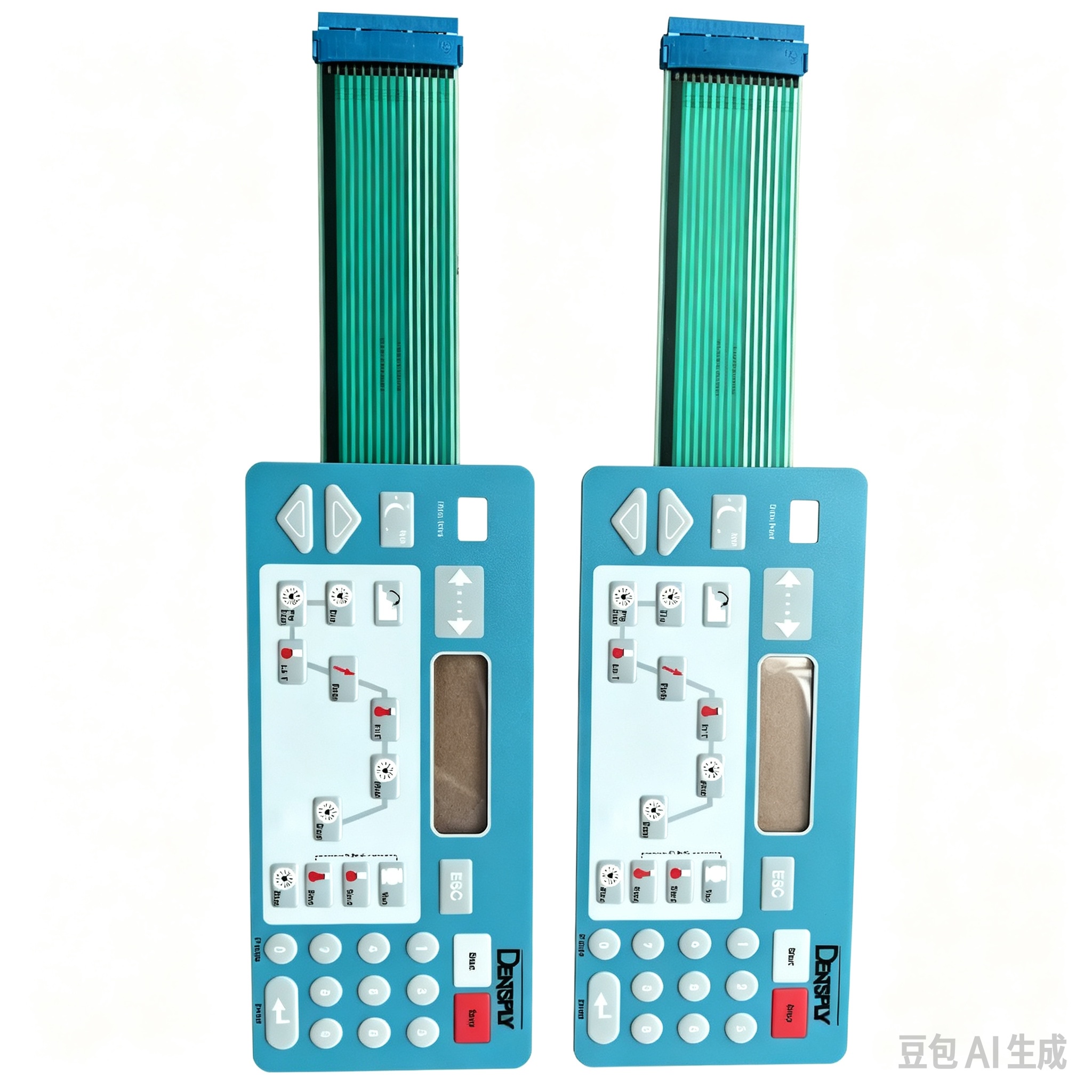
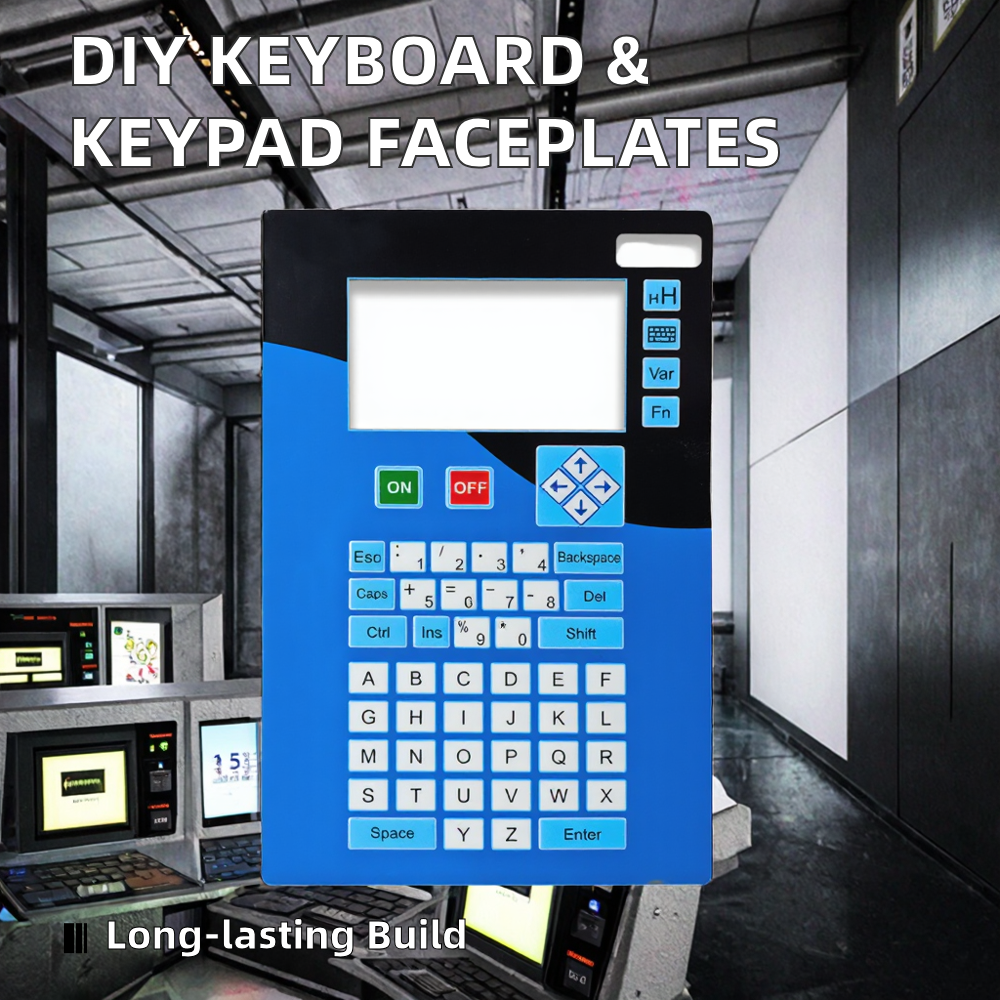
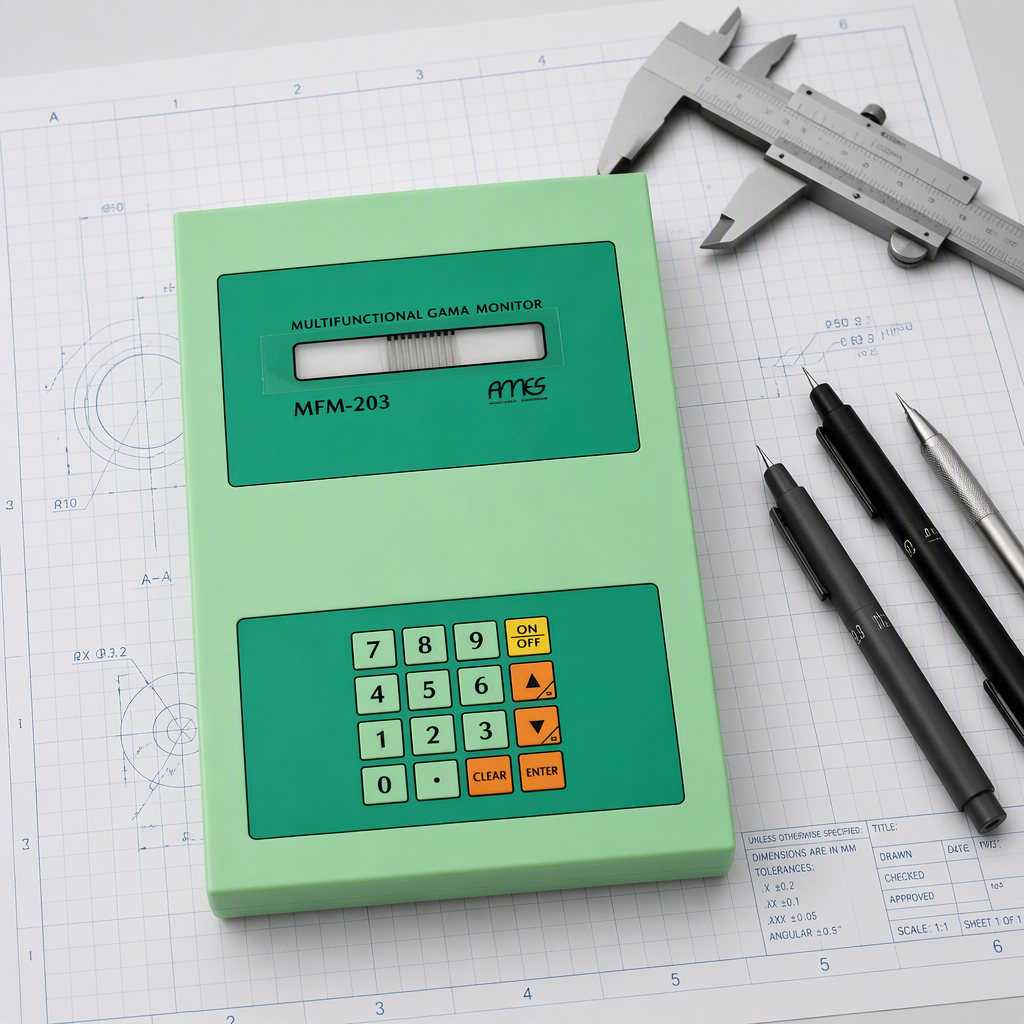
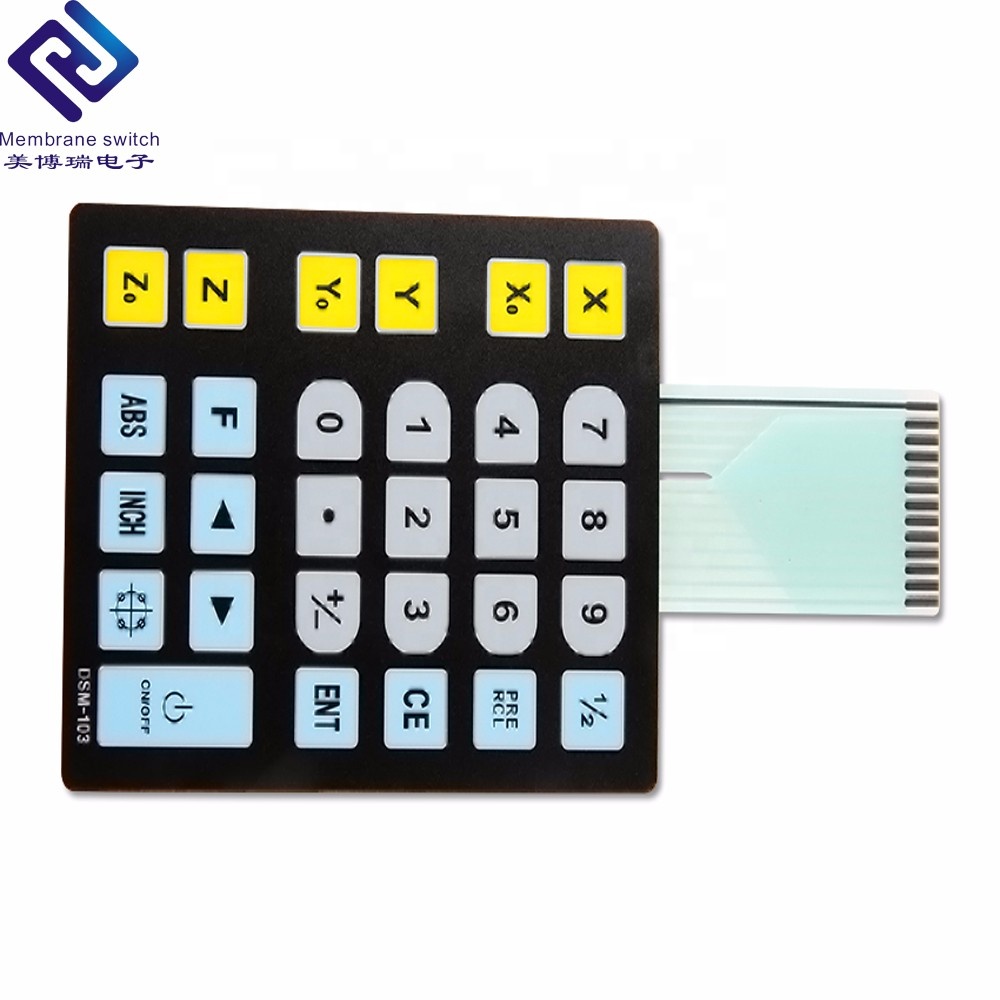
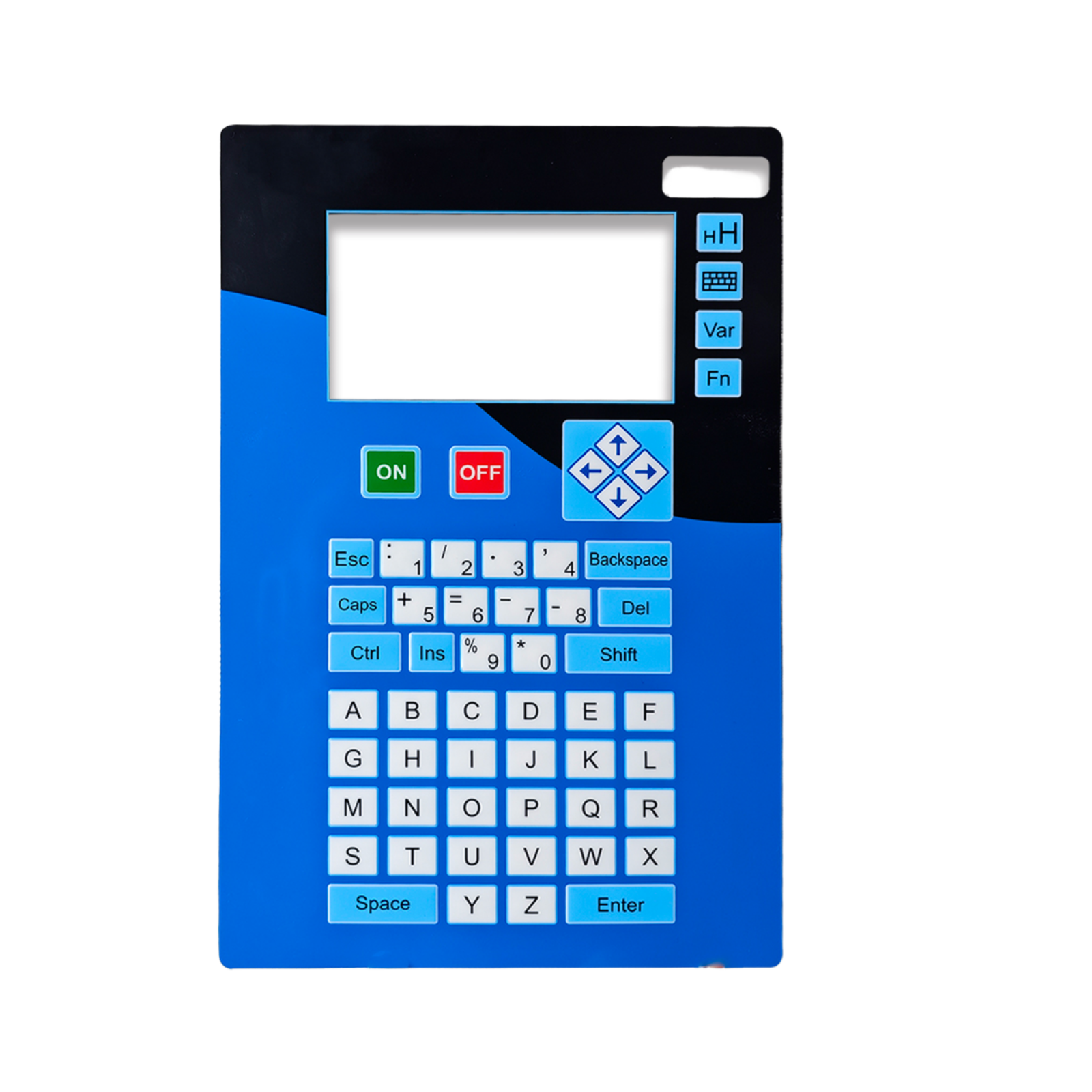
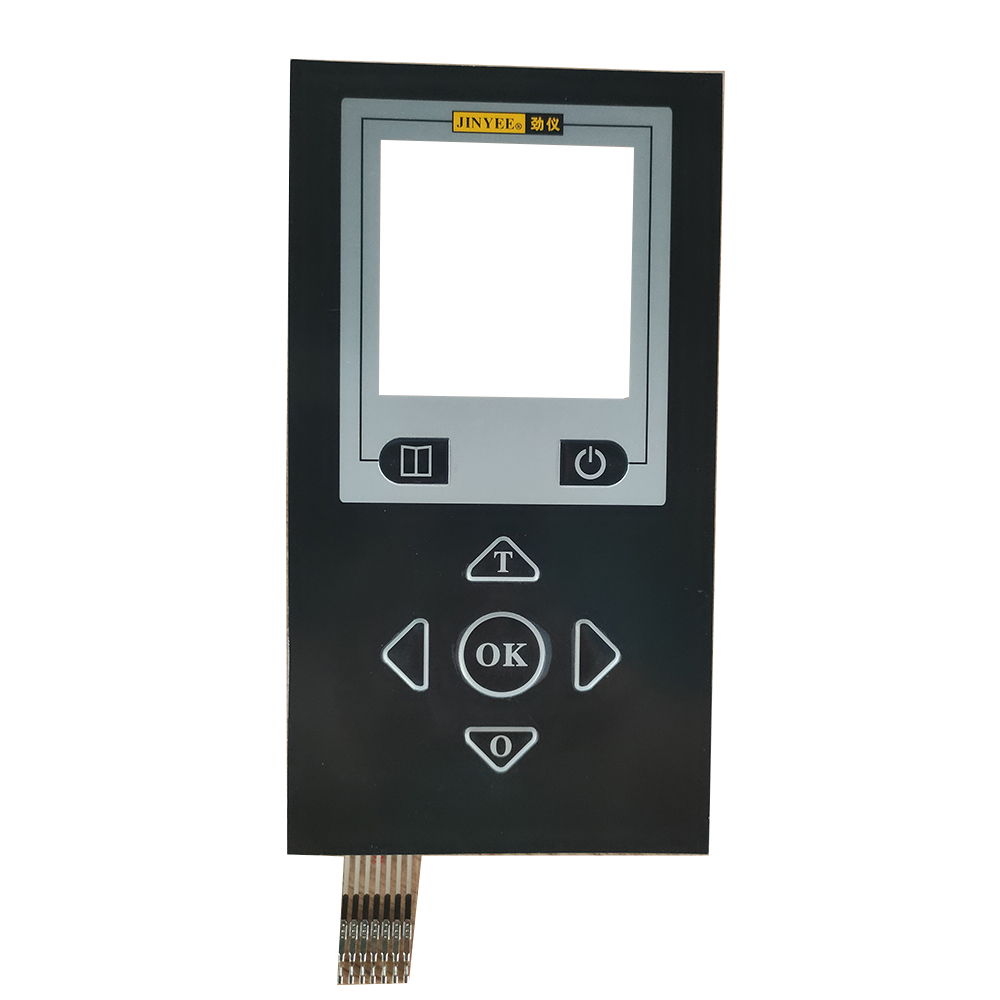
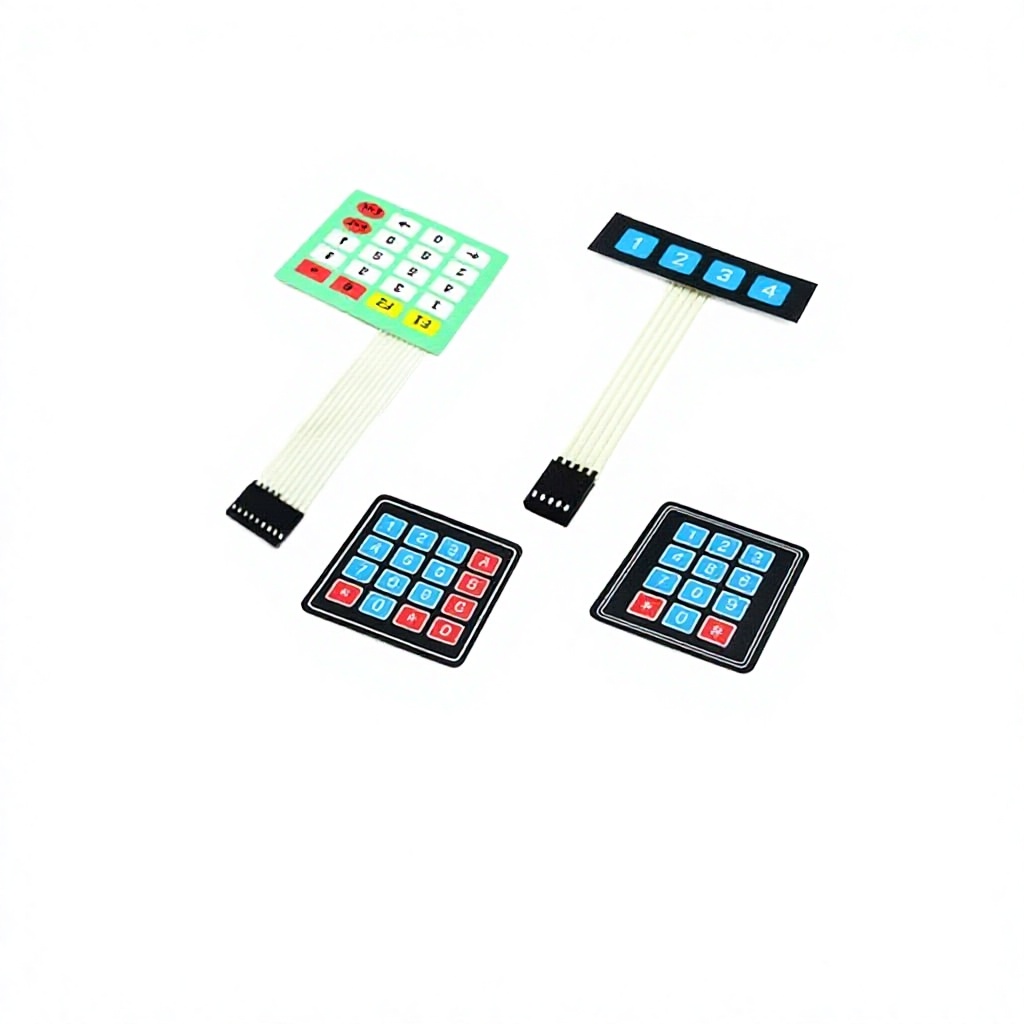
Over 3 Decades Manufacturing Heritage
Ultra-Low Contact Resistance Pills
Rated Switch Actuation Lifecycles
Computerized Electrical & Seal QC
Conductive Silicone Elastomer Anatomy & Engineering Criteria
A deep dive into compression molding tolerances, conductive contact chemistry, tactile feedback curves, and circuit integration methods demanded by New York hardware developers.

Formulation Science: Carbon Pills vs. Gold-Plated SC Contacts
Conductive rubber keypads depend on precise elastomeric formulations. We utilize high-tear-strength medical and food-grade silicone rubber (hardness ranging from 30 to 80 Shore A). The actuation mechanism relies on vulcanized conductive carbon pills or specialized low-resistance conductive rubber co-molding.
For applications in high-voltage industrial panels or critical medical instruments across Manhattan and Long Island laboratories, contact resistance is maintained under 150 Ohms. Where gold PCB traces are utilized, we implement gold-plated conductive metal pills to achieve less than 1 Ohm resistance, eliminating bounce and preventing contact oxidation caused by coastal atmospheric salinity.
Force-Displacement Dynamics & Tactile Web Design
The tactile sensation of an elastomeric keypad is dictated by its elastic web profile. Our engineering team utilizes finite element analysis (FEA) to balance the actuation force (typically 80g to 500g) with the snap ratio (40% to 65%), delivering positive mechanical feedback without user fatigue.
For demanding instrumentation where operators wear heavy rubber or surgical gloves—such as in Upstate New York cleanrooms or municipal utility depots—we combine rubber button actuators with underneath stainless steel metal domes. This dual tactile architecture creates an unmistakable click feel while retaining the continuous hermetic seal of compression-molded silicone.
Application Scenarios Across New York State Industries
From the cutting-edge medical biotech corridor of New York City to Upstate aerospace clusters, our customized conductive rubber interfaces solve critical environmental and mechanical challenges.
NYC Biomedical & Hospital Equipment
Operating within New York’s world-class healthcare centers (Manhattan, Bronx, Brooklyn), surgical tools and patient monitors face continuous exposure to caustic sterilizers (bleach, IPA, quaternary ammonium compounds).
- Antimicrobial silicone coatings with liquid-tight perimeters
- Zero-crevice compression molding conforming to IP68 sterilization
- Backlit translucent silicone keys for dark ICU and surgical suites
Long Island Defense & Avionics Hardware
Serving the established defense and aerospace tier-1/tier-2 suppliers situated across Nassau and Suffolk counties requiring strict MIL-STD-810 environmental endurance.
- Night Vision Goggle (NVG) compliant diffused backlighting
- Full EMI/RFI conductive shielding layers embedded in rubber
- Extreme operational temperature integrity from -40°C to +125°C
Upstate NY Advanced Manufacturing & Photonics
Deployed in heavy industrial automation, semiconductor fabrication tools, and optical test equipment in Rochester, Albany, and Buffalo.
- Chemical resistance against oil mists, solvents, and coolants
- High-tactile feel engineered for gloved-hand shop floor personnel
- Abrasion-proof PU spray coating and silicone flow glazing
Emerging Technology Trends in the New York Industrial Market
How progressive hardware engineering teams in the Northeast are combining traditional elastomeric switching with next-generation interactive interfaces.
Hybrid Rubber-to-Plastic Keytops (P+R)
Product designers in Brooklyn tech incubators increasingly reject cheap, flexible buttons in favor of "Plastic + Rubber" (P+R) assemblies. By bonding rigid acrylic, polycarbonate, or PBT keycaps onto a flexible conductive silicone base, OEMs achieve high-end consumer-grade touch aesthetics while preserving the continuous dust-tight and fluid-proof barrier that only a silicone gasket provides.
Integration of LGF Backlighting with Thin-Profile FPC
Bulk LED placement often results in hot spots and excess enclosure thickness. The modern New York market trend emphasizes Light Guide Film (LGF) bonded beneath translucent rubber keys, driven by ultra-thin Flexible Printed Circuits (FPC). This architecture provides uniform optical dispersion while allowing the overall interface envelope to remain under 2.5mm in total thickness.
Agile Low-Volume Rapid Pilot Production
With hardware startups throughout Ithaca and Silicon Alley moving from prototype to Series A production quickly, procurement engineers require mold makers capable of bridge-tooling. By leveraging CNC high-speed machining and aluminum rapid-tooling, we deliver fully vulcanized conductive rubber prototypes in 12–15 days, drastically shortening validation loops.
Enterprise Strengths & Factory Infrastructure
Why Tier-1 global industrial brands like Siemens, ABB, and Haier depend on our end-to-end production ecosystem.
Dual-Facility Production Redundancy
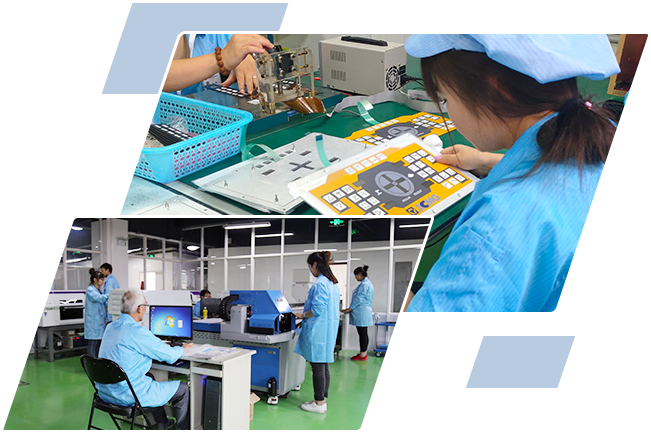
Our twin production hubs in Hebei (Xianghe Robot Port) and Guangdong (Huizhou) span over 2,219 m² with 111+ verified technicians, eliminating regional supply bottlenecks.
60 CNC Mold & Tooling Centers
Equipped with 60 precision CNC tooling machines, 18 laser cutters, and 37 silkscreen stations, our complete mold fabrication and printing lines stay 100% under one roof.
German Technical Cooperation
Collaborating long-term with German membrane and keypad facilities, combining European precision tolerances with high-efficiency Asian manufacturing economics.
Intertek-Assessed ISO 9001 Lab
In-house computerized circuit analyzers, button lifecycle testers, salt spray mist chambers, and programmable thermal-humidity test units verify 100% of outgoing production.
Frequently Asked Procurement & Engineering Questions
Specific details regarding tariffs, delivery lead times, tooling files, and testing procedures for New York buyers.
What design files and specifications are required to initiate tooling?
How do you handle shipping logistics, customs clearance, and DDP to New York?
What is the difference between carbon pills and printed conductive ink for rubber keypads?
Can our engineering team order low-volume rapid prototype batches?
What surface treatments protect rubber keypad graphics from high-frequency abrasion?
Accelerate Your New York Keypad Project
Send your drawings, specifications, or CAD models to our bilingual engineering team. We guarantee DFM (Design for Manufacturability) analysis, stack-up optimization, and custom quotation feedback within 24 business hours under strict mutual NDA protection.