Santa Clara Regional Product Portfolio
High-precision digital UV printed graphic overlays, membrane keypads, and flexible printed circuits engineered to meet rigorous ISO 9001:2015 and IP67 industrial standards.
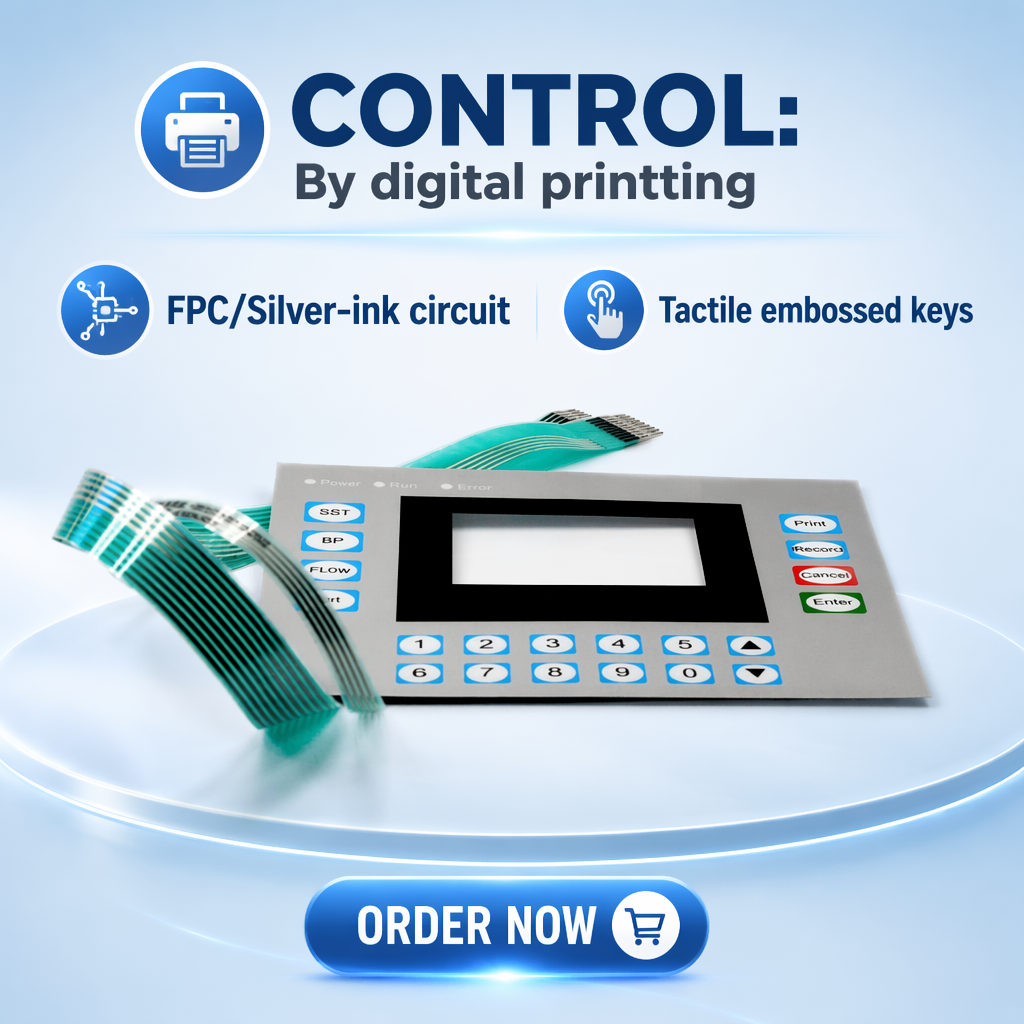
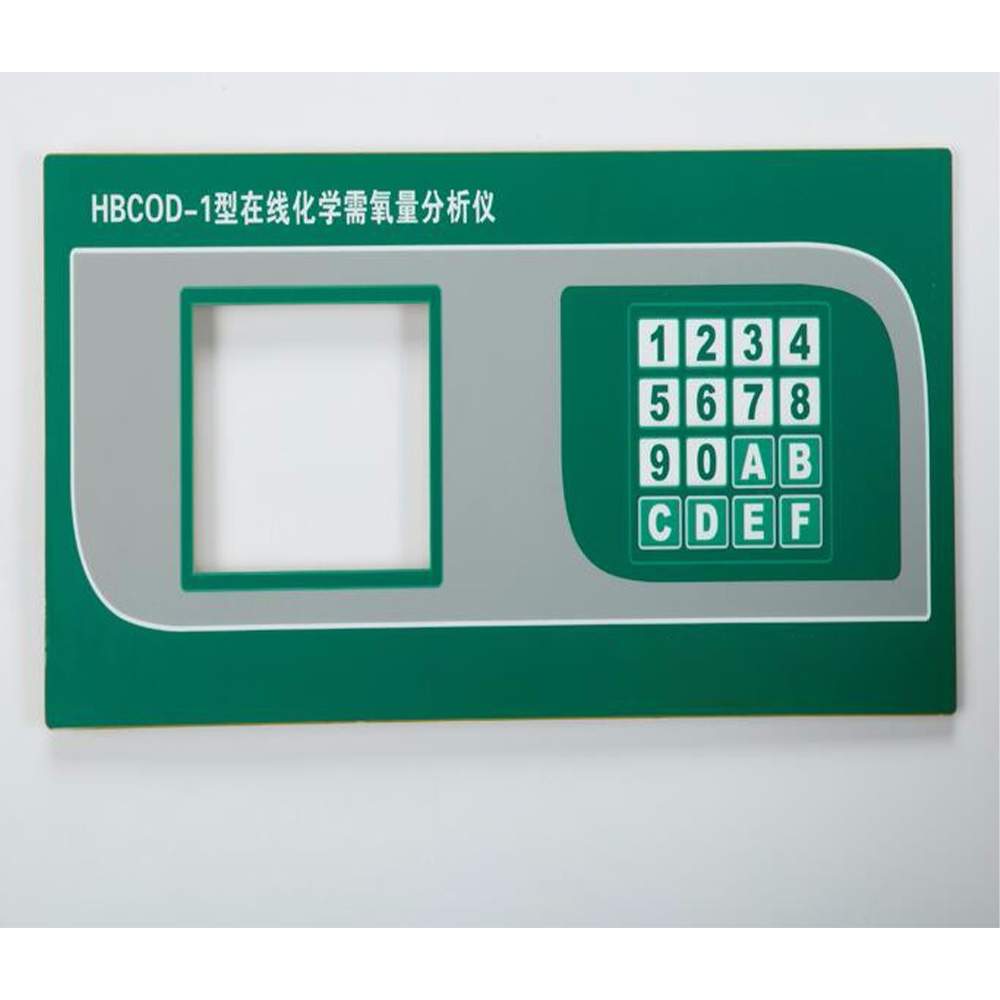
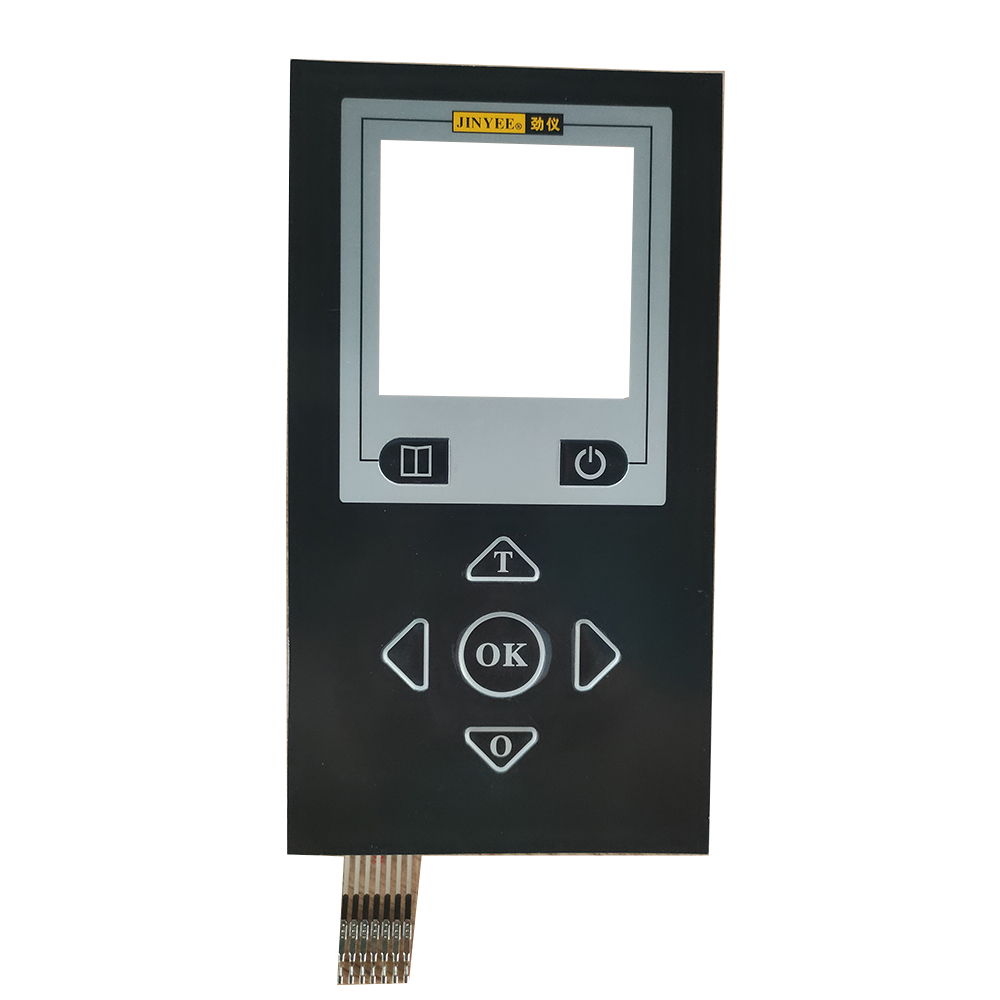
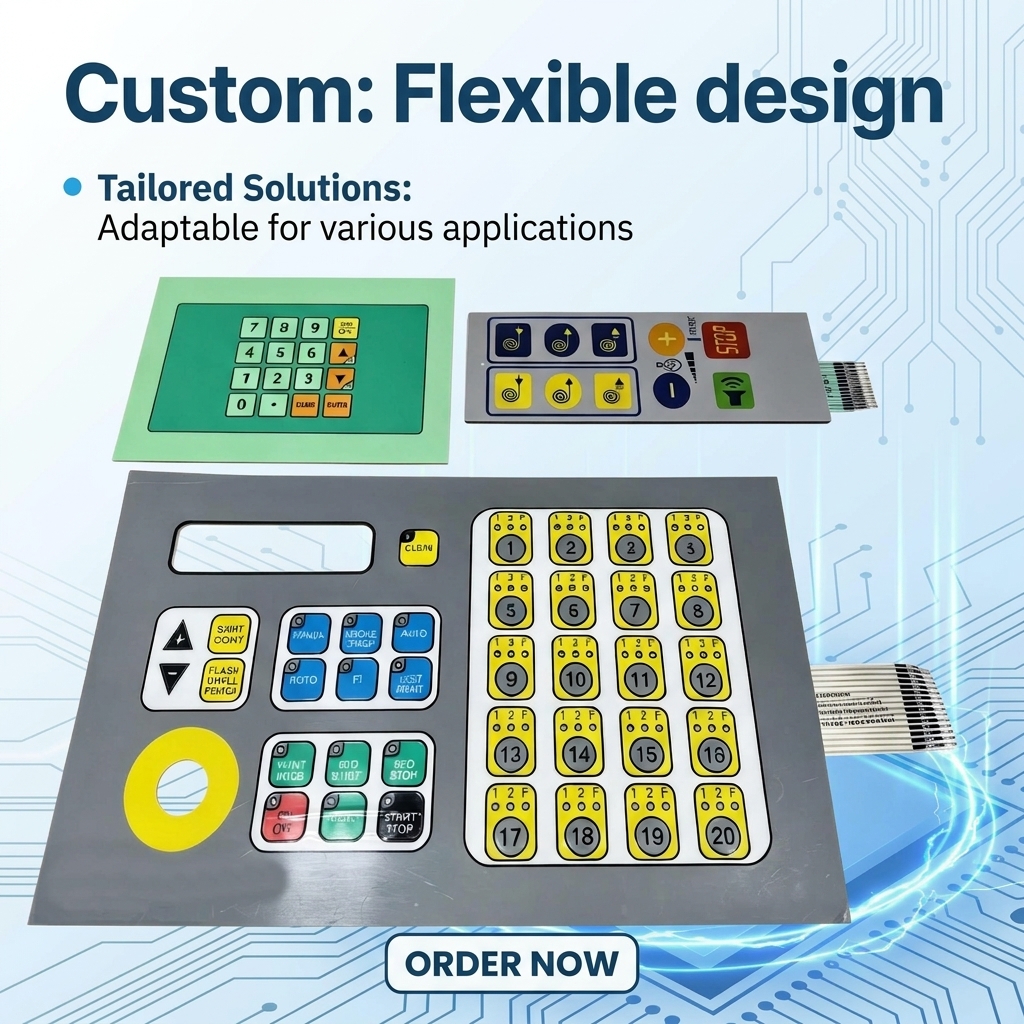
1. Technical Executive Overview: Digital UV Printed Graphic Overlays in Modern HMI Design
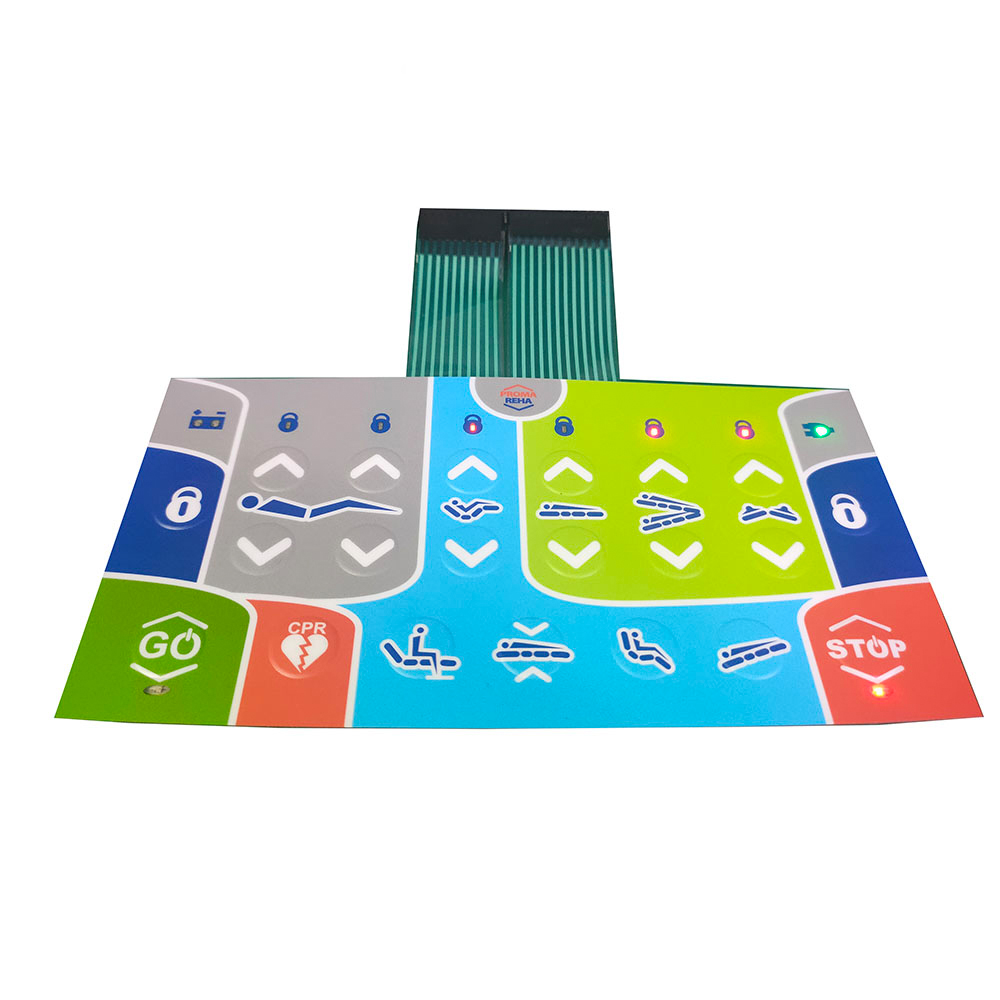
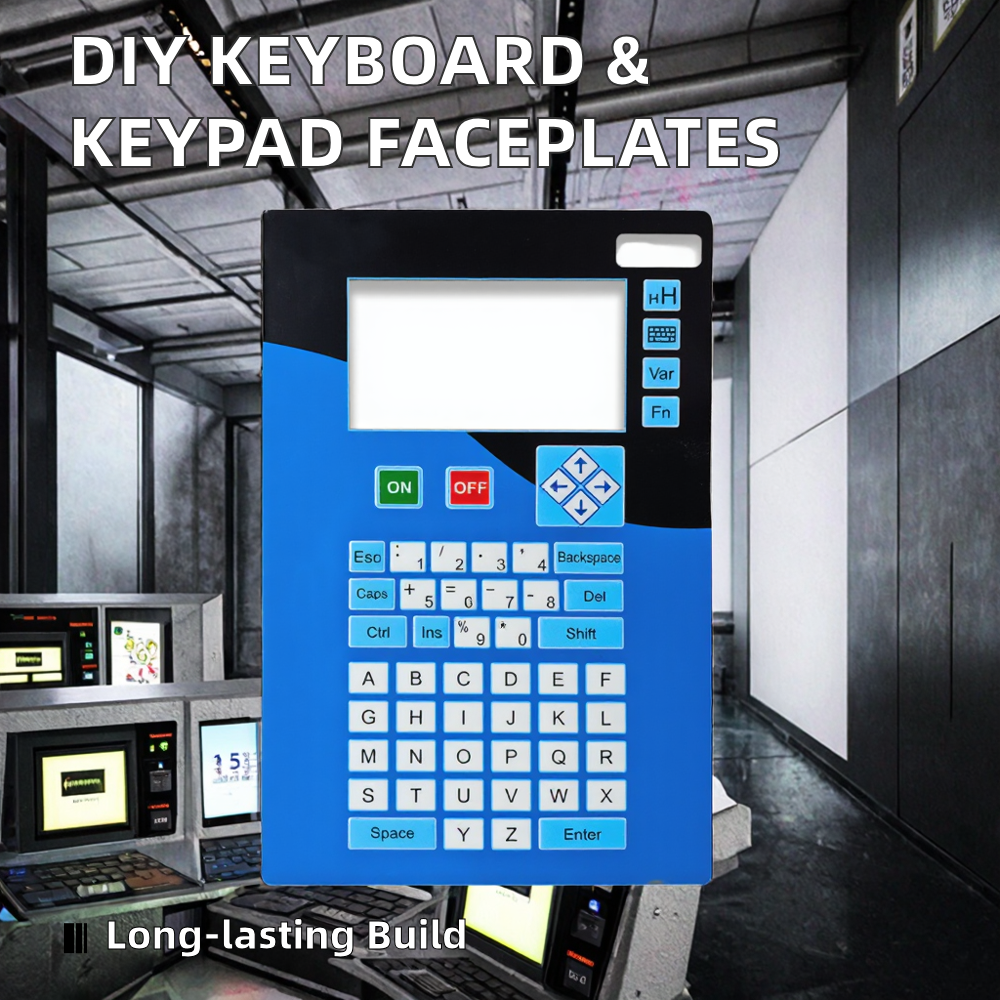
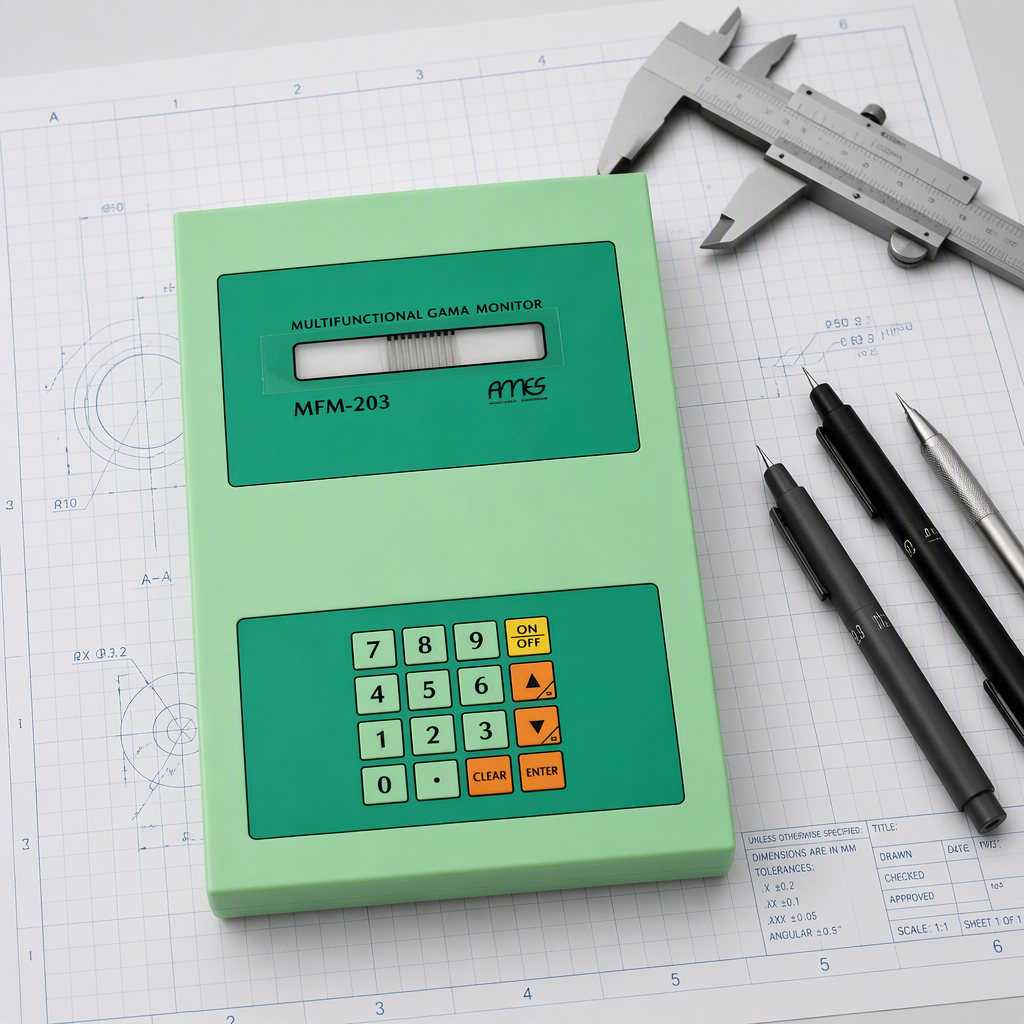
In the rapidly evolving hardware ecosystem of the Santa Clara Valley—the technological epicenter of Silicon Valley—human-machine interface (HMI) design demands extreme precision, agility, and uncompromising aesthetic durability. Graphic overlays serve as the critical aesthetic and functional front layer for electronic control systems, medical diagnostics, robotics, and semiconductor capital equipment. As an established OEM/ODM manufacturing force with heritage tracing back to 1990, TAVO (Meiborui) integrates advanced Digital UV Printing Technology alongside traditional precision screen printing to address the shifting paradigms of modern hardware engineering.
Historically, graphic overlay production relied exclusively on screen printing, which imposed heavy tooling overhead, lengthy setup times, and constraints on multi-color gradient rendering. While high-volume production still benefits from our 37 specialized silkscreen printing lines, the introduction of industrial-grade Mimaki Digital UV Flatbed Printing System allows Santa Clara OEMs to accelerate their New Product Introduction (NPI) cycles. Digital UV printing utilizes photo-curable inks that instantly polymerize under intense ultraviolet radiation, creating crisp, chemical-resistant graphics directly onto high-performance polymer films such as Autotex Polyester (PET) and Lexan Polycarbonate (PC).
2. Comparative Material Matrix for Santa Clara Engineering Hardware
Selecting the optimal substrate material is a fundamental engineering decision that dictates flex life, chemical resistance, optical clarity, and surface hardness. Below is an authoritative comparative breakdown engineered for hardware designers and procurement managers in Santa Clara:
| Performance Parameter | Autotex Polyester (PET) | Lexan Polycarbonate (PC) | Optical Grade Acrylic (PMMA) |
|---|---|---|---|
| Actuation Flex Life | > 5 Million Cycles (Exceptional) | ∼ 100,000 Cycles (Moderate) | Rigid / Non-Flexible |
| Chemical Resistance | Resists IPA, Acetone, Acids, Oils | Susceptible to Solvents & Alkalis | Good Resistance to Mild Cleaners |
| Tensile Strength / Hardness | 3H - 4H Hard-coated Surface | 2H Hard-coated Surface | 6H - 8H Surface Scratch Resistance |
| Optical Window Clarity | Very High (With Clear Window Ink) | High Transparency (>89%) | Ultra-High Transmission (>92%) |
| Primary Application fit | Tactile Membrane Switches & Keypads | Non-tactile Overlays & Housings | Display Lenses & Touch Bezels |
3. Localized Application Scenarios Across Silicon Valley & Santa Clara Markets
Santa Clara County houses world-leading enterprises operating in semiconductors, AI hardware architecture, medical devices, and defense technologies. Custom OEM/ODM Digital UV printed graphic overlays play a decisive functional role across these specialized sectors:
Semiconductor Fabrication Equipment
Fabrication tools operated in cleanroom environments require overlays capable of withstanding continuous wipe-downs with Isopropyl Alcohol (IPA) and harsh chemical sterilizers. Our digital UV printed PET overlays with sub-surface graphics prevent ink degradation while maintaining anti-static ESD shielding layers.
Medical Diagnostic & Biotech Devices
FDA-regulated biotech instruments produced in Santa Clara require strict biocompatibility and tactile precision. We integrate selectively textured matte surfaces with crystal-clear LCD display windows bonded with Optically Clear Adhesive (OCA), supporting IP67 waterproof enclosure seals.
AI Server Racks & Network Infrastructure
Next-generation high-density compute clusters and data center management panels demand sleek, custom-branded front graphic interfaces. Digital UV printing allows high-resolution color gradient matching (Pantone PMS alignment) with micro-embossed LED indicator lenses for clear status visibility.
4. Technology Trends Shaping Santa Clara’s Next-Gen Interface Manufacturing
As hardware development shifts toward hybrid control surfaces, simple static overlays are yielding to intelligent, illuminated, and tactile-enhanced HMI assemblies. Santa Clara buyers are actively incorporating three major engineering trends:
A. Hybrid UV Digital + Selective Texture Hard-Coating
Engineers no longer accept plain glossy or matte surfaces. By leveraging Mimaki multi-pass UV deposition, we apply selective tactile textures across button areas while keeping display windows polished to optical clarity. This eliminates the necessity of costly secondary masking processes.
B. Integration with Flexible Printed Circuits (FPC) & Backlighting
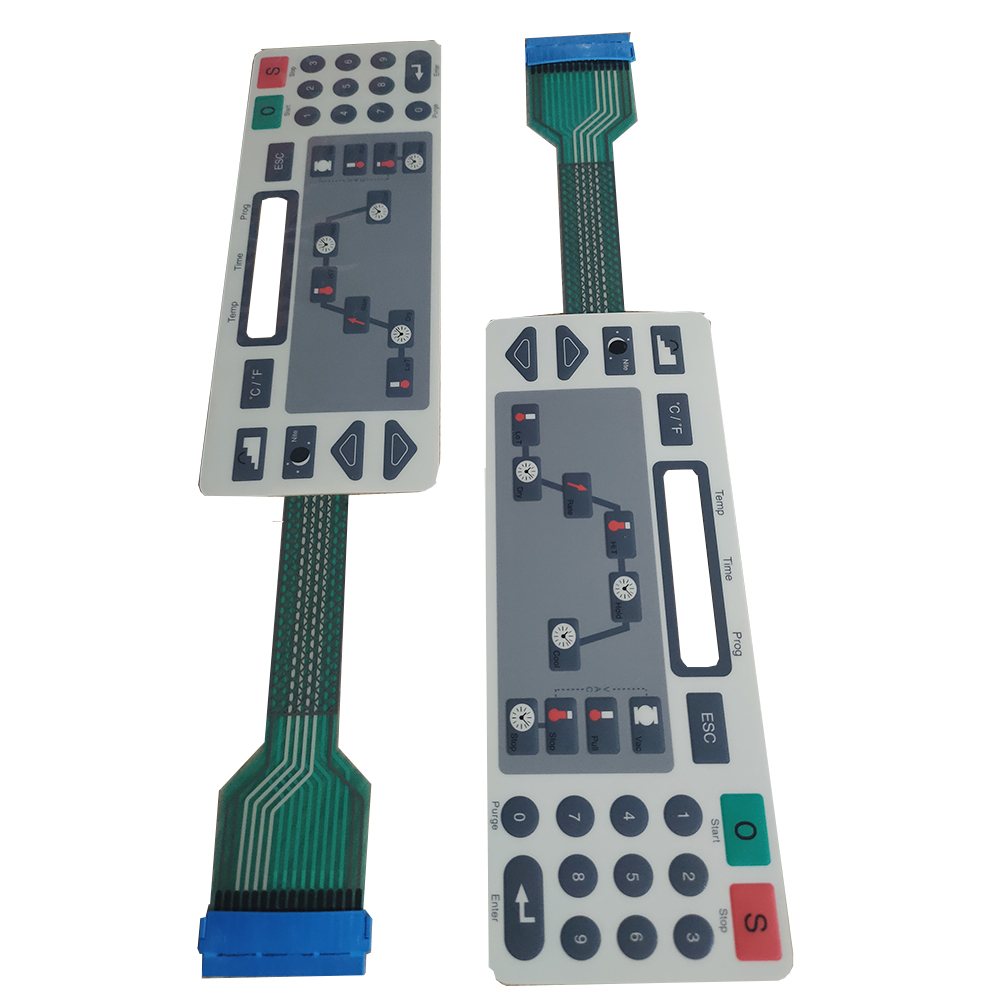
Digital UV graphic overlays are increasingly coupled with Polyimide FPC copper circuits rather than screen-printed silver ink tracks. When combined with Light Guide Film (LGF) or ultra-thin SMT micro-LEDs, these overlays deliver uniform backlight distribution across complex alphanumeric keypads with minimal current draw.
C. High-Durability OCA Bonding & Anti-Glare (AG) Coatings
To combat display reflection in brightly lit surgical suites or outdoor field diagnostic equipment, graphic overlays now feature specialized Anti-Glare (AG) and Anti-Fingerprint (AF) surface treatments seamlessly bonded to underlying TFT-LCD panels using Optically Clear Resin (OCR) or OCA films.
5. In-House Manufacturing Rigor & E-E-A-T Competency
TAVO Electronic Information Technology Co., Ltd. operates a fully integrated manufacturing plant spread over 2,219 square meters in the Robot Industry Port of Xianghe, backed by a secondary processing base in Huizhou, Guangdong. Operating in full compliance with ISO 9001:2015 standards and audited on-site by Intertek, our facility guarantees complete process control without reliance on untrusted sub-contractors.
Our internal testing laboratory exposes every batch of graphic overlays and membrane keypads to rigorous environmental simulation before dispatch to Santa Clara:
- Actuation Life Cycle Testing: Automated pneumatic probes actuate tactile metal domes up to 5,000,000 presses to measure force degradation curves.
- Environmental Chambers: Programmable temperature and humidity cycling (-40°C to +85°C at 95% RH) ensures zero adhesive delamination or silver migration.
- Xenon Arc Aging & UV Exposure: Accelerated light chambers confirm color fastness and substrate non-yellowing under long-term solar radiation.
- Auto Salt Fog Corrosion Testers: Essential for military and marine grade controls, verifying sealing effectiveness against corrosive atmospheres.
Santa Clara Buyer FAQ: Engineering & Sourcing
Direct technical answers addressing lead times, file requirements, quality compliance, and custom prototyping for Silicon Valley hardware teams.
What artwork and engineering files are required to initiate a custom digital UV overlay order?
To start a custom project, please provide vector artwork files in Vector PDF, Adobe Illustrator (.AI), CorelDraw (.CDR), or DXF/DWG format. Specific Pantone color references (PMS) should be defined for graphic elements. For complex assemblies featuring embossing, window cutouts, or adhesive zones, dimensional drawings with layer callouts ensure rapid DFM (Design for Manufacturability) review by our engineering team.
How does Digital UV printing compare to traditional screen printing for low-volume Santa Clara NPI runs?
Digital UV printing eliminates physical screen preparation costs and film setup charges, making it extraordinarily cost-effective for prototype quantities and small-to-medium production runs (10 to 1,000 units). It allows hardware startups and NPI teams in Santa Clara to iterate artwork designs quickly without financial penalties. For high-volume mass production (over 5,000 units), we seamlessly transition production to our 37 automated silkscreen printing lines.
Can digital UV printed graphic overlays achieve IP67 waterproof ratings for outdoor or medical applications?
Yes. By combining premium continuous substrate films (such as Autotex PET) with high-tack acrylic adhesives like 3M 467MP or 3M 468MP around perimeter sealing zones, our overlay assemblies effectively block moisture, dust, and fluid ingress, achieving complete IP67 sealing when mounted against customer housings.
What color accuracy tolerances can TAVO guarantee for corporate branding standards?
Our Mimaki digital UV printing systems are calibrated using spectrophotometers to guarantee strict color fidelity within a Delta E (ΔE) < 1.5 tolerance. We match Pantone Matching System (PMS), RAL, and custom spectrophotometer target colors across both matte and glossy film finishes.
How are display windows engineered for LCD/OLED integration within graphic overlays?
Display windows are created either by leaving selective transparent areas on clear polycarbonate/PET film or by printing specialized optical window inks over textured films to convert the textured surface back to crystal optical clarity. Furthermore, we support dead-front windows that appear completely black until underlying LEDs illuminate the display area.
What prototype turnaround and production lead times apply to shipping to California?
Digital UV overlay prototypes are typically manufactured within 3 to 5 working days following final DFM drawing approval. Express international air freight to Santa Clara, San Jose, or San Francisco international airports takes approximately 3 to 4 business days, allowing rapid iteration cycles for Silicon Valley development schedules.
Factory OEM/ODM Core Strengths
Combining three decades of precision expertise with modernized digital equipment to serve global technology leaders.
Global Engineering Standards
Long-term technical collaboration with leading European overlay processing plants ensures our dimensional standards and materials meet stringent international expectations.
Full In-House Workflows
From CAD engineering and laser tooling to UV printing, dome insertion, embossing, and automated circuit testing—100% of operations stay under our direct control.
Intertek & ISO Certified
On-site verified facilities guarantee full traceability of raw materials (RoHS, REACH compliant 3M, Autotex, and Lexan films) for zero supply chain risk.
Fast Santa Clara Logistics
Dedicated international export team handling customs documentation, DDP delivery options, and rapid air transport to the Silicon Valley tech corridor.
Accelerate Your Santa Clara NPI Hardware Project Today
Partner directly with an established ISO 9001 custom manufacturer. Contact our engineering team for DFM feedback, material recommendations, and rapid digital UV overlay quotations.
Get Catalog