Silkscreen PET
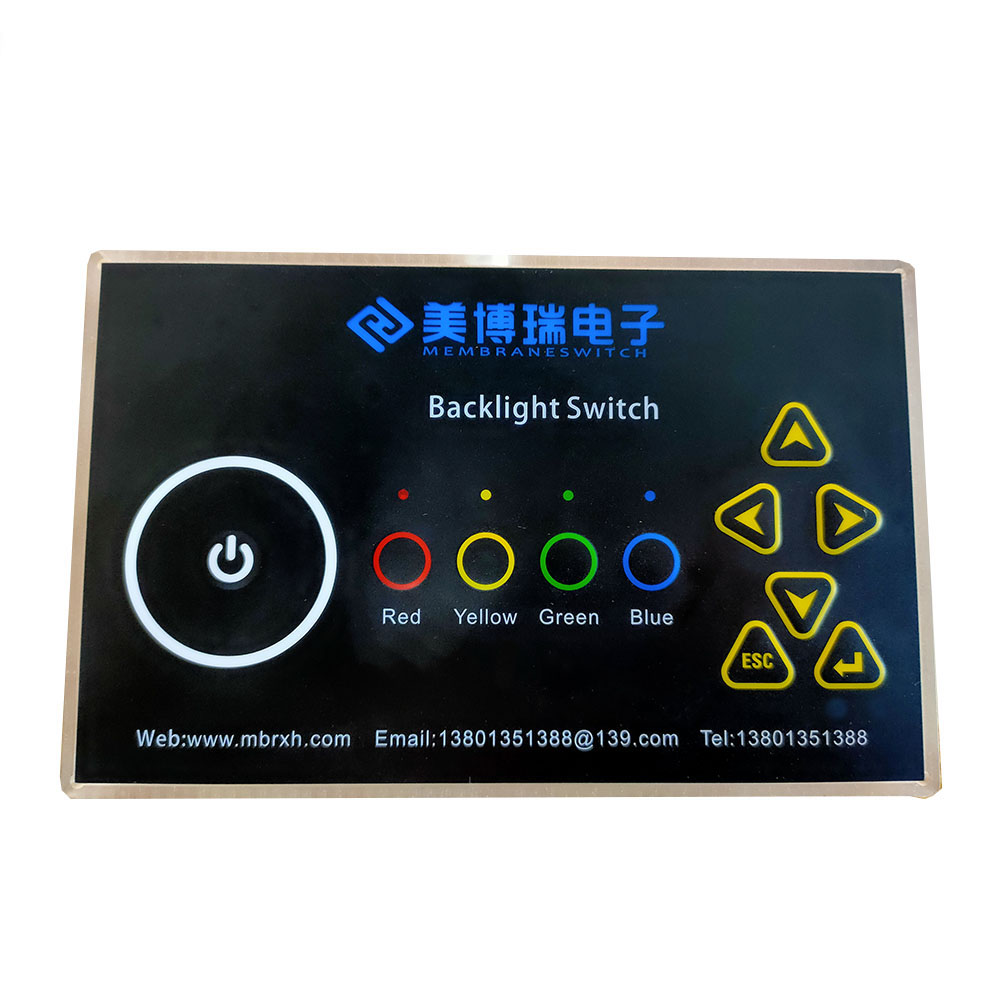
MEIBORUI MBR PBT Keyboard Cap PET Membrane Keypad Custom Color Silkscreen
PBT/PET Surface
Anti-Scratch
UV Inks
Explore our custom OEM/ODM portfolio built specifically for high-humidity, sub-zero temperatures, and heavy mechanical duty. All models are fully customizable in our ISO 9001 and Intertek-certified facility.

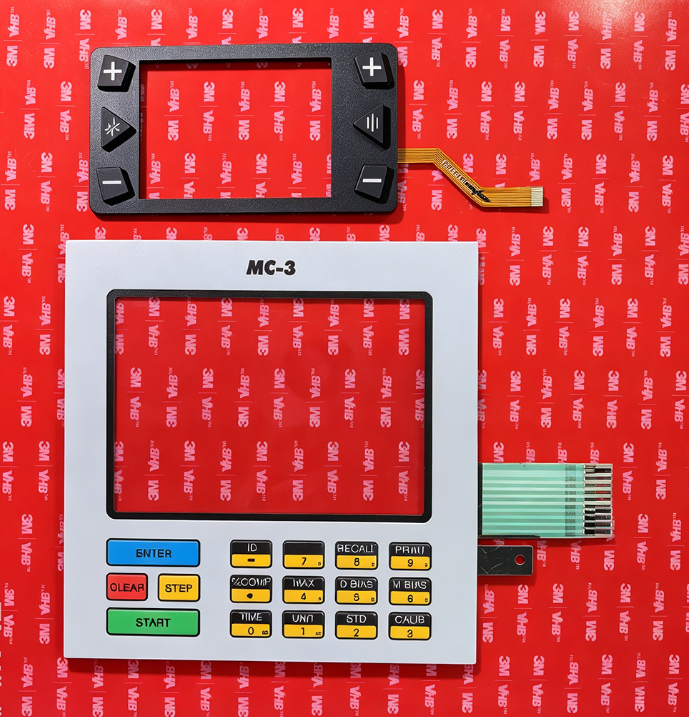
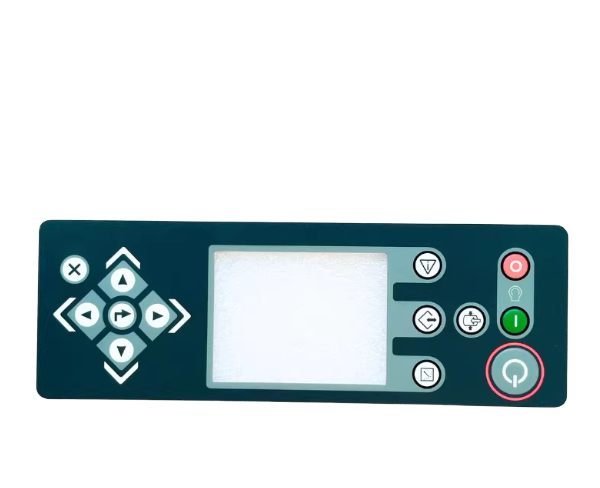
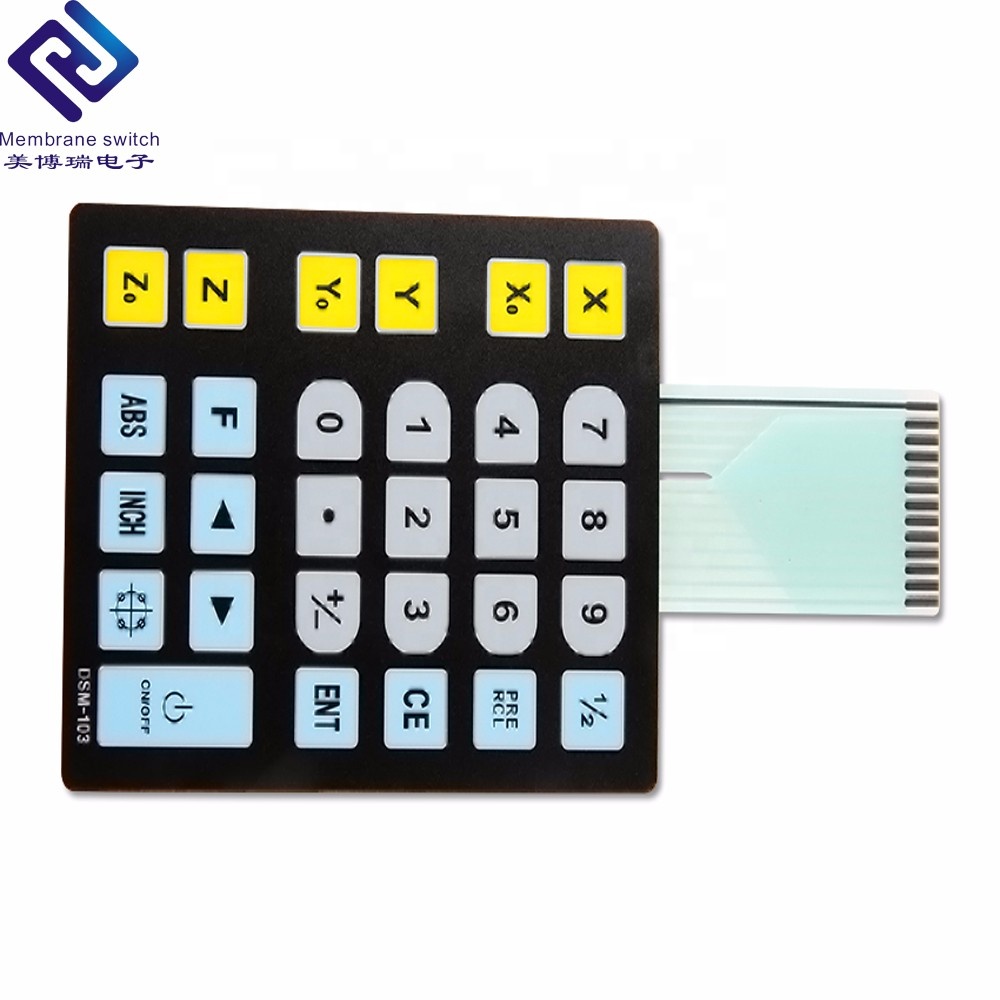
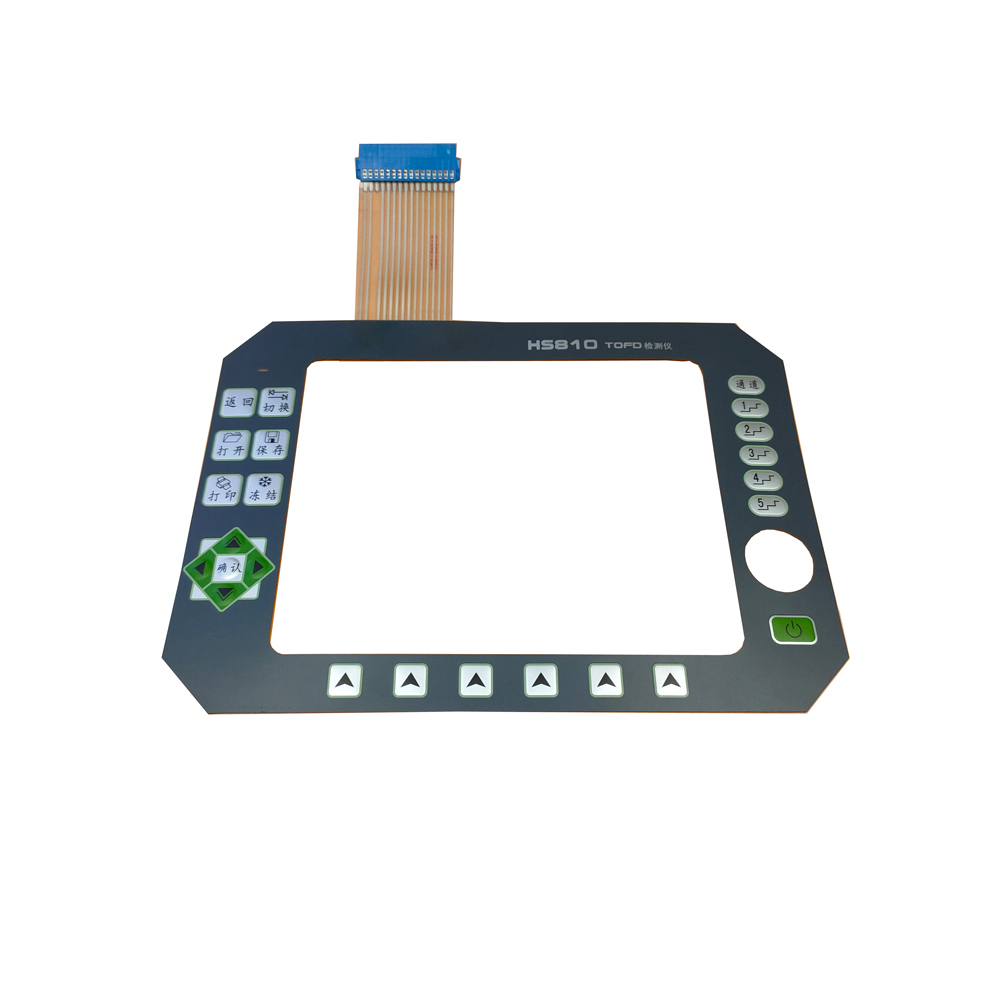
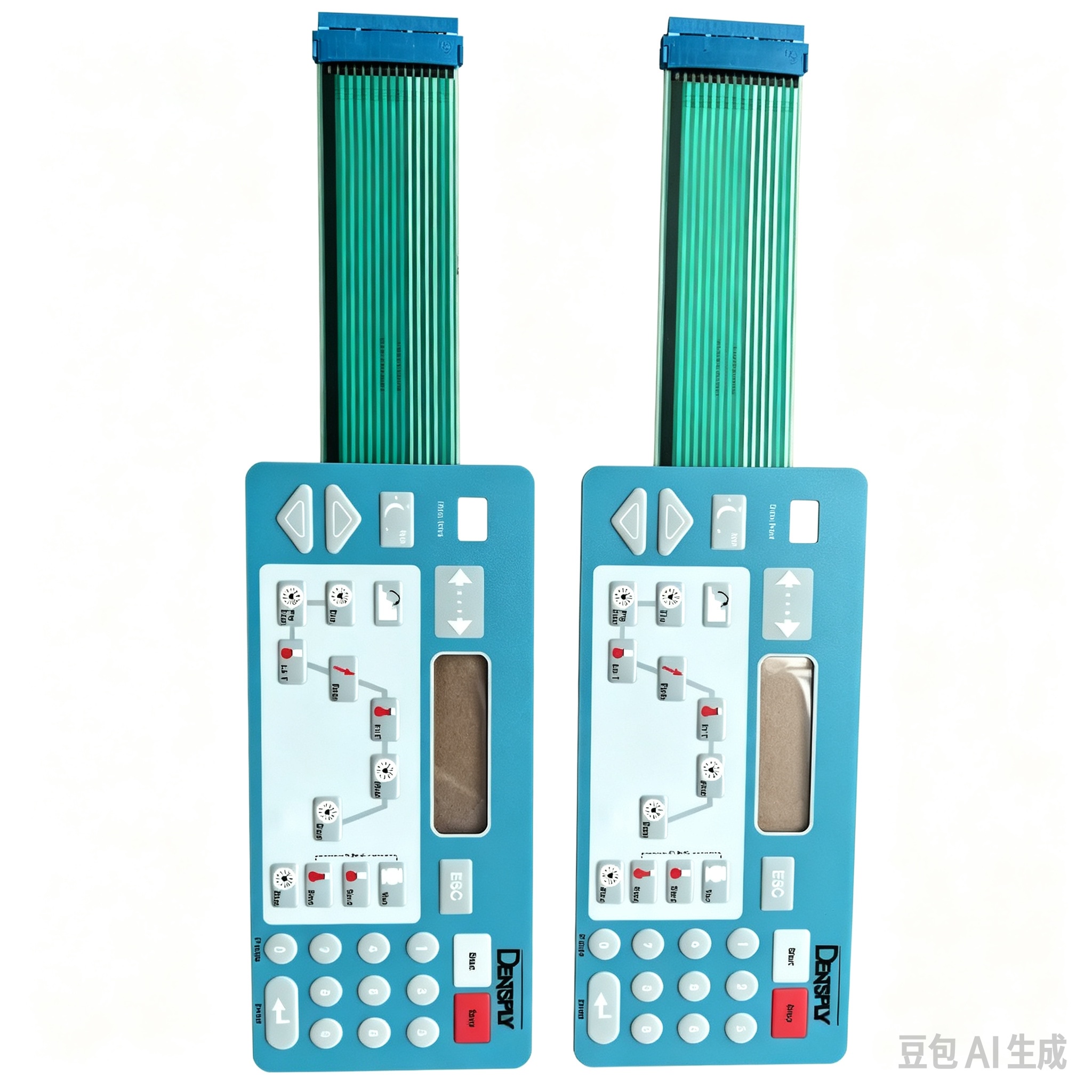
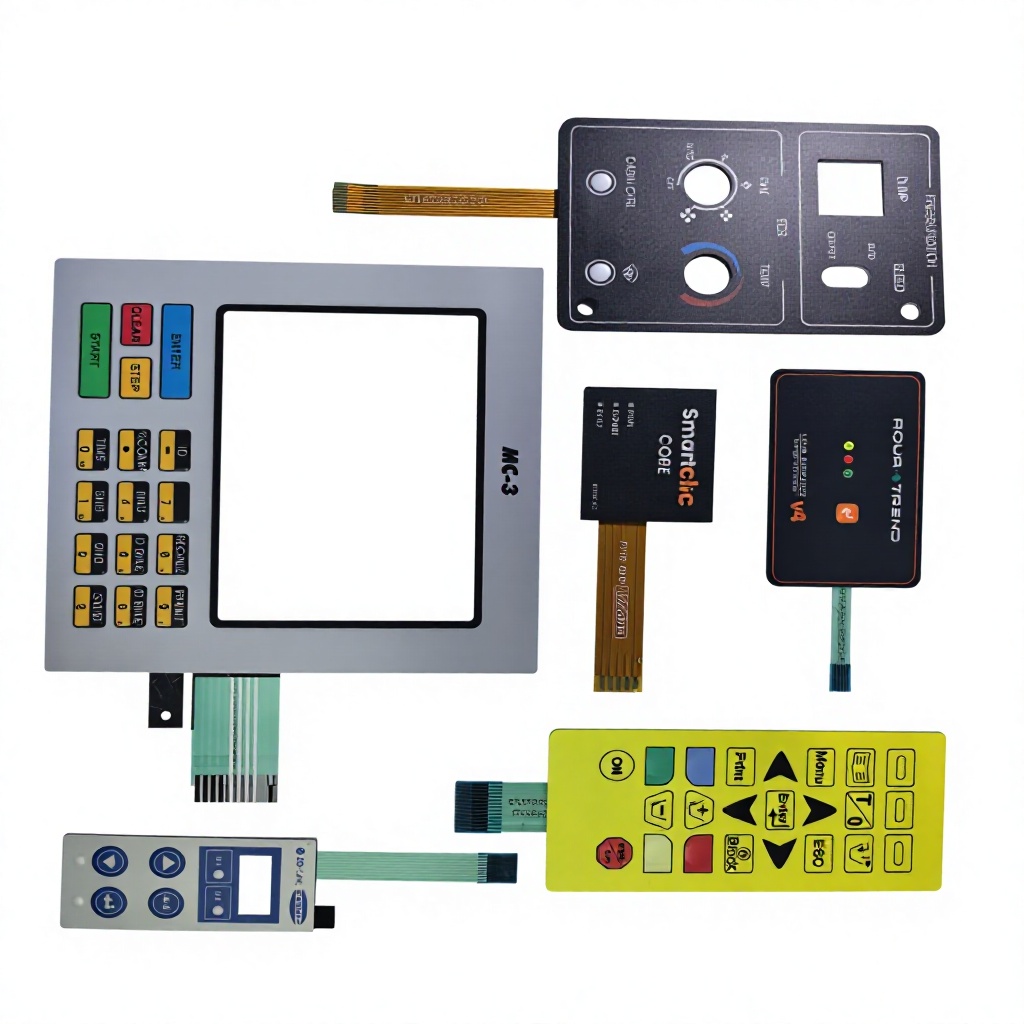
Human-Machine Interfaces operating in sub-arctic maritime microclimates—such as those surrounding the Port of Hafnarfjörður—face an engineering dilemma: how to achieve uniform, non-glare night-time illumination across complex control panels without generating localized thermal gradients that induce internal moisture condensation. Traditional discrete surface-mount LEDs mounted directly beneath graphic keys create localized hotspots, uneven light scattering, and excessive mechanical thickness (typically >2.5mm).
At TAVO / MEIBORUI, our engineering workflow calculates the density, pitch, and geometric radius of individual micro-prismatic dots across the entire LGF layer. Dots positioned closest to the side-emitting LEDs are spaced further apart and etched at shallower depths, while dots located near the outer margins of the switch matrix are micro-clustered at higher densities. This precision dot-gradient algorithm counteracts natural optical attenuation, resulting in photometric luminance uniformity exceeding 85% across all tactile legends, dead-front indicators, and capacitive touch rings.
Micro-grooved laser etching and precision tool-embossed refractive dots deliver homogeneous luminescence without bleeding or thermal hot spotting across key arrays.
Side-firing edge LEDs reduce parasitic energy draw by up to 68% compared to direct backlighting arrays, critical for autonomous marine battery systems.
Complete multi-layer assemblies—including overlay, LGF, reflector, metal dome array, and circuit—fit within a compact 0.8mm to 1.4mm profile.
To withstand sub-arctic freeze-thaw cycles and washdown procedures, every layer within our custom LGF membrane switches is chemically and mechanically matched:
| Layer Identification | Material Formulation | Thickness Range | Primary Functional Role |
|---|---|---|---|
| L1: Graphic Overlay | Autotex XE Fine/Velvet PET (or Lexan 8B35 PC) | 0.150 – 0.200 mm | UV barrier, chemical resistance, anti-glare sub-surface printing |
| L2: Overlay Adhesive | 3M 467MP / 3M 200MP High-Performance Acrylic | 0.050 – 0.125 mm | Lamination bond line, bubble-free optical window perimeter |
| L3: Light Guide Film | Optical-Grade Polycarbonate or Polyurethane (LGF) | 0.125 – 0.250 mm | Lateral beam steering, uniform refractive surface extraction |
| L4: Bottom Reflector | High-Reflectance White PET (Toray / Kimoto) | 0.050 – 0.075 mm | Redirects downward-scattered photons upward toward graphic legends |
| L5: Spacer & Retainer | Die-cut Polyester with Dual Acrylic Adhesive | 0.125 – 0.200 mm | Maintains tactile stroke travel and encapsulates stainless steel domes |
| L6: Tactile Switch Domes | Nickel/Gold-Plated Stainless Steel (SUS 301) | 6mm – 16mm (Diameter) | Provides positive tactile click (280g–450g) through heavy gloves |
| L7: Circuit Substrate | Screen-Printed Conductive Silver or Polyimide FPC | 0.075 – 0.125 mm | Electrical signal routing; FPC specified for dense pitch and SMT LEDs |
| L8: Rear Mounting Adhesive | 3M 300LSE / VHB for LSE Plastics & Powder-Coated Metals | 0.100 – 0.200 mm | Hermetic shear-resistant bond against cast aluminum/steel enclosures |
As Iceland's third-largest municipality and an industrial maritime hub, Hafnarfjörður occupies a critical nexus of high-value oceanic processing, deep-water port logistics, geothermal energy generation, and primary metal manufacturing. HMI controls deployed in this region encounter environmental challenges distinct from continental European operations.
Installed on trawler wheelhouses, net-winch consoles, and deck gutting machines. Sealed to IP68 standards to withstand violent North Atlantic wave crashes, sea ice accretion, and brine corrosion.
High-throughput sorting equipment and multi-head weighers requiring resistance to hot, pressurized chemical washdown regimens containing chlorinated sanitizers and caustic surfactants.
Heavy overhead crane cabs, alumina feeding interfaces, and reduction cell controls requiring immunity to intense electromagnetic interference (EMI) and airborne fluoride particulate matter.
Controls operating near geothermal discharge corridors, engineered with nickel-plated copper FPC traces and specialized conformal barriers that neutralize atmospheric hydrogen sulfide (H₂S) gas.
Hafnarfjörður hardware developers must engineer their systems around three environmental hazards that quickly destroy commercial-off-the-shelf control interfaces:
1. Severe Salt-Mist and Brine Immersion (ASTM B117 Compliance): Proximity to the open fjord exposes external marine interfaces to airborne marine aerosol with high salinity. Conventional silver-printed membrane circuits are highly vulnerable to electrolytic silver migration under continuous humidity and electric bias. TAVO neutralizes this failure mode by integrating high-density flexible printed circuits (FPC) with rolled-annealed copper traces encapsulated in polyimide, coated with gold contact platings and sealed with silicone perimeter gaskets.
2. Low-Temperature Tactile Snap & Debounce Mechanics: Standard membrane switches experience plasticizer embrittlement and increased contact resistance when exposed to temperatures dipping below -20°C. For Icelandic fishing vessels navigating Denmark Strait or refrigerated storage depots at the Hafnarfjörður harbor, we specify four-leg stainless steel metal domes (SUS 301) pre-stressed to maintain a snap tactile ratio of >42% even at -35°C, ensuring operators wearing insulated neoprene gloves receive immediate physical feedback.
3. Geothermal Hydrogen Sulfide (H₂S) Corrosion: Southwestern Iceland's geothermal networks emit traces of H₂S gas, which rapidly attacks exposed silver and copper contacts, causing black silver sulfide whiskers that trigger uncommanded short circuits. TAVO utilizes dual-pass dielectric encapsulation, inert carbon overcoats, and hermetically sealed connector tails that block sulfur vapor ingress.
Hardware procurement within Hafnarfjörður's maritime and clean-tech manufacturing ecosystem is undergoing significant shifts. As local OEMs upgrade legacy mechanical switchboards to intelligent, connected HMIs, purchasing managers and engineering directors prioritize specific technological trends:
Transition to Hybrid Tactile-Capacitive Panels: Modern vessel bridges and high-tech aquaculture plants across Iceland demand the visual sleekness of capacitive touch glass combined with the safety redundancy of physical tactile keys. TAVO leads this convergence by manufacturing hybrid panels featuring OCA (Optically Clear Adhesive) vacuum bonding. These integrate an ultra-thin LGF tactile button perimeter directly onto capacitive sensor touch glass, providing operators with emergency hard-stop switches alongside fluid touch menus.
Fleet Electrification and Power-Conscious Interfaces: As coastal fisheries and harbor tugs modernize under Iceland's decarbonization mandates, 24V DC battery-backed operational runtimes are intensely managed. Traditional high-wattage EL (electroluminescent) lamps or heavy LED arrays degrade efficiency. Low-power LGF systems driven by pulse-width modulation (PWM) controllers reduce nighttime lighting power draw down to milliwatt thresholds while delivering crystal-clear readability.
Anti-Microbial & Chemical Scrub Resilient Overlays: Strict Directorate of Fisheries food-safety inspections require fish handling facilities in Hafnarfjörður to sanitize all touchpoints with aggressive cleaning agents. Standard polycarbonate overlays deteriorate, bloom, and micro-crack within months under this treatment. TAVO exclusively deploys hard-coated Autotex polyester films that resist isopropyl alcohol, bleach, phosphoric acid sanitizers, and acetone, retaining 3H+ pencil hardness over years of rigorous service.
Behind our international supply chain to Iceland stands more than three decades of specialized manufacturing. Founded in 1990, TAVO Electronic Information Technology Co., Ltd. operates a vertically integrated production campus in the Robot Industry Port of Xianghe Economic and Technological Development Zone (Hebei), complemented by an advanced high-volume manufacturing center in Huizhou (Guangdong).
Every process—schematic translation, laser film output, screen stencil emulsion, embossing, SMT LED component pick-and-place, and laser contour trimming—is performed in-house across 60 CNC mold workstations, 37 precision screen printers, and 18 high-speed laser cutters.
We maintain an ongoing technical partnership with a premier German membrane switch manufacturer, adopting European tolerances, automated curing profiles, and strict Intertek-audited quality management systems across every production batch.
Our internal reliability laboratory validates product performance using computer circuit testers, 1,000,000+ cycle tactile button actuators, programmable thermal/humidity chambers (-40°C to +120°C), xenon arc aging chambers, and automated ASTM B117 salt fog test equipment.
Detailed answers covering sub-arctic material selection, low MOQ rapid prototyping, customs clearance into Iceland, and mechanical durability.
Connect directly with our senior application engineers. We evaluate your mechanical drawings, propose optimized layer stack-ups, and calculate light guide photometric uniformity tailored to your operating specifications.