Engineered Polycarbonate & Membrane Interface Assemblies
Explore our verified selection of custom polycarbonate overlay panels, high-grade PET membrane keypads, and flexible printed circuits precision-engineered for harsh Mexican industrial environments.
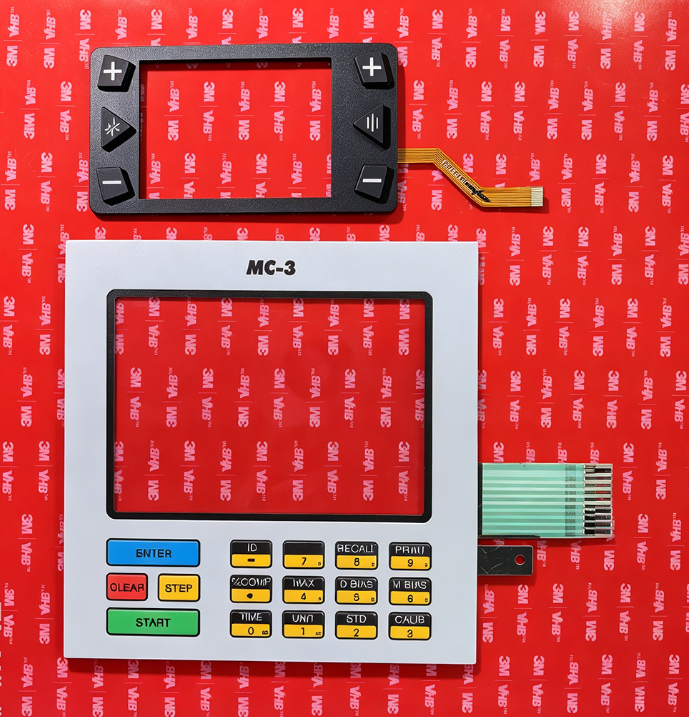
MBR High Quality IP67 Waterproof 3M Adhesive Flexible Cable Membrane Keypad
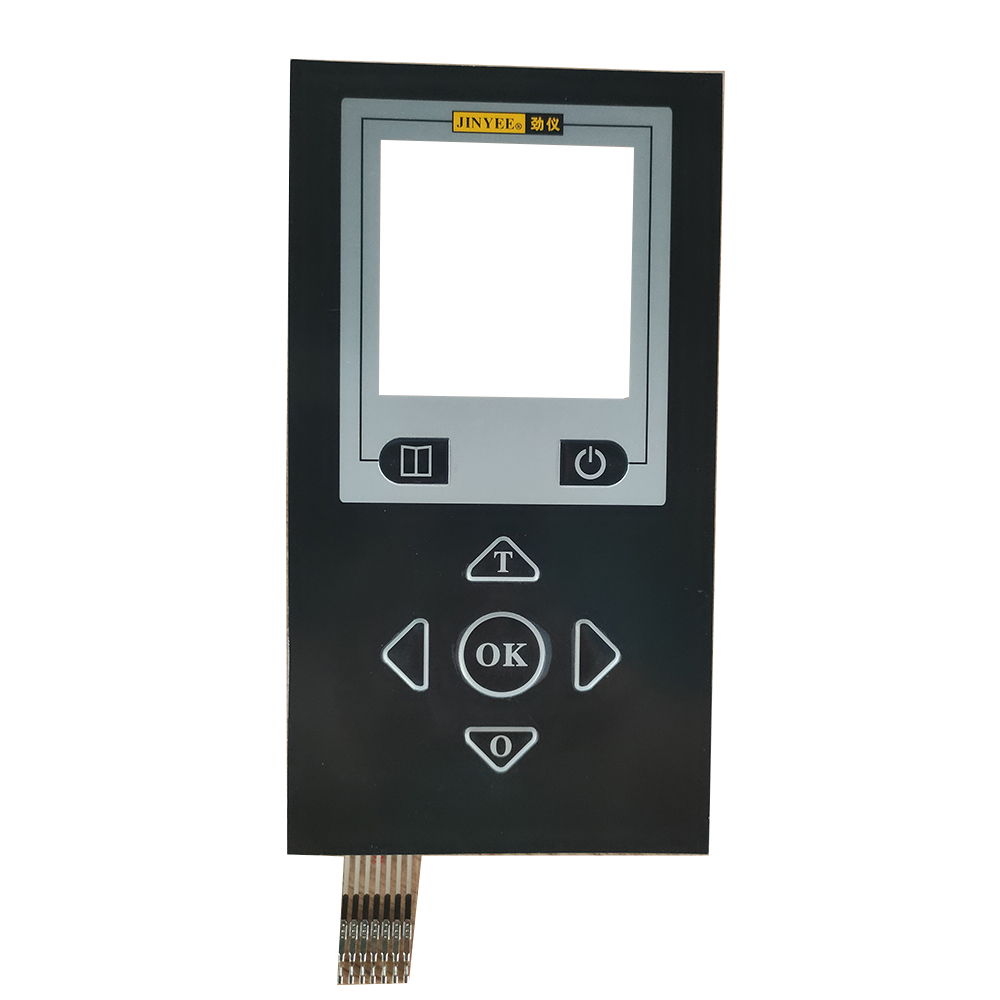
MBR Industrial Membrane Keyboard with Overlay for Telecommunication
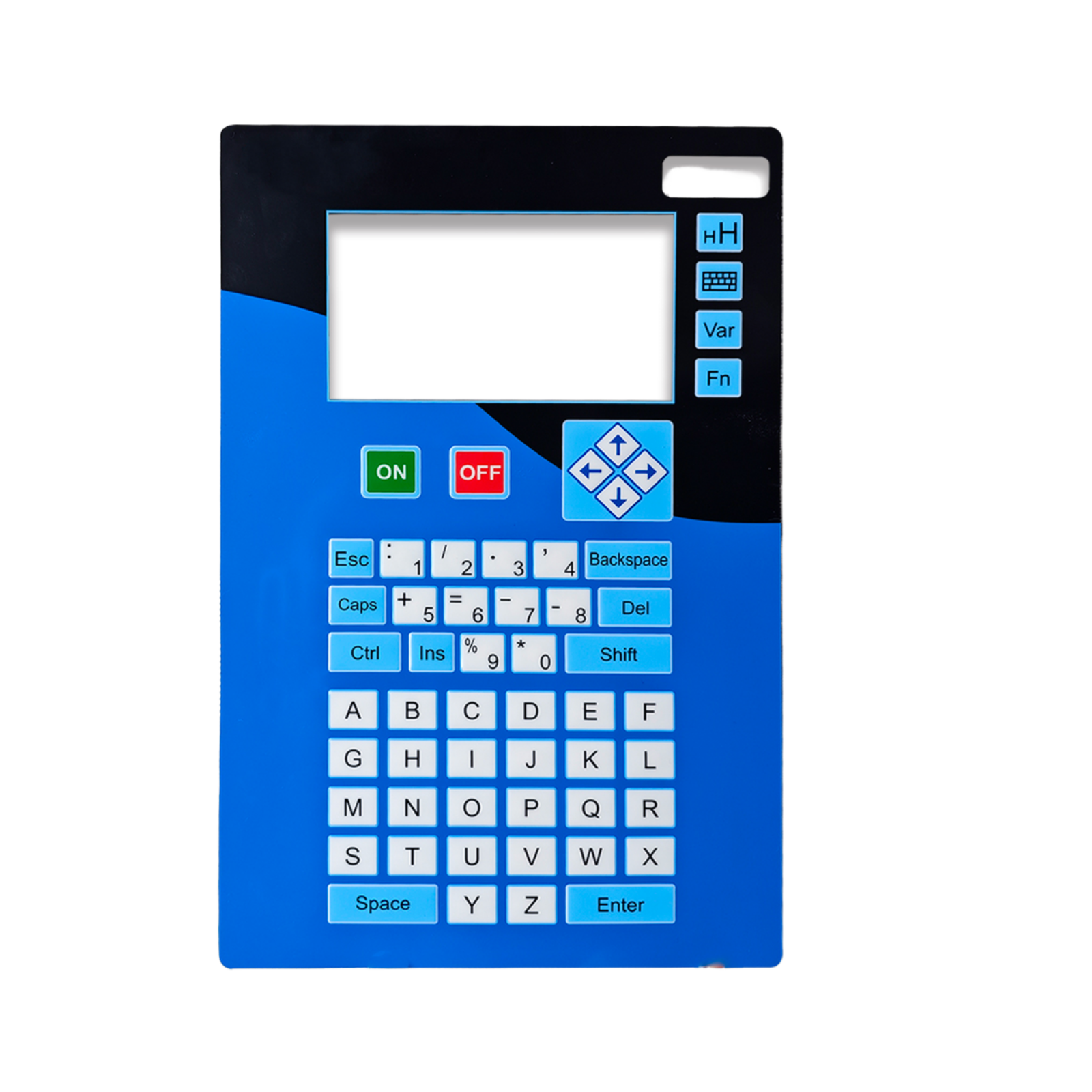
Custom Printed Membrane Switch Embossed Metal Dome Appliance Keypad
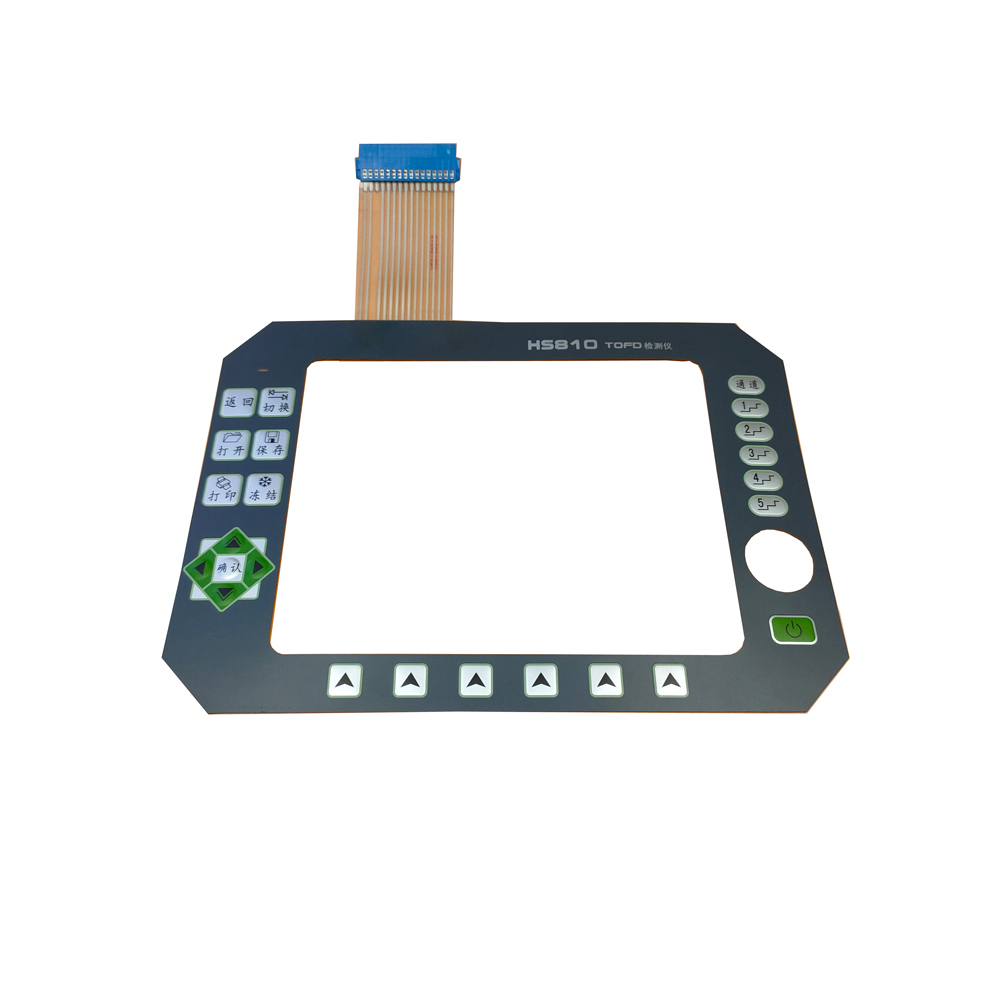
Custom PBT Silkscreen Printed Waterproof Adhesive Keypad Sticker Parts
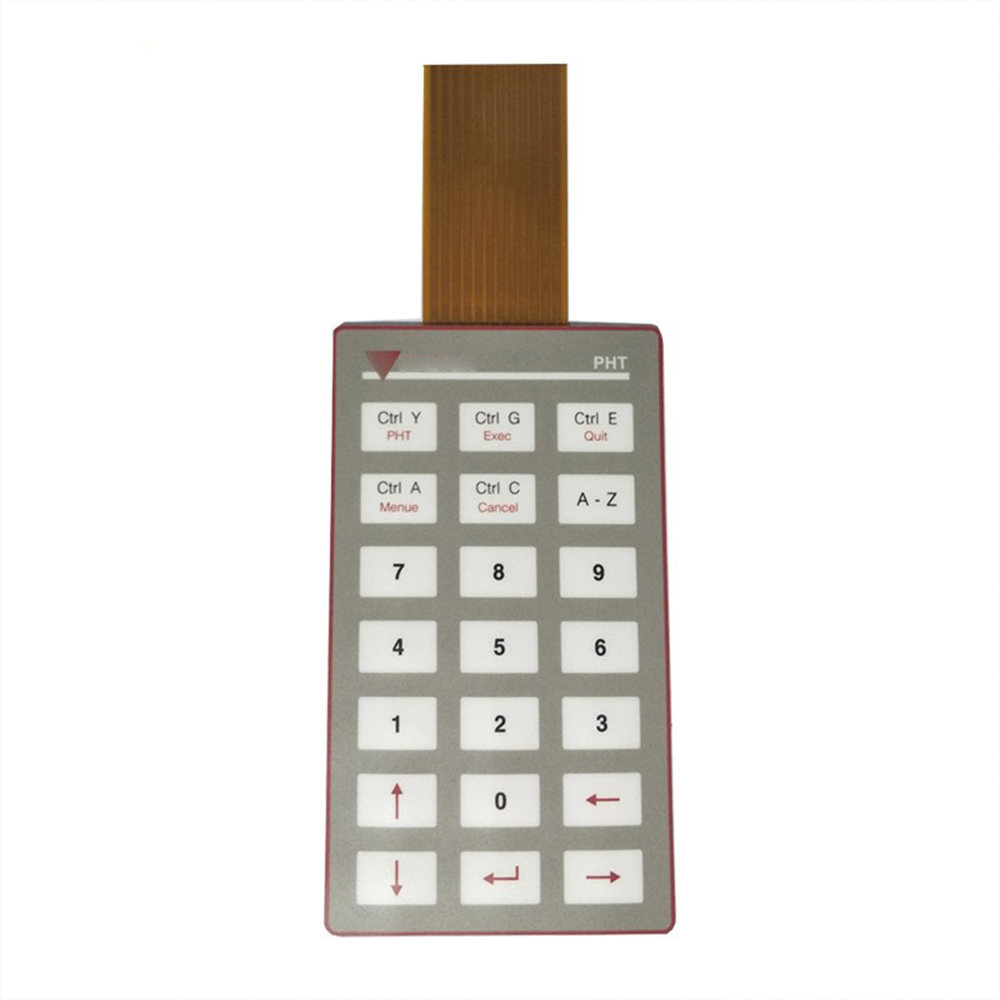
Keyboard Membrane Panel Temperature Control Touch Switch PC Panel
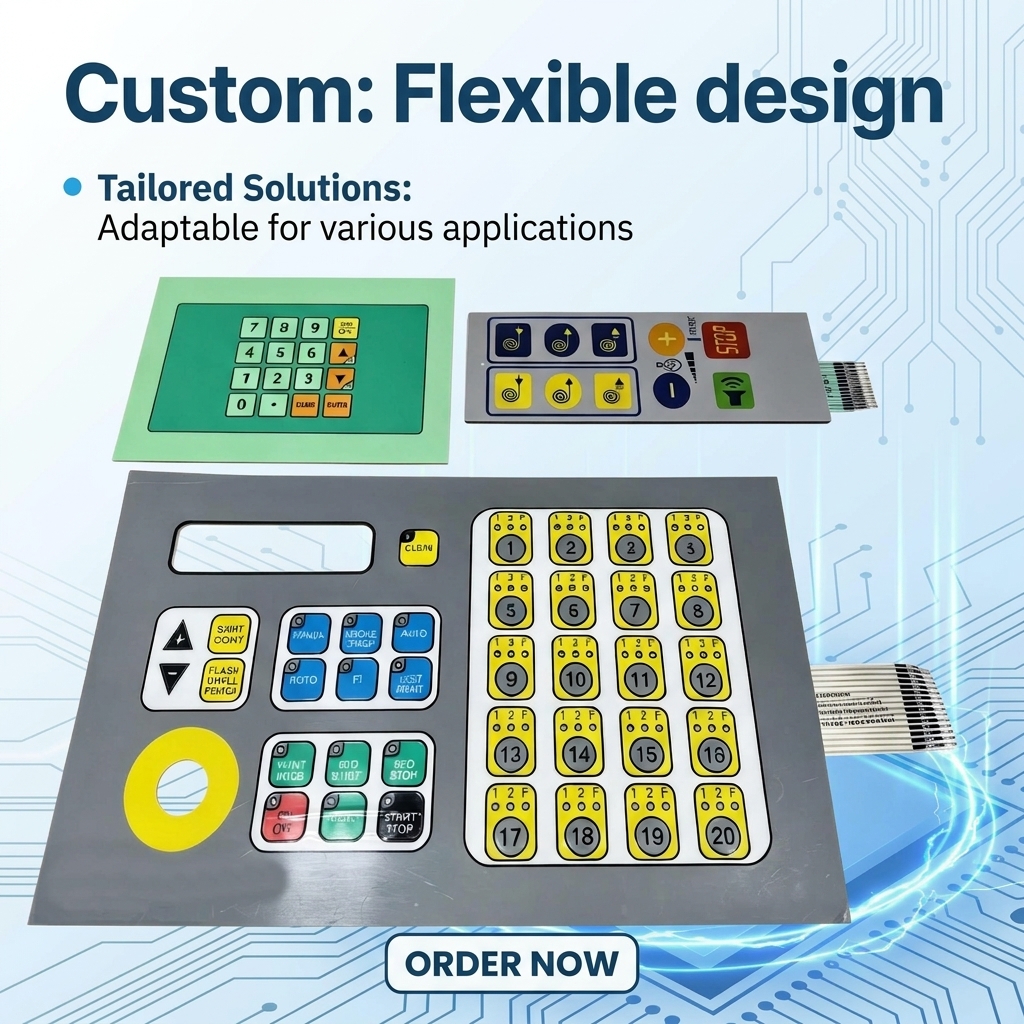
FPC Membrane Switch Keypad with LED Illumination for Locomotive Control
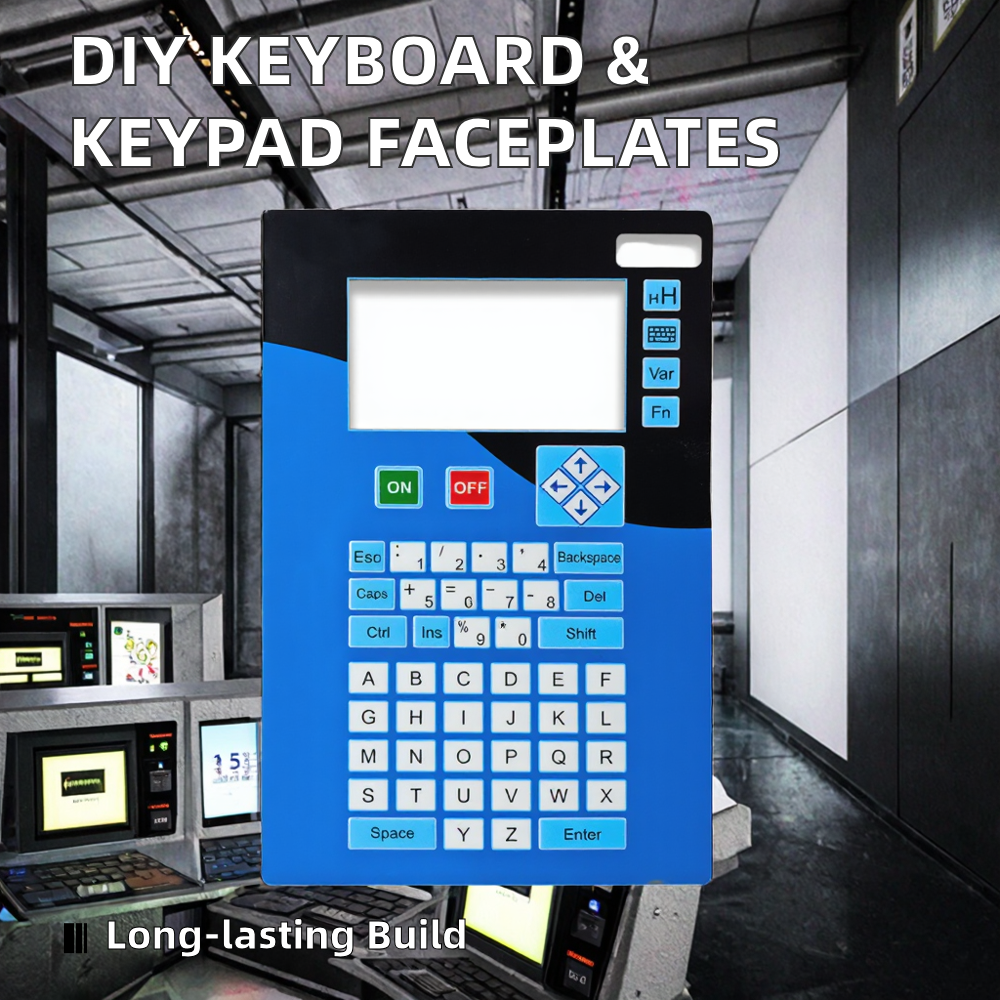
Custom Embossed Tactile Key Membrane Switch Backlight LED Panel Mount
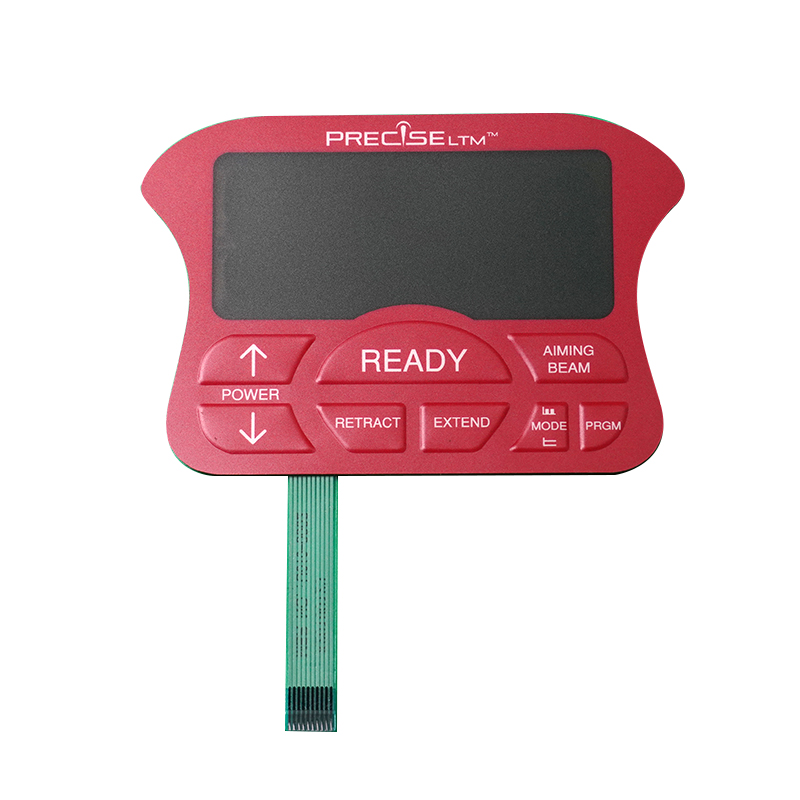
Anti-Interference Locomotive Membrane Control High Temp PET/PC Keypad
Technical Whitepaper: Polycarbonate (Lexan™) Graphic Overlays for Harsh Duty
In modern industrial Human-Machine Interface (HMI) design, polycarbonate (PC) graphic overlay panels serve as the critical frontline barrier between delicate electronic internal circuitry and harsh operational environments. As an established direct OEM/ODM manufacturer traceable to 1990, TAVO Electronic Information Technology Co., Ltd. processes optical-grade polycarbonates (notably SABIC Lexan™ 8010, HP92W, and OQ series) to deliver impact-proof, dimensionally stable, and optically pristine graphic fascias. Unlike standard consumer label printings, our engineering overlay panels are manufactured through second-surface (sub-surface) silkscreen printing and digital UV cure techniques.
Sub-surface printing ensures that inks, legends, background tints, and conductive trace shielding are deposited on the reverse interior face of the polycarbonate film. This architecture guarantees that abrasive mechanical rubbing, chemical wash-downs, industrial solvent splatters (including methyl ethyl ketone, hydraulic oils, and concentrated detergents), and direct operator fingernail contact never compromise the visual legibility or electrical integrity of the underlying HMI.
Technical Distinction: Polycarbonate offers superior thermal dimensional stability (heat deflection temperature of 135°C to 142°C under 0.45 MPa) and unmatched impact resilience compared to polyester (PET) or acrylic (PMMA). However, for applications subject to high-frequency key actuations exceeding 5 million continuous cycles, our engineering lab integrates custom hybrid builds pairing polycarbonate faceplates with elastomeric actuators or inner PET actuation spring layers.
Comprehensive Polycarbonate Material Grade Comparison
To assist procurement specialists and electrical engineering teams in specifying the correct overlay configuration for products distributed across Central Mexico, the following matrix benchmarks the performance characteristics of our primary substrate materials:
| Physical Property / Attribute | Optical Polycarbonate (Lexan™ 8010) | Hard-Coated Polycarbonate (HP92W) | Biaxially Oriented PET (Autotype V200) | Cast Acrylic (PMMA Panels) |
|---|---|---|---|---|
| Surface Hardness (Pencil ASTM D3363) | HB to 1H | 2H to 3H (Scratch Proof) | 3H to 4H | 3H to 5H (Brittle) |
| Light Transmission (Clear Windows) | 89% – 91% | 90% – 92% | 88% – 90% | 92% – 94% |
| Tensile Strength at Yield (ISO 527) | 62 MPa | 65 MPa | 150 MPa | 70 MPa |
| Actuation Flex Life (Embossed Domes) | ~100,000 – 250,000 cycles | ~80,000 – 150,000 cycles | > 5,000,000 cycles | Not Flexible (0 cycles) |
| Continuous Service Temperature | -40°C to +125°C | -40°C to +130°C | -40°C to +105°C | -20°C to +80°C |
| Dielectric Strength (ASTM D149) | 30 kV/mm | 32 kV/mm | 25 kV/mm | 20 kV/mm |
| Chemical Resistance (Oils & Cleaners) | Moderate (Avoid high alkalines) | Excellent (Hard-coat sealed) | Superior (Universal industrial) | Poor (Stress cracking) |
| Recommended Mexico Applications | Heavy machinery fascias, meters | Medical monitors, food packaging | Membrane tactile keyboards, PLCs | Static gauge display lenses |
Localized Application Scenarios in Mexico City (CDMX) & Valley of Mexico Industrial Corridor
The Metropolitan Area of the Valley of Mexico (ZMVM)—spanning CDMX's historic industrial perimeters (Vallejo i, Iztapalapa, Azcapotzalco) through the flourishing manufacturing hubs of the State of Mexico (Tlalnepantla de Baz, Naucalpan de Juárez, Cuautitlán Izcalli, Ecatepec, and Toluca)—is experiencing an unprecedented nearshoring renaissance. As European, US, and East Asian OEMs establish Tier-1 and Tier-2 manufacturing facilities under the USMCA (T-MEC) trade framework, the demand for high-reliability, custom-manufactured HMI components has surged.
Tier-1 Automotive & Commercial Fleet Sub-Systems
Integrated into automotive diagnostic modules, EV charging stations deployed across CDMX metropolitan roads, bus rapid transit (Metrobús) validator interfaces, and locomotive engine cabs manufactured around Toluca and Naucalpan requiring strict vibration tolerance and flame retardancy (UL 94 V-0/V-2).
Medical Electronics & Hospital Diagnostic Devices
Supplied to specialized biomedical engineering firms along the Insurgentes Sur corridor and Cuautitlán assembly plants. Our hard-coated polycarbonate overlays feature anti-microbial coatings, dead-front indicator zones, and fluid-sealed perimeter gaskets that withstand aggressive hospital sanitizers like isopropyl alcohol and chlorine washouts.
Industrial Process Control & SCADA Enclosures
Designed for high-load assembly lines in the Vallejo Industrial Zone and San Martín Obispo logistics platforms. Panels operate in conjunction with Siemens, ABB, and Allen-Bradley PLCs, providing IP67 front-panel protection against dust ingestion, moisture, industrial greases, and high-frequency tactile command inputs.
Commercial Kitchen & Smart Domestic Appliances
Engineered for prominent home appliance assemblers throughout central Mexico. Features decorative metallic borders, custom tint LCD/VFD windows, capacitive slider patterns, and 3M 300LSE high-tack adhesive laminates engineered specifically for low surface energy powder-coated chassis and stainless steel housings.
Smart Energy Meters & Water Management Systems
Integrated into CFE (Comisión Federal de Electricidad) smart grid telemetry terminals and urban water management infrastructure across Mexico City. Substrates utilize UV-stabilized polycarbonate formulations to eliminate yellowing and embrittlement under intense tropical UV irradiance at 2,240m altitude.
Emerging Trends & Environmental Challenges in the Mexico City Market
Designing electronic interface systems for deployment in Mexico City requires navigating distinct geographic and macroeconomic realities. Sourcing directors and chief engineers must address three critical environmental and market dynamics:
1. Extreme High-Altitude Atmospheric Conditions (2,240 Meters Above Sea Level)
Mexico City sits at an average altitude of 2,240 meters (7,350 feet). At this elevation, atmospheric pressure drops to approximately 77.5 kPa (compared to 101.3 kPa at sea level), and Solar Ultraviolet Radiation (UV-A and UV-B) is up to 25% higher than in coastal facilities. Standard grade commercial plastics degrade rapidly, leading to micro-cracking, graphic fade, and polymer yellowing within 12 to 18 months of exposure. TAVO solves this by utilizing UV-stabilized Lexan™ resin blends integrated with proprietary benzotriazole UV blockers. Furthermore, our internal venting channels for tactile metal domes are engineered to prevent internal gas expansion or vacuum locking caused by rapid atmospheric pressure differentials during air transit between low-altitude ports and the central Mexican plateau.
2. Airborne Particulates, Smog, and Volcanic Ash Resilience
The Valley of Mexico basin frequently traps fine particulate matter (PM2.5 and PM10), automotive emissions, and periodic abrasive volcanic ash emissions from nearby Popocatépetl. Volcanic ash contains high concentrations of sharp silica particulates that rapidly abrade unprotected displays and wedge into standard mechanical push-buttons. Our hermetically sealed, IP67/NEMA 4X rated polycarbonate overlay assemblies utilize continuous perimeter adhesive gaskets with 3M 468MP transfer tape, preventing microscopic dust ingress and enabling high-pressure washdowns without electronic short-circuiting.
3. Accelerated Nearshoring (USMCA Compliance & Agile Supply Chains)
The re-shoring and nearshoring transition under USMCA has led North American manufacturers to reduce dependence on fragmented intermediary distributors. Purchasing managers in Mexico City require direct access to original manufacturers with mature engineering support capable of rapid design turnaround, CAD/Gerber file reviews within 24 hours, rapid stereolithography/digital sampling within 3 to 5 days, and direct DDP/CIF air logistics to Benito Juárez International Airport (MEX) or Felipe Ángeles International Airport (NLU).
Why Global OEMs Partner With TAVO: Verified Production Depth
Unlike trading intermediaries that broker print orders, TAVO Electronic Information Technology Co., Ltd. operates as a genuine vertically integrated custom manufacturer with our heritage established in 1990. Our main facility in the Robot Industry Port of Xianghe Economic and Technological Development Zone (Hebei) operates in direct concert with our second high-capacity manufacturing base in Huizhou, Guangdong. This dual-facility synergy ensures total supply redundancy and eliminates single-point operational bottlenecks for high-volume automotive and electronics suppliers.
60 CNC Machining Centers
Complete in-house mold and steel rule die fabrication. We cut our own embossing dies and high-precision punching dies, eliminating third-party tooling markups and cutting prototype turnaround times to days.
37 Silkscreen & 4 Mimaki Lines
Dual capability combining high-speed automated silkscreen printing for massive multi-thousand run repeatability with high-resolution Mimaki digital UV printers for short-run prototypes and gradient artwork.
18 Laser Cutting Stations
Laser tolerance control down to ±0.05mm. Complex profile cuts, internal LCD display windows, LED pass-through ports, and customized tail routing performed with zero mechanical stress or edge burrs.
German Technical Heritage
Under long-term technical cooperation with a renowned German membrane switch enterprise, our manufacturing processes, ink layering formulas, and cleanroom disciplines align strictly with European DIN and ISO 9001 standards.
Rigorous Laboratory Testing and Reliability Verification
Every custom production batch of polycarbonate overlay panels destined for export to Mexico undergoes 100% functional verification in our onsite testing laboratory before dispatch. Our in-house test infrastructure includes:
- Button Life-Cycle Testing: Pneumatic actuary stations cycling tactile embossed domes past 1,000,000 actuations at specified forces (250g to 450g) to guarantee zero metal fatigue or dome inversion.
- Programmable Temperature & Humidity Chambers: Cycling assembled panels from -40°C to +105°C with 95% relative humidity over 500-hour soak periods to confirm zero layer delamination or adhesive creep.
- Salt Fog Corrosion Chambers: ASTM B117 salt spray exposure for 96 hours, verifying that rear shielding layers, gold-plated tail contacts, and edge seals resist oxidation.
- Xenon Arc Accelerated Weathering: Simulating 5 years of intense Central Mexico solar radiation to ensure Pantone color fidelity (ΔE < 1.5) and substrate tensile stability.
- Optical Transmission & Gloss Analysis: BYK spectrophotometer and gloss-meter verification ensuring clear display windows achieve >90% clarity while matte texturing preserves glare resistance.
Frequently Asked Questions by Mexico City Procurement Teams
Clear, direct answers regarding international logistics, Incoterms, USMCA documentation, engineering artwork formats, and adhesive selection for buyers in the Mexican Republic.
What artwork and CAD files are required to initiate an OEM/ODM quote and prototype run? +
How do you handle shipping, customs clearance, and Incoterms for delivery to Mexico City? +
Which 3M adhesive system is recommended for industrial equipment deployed in Mexico? +
Can you support small pilot batches and rapid prototyping for start-ups and R&D centers in CDMX? +
How does TAVO ensure compliance with NOM (Normas Oficiales Mexicanas) and international standards? +
What is the standard payment term and currency accepted for Mexican commercial accounts? +
Accelerate Your Mexican Nearshoring HMI Production Today
Connect directly with TAVO's senior engineering team. Receive an exhaustive Design for Manufacturability (DFM) assessment, substrate material optimization, and an itemized OEM/ODM quotation within 24 hours.