Featured Push Button & HMI Control Interfaces
Precision-engineered tactile feedback switches, conductive elastomeric keypads, and environmentally sealed interfaces configured for robust European industrial duty cycles.
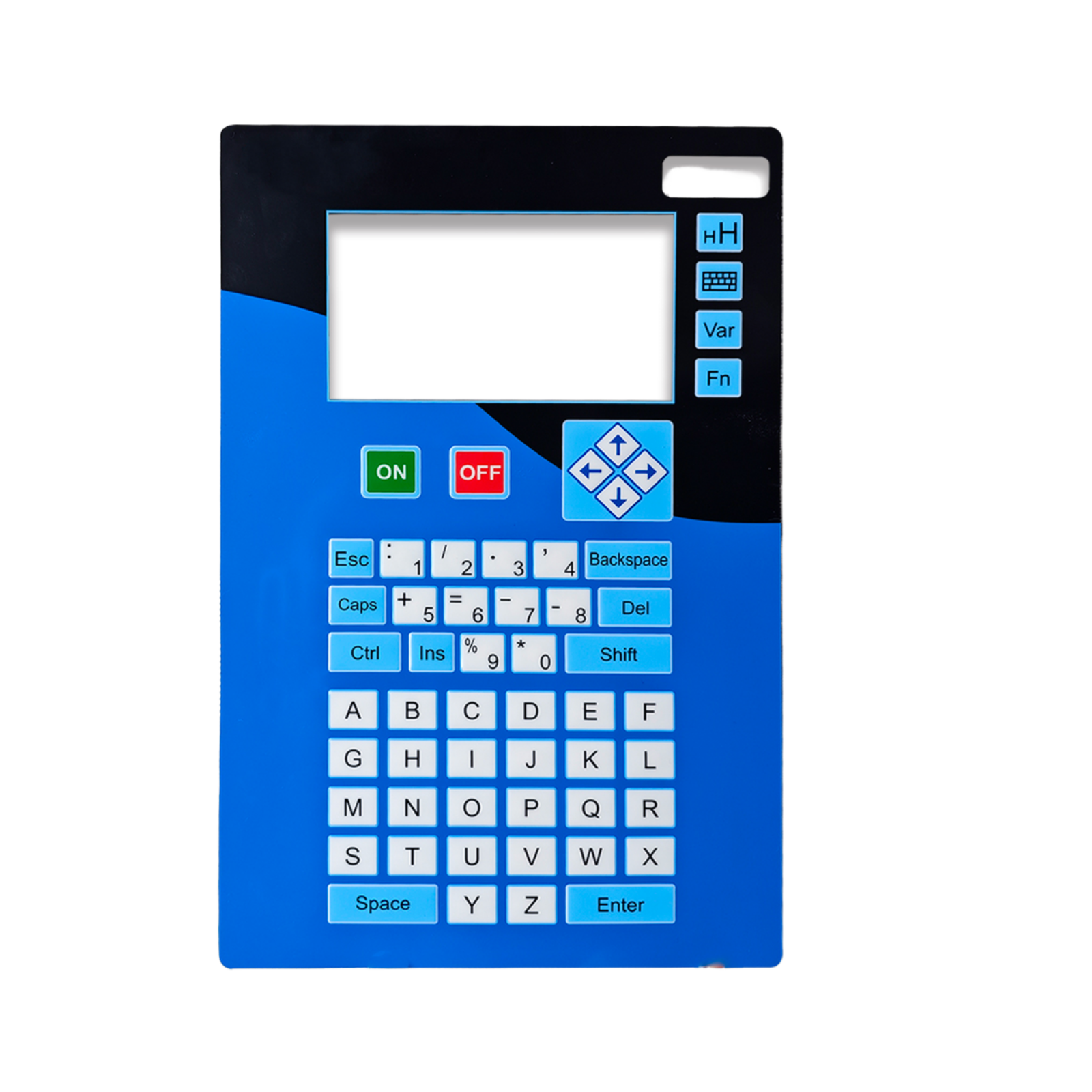
Custom Printed Membrane Switch Embossed Metal Dome Keypad
Constructed with high-tenacity PET overlays, 3M high-performance adhesive backing, and gold-plated tactile metal domes for resilient moisture sealing.
3x4 12 Key PET Matrix Array Button Switch Keyboard
Standard matrix array push-button configuration engineered for fast microcontroller interfacing, access panels, and environmental automation.
OEM PBT Keyboard Cap Mechanical Switch Compatible
Wear-resistant silkscreen printed PBT push-button caps featuring 2.54mm pitch alignments, calibrated for heavy continuous control operations.
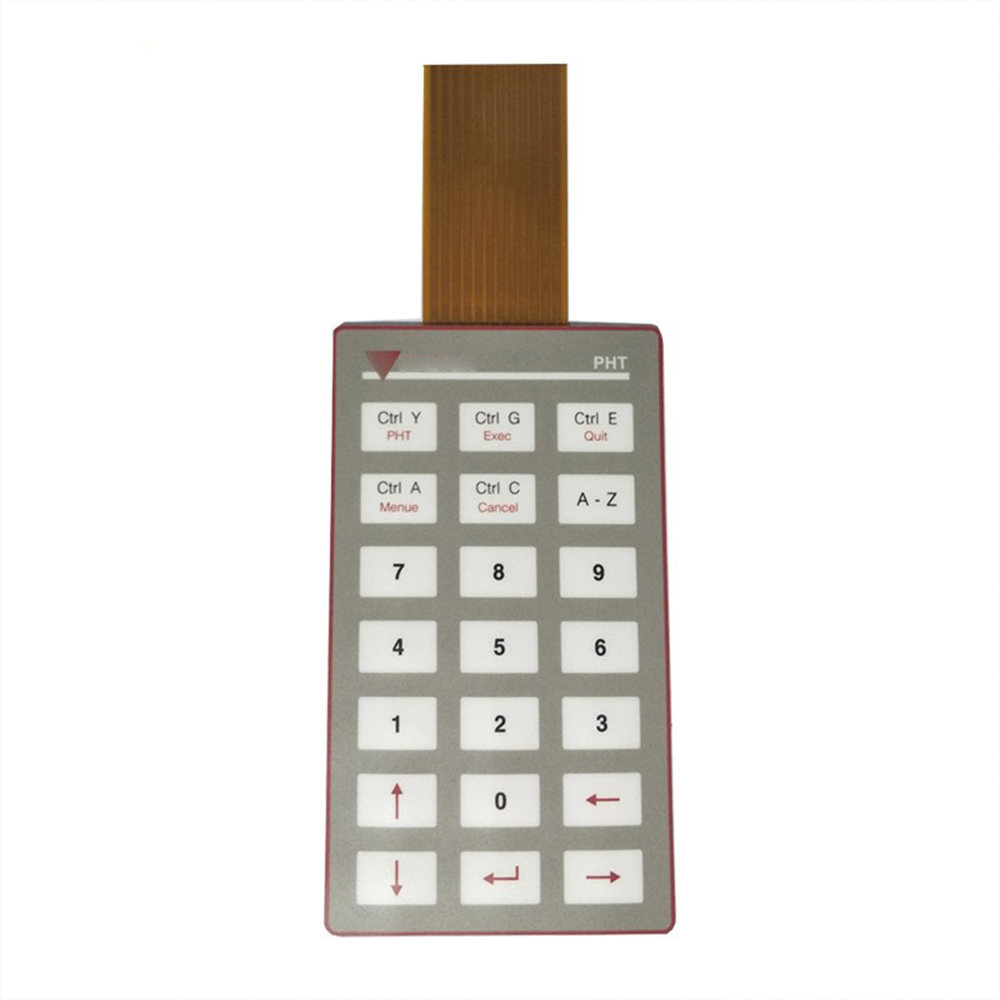
Computer Membrane Temperature Control Keypad Touch Panel
Custom multi-layer PET/PC thermal management keypad featuring integrated clear LED display windows and anti-chemical graphic treatments.
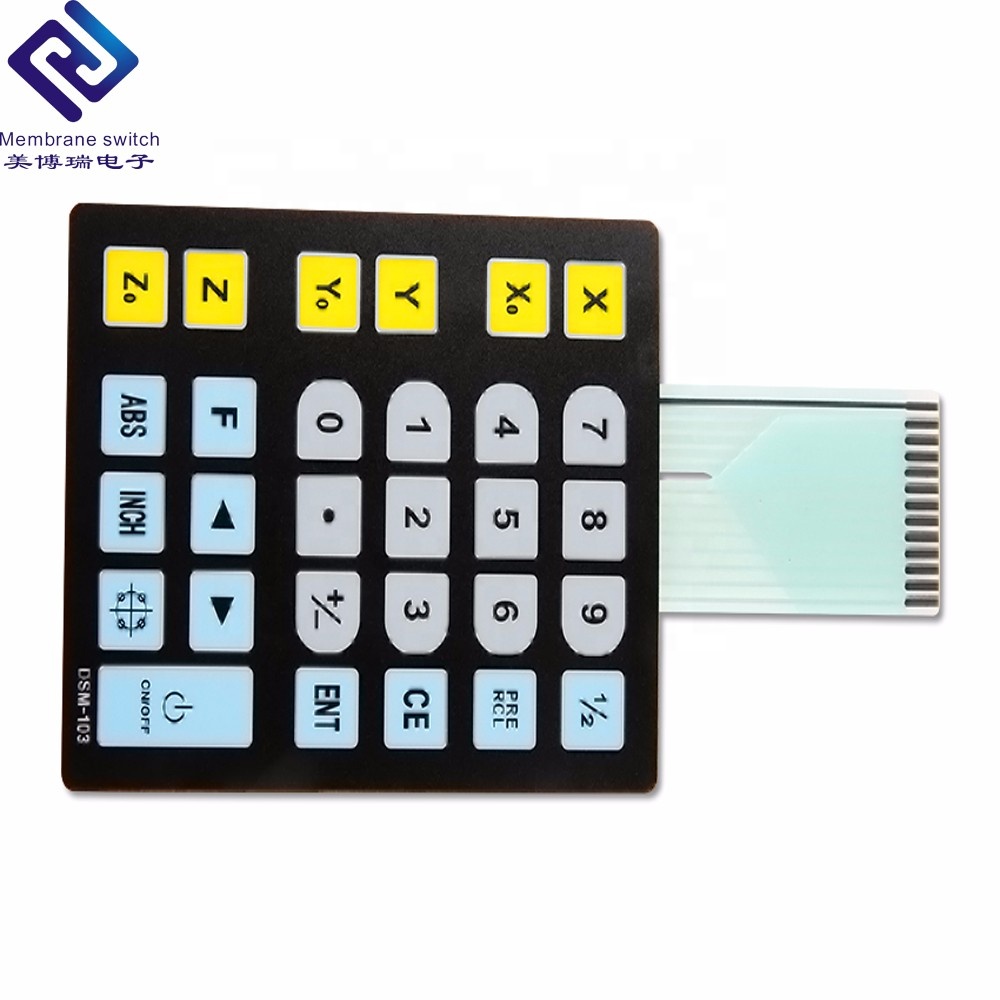
Membrane Switch Keypad with Molded Rubber Buttons
Elastomeric silicone push buttons bonded with copper FPC/silver traces, combining true tactile 3D rubber ergonomics with flat sealing circuits.
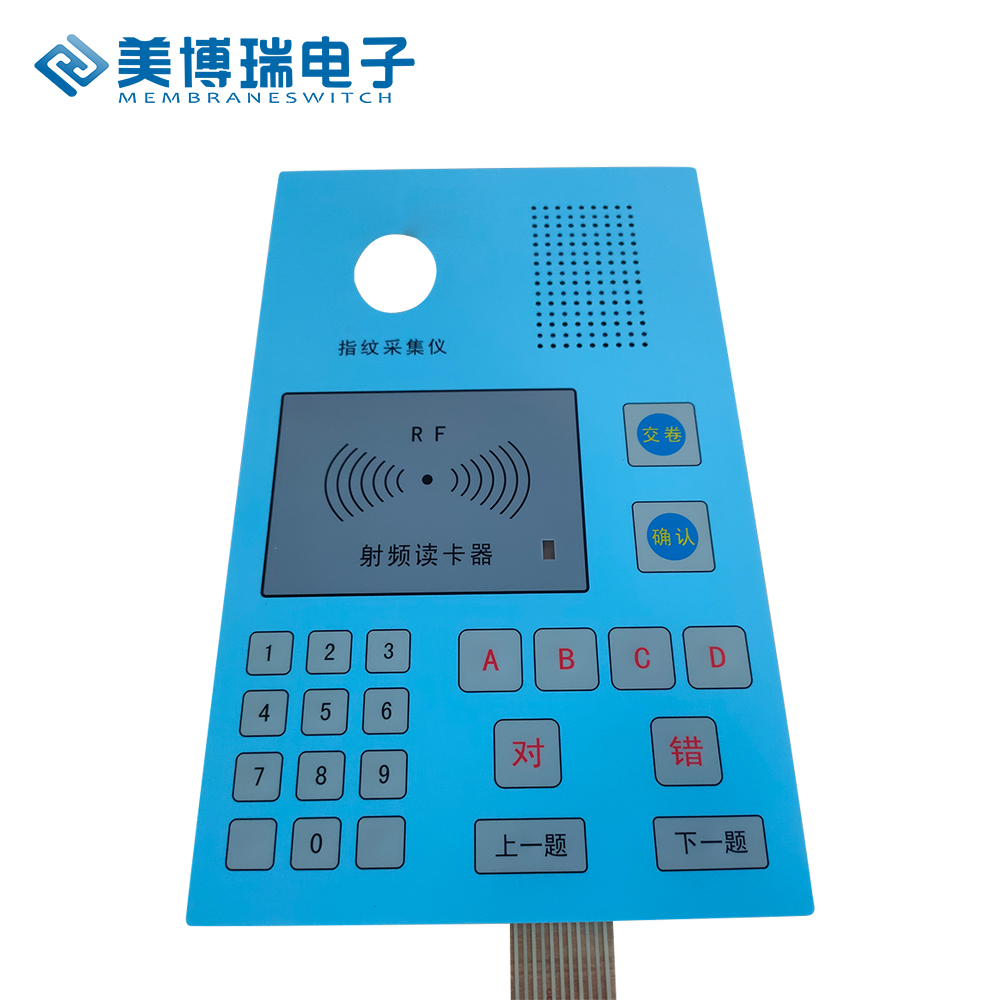
MBR ISO9001 Environmentally Sealed IP65 Push Buttons
Hermetically enclosed switch array with moisture barrier tracks, preventing dust intrusion and fluid washdown degradation in harsh facilities.
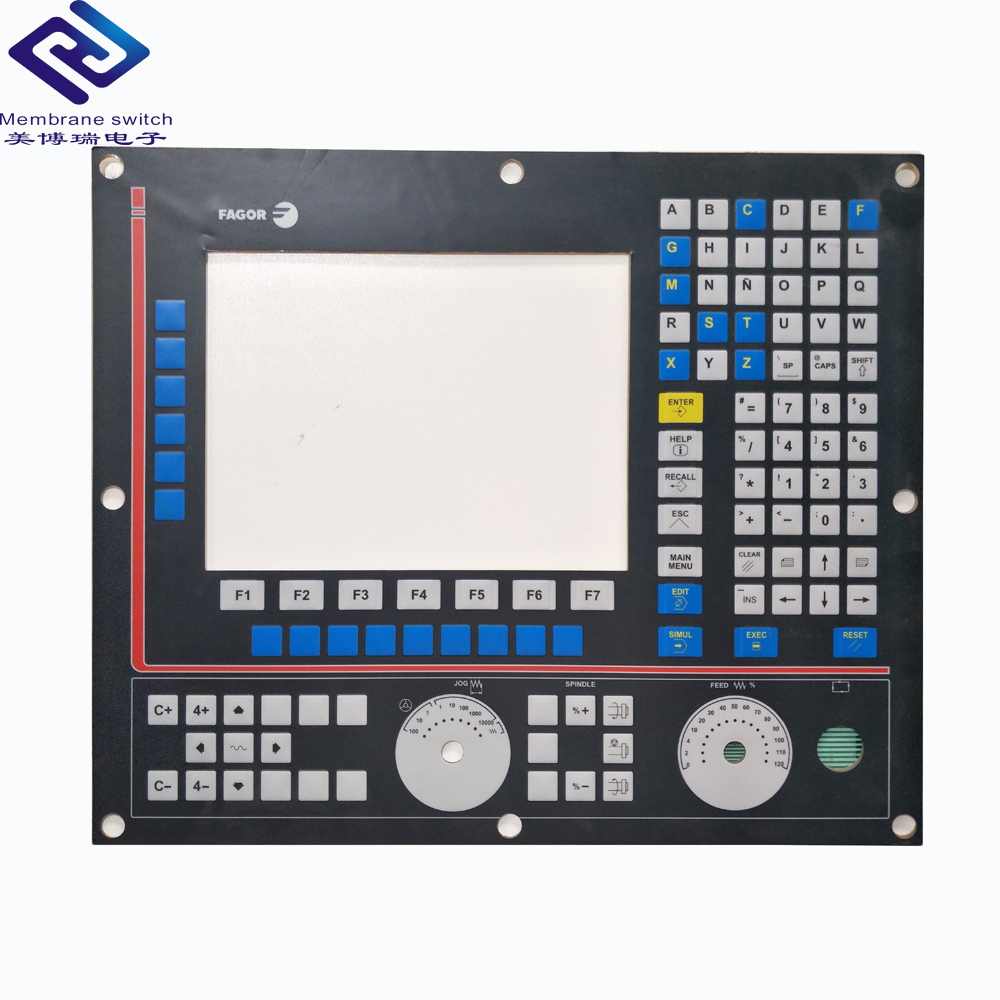
CNC Milling Machine Keypad Industrial Membrane Panel
Heavy-duty push-button matrix shielded against industrial electromagnetic interference (EMI) and lubricating cutting oil exposure.
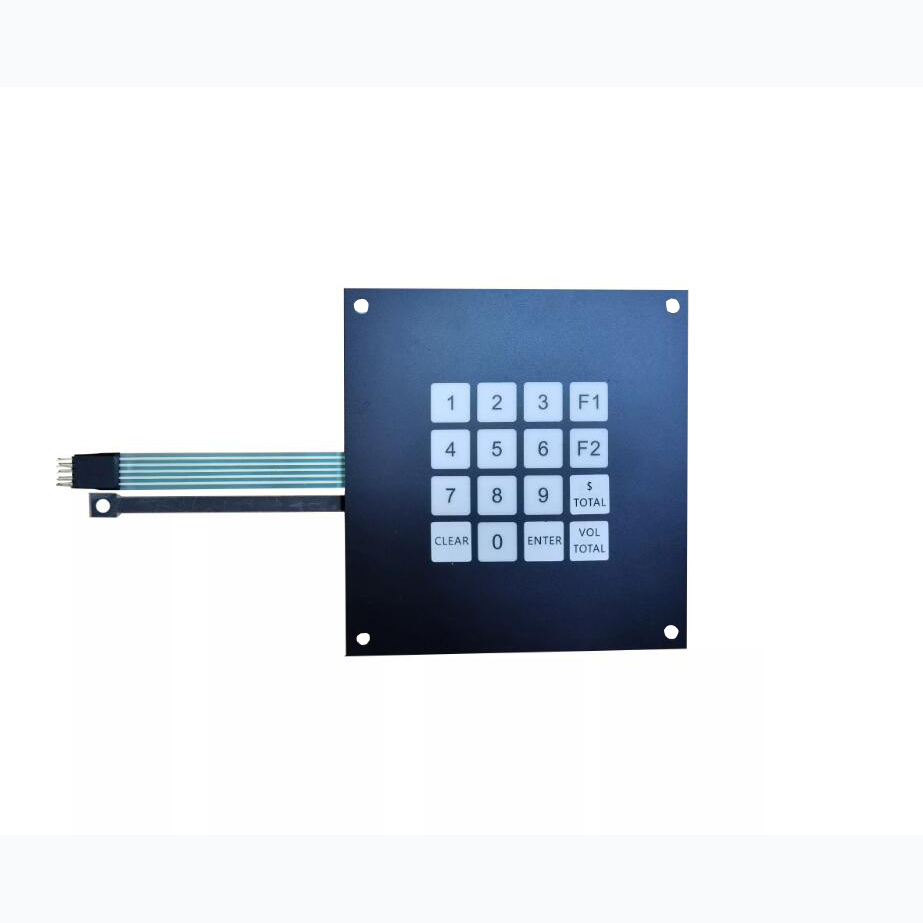
Custom Fuel Dispenser Oiling Machine Push Button Array
UV-stabilized outdoor fuel-dispenser keyboard assembly built with extreme climate stability, anti-spark circuitry, and long mechanical flex life.
Industrial White Paper: Elastomeric Push Buttons & HMI Assemblies in Ruse, Bulgaria
The city of Ruse—recognized historically as "Little Vienna" and strategically positioned as Bulgaria's premier logistics and manufacturing port along the Danube River—has experienced a modern renaissance across heavy equipment assembly, automotive wiring harnesses, agricultural machinery, and high-precision maritime electronics. Within these demanding production environments, human-machine interfaces (HMI) must satisfy stringent operational criteria: resistance to high thermal variances, chemical washdowns, particulate abrasion, and continuous tactile mechanical cycling.
For original equipment manufacturers (OEMs) and contract electronics manufacturers (CEMs) operating across Ruse's industrial parks (such as Ruse Free Zone and Industrial Park Ruse), standard off-the-shelf plastic keycaps consistently fail prematurely due to micro-fracturing and seal degradation. Customized silicone rubber push-button assemblies, integrated with underlying silver flexible circuits or copper-clad polyimide FPCs, deliver an impermeable front-panel barrier that achieves IP65 to IP68 environmental ingress ratings while sustaining more than 1,000,000 continuous actuation cycles without mechanical fatigue.
| Engineering Parameter | Silicone Elastomeric Push Button | Standard Mechanical Tact Switch | Flat Polycarbonate Membrane |
|---|---|---|---|
| Actuation Life Cycle | 1,000,000 to 5,000,000 cycles | 100,000 to 500,000 cycles | 1,000,000 to 3,000,000 cycles |
| Ingress Protection Rating | Up to IP67 / IP68 Hermetic Seal | IP40 (Unsealed) to IP65 | IP65 to IP67 Standard |
| Operating Temperature | -40°C to +150°C (Silicone Compound) | -20°C to +70°C | -20°C to +65°C |
| Chemical & Oil Resistance | Excellent (Polyurethane/Parylene coated) | Moderate (Subject to internal fouling) | High (Hardcoated PET/Autotype) |
| Tactile Travel & Ergonomics | 0.8mm – 2.5mm True Elastic Travel | 0.25mm – 0.5mm Short Click | 0.3mm – 0.6mm Embossed Metal Dome |
By leveraging customized Shore A durometer hardness formulations (ranging from 40 to 70 Shore A), our compression molding methods allow Ruse design engineers to calibrate the actuation force precisely from 80g to 450g. This tactile personalization ensures positive operator confirmation even when operating equipment with thick industrial work gloves, which is vital in agricultural grain silos, Danube river freight control docks, and cold-storage distribution terminals.
Localized Application Scenarios Across Ruse Industry
Meeting exact functional standards across Ruse's river shipping, precision metalworking, and agricultural equipment manufacturing clusters.
Danube Maritime & Shipboard Controls
River barges and port cranes handling transshipment at the Port of Ruse require saline-resistant, UV-stabilized silicone push-button panels. Our molded rubber assemblies feature laser-etched legends with uniform LED backlighting, preventing water vapor infiltration and salt-spray corrosion during all-weather navigation.
CNC Machinery & Metal Fabrication
Machine tool builders and metal fabricators in Ruse's industrial zones require front panels that resist coolant oils, metal swarf, and cutting fluids. We integrate rigid aluminum backer plates with bonded silicone push buttons, eliminating panel flexing while isolating electronic logic boards from industrial surges.
Agricultural Harvesters & Silo Processing
Serving northern Bulgaria’s fertile grain belt, regional machinery manufacturers require sealed cabin push-button control boxes that withstand intense airborne chaff, fine grain dust, and extreme temperature variations from scorching summer field operations to sub-zero winters (-25°C to +40°C).
Automotive Subsystems & Electrical Cabinets
As Ruse continues to expand its automotive components and switchgear exports into the wider European Union market, our Tier-2 compatible push button assemblies comply with strict RoHS, REACH, and flammability parameters (UL94-V0 and UL94-HB silicone rubber compounding options).
Emerging Procurement & Technology Trends in Ruse’s HMI Market
As European industrial automation pivots aggressively toward Industry 4.0 standards, procurement behaviors among industrial enterprises in Ruse are demonstrating clear structural shifts:
Hybrid Elastomer-Capacitive Panels
Bulgarian instrument OEMs increasingly specify hybrid panels that pair glass-like flat capacitive touch windows with physical elastomeric emergency stops and push buttons. This setup combines the clean aesthetic of touchscreens with the unmistakable safety confirmation of tactile buttons.
LGF & Fiber-Optic LED Backlighting
Heavy machinery cabins demand low parasitic power draw alongside zero-glare, homogenous illumination. Light Guide Film (LGF) embedded beneath rubber webbing achieves ultra-thin profiles without bulky diffusers, providing sharp legibility during midnight maritime logistics and dark field harvesting.
Nearshore Quality with Direct Factory Value
Supply chain managers in Ruse are avoiding expensive trading intermediaries in Western Europe by forming direct technical partnerships with accredited Tier-1 China factories that demonstrate proven German-grade inspection rigor, transparent DDP terms, and comprehensive CAD/CAM engineering assistance.
Enterprise Strengths & Production Infrastructure
Decades of dedicated interface processing backed by multi-facility redundancy, German engineering exchange, and full in-house accountability.
Complete In-House Manufacturing
Every phase is executed under one roof: compression rubber vulcanization, CNC tooling fabrication, precision screen printing, Mimaki digital UV imaging, embossing, and automated laser profiling. No outsourced delays, no untracked third-party tolerances.
Two-Factory Capacity Balancing
With fully verified production bases in Xianghe Robot Industry Port (Hebei) and Huizhou (Guangdong), your procurement order is dynamically balanced according to process strengths, assuring on-time container vessel departures and air-freight dispatches to Sofia and Varna airports.
German Technical Cooperation & ISO 9001
Benefiting from extensive technology exchange and ongoing technical alignment with a seasoned German membrane switch facility, our processes meet strict European test benchmarks. Every batch is verified via computer circuit testers, programmable salt-fog chambers, and button life cyclers.
Rapid Prototyping & Flexible MOQs
We actively accommodate short-run engineering iterations, field validation batches, and low minimum order quantities (MOQs). This enables Ruse-based development teams to test novel prototypes and pilot machinery without upfront capital lock-in.
Engineering Support & NDA Integrity
Our dedicated 10-person CAD/CAM engineering squad evaluates mechanical drafts (DXF, STEP, AI) for manufacturability, DFM optimization, and carbon/gold pill conductor alignment. All proprietary customer intellectual property is protected under international non-disclosure agreements.
Global Brand Accreditation
Trusted across demanding industrial ecosystems including ABB, Siemens, and high-speed rail locomotive control projects. We serve forward-thinking equipment designers worldwide across Western Europe, the US, and emerging Central/Eastern European hubs.
Frequently Asked Questions for Sourcing into Ruse
Everything sourcing managers and mechanical systems engineers in Bulgaria need to know about tooling, testing, tariffs, and logistics.
Accelerate Your Custom Push Button & HMI Development
Connect with our technical application engineers to evaluate custom tooling files, request free material samples, or obtain a comprehensive DFM manufacturability analysis for your next Ruse machinery project.