IP67 Waterproof
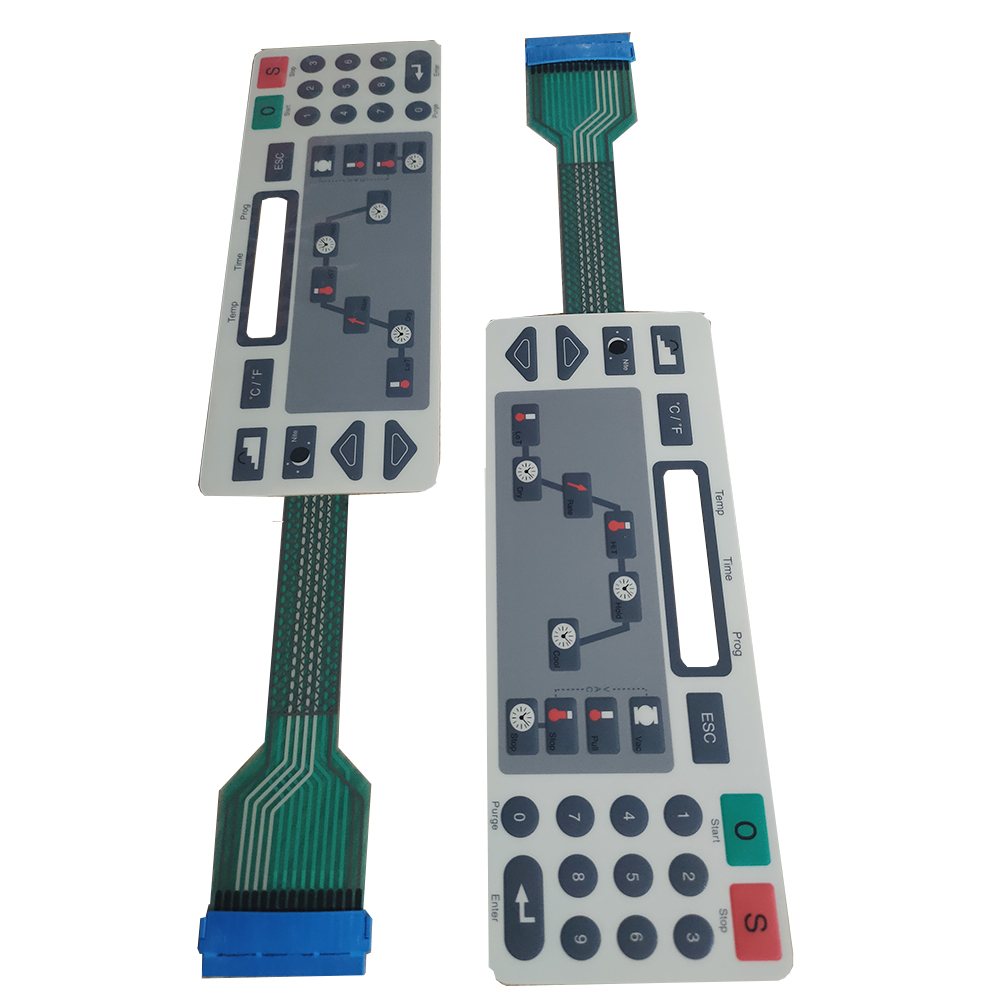
High Quality IP67 Waterproof 3M Adhesive Acrylic LCD Membrane Switch
Optically Clear Acrylic
3M 200MP Adhesive
Tactile Domes
Engineered to withstand Tonga's extreme UV indices, marine saline atmospheres, and tropical thermal cycling. Explore our factory-direct interface hardware below.
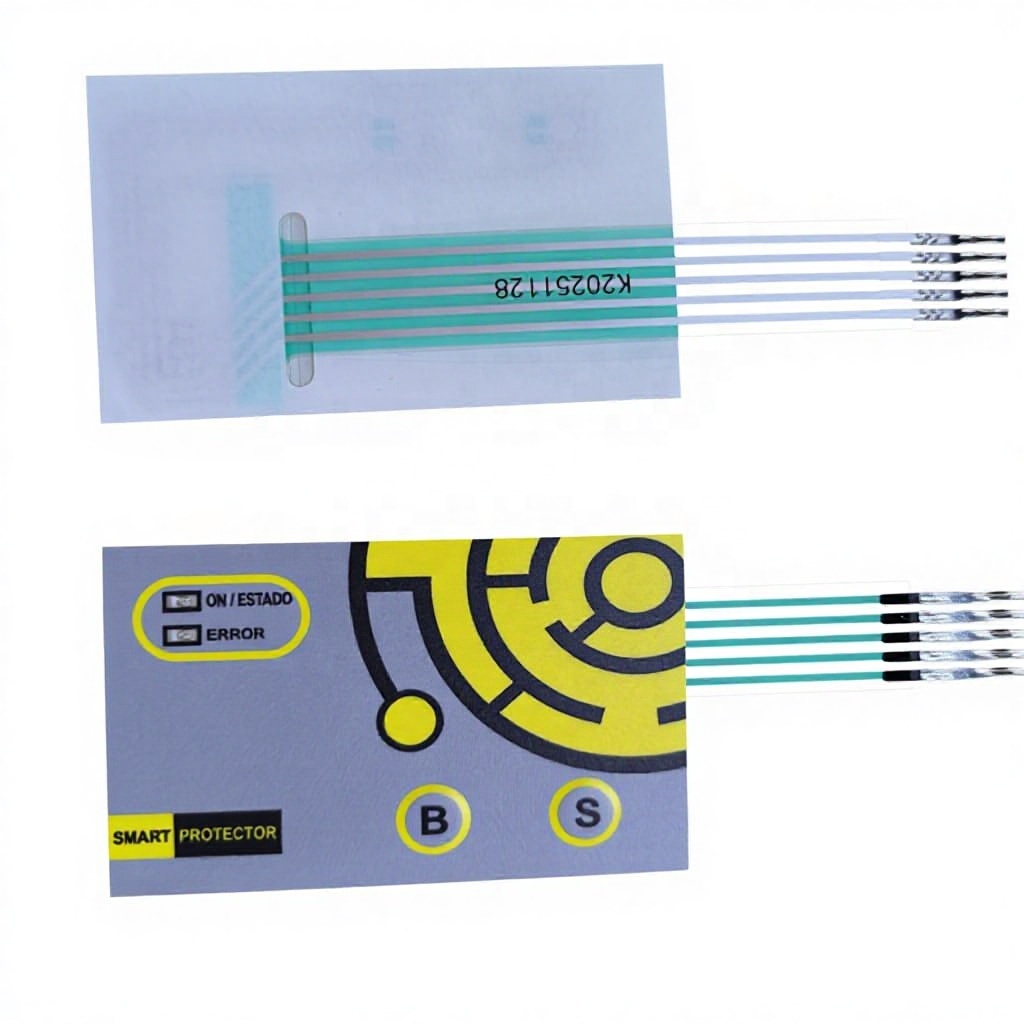
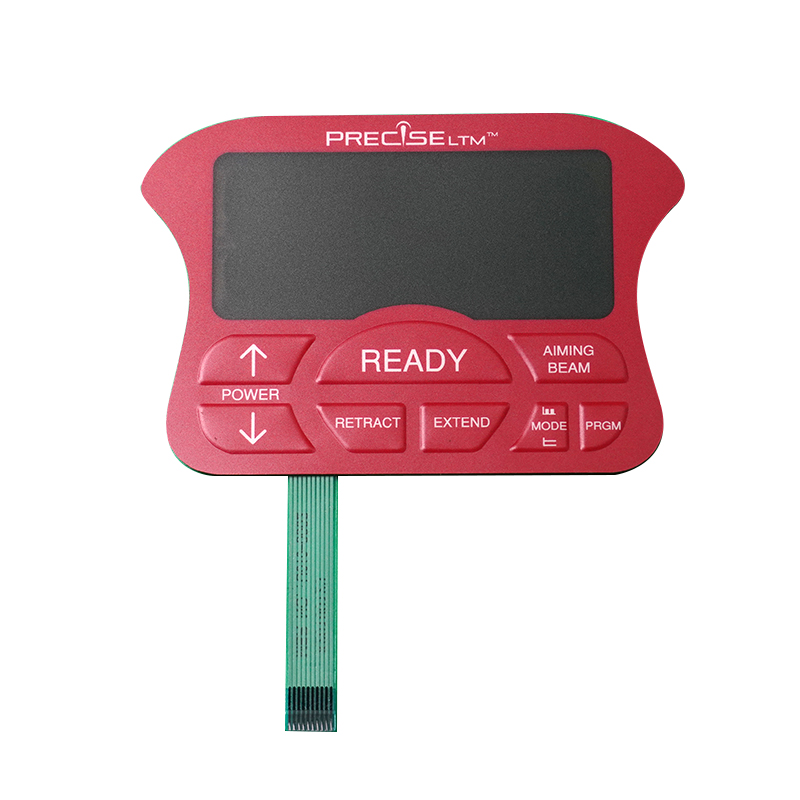
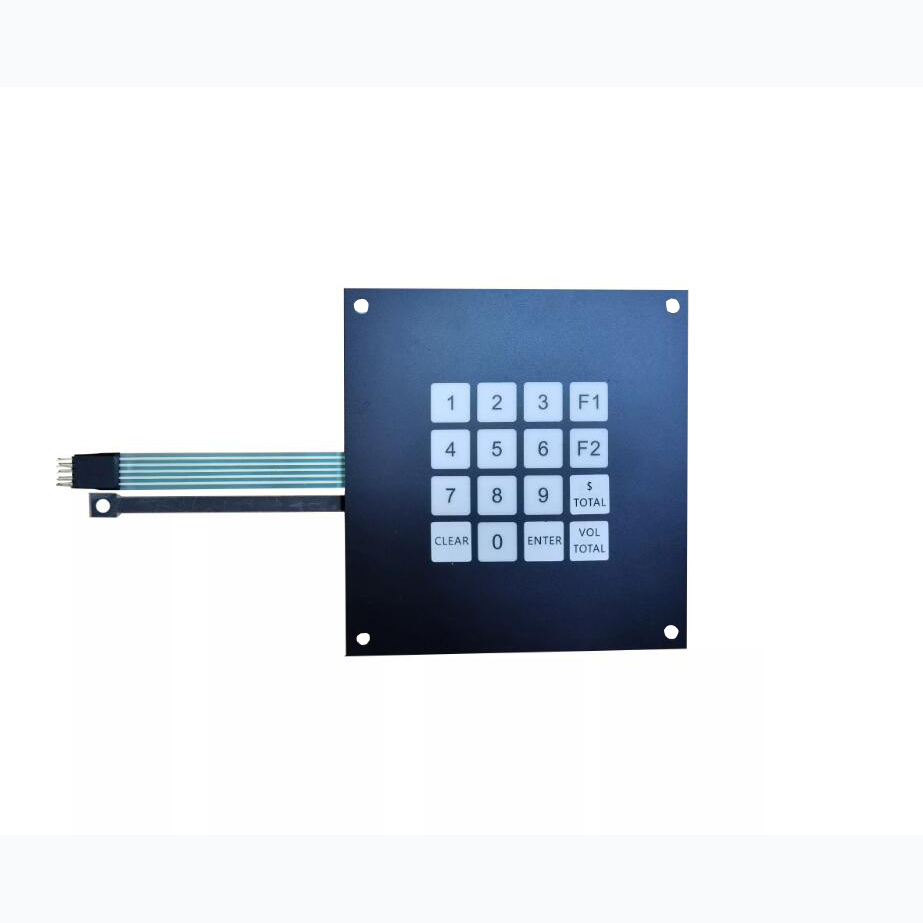
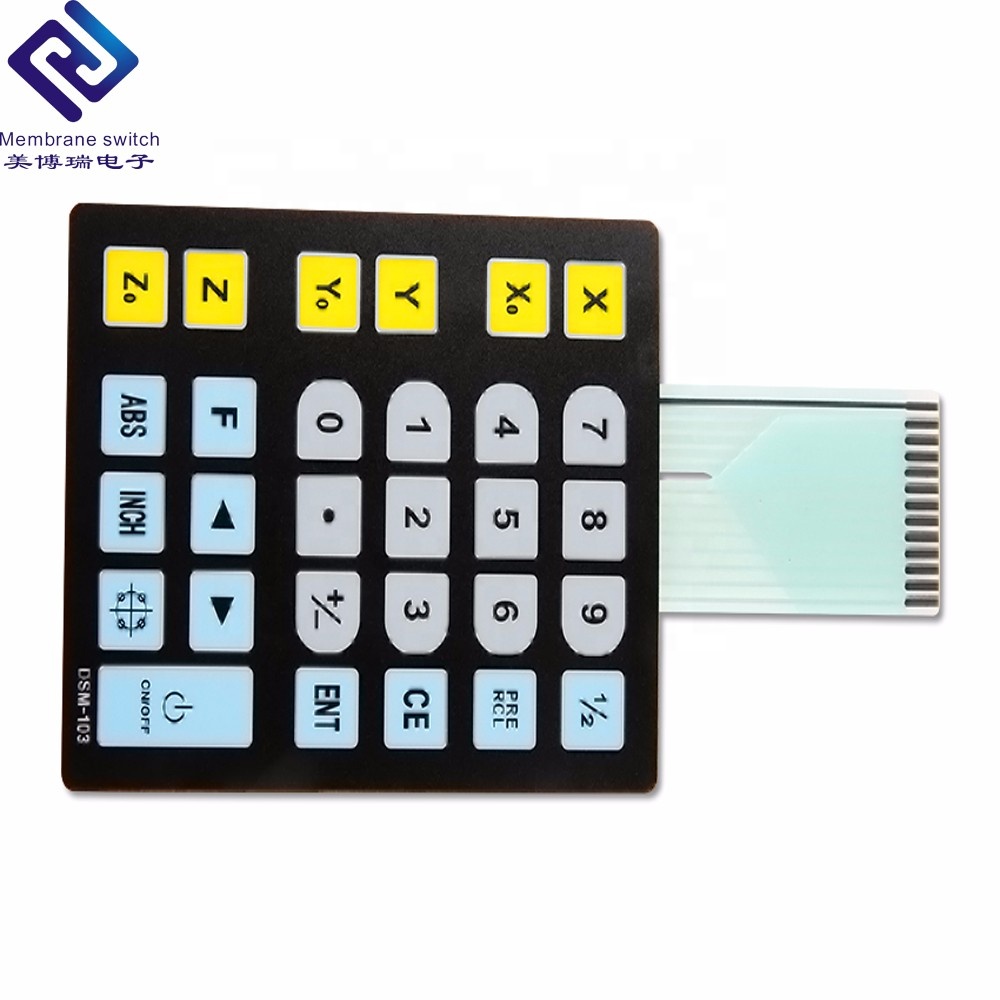
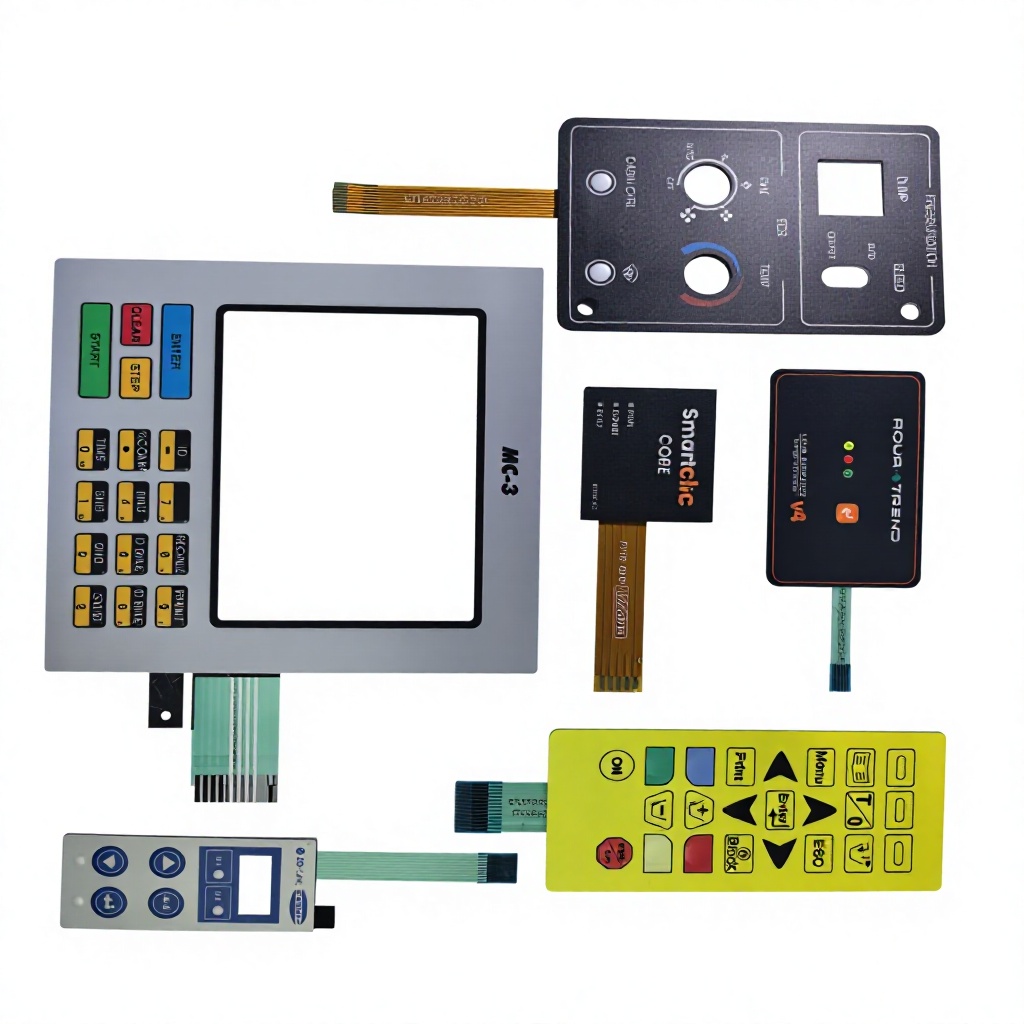
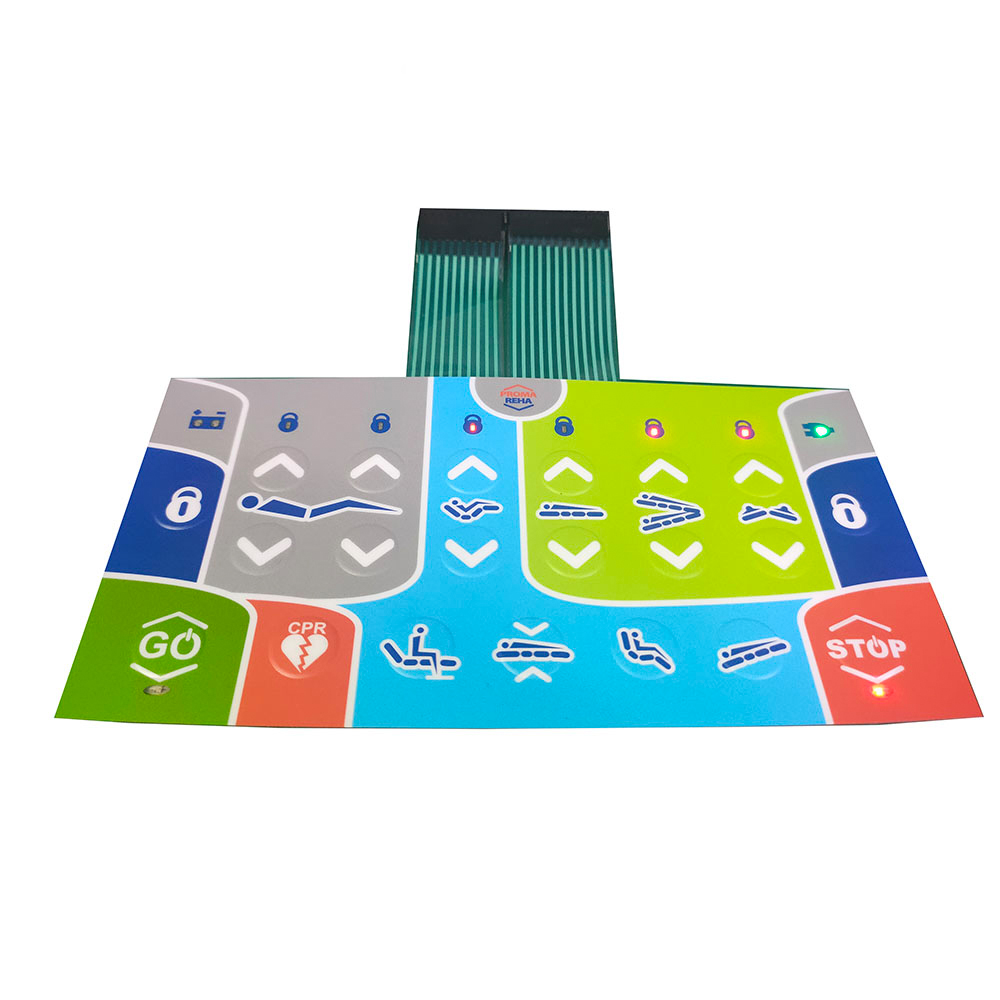
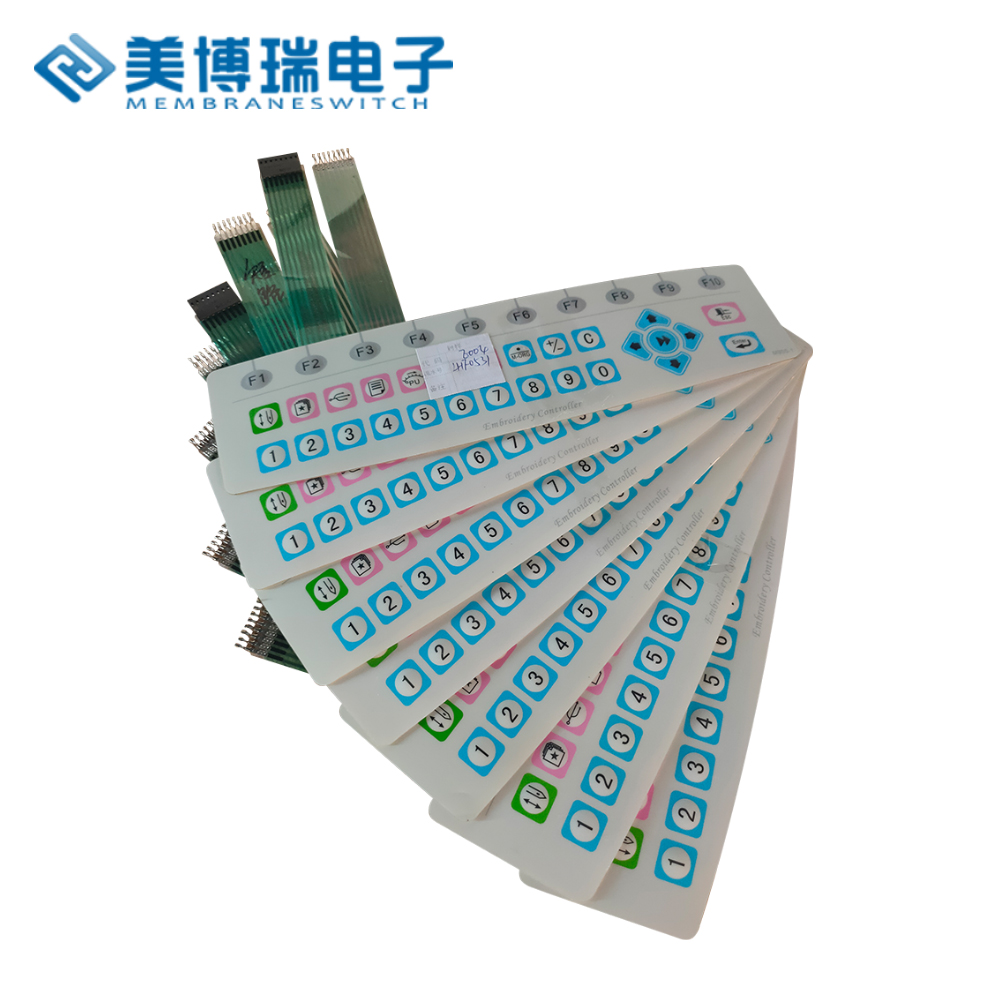
Operating human-machine interfaces (HMIs) and visual display readouts in Nukuʻalofa—and across the broader Tongatapu archipelago—exposes electronic equipment to some of the most aggressive environmental degradation factors in the South Pacific. The convergence of persistent relative humidity (averaging 75% to 90%), elevated ambient air salinity from oceanic aerosol sprays, and extreme ultraviolet radiation (frequently reaching UV Index levels of 11 to 13) causes premature failure in conventional commercial-grade display panels.
An optical window overlay serves as both the primary visual conduit to underlying LCD, OLED, VFD, or seven-segment LED displays and an impermeable physical barrier against corrosive agents. Standard commercial overlays fabricated from untreated polycarbonate (PC) succumb rapidly to photolytic chain scission under high UV flux, resulting in noticeable yellowing (Δb* > 3.0), hazing, and surface microcracking. Concurrently, humidity ingress into the display cavity creates persistent internal condensation and capillary water traps, impairing visual legibility.
At TAVO, our manufacturing methodology addresses these oceanic microclimates through specialized substrate selection, molecular surface hard-coating, and optically matched adhesive lamination. By deploying biaxially oriented polyethylene terephthalate (PET) with UV-stabilized hard coats (such as MacDermid Autotex XE) alongside optical-grade polymethyl methacrylate (PMMA) cast acrylics, we engineer front-panel overlays that preserve luminous transmittance (≥91.5% across 400–700 nm) while maintaining complete hermetic isolation per IEC 60529 standards.
UV-inhibited PET/Cast Acrylic featuring Anti-Glare (AG) or Anti-Reflective (AR) textures with 3H pencil hardness to resist coral dust abrasion.
Multi-pass digital UV / silkscreen automotive-grade inks; printed reverse-side to eliminate wear, solvent damage, and chemical erosion.
Refractive index-matched (n ≈ 1.49) pure acrylic OCA filling micro-gaps to eliminate Newton's rings and prevent internal condensation.
Selectable cast acrylic, polycarbonate, or chemically strengthened glass with dead-front or selective tinting options.
3M 467MP / 468MP or 3M VHB 4910 acrylic foam gasketing providing continuous IP67/IP68 perimeter sealing against saline spray.
| Performance Characteristic | Standard Commercial PC | UV-Stabilized Optical PET | Cast Optical PMMA (Acrylic) | TAVO Marine Hybrid Assembly |
|---|---|---|---|---|
| Luminous Transmittance (ASTM D1003) | 86% – 89% | 88% – 91% | 92% – 93.5% | 91.8% – 93.2% (Index Matched) |
| UV Degradation Resistance (1,000h Xenon) | Severe Yellowing (ΔE > 5.2) | Minimal Shift (ΔE < 1.2) | Inherent UV Stability (ΔE < 0.8) | Engineered Stability (ΔE < 0.5) |
| Surface Hardness (Pencil Scale) | HB – 1H (Easily Scratched) | 2H – 3H (Hard-Coated) | 3H – 4H (Scratch Resistant) | 3H – 4H with Anti-Glare Texture |
| Moisture Ingress / Delamination Risk | High (Air Gap Condensation) | Moderate (Edge Breathable) | Low (Solid Acrylic Bond) | Zero Ingress (Direct OCA Lamination) |
| Salt Spray Resistance (ASTM B117 500h) | Edge Lifting & Haze | Pass (Requires Gasket) | Pass (Impervious Surface) | Exceeds 1,000h (Hermetic Barrier) |
From the Port of Nukuʻalofa to outer island mini-grids, precision optical overlays bridge the gap between human operators and mission-critical electronics.
At Queen Salote Wharf and local marine repair slips, container gantry cranes, marine telematics, depth sounders, and commercial fishing consoles require optical displays readable under intense tropical sunlight without blinding glare, while repelling salt encrustation.
Under the Kingdom's renewable energy mandate, Tonga Power Limited (TPL) utility substations and solar battery hybrid storage systems rely on our UV-resistant inverter overlays and LCD monitoring windows to withstand continuous heat and cyclonic downpours.
Connecting to the international undersea fiber terminal in Nukuʻalofa, satellite ground stations and remote microwave relays require EMI/RFI-shielded optical overlays to protect high-sensitivity telemetry circuits from RF electromagnetic interference.
Desalination units operated by the Tonga Water Board and coastal petroleum distribution depots demand chemically inert front panels resilient against hydrocarbons, chlorination chemicals, and continuous tactile button actuation.
How the Kingdom of Tonga's digital transition and climate resilience protocols are redefining electronic component procurement specifications.
Following recent extreme climatic events and cyclonic storm surges, government agencies in Nukuʻalofa enforce stringent build codes. Equipment deployed in public infrastructure must feature IP67-rated ingress protection, non-hygroscopic gaskets, and UV-stabilized materials certified to resist continuous salt mist per ASTM B117, replacing fragile consumer grade hardware with industrial-grade membrane overlays.
With Tonga's national push to surpass 70% renewable generation through localized solar PV, micro-hydro, and offshore telemetry systems, distributed control stations require standalone visual displays. Engineers demand dead-front optical windows where warning legends and status matrices remain invisible until backlit by low-draw, wide-angle surface-mount LEDs.
Unlike massive global manufacturing centers, equipment developers in the South Pacific require agile batch production. High Minimum Order Quantities (MOQs) have historically created supply chain bottlenecks. Direct access to manufacturers utilizing hybrid digital UV and CNC laser finishing allows low-volume pilot testing (50–500 units) without exorbitant injection-molding tooling fees.
Three decades of human-machine interface specialization, German technical alignment, and strict ISO 9001:2015 closed-loop manufacturing.
Originating in 1990, our engineering lineage spans over three decades of focused R&D. We maintain long-term technical cooperation with a German membrane switch factory—sharing tool design protocols, precision screen formulations, and advanced cleanroom standards.
Operating across two strategic plants—in the Robot Industry Port of Xianghe (Hebei) and Huizhou (Guangdong). With over 111 verified technical personnel, 37 precision screen-printing presses, and 4 Mimaki digital UV printers, we flexibly balance capacity without production bottlenecks.
Every production batch is tested in our in-house environmental simulation laboratory. Our testing suite includes automatic salt fog chambers (ASTM B117), programmable temperature/humidity chambers (-40°C to +150°C), xenon arc accelerated weathering, and automated tactile button life cyclers.
Essential answers regarding material selections, optical lamination, freight routing to Tongatapu, and prototype sampling.
Consult with our senior HMI application engineers today. Send your drawings or technical parameters for immediate DFM feedback, stack-up recommendations, and competitive factory pricing for Nukuʻalofa delivery.