Featured Industrial PET Membrane Switches & Flexible Circuit Overlays
Direct OEM/ODM manufacturing solutions engineered on biaxially oriented polyethylene terephthalate (PET) films. Configured with high-durability silver flex conductors, micro-pitch tail connectors, tactile metal domes, and genuine 3M high-performance bonding systems tailored for Australian industrial operational standards.
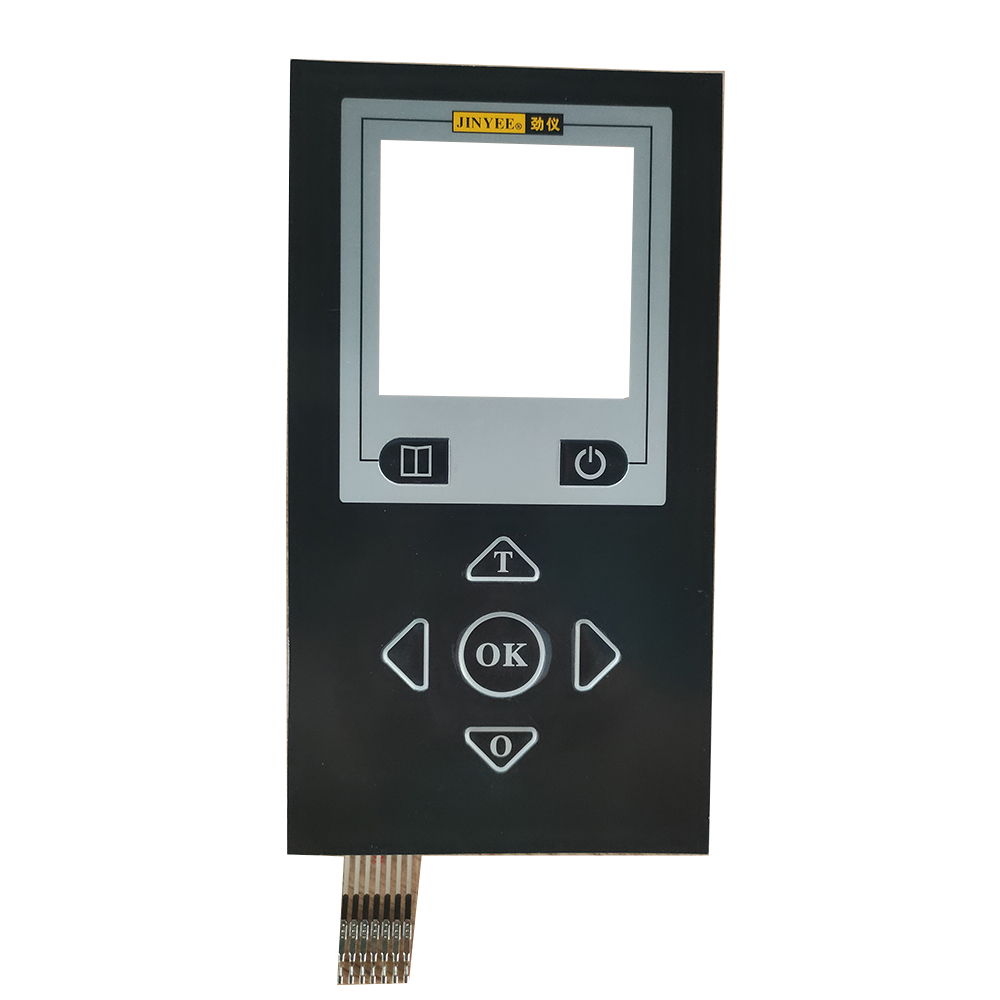
MBR IP67 Waterproof Industrial Membrane Keyboard with PET Overlay
Explore Model Specs →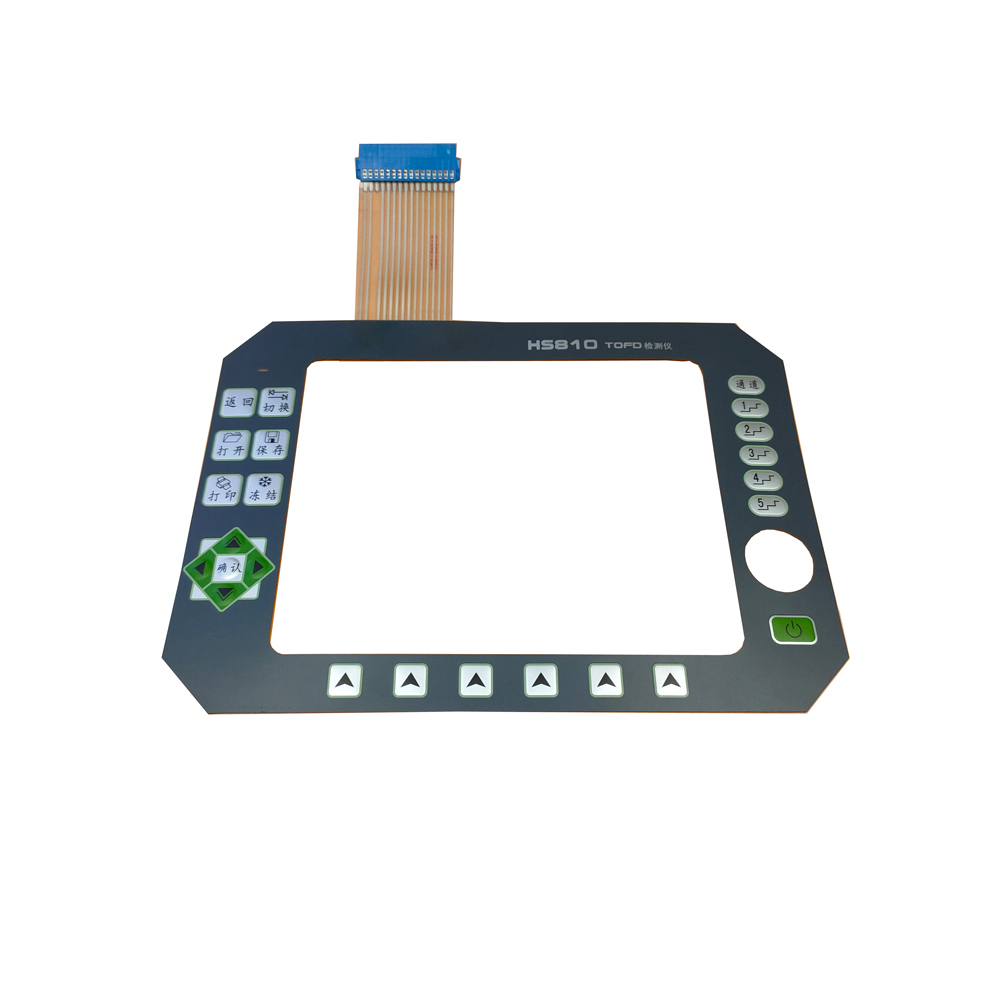
Meiborui Custom PBT Keyboard Cap Silkscreen Printed Waterproof Sticker
Explore Model Specs →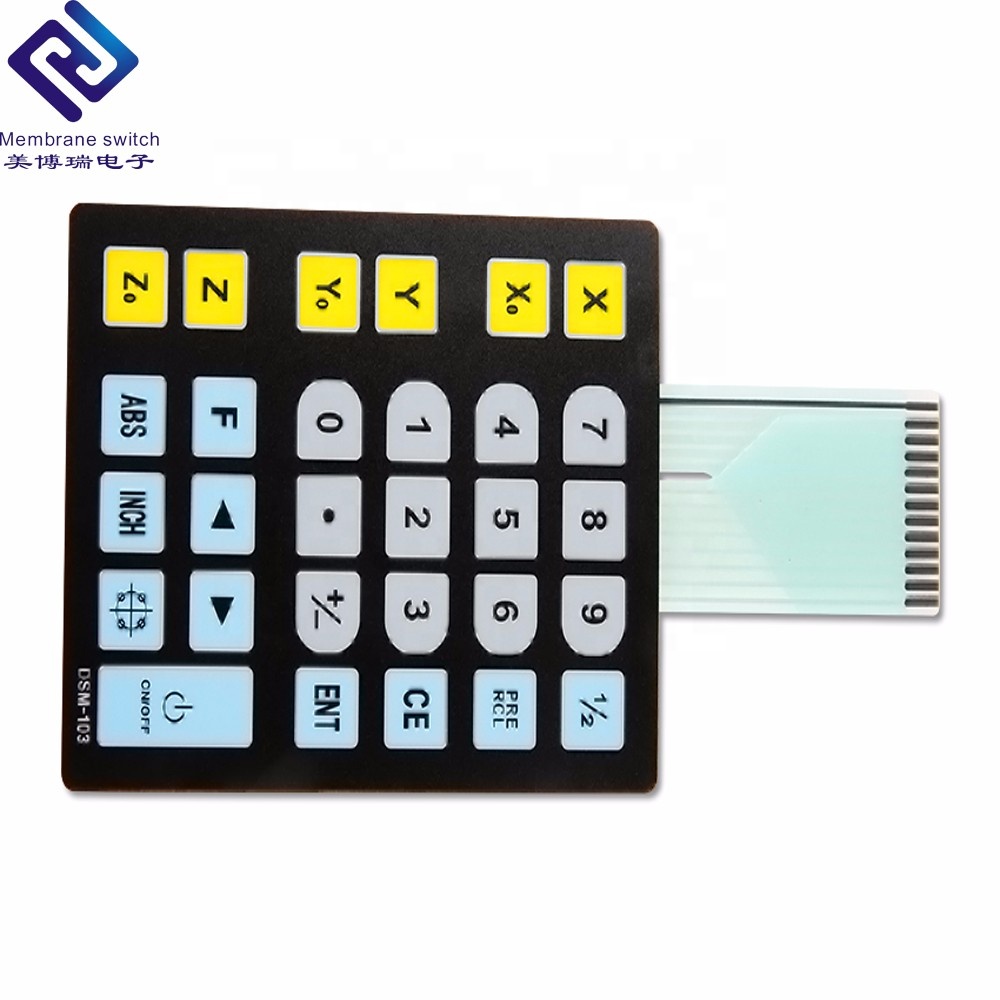
MBR IP67 Waterproof 3M Adhesive Flexible Cable Keypad
Explore Model Specs →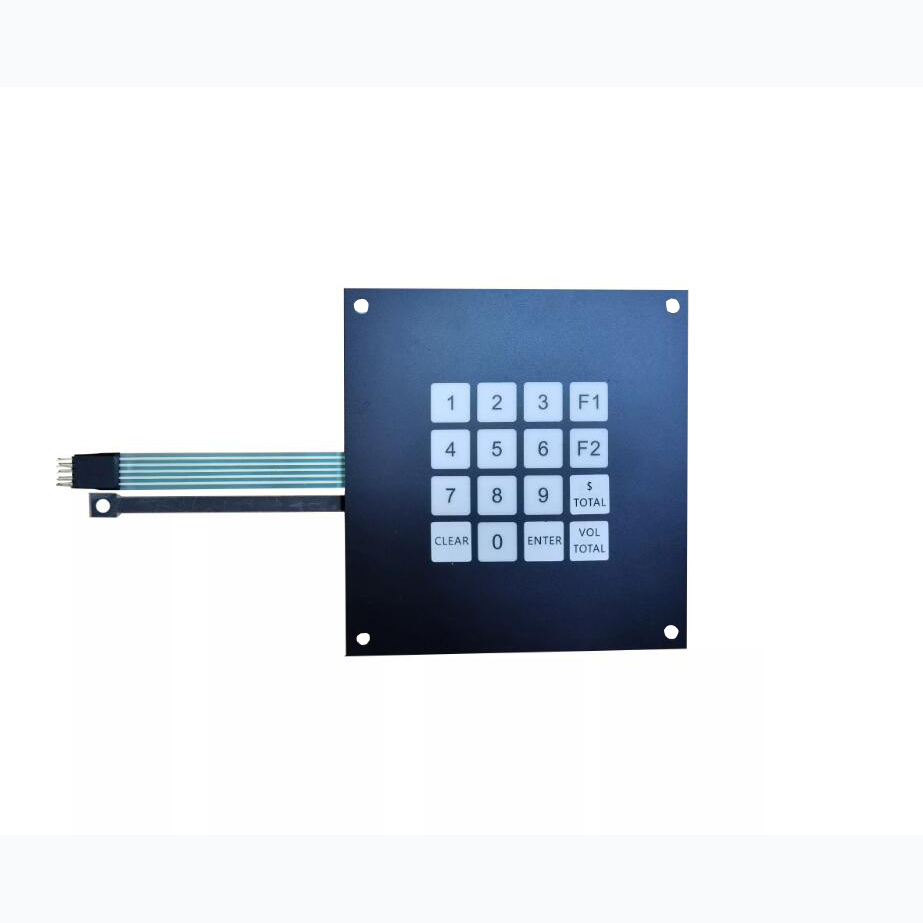
Custom Fuel Dispenser Oiling Machine Membrane Keypad
Explore Model Specs →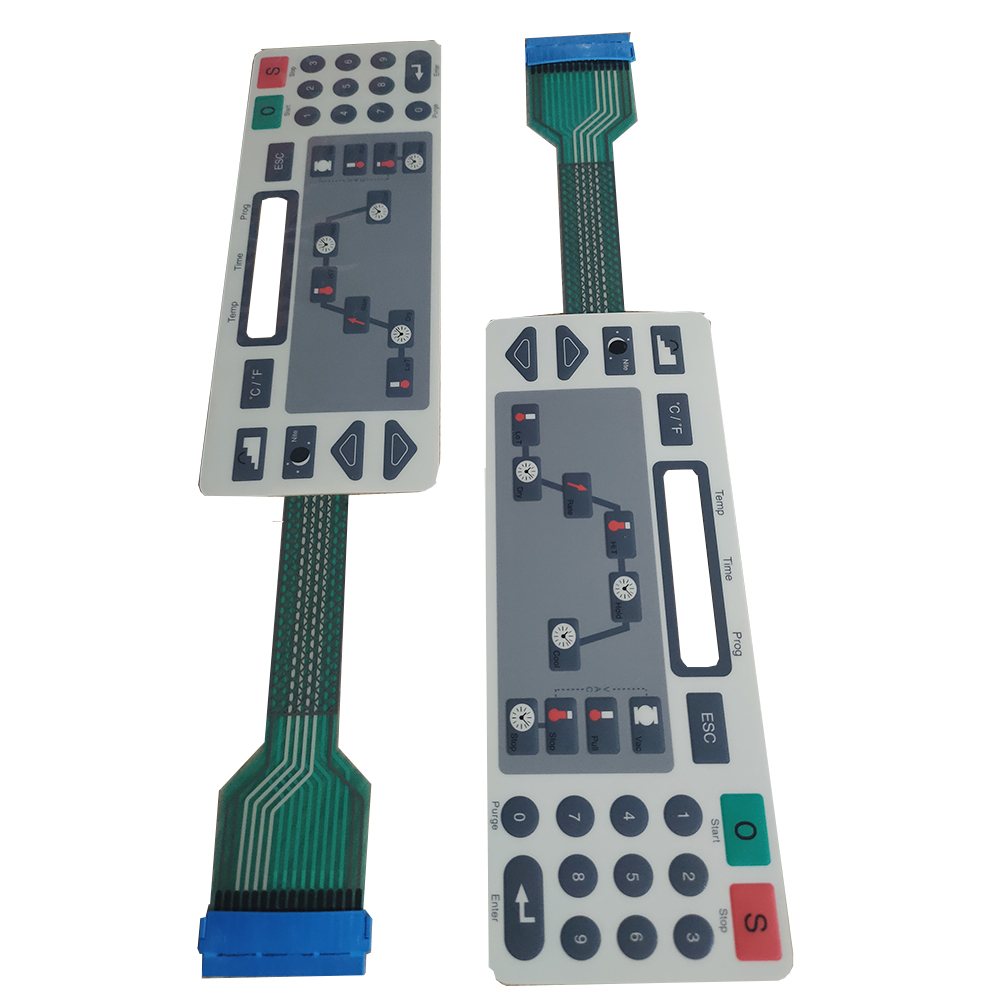
High Quality IP67 Acrylic Metal Dome LCD Membrane Switch
Explore Model Specs →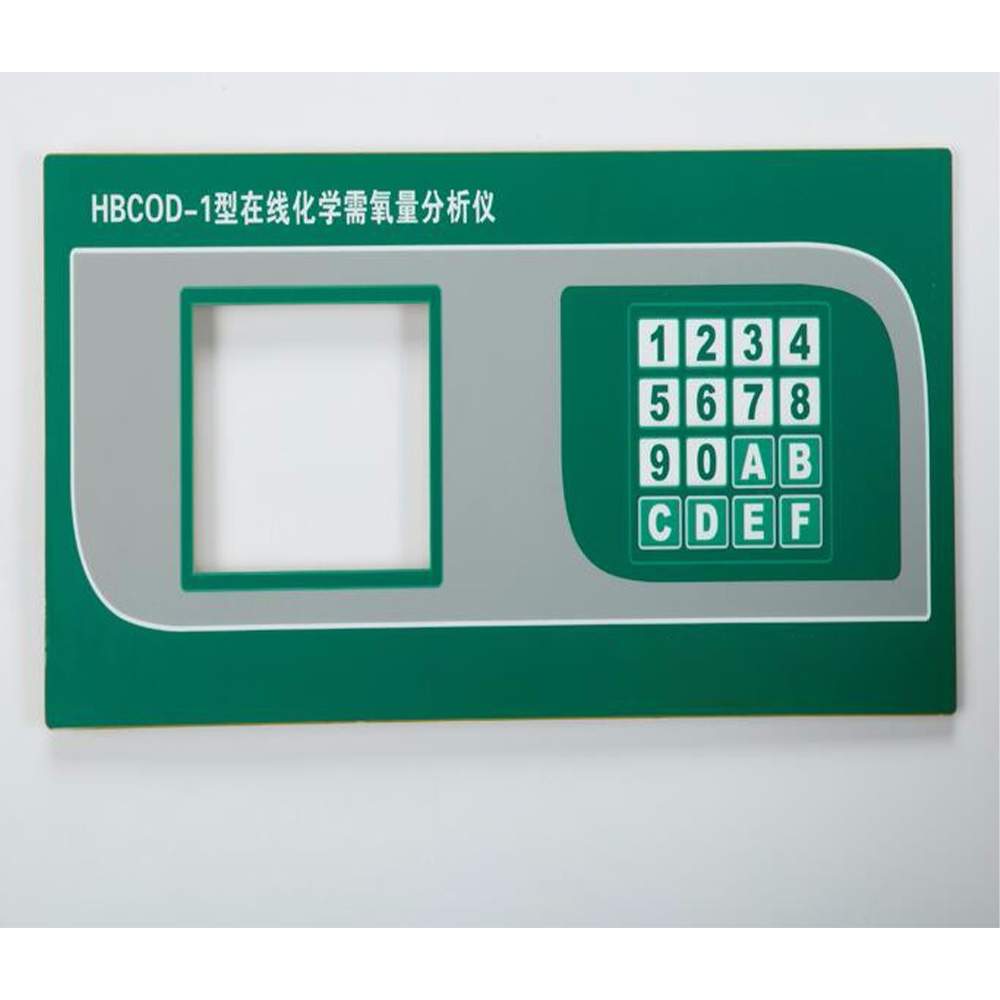
Custom PET/PC Precision Membrane Keyboard with Brand Emblem
Explore Model Specs →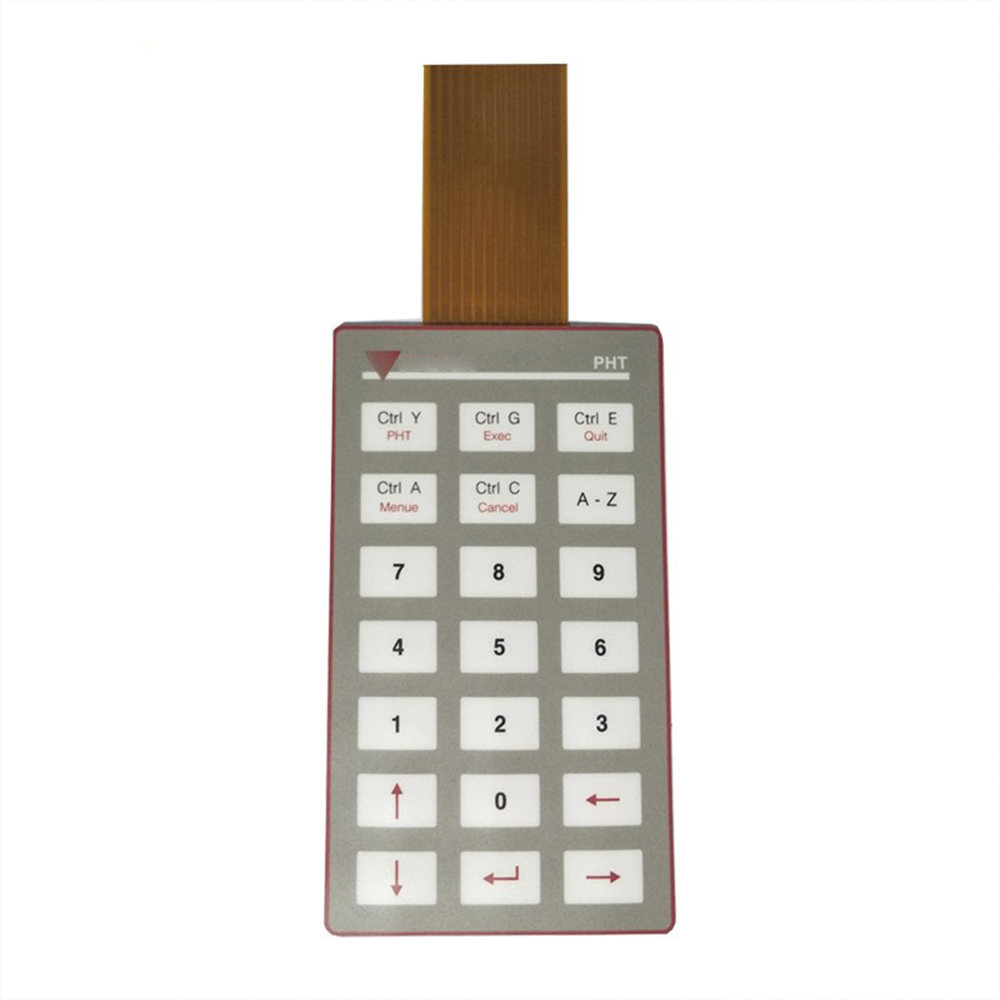
Waterproof Temperature Control Membrane Touch Switch Panel
Explore Model Specs →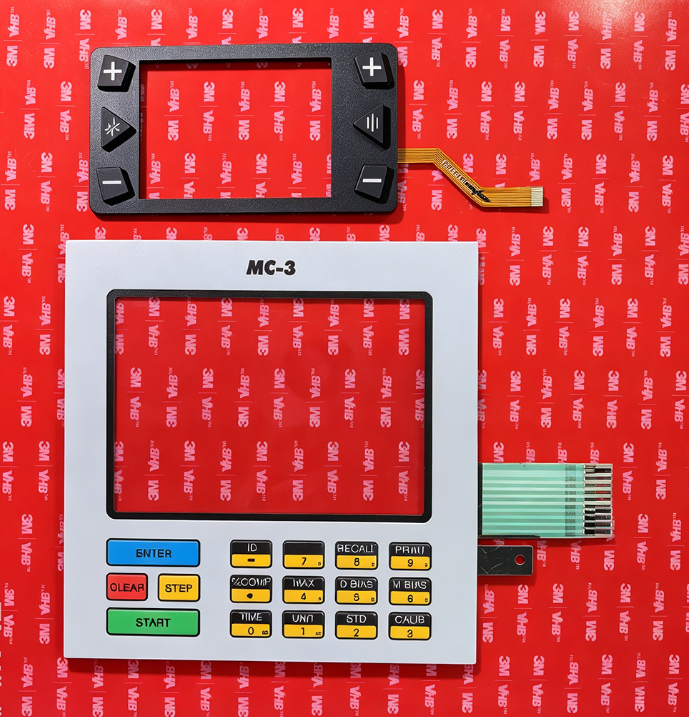
High Quality IP67 Dome Button Membrane Keypad with Custom Cable
Explore Model Specs →Material Science & Structural Architecture of Industrial PET Circuits
In modern human-machine interface (HMI) design, Biaxially Oriented Polyethylene Terephthalate (BOPET) serves as the primary structural and electrical substrate across industrial, commercial, and high-reliability instrumentation. When contrasted with standard Polycarbonate (PC) or brittle FR4 rigid laminates, engineering-grade PET provides an optimal equilibrium of high tensile modulus (>4,000 MPa), exceptional flex fatigue resistance exceeding 5 million switch actuation cycles, and robust chemical inertness against petroleum distillates, industrial alcohols, and aggressive sanitizing agents commonly encountered in modern manufacturing facilities.
Electrical traces across our PET membrane circuits are deposited utilizing micro-dispensed, high-purity silver flake conductive inks (containing 68% to 75% metallic silver solids). These traces are dried through precise progressive thermal-convection tunnels to achieve minimal bulk resistivity (less than 0.05 Ω/sq/mil). To suppress electrochemical migration and dendrite formation under continuous DC voltage biases in high-humidity ambient environments, our engineering protocols mandate the mandatory deposition of an isotropic dielectric carbon overcoat across all silver trace interconnections, contact pads, and interconnect tail regions.
| Performance Parameter | Autotype / Melinex PET Substrate | Standard Polycarbonate (PC) | Polyimide Flex (Copper FPC) |
|---|---|---|---|
| Flexural Actuation Life | >5,000,000 Cycles without fracture | <100,000 Cycles (Stress cracks) | >10,000,000 Cycles (Sub-micron fatigue) |
| Chemical & Solvent Resistance | Superior (Inert to MEK, Oils, Bleach) | Fair (Susceptible to aromatic solvents) | Exceptional (High thermal/chemical stability) |
| Thermal Deformation Threshold | Continuous 120°C, Peak 150°C | Continuous 85°C, Softens at 105°C | Continuous 200°C, Soldering compliant |
| Dielectric Breakdown Voltage | 18 to 22 kV/mil | 15 to 17 kV/mil | 20 to 25 kV/mil |
| Dimensional Thermal Shrinkage | <0.05% at 130°C for 30 minutes | >0.25% (Distorts circuit pitch) | <0.02% (Virtually inert) |
The mechanical tactility of the HMI switch matrix is driven by precision-calibrated stainless steel snap domes (SUS301 with selective gold or nickel plating). These switch components are integrated between the top graphic overlay and the lower printed silver circuit layer within a sealed, filtered ventilation environment. This venting architecture preserves internal pneumatic balance during rapid depressurization or barometric swings while totally excluding air-borne particulates and marine salt air via specialized breathable microporous GORE-style membrane plugs.
Application Scenarios Across Sydney's Industrial Ecosystem
From advanced manufacturing clusters in Western Sydney to biomedical developments in Macquarie Park and heavy logistics hubs around Port Botany, engineering teams across New South Wales demand ruggedized HMI solutions designed for distinct regional and environmental operational conditions.
Advanced Automation & CNC Robotics
Industrial machinery builders in Wetherill Park, Smithfield, and Badgerys Creek implement our heavy-gauge PET membrane switch panels within rugged teach pendants, robotic workcells, and high-vibration packaging lines. Sealed perimeter gaskets safeguard internal circuits from lubricating cooling mists and airborne metallic particulates.
Medical & Diagnostic Instrumentation
Biomedical OEMs develop sterile bedside monitoring units, portable centrifugal analyzers, and cleanroom interfaces using our anti-microbial PET graphic overlays. These panels withstand aggressive sanitizing regimens involving hospital-grade isopropyl alcohol (IPA), quaternary ammonium wipes, and hydrogen peroxide vapor decontamination.
Maritime Freight & Telematics
Harbor container cranes, stevedoring telemetry consoles, and bulk grain terminal control stations operate in immediate proximity to marine salt fog. Our custom IP67-rated PET assemblies pass 96-hour continuous salt spray chamber verifications without contact oxidation, switch trace delamination, or electrical leakage.
Solar Inverters & EV Charging Kiosks
Public EV rapid-charging stations and outdoor commercial solar grid inverters across Greater Sydney experience extreme direct solar loading. We implement UV-stabilized Autotype MacDermid PET overlays engineered to resist yellowing, micro-cracking, and mechanical embrittlement under intense Australian UV Index conditions exceeding Level 11.
Key Technological Trends Driving the Sydney HMI Sector
The migration from bulky mechanical pushbuttons toward sleek, hermetically sealed, thin-profile HMI components across the Australian market is driven by specific engineering, safety, and operational considerations.
Total Life-Cycle Cost Reductions
NSW procurement managers are actively replacing discrete electro-mechanical switches with integrated single-layer PET membrane keypads. Consolidating switch contacts, illumination channels, mounting adhesives, and graphic branding into one zero-maintenance sub-assembly reduces assembly labor by up to 65% on local production lines.
Capacitive Sensing Combined with Tactile Domes
Industrial users demand dual-mode interaction: capacitive slider/touch detection for menu scrubbing, paired with positive stainless steel metal snap domes for mission-critical 'Emergency Stop' and 'Confirm' actuations. Our engineering combines printed silver capacitive pads and mechanical tactile layers onto a single integrated PET substrate.
Adoption of Uniform LGF Backlighting
Rather than employing individual SMT LEDs that generate distracting hot spots, modern Australian medical and defense equipment relies on Light Guide Film (LGF) laminations embedded inside 1.2mm total thickness PET switch sandwiches. High-efficiency side-fire micro LEDs disperse uniform, glare-free luminescent legends across entire control layouts.
Why Tier-1 Australian OEMs Partner with Our Facilities
Eliminating intermediate trading brokers, our end-to-end manufacturing footprint delivers verified engineering capability, rapid time-to-market, and strict compliance with European and Australian technical directives.
Twin-Plant Scalable Manufacturing
Our primary 2,219 m² production facility in the Robot Industry Port of Xianghe, combined with our southern manufacturing site in Huizhou, ensures automated workload distribution. We avoid single-point production bottlenecks, ensuring stable continuity for critical repeat production runs.
German Technical Heritage & Tooling
Benefiting from decades of direct technical cooperation with a German membrane switch leader, our workshop operates 60 CNC mold-making machines, 37 precision screen-printing systems, and 4 Mimaki heat-setting flatbed digital UV printers capable of micro-registration within ±0.05mm tolerances.
100% Comprehensive In-House Testing
Every production batch undergoes thorough validation within our environmental laboratories: programmable temperature/humidity chambers (-40°C to +120°C), automatic Xenon arc accelerated UV weathering, robotic life-cycle actuation stations, and computer-automated continuity analysis checking trace resistance and contact bounce.
Frequently Asked Questions by Sydney Sourcing Teams
Direct, transparent answers regarding compliance, material performance, lead times, and logistical integration into the Greater Sydney industrial basin.
Request Your Tailored PET Membrane Circuit Engineering Consultation
Accelerate your product development cycle with direct manufacturing support. Receive a comprehensive DFM manufacturability evaluation, circuit layout analysis, and product catalog tailored to your industrial requirements within 24 hours.