Precision Polyester Graphic Overlays & HMI Assemblies
Manufactured to withstand aggressive chemical wipe-downs, continuous tactile actuations exceeding 5 million cycles, and extreme operating temperatures across Paris aerospace, rail, and medical industries.
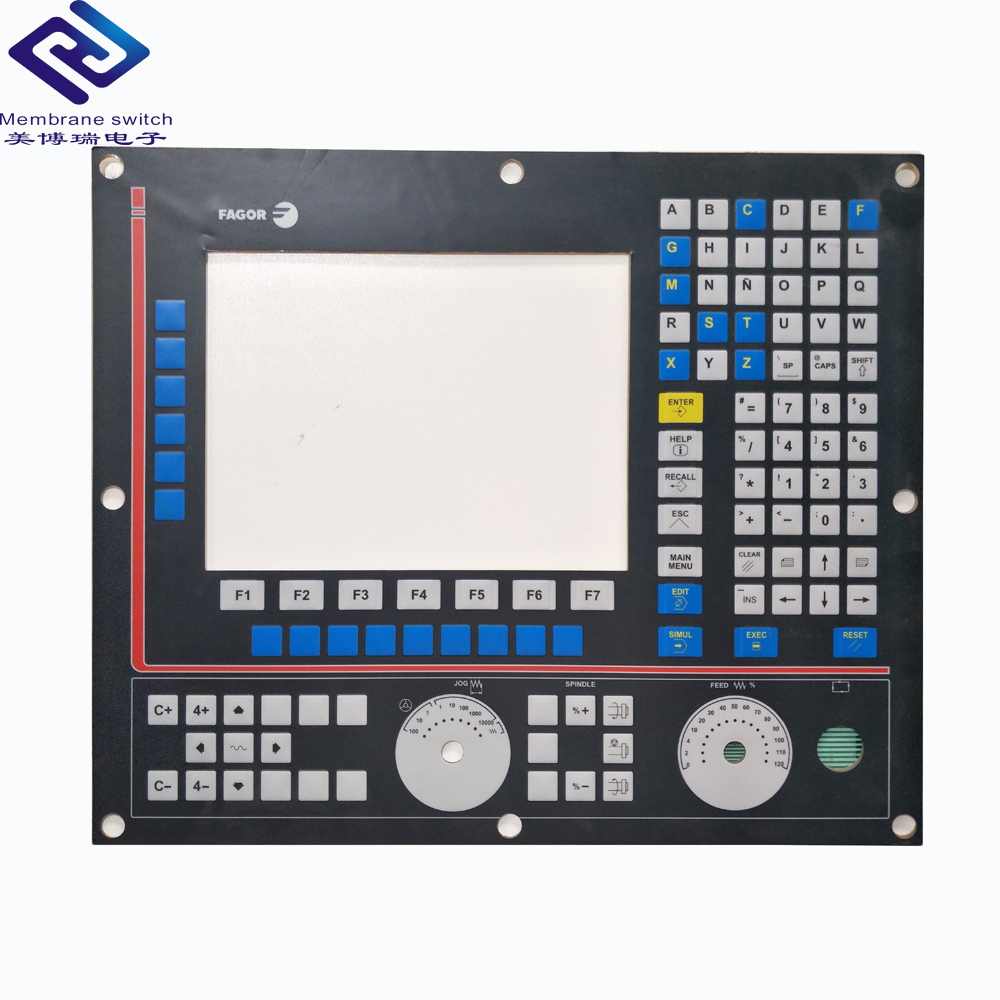
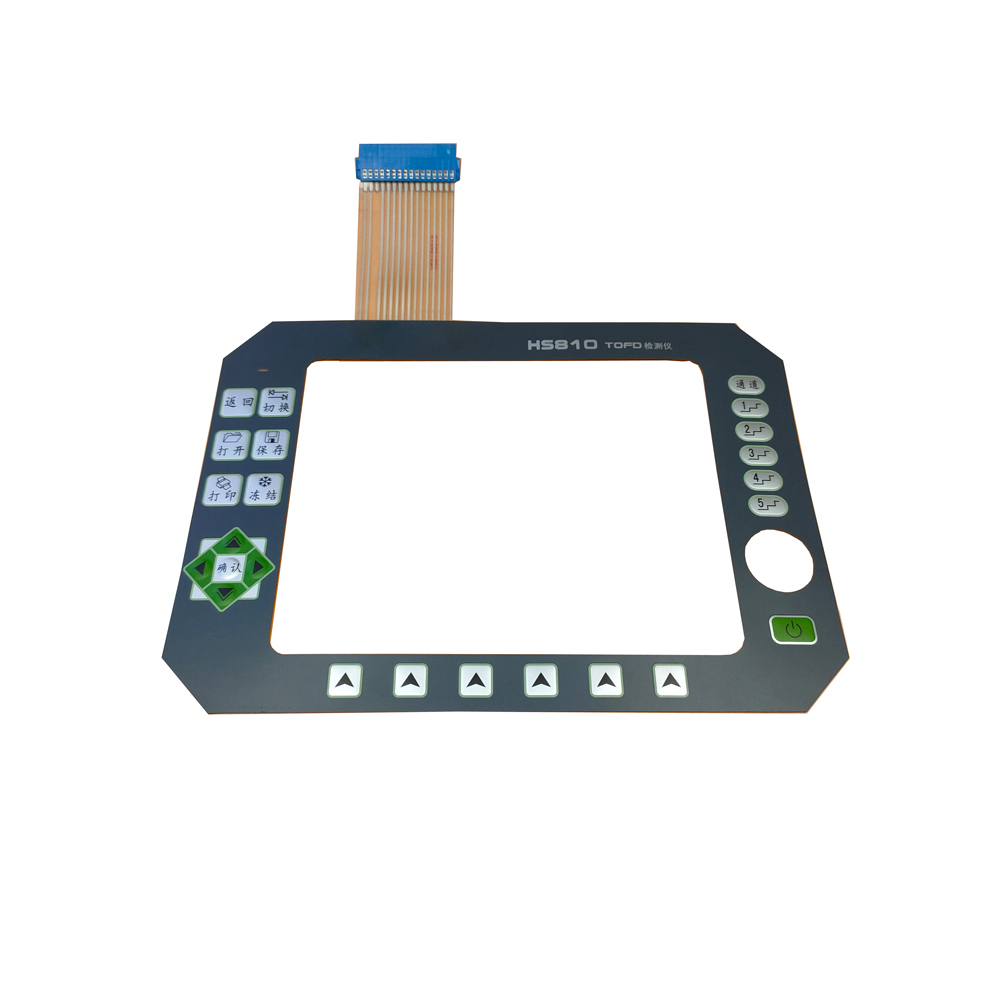
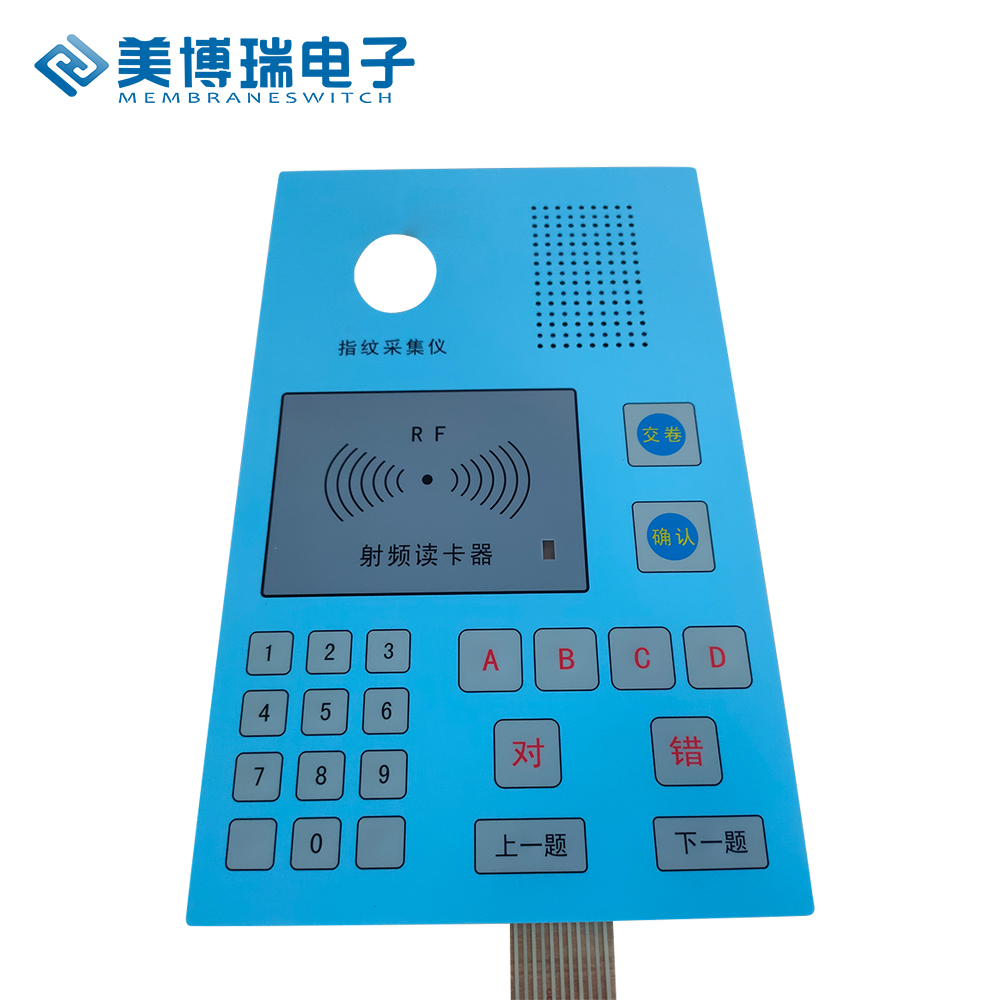
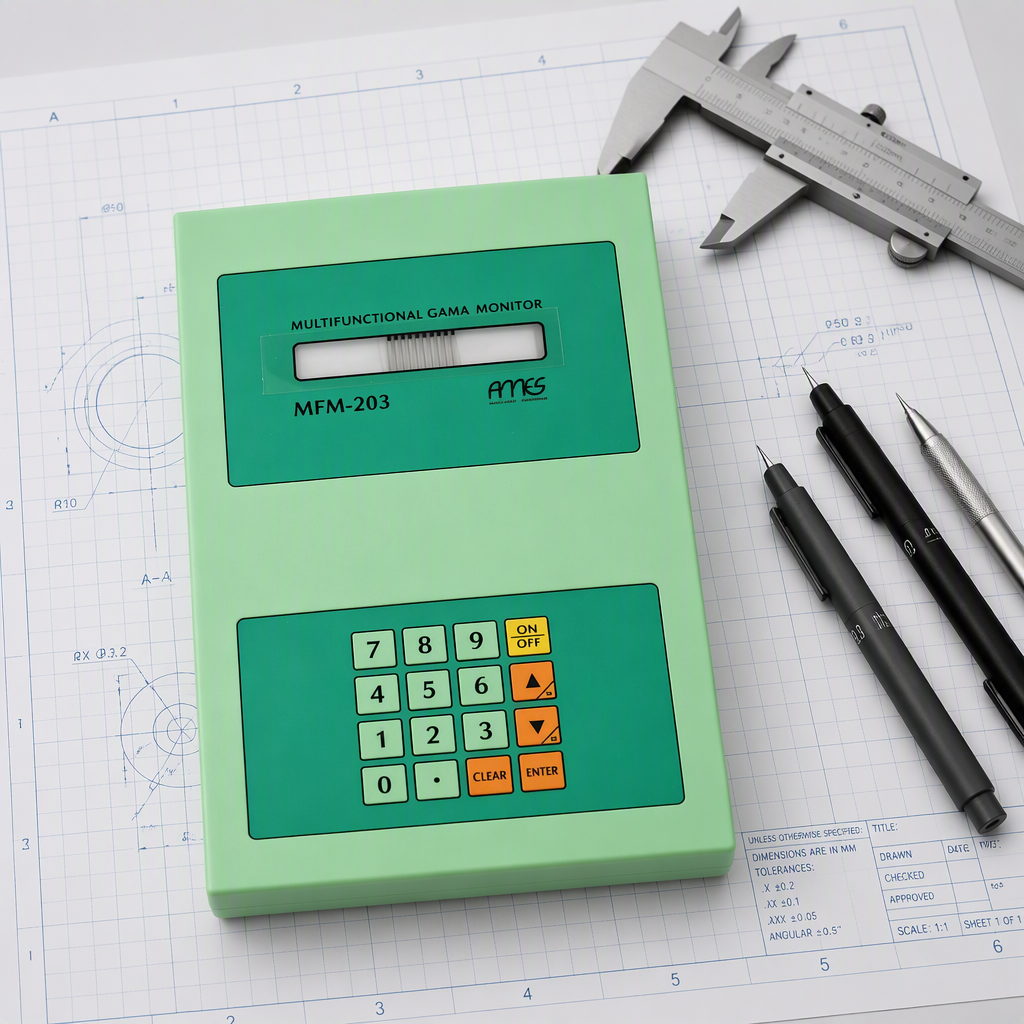
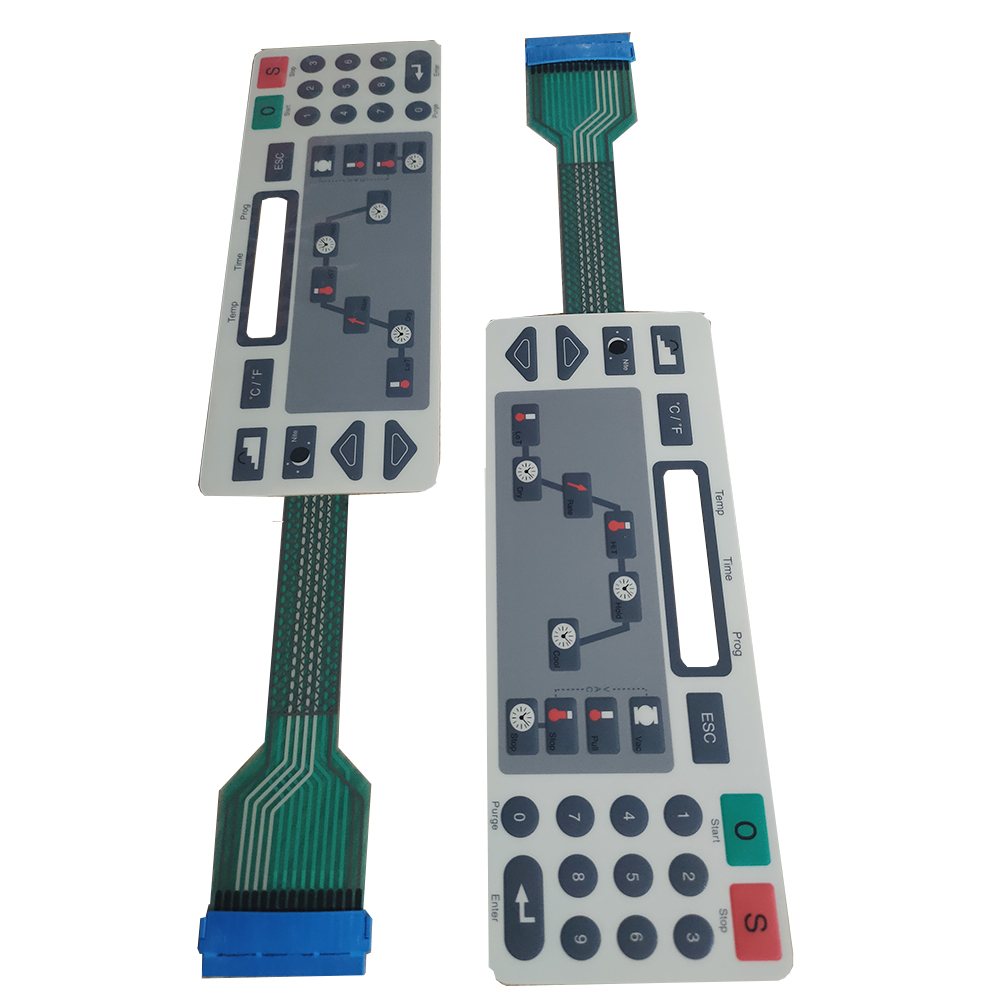
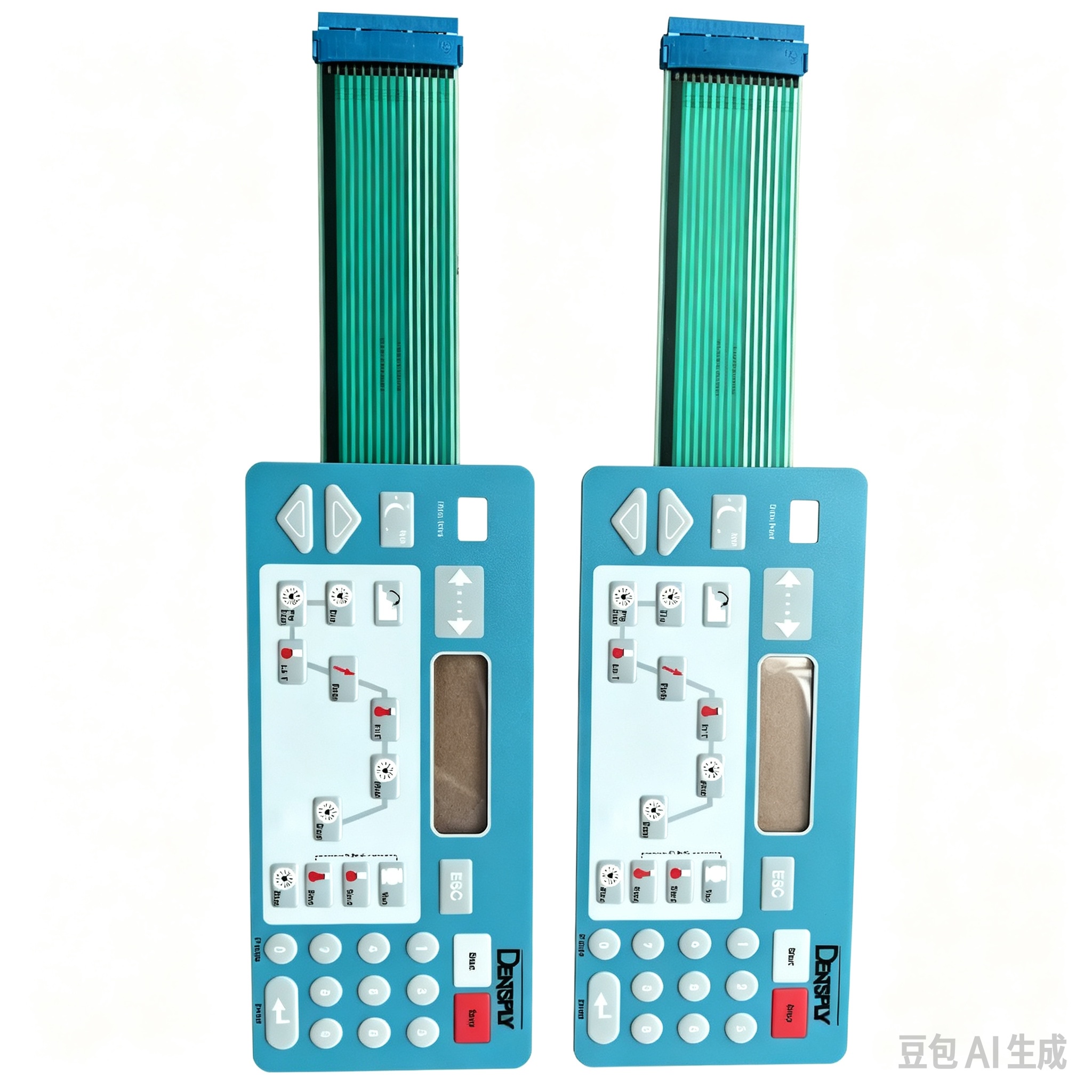
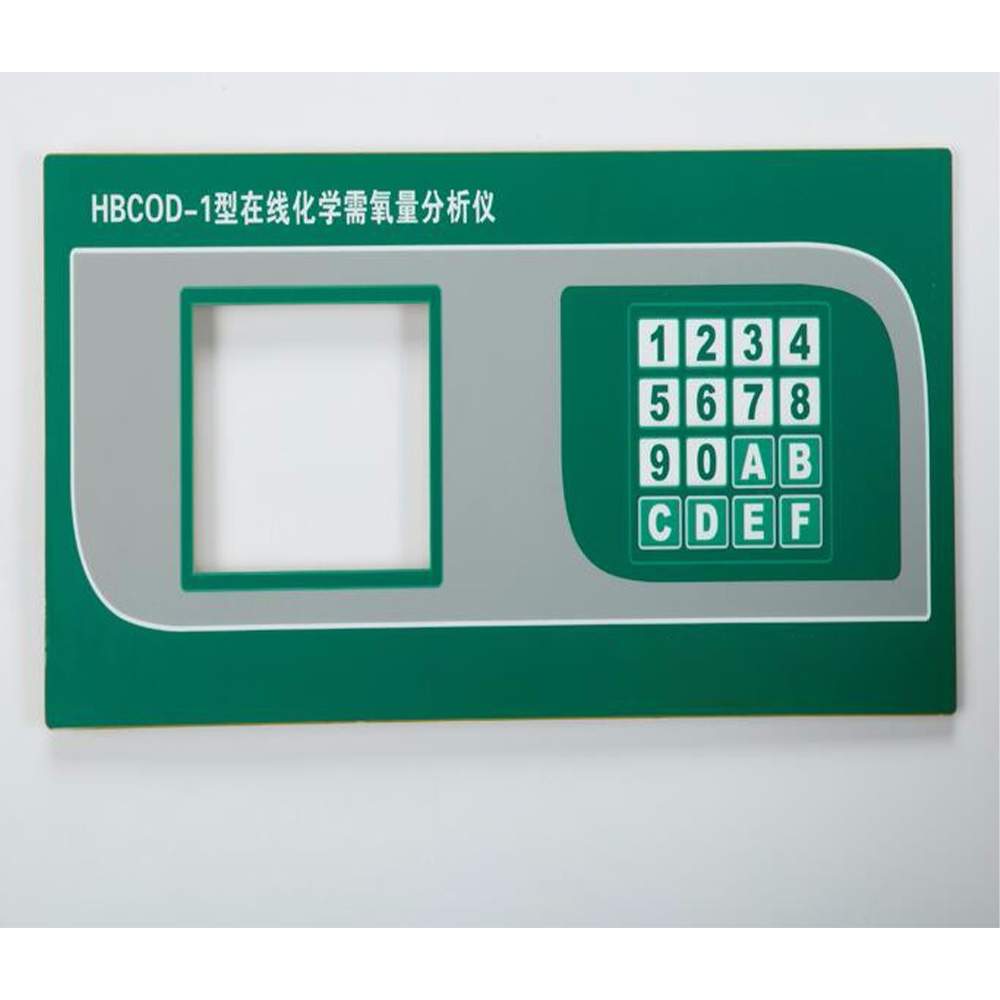
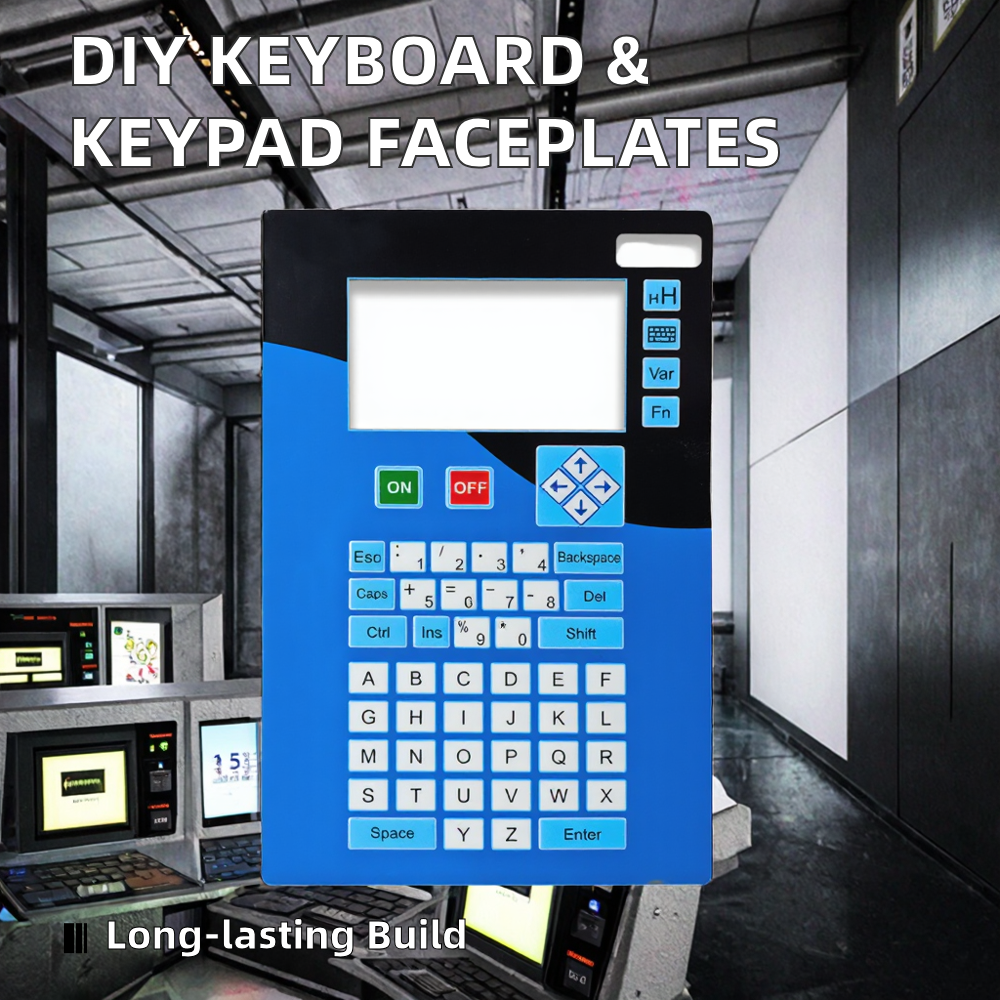
The Material Science of Polyester (PET) Overlays in Modern European OEM Systems
In high-reliability European machine manufacturing, human-machine interface (HMI) performance dictates end-user satisfaction, systemic uptime, and equipment safety. While polycarbonate (PC) remains widespread for static nameplates due to initial raw cost advantages, engineering teams across Paris, Île-de-France, and broader Western Europe systematically specify premium biaxially oriented polyethylene terephthalate (BOPET) films (such as Autotype Autoflex and Autotex) for dynamic switch surfaces.
The operational divide between standard polycarbonate and engineered polyester is driven by molecular fatigue limits. Under constant cyclic deformation—typical of tactile metal dome actuation—polycarbonate exhibits micro-crazing and catastrophic hinge stress cracking after approximately 50,000 to 100,000 cycles. Conversely, biaxially oriented PET film sustains upwards of 5,000,000 continuous flexural actuations without mechanical yield or loss of key spring recovery. This makes polyester indispensable for high-frequency industrial control interfaces, diagnostic laboratory equipment, and mission-critical aerospace command arrays.
Furthermore, the French chemical compliance landscape (enforced under EU REACH Regulation EC 1907/2006 and the RoHS Directive 2011/65/EU) imposes strict limits on hazardous substances, volatile organic compounds, and residual plasticizers. Our production processes deploy exclusively low-VOC, halogen-free dielectric pastes, high-conductivity silver conductive formulations, and UV-curable sub-surface inks. Reverse-printing graphics directly behind a 125µm to 175µm chemically resistant polyester substrate completely isolates artwork from harsh industrial degreasers, ketones, ethyl alcohols, and hospital-grade sanitizers such as Virkon and isopropanol.
Mission-Critical Applications Across Greater Paris & Île-de-France
Tailored HMI sub-assemblies engineered specifically for the precision demands of France's industrial capital, research clusters, and transportation corridors.
Paris-Saclay MedTech & Lab Analytics
The medical and deeptech innovation corridor at Paris-Saclay requires clinical-grade, chemically inert front panels capable of enduring aggressive multi-daily sterilization without optical degradation.
- Non-porous textured PET impervious to hospital disinfectants
- Optically transparent OCA-bonded windows for OLED/LCD screens
- Anti-microbial and anti-glare surface treatment options
- Full traceability aligned with ISO 13485 production auditing
Vélizy & Saint-Quentin Aerospace & Defense
Île-de-France is a global capital for aerospace and defense engineering (Dassault, Thales, Safran). Front interfaces must maintain absolute integrity through shock, vibration, and thermal shifts.
- Integrated aluminum backing plates (1.0mm to 3.0mm)
- Full perimeter EMI/RFI conductive shielding foil grids
- Operating temperature tolerance from -40°C to +85°C
- Tactile stainless steel snap domes calibrated to 350g actuation
Grand Paris Express Rail Infrastructure
The modernization of the RATP and SNCF networks, alongside the expansive Grand Paris Express automated transit lines, demands heavy-duty IP67 transit interface controls.
- Hermetically sealed against moisture, dust, and particulate ingress
- Uniform LED backlighting using Light Guide Film (LGF)
- UV-resistant exterior stabilization preventing yellowing
- IK08 impact resistance using reinforced acrylic front layers
Substrate Performance Matrix: PET vs. Polycarbonate vs. PMMA
Quantitative benchmarks to assist Paris systems designers and procurement directors in choosing optimal HMI front-face materials.
| Evaluation Parameter | Biaxially Oriented PET (Autotex/Autoflex) | Polycarbonate (Lexan™ 8010) | Cast Acrylic (PMMA) |
|---|---|---|---|
| Flexural Fatigue Life (Actuations) | > 5,000,000 Cycles (Zero Cracking) | 50,000 - 100,000 Cycles (Crazing Prone) | Not Suitable for Tactile Flexion |
| Chemical & Solvent Resistance | Superior (Resists Acetone, MEK, Alcohols) | Moderate (Degraded by Esters & Ketones) | Fair (Vulnerable to Hydrocarbons) |
| Embossing Profile Retention | Excellent (Heat-stabilized, High Memory) | Good (Susceptible to Thermal Relaxation) | Cannot be Foil-Embossed |
| Optical Window Clarity | High (When selective clear coats applied) | High (Optically isotropic) | Highest (>92% Light Transmission) |
| Operating Temperature Window | -40°C to +125°C (Continuous) | -30°C to +105°C | -20°C to +70°C |
| Tensile Strength (Yield) | 150 - 200 N/mm² | 60 - 70 N/mm² | 70 - 80 N/mm² |
| Primary Paris Market Usage | Industrial HMI, MedTech, Rail Keypads | Static Graphic Labels, Low-Cycle Devices | Display Protective Windows, Touch Bezel |
Modern Trends Reshaping France's Industrial HMI Sourcing
Navigating the convergence of European decarbonization directives, ergonomic safety, and next-generation capacitive architectures.
French & EU Eco-Design Compliance
With France mandating increased repairability and lower carbon footprint manufacturing under the AGEC Law (Anti-Waste for a Circular Economy), procurement teams demand components designed for non-destructive disassembly and end-of-life recycling compatibility.
We supply modular membrane overlay stacks incorporating clean-peel adhesives, halogen-free PET films, and lead-free solder assemblies that conform completely with EU RoHS 3 and REACH SVHC inventories.
Capacitive Touch & LGF Integration
Industrial machinery across France is rapidly moving away from bulky mechanical pushbuttons toward sleek, hygienic capacitive control surfaces paired with uniform Light Guide Film (LGF) illumination.
By marrying micro-etched FPC copper sensors with front-printed polyester graphic overlays, we provide seamless front panels that operate reliably with thick industrial gloves and through liquid spills, combining aesthetic elegance with industrial resilience.
Agile Supply Chains & Dual-Sourced Resilience
Supply chain shocks over recent years have prompted French OEM purchasing managers to demand guaranteed manufacturing continuity and strict delivery milestone adherence.
Our dual-manufacturing base structure—combining large-scale automated lines in Xianghe with flexible rapid-run cells in Huizhou—ensures that European export schedules are protected against local disruptions, with direct air freight lanes into Paris Charles de Gaulle (CDG) and Orly airports.
Why Tier-1 European OEMs Rely on Our Manufacturing Plants
Three decades of continuous HMI focus, backed by certified ISO 9001 quality infrastructure and German technical partnerships.
Industrial Heritage Since 1990
Over 30 years dedicated exclusively to membrane switch, tactile keypad, and graphic overlay R&D. More than 30 senior staff members bring over 15 years of individual field expertise to every CAD tooling and stack-up review.
German Technical Collaboration
We maintain an ongoing engineering and process exchange with a premier German membrane switch specialist. This continuous calibration of tooling, inks, and test standards ensures full parity with DIN and European manufacturing expectations.
Full In-House Closed-Loop Capability
Zero outsourced production steps. With 37 silkscreen printers, 4 Mimaki heat-setting UV digital presses, 60 CNC precision mold-makers, and 18 laser-cutting workstations across 2,219 m² of certified production space, quality and speed are held strictly under one roof.
Exhaustive In-House Testing Lab
Every batch undergoes stringent verification: computerized pinout logic continuity testers, button life-cycle test units, programmable humidity/temperature chambers, xenon UV arc aging chambers, and automatic salt fog testing for corrosion resistance.
Direct Intertek-Assessed Facility
Operating with transparent, third-party verified governance. Our production processes, labor compliance, and raw material validation procedures are verified onsite by Intertek, securing a 4.9/5 global buyer satisfaction rating.
High-Yield Export Capacity
Producing and exporting over 1,000,000 precision pieces annually to demanding engineering buyers in Germany, France, Italy, Switzerland, and the United States, backed by dedicated multilingual technical account managers.
Frequently Asked Questions by French Sourcing & Engineering Teams
Clear, definitive answers addressing regulatory compliance, custom prototyping, logistics into France, and technical integration.