High-Performance Membrane & Resistive Touch Assemblies
Direct OEM manufacturing specifications for industrial controllers, maritime consoles, high-temperature transport cockpits, and extreme weather human-machine interfaces exported directly to Yaren and surrounding Pacific hubs.
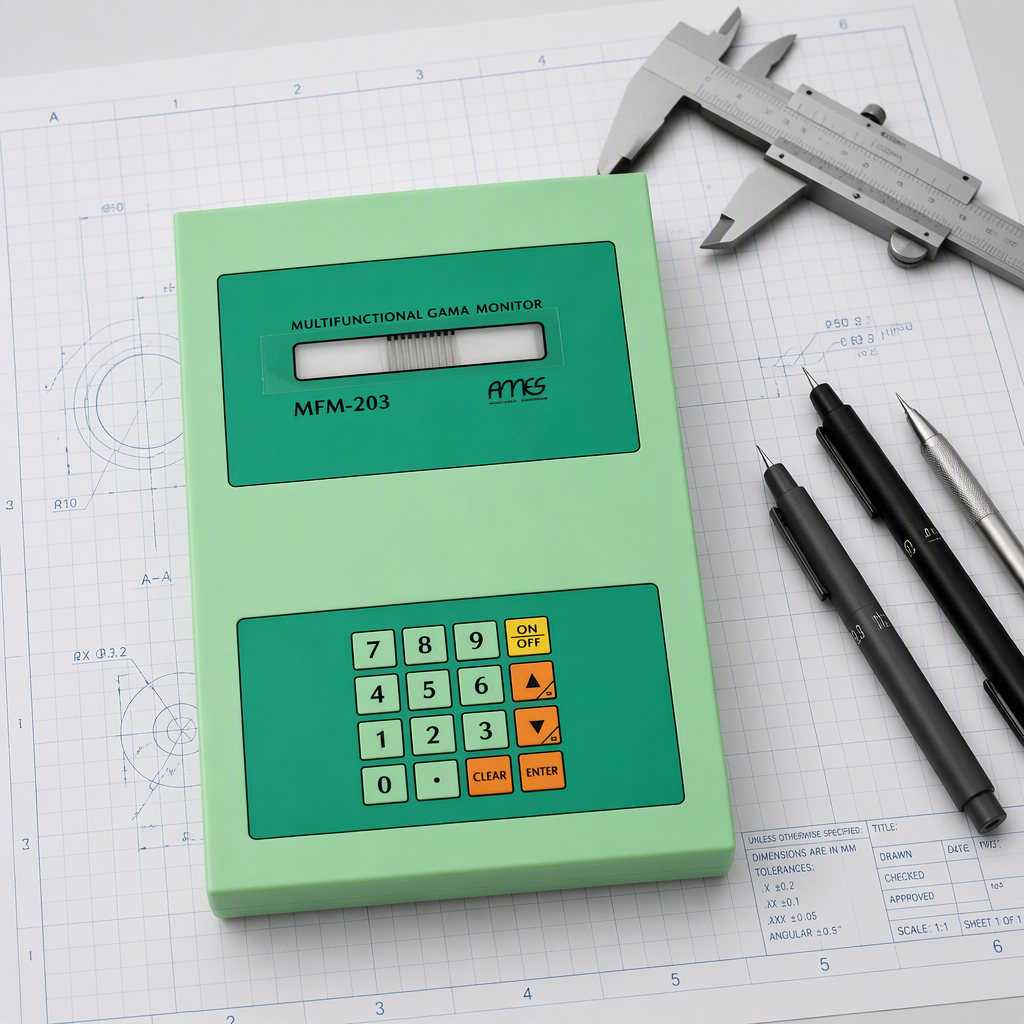
Waterproof Polyester Membrane Keypad Panel PET PC Plastic Keyboard Panel Mount for HMI Display Screens Remote Controllers
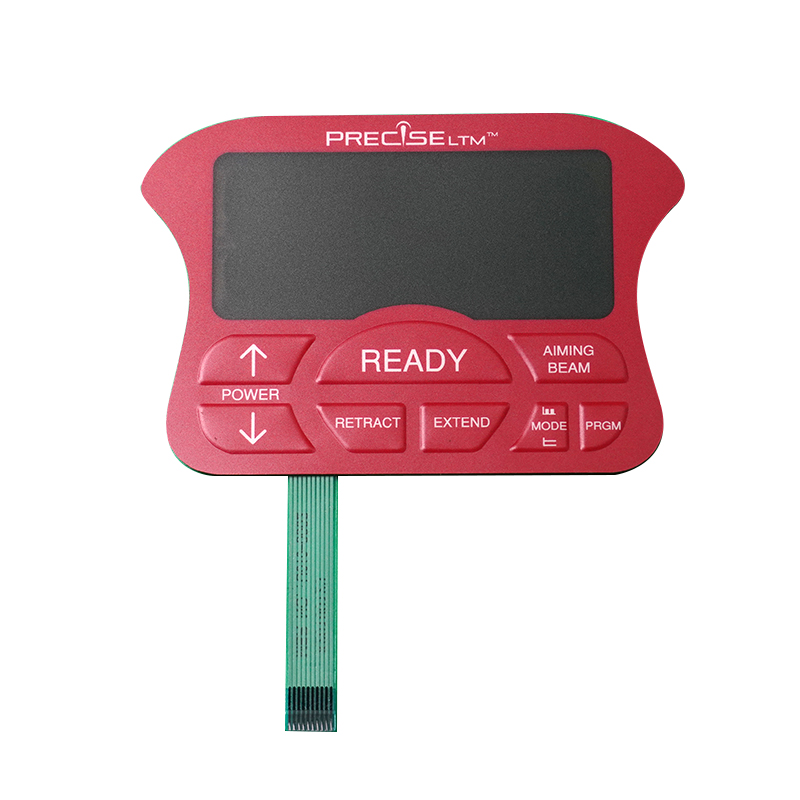
Anti-interference Locomotive Membrane Control Panel High Temperature Resistant PET Keypad Waterproof Durable Eco-friendly
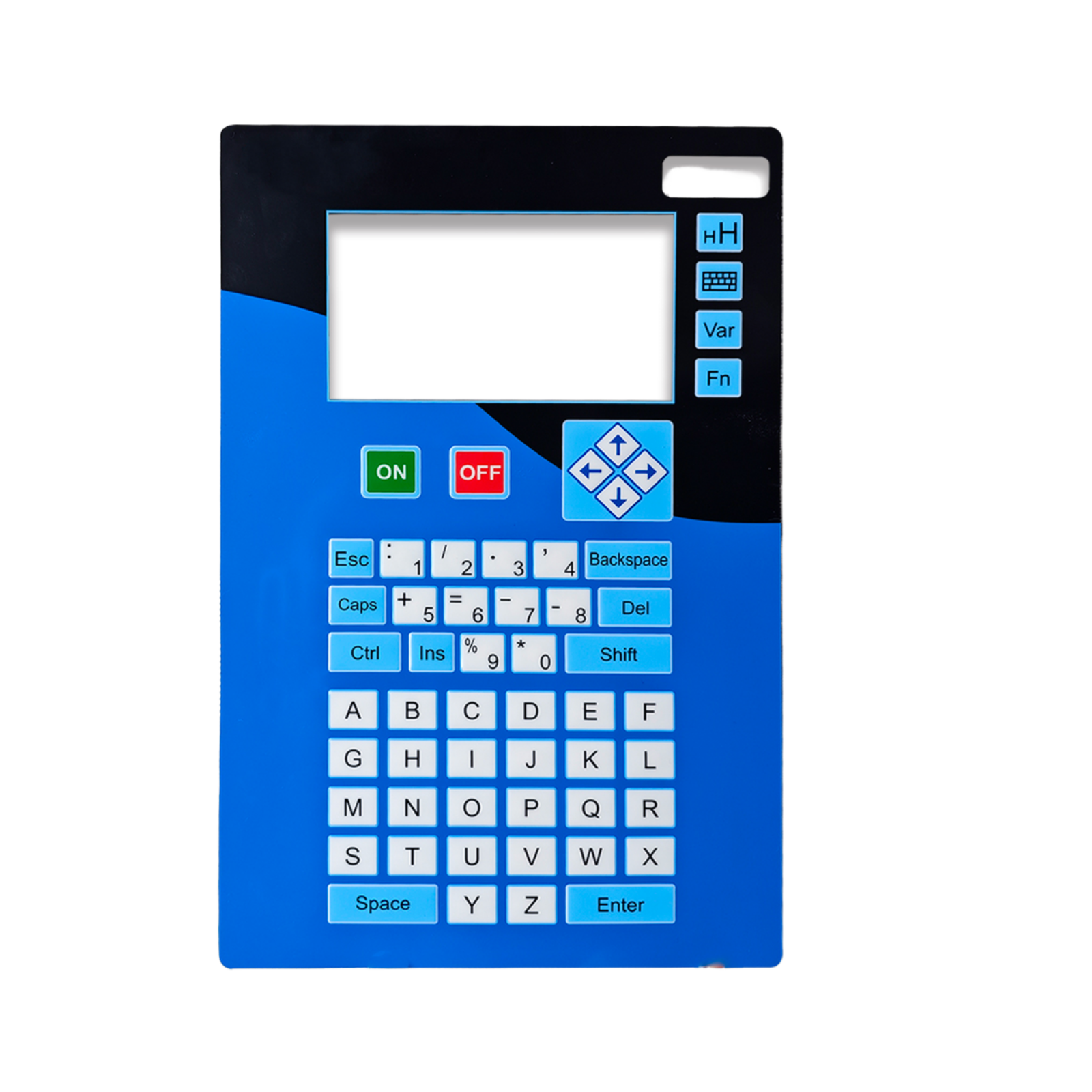
China MEIBORUI Manufacturer Custom Printed Membrane Switch Embossed Metal Dome Keypad Water-proof Home Appliance Use 3M Adhesive
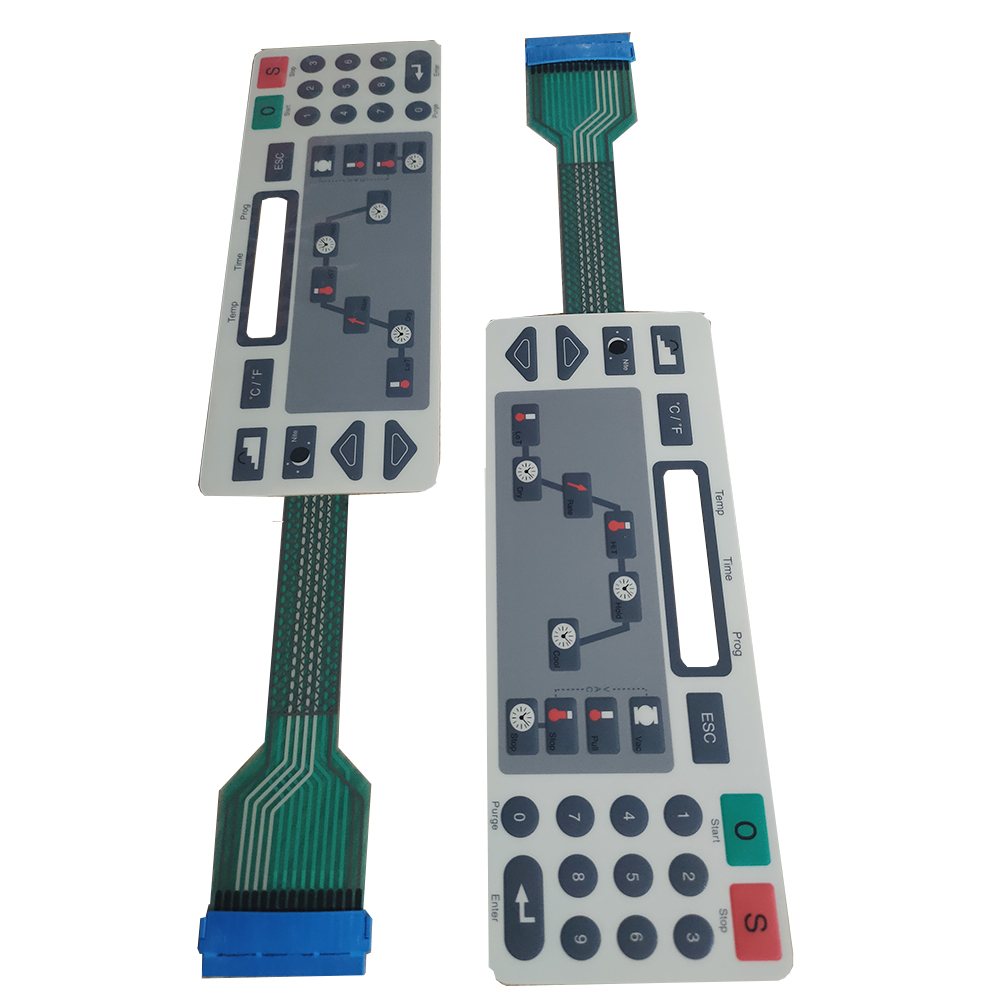
High Quality IP67 Waterproof 3M Adhesive Acrylic Metal/Poly Dome LCD Membrane Switch Custom Keypad Flexible Cable Custom Color
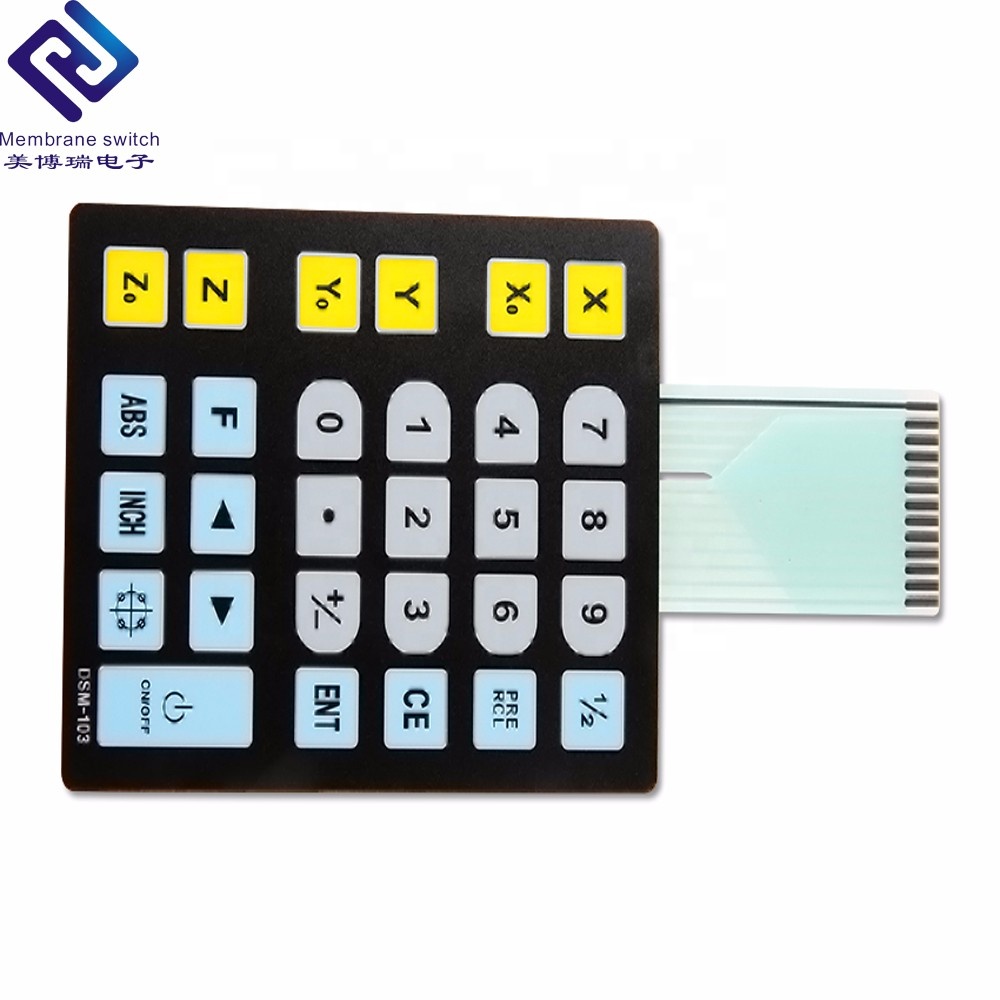
Factory Membrane Switch Keypad with Rubber Buttons 4*4/1*4/3*4/4*5 Layout MCU Expansion Electronic Keyboard
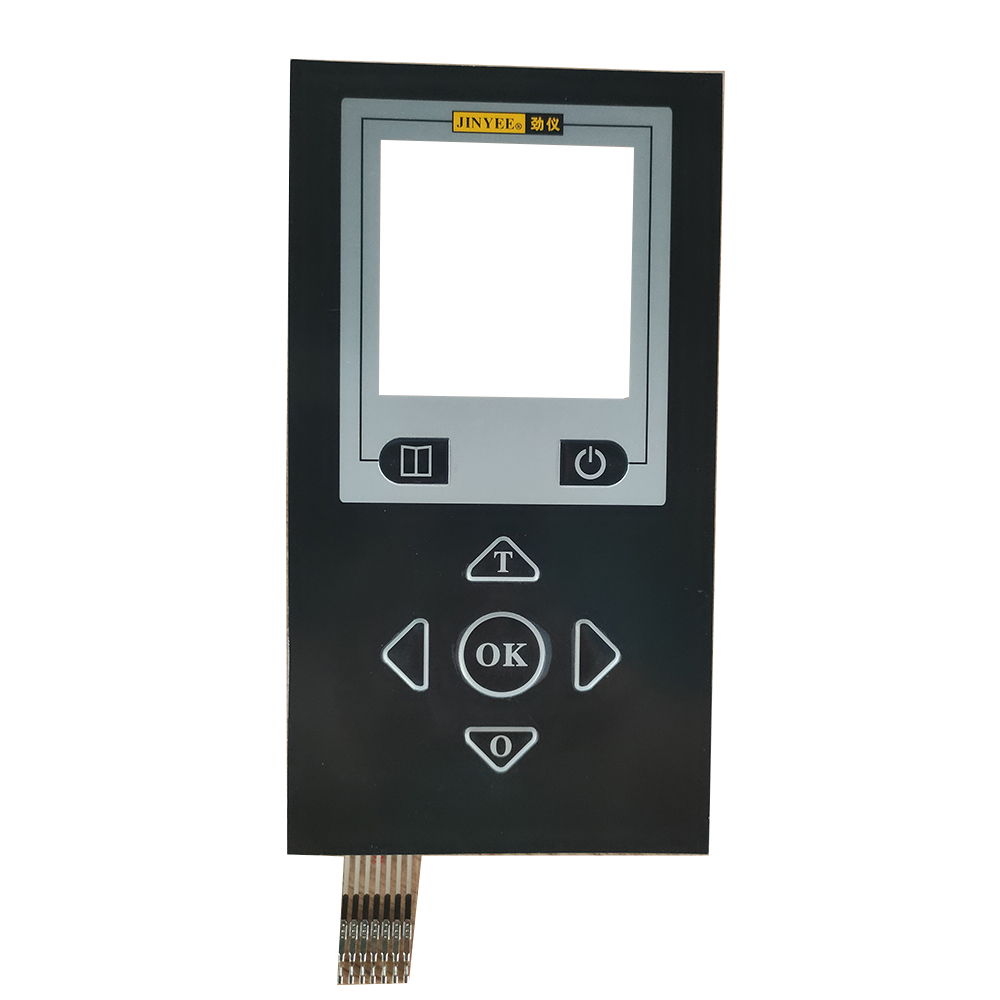
MBR IP67 Waterproof Industrial Membrane Keyboard with PET Overlay for Telecommunication Equipment (CN OEM/ODM Model)
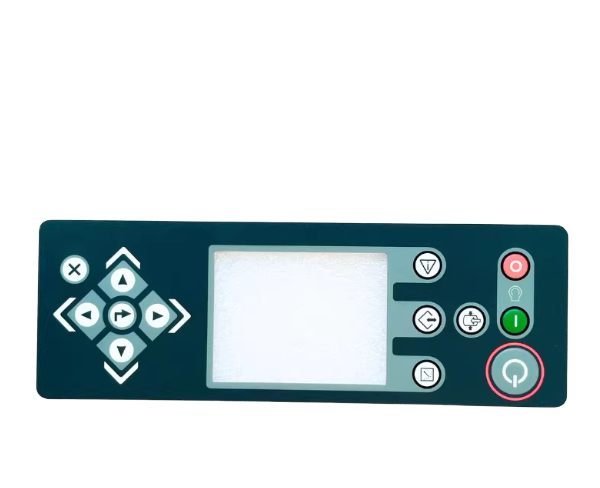
Custom Flexible Temperature Touch Control Keypad Membrane Panel Clear Transparent Window Waterproof Eco-friendly PET HMI
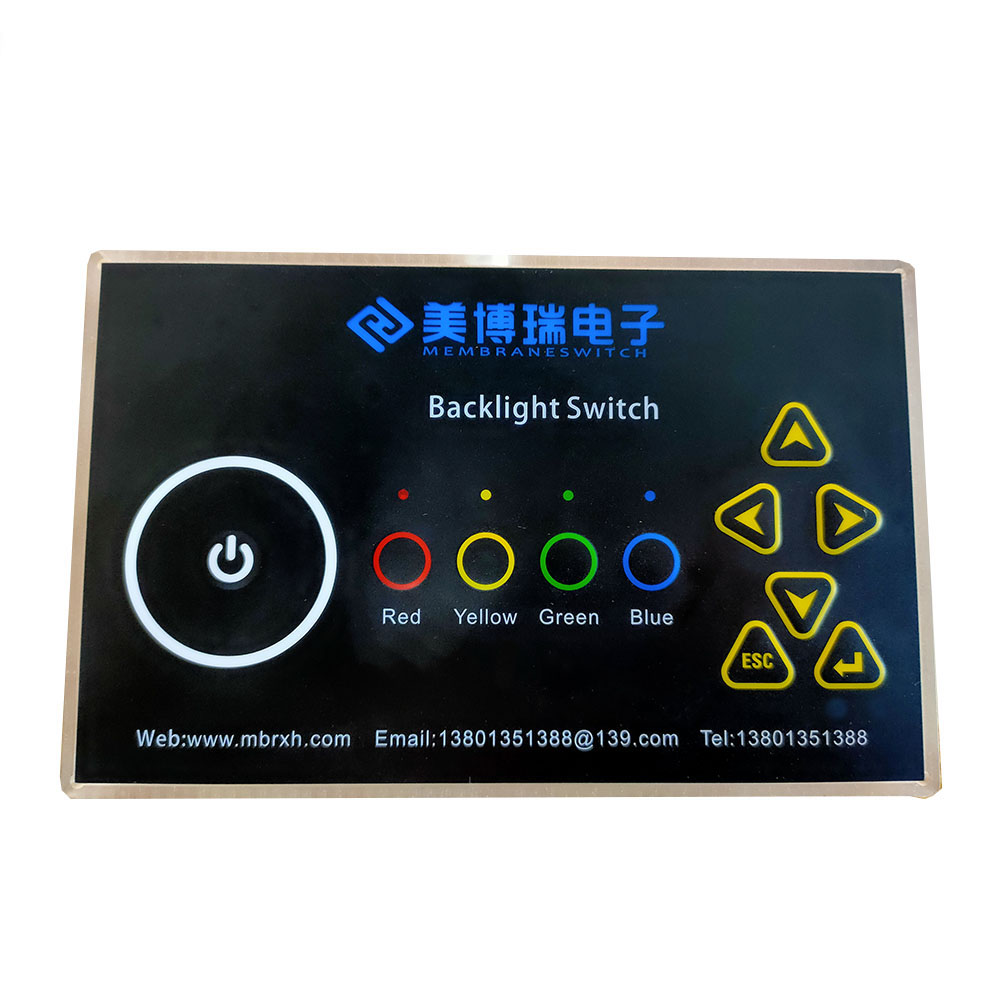
MEIBORUI MBR PBT Keyboard Cap PET Membrane Keypad Custom Color Silkscreen Sticker Printing Replacement Keycaps for
Resistive Touch Screen & Membrane Interface Dynamics in the Yaren Market
In the localized market of Yaren, the administrative epicenter of Nauru and a focal maritime hub in Micronesia, human-machine interface (HMI) deployments encounter one of the planet's most aggressive ambient environments. Characterized by relentless maritime air saturation, continuous airborne sodium chloride dispersion, year-round equatorial Ultraviolet (UV) radiation indices consistently exceeding level 11, and abrasive particulate dust originating from high-grade phosphate processing, standard commercial touchscreen technologies succumb rapidly to early field failures. Capacitive touch panels, while dominant in climate-controlled consumer devices, demonstrate extreme vulnerability in Yaren's industrial perimeter. Conductive moisture films formed by salt-laden ocean air precipitate false actuation (ghost touches), while fine mineral dust causes severe scratch propagation and optical distortion across untreated capacitive surface glass.
Consequently, professional engineering procurement across government infrastructure, maritime navigation consoles, heavy extraction equipment, solar-diesel hybrid microgrids, and reverse osmosis desalination plants in Yaren mandates the deployment of specialized 4-wire, 5-wire, and Glass-Film-Glass (GFG) resistive touch screens integrated with sealed PET/PC membrane switch sub-assemblies. Resistive touch screen technology relies on physical mechanical deformation of an upper flexible conductive Indium Tin Oxide (ITO) polyester layer making contact with a lower conductive glass or rigid substrate layer. Because activation requires physical downward pressure (typically 20g to 120g of localized actuation force), the sensor matrix remains completely immune to ambient water droplets, heavy saline condensation, hydraulic fluid, diesel splashing, and operators handling controls with heavy protective gloves.
Engineering Distinction for Oceanic Climates: Unlike capacitive systems requiring an exposed conductive interface that drifts with surface humidity, resistive touch panels coupled with IP67-rated graphic overlays create an impenetrable barrier against environmental ingress. Every assembly produced by our export manufacturing facilities leverages high-cohesion acrylic adhesives (such as 3M 300LSE and 3M 467MP/468MP) paired with biaxially-oriented, UV-stabilized Autotype XE polyester films, ensuring zero interlayer delamination even under continuous 95% relative humidity and 50°C surface solar heat loading in Yaren.
Material Stack-up Engineering: 4-Wire vs. 5-Wire vs. GFG in Tropical Maritime Service
Achieving prolonged operational life cycles within Yaren's marine logistics and phosphate mining sectors requires careful alignment between touch sensor architecture and mechanical duty cycles. While 4-wire resistive configurations represent a cost-effective solution for compact display panels and low-frequency input instruments, 5-wire resistive systems transfer the electrical measurement field entirely to the lower glass substrate. In a 5-wire sensor, the upper PET film functions strictly as a conductive voltage probe; even if the outer polyester layer suffers micro-scratches from coarse phosphate particulate, coordinate accuracy and linearity remain 100% operational without spatial drift.
| HMI Technology Category | Actuation Mechanism | Saline / Moisture Immunity | Phosphate Dust Resistance | Primary Application in Yaren |
|---|---|---|---|---|
| 4-Wire Analog Resistive | Pressure (Point deformation 30-80g) | Complete (Immune to surface water) | Moderate (3H pencil hardness surface) | Portable test meters, handheld data loggers |
| 5-Wire Industrial Resistive | Voltage probing on glass substrate | Complete (Immune to conductive brine) | High (35M touch point durability) | Port container cranes, diesel generator control |
| Glass-Film-Glass (GFG) | Resistive deformation through thin glass | Hermetic IP68 rating feasible | Extreme (7H Mohs scratch resistance) | Phosphate drying facilities, offshore vessel decks |
| Standard Projected Capacitive (PCAP) | Electrostatic capacitance alteration | Fails (Salt film triggers false touches) | Degrades optical clarity via micro-pitting | Indoor administrative POS only (Unsuited for field) |
For operations directly exposed to ocean breakers, port berths, and chemical dust handling along Yaren's coastal perimeter, Glass-Film-Glass (GFG) architecture combines the glove-actuated operational certainty of resistive physics with the scratch and chemical impermeability of micro-thin borosilicate glass. The outer glass face sheet is chemically bonded to the flexible ITO film, providing complete barrier resistance against hydraulic wash-downs, fuel vapours, salt fog corrosion (ASTM B117 standards exceeding 500 hours), and high-velocity abrasive dust particle impact.
Localized Engineering Application Scenarios in the Yaren Market
Sourcing managers and electrical design contractors operating within Nauru's public sector and commercial operations require HMI modules engineered to address distinct environmental failure modes. Our specialized resistive panels and custom membrane switches are purposefully tailored for three primary industrial operating ecosystems:
Phosphate Extraction & Chemical Processing
Phosphate dust generated during calcination, beneficiation, and storage is notoriously fine and chemically reactive when mixed with ambient equatorial moisture. Our tactile metal-dome membrane switches and GFG resistive screens feature fully sealed perimeter gaskets utilizing closed-cell acrylic foams that prevent micro-fine particulate ingress, safeguarding internal contacts from oxidation and electrical bridging.
Seaport Terminals & Marine Operations
At Yaren's maritime berthing facilities, barge mooring pontoons, and transshipment vessels, equipment is subjected to direct wave spray, saltwater mist, and continuous equatorial sun exposure. Our resistive touch screens incorporate UV-cured hard-coat finishes (Lexan HP92W or Autotype XE) and optically transparent OCA bonding that prevents solar yellowing, rainbow interference rings (Newton's rings), and delamination under direct tropical sun.
Island Utilities & Infrastructure Monitoring
Power generation on the island relies on heavy diesel generators and expanding photovoltaic microgrids, running alongside critical thermal and reverse-osmosis desalination infrastructure. HMI consoles controlling these systems require high electromagnetic compatibility (anti-interference) shielding layers, incorporating printed carbon-silver grid planes and solid aluminium backer plates to deflect RF surges and inductive load spikes.
Localized Development Trends Shaping the Yaren HMI Sourcing Landscape
The modern procurement trend in Yaren is moving away from generic off-the-shelf electronic modules toward turnkey, application-specific HMI subsystems. Historically, maintenance engineers on remote Pacific islands faced prolonged downtime when consumer-grade touchscreens failed, requiring replacement units shipped via infrequent air freight links from Australia or Fiji. To eliminate catastrophic downtime, municipal and industrial operators across Yaren are enforcing rigorous specifications that prioritize durability, ease of maintenance, and climate resiliency:
1. Direct Integration of Rigid Backers and SMT Assemblies
Rather than purchasing loose resistive touch overlays and attempting field-bonding to display bezels in high-humidity local workshops, procurement contracts increasingly demand factory-integrated assemblies. We laminate 4-wire or 5-wire resistive touch panels directly onto CNC-machined aluminium or stainless-steel support plates, complete with pre-installed surface-mount LEDs, connectors, and rigid FR4 PCB motherboards. This monolithic design guarantees factory-sealed IP67 perimeter integrity and simplifies field replacements to a straightforward panel swap.
2. Transition to Optical Clear Adhesive (OCA) Bonding
Traditional air-gap bonding between an LCD display and an overlay creates an internal cavity where micro-condensation forms in high-humidity equatorial climates. This trapped moisture causes internal fogging, reducing display legibility to zero under bright sunlight. The modern engineering standard demanded by Yaren infrastructure projects is full liquid OCA or dry optical adhesive bonding. By completely eliminating the internal air gap, light transmission increases beyond 88%, internal condensation is completely abolished, and structural impact resistance against physical shock increases multifold.
3. Hybrid Tactile-Resistive Control Interfaces
Critical life-safety and industrial infrastructure—such as high-voltage switchgear breakers, emergency diesel cut-offs, and vessel engine throttles—are transitioning toward hybrid HMI topologies. These systems integrate a central resistive touchscreen for software menu navigation flanked by embossed stainless-steel metal-dome membrane switches for primary physical functions (Start, Stop, Emergency E-Stop, Alarm Mute). Even during sudden electrical brownouts or software freezes, operators maintain reliable tactile feedback with crisp, definitive snap action (actuation forces tuned between 250g and 450g).
Why Global Buyers and Pacific Engineering Projects Partner with Our Factories
With an engineering legacy dating back to 1990, TAVO Electronic Information Technology Co., Ltd. has established itself as an authoritative global manufacturer and exporter of membrane switches, resistive touch solutions, and integrated HMI control panels. Our industrial infrastructure is purpose-built to eliminate middleman margins and deliver closed-loop quality assurance directly to overseas project managers:
Dual-Base In-House Production
Our main manufacturing headquarters operates in the Robot Industry Port of Xianghe Economic and Technological Development Zone, Hebei, complemented by an advanced secondary fabrication facility in Huizhou, Guangdong. Every phase—from CAD engineering, photographic film plotting, precision screen printing, and digital UV printing to CNC tooling, laser die-cutting, cleanroom assembly, and 100% circuit testing—is executed internally across our 2,219 square meter verified facility.
German Technical Partnership & ISO 9001
We maintain an ongoing technical cooperation with a premier German membrane switch engineering manufacturer, exchanging tooling methodologies, automated alignment machinery, and senior technical personnel. Our facilities are ISO 9001:2015 certified and have undergone thorough onsite factory assessments by Intertek. Our production outputs satisfy strict European and North American industrial quality mandates.
Exhaustive Reliability Laboratory
Before any product is packaged for air or oceanic transit to destination hubs like Yaren, production batches undergo validation in our comprehensive testing laboratory. Our inspection regime employs computer-controlled automated circuit continuity analyzers, tactile button life-cycle testers (guaranteeing 1,000,000+ mechanical actuations), programmable temperature-humidity chambers, xenon lamp accelerated weathering chambers, and automatic salt fog chambers.
Our engineering and custom manufacturing capabilities have earned the trust of global industrial conglomerates, including Siemens, ABB, and Haier. Our control panels have been successfully integrated into high-speed locomotive controls, the Three Gorges Hydroelectric Project, Xugong Group heavy machinery, and aerospace instrumentation across more than 30 export nations worldwide.
Frequently Asked Questions: Sourcing Resistive Touch Screens for the Yaren Market
To assist procurement officers, system integrators, and electrical contractors sourcing from international factories for delivery into Nauru and the wider Pacific region, our senior engineering team has compiled direct, transparent technical answers to common sourcing challenges:
Ready to Build Your Ruggedized HMI or Touch Solution?
Connect directly with our senior application engineers. We will review your 2D/3D technical drawings, assess environmental constraints for the Yaren market or broader Pacific applications, and provide a comprehensive DFM manufacturability evaluation and competitive factory quotation within 24 hours.