Engineered Resistive & HMI Assemblies for Phoenix System Builders
Every interface is custom-manufactured in our ISO 9001 and Intertek-audited production facilities to withstand industrial vibration, wide operating thermal windows (-40°C to +85°C), and chemical disinfection.
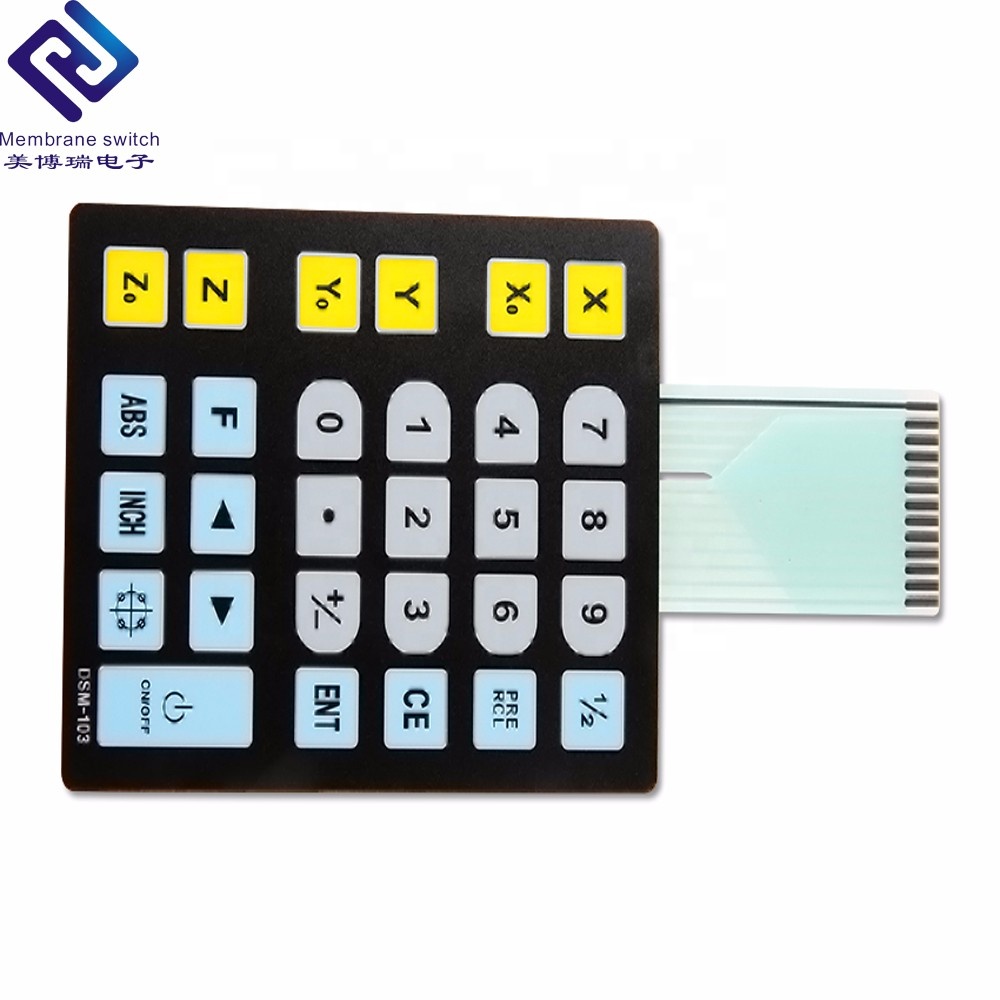
Factory Membrane Switch Keypad with Rubber Buttons 4*4/1*4/3*4/4*5 Layout MCU Expansion Electronic Keyboard
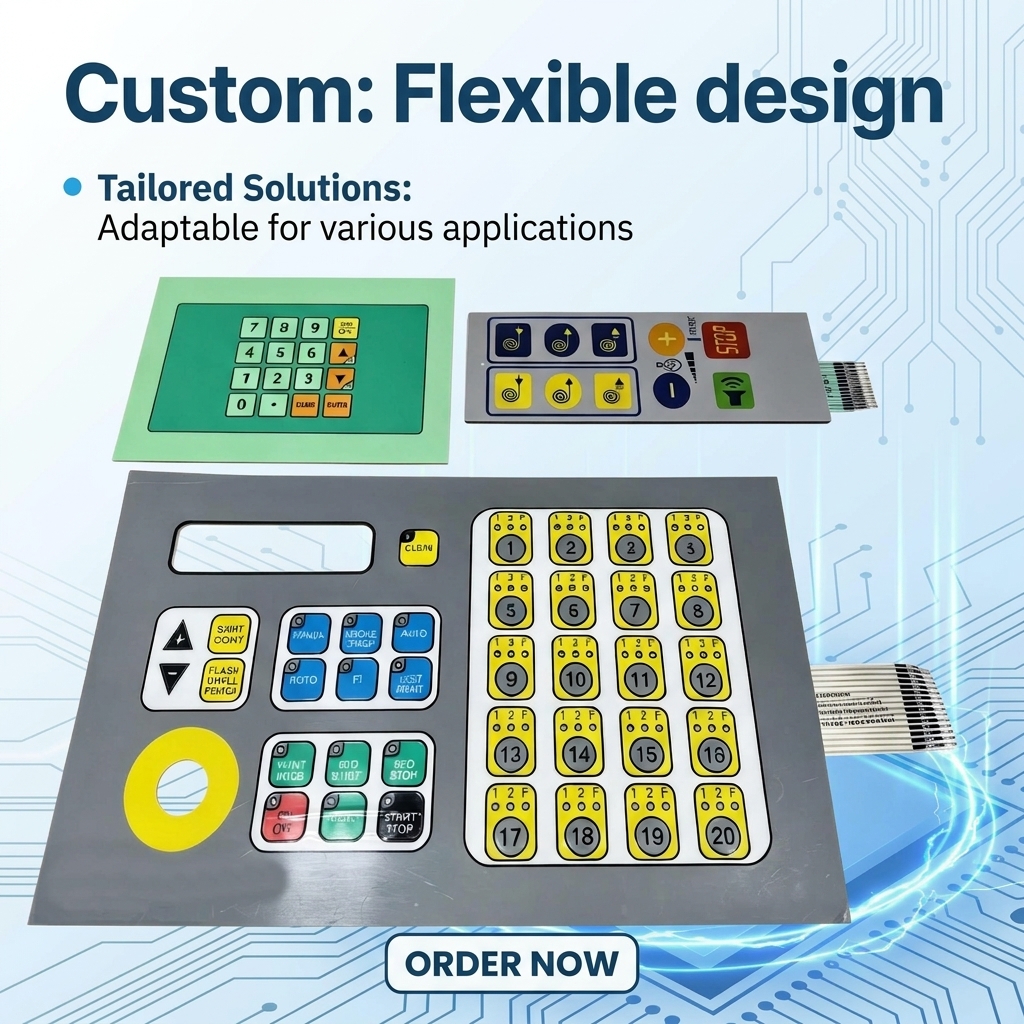
FPC Membrane Switch Keypad Flexible Circuit With LED Illumination for Railway Locomotive Control Panel Manufacturer
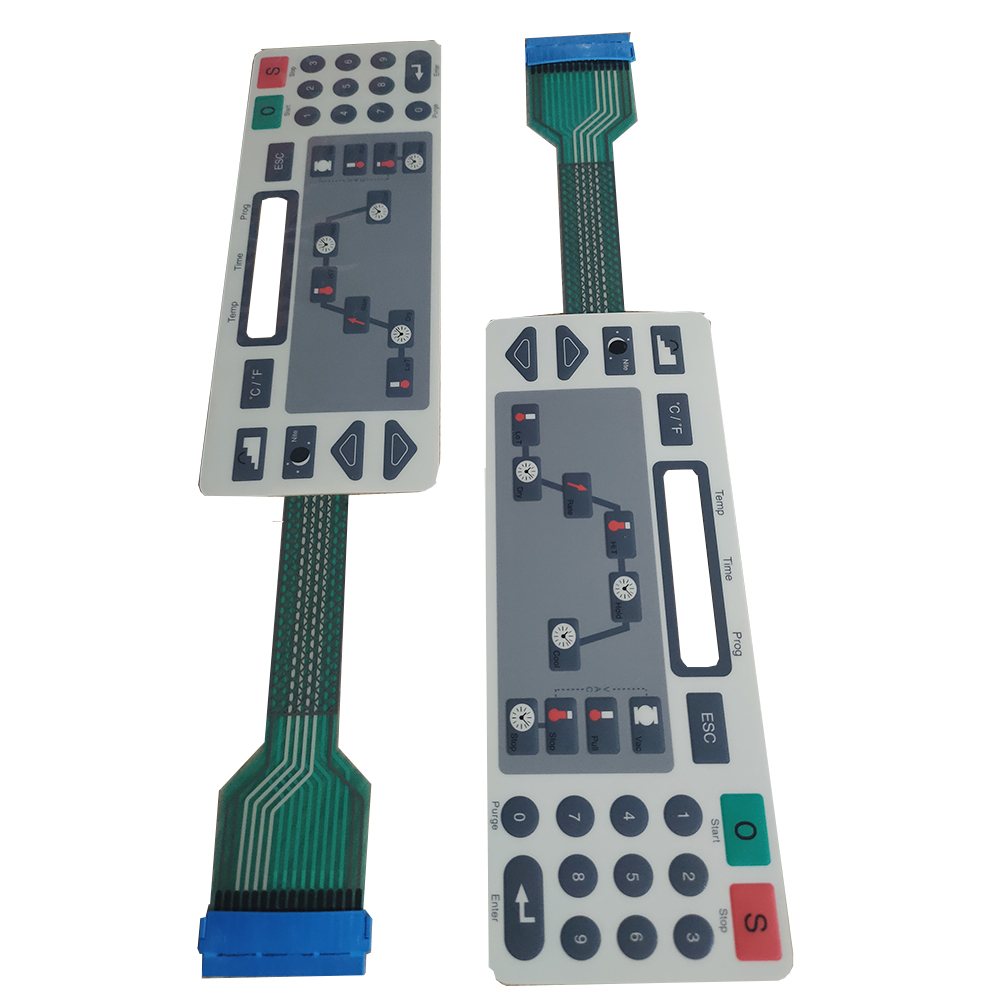
High Quality IP67 Waterproof 3M Adhesive Acrylic Metal/Poly Dome LCD Membrane Switch Custom Keypad Flexible Cable Custom Color
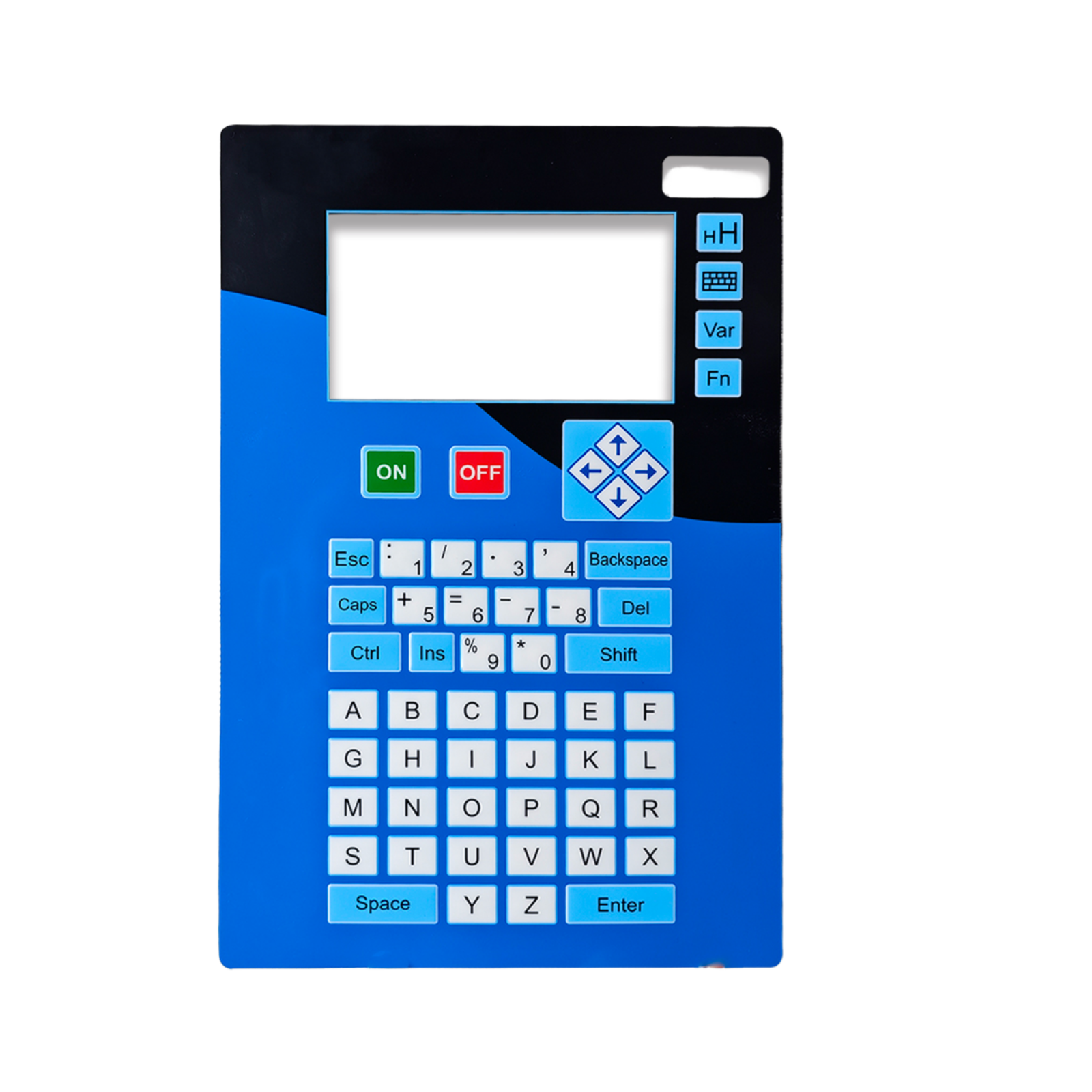
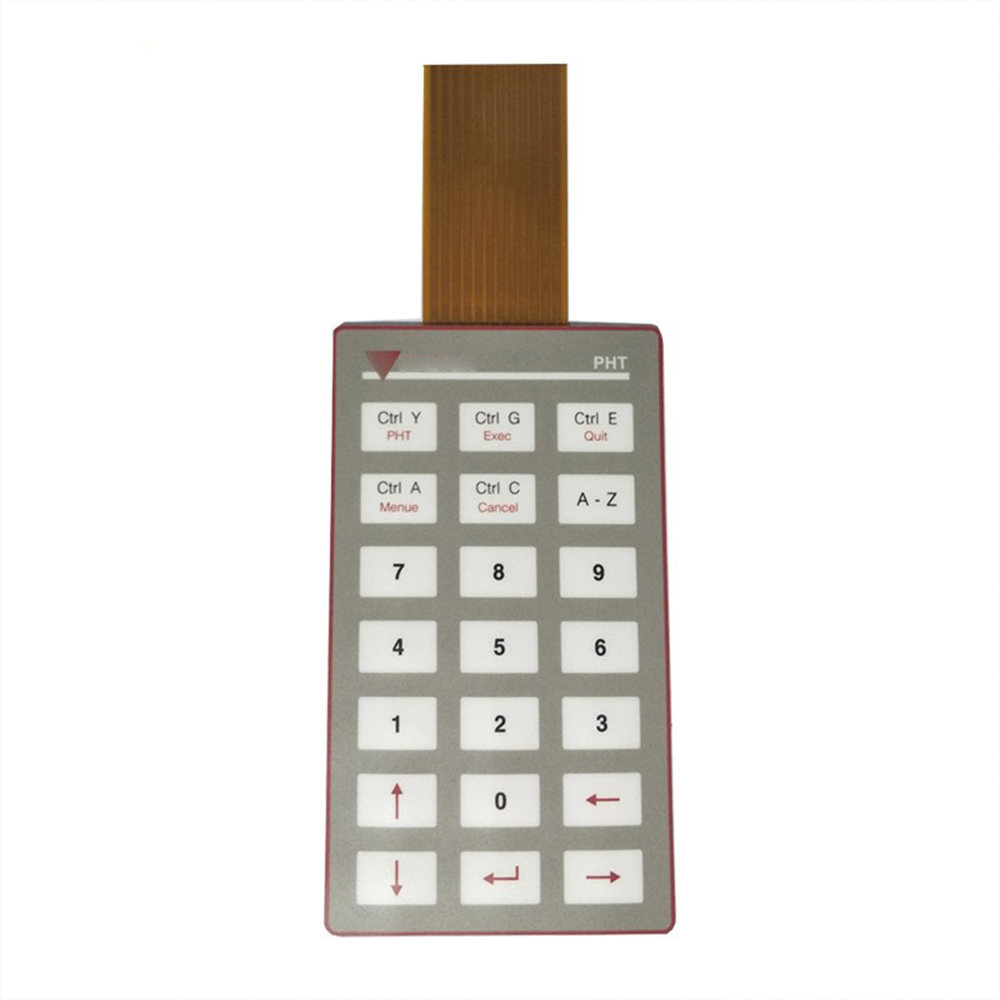
Computer Keyboard Membrane Panel Temperature Control Keypad Touch Switch Waterproof Eco-friendly PET/PC Material Customized
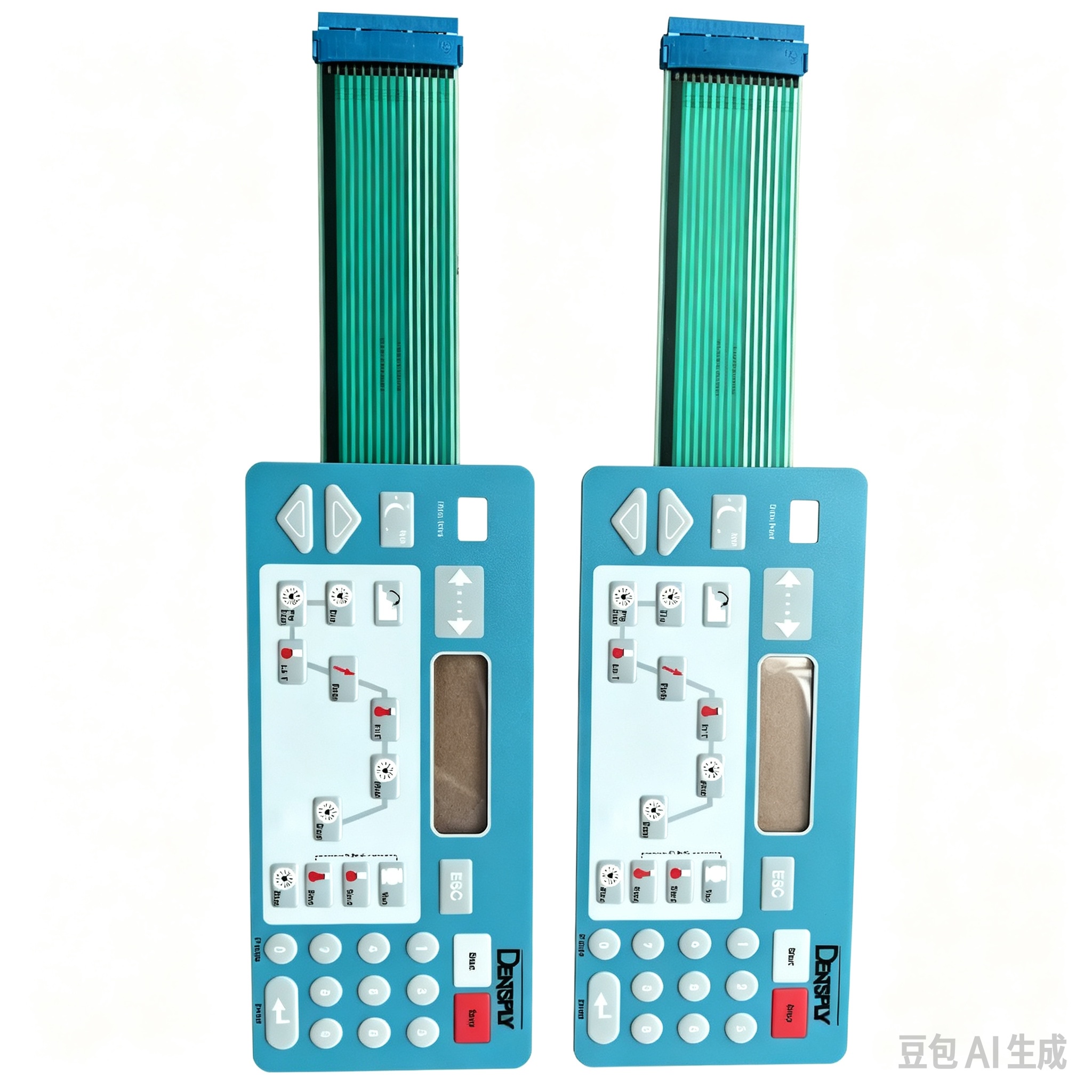
Factory Custom Waterproof Polyester Membrane Switch On Off Button Panel
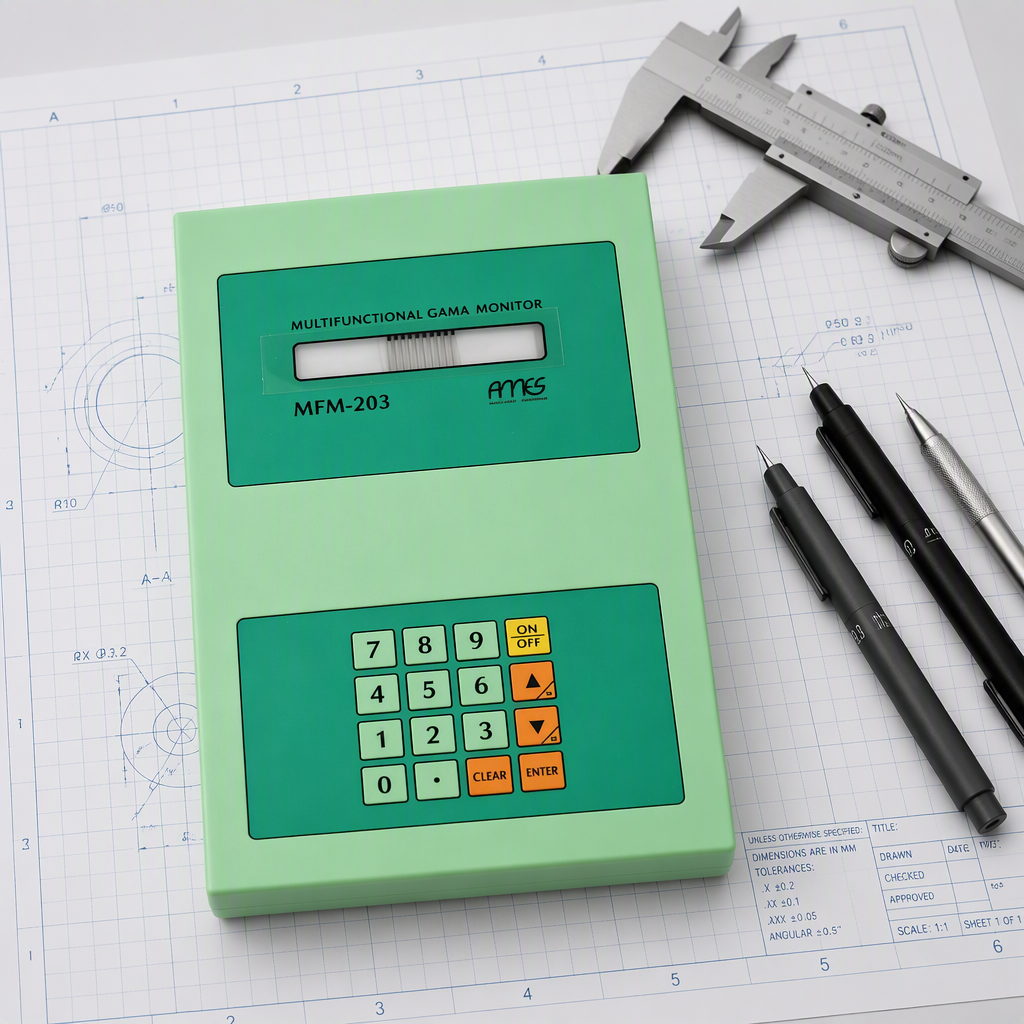
MBR IP67 Waterproof Industrial Membrane Keyboard PET Overlay for Telecommunication Equipment (OEM/ODM Model)
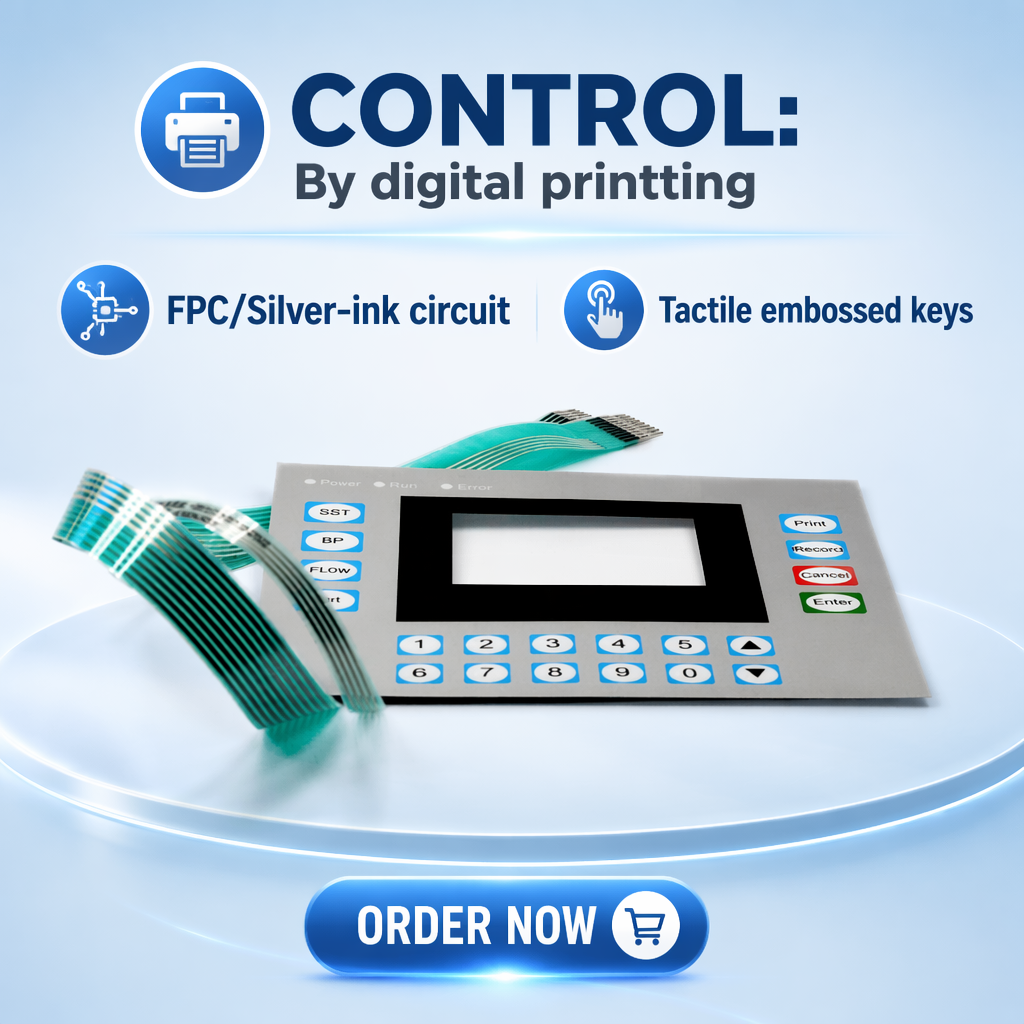
MEIBORUI Fast Turnaround Waterproof Durable Eco-friendly ISO9001 Certified PCB Prototyping Service Accept Sample Order Custom
Why Resistive Touch Architecture Outperforms in the Arizona Desert
While consumer devices favor projected capacitive (PCAP) glass, critical mission equipment deployed across the Salt River Valley, Chandler semiconductor fabs, and Sonoran open-pit mines demands the deterministic physical reliability of custom-engineered resistive touch stacks.
The Physics of Failure in the Valley of the Sun: PCAP vs. Resistive
Projected capacitive sensors operate on localized electrostatic field distortions. In Arizona, rapid condensation from refrigerated cleanrooms to blistering outdoor heat creates surface moisture pooling, leading to debilitating false touch registrations or complete lockouts. Similarly, airborne conductive dust or thick heavy-duty insulated gloves worn in mining and aerospace cleanrooms sever the capacitive circuit. Resistive touch screens rely entirely on pressure-induced mechanical contact between two conductive Indium Tin Oxide (ITO) layers separated by invisible insulating micro-dots (typically 0.035mm spacer dots). This makes actuation impervious to water drops, fine sand coatings, hydraulic fluids, and gloved or stylus interactions.
Core Resistive Topologies Built for Phoenix Procurement
To balance operational lifecycle against bill-of-materials budgets, our factory configures three dominant resistive hardware architectures:
| Architecture Type | Actuation Durability | Input Flexibility | Optical Clarity | Recommended Phoenix Environment |
|---|---|---|---|---|
| 4-Wire Resistive | 1 to 3 Million Touches/Point | Finger, Stylus, Thick Gloves | ~80% - 82% | Cost-sensitive handheld terminals, test monitors, occasional-use utility meters. |
| 5-Wire Extended Life | 35+ Million Touches/Point | Heavy Work Gloves, Metallic Stylus | 82% - 85% | Continuous-use semiconductor fab workstations, ATM/fuel dispenser kiosks, hospital point-of-care. |
| Glass-Film-Glass (GFG) | 10+ Million Touches / Scratch 7H | Vandal-proof, Steel Screwdriver, Gloves | 85% - 88% (with AR/AG) | Outdoor solar inverters, Sonoran Desert aggregate mining, municipal transit validation gates. |
| Resistive + FPC Tail + SMT | Mil-Spec Vibration Rated | Any pressure point > 15g | Custom Window Polishing | Aerospace cockpits, defense ground telemetry, high-acceleration locomotives. |
Localized Application Scenarios in Greater Phoenix
From the Chandler tech corridor to aerospace manufacturing in Mesa and biomedical labs in Downtown Phoenix, our customized resistive touch solutions solve sector-specific human-machine interface bottlenecks.
Semiconductor Cleanrooms & Fab Tools
With massive investments from TSMC in North Phoenix and Intel's Ocotillo campus in Chandler, cleanroom automated material handling systems (AMHS) and lithography support tools require static-dissipative HMI controls.
- Class 100/ISO 5 cleanroom-compatible anti-static coatings
- Full tactile actuation through dual-layer nitrile/latex cleanroom gloves
- Impervious to isopropyl alcohol (IPA) clean-down protocols
- EMI shielding preventing high-frequency RF tool interference
Aerospace & Defense Avionics
Scottsdale and Mesa serve as global headquarters for mission-critical defense contractors, flight simulation systems, and tactical communication gear operating under stringent military standards.
- MIL-STD-810H high-shock and random vibration survivability
- NVIS (Night Vision Imaging System) optical filter bonding
- Polyimide flexible printed circuits (FPC) with gold-plated ZIF tails
- No phantom clicks under cockpit G-force acceleration
Utility Solar Farms & Desert Energy Storage
Massive photovoltaic arrays and Battery Energy Storage Systems (BESS) installed across Maricopa and Pinal counties experience brutal solar thermal loads and high ambient UV weathering.
- Anti-glare (AG) and anti-reflective (AR) treatments ensuring 1000+ nit sunlight legibility
- UV-stabilized front films resisting yellowing, hazing, and cracking
- Hermetic perimeter sealing blocking particulate sand ingress (IP67/NEMA 4X)
- Operational thermal endurance spanning -30°C to +85°C
Mining & Heavy Desert Earthmoving Machinery
Heavy machinery operating in Arizona's copper mining corridors requires touch screens that survive abrasive rock dust, high-impact cab vibration, and operators wearing heavy split-leather gloves.
- Glass-Film-Glass (GFG) construction providing 7H pencil hardness scratch resistance
- Resistant to flying debris, sparks, grease, and hydraulic fluids
- Positive, deliberate tactile response eliminating accidental hydraulic actuations
- Direct integration with rigid aluminum or stainless steel backer plates
Phoenix Biomedical Hub & Clinical Diagnostics
The Phoenix Biomedical Campus (PBC) and healthcare diagnostic manufacturers require fluid-tight interfaces capable of continuous hospital disinfectant wipe-downs without sensor calibration drift.
- Flat, crevice-free continuous surface overlays preventing bio-burden buildup
- Resistance to bleach, quaternary ammonium, and chemical hospital cleansers
- High-accuracy signature capture and touch point precision for lab automation
- Zero risk of calibration shifting caused by electromagnetic pump noise
Emerging HMI Procurement Trends in the "Silicon Desert"
Strategic purchasing managers across Phoenix are redefining touch screen supplier criteria based on total cost of ownership (TCO), multi-tier factory redundancy, and rapid prototyping capabilities.
Migration to Dual-Structure GFG Hybridization
Standard resistive touch screens utilize a flexible PET top film that can be scored or punctured in demanding desert industrial settings. Phoenix engineering teams are increasingly specifying Glass-Film-Glass (GFG) construction. By replacing outer PET with an ultra-thin (0.1mm) flexible chemically strengthened glass sheet, OEMs achieve the impervious chemical and scratch resilience of glass alongside the uncompromised glove-touch benefits of pure resistive electronics.
Full Turnkey Optically Bonded Sub-Assemblies
Valley buyers are shifting away from procuring standalone touch overlays that require in-house cleanroom assembly. Instead, the trend favors turnkey delivery: factory-laminated displays featuring Optical Clear Adhesive (OCA) wet-bonding that fuses the resistive touch panel directly to high-brightness TFT-LCDs. This eliminates the internal air gap, radically decreases solar reflections under Arizona daylight, and prevents internal fogging.
Supply Chain Redundancy & Mitigated Tooling Costs
With recent semiconductor supply disruptions fresh in mind, Arizona procurement leaders demand manufacturers with dual-facility production infrastructure. Our dual manufacturing hubs in Hebei and Huizhou ensure uninterrupted volume processing. Furthermore, low Non-Recurring Engineering (NRE) fees and flexible Minimum Order Quantities (MOQs) allow Phoenix hardware startups to validate hardware iterations without tens of thousands in upfront tooling.
Our Manufacturing Capabilities & Verified Engineering Strengths
Decades of specialized focus on human-machine interface fabrication give our engineering team an unparalleled advantage in material science, precision screen printing, and environmental testing.
Complete In-House Fabrication
Unlike trading companies that outsource critical stages, our factory executes 100% of the manufacturing chain under one roof: laser photo-plotting, cleanroom silver paste screen printing (37 automated printing lines), digital UV printing (Mimaki heat-setting engines), hydraulic embossing, precision CNC die-cutting (60 CNC units), and automated pin-out testing.
Rigorous In-House Quality Assurance
All touch assemblies undergo verification in our advanced on-site laboratory. Our testing regime includes computer-controlled loop resistance testers, pneumatic stroke endurance rigs (validated past 35 million hits), programmable -40°C to +125°C thermal shock chambers, automatic salt-fog chambers, and Xenon arc UV aging systems to guarantee zero field failures.
International Engineering Partnership
Our long-term technical exchange program with German industrial switch specialists ensures our tooling tolerances, conductive ink formulations, and optical laminations match European and North American Mil-Spec expectations. Trusted by Fortune 500 equipment builders including Siemens, ABB, and high-speed rail systems globally.
| Production Parameter | Factory Standard Specifications | OEM Buyer Advantage |
|---|---|---|
| Cleanroom Class | Class 1,000 (ISO 6) & Class 10,000 (ISO 7) Laminar Hoods | Zero dust particle inclusions within optical display windows. |
| Positional Accuracy | ±0.05 mm on laser cutters; linearity tolerance < 1.5% | Flawless mechanical drop-in fit for custom CNC chassis enclosures. |
| Substrate Materials | Toray PET, MacDermid Autotex, Corning Gorilla Glass, 3M VHB | World-class chemical resistance, tensile memory, and adhesion. |
| Conductive Chemistry | Acheson micro-particle silver conductive inks & copper FPC | Ultra-low circuit resistance (< 100Ω) preventing signal latency. |
Frequently Asked Questions: Sourcing Touch Panels from Phoenix
Direct technical answers addressing lead times, environmental certifications, CAD format interchange, and harsh-desert engineering criteria.