Engineered Rigid PCB Switches & Heavy-Duty Membrane Assemblies
High-reliability tactile assemblies and robust graphic interfaces customized for harsh oceanic, maritime telecommunication, and mission-critical power generation hardware across Tarawa and outer atolls.
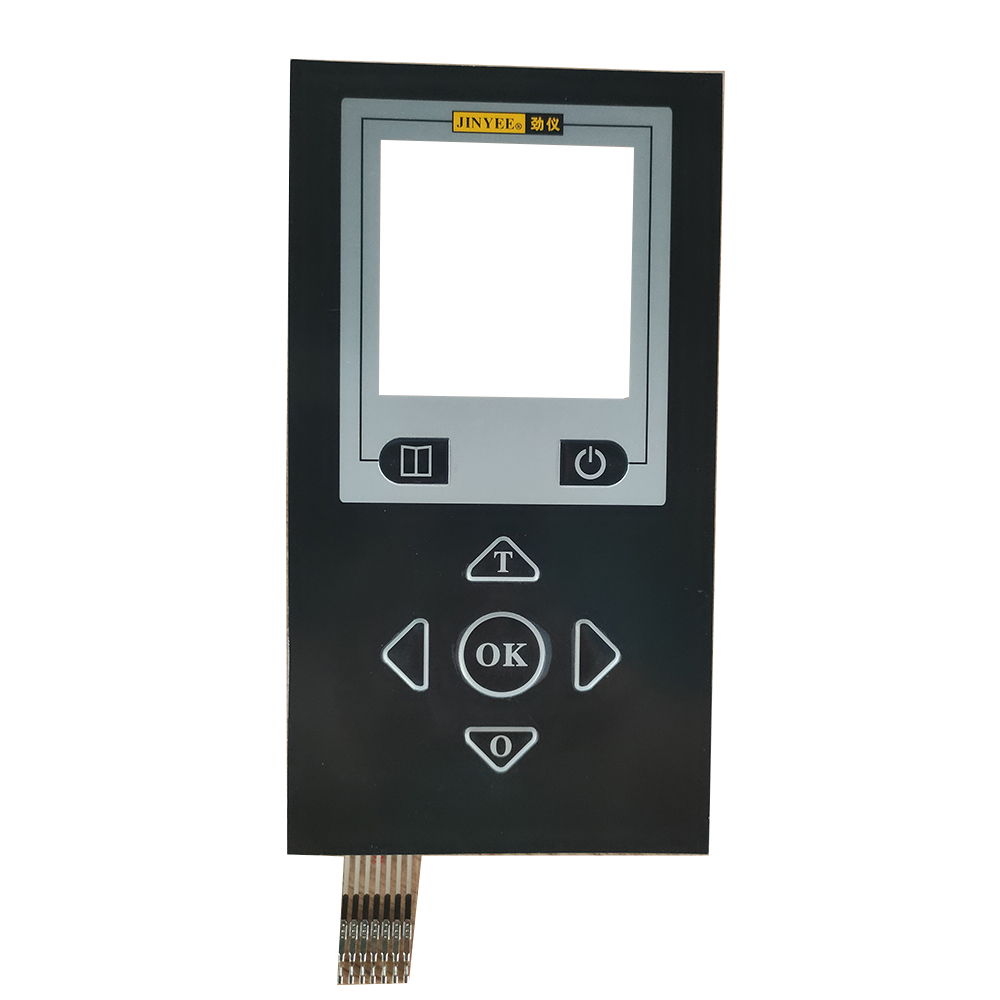
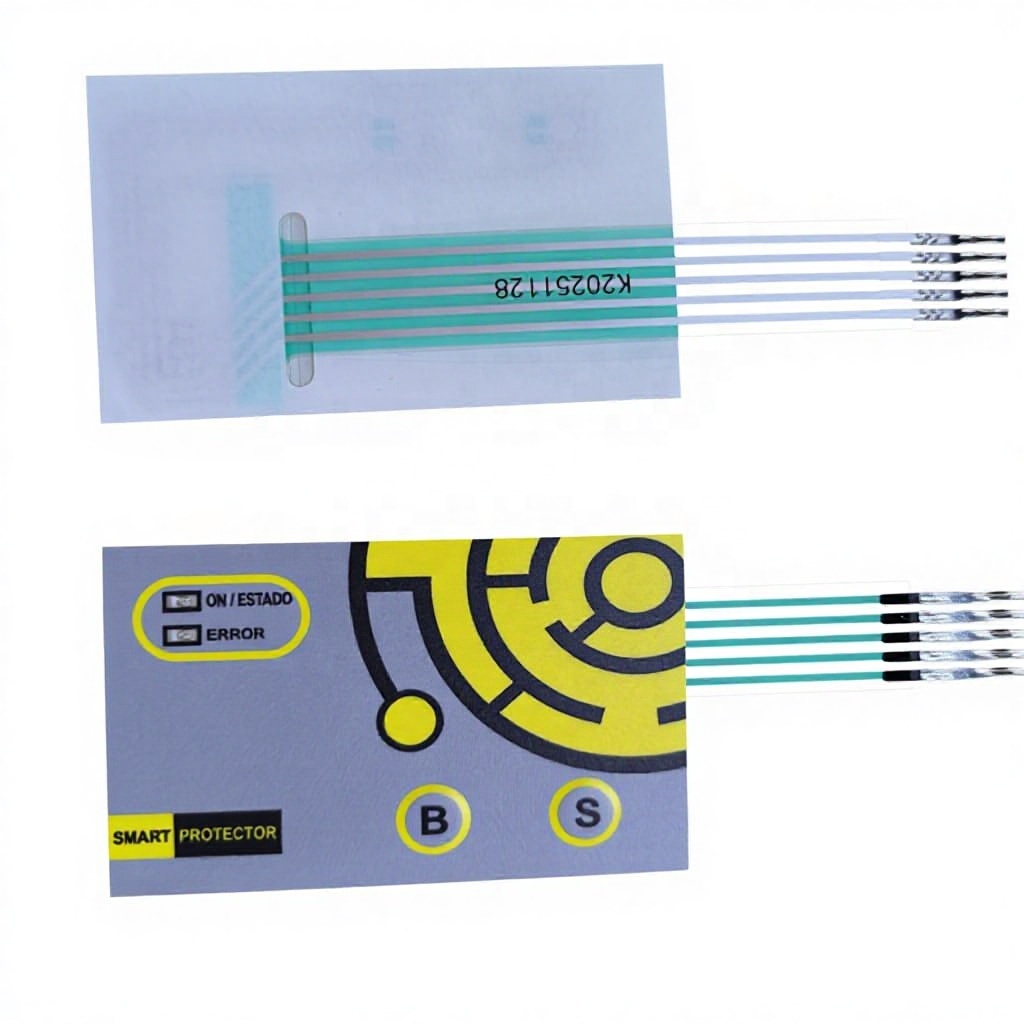
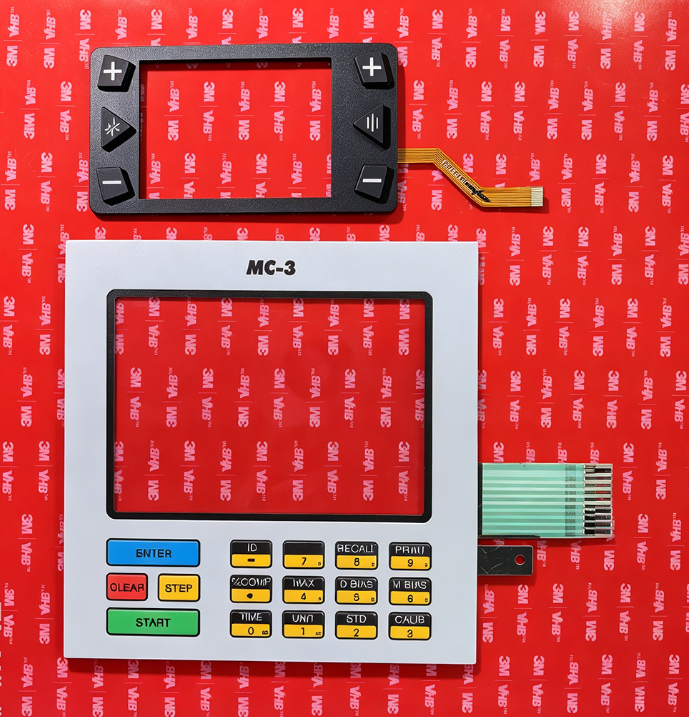
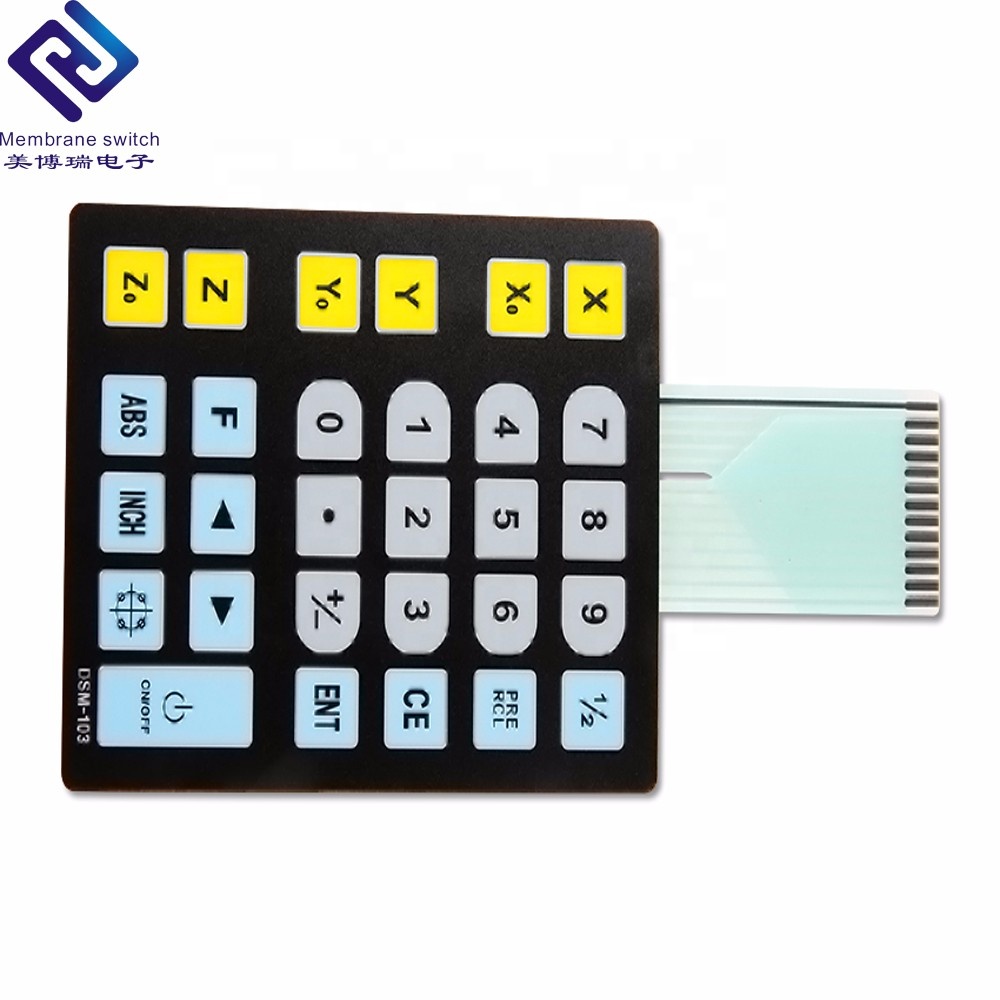
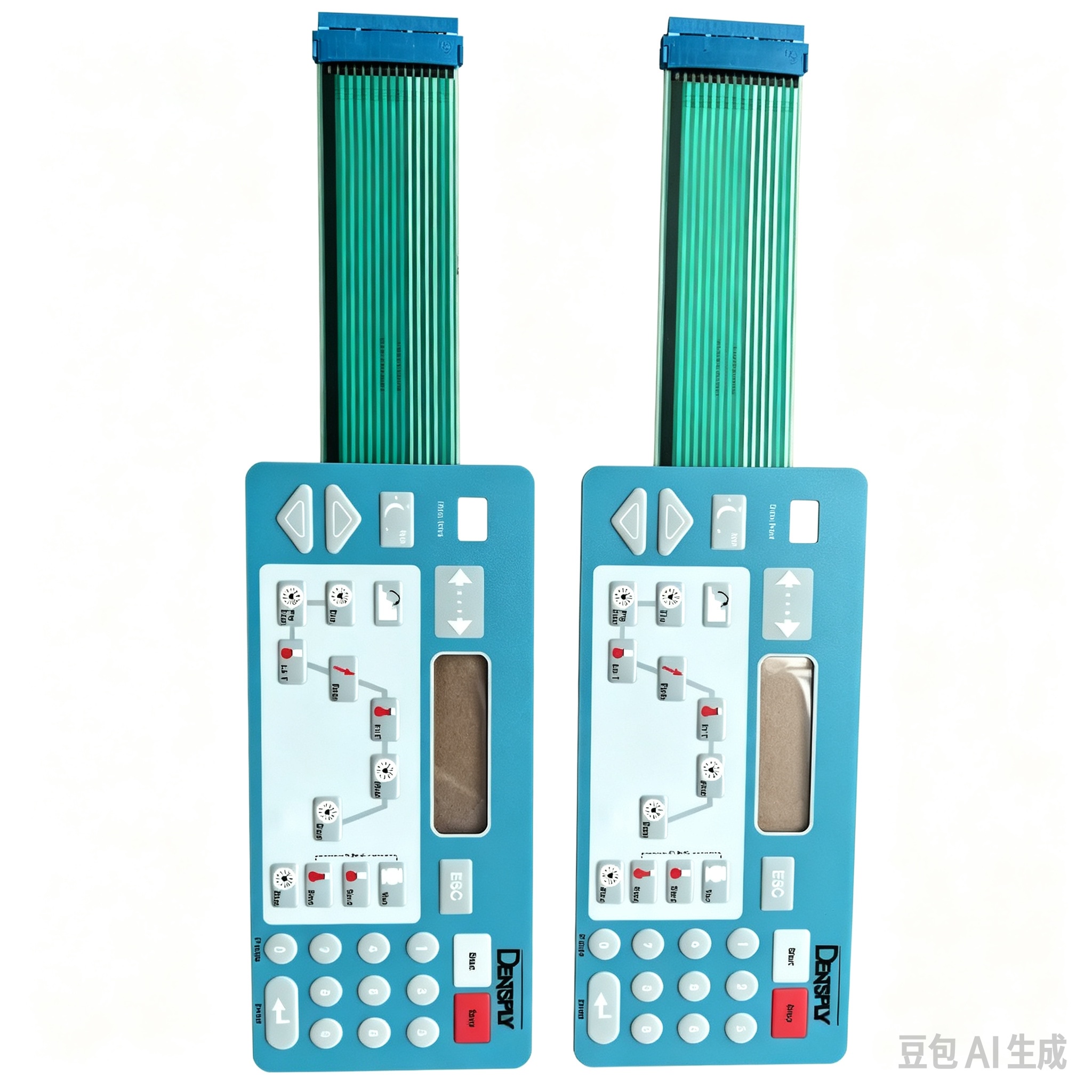
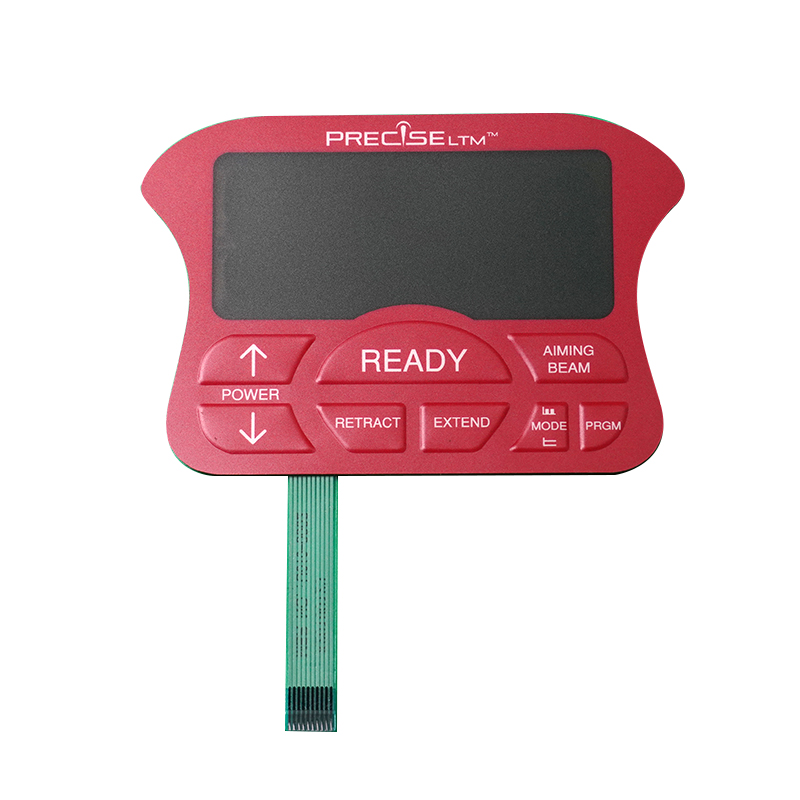
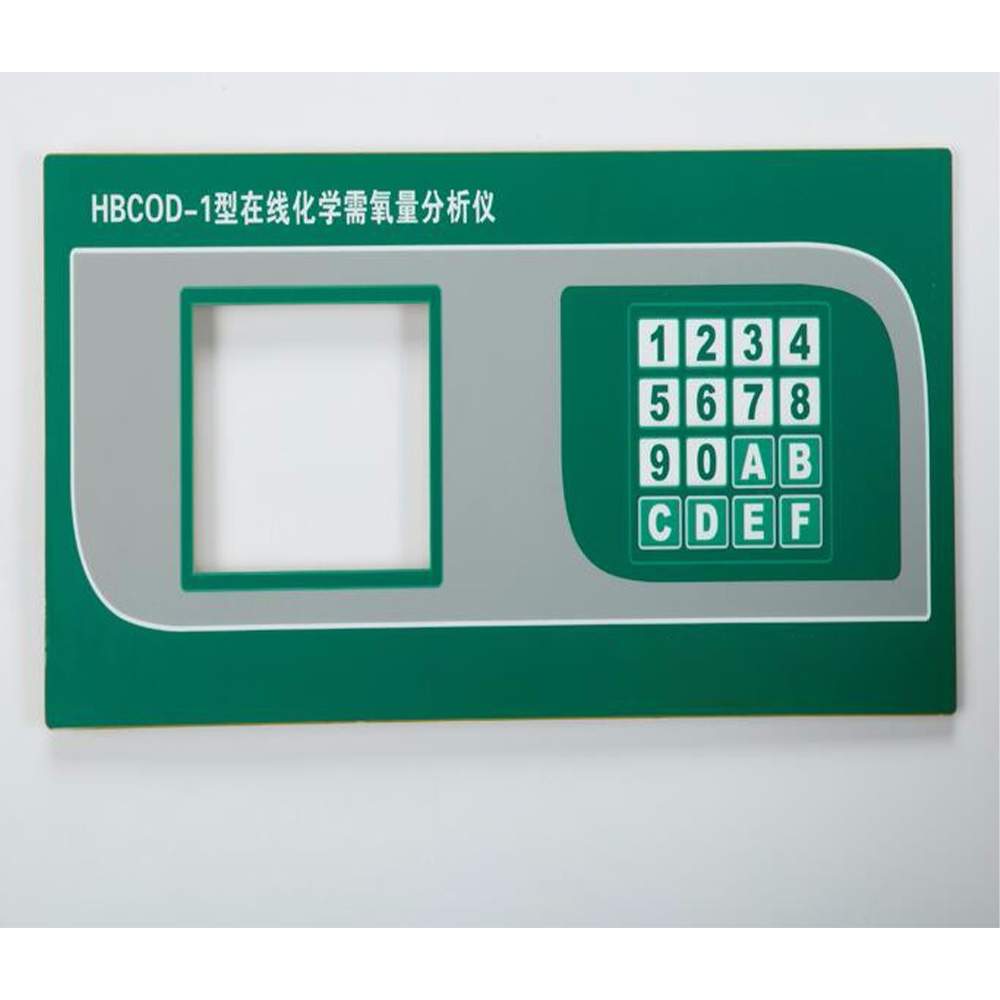
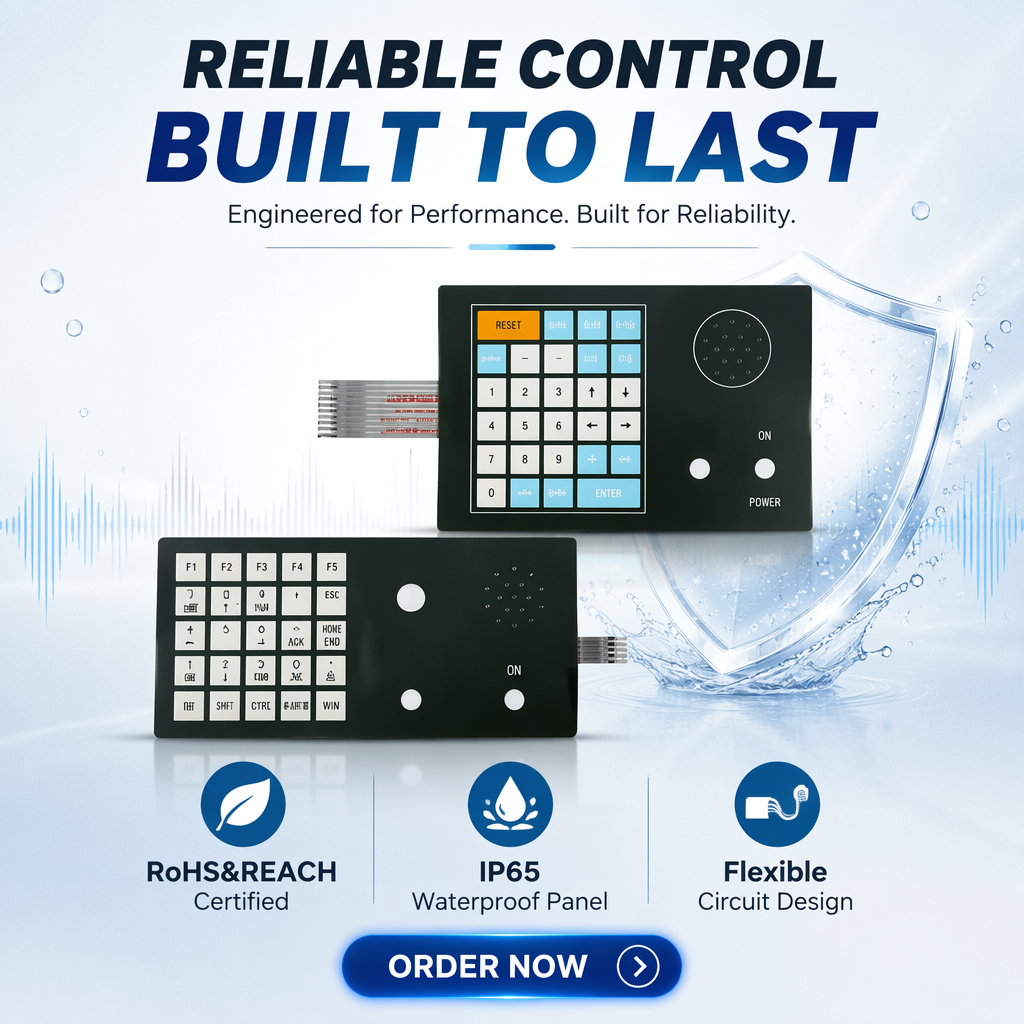
Mission-Critical Applications of Rigid PCB Switches Across Kiribati
Analyzing structural, electrical, and environmental performance requirements for human-machine interface components installed across microgrid stations, marine navigation systems, and municipal water purification operations in South Tarawa, Betio, and outer coral atolls.
Solar Microgrids & Remote Power Plants
Kiribati relies heavily on decentralized photovoltaic-battery microgrids to provide continuous electricity to off-grid settlements across Abaiang, Tabiteuea, and Kiritimati. Conventional flexible membrane switches often suffer trace oxidation and premature silver migration when exposed to relentless 90%+ relative humidity and thermal spikes. By bonding the tactile membrane directly to an FR4 rigid copper PCB substrate treated with ENIG (Electroless Nickel Immersion Gold), our rigid switches eliminate trace degradation, resist high enclosure temperatures inside solar inverters, and offer rock-solid tactile feedback for municipal utility managers operating switchgear in South Tarawa.
Reverse Osmosis & Marine Desalination
Potable water access in Kiribati's low-lying atolls is sustained through solar-powered seawater desalination facilities and localized brackish reverse osmosis (RO) container systems. Human-machine interfaces on high-pressure pump control cabinets must resist continuous chemical splash, corrosive chlorine ions, and marine brine saturation. TAVO engineers rigid PCB-backed switches featuring Autotex fine-grit hard-coated polyester overlays laminated with automotive-grade 3M 300LSE adhesive gaskets. This impenetrable perimeter seal prevents airborne salt aerosol from reaching internal metal domes, preventing galvanic corrosion and switch short circuits.
Inter-Island Ferry & Fisheries Marine Avionics
Vessels operated by the Kiribati Ports Authority and domestic commercial tuna fleets operating across the Phoenix and Line Islands endure heavy wave impact, deck washdown, and intense equatorial UV index levels exceeding 11+. Our rigid PCB switches incorporate aluminum or heavy FR4 stiffener backer plates capable of handling harsh, repetitive gloved actuations by deck engineers. SMT LEDs, diagnostic displays, and buzzer alerts are soldered straight onto the underlying copper circuitry, guaranteeing that high vibration during diesel engine throttling does not trigger intermittent contact breaks.
| Performance Parameter | Standard Flexible Membrane Switch | TAVO Marine-Grade Rigid PCB Switch | Engineering Benefit for Kiribati Infrastructure |
|---|---|---|---|
| Base Circuit Layer | Screen-printed conductive silver ink on 0.125mm PET | 1.0mm - 2.4mm FR4 Glass-Epoxy with 1oz/2oz Copper Foil | Eliminates silver migration caused by equatorial high-humidity condensing cycles. |
| Plating & Surface Finish | Unprotected silver or thin carbon paste printing | Electroless Nickel Immersion Gold (ENIG 2-5µin Gold) | Immunity to airborne salt fog corrosion (ASTM B117 > 96 hours proven). |
| Electronic Component Mounting | Conductive epoxy gluing (prone to shearing/vibration loss) | True High-Temp Surface Mount Technology (SMT) Soldering | Permits direct placement of high-intensity status LEDs, capacitors, and terminal connectors. |
| Backer & Support Rigidity | Requires third-party sub-panel or housing backing plate | Integrated Aluminum (5052) or structural FR4 base plate | Enables blind threaded standoffs; simplifies direct enclosure panel installation. |
| Enclosure Protection Class | Typically IP54 (splashing water vulnerable) | IP67 / IP68 Hermetic Gasket Seal with 3M 300LSE/VHB | Safeguards against tropical rainstorms, ocean spray, and sand abrasion on outer atolls. |
Emerging Procurement Trends for Industrial HMIs in Kiribati
Kiribati's Strategic Plan and international development partnerships funded through the Asian Development Bank (ADB), World Bank, and Pacific Community (SPC) have accelerated critical modernization programs. From climate monitoring telemetry arrays to outer-island satellite communications networks, infrastructure equipment must survive some of the most aggressive marine atmospheric conditions in the world.
Historically, Pacific island contractors sourced generic switch modules that failed within months due to delamination from extreme solar heat and salt-crust short-circuits. Current engineering specifications increasingly mandate MIL-STD-810G salt fog endurance, sub-surface digital UV graphic printing that will not yellow or bleach under unshielded UV radiation, and high-tactile stainless steel dome matrices delivering 350g-450g actuation feedback to reassure field technicians wearing industrial safety gloves.
TAVO has adapted to these exact remote-logistics challenges. Our custom-molded backer plates with integrated blind clinch studs streamline local field servicing, allowing Kiribati maintenance technicians to replace front control fascia without disconnecting internal sub-assemblies.
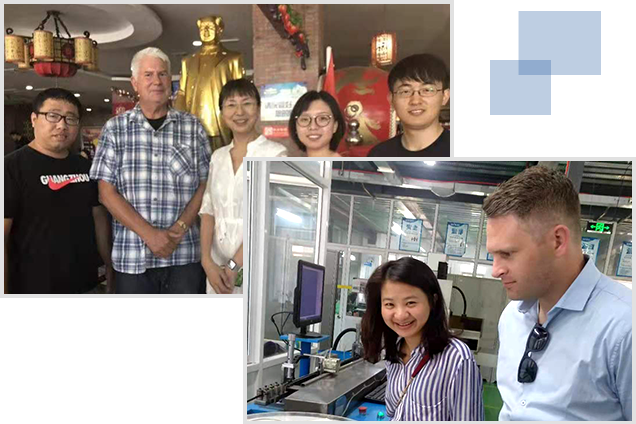
Fully Integrated In-House Production: Zero Quality Leakage
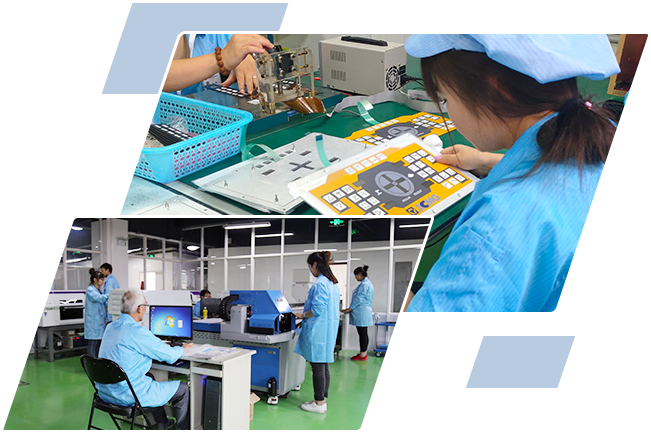
TAVO Electronic Information Technology Co., Ltd. operates state-of-the-art facilities across Langfang, Hebei and Huizhou, Guangdong. Unlike trading intermediaries who broker orders between disconnected print shops and PCB assemblers, our 2,219-square-meter facility houses all core technical phases under an ISO 9001:2015 quality management system.
Our workshop houses 60 CNC precision tooling centers, 37 precision screen-printing units, 4 Japanese Mimaki wide-format digital UV printers, and 18 high-precision laser-cutting lines. In-house processing guarantees that raw Autotex or Makrofol films, stainless steel snap domes, and rigid multi-layer FR4 boards match tight dimensional tolerances (±0.05mm).
Every switch batch earmarked for oceanic export undergoes rigorous testing in our in-house lab: computer circuit trace continuity scans, 1,000,000-cycle button life testing, programmable high-heat/damp thermal shock cycling, and automated salt-mist chamber exposure.
Frequently Asked Questions: Sourcing Rigid PCB Switches for Kiribati
Essential guidance for procurement officers, electrical engineers, and project contractors managing electronic component imports into Tarawa, Kiritimati, and regional Pacific supply hubs.
Why are rigid PCB-backed switches preferred over flexible membrane switches in Kiribati's environment?
How do TAVO switches prevent delamination caused by high equatorial solar UV and tropical heat?
What file formats and engineering specifications are required to initiate custom tooling and quotations?
What are the minimum order quantities (MOQ) and lead times for shipping shipments to Tarawa (TRW)?
Can integrated backlighting and night-vision indicators be embedded into our control consoles?
How does TAVO ensure trade compliance, safe seaworthy packaging, and international payment security?
Precision Manufacturing Infrastructure & Rigorous Quality Control
Take an inside look at our 2,219㎡ processing floorspace where our 111+ verified personnel manufacture human-machine interface products trusted by global leaders including Siemens, ABB, and Haier.
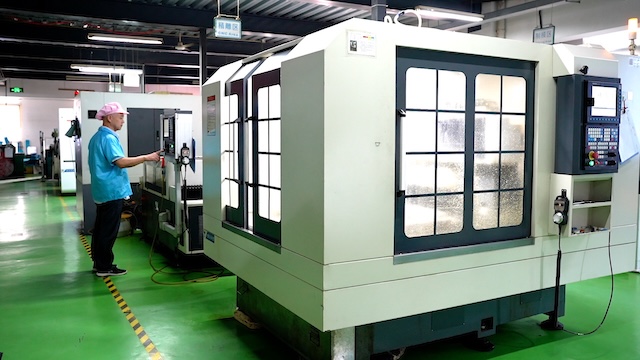
Dust-Free Class Cleanroom
Static-controlled lamination and optical bonding workshops guaranteeing bubble-free graphic overlays.
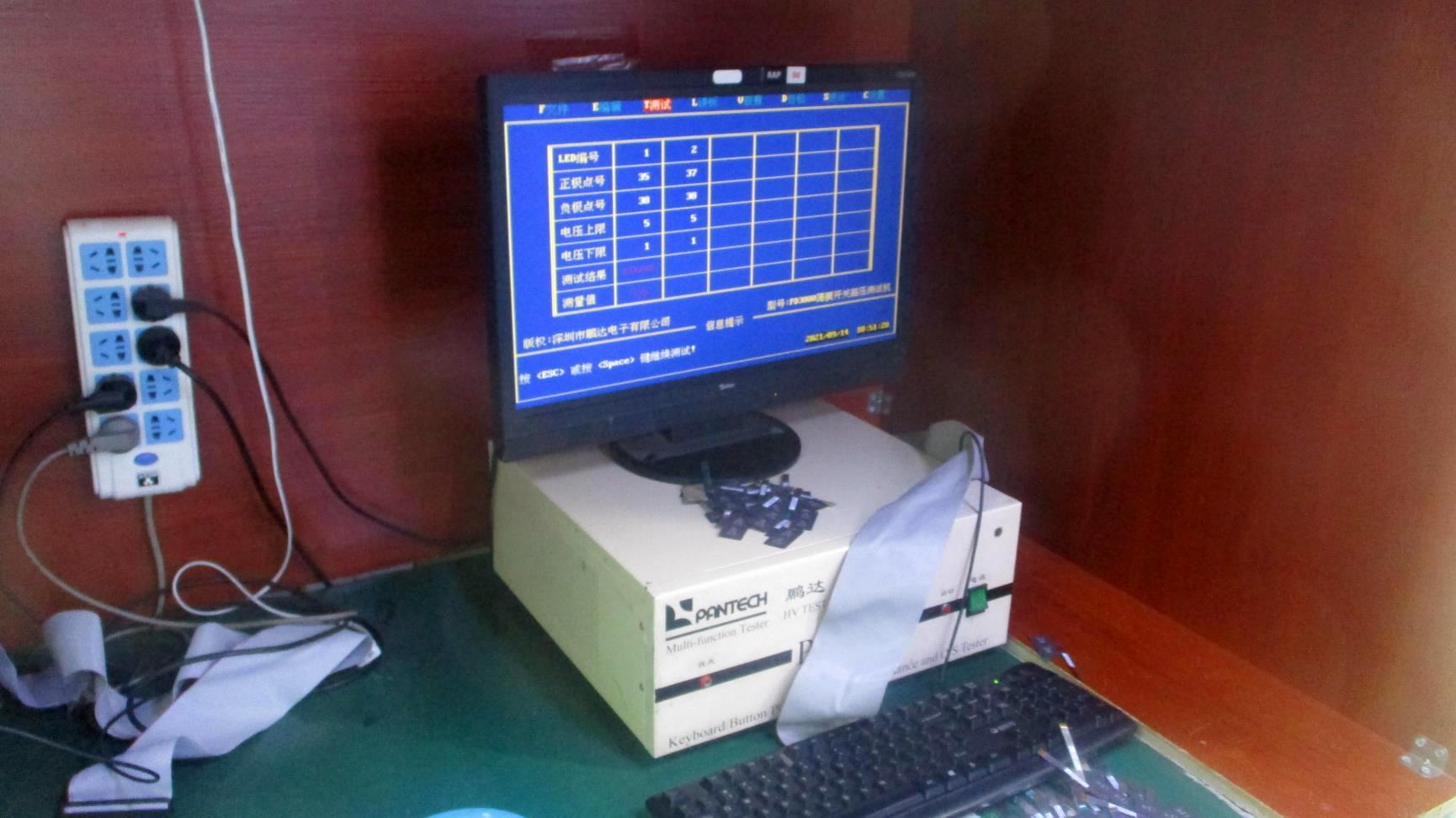
100% Computer Circuit Testing
Automated continuity, loop resistance, insulation breakdown, and switch short tests on every manufactured piece.
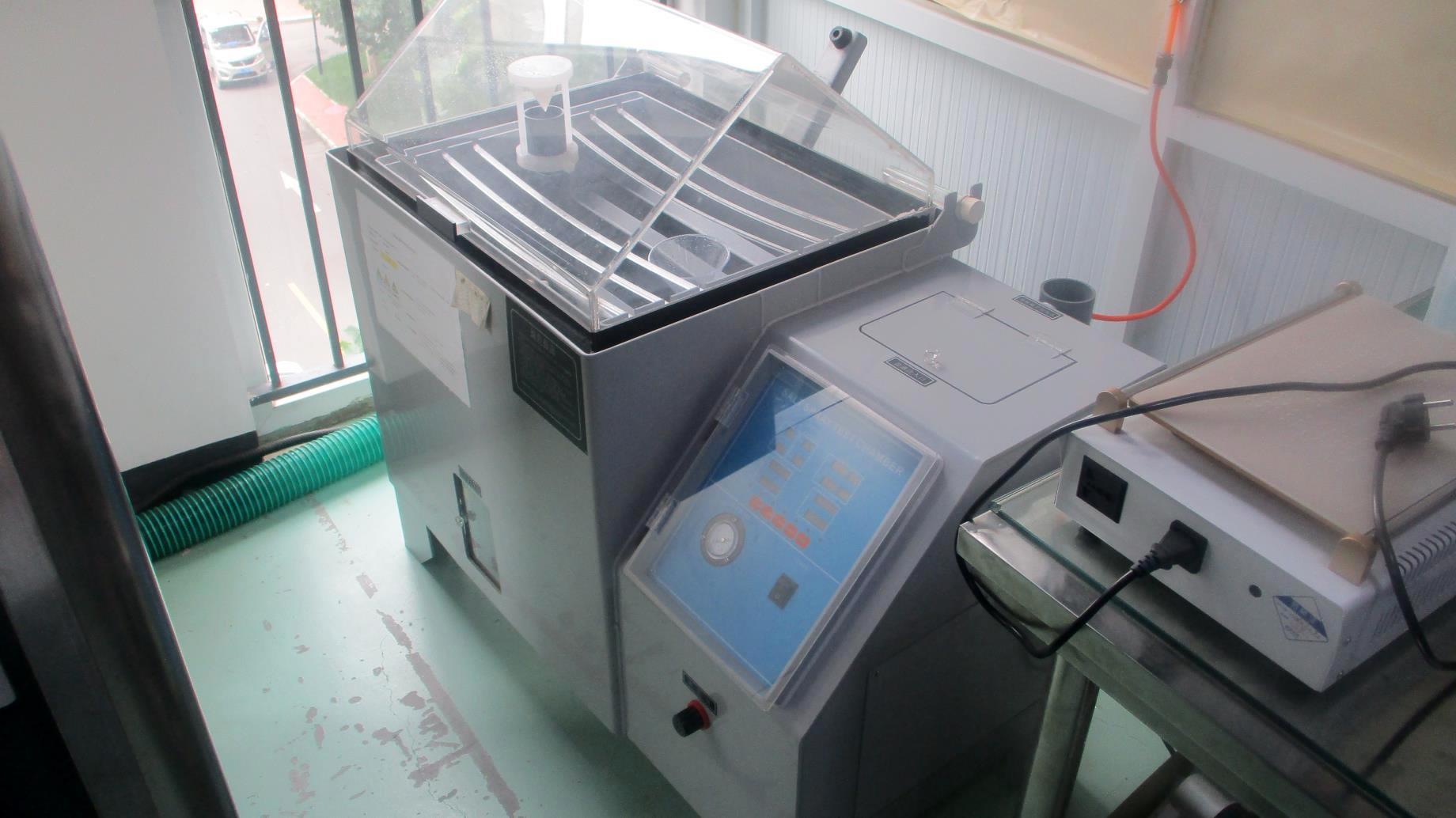
Salt Fog Test Chamber
ASTM B117 salt aerosol testing verifying corrosion-proof seals for long-term oceanic performance in Kiribati.
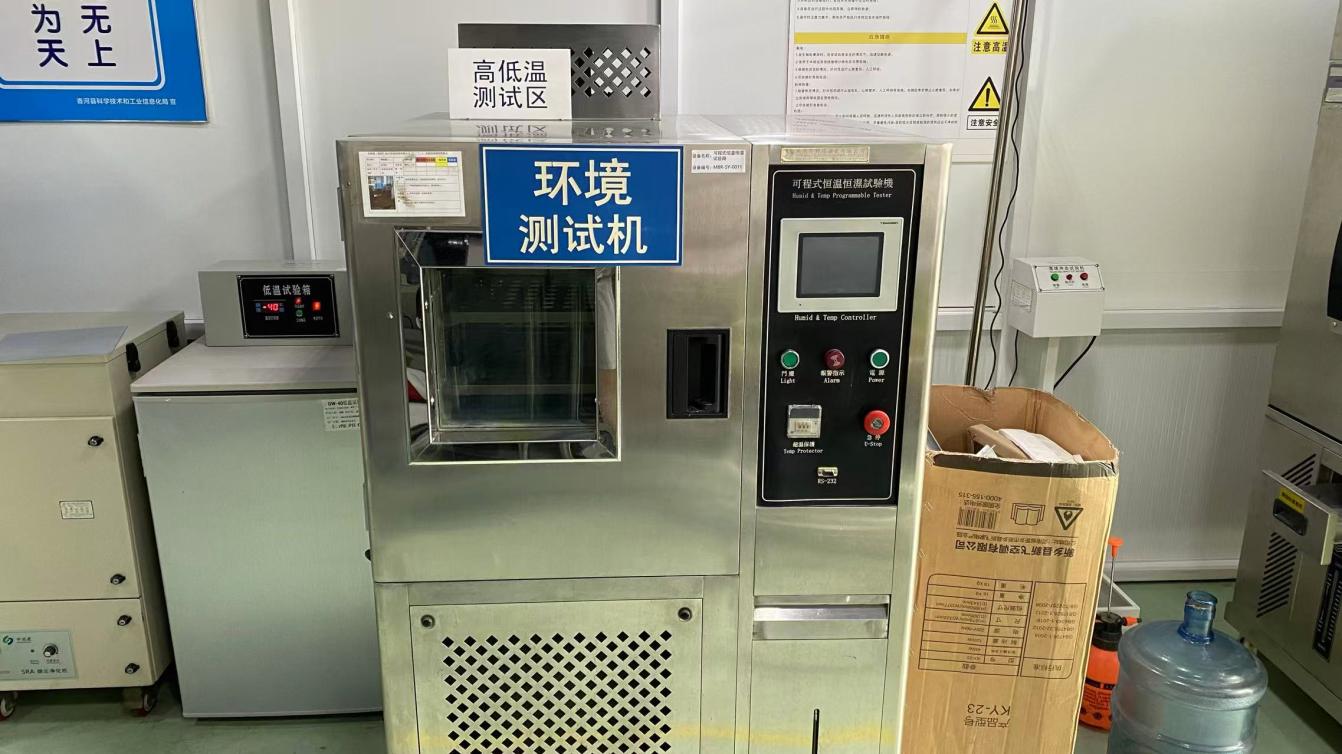
Thermal & Humidity Cycling
Stress testing between -40°C and +85°C at 95% RH to verify adhesive lamination stability against delamination.
Partner with a Leading Rigid PCB Switch Factory for Kiribati
Consult with our senior HMI engineering team on your electrical stack-up, material selection, backer design, and environmental ingress protection. We provide rapid DFM feedback, formal quotations, and prototype sample support within 24 hours.
Get Catalog